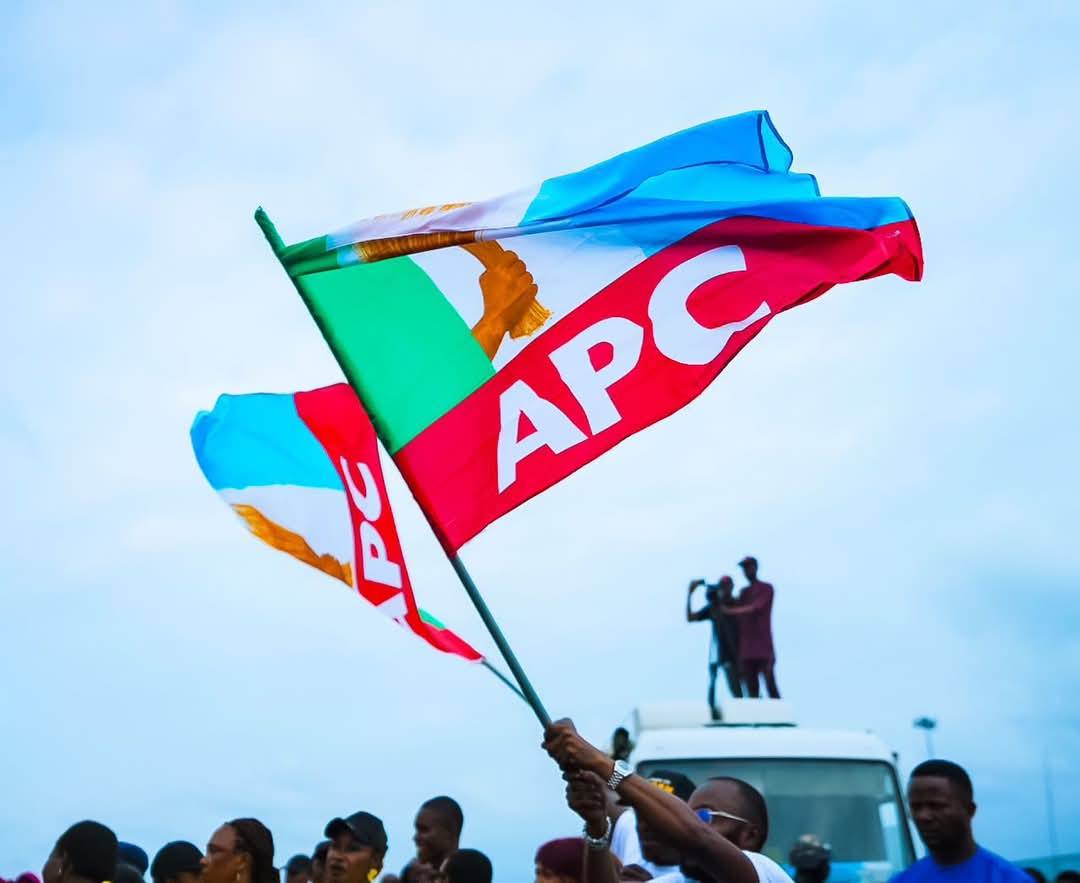
APC

‘What A Shame’ – Peter Obi Criticises Tinubu Government For Complicity In Masterminding ADC Crisis

By Sabiu Abdullahi

Former presidential candidate of the Labour Party, Peter Obi, has faulted the administration of President Bola Tinubu over the crisis rocking the African Democratic Congress (ADC), describing the situation as a setback for democratic values.

Obi made his position known in a post shared on X on Thursday. He expressed concern over what he described as a contradiction involving individuals who once championed democracy and human rights during the era of General Sani Abacha.

He stated that many of those figures, who were active under the National Democratic Coalition (NADECO), now appear to act in ways that contradict the ideals they once promoted. He added that recent developments suggest a decline in respect for democratic principles.

He wrote: “Yesterday defenders of democracy, today’s destroyers. What a shame.

“What an irony of history, that the acclaimed defenders of democracy and human rights who claimed to have fought for democracy during the era of General Sani Abacha now find themselves worse than the man they opposed.

“today, General Sani Abacha, once presumed face of oppression, will be remembered as seemingly more democratic and more respectful of human rights than the so-called champions of activism from the NADECO days. Power indeed reveals character.”

Obi’s remarks followed the decision of the Independent National Electoral Commission (INEC) to delete the names of former Senate President David Mark and former Osun State governor Rauf Aregbesola from its portal as national chairman and national secretary of the ADC.

INEC also stated that it would not recognise Nafiu Bala Gombe, who is pursuing recognition as national chairman through the courts.

The commission further announced that it has suspended recognition of all factions within the party. It added that it would not monitor any congresses or conventions organised by the rival groups until the Federal High Court delivers a final judgment on the matter.

APC Backs INEC Decision To Withdraw Recognition From ADC Factions


By Sabiu Abdullahi

The All Progressives Congress (APC) has expressed support for the Independent National Electoral Commission (INEC) over its decision to withdraw recognition from the rival factions of the African Democratic Congress (ADC).

INEC had earlier stated that it would no longer recognise or relate with the two opposing groups within the ADC led by former Senate President David Mark and Nafiu Bala Gombe. The commission explained that its action followed a review of a recent Court of Appeal judgment. It added that it would maintain the status quo until the Federal High Court gives a final ruling on the matter.

As part of the decision, INEC also removed the names of executives loyal to Mark from its official portal. The move sparked criticism from members of that faction.

Reacting to the development, APC spokesperson Felix Morka said the crisis within the ADC was caused by the party’s internal actions. He dismissed claims that the ruling party played any role in the situation.

“INEC decision to de-recognise the David Mark executive was utterly self-inflicted. APC didn’t do that. You orchestrate the hijack of the ADC by that executive. We didn’t. They did,” Morka said.

He also accused the Mark-led group of failing to follow due process in taking control of the party.

“You come in with your parachutes; you take over the party without reference to the constitutional stipulation about succession and how leadership is ordered in that party. This is the consequence,” he added.

However, the ADC faction loyal to Mark has rejected INEC’s stance. The group alleged that the electoral body acted under external influence in taking the decision.

Eight Kano Reps Dump NNPP for APC, Barau Welcomes Move

By Anas Abbas

The Deputy Senate President, Barau I. Jibrin, has welcomed the defection of eight members of the House of Representatives from the New Nigeria Peoples Party to the All Progressives Congress, describing the move as strategic and significant for the party’s growth.

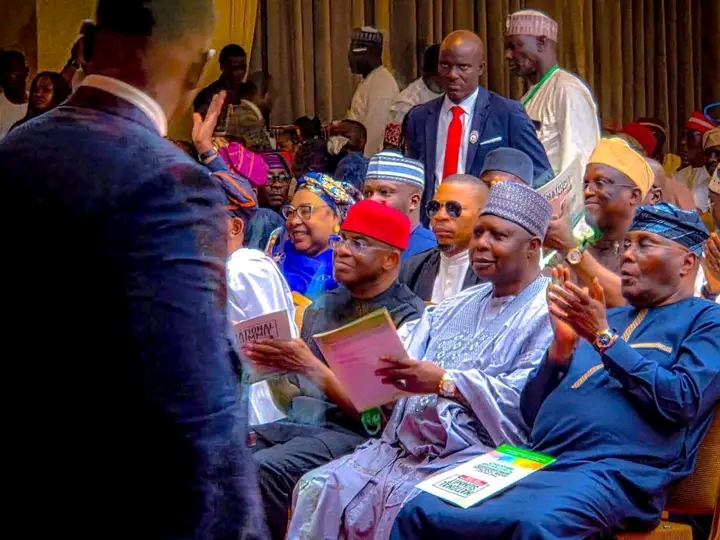
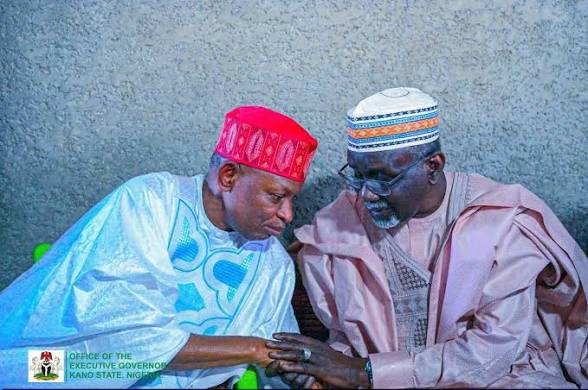
The lawmakers were formally received during a gathering attended by prominent political figures, including the Speaker of the House of Representatives, Abbas Tajudeen; the Governor of Kano State, Abba Kabir Yusuf; and the immediate past National Chairman of the APC, Abdullahi Umar Ganduje, among others.

The Speaker announced the defections during plenary, listing the lawmakers as: Aliyu Sani Madaki (Dala), Ghali Mustapha (Ajingi/Albasu/Gaya), Shehu Muhammad Bello (Fagge), Dankawu Idris (Kumbotso), Hussain Hassan Shehu (Nassarawa), Rabiu Yusuf (Sumaila/Takai), Muhammad Garba Chiroma (Gezawa/Gabasawa), Ibrahim Mohammed (Gwale), and Tijjani Abdulkadir Jobe (Tofa/Dawakin-Tofa/Rimingado).

In a statement, Jibrin congratulated the defecting lawmakers, describing their decision as “bold and strategic.” He noted that their move would further strengthen the APC’s influence in Kano State and enhance the party’s commitment to good governance and effective representation.

According to him, the inclusion of the lawmakers whom he described as grassroots-oriented, experienced, and dedicated positions the APC to consolidate its leadership in the state ahead of future elections.

He expressed optimism that the party would achieve greater electoral success, emphasizing unity and collective efforts toward delivering dividends of democracy to the people.

Former Kano APC Governorship Candidate Gawuna Resigns from Party

By Uzair Adam

A former governorship candidate of the All Progressives Congress (APC) in the 2023 general elections in Kano State, Nasiru Yusuf Gawuna, has formally resigned from the party.

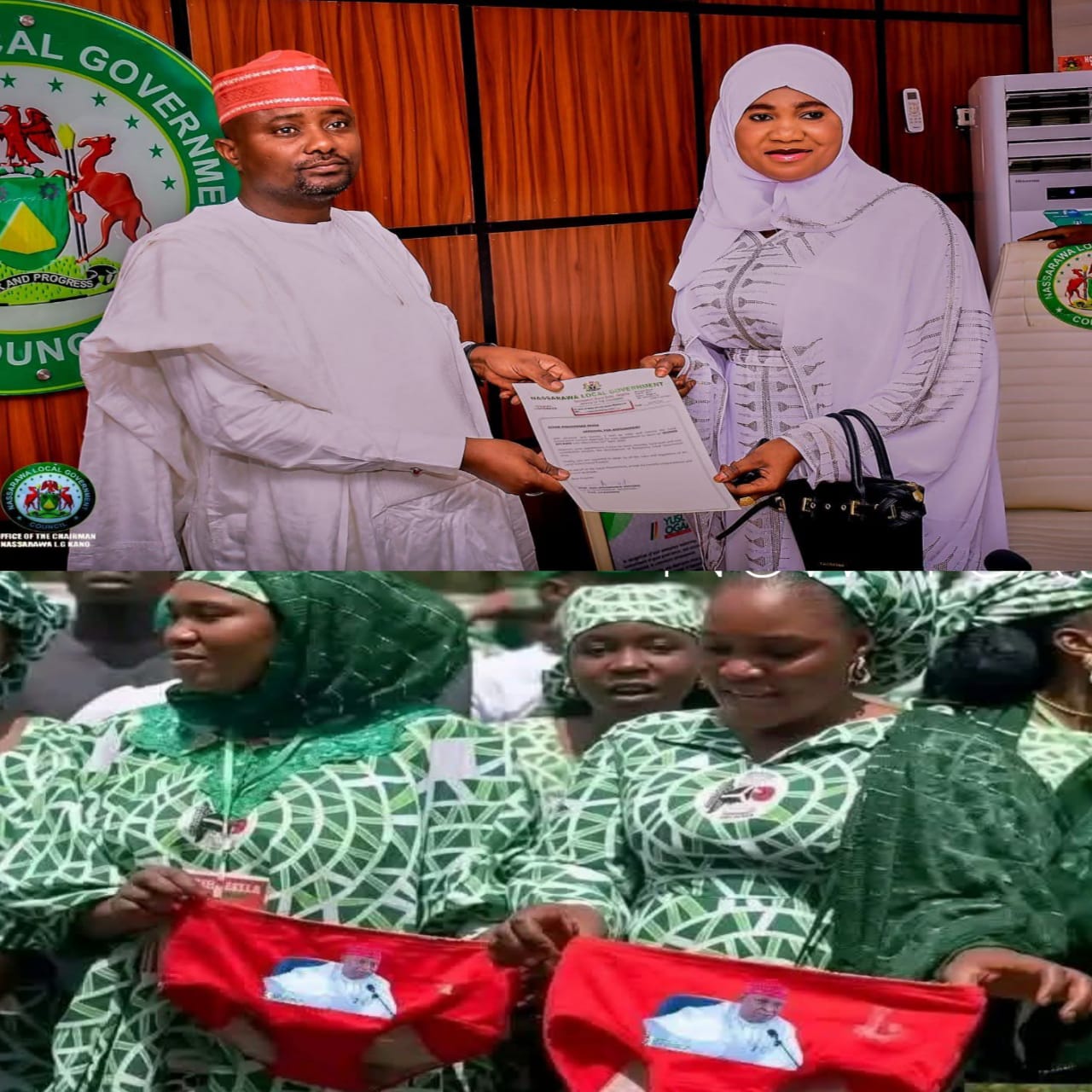
In a resignation letter dated March 29, 2026, addressed to the APC chairman in Gawuna Ward of Nassarawa Local Government Area, the former deputy governor said his decision to leave the ruling party was voluntary and personal.

“I hereby formally resign my membership from the All Progressives Congress (APC), effective March 29, 2026,” the letter partly read.

Gawuna expressed gratitude to the party for the opportunities he had during his time as a member, noting that he appreciated the support and platform provided to him throughout his political career.

The former deputy governor, however, did not reveal his next political move.

His resignation comes amid ongoing political realignments in Kano, where several key political actors are reportedly reviewing their alliances ahead of future electoral contests.

Sources close to the former deputy governor said he is expected to meet with former Kano governor, Rabiu Musa Kwankwaso, on Monday night at the latter’s residence on Miller Road in Kano.

Yilwatda Leads as APC Releases Full National Executive Committee List

By Abdullahi Mukhtar Algasgaini

The All Progressives Congress (APC) has officially released the full list of its National Executive Committee members, with Prof. Nentawe Goshwe Yilwatda confirmed as the National Chairman. The detailed roster, which outlines the party’s leadership structure across various offices, was made public in a recent announcement.

Yilwatda heads a comprehensive team of national officers, supported by Ali Bukar Dalori as Deputy National Chairman (North) and Dr. Benjamin Obi Nwoye as Deputy National Chairman (South). Senator Surajudeen Ajibola Basiru serves as the National Secretary, while Prof. AbdulKarim Abubakar Kana takes on the role of Deputy National Secretary.

The list also includes key appointments across critical portfolios: Murtala Aliyu Kankia as National Legal Adviser, Uguru Mathew Ofoke as National Treasurer, and Amb. Haruna Ginsau as National Financial Secretary. Muhammad Sulaiman Argunu OFR was named National Organising Secretary, while Donatus Enyinnah Nwankpa was appointed National Welfare Secretary.

Felix Morka will continue as National Publicity Secretary, with Sen. Abubakar Maikafi as National Auditor. The party’s demographic representation is led by Dr. Mary A. Idele (National Women Leader), Dayo Isreal Abdulai (National Youth Leader), and Aare Durotolu Oyebode Bankole as National Leader for Persons with Disabilities.

The party also announced deputies for several positions, including Hamman Adamu Ali Kumoo (Deputy National Financial Secretary), Barr. Emeka Okafor (Deputy National Organising Secretary), and Zainab Abubakar Ibrahim (Deputy National Women Leader). Other deputy roles were filled by Hon. Meseko Durosinni Josiah (Publicity), Dr. Christopher Michael Akpan (Welfare), Mr. Olugbenga Olayemi (Auditor), Barr. Ibrahim Salawu (Legal Adviser), Engr. Ben Akak (Treasurer), and Jamaludeen Kabiru (Youth Leader).

Rounding out the executive committee are six National Ex-officio members representing the geopolitical zones: Dr. Opawoye Oluwatoyin Bunmi (North Central), Adamu Jallah (North East), KanoMuhammed Jamu Yusuf (North West), Hon. Ikechukwu Umeh (South East), Mr. Francis Kolokolo (South South), and Hon. Bunmi Orinowo (South West).

The announcement underscores the party’s efforts to solidify its leadership structure ahead of upcoming political activities.

Rivers APC Delegates Visit Nyeson Wike Ahead Of National Convention

By Sabiu Abdullahi

The Minister of the Federal Capital Territory, Nyesom Wike, on Thursday received delegates of the All Progressives Congress (APC) from Rivers State at his residence in Abuja.

Those present at the meeting included the National Vice Chairman (South-South), Victor Giadom, who recently retained his position. Lawmakers from the National Assembly and members of the Rivers State House of Assembly also attended the gathering. Other party leaders from the state were equally present.

The meeting followed the APC South-South Zonal Congress held in Asaba, Delta State, a few days earlier.

At the congress, Giadom emerged again as the National Vice Chairman (South-South), while Samuel Nwanosike was elected as the South-South Zonal Publicity Secretary.

The gathering is seen as part of ongoing consultations within the party ahead of its national convention.

Kano Governor Sacks Commissioner for Investment, Shehu Wada Sagagi, Orders Immediate Handover

By Ibrahim Yunusa 

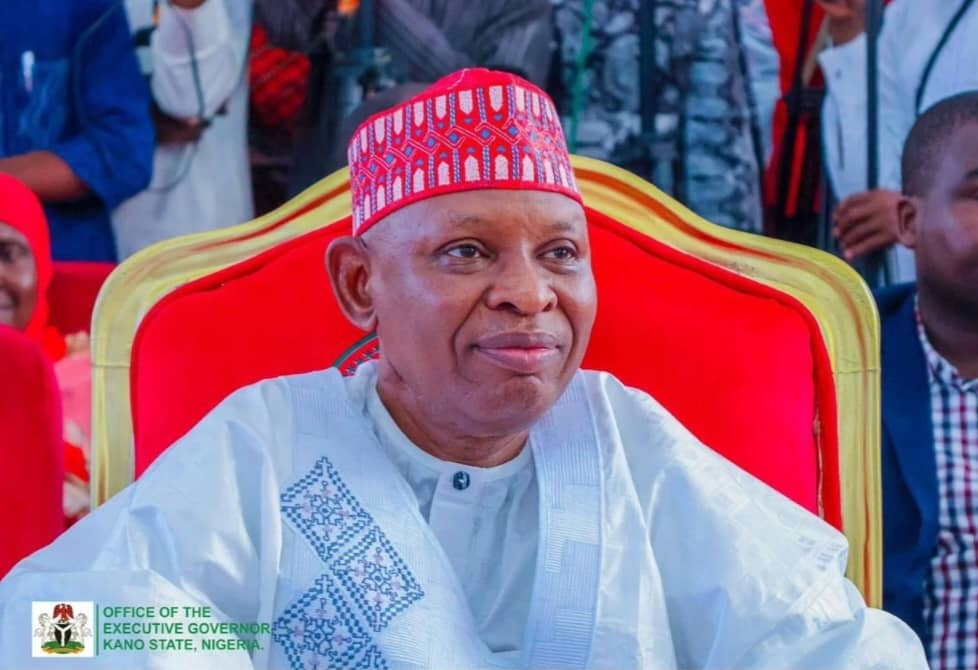
Governor Abba Kabir Yusuf has relieved Alhaji Shehu Wada Sagagi of his duties as Kano State Commissioner for Investment, Commerce and Industry with immediate effect.

 The decision was announced in a statement issued on Thursday by the governor’s spokesperson, Sunusi Bature Dawakin Tofa.

According to the statement, Sagagi has been directed to hand over the ministry’s affairs to the Director of Commerce without delay.

 The move forms part of what the government described as an ongoing strategic realignment aimed at strengthening administrative efficiency and repositioning the state for sustainable growth.

Governor Yusuf expressed appreciation for Sagagi’s contributions during his tenure, particularly in the areas of politics, religion, and support for small and medium enterprises. 

He wished the former commissioner success in his future endeavours and reaffirmed his administration’s commitment to effective service delivery and good governance in Kano State.

This development comes amid ongoing suspicions that some key figures are undermining and backbiting the governor following his split from his former political godfather, Rabi’u Musa Kwankwaso.

Reports also indicate growing confusion within the cabinet and among several appointees in government parastatals, as uncertainty persists over loyalties, specifically on who remains aligned with the governor and who is still loyal to his former mentor.

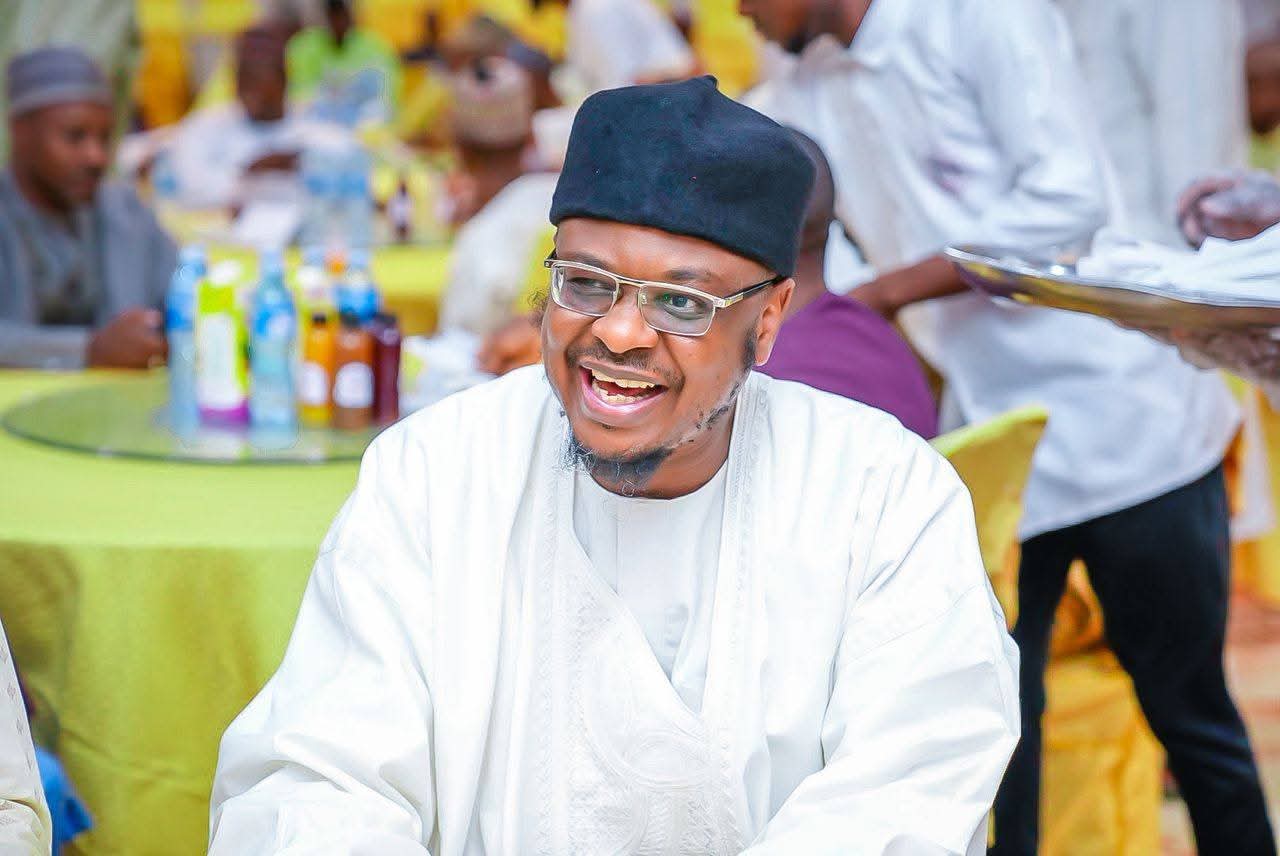
Pantami, Power and the Burden of Moral Clarity

By Abdulhamid Abdullahi Aliyu

A Hausa proverb warns that you cannot run at full speed while scratching an itch. The saying captures, with striking simplicity, the dilemma now surrounding Sheikh Isa Ali Pantami as conversations about his political ambitions gain momentum.

Public life demands clarity of role and consistency of purpose. When an individual seeks to occupy two morally and structurally conflicting spaces simultaneously, momentum is lost, and credibility is strained. This is the core tension in Pantami’s current trajectory: the attempt to remain a preacher with clerical authority while simultaneously stepping into partisan politics.

The problem is not ambition itself. It is role conflict. Clerical authority depends on moral certainty and spiritual distance from power, while politics thrives on negotiation, compromise, and moral ambiguity. Attempting to inhabit both worlds simultaneously risks weakening the integrity of each.

This tension becomes even more consequential in a plural society like Nigeria, where religion carries deep emotional authority and political power must remain anchored in constitutional legitimacy. Once religious influence is injected into partisan competition, power risks acquiring a sacred character. Political disagreement can then be reframed, subtly or overtly, as moral failure or spiritual deviation rather than a contest of ideas and interests.

Some have argued, including respected commentators like Jaafar Jaafar, that religious clerics should avoid politics altogether because political space is inherently compromised by bargaining, corruption and ethical trade-offs. Others counter with a seemingly reasonable question: if the aim is to sanitise politics, why not allow upright clerics like Pantami to participate?

That question, however, misunderstands the core concern. The issue is not whether a cleric is personally virtuous. It is about the separation of religion and the state. Democracy relies on pluralism, persuasion and accountability. When religious authority enters partisan politics, votes may be influenced not by policy debate, but by guilt, fear, or claims of divine sanction. That is a dangerous precedent in any diverse society.

The concern deepens when the individual seeking political office has, in the past, described politics itself as immoral or ungodly. Such a record invites legitimate questions of coherence. Has politics suddenly become virtuous, or has it merely become useful? Citizens are entitled to ask not out of prejudice, but out of democratic caution.

More troubling still are historical associations with ideological currents that have openly viewed democratic participation not as a means of strengthening institutions, but as a strategy to hollow them out from within — the well-known shiga daga ciki a gyara argument. In societies that have suffered from extremism and institutional fragility, such histories cannot be brushed aside or dismissed as irrelevant.

None of this is about excluding religion from public life. Faith has always shaped values, ethics and social responsibility in Nigeria. But there is a difference between moral inspiration and political authority. When religion becomes a substitute for constitutional legitimacy, the democratic project itself is weakened.

Politics, by its nature, is a flawed human enterprise. It requires compromise, negotiation and accountability to citizens, not to spiritual hierarchies. Clerical authority, on the other hand, rests on moral clarity and trust. Mixing the two without a clear break risks eroding both.

If Professor Pantami intends to pursue politics, the burden before him is not merely electoral. It is moral and institutional. He must offer clarity, openly reckon with past positions, and demonstrate consistency over time. Nigerians are not asking for perfection. They are asking for coherence.

In the end, democracy survives not on sacred claims, but on transparent choices, accountable leadership and the acceptance that political authority derives from citizens, not sanctity. That distinction must remain clear — for the sake of both faith and the republic.

Abdulhamid Abdullahi Aliyu is a journalist and syndicate writer based in Abuja.

Nasir El-Rufai and the Politics of Fear in Nigeria’s Power Struggle

Nigeria’s political arena has never been short of strong personalities, but few figures have remained as consistently relevant as Nasir El-Rufai. Love him or dislike him, it is difficult to ignore the fact that he has been one of the most consequential actors in Nigeria’s political journey since the return to civil rule in 1999. His recent confrontation with security authorities and the attempt to detain him without clear evidence speak less about law enforcement and more about the anxiety within the ruling establishment.

To understand the current political tension, one must first understand El-Rufai’s place in the system. From his early role in the administration of Olusegun Obasanjo to his strategic alignment in the political transitions that produced Umaru Musa Yar’Adua, Goodluck Jonathan, and later Muhammadu Buhari, El-Rufai has repeatedly demonstrated a rare understanding of how power works in Nigeria. Few politicians can claim to have operated so close to multiple presidencies across different political eras.

His experience is not accidental. As a former Minister of the Federal Capital Territory and later governor of Kaduna State, El-Rufai built a reputation for being both strategic and outspoken. That combination has earned him loyal supporters and fierce critics. Yet even his opponents concede that he understands the inner workings of Nigerian politics better than most of his contemporaries.

What makes the present situation intriguing is the reaction of the current government under President Bola Tinubu. Political watchers note that the administration appears unusually sensitive to El-Rufai’s moves and statements. The attempted arrest at the Nnamdi Azikiwe International Airport in Abuja, which was resisted by supporters who had gathered to welcome him, has only deepened public suspicion that political motivations may be at play.

In any democratic society, the rule of law demands that allegations be backed by evidence. Detaining a prominent political figure without a clear justification risks sending the wrong message to the public. It creates the impression that state institutions are being deployed as political tools rather than impartial guardians of justice. Such actions can weaken public confidence in democracy at a time when many Nigerians are already questioning the direction of the country’s governance.

Beyond the immediate controversy, El-Rufai’s political relevance lies in his networks and influence. In Northern Nigeria, he maintains relationships with traditional leaders, religious authorities, and political elites. His connections with groups such as the Arewa Consultative Forum and his standing among many northern political actors make him a figure whose voice carries weight in national conversations.

This is also why his reported involvement in strengthening the African Democratic Congress has attracted attention. In a political environment where alliances and coalitions often determine electoral outcomes, any figure capable of mobilising political forces across regions automatically becomes a strategic concern for those in power.

El-Rufai himself has long argued that political dominance in Nigeria can be challenged through direct engagement with voters. During a public lecture in Lagos years ago, he pointed out that millions of registered voters often stay away from the polls. His argument was simple. If a politician can mobilise even a fraction of those disengaged citizens, entrenched political structures can be defeated. That message resonates strongly in today’s political climate.

The lesson from his remarks is that Nigerian democracy still holds untapped potential. Electoral participation remains one of the most powerful tools available to citizens. When politicians connect directly with voters rather than relying solely on elite political arrangements, the balance of power can shift dramatically.

The current political drama surrounding El-Rufai, therefore, reflects a deeper struggle within Nigeria’s political system. It is not merely about one individual. It is about the anxiety that emerges whenever established power structures sense the rise of alternative political forces.

Whether one agrees with his politics or not, attempting to silence a figure like El-Rufai through intimidation or questionable legal action does not strengthen democracy. If anything, it elevates his profile and reinforces the perception that he represents a genuine challenge to the status quo.

Nigeria’s democracy should be strong enough to accommodate dissent, criticism, and competition. The country has endured decades of political turbulence and should have learned by now that suppressing political voices rarely solves problems. Open contestation, debate, and accountability are the true pillars of democratic progress.

As the political landscape gradually shifts toward the next electoral cycle, figures like Nasir El-Rufai will continue to shape conversations about leadership, power, and the future of governance in Nigeria. The real question is not whether he will remain relevant. The real question is how Nigeria’s political system will respond to voices that challenge the existing order.

If democracy means anything, it must allow strong political actors to participate freely without fear of intimidation. The strength of a nation’s democracy is measured not by how it treats its friends, but by how it treats its critics.

Interesting time ahead.

Muhammad Umar Shehu wrote from Gombe and can be reached via umarmuhammadshehu2@gmail.com.

Bwala, Mehdi Hasan and the reality of global journalism

The recent exchange between Daniel Bwala and Mehdi Hasan on Al Jazeera’s Head to Head programme has sparked widespread debate across Nigeria’s political and media space. The interview, which quickly went viral on social media, has been interpreted by many observers as a revealing moment at the intersection of political communication, accountability, and international journalistic standards.

Appearances on global platforms such as Al Jazeera are rarely routine engagements. Programmes like Head to Head are built on a tradition of rigorous questioning, where political figures are expected to defend their arguments under intense scrutiny. For journalists such as Hasan, whose interviewing style is known for its directness, the objective is not merely to host a conversation but to interrogate claims with evidence, previous statements, and policy records.

It is within this context that Bwala’s performance, a media aide to Bola Ahmed Tinubu, has attracted considerable commentary. Some analysts argue that the controversy surrounding the interview reflects a broader challenge faced by many political spokespersons when transitioning from domestic media environments to global broadcast platforms. International interviews of this nature often demand a high level of preparation, particularly when the subject has an extensive public record that can be referenced during questioning.

One of the most notable aspects of the interview involved the presentation of Bwala’s earlier criticisms of Tinubu during the period leading to the 2023 Nigerian presidential election. Before aligning with the current administration, Bwala had publicly expressed views that were sharply critical of the president and his political movement. During the interview, those earlier remarks were revisited and contrasted with his present role as a defender of the government’s policies.

In professional journalism, such lines of questioning are neither unusual nor inappropriate. Public figures frequently encounter questions about their previous positions, particularly when those positions appear to contradict their current stance. The purpose is not necessarily to embarrass the interviewee, but to test the consistency and credibility of their arguments.

Following the broadcast, Bwala reportedly stated in subsequent media interviews that he felt “ambushed,” suggesting he had not anticipated extensive questioning about his past remarks on Tinubu. That explanation, however, has generated further discussion among media commentators. Critics maintain that any appearance on a programme known for its confrontational format should reasonably come with the expectation that past public statements may be scrutinised.

Beyond the immediate personalities involved, the episode highlights an important issue in Nigeria’s political communication culture. Many public officials are accustomed to interview formats within the local media environment, where questioning can sometimes be less adversarial and more conversational. While this approach may foster cordial interactions between journalists and political actors, it can also create a degree of unpreparedness when officials engage with international media institutions that operate under different professional expectations.

Global news networks often emphasise adversarial journalism as a way of ensuring accountability. Interviewers are expected to challenge power, confront inconsistencies and demand evidence for political claims. Within that framework, the intensity of the Hasan–Bwala exchange was largely consistent with established international broadcasting practices.

There is also a broader dimension to consider. When government representatives appear on international media platforms, their performance inevitably shapes perceptions of their country’s governance and political culture. Such appearances, therefore, carry implications that extend beyond individual reputations, touching on issues of national image and diplomatic communication.

Nevertheless, the controversy surrounding the interview also offers a useful moment for reflection. Nigeria’s democratic system benefits from open engagement with the media, both domestically and internationally. In an era where information circulates instantly across borders, political communicators must recognise that past statements remain accessible and can resurface at any moment.

Ultimately, the Bwala–Hasan interview serves as a reminder of an enduring reality in public life: political narratives are constantly subject to scrutiny. In the digital age, where every speech, interview or social media post becomes part of a permanent archive, consistency and preparation are essential tools for anyone representing government policy.

Whether one views the exchange as a difficult interview, a tactical misstep, or simply the normal workings of adversarial journalism, it reinforces the importance of accountability in democratic discourse. When political actors face rigorous questioning, the process may be uncomfortable, but it remains central to the role that journalism plays in holding power to account.

Abdulhamid Abdullahi Aliyu is a journalist and syndicate writer based in Abuja.