Agriculture

Buhari: Corruption hater, insecurity fighter, and agricultural transformer

By Sale Rusulana Yanguruza 

When a leader and loved one passes away, we often reflect on their legacy, the meaning of their life, the impact they made during their lifetime, and the significant contribution they made to society. Upon receiving the sad news about the demise of the immediate former President Muhammadu Buhari, what quickly came to mind was his honourable and distinguished efforts to end insecurity, eliminate corruption, and transform the agricultural sector in Nigeria.

His love for Nigerians prompted him to contest in three elections, and he lost the first two. The losses made him shed tears, but he still contested again. He didn’t give up and strived in 2015; he won and was declared the winner of the presidential election. On corruption, Buhari wasn’t just a fighter against corruption in Nigeria; he was a leader who despised untrustworthy individuals. A president who came to office with a unique energy aimed to end his enemy,”corruption”, and politicians who loot citizens’ property.

When Femi Adesina was granted an interview immediately after Buhari’s demise was announced, he boldly said, “Buhari was as clean as a whistle. Nobody can accuse him of anything that has the slightest affinity to corruption.” Adesina’s words imply that Buhari was incorruptible, as no one could accuse him of corruption; his life was a testament to his integrity. While Buhari saw corruption as a disease that was drastically hampering and tempering development in Nigeria, he stated, in his words during an anti-corruption speech in 2016, “If we don’t kill corruption, corruption will kill Nigeria.”

No one can doubt Buhari’s assertion that corruption must be eradicated before Nigeria can develop. However, unfortunately, during his first tenure, Buhari made significant efforts to ensure that all stolen assets by politicians were returned to Nigerians and implemented measures to prevent further occurrences. Yet, as time went on, Buhari was said to be poised, which led him to spend about three months abroad during his first tenure as the president of Nigeria. That story paved the way for a lot of rumours, which people spread, saying he had died, but with God’s grace, he was back and continued with his activities, finished his tenure, and sadly, today, he has met his maker.

Buhari has backed his commitment by putting in place some necessary measures, such as the Treasury Single Account (TSA), the Whistle-Blowing Policy, and the establishment of the Presidential Advisory Committee Against Corruption, to combat the systemic theft of public resources and, by extension, its pernicious effects on human rights and development. Yes, Buhari is known for Mai Gaskiya, which earned him votes in 2015. He was the first president who made leaders who had stolen the country’s finances fear him when he was declared president of the Federal Republic of Nigeria in 2015, beating the incumbent president, Goodluck Ebele Jonathan.

 Looked at Buhari and Boko Haram

When Buhari was elected, before his swearing-in as President of the Federal Republic of Nigeria on May 29, 2015, he met with the President of Chad, Idriss Déby, to discuss collaboration on ending insecurity, particularly from Boko Haram in Borno State. Buhari didn’t stop there; he took an official visit to Niger to discuss the issue with the president, aimed at addressing the Boko Haram problem. As Vanguard reported on June 1, 2015, the visit by the newly inaugurated Nigerian leader to Niamey was directed and aimed at decapitating the head of the group as a final solution to the insurgency that had wreaked havoc on the country’s North-East region.

Do you know that Buhari’s first trip as president of Nigeria to an outside country was about insecurity? 

Chad and Niger were Buhari’s first foreign visits outside Nigeria after he was sworn in as president, with the matter of insecurity bedevilling the region, particularly in the northeast. In his inaugural speech in 2015, Buhari said, “The most immediate challenge is Boko Haram insurgency. Progress has been made in recent weeks by our security forces, but victory cannot be achieved by basing the Command and Control Centre in Abuja. The command centre will be relocated to Maiduguri and remain until Boko Haram is completely subdued. But we cannot claim to have defeated Boko Haram without rescuing the Chibok girls and all other innocent persons held hostage by insurgents. This government will do all it can to rescue them alive.”

To support Buhari’s statement, when I attended the Town Hall Meeting organised by News Central Television in Maiduguri, Professor Babagana Umara stated that the Chibok Secondary School, where the girls were abducted, had reopened and is running actively, with Teaching and learning currently taking place in the school.

Undoubtedly, all this was part of the efforts put in by the former President of Nigeria, President Muhammadu, who gave his attention and good synergy to end it. Without a doubt, the long-standing insecurity in the region was drasticallyreduced. Though Boko Haram has carried out some recent attacks, one cannot deny the fact that the former President was at the forefront in reducing it in the region during his tenure.

Is Buhari an Agricultural Transformer? 

Buhari has always been a president who advocated for Nigerians to take agriculture very seriously. President Buhari stated this while delivering a lecture on Tuesday in Abuja at the launch of the National Young Farmers Scheme, a program designed by the National Agricultural Land Development Authority (NALDA). The program aims to spark greater interest among young people in farming.

According to the President, agriculture remains the backbone of the Nigerian economy, being the largest contributor to the nation’s Gross Domestic Product (GDP). Although the advice was intended for Nigerians, today our youth have largely accepted the President’s advice and returned to farming, which they were previously unable to do.

Legacy is not leaving something for people; it’s leaving something in people.” – Peter Strople

Rest in perfect peace, Baba.

Sale Rusulana Yanguruza wrote via salesaifullahi931@gmail.com.

Livestock cooperative launched to empower youth, women and boost exports

By Muhammad Sabiu

A groundbreaking initiative aimed at transforming Nigeria’s livestock sector has been launched with the inauguration of the Livestock Value Chain for Youth and Women Multipurpose Cooperative Society Limited. The cooperative aims to empower youth and women through value addition, targeting a ₦4 billion increase in livestock export value within the next three years.

Speaking during the virtual launch and swearing-in ceremony, President and Initiator, Hajiya Khuraira Musa, described the initiative as a “solution” to the economic struggles of rural farmers, youth, and women. She emphasised its mission to promote food security, economic empowerment, and dignified livelihoods across Nigeria, especially in the North.

“Our vision is to rebuild communities and elevate underrepresented groups while revolutionising the livestock value chain,” she said.

The executive board includes key figures such as Dr. Zainab Talatu Ahmed (General Secretary), Engr. Salim Salis Musa (Director of Projects), Dr. Dasuki Umar Kabir (Director of Marketing & Export), and Halima Adole Yusuf (Director of Women Engagement). Other notable members include Amb. Ferdinald Feson Fada, Pastor Celina Gar, Dr. Hussaini Adamu, and Batulu Sadiq.

The cooperative has developed a 12-month export development strategy under the leadership of Dr. Dasuki Umar Kabir, targeting markets in Brazil, Saudi Arabia, Qatar, the UAE, and Egypt. Plans include international product certification, cold-chain logistics, export branding, and business-to-business trade missions.

Advisory board members such as Aliyu Asghar Sa’eed Yar’Adua, Dr. Fatima Sule Mohammed, and Hauwa Muhammad Maccido are expected to provide strategic guidance.

In addition to its economic focus, the cooperative promotes social responsibility through interest-free loans, guaranteed offtake agreements, and training in livestock handling, agri-tech, and cooperative governance.

Membership is by referral only. According to Mohammed Sodangi, Director of Membership and Community Mobilisation, applicants must be recommended by a member in good standing and approved by the General Assembly. Recruitment efforts will involve women- and youth-led town hall engagements, as well as partnerships with traditional and religious leaders.

Hajiya Khuraira Musa concluded, “We are not just running a cooperative—we are rewriting the future of rural Nigeria, where livestock becomes a ladder to peace, prosperity, and progress.”

With its visionary leadership, inclusive governance, and ambitious export targets, the cooperative stands poised to become a national model for sustainable rural development.

Jubilation as FG announces duty-free import window for food commodities 

By Sabiu Abdullahi 

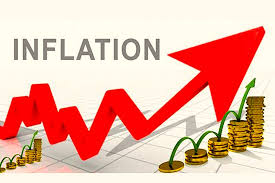
In a bid to address rising food inflation and alleviate the economic hardship faced by Nigerians, the Federal Government has announced a 150-day duty-free import window for food commodities. 

The initiative, which is part of the Presidential Accelerated Stabilisation and Advancement Plan, aims to reduce demand for forex by food importers and make food more affordable for Nigerians. 

According to the Minister of Agriculture and Food Security, Abubakar Kyari, the duty-free import window will be valid for commodities such as maize, husked brown rice, wheat, and cowpeas. 

The government will also import 250,000 metric tonnes of wheat and 250,000 metric tonnes of maize, which will be supplied to small-scale processors and millers across the country. 

The minister noted that the government’s decision to allow duty-free imports was necessitated by the high cost of food items in the country, which has made it difficult for many Nigerians to afford basic foodstuffs. 

He attributed the high food prices to various factors, including infrastructural challenges, multiple taxes and levies, and profiteering by marketers and traders. 

The government’s move has been commended by stakeholders in the agricultural sector, who noted that it would help stabilize food prices and provide relief to millions of Nigerians. 

However, some experts have expressed concern that the initiative may undermine domestic agricultural production and turn Nigeria into a dumping ground for imported commodities. 

The government has assured that it will collaborate with state governments to identify irrigable lands and increase land under cultivation, and will also ramp up production for the 2024/2025 farming cycle through sustained support to smallholder farmers. 

Additionally, the government plans to develop a strategic engagement for youth and women in greenhouse cultivation of horticultural crops and fast-track engagements with the Nigerian Military to rapidly cultivate arable lands under the Defence Farms Scheme.

The vision of industrialization continues 

By Bilyamin Abdulmumin 

Last Tuesday, the Federal Executive Council approved several development projects. One of these projects is Malando-Wara-Ngaski Road in Kebbi State. Ngaski Local Government hosts GB Foods Africa, Africa’s largest integrated tomato paste processing facility.

Earlier this year, President Bola Ahmed Tinubu, represented by Minister of Agriculture Senator Abubakar Kyari, inaugurated the 2,400-tonne GB Foods tomato farm and concentrate factory. The project employed about 2,000 people, and another 5,000 outgrowers were trained and engaged. This is the height of impact that the industry can achieve in a state. 

This project was started during the second term of the industrious visionary leader, the current minister of budget and national planning. The project is now sealed with the firm support of the president and his successor, Dr Nasir Idris. 

The success of this project has gone a long way, vindicating one of my articles. When the Nigerians voted for Tinubu in the last general presidential election, I pointed to the imperative of voting for Dr Nasir Idris to succeed Senator Atiku Bagudu in Kebbi State. Imagine if the opposition party had secured the leadership of Kebbi State; it would have been much more difficult for both leaders to cooperate and much more challenging for the president to champion the project. Political scheming can never be overruled, even in developmental projects.

Another equally significant project undertaken by the former Kebbi State governor is the bioethanol plant. The project is also located in the Kebbi South, Danko/Wasagu local government; the project is even said to be more ambitious than the GB Food, as about 47,000 hectares of cassava are needed to supply the plant. If GB Food needs farmland of only about 1500 hectares to secure 7000 jobs, now do the math to figure out how many jobs the plant that, at full capacity, will require output of 47,000 hectares can create.  

During one of my seminar presentations, a professor decried the government’s lack of commitment to the B10 policy (a policy that envisaged the use of 10 per cent ethanol in petrol). Having the privilege of insider information, as one of the team of my supervisors is a consultant to the policy, I eased the Prof worry, explaining that the policy in Kebbi State is receiving a green light. The pilot plant has already been test run, about 5000 hectares of cassava have been cultivated, and the consultant’s hands are on the desk fishing out final torches of feasibility studies.

The rice revolution was the first industrialisation to be bagged through the Bagudu vision. The minister’s interest in industrialisation coincided with the then federal government’s interest in agriculture, so the appointment of Bagudu as chairman of the presidential task force on rice and wheat production proved to be a success story. Thanks to the mega to small-scale rice processing plants in the state, Kebbi has since become synonymous with rice production in Nigeria. One factor that points to the success of the rice revolution is the improvement of IGR in Kebbi State, which accrued from rice processing activities. When Bola Ahmed Tinubu, a successful business magnate who appeared to identify with competence, saw this uncommon performance, he could not help but delegate the responsibility of the Ministry of Budget and National Planning to the ace economist.

Industrialisation was a fit for purpose and value for money in Kebbi State, as farming was the bedrock economic activity of the state. All these industries rely on the farmers’ output to process their products. GB food processes tomatoes, bioethanol plants use cassava and sugarcane as raw materials, and rice processing plants need paddy rice.   

Nevertheless, dear Minister, while the success of the GB Foods tomato and rice industries can never be overemphasised, similar achievements need to be replicated in the bioethanol sector (the pace of bioethanol development seems to progress slowly), ensuring your continued vision of diversification of Kebbi’s industrial base.

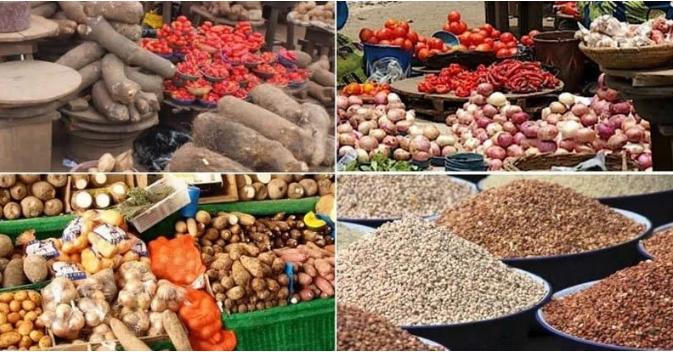
Rising food prices: A simple solution

By Zayyad I. Muhammad 

The rising prices of foodstuffs and the general high cost of living are global things. Nigeria is not immune to that; however, the case seems different because of our poor basic infrastructure in roads, education, healthcare, security, and communication. Moreover, traditional solutions from established sources appear ineffective, prompting consideration of alternative off-the-shelf solutions.

The masses are looking at the governments at the federal, state, and local levels. In particular, many Nigerians criticise the federal government due to the removal of petroleum subsidies and the decision to float the Naira.

Some short-term measures to tackle the current hardships are the following: the government should engage in healthy discussions with farms-produce marketers and large-scale farmers. 

These two groups have significant stocks of foodstuffs in their warehouses in many locations, especially in the north. The government should engage them in purchasing their farm produce mutually beneficially (without imposing prices on them). The Presidential Order to the National Security Adviser (NSA) Nuhu Ribadu, the Inspector General of Police (IGP) Kayode Egbetokun, and the Director General of the Department of State Service (DSS) Yusuf Bichi to work with governors and go after those hoarding foodstuffs is a right step, but it is not a silver bullet; in fact, it’s an intricate issue—how do you differentiate between foodstuff hoarders and large-scale farmers and legitimate farm-produce marketers who have large warehouses where they keep their commodities before distributing them to other parts of the country? Including supplies to humanitarian agencies 

A healthy engagement with legitimate farm-produce marketers and large-scale farmers is a simple and feasible solution to the soaring food prices. 

After purchasing the foodstuffs in large quantities, the government can package them into 2, 3, and 5 kg bags and resell them to the masses at affordable rates throughout all the local government areas (LGAs).

Bulk purchases by individuals or groups should be discouraged. Ward levels, markets, and schools can serve at the reselling centres. In addition, politicians should be off the resell team, and no one should purchase more than 10 kg since the target is the common man looking for daily meals. This is workable if the government truly wants to reach low-income people.

We should put it in our minds that, generally, the prices of foodstuffs shouldn’t have gone through the roof in the north, but what is currently happening in the north is that our farm-produce—rice, corn, millet, beans, etc.—is being exported to neighbouring African countries due to the weak value of the Naira. Naira is cheaper for buyers in nearby countries, while farm-produce marketers and large-scale farmers in Nigeria are making substantial profits. The high cost of logistics, illegal taxation, and checkpoint corruption are also major factors contributing to the high prices of foodstuffs. 

The above solution is a short-term measure; however, the real practising dry-season farmers should be directly supported to sustain it since this is dry-season farming time. They can be supported with solar-powered pumps, fertilisers, seeds, extension services, pesticides, etc. This will further increase food production. It also increases the popularity of the government, including reducing tensions and insecurity in the country. 

On the other hand, we must tell ourselves the truth: no programme or project can help the government sustain social order without factoring the youth into the equation. The Bola Tinubu government should devise a means to create some quick, productive jobs for the massive youth in the country. 

The federal government can launch job creation and empowerment programmes targeting young people and women in the following areas: agriculture, technology, entertainment, trading, and SME support and vocational training and support on welding, fashion, carpentry, home decoration, make-up, lucrative northern traditional cap making, etc. 

Agriculture: This should be divided into two segments: big and small. A group of graduates should be formed into “agribusiness entrepreneurs.” Then, the government should provide them with land, offer all the necessary extension services, and provide collateral or security for financial institutions to make the necessary funds available. This will promote the true generation of wealth through agriculture by young people. Secondly, women and young people rearing poultry, snailery, fish, etc., at home can be supported by providing highly subsidised feeds and more training on new techniques.

In technology, many young Nigerians are into coding, cryptocurrency, data processing, phone and computer sales, repairs, etc. The government can commission private sector firms to, on behalf of the government, train, equip, and provide capital to young people in this area. 

Another way to create productive jobs for young people is in the creative industries. For some talented young people, all they need is publicity through the correct medium. The government can employ advertising and marketing firms to promote selected talented individuals nationwide. Many young people are now involved in trading both online and offline. They can be trained, provided with additional capital, and promoted.

The government should avoid the usual government bureaucracy. A firm should be contracted to design the job creation programme. Then, the firm should also employ other responsible and resourceful firms to implement the programme across the country. Thus, the government will only deal with one firm, ensuring professional services are offered in implementing the programme.

The government can explore various avenues to secure quick funding for implementing this programme during these challenging times. Firstly, the Federal Government and its Ministries, Departments, and Agencies (MDAs) can leverage their underutilised assets, such as scrap assets, derelict buildings, abandoned structures, and damaged movable assets nationwide. Identifying, valuing, and disposing of these assets could generate substantial revenue for the programme implementation.

Additionally, the government could consider issuing special bonds and tapping into pension funds under the management of Pension Fund Administrators (PFA) and Pension Fund Custodians (PFC). Exploring partnerships with international donors and foundations, particularly in the Middle East and Asia, could provide valuable funding opportunities, especially with expert guidance.

Zayyad I. Muhammad writes from Abuja via zaymohd@yahoo.com.

Dangote Group emerges key player in advancing Nigerian agriculture – NAFN

By Uzair Adam Imam 

The National Agricultural Foundation of Nigeria (NAFN) has hailed the Dangote Group as a pivotal force in the growth of the country’s agricultural sector. 

Dr. Samuel Negedu, the National Coordinator of NAFN, affirmed the group’s significance during the opening ceremony of the 2023 National Agricultural Show. 

Describing the Dangote Group as a powerhouse and the backbone of Nigeria’s agricultural landscape, Dr. Negedu highlighted the company’s efforts in constructing rice mills that will significantly contribute to the government’s push for food security.  

He expressed gratitude to Alhaji Aliko Dangote for the establishment of what he referred to as the largest fertiliser plant in Africa. 

Furthermore, Dr. Negedu noted that the Dangote Group is a major sponsor of the ongoing 2023 National Agricultural Show.  

The Minister of Agriculture and Food Security, Senator Abubakar Kyari, also shared insights during the event, outlining the government’s immediate and short-term plans to establish a standard framework for facilitating agricultural business in the country. 

Senator Kyari expressed the importance of agricultural shows as essential platforms for showcasing the latest developments in the sector. 

He highlighted their role in bringing individuals together for networking and business transactions and offering the public a glimpse into farming life. 

The shows also serve as hubs for farming and rural communities to exchange ideas and take a brief respite from their daily farming routines. 

Dr. Emmanuel Akabe, the Deputy Governor of Nasarawa State, urged stakeholders to make substantial investments in agriculture, envisioning a transformed Nigeria renowned for food security and value chain addition. 

Arch Kabiru Ibrahim, the Chairman of the Board of Trustees of NAFN and National President of the All Farmers Association of Nigeria (AFAN), underscored the relevance of this year’s theme: “Towards the Realization of Presidential Declaration of Emergency on Food Security.”  

According to Arch Ibrahim, the theme was chosen to inspire all stakeholders in Nigeria to collaborate in addressing the challenges of food security as outlined in President Tinubu’s administration.

Understanding high cost of living in Nigeria, factors and way forward

By Hauwa’u Abubakar

Overtime, Nigerians have experienced hike in basically all goods and services required to live and run their day to day activities. This goes without saying has been aggravated by proclamation of subsidy removal on premium motor spirit (PMS) popularly known as petrol, some three months ago.

It becomes imperative to understand the factors responsible for high cost of living as it leads to higher expenditure for individuals and households. Some of the factors leading to this unwanted development include inflation or an increase in the general level of prices.

Nigeria has experienced persistent inflation over the years, with prices of goods and services continuously rising. This reduces the purchasing power of individuals, making it more challenging to afford basic necessities. Also, depreciation of the country’s currency.

The naira, has faced fluctuations and depreciation in value against major foreign currencies like the US dollar. This has led to higher import costs, making imported goods more expensive for consumer. Furthermore, dependence on imports for various products, including food, fuel, clothings, building materials and other consumer goods, has the tendency to result in higher prices due to transportation cost, tariffs, and exchange rate fluctuations.

Again, infrastructural challenges is another force to reckon with. Inadequate infrastructure, such as power shortages and poor transportation networks can increase the cost of goods and services. Businesses often have to bear the burden of additional expenses since they are not provided by the authority and they eventually pass these expenses to consumers so as to make profit and keep their trade afloat.

Income quality as a factor. Nigeria has a significant income disparity, with a large portion of the population living in what is termed multidimensional poverty due to the disparity. This poverty limits access to basic resources like education, healthcare, and housing, further exacerbating the cost of living for many individuals. Government policies such as removal or reduction of subsidies, can lead to price hikes for essential commodities also.

To address this worrisome situation, it is firstly important for citizens to understand that the high cost of living in Nigeria is a complex issue influenced by various factors such as those aforementioned. Efforts to address this challenge should involve measure to tackle inflation, improve infrastructure, diversifying the economy, and promoting policies that support income equality and affordability for citizens.

Strategies to employ in improving infrastructure are; investing in infrastructural development, such as transportation power, road network, water supply among other can help reduce cost associated with transportation and other expenses passed down to consumers.

Enhancing agricultural productivity. Promoting and supporting the agricultural sector can reduce food prices and enhance food security. Improving farming techniques, access to quality irrigation systems are all strategies through which dependency can be reduced on imported goods.

Encouraging competition could be a tactics. Promoting competition in key sector such as telecommunications, banking, and energy to prevent monopolies and encourage market efficiency can help lower price for consumers.Control of inflation, implementation of effective monetary policies and fiscal measures to control inflation, increased wages and ensuring that wages and salaries keep pace with inflation can help improve people’s purchasing power and reduce the burden of high costs.

Developing effective social welfare programmes can provide a safety net for vulnerable populations, reducing the impact of high cost of living on those with limited financial resources.

In conclusion these are just comprehensive approach that addresses multiple aspect of the economy and society and if adopted by the government and relevant agencies, Nigerians can be saved from the bondage of high cost of living, the time this now!.

Hauwa’u is a 200-Level Student of Ahmadu Bello University, Zaria, Kaduna State and can be reached via: hauwaat@yahoo.com

Nigerian agricultural prowess and the current insecurity

By Lawal Dahiru Mamman 

Nigeria is so blessed with agricultural land that all that needs to be done is to tickle the soil with a hoe, and it smiles with a harvest. Therefore, the name Nigeria ought to be synonymous with agriculture by practice, not just by name, because our identity depicts agriculture; the green colour of the National flag shows land for agriculture, and the shield on the national coat of arms represents the fertile soil for same. Unfortunately, a good number of citizens suffer from malnutrition as a result of acute hunger. 

In the assumption that there is insufficient rainfall, the name Nigeria was suggested in the late 19th century by a British journalist, Flora Shaw, who married the British colonial administrator Lord Frederick Lugard. The nomenclature was derived from the River Niger, which enters the country from the northwest and flows down to the Niger Delta, emptying into the Atlantic Ocean through its many tributaries. With this feature (if harnessed properly) alone, we could produce crops and rear animals all year round.

Before the discovery of crude oil in 1956, agriculture used to be the country’s mainstay. When the nation realised it had to reclaim its past glory, feeding the teaming population and directing funds otherwise used for importing various food items to other infrastructural and human capital development, boom! Insecurity strikes from different angles, with each geopolitical zone with its peculiarities. Going back may not be possible if insecurity is not squarely addressed because farmers are afraid of being killed or kidnapped away from the civilisation where they have their farms.

The vociferation to achieve self-sufficiency in Agriculture and food security in the country may not be feasible anytime soon because of insecurity. Poverty is the inability to access basic human needs like food, shelter, clothing, portable drinking water and medical care. Those in this category become angry at all other persons in the society because they believe the society has failed them by depriving them of their fundamental human rights. With food on the top of the chart for these basic necessities, the agriculturist believes that most of the world’s problems will be solved if food is made available and affordable. 

These groups of people can easily be brainwashed by miscreants hell-bent on bringing the nation down to its knees, committing horrendous crimes against other humans and threatening the state’s sovereignty when offered as little as a meal.

In January 2020, the country became the largest rice-producing country in Africa, with 8 million tonnes per annum as against the total of 14.6 million tonnes produced in the continent, with progress being recorded in the production of other food crops simultaneously. At this point, citizens and even government officials started having a glimpse of hope in the independence we crave in agriculture. The hope faded into thin air when the agricultural practice became inversely proportional to insecurity. By implication, increased insecurity leads to a decrease in farming activities 

This is because for a farmer to practice, they would have to look over their shoulder, making those still willing to produce have divided attention – which is not good for any practice willing to succeed while others abandon the profession in totality because ‘Life is Precious’. 

For agricultural practice to continue and develop beyond the old-fashioned, the unwanted elements causing the unrest must be eliminated from the equation with efforts from the administrators, our gallant security forces and even citizens – by extending hands of fellowship to the less privileged.

Mamman, a corp member, writes from Abuja and can be reached via dahirulawal90@gmail.com.

Excitement as Yobe Govt distributes farm components to 500 farmers 

By Uzair Adam Imam 

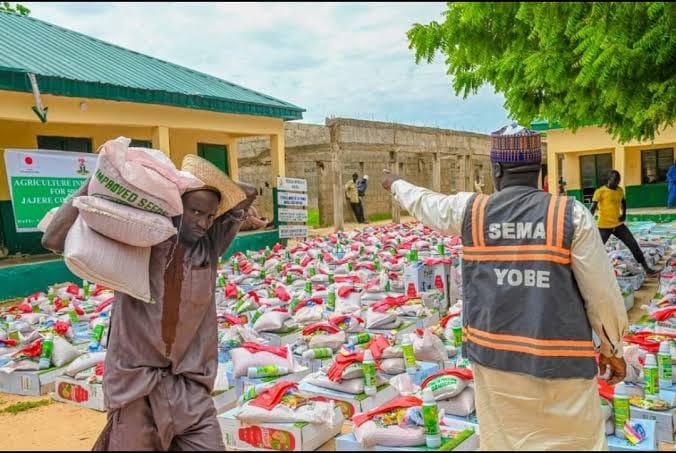
No fewer than 500 farmers have benefited from the agricultural component distributed by the Yobe State Government Sunday in the Jarere Community of the state.

The state government had described the distribution as part of its early recovery response project in the state.

Flagging off the distribution Sunday, Dr Mohammed Goje, Executive Secretary, Yobe State Emergency Management Agency (SEMA), disclosed that each of the beneficiaries would go home with a knapsack, sprayer, liquid fertiliser, herbicide, bean seeds, sorghum seeds, hand gloves and facemasks.

Reports disclosed that the 500 beneficiaries were identified by Agricultural Development Programme (ADP) through community-based selection.

It was gathered that the 500 beneficiaries included 400 men farmers and 100 female farmers of the community. 

However, the beneficiaries applauded the state government for identifying their community, Jajere, among the benefiting communities.

KSADP achieved 123.43% of 2021 disbursement projection – Gawuna

By Uzair Adam Imam 


Kano State Deputy Governor, Dr Nasir Yusuf Gawuna, has revealed that the State Agro Pastoral Development Project (KSADP) in the year 2021 achieved 123.43% of its disbursement projection.

A release signed Monday by the Chief Press Secretary to the Deputy Governor of Kano State, Hassan Musa Fagge, disclosed.

The release added that the Deputy Governor who is also the Commissioner of Agriculture stated this on  Monday while chairing the State Steering Committee of the project meeting at the Government House, Kano.

He said: “There is no any agricultural project in the state that has attained this level. This feat of progress is the highest achieved by any Live and Livelihood Fund Project (LLF) funded by the Islamic Development Bank (ISDB) in Africa.

“In my recent discussion with the ISDB Vice President and report reaching me from LLF, KSADP is the fastest project in fact the progress made by it has gingered the Bank to support Kano State with various interventions such as Structure Agro Processing Zones, National Program for Food Security and Bilingual Project.

He further said:  “The project will be tasked in the year 2022 with the delivery of project outputs to the intended beneficiaries,” adding that 2021 did not call for many oversights supervisory visits by the steering committee being a year for planning, designs, capacity building and strengthening of stock route committee members.

“2022 is going to add value to what the project has started and will be full of physical activities as the previous year has been for planning and consultancies,” he said.