Accident

Does “live” matter more than lives?

By Firdausi Abubakar

On Friday, May 10th, 2025, Abuja witnessed a tragic accident involving a fire truck and a car carrying four young boys. The scene was devastating, bodies sprawled, metal crushed, and flames smouldering. But even more disturbing was the crowd that quickly gathered, not with medical kits or a sense of urgency to save the lives of the victims, but with phones raised, recording, streaming, and snapping pictures. “Live on the scene”, some captioned, while actual lives slipped away.

This isn’t just an Abuja problem. It’s a moral crisis growing across Nigeria. From Lagos to Kano, Enugu to Port Harcourt, and others, a familiar sight follows whenever an accident or violent incident occurs: dozens, sometimes hundreds of people filming rather than helping.

In March 2025, during a brutal fight between cult groups at a university in the South-West, students stood around with their phones in hand. No one intervened. No one called for help. But the footage of the fight went to TikTok, Instagram, and X within minutes.

The question is haunting: has going live become more important than saving lives?

Moreover, it’s easy to point fingers at bystanders. But Nigeria’s systemic failures have created a dangerous environment where compassion is punished and apathy is rewarded.

In most parts of the country, there’s no reliable emergency line. Calling for help is often futile, lines don’t go through, operators are untrained, or help arrives late. Even the trauma centres, where they exist, are few, underfunded, and poorly equipped. Worst of all, those who try to assist victims often find themselves entangled with law enforcement.

In Nigeria, it’s a common habit for a Good Samaritan to be detained as a suspect, harassed, or extorted by the police. This fear is compounded by a lack of trust in the justice system and has led many to do nothing. Or worse, to choose content creation over human compassion.

We now live in a time where everything is content. People rush to be the first to post, the first to trend, the first to go viral. But this obsession with clout has come at the cost of our humanity.

The Abuja fire truck accident is a painful example. Witnesses say the four young men may have survived had they been pulled from the wreckage sooner. But instead of taking action, people stood by, filming, posting and watching. Their final moments were broadcast to the world while help was delayed.

Nigeria urgently needs to fix its broken emergency response system. We need working, responsive hotlines, trained emergency responders, and functioning trauma centres. The government must also create and enforce laws that protect those who help, so citizens won’t be afraid to do the right thing.

But beyond policy, we must confront a cultural shift. We must remind ourselves and our communities that no number of likes, shares, or views is worth more than a human life. Helping someone in need shouldn’t be optional; rather, it should be instinct.

Before you press record, ask yourself: Would I rather save a life or capture a moment?

Firdausi Abubakar, is a student of Information and Media Studies, Bayero University Kano. She can be reached via fizzyabubakar@gmail.com.

Bauchi: 1 killed, 2 injured in fatal truck collision on Magama Gumau highway

By Abdullahi Mukhtar Algasgaini

A fatal accident involving two DAF trucks claimed one life and left two others injured in the early hours of Sunday, April 13, 2025.

The crash occurred around 2:00 AM in Magama Gumau Town when a sand-laden truck rammed into a stationary broken-down truck.

The impact sparked a fire that engulfed both vehicles, killing 23-year-old Usman Magaji and injuring two others.

Police and emergency responders from the Toro Divisional Headquarters swiftly arrived, extinguishing the flames and rescuing the victims.

The injured were rushed to Toro General Hospital, where Magaji was pronounced dead.

The Bauchi State Commissioner of Police, CP Sani-Omolari Aliyu, psc(+), mni, urged drivers to obey traffic regulations, stressing the need for proper warning signs when vehicles break down.

He also ordered a thorough investigation by the Central Motor Traffic Department (MTD).

Authorities continue to warn motorists against reckless driving to prevent further tragedies.

16 killed in Kano road crash—FRSC

By Sabiu Abdullahi

The Federal Road Safety Corps (FRSC) in Kano has confirmed that 16 people lost their lives in a road accident at the Muhammadu Buhari Interchange Flyover in the Hotoro area of the state on Friday.

The Public Relations Officer of the FRSC Kano Sector Command, Abdullahi Labaran, disclosed this in a statement released the same day.

“Upon receiving the distress call, the FRSC Kano rescue team, in collaboration with the Nigeria Police Force, promptly moved to the scene to carry out a rescue operation and restore normal traffic flow,” he said.

According to Labaran, preliminary findings indicated that the accident involved a DAF trailer loaded with goods and carrying 71 passengers. He attributed the incident to reckless driving caused by excessive speed, which resulted in the driver losing control of the vehicle.

“The total number of people involved was 71 while the total number of injured was 52 and total fatalities were 16,” he stated.

The injured victims were immediately taken to Murtala Muhammed Specialist Hospital in Kano for urgent medical attention.

Labaran added that in response to the tragic event, the FRSC Kano Sector Commander, CC U.M. Matazu, had dispatched an investigation team to conduct a thorough inquiry into the crash.

He further extended condolences to the families of the deceased and wished the injured a speedy recovery.

The sector commander urged motorists to strictly follow traffic regulations.

He also cautioned against the dangerous practice of overloading trailers with goods, animals, and passengers, stressing that such actions significantly increase the risk of fatal accidents.

A call for change: The untold story of Nigeria’s boat accidents

By Ibrahim Aliyu Gurin 

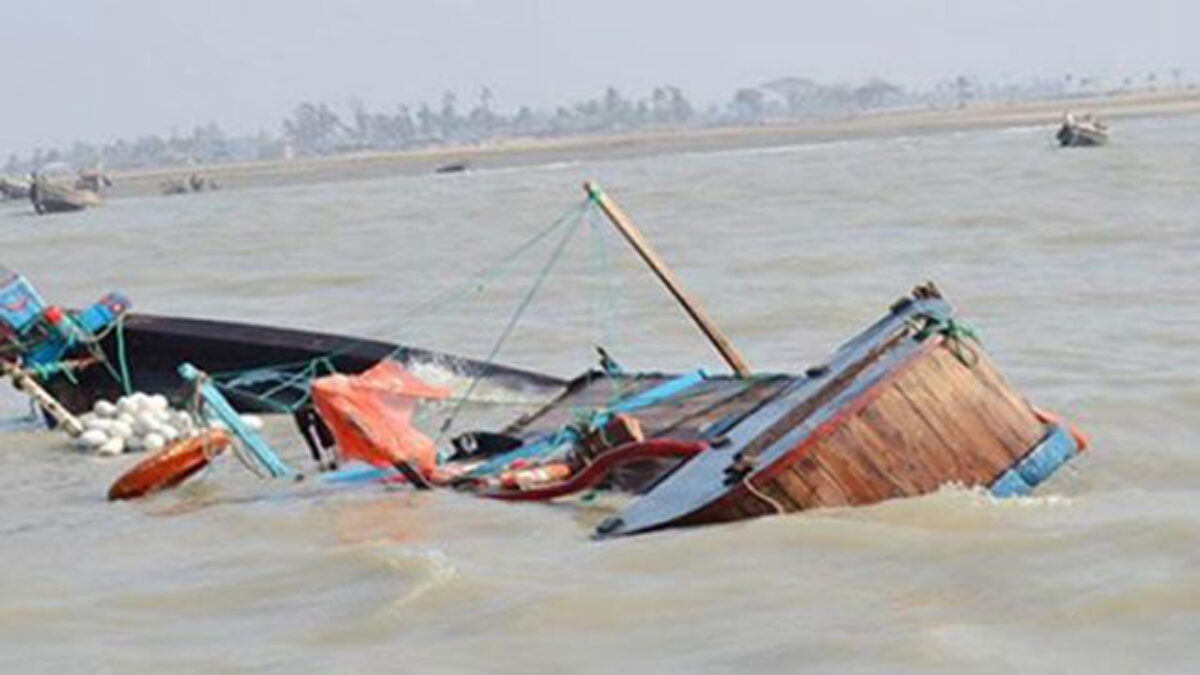
Boat accidents in Nigeria are tragically frequent, especially in regions with limited transportation options. In states like Niger, Kebbi, and Adamawa, where rural communities depend on boats for daily travel, the risks are high. Overloading, poor safety measures, and weak enforcement of regulations are the leading causes, leaving many families devastated.

On one fateful day, farmers, eager to beat an approaching storm, crowded into a boat to head home. Among them were women and children, holding on to hope as the sky darkened. But their fears came true. Halfway through the journey, strong winds capsized the overloaded boat, and chaos broke out. Screams echoed as men, women, and children fought to stay afloat. Twenty people went missing, lost to the river’s depths.

In a desperate attempt, a mother tried to save her infant by holding the child above water. She drowned, but a diver managed to rescue the baby—a small miracle amidst the tragedy. Others were less fortunate. Adamu Mai-nama lost his wife, two children, sister, and in-laws. “They’re all gone,” he mourned, his voice heavy with grief.

This heartbreaking scene repeats itself across Nigeria every year. Boats, essential for transport in areas with limited roads, become death traps due to overloading, faulty maintenance, and weak safety enforcement. According to data provided by the International Centre for Investigative Reporting (ICIR), between January 2018 and October 2023, Nigeria recorded 1,204 deaths from boat accidents, averaging about 17 fatalities per month. These incidents occurred in 25 states, with Niger State having the highest number of deaths at 275.

Overloading remains a critical issue as boat operators prioritise profit over safety. Many vessels are dangerously overcrowded, and passengers, lacking alternatives, are forced to risk their lives. In countries like Bangladesh, strict enforcement of passenger limits has reduced boat accidents. Nigeria could benefit from similar regulations, cracking down on operators who ignore safety rules.

Compounding the problem is the poor condition of many boats. They are often old, poorly maintained, and lack essential safety equipment like life jackets. Passengers board these vessels with little choice but to rely on luck. Rising water levels and stronger storms, driven by climate change, further heighten the danger. 

According to the Marine Crafts Builders Association of Nigeria, over the past decade, Nigeria has seen approximately 3,130 boat accidents, leading to over 3,133 deaths. Regular inspections and better boat maintenance are urgently needed.

The dangers of drowning also extend beyond boat accidents. The World Health Organization reported that drowning deaths in Nigeria reached 6,584 in 2020, accounting for 0.44% of total deaths, with a drowning mortality rate of 2.17 per 100,000 people. This staggering number highlights the broader issue of water safety and the need for comprehensive measures to protect lives.

When accidents happen, the country’s rescue efforts are often too slow to be effective—poor funding and inadequate equipment delay response times, costing lives. Investing in better rescue units, equipment, and training responders is essential. However, prevention through stronger safety measures is the most effective solution.

Public awareness campaigns are also crucial. Many passengers don’t realise the dangers of overcrowded boats or the importance of life jackets. Localised safety education, led by community leaders, can make a significant difference.

Countries like Indonesia and Bangladesh have shown that strict regulations and public education can reduce boat mishaps. Nigeria can make its waterways safer by modernising boats, enforcing safety standards, and raising awareness. Unfortunately, the lack of enforcement in remote areas undermines these efforts. While states like Lagos have made progress, others, such as Niger, Kebbi, and Adamawa, need to implement stronger oversight and inspections.

The tragedies we see on Nigeria’s waterways are preventable. They result from neglect of safety regulations, boat maintenance, and human life care. We must act now to prevent more families from suffering: enforce safety rules, improve boat conditions, strengthen rescue operations, and educate the public.

The mishaps on Nigeria’s waterways don’t have to keep happening—they can be stopped. Every life lost shows the price we pay for ignoring safety. We know what needs to be done, but we keep doing nothing. How many more children need to lose their parents? How many more families must suffer before we take action?

The next boat accident could happen anytime. Will we wait for more lives to be lost, or will we make the changes needed to save them? The choice is ours, and lives depend on it.

Ibrahim Aliyu Gurin writes from Bayero University, Kano, via ibrahimaliyu5023@gmail.com.

Tragedy strikes in Jigawa as three teenage girls drown in Buji pond

By Uzair Adam 

Three teenage girls tragically drowned in a pond in the Buji Local Government Area of Jigawa State on Saturday. 

The Spokesperson for the Nigeria Security and Civil Defence Corps (NSCDC) in the state, ASC Badaruddeen Tijjani, confirmed the incident in a statement released in Dutse on Sunday.

The girls, identified as Fatima Sule (12), Nasiya Sale (12), and Huwaila Sa’adu (13), all from Tulla village, were reportedly cutting grass to feed their livestock near the pond when the accident occurred around 11 a.m.

According to the NSCDC, they received a distress call from the Tulla community shortly after 11 a.m. They quickly responded by sending officers, including divisional disaster management officers, to the scene for a rescue mission. 

Community members and NSCDC personnel worked together and were able to recover the bodies after approximately 30 minutes of searching.

The girls were taken to the nearest health centre, where they were pronounced dead. 

The investigation indicated that the spot where they were gathering grass was the same place where they drowned.

The NSCDC Commandant in the state, Mr. Muhammad Danjuma, expressed his condolences to the families of the victims and urged parents to monitor their children closely, especially during times when ponds and rivers are swollen, to prevent such tragedies.

Trailer loses control, kills 14 worshipers, injures dozens in Kano mosque tragedy

By Uzair Adam Imam 

Tragedy struck Kano on Friday when a trailer with registration number MKA 537XN lost control and ploughed into worshippers, leaving a mosque after Friday prayers, killing 14 people and injuring dozens. 

The accident occurred in Imawa town, Kura local government area, shortly after the Friday prayer, when the driver of the trailer coming from the Kaduna axis lost control and ran into the worshippers.

The Federal Road Safety Corps (FRSC) confirmed the incident, stating that nine of the deceased were buried on the same day, while those injured are receiving treatment at a hospital. The driver of the trailer is currently at large.

The FRSC Kano Sector Commander, Ibrahim Abdullahi, said, “Upon receiving the distress call, FRSC Kano State Command promptly dispatched personnel to the scene, alongside other security agencies, to initiate rescue operations and provide immediate medical assistance to the injured victims.”

Abdullahi emphasised the FRSC’s commitment to road safety and urged all road users to adhere strictly to traffic regulations to prevent such avoidable tragedies. 

He also extended heartfelt condolences to the families of the deceased.

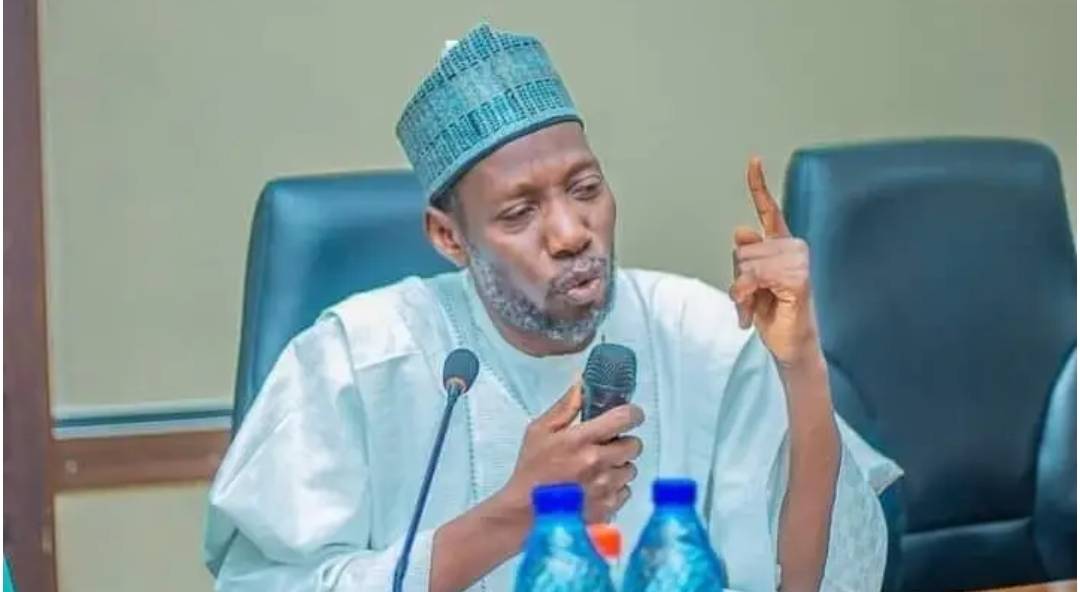
Bauchi commissioner, Ahmad Jalam, dies in car crash

By Uzair Adam Imam 

Bauchi State Commissioner for Local Government and Chieftaincy Affairs, Ahmad Jalam, died in a car accident on Saturday. 

Governor Bala Mohammed announced the death and described Jalam as a dedicated public servant who championed good governance and community relations. 

The commissioner was known for his tireless work, integrity, and compassion. 

He will be buried on Sunday in his hometown in Dambam Local Government Area according to Islamic rites.

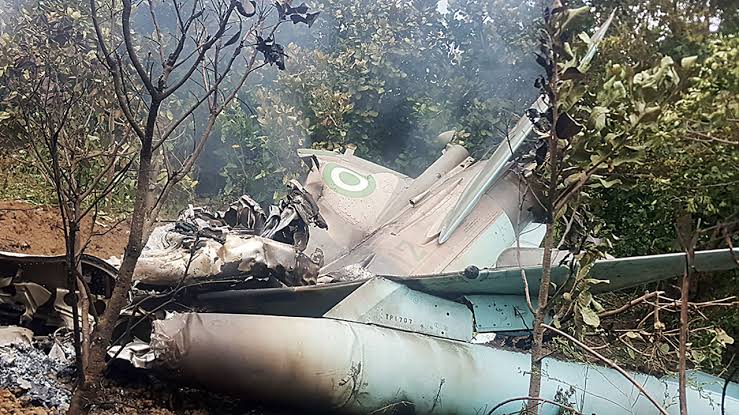
NAF jet crashes in north-central Nigeria

By Muhammadu Sabiu

Reports coming from the north-central part of Nigeria have indicated that an aircraft belonging to the Nigeria Air Force has crashed in Nigeria State.

The aircraft was confirmed to have crashed on Monday on its way from Kaduna State to Niger State.

The NAF Director of Public Relations and Information, Air Commodore Edward Gabkwet, confirmed the incident in a statement.

The statement partly reads, “A Nigerian Air Force MI-171 Helicopter on a casualty evacuation mission crashed today, August 14, 2023, at about 1:00 pm, in Chukuba Village in Niger State. The aircraft had departed Zungeru Primary School en route Kaduna but was later discovered to have crashed near Chukuba Village in Shiroro Local Government Area of Niger State.”

The Daily Reality could not independently reach a Nigerian Air Force official to get more details about the incident as of the time of filing this report.

However, reports suggest that efforts are being made to rescue survivors of the crash.

Abuja-Kaduna train: A call for caution

By Tajuddeen Ahmad Tijjani

The Abuja-Kaduna train resumed operations after eight months of suspension due to the sad event of March 28, 2022, where terrorists attacked the train and kidnapped 168 passengers, killing eight others. Thus, the situation is now under control. Captives were freed and reunited with their families. We hope not to have a repeat of these ugly scenarios in the future. 

Behold, the Nigerian citizens can’t hide their excitement as the train is back on track after the unfortunate incident. We all call for a proper investigation into the circumstances and, at the same time, call on the authority to remain vigilant. 

However, citizens have the habit of crossing the railway track without proper guidance and caution, resulting in accidents and damage to the public infrastructure, which is public property that shouldn’t be dabbled with. 

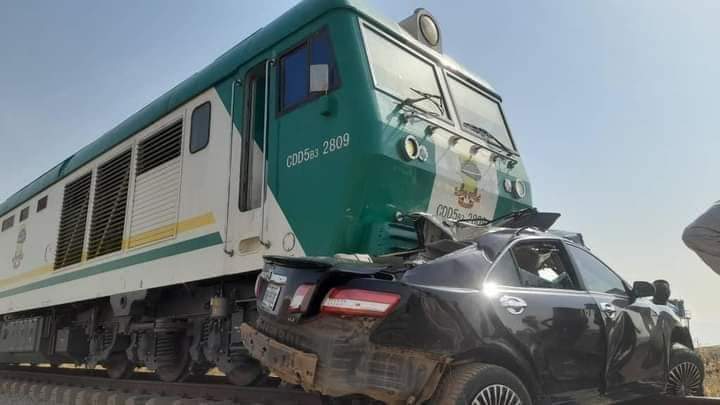
There is a sad report of a Toyota Camry with a female occupant that was allegedly crushed by the train as it carelessly came to pass the track. Often those with prior knowledge of the train, especially as you leave Kubwa train station in the suburb of the city centre, Bwary Area Council, the community residents of that axis have a habit of trespassing anyhow without being cautious of the danger therein. This has, of course, inflicted untold hardship on the victims and, at the same time, damage to the slippers of the track. Perhaps people are not aware of the dangers or have deliberately neglected them. 

However, as I went to the axis some time ago, I observed a provision for a pedestrian channel to pass. Sadly, people develop the habit of going through the danger zone. It’s a patriotic call on the ministry of transport to take a leaf from the city centre and provide barricades in such a way that communities have to follow the normal route, which will indeed be a win-win situation, as neither the track will be damaged nor no accident will occur within that axis as long as proper precautions are taken. 

I also laud the measures of the management for the proper check and balance of passengers, where thorough screening is put up so that those with suspicious motives are apprehended. I call on the general public to give maximum support to security agencies and report any sceptical movement for the benefit of all Nigerians.

Tajuddeen Ahmad Tijjani writes from Galadima Mahmoud Street, Kasuwar Kaji Azare, Bauchi State.

Ukraine President involved in car crash

By Ahmad Deedat Zakari

Ukraine President Volodymyr Zelensky was involved in a car mishap early Thursday morning in Kyiv. 

In a brief statement by his spokesperson, Sergii Nykyforof, it was disclosed that the president did not suffer serious injuries

“The president was examined by a doctor, no serious injuries were found,” Nikiforov said.

Explaining how the accident happened, Nikiforov said another car collided with the president’s vehicle in Ukraine’s capital city, Kyiv

He also disclosed that the driver in the car was treated by the president’s medics and driven to an ambulance.