ICYMI: Bagudu Admits Tinubu’s Reforms Increased Cost Of Living Pressure
By Sabiu Abdullahi
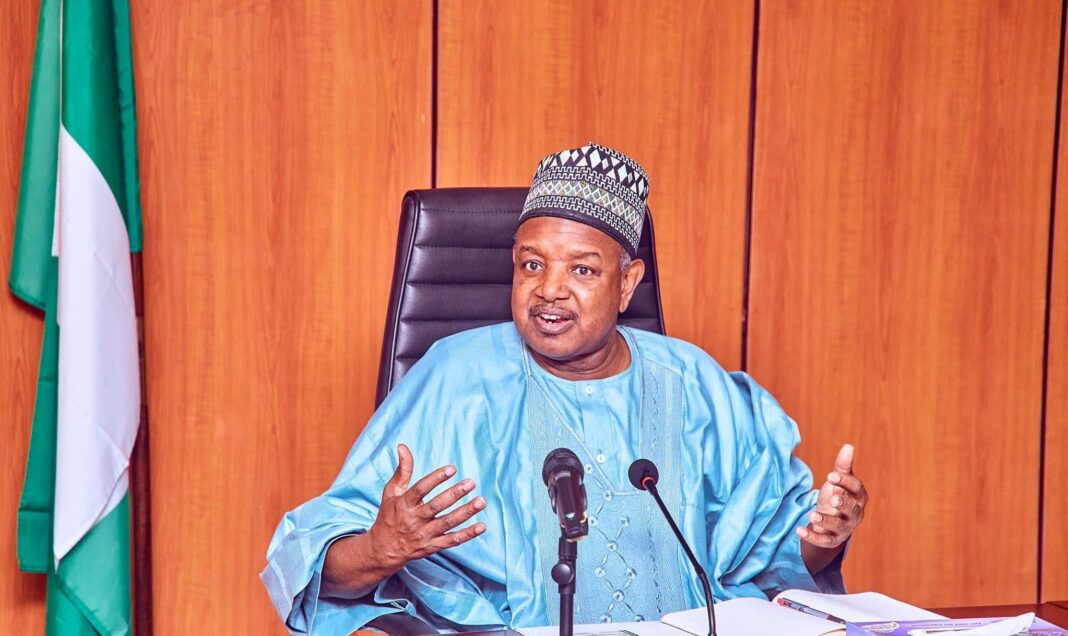
Minister of Budget and Economic Planning, Senator Abubakar Bagudu, has acknowledged that economic reforms introduced by the Bola Tinubu administration have contributed to the cost-of-living difficulties faced by Nigerians.
Bagudu, however, maintained that the government would continue with the reforms, which he said were necessary to improve public finances, stabilise the economy and create conditions for long-term growth.
The minister made the remarks while delivering a keynote address at the Federal Appointees Strategic Summit on the presentation and review of budget implementation by ministries, departments and agencies.
According to a statement issued by the Federal Ministry of Budget and Economic Planning on Wednesday, Bagudu recognised the impact of the reforms and external economic pressures on households.
“He acknowledged that the reforms, along with international economic pressures, had contributed to cost-of-living challenges and other pressures facing citizens, but maintained that the administration remained focused on achieving long-term economic stability and inclusive growth,” the ministry said.
The Tinubu administration’s major economic measures include the removal of the petrol subsidy and reforms to the foreign exchange market, both introduced after the President assumed office in May 2023.
Bagudu said the measures were introduced amid serious economic challenges, although the government did not foresee the extent of the subsequent global economic turbulence.
He also pointed to international uncertainties, conflicts, trade disruptions and tariff pressures as factors that have affected food prices and living costs.
Despite the difficulties experienced by households, the minister said the reforms had improved the fiscal position of the Federal Government, states and local governments by increasing the resources available to the three tiers of government.
According to him, the increased revenue available to states and local councils reflected the administration’s push for greater fiscal federalism and stronger capacity at the subnational level.
“Rather than keeping additional revenues at the centre, the President has taken the position that we should give local governments and states more money and energise everyone so that we can interrogate and fulfil our responsibilities,” he was quoted as saying.
Bagudu also said the Federal Government had addressed some outstanding financial obligations owed to states as part of efforts to strengthen the federation and improve public service delivery.
He recalled that some states had previously faced difficulties paying workers’ salaries even when international crude oil prices were relatively high, with limited funds available for infrastructure and other essential services.
The minister said the improved financial position of states should allow them to devote more resources to infrastructure, education, security and other responsibilities assigned to them by the Constitution.
On Nigeria’s broader economic performance, Bagudu said some indicators were showing improvement, including the country’s revenue-to-GDP ratio.
He also defended the administration’s tax reforms, saying their objective was to make revenue collection more efficient rather than place unnecessary financial pressure on Nigerians.
The minister nevertheless said the government’s progress so far was not enough, noting that President Tinubu had continued to demand better results from members of his administration.
Bagudu said the government was also working to increase domestic production and ensure that improvements in macroeconomic indicators translate into better living conditions, particularly for people at the grassroots.
He added that the National Economic Council had considered measures that states could adopt to increase domestic production and expand the benefits of the reforms.
The minister also restated the administration’s target of growing Nigeria’s economy to $1 trillion by 2030.
He described the target as ambitious but achievable, stressing the importance of implementing the necessary components of the 2026–2030 National Development Plan.
Bagudu further urged federal appointees to understand government policies and communicate the administration’s reforms and achievements more effectively to Nigerians, particularly at the grassroots.
He also rejected claims that federal spending was designed to benefit particular regions of the country.
According to him, major areas of government expenditure, including security, infrastructure and livelihood programmes, are intended to serve national interests and address the needs of citizens across the country.
He said security spending supports communities affected by insecurity, while infrastructure projects are aimed at improving connectivity and promoting economic activity nationwide.