Should Muslims go dialoguing? The roadmap to understanding ‘interfaith’ in Nigeria
By Sadiya Abubakar Isa, PhD
It appals me to see the Muslim North divided on a trivial yet substantial religious issue like ‘interfaith’. I have for long heard Muslim clerics discrediting the whole idea of interfaith since the establishment of its centre in Bayero University Kano – one of North’s prestigious universities, something which was otherwise not their business. Still, thanks to this institution, interfaith is now localized enough to get such stimulating clerical attention in Northern Nigeria.
Having had the opportunity to study Islamophobia exploringly, I would say interfaith is significantly relevant where the identity of Islam is greatly contested. By definition, interfaith, whether as a dialogue in research or academic discourse, revolves around the peaceful, complaisant, and constructive interaction between people of different faiths for mutual benefit. It involves striking balance, a tolerable understanding of such interrelationships and beneficial engagements through dialogues, academic events, and activities aimed at peaceful coexistence. To say all these aren’t relevant for a Muslim community is a dismal misunderstanding of the whole concept and reasoning of interfaith.
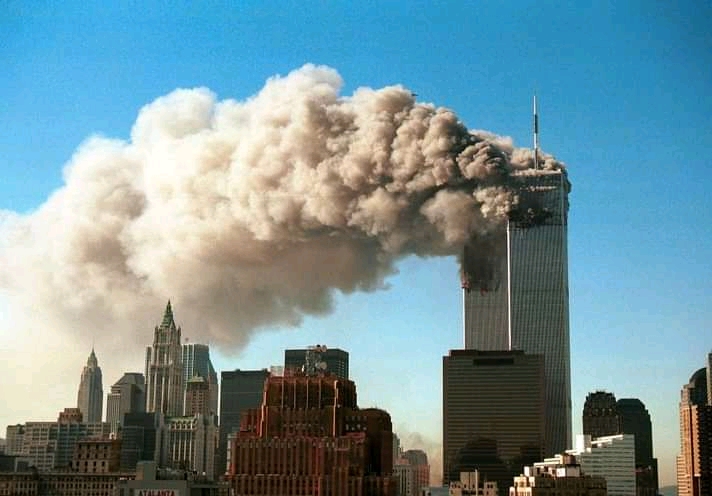
The world witnessed an unprecedented rise in Islamophobia shortly after 9/11; statistics show that Islamophobia reached its peak in 2016. If you reside in the Western world in the decade after 9/11, you will understand the intricacy of the threat Islamophobia puts Muslims into. Especially for Muslim women who are more obviously identified than their male counterparts. Muslim women were subjected to hate speech, discrimination, and abuse, thanks to the incessant misrepresentation of Islam and Muslims in the Western media. Since the Muslims are a minority in such Western countries, their religious identity was at stake. As such, the results were provocative political discourses, foreign policies and the whole activities of the Islamophobia industry vigorously tarnished the image of Islam beyond doubt.
Islam was always portrayed as an intolerant and backward religion that advocates terrorism. Muslim men are seen as utter misogynists, violent, barbaric, and bloodthirsty fanatics, while Muslim women are said to be oppressed, voiceless, helpless, and subordinate in dire need of immediate liberation. Now, this has been the case centuries before 9/11, but the Orientalism surged after 9/11 because there was an agenda to create fear of Muslims and control the world using that purported fear—New World Order?
Consequently, 9/11, subjugation of women in Afghanistan, terrorist activities by ISIS, Boko Haram etc., were leveraged as justifications for those claims. The average Westerner believes every accusation about Islam and has little or no interest in discerning the images. One may ask, so what if they believed?
The consequences are bigotry against Muslims, vandalism of religious places, hate speeches, discrimination, loss of jobs (or other vital opportunities), rejection in the community they ought to belong to, and the worst is loss of lives. We have seen so many Islamophobic attacks on the Muslims, the New Zealand mosque shootings, for example. This misconception renders the Muslim communities in the West vulnerable. It puts them in constant fear of perceived danger and, consequently, loss of faith. Yes, look at it from the perspective of younger generations struggling to fit in.
Among many other factors, I acknowledge the efforts of Yaqeen Institute by Sheikh Omar Suleiman, a Palestinian American scholar. He has taken the lead in fighting Islamophobia through interfaith dialogues, among other methods. Why shouldn’t the Muslims engage in interfaith dialogue when it has been an avenue for discussing the Muslims’ predicaments? It has given Muslims a platform to talk about their real lives and share their religious practices contrary to the media’s narrative.
Interfaith dialogue has helped quell the flame of hate. It has given Muslims the room to openly operate as an inclusive religion – with lots of global moves to ascertain cultural harmony. It has opened laypeople’s minds about Islam which they would otherwise have remained unaware of. It has opened the door for discussion of religious differences politely and positively, which pushed many non-Muslims toward studying Islam.
Do you know the result of this increased curiosity about Islam? Acceptance of Islam, the Christian West has seen rapid growth in conversion to Islam. So, where is that extreme hate of Islam/Muslims today? Alhamdulillah, there is a significant improvement in the situation, thanks to interfaith dialogue, among other efforts taken by anti-Islamophobes.
So is interfaith precarious to Muslims in Nigeria? Why all the debates?
Would Nigerians understand the need for an interfaith dialogue without foreknowledge of Islamophobia, global diplomacy and religious inclusiveness? It’s a fact that Muslims aren’t a minority in Nigeria, but ethno-religious crises are still ravaging, in the North especially; crises in Jos and Kaduna would have been addressed amicably if the interfaith dialogue was well embraced. It is utterly disconcerting to say that, in this age, people are having religious disputes.
Similarly, Boko haram has been synonymous with Islam in Nigeria in that it is always referred to as an ‘Islamic terrorist group’. Don’t we need to dispel the myth of Islam advocating terror in Nigeria? Are Muslims too big to have a peaceful inter-religious conversation in Nigeria? Are we blind to the fact that Islam is under attack in Nigeria? When professor Farooq Kperogi wrote on Islamophobia in Yorubaland, I was bemused because I never expected that of all the tribes in Nigeria, Yorubas would discriminate against their tribespeople based on religion. The rapidity at which Islamophobia is manifesting in Nigeria is quite alarming. Nigerian Christain’s support for Donald Trump in the last election spells out their desperation for Muslims’ continued exclusion.
Religious harmony is still farfetched in most regions of Nigeria. We are just pretending to be harmonious and tolerant. Little wonder how minuscule events easily trigger provocation. We need to talk about our differences positively and engage in healthy interactions to progress as a nation. Colonialists already bond us together, so unity in diversity becomes a necessity. Or do we wait until our children begin to ask us questions before we get to talk about our differences nicely? If not for anything, interfaith in Nigeria will allow non-Muslims to learn about your faith – Islam. Isn’t that a form of da’awa?
My research acknowledges how interfaith dialogue in the US, Europe and other parts of the world contributed to the curbing of Islamophobia by promoting peaceful coexistence. So to use religion to relegate the whole idea is quite imprudent. To quote Shafiq, Muhammad, and Mohammed Abu-Nimer, the authors of Interfaith Dialogue: A Guide for Muslims, “although a relatively modern term, interfaith dialogue has, in fact, had a long and enduring history for Muslims, underscored by a spirit of genuine inquiry and respectful exchange. The primary role of interfaith dialogue is to remove misunderstanding and accept difference….”
Some Ulamas in Nigeria have taken a critical stance on this matter. I listened to one yesterday opening that interfaith is an extension of secularism. While I appreciate his disposition, I beg to disagree that ‘we don’t need interfaith’ due to his stated reasons. It should be at the participant’s discretion to know the aim of every dialogue before engaging in one. My focal point is that whoever participates in interfaith dialogue should be cognizant of their religious jurisdiction and wary of their intentions. I kindly advise our Ulama to focus on ways to religiously liberate the Northerners from the abject poverty that has infested this region instead of the debates surrounding the appropriateness of interfaith – which is long overdue.
Dr Sadiya Abubakar Isa is interested in research related to Islamophobia. She can be contacted via sadeeyaa@yahoo.com.