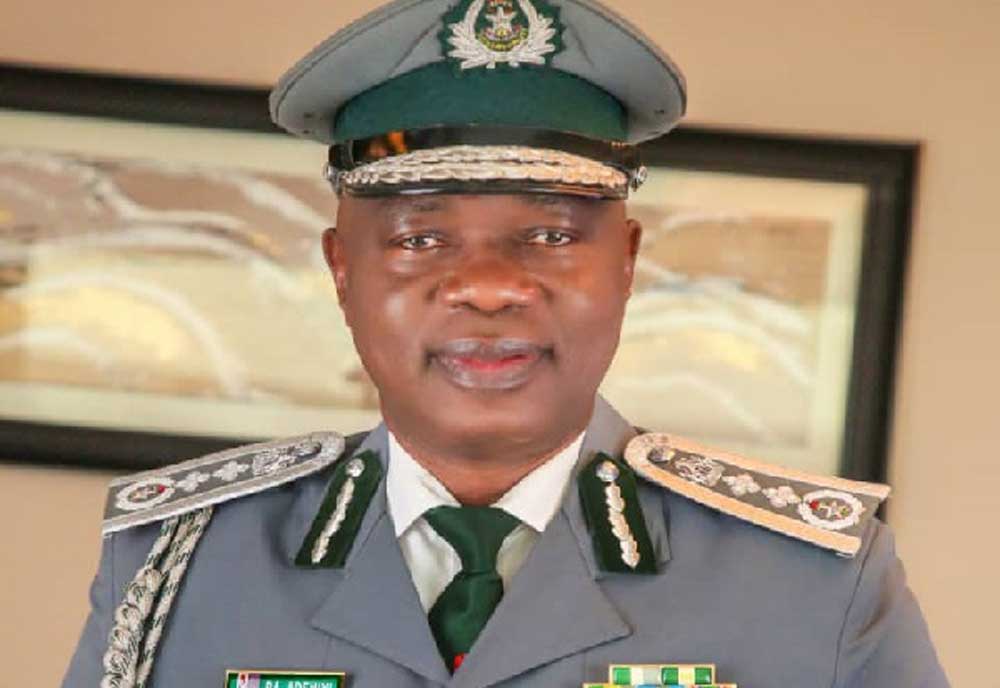
Nigeria Customs Targets 50,000 Pupils Through “Customs Cares” Social Initiative
By Sabiu Abdullahi
The Nigeria Customs Service (NCS) has set a goal to reach 50,000 pupils nationwide under its Corporate Social Responsibility programme, “Customs Cares.”
Launched in 2025, “Customs Cares” aims to support education, healthcare, food security, environmental sustainability, social investment, and the creative economy.
At the programme’s first anniversary held on Tuesday at Government Secondary School, Wuse 3, Abuja, Comptroller-General of Customs, Bashir Adewale Adeniyi, noted that about 15,000 students have already benefited in its inaugural year.
“The programme demonstrates the Service’s resolve to contribute to national development beyond its core responsibilities,” Adeniyi said. He added, “The Service has set a target of reaching 50,000 pupils nationwide,” and reiterated that “about 15,000 students have already benefited within the first year of the programme.”
Adeniyi highlighted that the intervention has expanded beyond school infrastructure to address critical needs such as water supply in underserved communities, in alignment with sustainable development goals.
During the event, the NCS officially commissioned a renovated assembly hall, donated basketball kits and equipment to the school team, and carried out tree planting to promote environmental awareness. Adeniyi explained that the upgraded hall would enhance students’ confidence, creativity, and communication skills.
He also commended the students for their recent basketball victory over the Customs team and stressed the importance of improved learning facilities in shaping young people’s development. The Comptroller-General called for stronger collaboration among schools, government institutions, and private organisations to ensure proper maintenance and sustainability of public facilities.
Comptroller Mbwidiffu Ibrahim, Head of the Customs Cares CSR Unit, described the programme as a strategic response to community development needs, stating it “reflects deliberate investment in the future of young Nigerians and demonstrates the Service’s commitment to continuity, accountability, and measurable impact.”
Representing the Minister of the Federal Capital Territory, Secretary for Education Dr Danlami Hayyo commended NCS for prioritising education and urged the school to make effective use of the new facilities. Fatima Gambo Babba, Director and Secretary of the FCT Secondary Education Board, noted the initiative reflects growing collaboration between public institutions and the education sector.
The school Principal, Mrs Josephine Ugwu, expressed gratitude, stating that the programme, which includes CCTV cameras and solar-powered lighting, would significantly enhance teaching, learning, and overall school development.
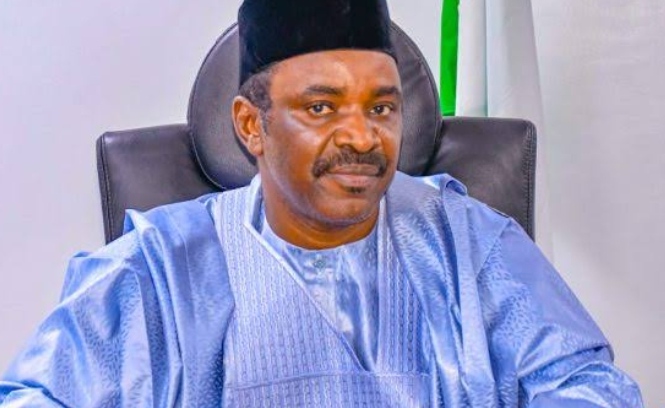
Transportation Minister Alkali Resigns, Sets To Join Gombe Governorship Race
By Abdullahi Mukhtar Algasgaini
The Minister of Transportation, Senator Saidu Alkali, formally resigned from President Bola Tinubu’s cabinet on Tuesday, paving the way for his anticipated entry into the race for the Gombe State governorship.
His exit, announced by the State House media office, came hours ahead of the March 31 deadline set by the President for political appointees nursing elective ambitions to step down.
Alkali, a native of Gombe State, met with President Tinubu at the Presidential Villa on Tuesday evening before finalizing his resignation. He is widely expected to contest for the state’s top seat in the 2027 general elections, aiming to succeed Governor Inuwa Yahaya, whose second term is set to conclude in May 2027.
The former minister’s departure adheres to a directive issued by the President through the Office of the Secretary to the Government of the Federation on March 17, which mandated all appointees seeking public office to vacate their positions by the end of March.
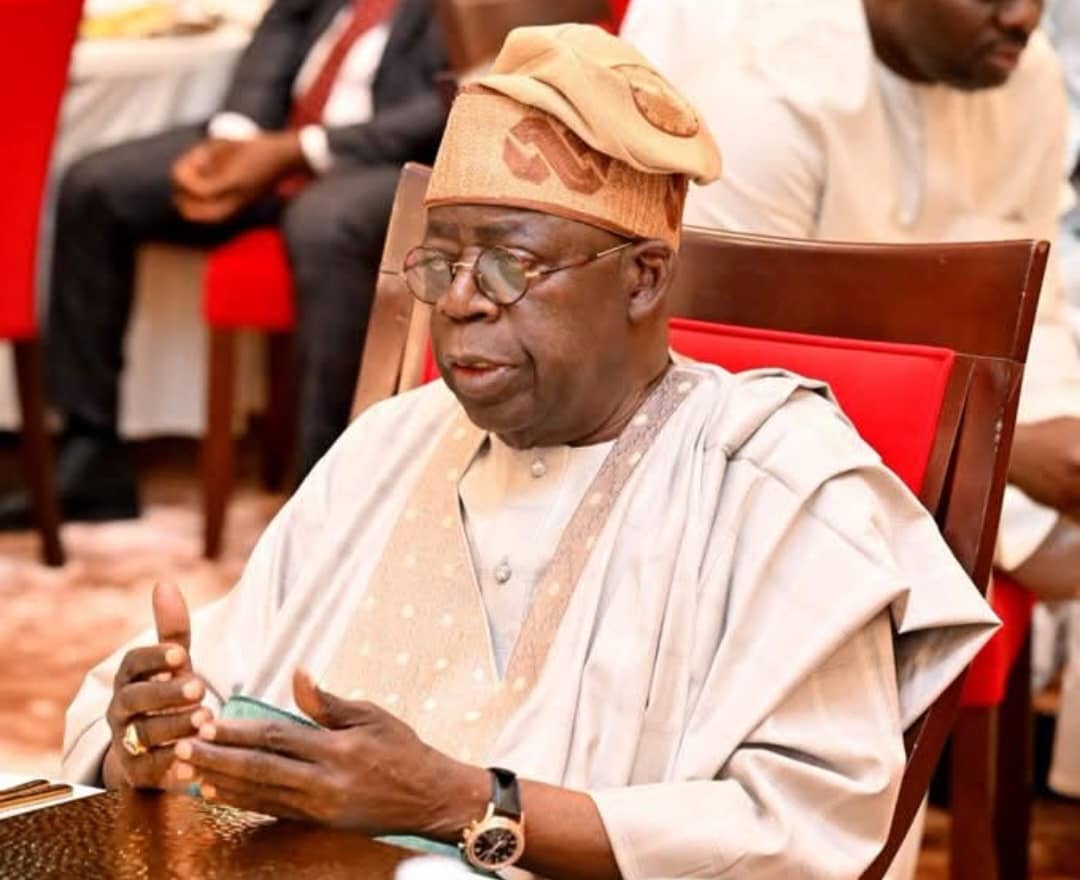
Tinubu Invites Plateau Governor Over Killings In Jos
By Anwar Usman
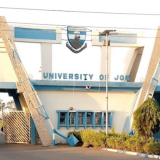
President Bola Tinubu has summoned the Governor of Plateau State, Caleb Mutfwang, to Abuja for talks following the recent attack in Angwan Rukuba, Jos North.
The Minister of Information and National Orientation, Mohammed Idris, made this known at a press briefing held on Tuesday in Abuja.
The munister conveyed condolences on behalf of the President and the Federal Government to the victims and their families stressing that swift and decisive actions are being taken to address the attack.
The address in part reads “Let me assure Nigerians that security agencies responded immediately to the incident. Troops under Operation Enduring Peace were rapidly mobilised to the scene following distress calls.
“The military and other security agencies cordoned off the affected area, secured key access routes, and launched targeted search-and-clearance operations to track down the perpetrators.
“These swift actions ensured that the situation was quickly contained and prevented further escalation,” Idris said.
The minister further explained that these actions form part of a broader federal strategy to maintain stability across Plateau State and the North-Central region.
“The Nigerian Armed Forces have continued to carry out clearance operations and intelligence-led missions across vulnerable communities following attacks recorded in recent months.
“Reinforced surveillance and troop deployments have also been implemented in high-risk areas, supported by joint military-police patrols and strengthened rapid response mechanisms.
Highlighting the President’s proactive engagement, the Minister revealed that President Tinubu had a meeting with top security intelligence officials to assess the situation.
“A few hours ago, President Bola Tinubu held a high-level meeting with the nation’s top security and intelligence chiefs to review the situation and take further decisive steps towards arriving at a lasting solution.
“Following this meeting, the Governor of Plateau State, Caleb Manasseh Mutfwang, has been invited by President Tinubu to further deliberate and chart a coordinated path towards lasting peace and security.
“The outcome of the meeting between President Tinubu and Governor Mutfwang will be made public in due course,” the minister stated.
The minister also called on citizens to remain calm and cooperate with security authorities, while avoiding the spread of unverified information that could escalate tensions.
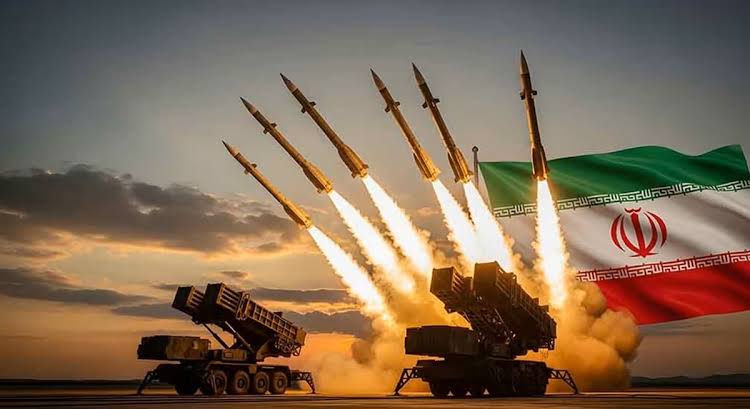
Iran Threatens To Attack U.S. Tech Firms in Middle East, Urges Staff to Evacuate
By Sabiu Abdullahi
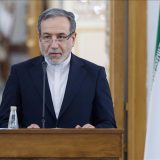
Iran’s Islamic Revolutionary Guard Corps (IRGC) has issued a serious warning, threatening to target major American technology companies operating in the Middle East and calling on employees and nearby residents to evacuate immediately.
The statement, carried by Iran’s Tasnim news agency, identified U.S. firms involved in technology and artificial intelligence as potential targets. “Since the main element in designing and tracking terrorist targets are American and ICT and AI companies … from now on, [these] main institutions will be our legitimate targets,” it said.
The IRGC specifically named more than 15 companies that could be affected, including Boeing, Tesla, Meta, Google, and Apple. The warning noted that attacks could begin from 8 p.m. local time on Wednesday if further Iranian leaders are killed in what the statement described as “targeted assassinations.”
This announcement represents a significant escalation in regional tensions, raising concerns over the safety of multinational corporations and their staff.
Earlier, IRGC Aerospace Commander Seyed Majid Moosavi had directed a warning at employees of industrial firms connected to the United States and Israel, urging them to leave their workplaces following a series of attacks on Iran’s production facilities.
In a post on X last Friday, Moosavi stated, “You tested us once before; the world saw again that you yourselves started playing with fire and attacking infrastructure.”
He further cautioned, “This time, the equation will no longer be an eye for an eye; wait and see! Employees of industrial companies associated with the Americans and the Zionist regime should quickly leave their workplaces to avoid endangering their lives.”
The warning comes amid reports of targeted attacks on Iranian industrial facilities in recent weeks. The IRGC has repeatedly emphasized that foreign involvement in Iran’s industrial sector could provoke serious consequences, signaling a stronger defensive posture.
Last Thursday, Israel announced the killing of the Commander of Iran’s IRGC Navy, Alireza Tangsiri, in a targeted military operation. Israeli Defence Minister Israel Katz confirmed the operation, saying Tangsiri was “directly responsible for the terrorist act of bombing and blocking the Strait of Hormuz.”
Katz added that the naval chief was “blown up” along with several other “senior Navy command officials.” Tangsiri, appointed as IRGC Navy commander in 2018, had previously served as deputy commander since 2010.
Other Iranian leaders have also been killed amid ongoing regional conflict, including the now deceased Supreme Leader, Ali Khamenei.
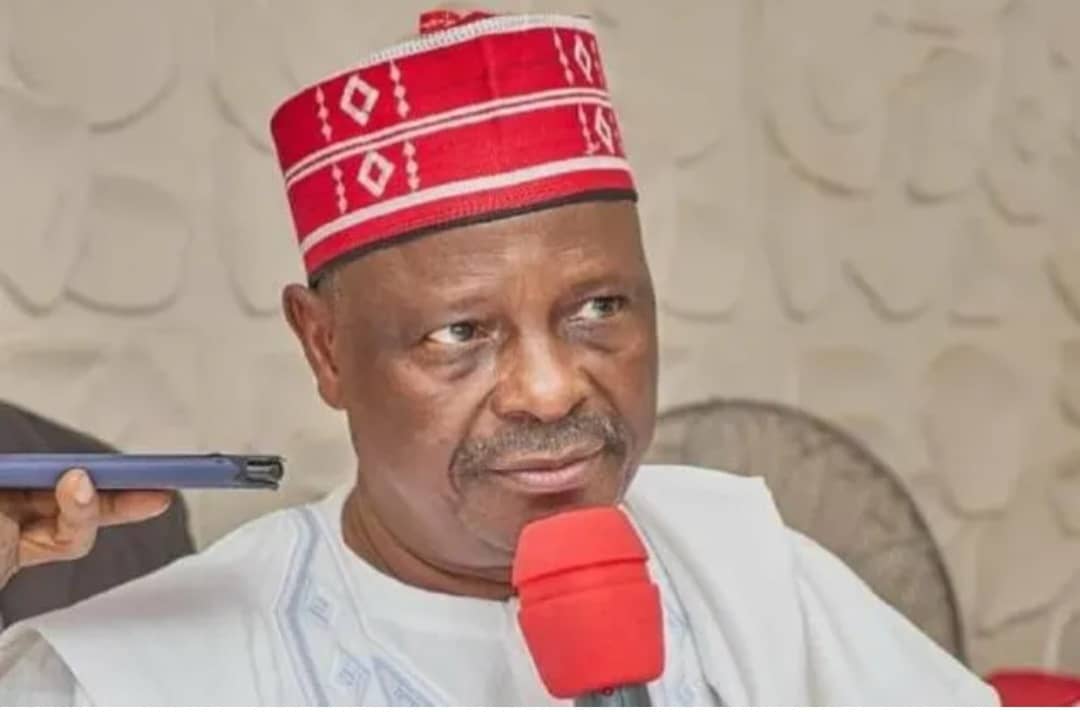
Jos Attack: Kwankwaso Laments ‘Barbaric’ Killing of 27 Nigerians
By Uzair Adam
A former Kano State governor and national leader of the Kwankwasiyya Movement, Rabiu Musa Kwankwaso, has condemned the killing of no fewer than 27 people in Gari Ya Waye community of Angwan Rukuba in Jos, Plateau State, describing the attack as barbaric and another tragic chapter in Nigeria’s history.
Kwankwaso, in a statement he personally signed on Tuesday, expressed deep concern over the incident, saying the senseless bloodshed underscores the persistent failure of leadership and the growing culture of impunity that has turned parts of the country into what he called “killing fields.”
The former governor said the recurring violence in Plateau State and other parts of Nigeria should no longer be treated as routine incidents, stressing that the situation demands urgent attention as a national emergency.
“The barbaric attack on the Gari Ya Waye community in Angwan Rukuba, Jos, which claimed the lives of no fewer than 27 Nigerians and left many others injured, is yet another tragic and shameful chapter in our nation’s history,” he said.
Kwankwaso added that the continued attacks on communities highlight the urgent need for decisive leadership and stronger measures to protect lives and property across the country.
According to him, Nigerians deserve to live in peace, security and dignity regardless of their ethnic or religious backgrounds.
The former minister of defence also extended his condolences to the families of the victims, the injured and residents of the affected community.
“My heartfelt condolences and prayers go to the families of the victims, the injured, and the entire Gari Ya Waye community in this moment of profound grief,” he said.
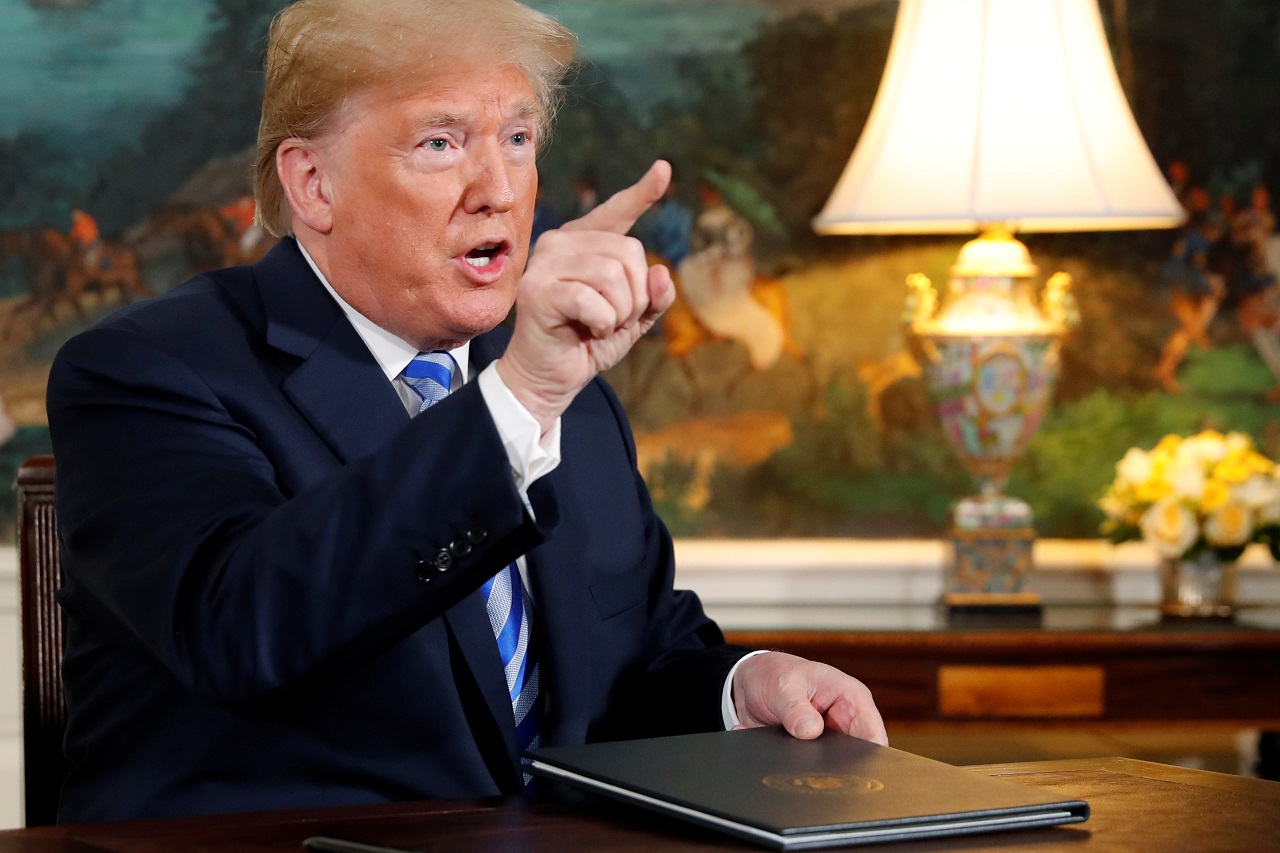
Trump Lambasts UK, European Allies, Says US Won’t Help Them Secure Oil
By Sabiu Abdullahi
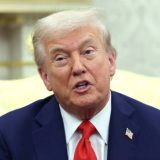
United States President Donald Trump has criticised key American allies, including the United Kingdom and France, over their refusal to support recent military operations against Iran.
In a series of posts shared on his Truth Social platform on Tuesday, Trump accused the European countries of failing to cooperate during what he described as the “decapitation” of Iran’s leadership. He singled out the UK for maintaining a neutral stance and France for denying airspace access to U.S. military aircraft heading to Israel.
The remarks come amid a worsening global energy situation. Several countries are facing jet fuel shortages as the Strait of Hormuz, a major route for global oil shipments, becomes difficult to access due to the ongoing conflict.
Trump addressed the United Kingdom directly and ruled out further American support. He advised the British government to rely less on U.S. protection and act independently.
“I have a suggestion for you: Number 1, buy from the U.S., we have plenty, and Number 2, build up some delayed courage, go to the Strait, and just TAKE IT,” Trump posted.
He also warned that Washington would withdraw its security support from allies who did not back the operation, stating, “The U.S.A. won’t be there to help you anymore, just like you weren’t there for us.”
The U.S. President also criticised France over its decision to block American transport planes carrying military supplies to Israel. He referred to Iran’s late leadership as the “Butcher of Iran” and insisted that the mission against them succeeded.
“France has been VERY UNHELPFUL… The U.S.A. will REMEMBER!!!” he said, suggesting a possible strain in relations between both countries.
Trump described the military phase as largely complete. He stated that “the hard part is done” and that Iran has been “decimated.” However, international observers have presented a more concerning outlook on the situation.
They reported “A dramatic spike in global jet fuel prices and a near-total halt of tankers through the Persian Gulf.” Reports from the United Nations indicate that about 2,000 civilians in Iran have died, while millions have been displaced.
Observers also pointed to “A complete breakdown in the “Special Relationship” between the U.S. and the UK, as London continues to distance itself from the unilateral military action.”
Trump’s remarks reflect a stronger push for his “America First” policy. His call for allies to “Go get your own oil” signals a shift away from the long-standing U.S. role in securing global energy routes in the Middle East.
Political analysts say the comments could deepen divisions between the United States and its allies. The United Nations and the European Union have already described the strikes on Iranian civilian infrastructure as violations of international law.
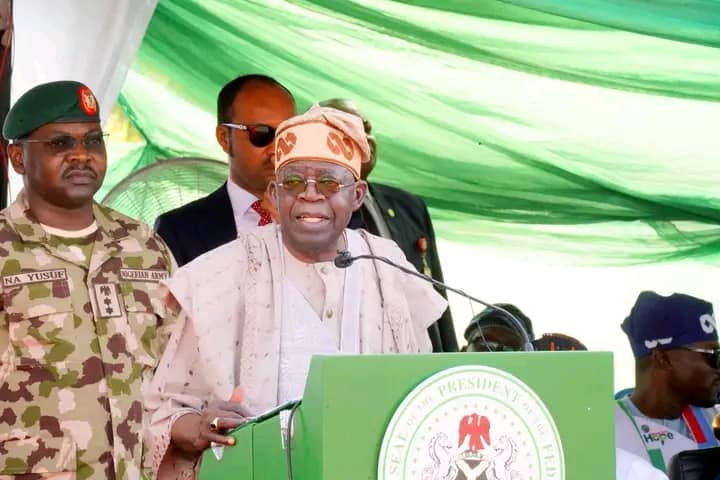
President Tinubu Requests Senate Approval For Fresh N9 Trillion Loan
By Sabiu Abdullahi
President Bola Tinubu has asked the Nigerian Senate to approve fresh external loans estimated at about ₦9 trillion to ₦9.6 trillion to support the country’s financial obligations.
The request was presented through two separate letters sent to Senate President Godswill Akpabio and read during Tuesday’s plenary.
In one of the letters, the President sought approval to secure a $5 billion facility from Abu Dhabi Bank. The fund is intended to address the budget deficit and meet existing debt commitments. In another request, Tinubu asked lawmakers to approve a $1 billion loan from Citibank in London to finance the rehabilitation of key port infrastructure.
The proposed upgrades will focus on the Lagos Port Complex and Tin Can Island Port, which are among the busiest seaports in the country. According to the President, the project will tackle infrastructure challenges, improve efficiency, strengthen safety standards, and support non-oil trade. He also noted that the move will help position Nigeria as a competitive trade hub in the region.
After the letters were read, Senate President Akpabio referred both requests to the Senate Committee on Local and Foreign Debts, led by Aliyu Wamakko, for further review and quick consideration.
The development comes at a time when concerns continue to grow over Nigeria’s rising debt profile and dependence on external borrowing to fund budget gaps.
It also follows a $1 billion Development Policy Financing loan approved by the World Bank four months ago under the initiative titled “Nigeria Actions for Investment and Jobs Acceleration (P512892).” The facility includes a $500 million International Development Association credit and a $500 million International Bank for Reconstruction and Development loan.
The World Bank explained the objective of the programme in its document, stating: “The proposed Development Policy Financing supports Nigeria’s pivot from stabilisation to inclusive growth and job creation. Structured as a two-tranche standalone operation of US$1.0 billion (US$500m IDA credit and US$500m IBRD loan), it seeks to catalyse private sector–led investment by expanding access to credit, deepening capital markets and digital services, easing inflationary pressures, and promoting export diversification,” the document read.
The Federal Ministry of Finance will oversee the implementation of the facility, as the World Bank has cleared the loan preparation process to move forward.
Since 2023, the Tinubu administration has introduced several economic reforms. These include the removal of petrol subsidy, the unification of exchange rates, and the stoppage of central bank deficit financing. The government said these steps, introduced under the Renewed Hope Agenda, have helped stabilise the economy, reduce the fiscal deficit, and improve investor confidence.
Despite these measures, economic growth remains slow, with over 130 million Nigerians still living in poverty. The World Bank noted that although stability has improved, “Nigeria’s economy has yet to shift decisively into a higher and inclusive growth path,” which highlights the need for increased investment to boost productivity, expand exports, and create jobs.
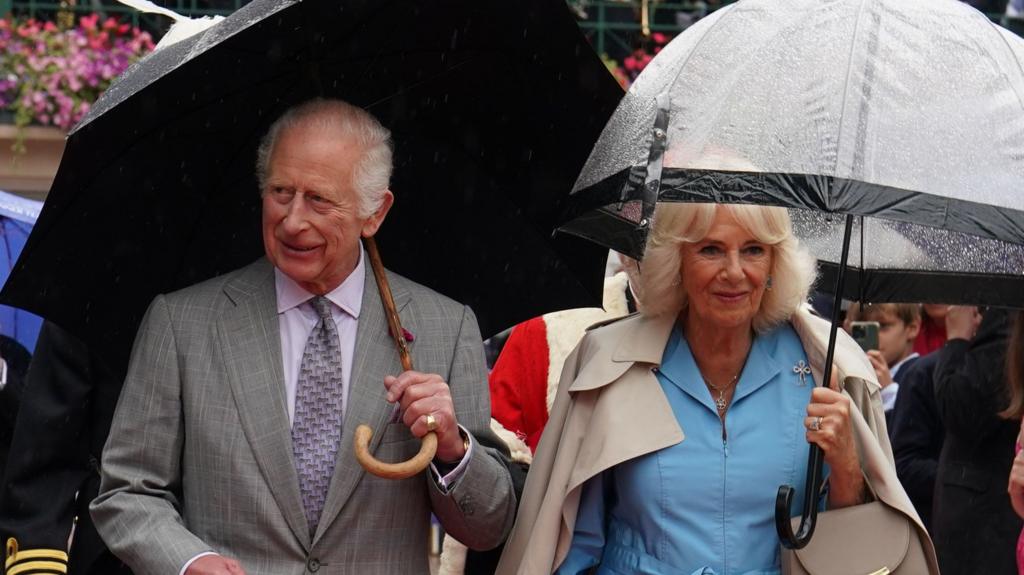
King Charles, Queen Camilla To Visit US In April Amid Iran War Tensions
By Sabiu Abdullahi
King Charles III and Queen Camilla will go ahead with their planned state visit to the United States later in April, Buckingham Palace has confirmed, despite rising diplomatic strain linked to the ongoing Iran war.
According to a report by the BBC, the British monarch will be received by US President Donald Trump in Washington, DC. The trip will mark the first state visit by a UK monarch to the United States since Queen Elizabeth II’s visit in 2007.
The Palace said the visit is designed to strengthen ties between both nations, with emphasis on “historic connections and the modern bilateral relationship” as the United States prepares to celebrate its 250th independence anniversary.
Although full details of the programme have not been released, the visit is expected to feature a state banquet at the White House. King Charles is also expected to address the US Congress. On his way back, he will make a stop in Bermuda, a British Overseas Territory.
The announcement comes at a time of tension between London and Washington over the Iran conflict. President Trump recently criticised US allies, including the United Kingdom, urging them to “get your own oil” and indicating that America could reduce its support.
The disagreement has also included personal remarks. Trump had earlier criticised UK Prime Minister Keir Starmer, stating that he was “no Winston Churchill.”
Even with the strained relations, both sides appear willing to maintain diplomatic contact. Reports indicate that the UK is relying on Trump’s known admiration for the monarchy to help steady relations.
Trump, who visited Windsor Castle in September 2025, described his meeting with King Charles as “amazing,” and said he felt “honoured” by the reception.
However, the planned visit has drawn criticism within the United Kingdom. Liberal Democrat leader Ed Davey has called for it to be cancelled. A YouGov poll has also shown that nearly half of Britons do not support the trip.
There are also fresh concerns from the United States. Congressman Ro Khanna has urged the King to meet victims connected to disgraced financier Jeffrey Epstein during the visit.
Questions have also emerged over whether King Charles will meet his son, Prince Harry, who lives in the US.
Despite the political disagreements and public criticism, preparations for the visit are ongoing. Both governments appear determined to keep diplomatic engagement in place during a period of global uncertainty.
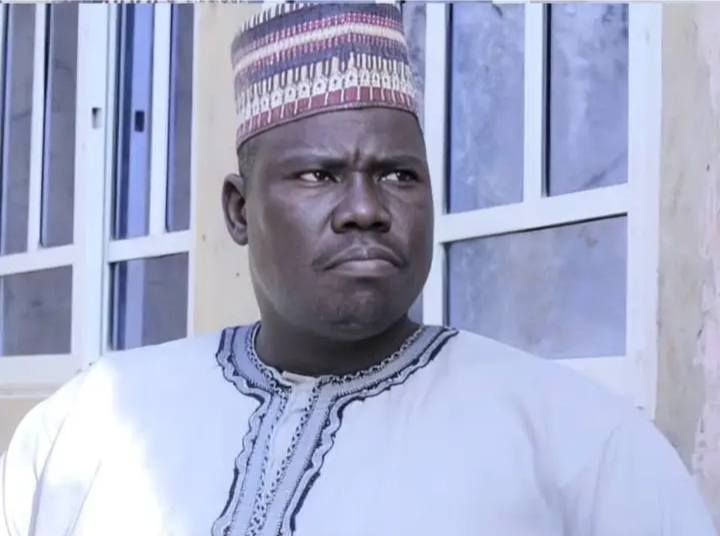
Umar Ascon: A friend, A Brother, A Dreamer Gone Too Soon
By Shamwil Ibrahim (Justice)
The news of Umar Ascon’s death arrived with a weight that words can barely carry. For many who knew him, it felt unreal, like a story told in error, a rumour that would soon be corrected. But it was true. Umar Ascon was gone. For those of us who shared a classroom with him, the loss feels even more personal.
I first met Umar Ascon in 2015 at Kano State Polytechnic. We were both admitted to study English and Applied Linguistics. Like many students starting a new academic journey, we were strangers brought together by the same course and the same campus. Yet it did not take long for Umar to become someone impossible to overlook.
He was one of the funniest people in our class and, arguably, in the entire department. Wherever Umar was, laughter followed. His humour was natural and effortless. He had a way of turning ordinary conversations into moments of joy. In lecture halls, corridors, or casual gatherings around campus, Umar had the rare ability to make people forget their worries, even if only for a moment.
Although he was older than me, Umar never allowed age to create distance between us. He treated everyone with openness and warmth. Over time, what began as a simple acquaintance developed into friendship. Across Kano State Polytechnic, Umar was already known by many students. Whenever he walked across campus, people would often point him out and whisper a familiar word: celebrity.
The reason was simple. Even during his years as a student, Umar Ascon was already appearing in Kannywood films. He was gradually building his presence in the Hausa film industry while still pursuing his education. For many students, seeing someone from their own classroom on television screens was both surprising and inspiring.
Yet what made Umar remarkable was not just his growing recognition in the film industry. It was his humility.
Despite the attention he received, Umar remained approachable and friendly. He never carried himself with arrogance. Instead, he used his position to encourage and uplift others.
For me, Umar did something that would shape my life. He introduced me to the Kannywood film industry. Through him, I found my own path into filmmaking, a voyage that continues to define my creative life today. Opportunities like that often come through people who believe in you before the world does. Umar was that person.
Even in recent times, Umar continued to think about the future of the industry he loved. The last conversation I had with him was about a film project he was planning. Umar spoke passionately about creating a production that could reach global standards, a film capable of standing proudly alongside international productions on platforms such as Netflix. He believed strongly that the Hausa film industry had the talent and stories needed to reach the world.
His dream was not only to entertain audiences but to elevate the industry. That dream now remains unfinished.
When the news of his death reached me, disbelief overwhelmed me. I felt compelled to confirm it myself. I called his phone. His wife answered. My voice shook as I asked, almost hoping the answer would dismiss the rumour. “Where is Umar?”
There was silence for a moment. Then, through tears, she spoke words that will remain with me forever. “Umar is no more.” She explained that he had passed away following complications related to liver illness. In that moment, reality settled with painful clarity.
Inna lillahi wa inna ilaihi raji’un.
Umar Ascon’s death represents a profound loss not only to his family and friends but also to the Kannywood film community. He was talented, vibrant, and deeply passionate about his craft. His presence brought laughter to classrooms, energy to film sets, and encouragement to those around him.
Some people leave behind fame. Others leave behind fortune. Umar left behind something far more enduring: memories, laughter, and inspiration.
For those who knew him, the echoes of his humour and kindness will remain long after this moment of grief passes.
May Allah forgive his shortcomings, grant him Aljannatul Firdaus, and give strength to all those mourning his loss.
Umar Ascon may be gone, but the stories, laughter, and dreams he shared will continue to live on. History will be so kind to you, Umar Ascon (Chairman).
Shamwil Ibrahim (Justice) wrote via ibrahimshamawilu@gmail.com.
Nigerian Soldiers Foil Terrorist Attacks, Seize Logistics, Arrest Suspects In North East
By Sabiu Abdullahi
Troops of the Joint Task Force (North East) Operation HADIN KAI (OPHK) have successfully prevented multiple terrorist attacks and disrupted insurgents’ logistics networks across the North East between 28 and 30 March 2026.
This is contained in a Facebook statement signed by
Lieutenant Colonel Sani Uba, Media Information Officer at Headquarters Joint Task Force (North East) on 30 March 2026.
According to the statement, the soldiers stationed at Damboa stopped a planned Boko Haram/ISWAP attack after monitoring suspicious movements through surveillance systems.
The troops engaged the insurgents, forcing them to retreat in disarray. Follow-up operations confirmed that the attackers had withdrawn. Similarly, troops repelled assaults on farmers and communities in Gwoza and Askira Uba Local Government Areas of Borno State, pushing insurgents toward the Mandara Mountains and nearby areas.
The troops also discovered and safely detonated an Improvised Explosive Device (IED) along the Goniri–Ngamdu axis. “Recovered materials, including rail tracks used to canalise vehicles into a killing zone, highlight ongoing terrorist efforts to disrupt movement along critical routes,” the statement noted.
In operations targeting terrorist supply chains, two suspected Boko Haram collaborators were arrested in Molai while acting suspiciously in a defensive area.
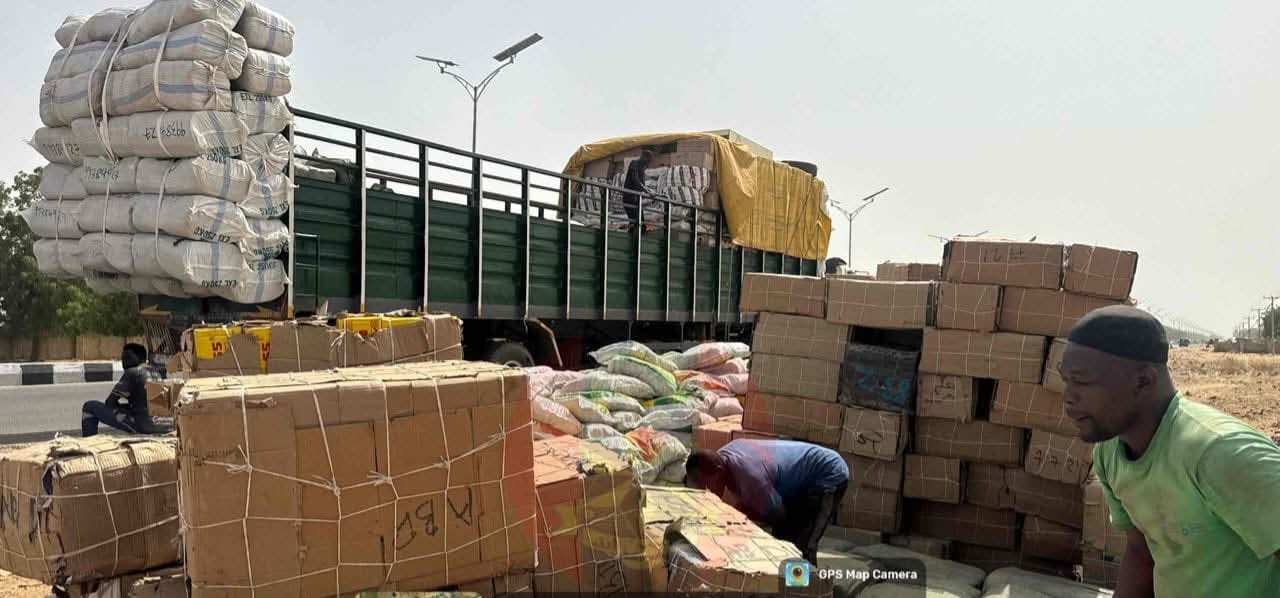
In Maiduguri, troops intercepted vehicles carrying large quantities of suspected terrorist logistics along the Maiduguri–Mafa road. The items, concealed in sacks and equivalent to two truckloads, included medical drugs, motorcycle tubes and tyres, mosquito nets, rolls of mats, air filter cylinders, and detergents.
Preliminary investigations revealed that the supplies were being transported without clearance toward Kusuri, a border community near Chad. The vehicles, drivers, and goods were handed over for further investigation.
Additionally, OPHK troops, working with Civilian Joint Task Force (CJTF) operatives, arrested Mohammed Adamu (26) at Muna Garage. “Items recovered from him include 25 litres of engine oil concealed in sacks, the sum of N624,900, a mobile phone, power bank, national identity card, and ATM cards. Preliminary findings indicate he had been supplying logistics, including motorcycle parts, to terrorists over an extended period,” the release said.
In Gubio, troops, intelligence operatives, and CJTF conducted targeted operations that resulted in the arrest of 13 suspected terrorist logistics suppliers and collaborators. Two additional suspects confessed to long-term involvement in supplying materials to insurgents.
Troops also apprehended Abubakar Ali, alias “Saina,” a suspected member of JAS/ISWAP, at Kilo Papa checkpoint while en route to Maiduguri. Interrogation suggested he was conducting a reconnaissance mission. He has been handed over to authorities for detailed investigation.
In other operations, a suspected kidnapper was arrested in Azir, Damboa Local Government Area. Clearance and cordon-and-search missions in Wulgo Junction, Gamboru Motor Park, and surrounding areas led to the recovery of 450 wraps of suspected marijuana and other illicit substances, while suspected drug peddlers fled on sighting troops.
The Military High Command commended the troops for their “resilience, vigilance, and professional conduct,” urging them to maintain the operational pace to deny terrorists freedom of action, which is critical for security and economic stability in the North East.