


Beggars still on Kano streets despite govt’s ban
By Uzair Adam Imam
Who could have thought that the lingering issue of street begging would still be persistent despite the imposition of an outright ban on begging by the state government? Likewise, who would believe that the state government will continue to be the captive of the past, allowing Almajiri parents to drop around their children for Qur’anic education without shelter, food or clothing?
This and many more have called into question the government’s effort to end street begging in the state.
Recalling the statement issued by the Chief Press Secretary to the Governor of Kano State, Abba Anwar, the Kano State Government announced the ban of street begging in the state. It said that the effort was to fully consolidate the free and compulsory primary and secondary schools education.
“The decision was meant to integrate the Almajiri system into the policy and address the lingering problem of street begging,” Governor Abdullahi Ganduje said in the statement. He further warned that Almajiri teachers must accept the newly introduced approach by the government and that “If Almijiri teacher thinks he cannot accept the new policy he has to leave the state.
“When Almajiri are caught begging, it is not only that beggar is caught but also his parents or guardians. Such parents or guardians would be taken to court to face the wrath of the law,” the governor added.
The statement disclosed that the newly introduced system was meant to allow the beggars to continue their studies to secondary school and beyond.
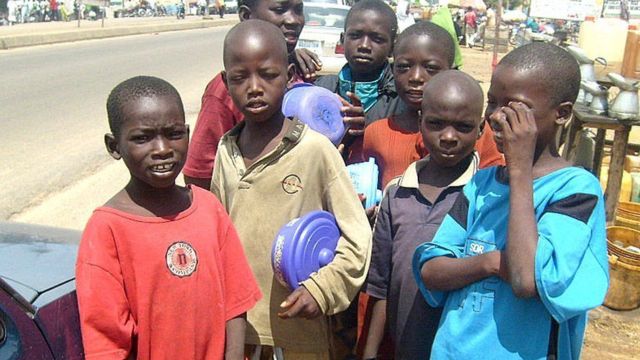
But despite the declaration, promises and threats against beggars and their teachers, beggars are still on the state’s streets. They beg from car to car, tricycle to tricycle and from person to person freely and in the presence of security personnel.
Meanwhile, Almajiris in Kano were neither being thwarted from begging nor introduced to western education, as the governor promised.
One of the Almajiri teachers in the state who spoke with The Daily Reality said, “I had no idea of the new policy the state government introduced and no official of the government contacted him ok the policy.”
An educationalist, who prefers not to be named, opined that; “I believe this will definitely be a joyous and celebratory idea if the government could be able to implement the new system.
“But sometimes government plays politics, and I am afraid this might be one, considering the length of time since the assertion was made.” He observed.
Some beggars who were brought to the city from Minjibir explained to our reporter that they face no challenge from anyone. According to them, they move around freely in every nook and cranny, including Nassarawa GRA, where the Kano State Government House is situated.
“We are brought here for Qur’anic education from Minjibir Local Government. Our Tsangaya is situated at Rimin Kebe, Ungogo LGA, and we are not even aware of the ban on begging in the state.”
The lingering problem of street begging is known to anyone living in Kano and the North, or even the country as a whole. But it is worse than expected in the North.
Kano State Government’s idea of banning street begging is an idea many residents applauded when launched. The ban was introduced to enable the Almajiri to acquire western education while undergoing their Qur’anic education. The ultimate goal was to empower them in society.

7 simple things you can do to protect your kidneys
By Dr. Khadijah Tijani
The kidneys are two bean-shaped organs located in the abdomen. Their main function is to detoxify the body by removing waste products and excess water in form of urine. They also perform other vital functions such as regulation of blood pressure and secretion of hormones like erythropoietin (responsible for red blood cells production) and vitamin D (maintaining bone health, etc).
Any insult to the kidneys could result in irreversible damage, and kidney failure is not only expensive to treat but extremely distressing to the victims and their caregivers. It is quite worrisome that almost every day I scroll down my timeline on Facebook, there is always one person putting up a fundraiser for themselves or someone else suffering from kidney failure.
There are some causes of kidney injury that can neither be predicted nor prevented (such as acute haemorrhage, burns, congenital disorders, etc). But there are also some preventable causes that we should be aware of and guard against. When it comes to kidney health, prevention is definitely better than cure. Here are 7 simple tips on how to maintain healthy kidneys…
1. DRINK PLENTY OF WATER
Apart from regulating the amount of water in the body, the kidney itself depends on adequate water (and blood) supply. Dehydration puts a strain on the kidneys and if this reaches a certain threshold, the kidneys begin to shut down. Dehydration also predisposes you to develop kidney stones, which can damage your kidneys by obstructing the pathway of urine flow. Aim for 3 litres of water daily. You may need more or less depending on the weather and your activity level.
2. DO REGULAR HEALTH CHECKS
There are certain medical conditions that “kill” the kidneys slowly. These diseases are silent killers in the sense that they are often not manifested by clear signs and symptoms until they have damaged the kidneys and other vital organs to a considerable extent. Chief among these diseases are HYPERTENSION and DIABETES. Checking your blood pressure and sugar levels periodically will ensure early detection and quick intervention.
3. EAT RIGHT
The importance of a healthy diet cannot be overemphasized. Avoid junk snacks and sugary drinks. Take a balanced proportion of every class of food but pay attention to more fruits and vegetables. Clean and healthy foods protect your kidneys from excess toxic wastes, therefore the more healthy food you ingest, the better.
4. STOP DRUG ABUSE
The kidneys are actively involved in the metabolism of many drugs. When you take medications (either orthodox or herbal concoctions) indiscriminately, you are exposing your kidneys to more workload than they can handle. Also, some drugs are inherently toxic to the kidneys, so if you have a history of kidney disease, your doctor will help you adjust the dose or change to a less toxic alternative.
5. STOP SMOKING AND ALCOHOL
Cigarette smoking and alcohol ingestion have direct effects on the kidneys because these products increase the amount of toxins that your kidneys need to deal with. Hence, it is clear that avoiding them will be beneficial to the kidneys and the entire body.
6. DON’T TAKE ANY DISEASE FOR GRANTED
Whenever you fall ill, contact your doctor and get treated as soon as possible. Simple infections can become complicated if ignored or poorly managed. For example, malaria is a known cause of kidney failure. When infected red blood cells are broken down in large numbers, they produce a high concentration of toxic substances which can damage the kidneys if proper treatment is not sought.
7. MANAGE CHRONIC HEALTH ISSUES
Some chronic illnesses pose a great threat to the kidneys. Examples are diabetes, hypertension, sickle cell disease, cancer, etc. Because of the vital role of the kidneys in maintaining a healthy body, they are easily affected by any deviation from the norm. Hence, individuals who have any of these diseases should take extra care by managing their conditions well and doing regular “kidney function tests” to ascertain how healthy the kidney is and detect early signs of kidney failure.
To sum up, early signs of kidney disease may not be easily recognized by people, so, it is extremely important to take precautions against the preventable causes and seek prompt treatment for any medical condition that may result in irreversible kidney damage.
Dr. Khadijah Tijani
askodoctorkt@gmai.com
Ibadan, Nigeria.

GOGIS under Dr Kabiru Usman Hassan
By Adamu Umar Kumo
Gombe Geographic Information Systems (GOGIS) is an agency under Gombe State Ministry of Lands and Survey saddled with the responsibility of modernizing land administration in Gombe State in accordance with international urban planning standards and practices to pave the way for infrastructural development in Gombe State.
To ensure a solid foundation has been laid for successful takeoff and smooth running of the agency, His Excellency, Governor Muhammadu Inuwa Yahaya appointed a competent personality and Contemporary Town Planner with more than a decade of experience in the profession, Dr Kabiru Usman Hassan to pilot the affairs of the Agency.
GOGIS, under the leadership of Dr Kabiru Usman Hassan, has modernised the process of issuing land titles and other related documents using state-of-the-art facilities. The transition and integration of land information into a unified geographic database has given the agency easy access to information about any piece of land or landed property with a click of a finger. This has drastically reduced duplication and other forms of malpractices and corruption in land administration.
With the approval of adequate funds for aerial mapping that will cover the whole Gombe State (both inhabited and uninhabited areas) using high resolution remote sensing facilities, GOGIS will soon be partaking in the exploration of resources in the state. This will go a long way in wooing investors to Gombe state and eventually boost our economy.
As GOGIS continue to undertake “Operation Show Your Land Title Documents”, the operation aimed at sensitizing people on their duty as law-abiding citizens to pay their ground rent and other related taxes, the agency has succeeded in many fronts by mobilizing industries, banks, fuel stations and other commercial institutions to pay their dues. To lead by example, most at times this kind of operation is done by a team of professionals under the leadership of the DG himself. This singular task has helped Gombe State Government in broadening its revenue base to cope with the current economic realities.
The establishment of the Gombe State Special Development Zone has been one of the focal projects of Governor Inuwa Yahaya’s administration aimed at providing a well-planned layout with adequate social amenities for the establishment of institutions to consolidate investments in the state. GOGIS has been at the forefront in carrying out this task. From mapping, census of the existing structures to sensitization, the agency has been playing a pivotal role in making the project a reality.
Settling disputes is another aspect where GOGIS deserves recommendation. GOGIS corporate office receives numerous complaints on a daily basis regarding distortions of layouts and indiscriminate erection of structures. With prompt intervention from GOGIS, many community clashes and individual disputes have been averted.
With GOGIS under this workaholic Director-General, Dr Kabiru Usman Hassan, Gombe State is in sha Allah set to be the most convenient state to live in the country.
Adamu Umar Kumo writes from Gombe State.

It’s time to rekindle the old North
By Mohammed Zayyad
Recently, an event happened that will serve as a vital lesson to the people of northern Nigeria and the old generation of the region’s leaders in particular.
On September 10, 2021, a former Commissioner of Works in the Governor Abdullahi Ganduje administration, Engr. Muaz Magaji posted on his verified Facebook account that a renowned Islamic cleric and the National Secretary-General of the Jama’atu Izalatil Bid’ah wa Iqamatus Sunnah, Sheikh Muhammad Kabiru Haruna had in a phone call conversation told Governor Mai Mala Buni of Yobe State that he would decamp from the ruling All Progressive Congress (APC) if the former Kano State Governor, Rabiu Musa Kwankwaso is allowed to join the ruling party.
Some hours later, Sheik Gombe also posted on his verified Facebook account a 12-hour ultimatum to Engr. Muaz to withdraw the statement, or the Sheik will file a legal suit against the former Commissioner of Works over alleged defamation of character. Sheik Gombe said he had never meet Gov. Buni. And, he is neither a politician nor partisan. His only job is preaching.
On Saturday, September 13, 2021, a truce was reached. After that, Muaz visited Sheik Gombe at his residence in Abuja. In attendance were the National Chairman of Jama’atu Izalatil Bid’ah wa Iqamatus Sunnah, Sheik Abdullahi Bala Lau, National Leader of The Tijjaniya Youth Africa, Ahmadu Tijjani Umar Maigeru. The outcome of the meeting: Muaz had withdrawn his statement, apologised, and a friendship was born at that moment.
A deep look at this event and the people involved will serve as a big lesson to northern Nigeria, which faces social disorder and insecurity due to the eroded beautiful culture and norms.
First, the whole idea of the meeting between Sheik Kabiru Gombe and Engr. Muaz Magaji was initiated and implemented by the National Leader of the Tijjaniya Youth Africa, Ahmadu Tijjani Umar Maigeru, a frontline gubernatorial candidate in Kaduna State. Ahmadu Tijjani is of the Tijjaniya sect while Kabiru Gombe is of the Izala. This has shown the rekindling of the old habit in the north – humanity first – where sect, race, tribe, and geography don’t matter. Ahmadu Tijjani must be commended for such foresight in initiating the meeting to reach a truce, Sheik Gombe for being magnanimous while Muaz for being levelheaded.
Second, for accepting to withdraw his statement, apologising, and making friends, Muaz has helped society in some ways. Fake news can quickly be decimated if a high profile person that shared it will come out to denounce it and apologise as well. And, differences between individuals or groups can be resolved with dialogues and understanding.
The coming together of these men to resolve a matter that was supposed to be settled in a Court of Law is a clear case of the need to rekindle the old north where every issue is resolved within the community, people were their brothers’ keepers, who, every day bring out from their homes their breakfast, lunch and dinner for neighbours, including even strangers to eat.
In the old north, your father’s friend is automatically your father and can decide on you without first consulting your parent. In the old north, people allocate some portion of their houses to strangers to settle. In the old north, no child will be seen wandering around without the community showing any concern. That’s was the monolithic North! It has to be rekindled as a one-step in solving some of the region’s current social problems, especially insecurity.
Zayyad I. Muhammad writes from Abuja, zaymohd@yahoo.com.
APC vs Goodluck Ebele Jonathan
By Mallam Musbahu Magayaki
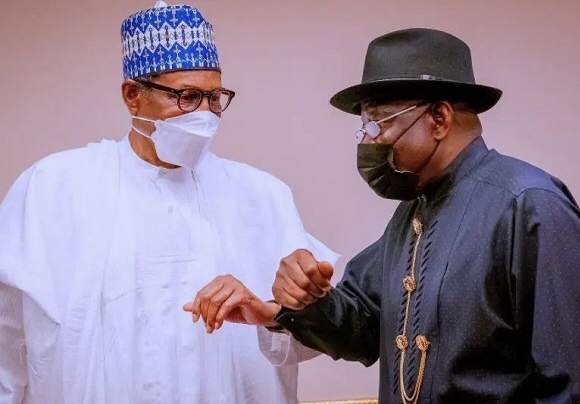
The political calculation of the All Progressives Congress (APC) may likely lead the party to oversight if they fail to set their house to order. There is a rumour that the party is romancing former President Goodluck Ebele Jonathan. APC reportedly declared that they will allow him to recontest for the presidential race in the 2023 general elections if he joins the party.
Lo and behold! Despite this rumour, one Jonathan supporter joined the party after spending many years criticising the party on social media fiercely. Thus, Jonathan’s supporters are defecting to the APC. Will this signal his presidential ambition?
Let’s assume the presidential ticket goes to the south-south; what is the fate of the Southwest that has been promised the presidential ticket in a zoning agreement? Even though the zoning policy is not democratically based on the constitution in the country that is practising democracy.
Meanwhile, a candidate for president and his running mate from the same region sounds too odd. That is, you can not pick a president from the southeast and a vice president from the southwest. In addition, the recent party local government congress elections hindered the party, leading to factions in some states. However, this may cause the party to lose its members if decisive actions are not taken promptly while confronting the party’s national convention elections.
Any political party that gives a glimpse into the Party’s instability will eventually experience its entire tendency to fail. A few weeks ago, in the opposition PDP, the leading crisis crumbled. Many political analysts argued that the party lost its spirit as a real opposition party since there would be no political party prospering in the conflicts.
Nevertheless, when the ticket goes to the South-south, the Southwest may not vote for the party because the national leader of the party’s presidential ambitions would not realise his ambition. As a result, even though he has not declared his interest in the race yet, the APC may lose Lagos, Kano, and many other northern states.
Mallam Musbahu Magayaki writes from Sabon Fegi, Azare. He can be reached via musbahumuhammad258@gmail.com.
Phone snatchers slay schoolteacher in Kano
By Muhsin Ibrahim
Despite the police efforts and arrest of several suspects, the menace of phone snatching continues to cost the lives of Kano residents. The most recent incident occurred Sunday evening in Sharada quarters, around Nana Petroleum filling station.
Muhammad Sulaiman, alias Labbo, was a schoolteacher and farmer who got married in June this year. He was walking with his bride when the assailants stopped them.
As reports suggest, Muhammad did not show any resistance. However, the phone snatchers stabbed him, leaving him to bleed to death.
Our attempts to hear from the bereaved wife for further details proved difficult as she was still devastated. However, other friends and relatives described him as very cheerful, caring and God-fearing.
Muhammad, 37, was a graduate of Kano State Polytechnic. He also attended Government Technical College (GTC), Kano.

Irate residents in Sokoto lynch six terrorists
By Muhammad Sabiu
Reports coming from northwestern Nigeria have stated that angry people in a Sokoto community, Tangaza, took the bull by the horns, traced suspected bandits in detention and subsequently lynched them.
This is coming barely 12 hours after the bandits launched an attack on the community, which left two persons killed and two others abducted.
Premium Times reports that, first, it was vigilante members armed with locally-made guns and cutlasses in conjunction with the police that went after the bandits, killed two and apprehended about four others.
After their arrest, they were put behind the police net.
The state’s police spokesperson, Sanusi Abubakar, confirmed that in an attack meant to cart away foodstuffs from the community, the bandits launched a raid Friday night.
They were also said to have kidnapped two persons, who were later killed.
Angered by this attack and kidnap, youths in the community planned to join the police in an effort to crush the suspected bandits.
They followed them and successfully killed two and the other four arrested, who were detained in a police station and killed by the angry youths.
The youths insisted that the bandits must be killed, otherwise they would torch the police station.
A resident said, “The youths were angry and despite pleas from the DPO and the local government chairman, they insisted that if the policemen did not kill the bandits in their presence, they would burn down the police station.”
Sokoto State is also one of the northwestern states badly hit by the activities of bandits.
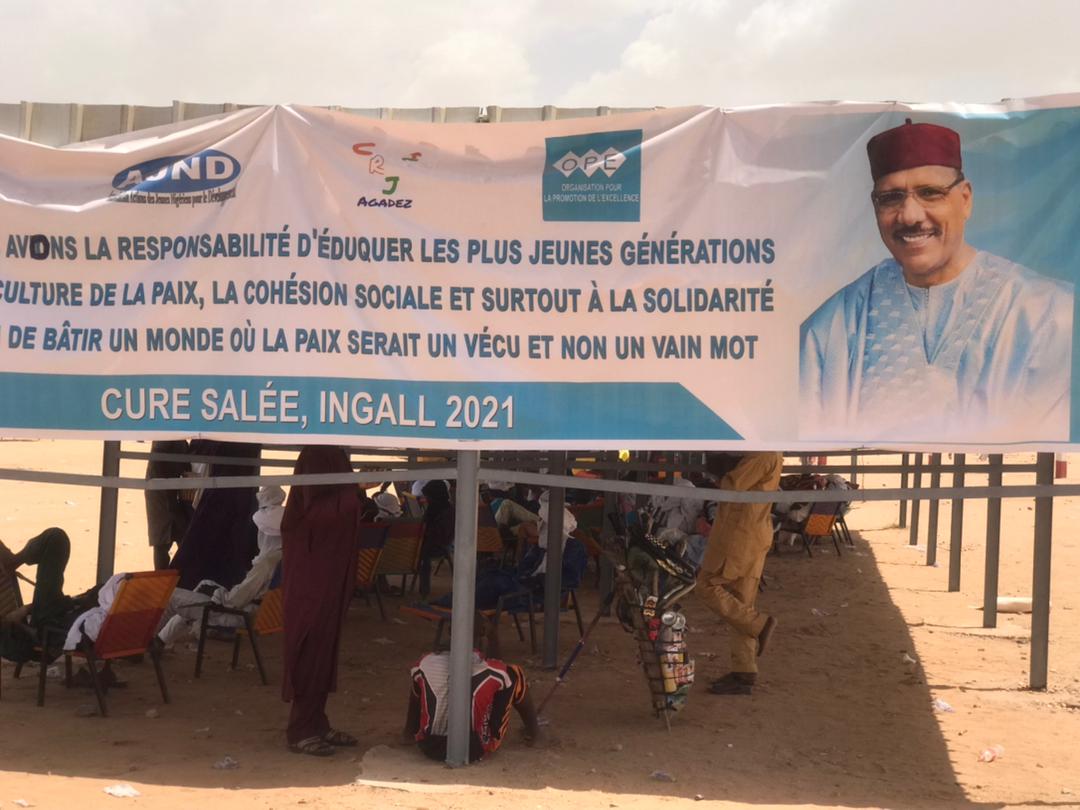
Strong Nigeria’s presence as President Bazoum opens 2021 “Cure Saleé” festival at Ingall
By Ibrahim Siraj
(Who is at Ingall, Agadez, Niger Republic)
Many Nigerians are attending this year’s ”Cure Saleé” festival at Ingall town, some one-hundred sixty kilometres Southwestern the ancient city of Agadez in the Niger Republic.
The three-day festival, which was declared open by President Bazoum, is officially billed to end today but may be extended to Sunday.
Cure Saleé is an annual event that showcases the rich cultural heritage of the Touregs and Nomads, including camel and horse racing, music and dance. It draws attendance from across Niger Republic, Africa and the world. Also in attendance are traditional rulers from Niger, Nigeria and other neighbouring countries.
Started several centuries ago, the festival brings together various Tuareg clans and Wodaabe Nomads to celebrate the end of the rainy season and to mark the beginning of a movement down south to survive the upcoming dry season.
The salty waters of Ingall are believed to possess medicinal and healing powers that can cure all diseases afflicting humans and animals.
Cure Saleé also serves as a melting point for several social, business, tourism and friendship activities.
The 2021 well-attended event is coming after the Covid-19 lockdown forced the cancellation of the festival in 2020.

Attending the event from Nigeria are scholars, researchers, tourists, journalists, photographers and other business and media personalities.
Declaring the 2021 Cure Saleé open, President Mohamed Bazoum, who attended the festival for the first time since he became President, welcomed all guests and assured the organisers of his government’s continued support.
Speaking to The Daily Reality on this significance of the festival, a foremost Kano Palace historian and researcher, Malam Nasiru Wada, said Cure Saleé offers students of culture like himself the opportunity to learn how life is defined by people living in the desert and to appreciate the difference between Africa’s divergent cultures. He listed the economic advantages of the festival to include tourism, inflow and outflow of goods and services, as well as job opportunities.
Also speaking, a Kano-based documentary photographer, Muhammad Mubarak aka Moha Sheikh, said his coming to Ingall is a follow-up to his participation at similar cultural event, Bianou, in Agadez last year. He said the two festivals had afforded him the opportunity to see and document culture.
Another documentary photographer, Emmanuel Abor, from Abuja, said the festival is a celebration of cultural preservation in the technological age.
At the end of the festival, prizes will be distributed to winners of different categories of competitions.
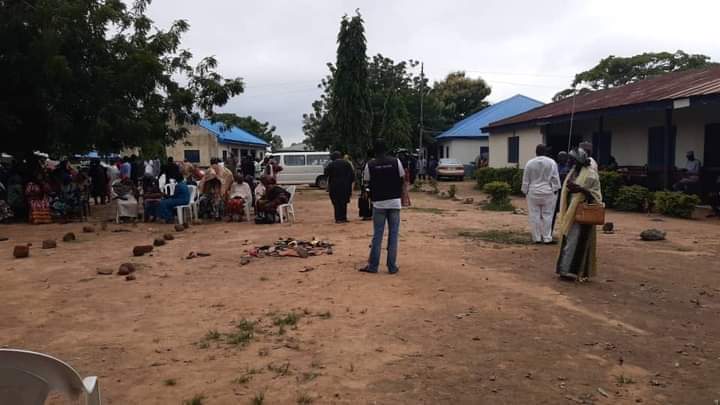
Breaking: Bandits release 10 more Bethel Baptist College students
Ten students of Bethel Baptist College, Kaduna, were released this evening. Two were sick and eight let go on the magnanimity of their kidnappers.
Details later.
The unlived legacies of Alhaji Ahmed Joda
By Ahmadu Shehu, PhD.
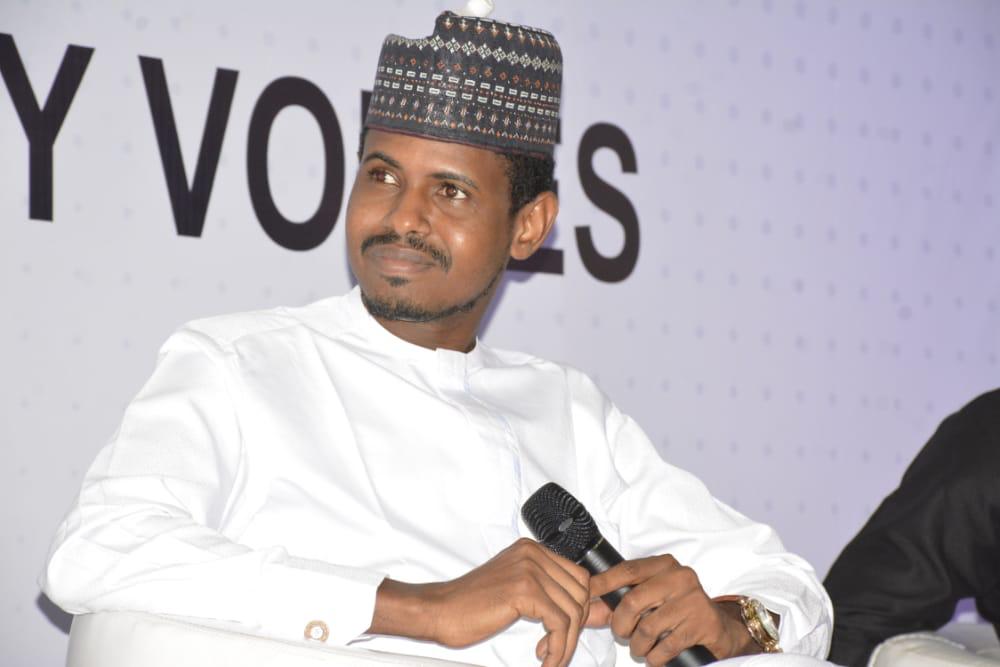
To continue our conversation on a better northern Nigeria, let me bring you three unlived legacies of Alhaji Ahmed Joda, one of the most accomplished civil servants in this country. These are fantastic ideas capable of turning around the socioeconomic situation of this region and the entire country for good.
For the benefit of those who do not know him, Ahmed Joda OFR, CON, CFR was born on February 13, 1930, in Girei, a village located a few kilometres from Yola, the capital of Adamawa state. His basic education started at Yola Elementary School, from where he proceeded to Barewa College Zaria, before graduating from Pitsman College, London, in 1956. Before delving into journalism, Baba Joda started his career in agriculture and later became one of the longest-serving permanent secretaries of various federal ministries, including education, information and industry.
Sometimes in 2019, former minister of Federal Capital Territory Dr Aliyu Umar Modibbo invited us to a meeting with Alh. Ahmed Joda. At the age of 90, Baba Joda, as we fondly called him, had assembled younger minds to think about the way forward for Nigeria and rethink the approach northern Nigeria has taken in negotiating its state, status and privileges within the Nigerian state. Baba Joda was very particular about the unity of this country, just as he was deeply concerned about the socioeconomic problems bedevilling the north. I, particularly, was astonished to see that despite his age, Baba Joda was chairing a four-hour meeting, perusing through documents and making amendments where necessary. After several meetings, recruitments, and deliberations, that meeting resulted in the “Nigerian Platform”, a collection of thinkers, excelled public servants, professionals, and academics, helping to chart a way forward for this country. The rest, as they say, is history.
Having noticed our contributions at the meeting, Baba Joda ensured my friend Dr MD Aminu and I stayed close to him and learned about this country as much as possible. We, indeed, kept in touch, learned, benefitted and enjoyed our relationship with this seasoned civil servant, experienced administrator, excellent intellectual and a special breed of the Nigerian elites.
One of Baba Joda’s agendas behind mentoring young Nigerians is to develop what he envisaged as the Nigeria Unity Forum (or any name that might suit the cause at the later stage of its development). Under this cause, Baba intended to develop a genuinely Pan-Nigerian national platform where citizens of this country will come together to discuss their grievances without hindrance, fear or hesitation. This was (to be) the first platform under which Nigerians from all walks of life, backgrounds and social status would have a free space to discuss, analyse and subject any topic of national interest without limits or limitations. The aim was to start a citizen-driven healing process among Nigerians to guarantee the true unity of our country. In the beginning, Baba had sacrificed his farmland and the facilities therein for weekly/monthly meetings of the groups. He was also to provide funding and feeding for the takeoff meetings.
Another concept Baba Joda nurtured was a Sustainable Agricultural Model in which he invested so much time and resources in its conceptualisation and trial. Noting the waning natural resources, especially land and water, and the ever-growing population, vis-à-vis climate change and the attendant crises we are already witnessing, Baba had commissioned research into various models adopted by other countries such as India and Botswana. These countries have faced or are facing similar socioeconomic and environmental challenges. After thorough comparative studies, Baba proposed an agro-livestock model that, in my opinion, will forever change our society for good. The most fascinating and novel aspect of his proposal is its capability to deal with land and water resources, and at the same time, create a sustainable economic model that will undoubtedly work for the majority.
The third and most important to him was the creation of the National Livestock Development Authority. Again, looking at the proposal of this agency, one cannot help but see the extraordinary visions and foresight in the manner in which it was to be designed, administered and supervised. This would not be another government-funded agency that would serve as a conduit for financial embezzlement and docility. Instead, it was meant to be a self-funding, self-sufficient and revenue-generating government agency responsible for making money for the country via our large, prosperous, but abandoned livestock sector. It was going to be a multibillion-dollar government company, richer than the NNPC and most of our aviation agencies. It would have led to vast foreign investments into our livestock sector, building companies for our manure, beef, leather, blood and born, etc., all expensive raw materials that go untapped in this part of the world. It would have been a major regional investor in this part of Africa, as it will not have had competitors for many years to come.
While all of these and many more programs were coming up slowly but steadily, we sadly lost Baba Joda on August 13, 2021, at the age of 91. While I pray to Allah for his forgiveness and mercy upon his soul, I equally pray that those of us who are alive and are lucky to have drunk from his ocean of wisdom and patriotism will continue the struggle for a better future. I also pray that Allah will lead many more people to this cause and that these dreams, these ideas, will see the light of the day. Since Baba Joda is no longer around to pursue these ideas, I invite you to join his disciples and those who genuinely love this country to vigorously pursue and patiently work towards realising these ideas and their possible implementation.
Dr Ahmadu Shehu is a nomad cum herdsman, an Assistant Professor at the American University of Nigeria, Yola, and is passionate about the Nigerian project. You can reach him at ahmadsheehu@yahoo.com.