

Customs Marks One Year Of CSR Initiative, Commissions Project In Abuja School
By Sabiu Abdullahi
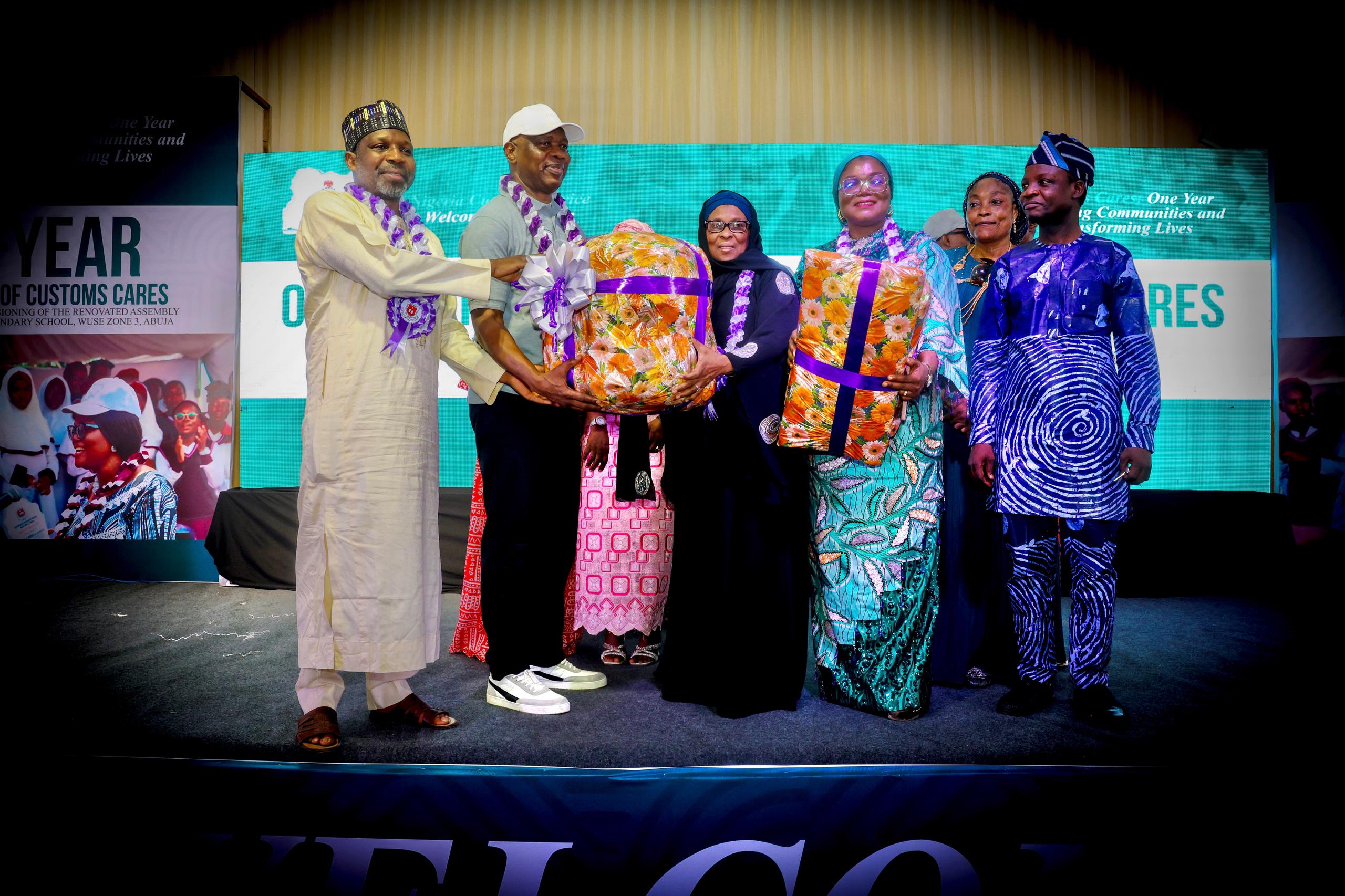
The Nigeria Customs Service (NCS) has marked the first anniversary of its Corporate Social Responsibility programme, known as ‘Customs Cares’, with the commissioning of a major project at Government Secondary School, Wuse, Abuja.
The Comptroller-General of Customs, Adewale Adeniyi, performed the ceremony on Tuesday, 31 March 2026, in the presence of students, teachers and other stakeholders.
Speaking at the event, Adeniyi said the decision to adopt the school under the CSR framework has yielded positive results, especially in academic performance and the learning environment.
“What we have seen here today shows clearly that we did not make a mistake in adopting this school. The performance by the students reflects the impact of what has been done,” CGC Adeniyi said.
He explained that the intervention goes beyond physical structures. He noted that it has opened up opportunities for students to interact, discover their talents and improve academically.
“This is not just about infrastructure. It is about creating opportunities for young people to grow, interact and build confidence for the future,” he said.
The Customs boss also praised the school management for identifying key areas of need early. He said this helped the Service to focus on infrastructure and security improvements.
He stated that the Service renovated important facilities and installed solar-powered lighting to enhance safety within the school.
“This is a promise made and a promise kept. We are pleased that the project has been delivered on time and to the benefit of the students,” Adeniyi said.
Adeniyi advised students to make good use of the new facilities. He stressed the importance of building communication and public speaking skills for future success.
“You must take advantage of what has been provided here. These facilities are meant to help you discover yourselves and prepare for greater responsibilities ahead,” he added.
He also highlighted the need to maintain the facilities. He warned that many public projects fail due to poor maintenance. He called on the Federal Capital Territory Administration to consider partnerships that will support long-term upkeep.
“Our office remains open for further collaboration, but we must ensure that what has been provided is properly sustained,” he said.
Earlier, the Comptroller in charge of the Customs Cares Unit, Patience Ibrahim, said the event celebrated both the initiative’s first anniversary and the delivery of one of its key projects.
She said the programme was designed to address development needs in communities where the Service operates.
“In just one year, the initiative has grown into a recognised platform for delivering impactful projects across the country, and this intervention reflects the Service’s commitment to education as a driver of national development,” she said.
The Executive Secretary of the Federal Capital Territory Education Board, Danlami Hayyo, described the project as a strong example of institutional collaboration. He said it shows a clear commitment to the future of students.
“This intervention goes beyond infrastructure. It represents a commitment to the future of these students and to the broader goal of sustainable development,” he said.
Hayyo commended the NCS for extending its efforts to key sectors such as education, health and the environment. He added that the initiative creates room for stronger cooperation with the education sector.
The Principal of Government Secondary School, Wuse, Josephine Ugwu, said the project marks an important milestone in the school’s partnership with the Customs Service.
She listed the components of the intervention to include the renovation of the multi-purpose hall, installation of CCTV cameras, provision of solar-powered streetlights and distribution of learning materials.
“These facilities have transformed our environment. The hall will now serve as a centre for learning, cultural activities and talent development,” she said.
Ugwu said the project will have a lasting effect on students and improve the sense of community within the school.
Activities at the event included a basketball match between the Nigeria Customs Service team and students of the school.
The Customs Comptroller-General and his team also planted trees alongside officials of the Federal Capital Territory Secondary Education Board and other invited guests.

Finally, Abducted Corps Member Regains Freedom After 70 Days in Captivity
By Abdullahi Mukhtar Algasgaini
A member of the National Youth Service Corps (NYSC), who spent 70 days in the hands of kidnappers, has been released, a family source confirmed.
Recall that initial efforts to secure his freedom included a ransom payment of ₦10 million, which failed to lead to his release. Subsequently, two motorcycles were also delivered to the captors, yet they still refused to let him go.
However, following the payment of an additional ₦3.5 million, the victim was finally set free, an outcome his family describes as divine intervention.
“ALHAMDULILLAH: God saved him from the hands of bandits,” a family source said, expressing relief after the ordeal.
Iran Rejects Trump’s Demand, Insists Strait Of Hormuz Under Firm Control
By Sabiu Abdullahi
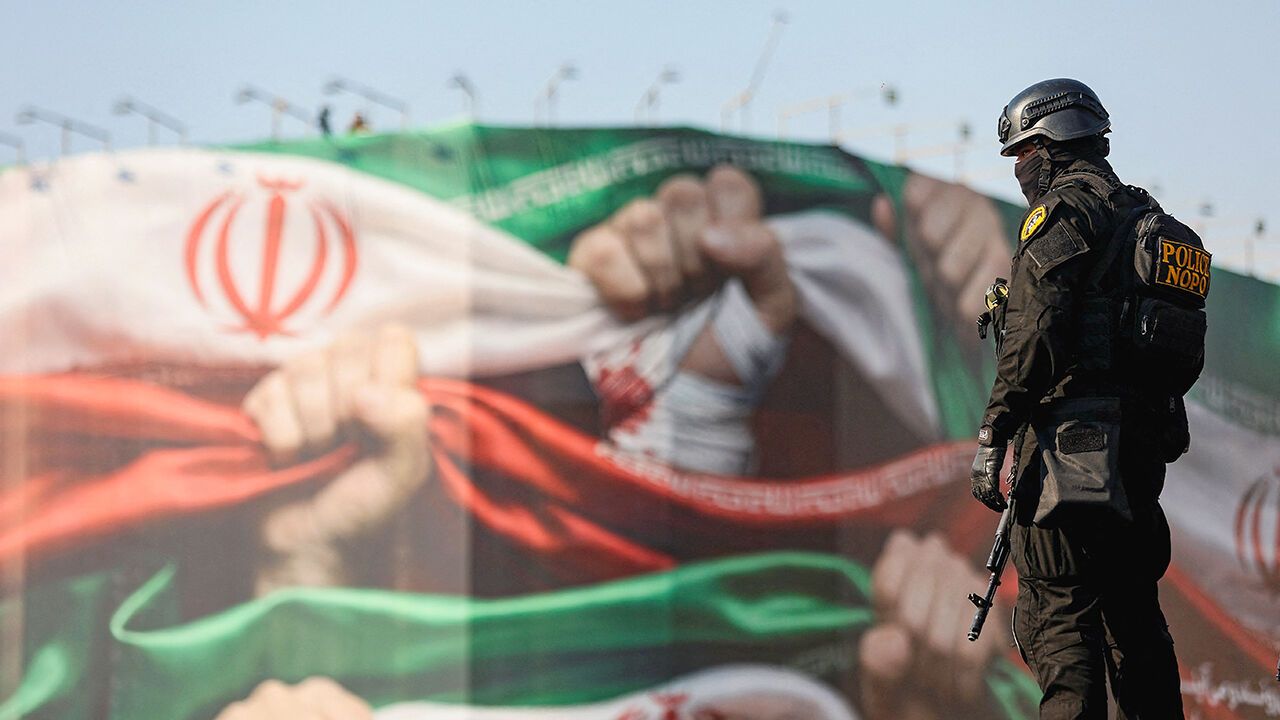
Tensions between Iran and the United States have deepened after Tehran dismissed recent remarks by President Donald Trump on the status of the Strait of Hormuz, a key global oil route.
Iran’s Islamic Revolutionary Guard Corps (IRGC) said the strategic waterway remains under its authority and will not be influenced by pressure from Washington. In a statement, the IRGC said the situation in the Strait of Hormuz is “firmly and dominantly” under its control and “will not be opened to the enemies of this nation by the ridiculous displays of the U.S. President”.
The reaction followed comments by Trump, who claimed that Iran had sought a ceasefire amid ongoing hostilities. He linked any possible consideration by the United States to the reopening of the strait.
“Iran’s New Regime President, much less Radicalized and far more intelligent than his predecessors, has just asked the United States of America for a CEASEFIRE! We will consider when Hormuz Strait is open, free, and clear. Until then, we are blasting Iran into oblivion or, as they say, back to the Stone Ages!!!” Trump said earlier.
The exchange has drawn attention to the Strait of Hormuz, which serves as a vital channel for global energy supplies. The IRGC’s position reflects Tehran’s refusal to уступ control or accept conditions tied to external demands.
Iran’s President Masoud Pezeshkian had earlier indicated that his country is willing to end the conflict under certain terms. “We possess the necessary will to end this conflict, provided that essential conditions are met, especially the guarantees required to prevent repetition of the aggression,” Pezeshkian said during a phone conversation with António Costa on Tuesday, according to a statement from his office.
The disagreement highlights sharp differences between both countries over how to reduce tensions and manage access to key maritime routes. Observers say developments around the strait could affect global oil supply and market stability.
In a related development, Trump criticised the North Atlantic Treaty Organisation (NATO) after member states declined to support U.S. efforts linked to the situation. He described the alliance as a “paper tiger” and said pulling the United States out of NATO is now “beyond reconsideration,” according to an interview with The Telegraph.
The remarks signal growing strain between Washington and its European allies, as the dispute over the Strait of Hormuz continues to shape international security and economic concerns.
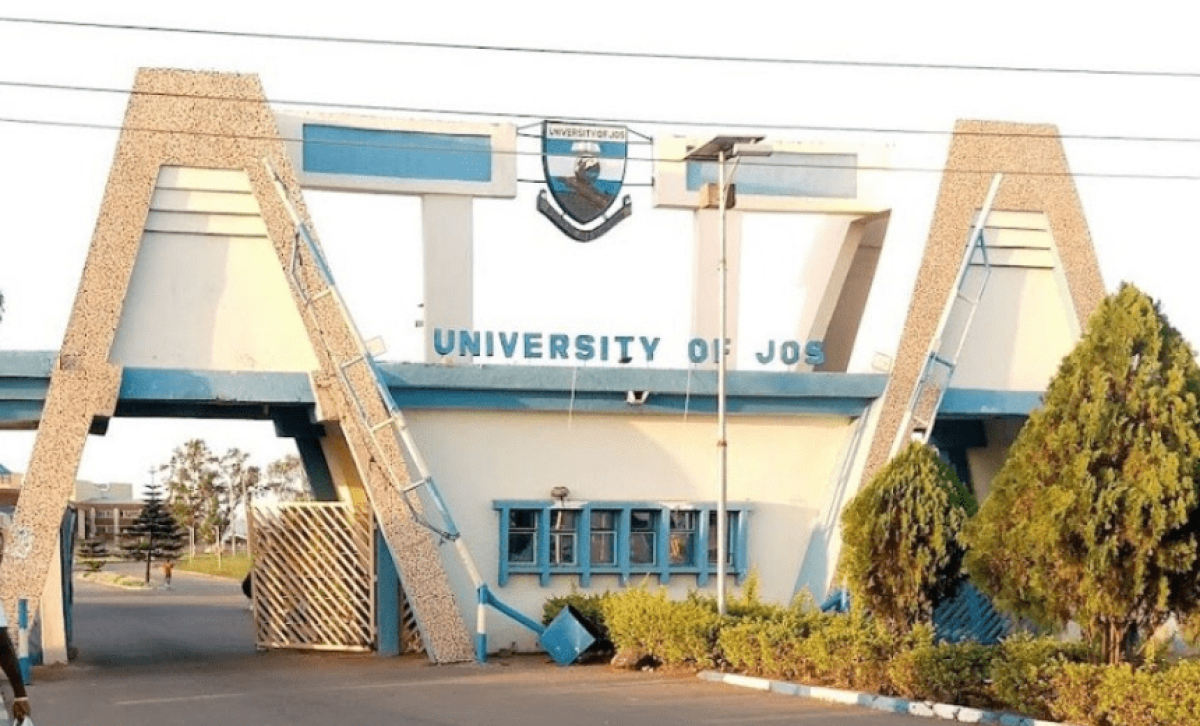
Fear Spreads In Jos As UNIJOS Students Reportedly Trapped Amid Rising Violence
By Sabiu Abdullahi
An atmosphere of fear has gripped Jos, Plateau State, as students of the University of Jos (UNIJOS) and nearby residents raise alarm over threats to their safety following renewed unrest in parts of the city.
Concerns have intensified with reports that some students are unable to leave the campus and their hostels due to the violence. This has led to urgent appeals for security agencies to step in and ensure their protection.
A social media user, Rhoda Nanre, circulated a distress message that urged Nigerians to draw the attention of top authorities to the situation. “We are calling on all friends and comrades to tag the Nigerian president and IGP to urgently send protection to Jos especially UNIJOS NOW!!!! They are so scared,” she wrote.
The University of Jos Alumni Association also issued a statement on Wednesday, April 1, 2026. The statement was signed by its Global President, Gad Peter Shamaki. It expressed concern over the rising tension affecting students, staff, and residents within Jos North Local Government Area. “The University of Jos Alumni Association expresses deep concern over the recent rise in tension and reported threats affecting students, staff and the broader university community within Jos North Local Government Area,” the statement read.
The association called on the Plateau State Government and security agencies to increase protection across campuses, student hostels, and residential areas. It also urged authorities to secure major routes used by students and staff. “We specifically request round-the-clock patrols, intelligence-led surveillance, and rapid response units to ensure that any potential threats are proactively addressed and swiftly neutralized,” the statement added.
Students have been advised to remain indoors, stay alert, and report suspicious activities as events continue to unfold.
A Jos-based media outlet, JayFM, also highlighted the urgency of the situation. It reported the need for security deployment around the university, especially near the students’ village hostel. “There’s the need for urgent security deployment to the University of Jos environment, precisely the students village hostel. This followed a distress call by students who appear to be stranded in the face of provocation by some hoodlums,” the report stated.
The tension follows earlier incidents in Anguwan Rukuba area of Jos North, where a church was attacked by suspected youths. Witnesses described panic as violence broke out, with residents fleeing for safety. The unrest is linked to a previous deadly attack earlier in the week.
Although security personnel were later deployed, some residents and community leaders criticised what they described as a slow response and insufficient protection.
Reports indicate that violence has spread to several parts of Jos. Eyewitnesses said armed youths took control of key areas, attacked residents and travellers, and destroyed properties. There are also claims that major entry and exit routes have been affected, with some travellers reportedly assaulted.
The situation has forced many residents to flee, as confusion and fear continue to grow across the city.

Beyond the Grand Finale: The Chronicles of the 61st Argungu Fishing Festival
By Dahiru Kasimu Adamu
The Argungu International Fishing and Cultural Festival is renowned as one of the most colourful spectacles on the global calendar. But beyond the crowning of the champion fisherman, the 61st edition, which concluded on February 14, 2026, was a profound chronicle of peace, cultural pride, economic promise, and even human drama.
Dating back to 1934 from the historic visit of Sultan Hassan Dan Ma’azu, which marked a handshake between the Sokoto Caliphate and the Kebbi Kingdom, the festival has evolved from a symbol of peace into a globally recognised cultural phenomenon. This year, after rigorous planning, the event delivered a programme richer than ever, blending tradition with advancement and culminating in a grand finale that drew thousands of fishermen and spectators to the ancient city of Argungu.
A Festival Forged in Culture and Commerce
The 61st edition was not merely a competition; it was a multifaceted event strategically designed to showcase Kebbi State. Activities kicked off in the state capital, Birnin Kebbi, with an Investor Forum that highlighted the region’s vast economic potential. This was complemented by an intellectual youth engagement, a Quiz and Debate competition at the Presidential Banquet Hall.
Also, a colourful motor rally, flagged off in Abuja and involving over 30 vehicles, was part of the activities heralding the globally celebrated festival.
On Wednesday, February 11, the festival burst into life with a vibrant display of traditional sports. Archery, catapulting, camel and donkey racing, local wrestling, and a polo competition drew captivated audiences from within Nigeria and beyond. Participants displayed remarkable skill, with winners earning trophies, cash prizes, and gifts, setting an energetic tone for the days ahead.
Day two shifted gears with exciting cycling and boxing competitions unfolding at the festival venue.
The cycling race from Birnin Kebbi to Argungu saw Bello Muhammad clinch victory after one hour and 30 minutes of intense effort, taking home a trophy, a motorcycle, and N300,000. The boxing ring was equally electrifying, with Sha’aban from Kano State defeating Kebbi’s Yahayan Tarasa in a fiercely contested match that kept spectators on the edge of their seats.
The Heartbeat of Tradition: Kabanci and its Human Cost
Thursday was dedicated to celebrating the region’s lifeblood agriculture. An impressive Agricultural Show in Argungu featured giant rice pyramids, a powerful visual testament to the state’s rich endowments and achievements.
But the spiritual core of the festival, the legendary Kabanci water sports, unfolded on its third day.
The Mala River side became a theatre of ancestral skill as thousands thronged the banks. The scene was a breathtaking display of cultural heritage: men and boys fishing with bare hands, two-man canoe races slicing through the water, and the gruelling swimming contests with clay pots.
Participants demonstrated remarkable agility, passing down techniques across myriad generations. The Water Relay Race, a true test of endurance, was among the most cheered. However, the celebration was tinged with tragedy. Despite the presence of emergency services, reports emerged of the death of two participants in the water relay competition after Red Cross officials gave emergency assistance.
As dusk fell, the majestic Kabi Durbar transformed the atmosphere. A magnificent procession of decorated horses and riders, reflecting the Emirate’s martial history and equestrian excellence, offered a spectacle of regal splendour.
The Grand Finale: A 59kg Triumph
The week-long celebration culminated in the main event on Saturday, February 14. Over 40,000 fishermen entered the Matan Fada River, a river of humanity awaiting the starter’s signal. The formal commencement was timed with the arrival of the Special Guest of Honour, President Bola Ahmed Tinubu, who was joined by a host of dignitaries from within and outside the country.
The result was historic. Abubakar Usman from Maiyama Local Government Area of Kebbi State emerged as the champion, landing the festival’s biggest fish, weighing 59 kilogrammes. His feat earned him two brand-new Toyota vehicles, generously donated by the Sokoto State Government, along with a N1 million cash prize.
Abdullahi Garba from Argungu secured second place with a 40kg fish, receiving a Toyota saloon car from WACOTT Rice Miles Limited and N1 million. The third position was jointly claimed by Danlansu Dankani from Jega and another contestant, who each caught fish weighing 34kg, going home with N1 million and a motorcycle apiece.
President Tinubu, in his address, encapsulated the festival’s essence, describing it as “a historic event and a powerful symbol of unity and resilience and peaceful coexistence amongst Nigerians. It reflects the richness of our culture, the strength of our tradition and the opportunities that lie in harnessing our natural resources for national development.”
Echoes from Argungu: A Look to the Future
The festival’s impact resonated deeply with local residents. For Shamsu Usman and Ishaka Kabir, among others, the event is more than a cultural showcase. They believe it is a vital economic driver, with income generated poised to be channelled into other productive activities, reinforcing the festival’s role in grassroots development.
The success of the 61st edition was also significantly amplified by the vital role of legacy media, news platforms, social media influencers, and content creators, whose coverage projected the images of Argungu to a global audience.
As the festival continues to attract tourists from every corner of the world, its position as a premier cultural tourism destination in Nigeria is firmly cemented. The collective vision now is for the Argungu Emirate Council, the Kebbi State Government, and the Federal Government to work in concert. By investing in modern strategies, infrastructure, and sustainable practices, they can further enhance the festival, ensuring it remains a powerful engine for socio-economic development in Argungu, Kebbi State, and the nation at large for generations to come.
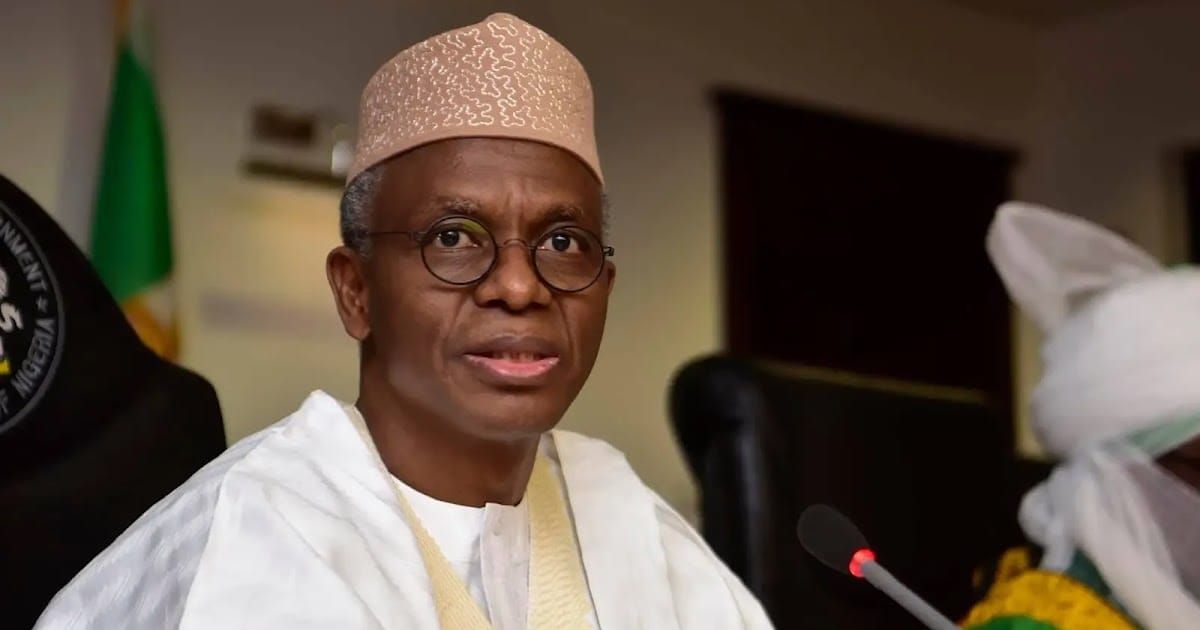
DSS Arrests El-Rufai As Court Fixes Bail Ruling For April 14
By Sabiu Abdullahi
Operatives of the Department of State Services (DSS) have taken former Kaduna State governor, Nasir el-Rufai, into custody at the federal high court in Kaduna.
El-Rufai appeared in court on Wednesday after operatives of the Independent Corrupt Practices and Other Related Offences Commission (ICPC) brought him forward for a hearing on his bail request.
The DSS later assumed custody of the former governor after the court adjourned its ruling on the bail application until April 14.
The ICPC had earlier arraigned el-Rufai alongside Joel Adoga on March 24 over allegations related to fraud and money laundering. Both defendants denied the charges when they were presented before the court.
After the session, Oluwole Iyamu, counsel to el-Rufai, expressed optimism about the outcome of the pending decision.
“The bail application was argued and responded to, and the ruling has been fixed for April 14. We look forward to that day. We are hopeful,” he said.
“We have put our arguments before the court, and this is a court of justice. We await the decision of the court.”
Iyamu also addressed another case involving the DSS, which is scheduled for April 10 at the federal high court in Abuja. He stated that the legal team is prepared for the proceedings.
“That is a separate matter. As lawyers, we are ready. We have filed all necessary processes and will be in court. That is the DSS matter,” he said.
Earlier in February, the DSS filed a three-count charge against el-Rufai over allegations of unlawful interception of a telephone conversation. The case followed remarks he made during a television interview.
While speaking on ‘Prime Time’, a programme on Arise Television, el-Rufai alleged that “someone wiretapped” Nuhu Ribadu’s phone, which allowed him to hear instructions from the National Security Adviser directing security operatives to arrest him.

Trump Threatens NATO Exit, Calls Alliance ‘Paper Tiger Organisation’
By Sabiu Abdullahi
United States President Donald Trump has said his administration is weighing the option of withdrawing from the North Atlantic Treaty Organisation (NATO) after the alliance declined to support the ongoing war against Iran.
In an interview with The Telegraph published on Wednesday, Trump criticised the military bloc and described it as a “paper tiger”.
“Oh yes, I would say [it’s] beyond reconsideration. I was never swayed by NATO,” the president said when asked if he would reconsider US membership of the alliance after the conflict.
“I always knew they were a paper tiger, and Putin knows that too, by the way.”
Tensions have increased following the closure of the Strait of Hormuz, a vital maritime route controlled by Iran through which about 20 percent of global oil supply passes. The development has heightened concerns about energy security worldwide.
Trump has called on allied countries to deploy warships to reopen the strategic passage, although many have resisted the move.
He also directed criticism at European allies, including the United Kingdom, and took aim at British Prime Minister Keir Starmer over the country’s refusal to support the US position.
“You don’t even have a navy. You’re too old and had aircraft carriers that didn’t work,” Trump said.
Trump has previously voiced dissatisfaction with NATO. In January, he stated that the United States had “never needed” its allies in the bloc and downplayed their contributions during the Afghanistan war that lasted two decades.
His latest remarks have attracted backlash from several European leaders, including Starmer, who have defended the alliance’s relevance and unity.
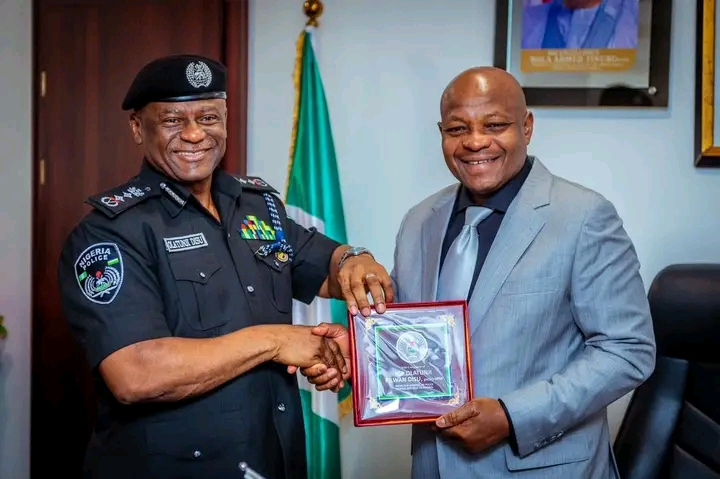
IGP Disu Seeks Stronger Synergy with DSS in National Security Push
By Abdullahi Mukhtar Algasgaini
The Inspector-General of Police, IGP Olatunji Rilwan Disu, has called for a significant strengthening of the long-standing partnership between the Nigeria Police Force and the Department of State Services (DSS), describing the agency as an “indispensable” ally in the nation’s security architecture.
During a courtesy visit to the DSS Headquarters in Abuja, IGP Disu emphasized that no major security operation can succeed without the involvement of the Service. He highlighted key areas of shared priority, including election security, counter-terrorism, the protection of very important personalities (VIPs), the fight against cybercrime, and economic sabotage.
“The DSS is an unseen but essential partner in our work,” the IGP stated. He made a strong appeal for the introduction of joint training initiatives aimed at boosting the operational capacity of both agencies and reaffirmed his commitment to deepening collaboration to enhance national stability.
In his response, the Director-General of the DSS expressed appreciation to President Bola Ahmed Tinubu for the appointment of IGP Disu, praising the new police chief’s extensive experience and dedication. The DSS chief also commended the President for his administration’s ongoing efforts to renovate police training institutions across the country.
The DG expressed confidence that the IGP would build on the achievements of his predecessors and assured that the Service would maintain a steady flow of intelligence sharing and joint operations. He described the partnership between the two agencies as a “priceless national asset.”
IGP Disu concluded the visit by reiterating his resolve to foster closer cooperation, emphasizing that the synergy between the Police and the DSS is critical to safeguarding national security and promoting institutional harmony.
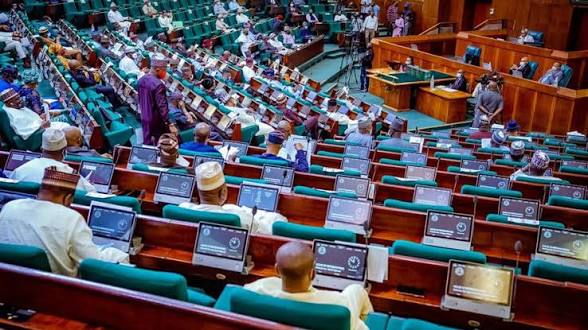
Eight Kano Reps Dump NNPP for APC, Barau Welcomes Move
By Anas Abbas
The Deputy Senate President, Barau I. Jibrin, has welcomed the defection of eight members of the House of Representatives from the New Nigeria Peoples Party to the All Progressives Congress, describing the move as strategic and significant for the party’s growth.
The lawmakers were formally received during a gathering attended by prominent political figures, including the Speaker of the House of Representatives, Abbas Tajudeen; the Governor of Kano State, Abba Kabir Yusuf; and the immediate past National Chairman of the APC, Abdullahi Umar Ganduje, among others.
The Speaker announced the defections during plenary, listing the lawmakers as: Aliyu Sani Madaki (Dala), Ghali Mustapha (Ajingi/Albasu/Gaya), Shehu Muhammad Bello (Fagge), Dankawu Idris (Kumbotso), Hussain Hassan Shehu (Nassarawa), Rabiu Yusuf (Sumaila/Takai), Muhammad Garba Chiroma (Gezawa/Gabasawa), Ibrahim Mohammed (Gwale), and Tijjani Abdulkadir Jobe (Tofa/Dawakin-Tofa/Rimingado).
In a statement, Jibrin congratulated the defecting lawmakers, describing their decision as “bold and strategic.” He noted that their move would further strengthen the APC’s influence in Kano State and enhance the party’s commitment to good governance and effective representation.
According to him, the inclusion of the lawmakers whom he described as grassroots-oriented, experienced, and dedicated positions the APC to consolidate its leadership in the state ahead of future elections.
He expressed optimism that the party would achieve greater electoral success, emphasizing unity and collective efforts toward delivering dividends of democracy to the people.
Nigeria Customs Targets 50,000 Pupils Through “Customs Cares” Social Initiative
By Sabiu Abdullahi
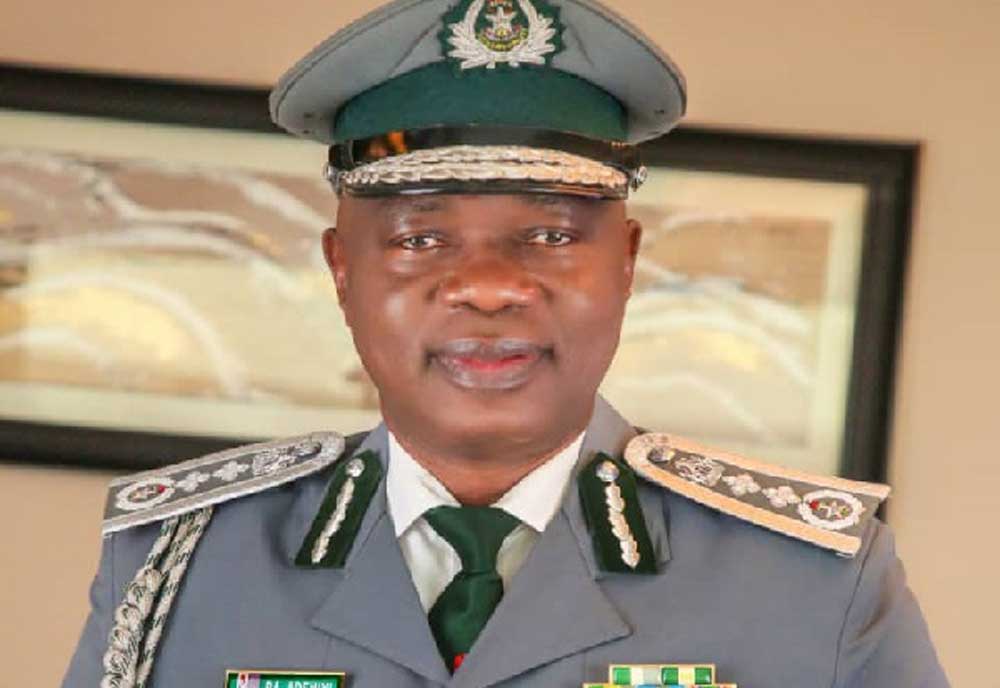
The Nigeria Customs Service (NCS) has set a goal to reach 50,000 pupils nationwide under its Corporate Social Responsibility programme, “Customs Cares.”
Launched in 2025, “Customs Cares” aims to support education, healthcare, food security, environmental sustainability, social investment, and the creative economy.
At the programme’s first anniversary held on Tuesday at Government Secondary School, Wuse 3, Abuja, Comptroller-General of Customs, Bashir Adewale Adeniyi, noted that about 15,000 students have already benefited in its inaugural year.
“The programme demonstrates the Service’s resolve to contribute to national development beyond its core responsibilities,” Adeniyi said. He added, “The Service has set a target of reaching 50,000 pupils nationwide,” and reiterated that “about 15,000 students have already benefited within the first year of the programme.”
Adeniyi highlighted that the intervention has expanded beyond school infrastructure to address critical needs such as water supply in underserved communities, in alignment with sustainable development goals.
During the event, the NCS officially commissioned a renovated assembly hall, donated basketball kits and equipment to the school team, and carried out tree planting to promote environmental awareness. Adeniyi explained that the upgraded hall would enhance students’ confidence, creativity, and communication skills.
He also commended the students for their recent basketball victory over the Customs team and stressed the importance of improved learning facilities in shaping young people’s development. The Comptroller-General called for stronger collaboration among schools, government institutions, and private organisations to ensure proper maintenance and sustainability of public facilities.
Comptroller Mbwidiffu Ibrahim, Head of the Customs Cares CSR Unit, described the programme as a strategic response to community development needs, stating it “reflects deliberate investment in the future of young Nigerians and demonstrates the Service’s commitment to continuity, accountability, and measurable impact.”
Representing the Minister of the Federal Capital Territory, Secretary for Education Dr Danlami Hayyo commended NCS for prioritising education and urged the school to make effective use of the new facilities. Fatima Gambo Babba, Director and Secretary of the FCT Secondary Education Board, noted the initiative reflects growing collaboration between public institutions and the education sector.
The school Principal, Mrs Josephine Ugwu, expressed gratitude, stating that the programme, which includes CCTV cameras and solar-powered lighting, would significantly enhance teaching, learning, and overall school development.