
Economy, education and the future of Nigerian students
By Abubakar Idris
From the beginning of February 2024, there has hardly been a Nigerian daily without a headline about the country’s economic hardship. For example, on Tuesday, 6th February 2024, Premium Times Nigeria reported a ‘protest over economic hardship in Minna – the capital city of Niger State’. Tribute Online, among other news agencies, also reported similar cases with traders in Kogi State and elsewhere. In such a precarious economic climate, no doubt, any additional financial strain is nothing short of a burden.
The cost of living in Nigeria is just too high. It is increasing as the country battles double-digit inflation and multidimensional poverty among most citizens and ranks with the highest unemployment rate. Whether the talk is about the ultra-expensive medication and foodstuff we couldn’t do without buying, or the non-subsidized petroleum and electricity products and services we must patronise, or any other inflated resources of necessity [take out luxury], it is clear that the income from work of an average Nigerian is not close to been enough to scale them out of Maslow’s first stage of Need Hierarchy! From Adamawa to Kebbi, Borno to Lagos, Katsina to Bayelsa, and Sokoto to Akwa Ibom, the distinction in our sociocultural variables exerts little difference on the state of suffering. Everywhere, the story is just the same.
By the look of things, the next generation of Nigerians, one hopes not, will be left with two very difficult options: either ‘not schooling’ or ‘getting education only outside their own country’. This assumption is based on the premise that education in this part of the world is at high speed on its way to its grave. At the same time, relevant stakeholders, especially the government, seem to be walking on a turtle’s back in their effort to reverse the disaster.
As much as this line of thinking sounds pessimistic, it is the only reality one can grasp. In all honesty, any variation from this understanding is, or at least could be taken for, vague. This is because the conclusion is born out of an in-depth analysis of the current situation in which the country found itself.
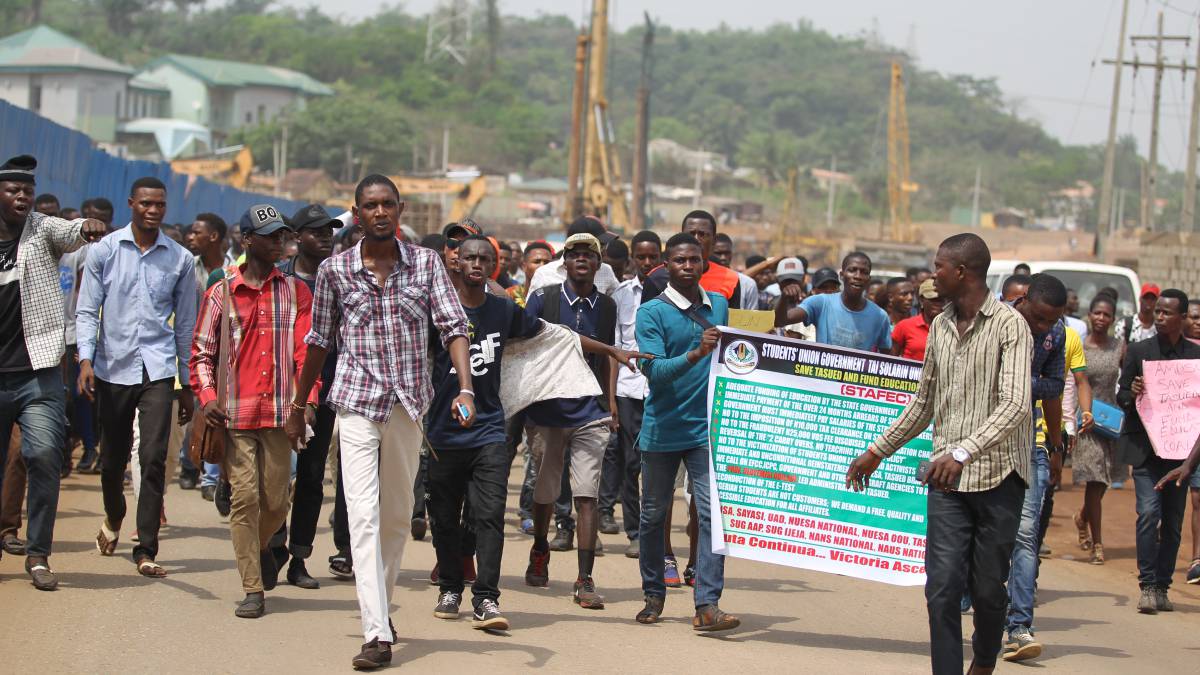
While the Senate summoned ‘economic team’ over the worsening economic situation, as was made known to the general public on Wednesday, 7th February 2024, Punch Newspaper quoted the National Association of Nigerian Students (NANS) as lamenting about “rising inflation and economic hardship” on the same day. It’s a talk about a for-long burning fire in the backyard. Namely, an increase in tuition fees in tertiary institutions. Calling it by its name, it’s a time bomb – one more wrong move and all the huts are burnt down!
After all, this is not the first time the said students’ union has been crying over the worsening Nigerian condition, engaging the nation’s leadership, holding it accountable, and insisting on doing the right thing – particularly regarding their education. The students are too familiar with the terrain to help others navigate it.
On different occasions since early last year, when universities started increasing their tuition fee by at least 200% in the University of Maiduguri and even up to 300% in Ambrose Alli University, Ekpoma, Edo State, NANS and other social activists such as Femi Falana (SAN) keep urging the federal government to reverse the hikes. All in vain! To date, only a few universities have not been affected by such increases. I have since saved my heart by refusing to learn about the number of students who dropped out because of the hikes.
Worth noting is that, for parents, education has always been a top priority. They sacrifice and scrimp to ensure their children receive the best possible education, often compromising and forgoing their own needs. However, the recent spike in school fees has turned this daunting task into an uphill battle. Education is supposed to be the great equaliser, offering every person a chance to succeed regardless of their background. However, this fundamental principle is being undermined by excessive school fees. Education is fast becoming a privilege reserved only for the affluent while the less fortunate struggle to keep up.
Four (4) months ago, nationwide research by the Leadership Newspaper showed a “concern that university education may soon be out of reach of the children of ordinary Nigerians [the concern of which] was prompted by the [hitherto] recent pronouncement by the minister of education, Professor Tahir Mamman, that the federal government will grant full financial autonomy to public universities.” Or, in simpler terms, the government will stop sponsoring the education entities.
Whatever the reasons the universities and government hold for the tuition fee increase, it needs no saying: the timing couldn’t be more inappropriate. At a time when parents are already stretched to their limits financially, the additional burden is pushing many families to the brink of financial ruin. Some parents are forced to make agonising decisions –between paying school fees or putting food on the table, between investing in their children’s future or simply making ends meet.
Moreover, experts believe that the impact of rising school fees extends far beyond the financial realm. It creates a sense of insecurity and uncertainty among students, affecting their ability to focus on their studies and excel academically. It also perpetuates inequality, widening the gap between the haves and the have-nots and depriving countless children of the opportunity to realise their full potential.
In light of these challenges, action must be taken to address the issue of rising school fees – with reversing the recent changes being the most important. Take the so-called ‘Students Loan Act’ out of the equation for a while; government interventions such as subsidies or financial assistance programs are urgently necessary to help alleviate the financial burden on parents and ensure that education remains accessible to all.
Educational institutions also have a role to play by implementing transparent fee structures and exploring alternative funding sources. In case they become autonomous, let there be partnerships between them and the private sector.
Finally, stakeholders at all levels ought to prioritise education and take decisive steps to mitigate the impact of rising school fees. The country’s future depends on it, and we cannot afford to let financial barriers hinder our dreams and aspirations. It’s time to ensure that education remains a beacon of hope and opportunity for every Nigerian, regardless of economic circumstances. Until something is done, the protests witnessed in many institutions from the southern part of the country could translate to a security challenge that promises to consume a great pool of the nation’s young talents. Allah Ya kiyaye!
Abubakar Idris “Misau” is a graduate Forestry and Wildlife from University of Maiduguri. He writes from Yola, Nigeria, and can be reached via mail at abubakaridrismisau@gmail.com.

Nigerian Customs Service strengthens ties with Navy to combat smuggling
By Sabiu Abdullahi
The Comptroller General of Customs, Bashir Adewale Adeniyi, took a proactive step towards bolstering efforts against smuggling activities by forging a closer collaboration with the Nigerian Navy (NN).
In a recent courtesy visit to the Chief of Naval Staff, Vice Admiral Emmanuel Ogalla, the CGC indicated the importance of joint operations and intelligence-sharing between the Nigeria Customs Service (NCS) and the NN.
During the visit on Tuesday, February 19, 2024, at the Nigerian Navy Headquarters in Abuja, CGC Adeniyi reaffirmed his commitment to enhancing the relationship between the two agencies to combat smuggling effectively across Nigerian waterways.
He stated the necessity of tapping into the Nigerian Navy’s expertise to bolster the capacity of Customs personnel serving within the Customs Marine Units.
Highlighting the NCS’s possession of ocean-going and creek-going vessels, CGC Adeniyi disclosed plans to transport two ocean-going vessels to the Nigerian Navy Dockyard for maintenance, further noting the importance of intelligence-driven operations in combating smuggling activities.
In response, Vice Admiral Emmanuel Ogalla expressed gratitude for the visit and reiterated the Nigerian Navy’s commitment to supporting Customs in enforcing laws against smuggling.
He pledged the availability of Navy training facilities to the NCS at no cost and affirmed the need for reciprocal collaboration to enhance maritime security effectively.
Vice Admiral Ogalla also addressed the importance of collaboration with a specific unit of the Nigerian Navy tasked with clearing items imported by the agency to streamline operations and mitigate obstacles.
Additionally, he proposed the review of a five-year-old Harmonised Standard Operating Procedure (HSOP) for monitoring maritime crimes in light of current challenges.
The meeting between the Comptroller General of Customs and the Chief of Naval Staff signifies a significant stride towards enhancing maritime security and combating smuggling along Nigeria’s coastal waters.
The commitment to mutual support and collaboration sets a promising precedent for future joint efforts aimed at safeguarding the nation’s territorial integrity and promoting economic prosperity.
Senate approves resolution urging continued electricity subsidy amidst hardship
By Sabiu Abdullahi
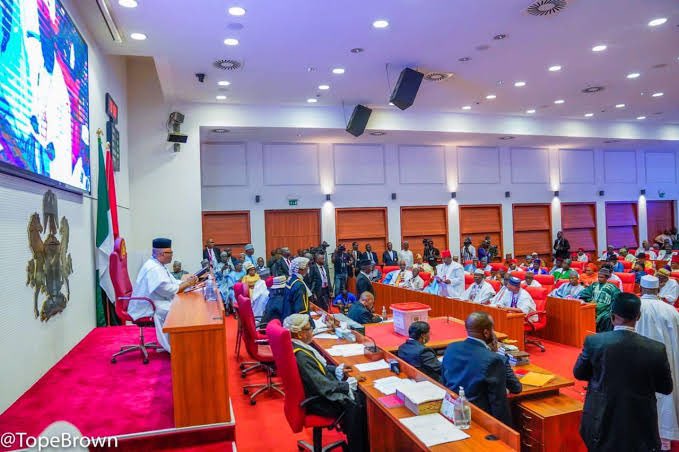
The Nigerian Senate has endorsed a resolution urging the federal government to continue with the electricity subsidy in light of the prevailing challenges confronting the nation.
This decision comes in response to the pressing concerns raised regarding the ongoing hardships experienced by citizens across the country.
During a comprehensive deliberation at the plenary session, Senator Aminu Iya Abbas of the People’s Democratic Party (PDP), representing the Adamawa Central Zone, tabled a motion advocating for the continuation of the electricity subsidy.
The proposal garnered widespread support from fellow lawmakers, leading to its unanimous approval.
Addressing the Senate, Senator Abbas reiterated the significance of prioritising the welfare of the populace amidst economic uncertainties and social challenges.
The decision reflects a concerted effort by the Senate to address the concerns voiced by constituents and stakeholders regarding the affordability and accessibility of electricity, particularly during these turbulent times.
By advocating for the continuation of the subsidy, lawmakers aim to alleviate the financial burden on households and mitigate the adverse impact of rising utility costs.
In approving the resolution, the Senate reaffirmed its commitment to championing policies and initiatives aimed at safeguarding the interests and well-being of the Nigerian populace.
The collective endorsement of Senator Abbas’s motion underscores the bipartisan consensus on the imperative of sustaining vital support mechanisms to alleviate socioeconomic strains and promote inclusive development.
Sokoto H’Assembly moves to combat fraud, impersonation during issuance of indigene certificates
By Ukashatu Ibrahim Wakili
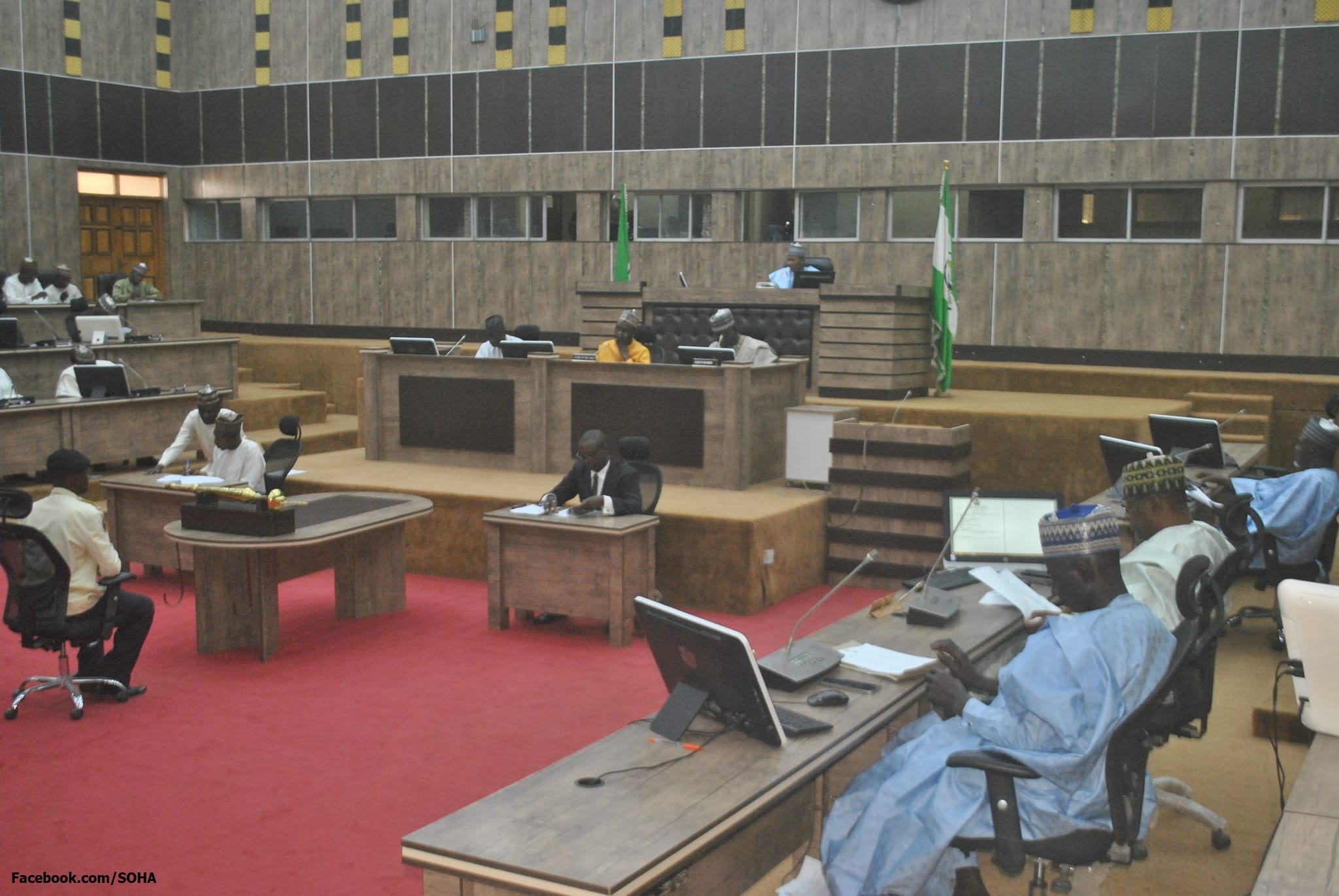
The Sokoto State House of Assembly has taken steps to strengthen government institutions and improve public trust by centralizing the issuance of indigene letters to people of Sokoto origin.
During Tuesday’s plenary, Hon. Nasiru Adamu, a member representing Goronyo Constituency, brought up the matter as an urgent public concern, which was seconded by Hon. Habibi Halilu Modachi, representing Isa Constituency.
Hon. Nasir Adamu explained that centralizing the issuance of indigene letters would have various benefits, such as ensuring that the issuance of these letters is based on consistent criteria and verification procedures. This move would minimize fraud and impersonation, among other issues.
The reckless issuance of indigene certificates to non-indigenous persons by some corrupt local government officials in the state, especially in the metropolitan areas, has been a source of concern for the citizens. This act prevents genuine indigenes from accessing opportunities allocated to the state.
The house presided over by Deputy Speaker, Hon. Kabir Ibrahim Kware, unanimously adopted the matter and directed the House Committee on Special Services and Security Matters to find ways to address the issues surrounding the issuance of indigene letters to the indigenes of the state.
The Committee was also directed to interface with the Federal Character Commission, Sokoto State Office, to address the issue of not employing state indigenes in Grade Levels 01–06.

Customs, intelligence agency strengthen collaboration to enhance security
Sabiu Abdullahi
The Comptroller General of Customs (CGC), Bashir Adewale Adeniyi, in a bid to bolster security measures and foster stronger ties, convened a collaborative meeting with the Defence Intelligence Agency (DIA) at the Nigeria Customs Service (NCS) Corporate Headquarters on February 19, 2024.
During the session, CGC Adeniyi underscored the paramount importance of the collaboration, stating its role in maintaining and deepening existing relationships between the NCS and the DIA.
He reiterated the NCS’s commitment to partnership, citing cooperation with other customs administrations and government agencies as pivotal for growth.
“The major objective of this delegation is to maintain and deepen the relationship between the Nigeria Customs Service and the DIA. For the records, the Nigeria Customs Service believes in collaboration. We believe that we can draw strength from collaborating with other government agencies,” said CGC Adeniyi.
Highlighting past collaborative efforts, particularly in capacity building and security projects, CGC Adeniyi affirmed the NCS’s dedication to working hand in hand with the DIA.
He referenced initiatives such as the partnership with the Armed Forces Command and Staff College, aimed at enhancing the proficiency of customs officers.
Expressing a keen interest in further cooperation, CGC Adeniyi stated the importance of robust intelligence sharing to effectively address significant security challenges along border areas and enhance the overall efficiency of customs officers.
“It is our strong desire to deepen this kind of partnership to ensure that we benefit more from it,” he reiterated.
In response, Air Vice Marshal Samuel Chinda, representing Chief of Defence Intelligence Major General Emmanuel Parker, lauded the collaboration with the NCS, highlighting its pivotal role in combating border threats.
AVM Chinda reiterated the DIA’s openness to partnerships in training and operational endeavours with the Nigeria Customs Service, underscoring the agency’s commitment to strengthening ties for future collaborations.
The collaborative efforts between the Nigeria Customs Service and the Defence Intelligence Agency signify a proactive approach towards enhancing national security measures and fortifying the nation’s borders against emerging threats.
As both agencies continue to deepen their partnership, the prospects for improved intelligence sharing and coordinated operations are expected to contribute significantly to safeguarding the nation’s territorial integrity.

Finance minister addresses economic challenges, promises relief measures
By Sabiu Abdullahi
Finance Minister Wale Edun acknowledged the daunting task inherited by the current administration led by President Bola Tinubu in a recent announcement at the Public Wealth Management Conference held in Abuja.
The minister addressed the pressing issue of escalating food and commodity prices, attributing them to challenges passed down from the previous government.
Minister Edun assured the public of ongoing efforts to mitigate the burden of high inflation rates and reduce the cost of essential food items.
He stated this with the populace, acknowledging the hardships faced by Nigerians and affirming the government’s commitment to implementing measures aimed at alleviating their suffering.
The announcement comes amidst growing concerns over the economic strain faced by citizens, with soaring prices of basic necessities impacting households nationwide.
Minister Edun’s reassurance of governmental action seeks to instill confidence in the populace and demonstrate a proactive approach to economic stabilisation and welfare enhancement.
As the nation grapples with economic uncertainties, the promises made by the Finance Minister signal a concerted effort by the government to prioritise the well-being of its citizens and navigate through prevailing challenges towards a more prosperous future.

AFCON 2023: Who divides Nigeria?
By Sani Bello Hamza
When Ola Aina, the Super Eagles fullback, missed the penalty during the semi-final of AFCON 2023 against South Africa, someone close to me uttered an abusive word in the Hausa language. He said, “shege Bayarabe.” From the way he voiced it, you could tell it was not intentional. He was unconscious, as we all were, and it came out of his subconscious mind. That is a typical example of what Nigerians are and how we hate one another.
A South-easterner feels isolated and does not want to be associated with the North. A Northerner also feels the South-easterners are “arna” and sees no need to relate or intermingle with them. I once came across someone who is happy and thanking God for the blessing of not visiting a particular region. You will sometimes think hatred is naturally instilled in us.
Malam Nasir El-Rufai was once seen on air lamenting how Nigerians from various parts of the country react to his social media posts. Whenever he posts an update, no matter how small, the Northerners would be there to hail and applaud him. While his counterparts from the South would abuse and curse the former governor. Why is this the case? Is it because he is from the North?
Anyway, what made me happier after the penalty shootout was not only the fact that Nigeria advanced and made it to the final, but how I saw my fellow students, regardless of their gender, age, religion, social class, and political affiliation, celebrate the significant win for our dear country. It was one of the joyous moments of my life.
Not only at ABU, I came across videos of students from other universities and communities celebrating the great win. Others went ahead to celebrate with the family of our unbeatable keeper, Nwabali. They refused to let anyone stop them.
The same thing happened during the final when we all turned up at various locations to support and cheer the Super Eagles. Even though we did not clinch the title, the outcome of the final will be a topic for another day.
Okay, back to the subject matter.
After the jubilations were over, a question popped into my mind. I said to myself, “Who is dividing Nigeria and Nigerians? Who is spreading hatred among Nigerians? Who is fueling and igniting the fire of hatred among us?”
An Igbo man is always looking for an opportunity to curse a Hausa man, and a Hausa man is always scouting for an opportunity to unleash his abusive prowess on Igbos or Yorubas for the slightest reason.
How come do we sit under the same umbrella, supporting and praying for the Super Eagles to win? Who then is creating these divisions in our country?
To answer the question above, I believe that the root of our division in Nigeria lies in rumors and mere speculations. Most of the people fueling the fire of hatred are those who have either not traveled outside their jurisdiction or refuse to open their minds to accommodate people from other regions. They limit their thinking to their regions and consume whatever they find in the media.
The above answer may not be sufficient, but as people living in the same region, if we do not speak the same language or wear the same attire, we share the same history and are meant to be together—this is undeniable. The richness and strength in our diversity are stronger than the weaknesses. So why should we opt for the weaknesses? Come on, fellow compatriots, think!
We must learn from the lessons of the 2023 AFCON: to shun our peculiarities and differences if we must progress as a nation. Our diversity should be a source of pride, not the opposite.
Sani Bello Hamza is a Law student at Ahmadu Bello University Zaria. He writes from Zaria and can be reached via sanibellohamza@gmail.com.

Hardship in Nigeria: Customs to disburse seized food items to ordinary citizens
By Sabiu Abdullahi
In a proactive measure to address the pressing issue of food insecurity and surging prices of essential commodities, the Nigeria Customs Service (NCS) unveiled a comprehensive plan on Tuesday to distribute forfeited food items to the Nigerian populace.
The initiative, announced by the NCS National Public Relations Officer, Abdullahi Maiwada, aims to alleviate hunger and ease the financial burden on citizens grappling with escalating living costs.
It was reported that the cache of contraband seized by diligent NCS officers and subsequently forfeited to the federal government by court order encompasses a variety of staples, including rice, groundnut oil, noodles, and other essential commodities.
In a press statement issued on Tuesday, Maiwada underscored the urgency of the decision in light of the prevailing challenges surrounding food security and affordability in the country.
He reiterated the NCS’s commitment to President Bola Ahmed Tinubu’s food security agenda, emphasising the agency’s pivotal role in fostering economic stability and prosperity for all Nigerians.
Maiwada articulated the operational framework for the disbursement, affirming that the forfeited food items would undergo rigorous inspection and certification by relevant authorities to ensure their suitability for consumption.
Subsequently, the items will be equitably distributed across Customs’ Areas of Operations (AoO) nationwide, ensuring widespread access for ordinary Nigerians.
Highlighting the paramount principles of transparency, fairness, and public safety, Maiwada assured the public that the modalities for the disposal process would be disseminated through NCS formations nationwide.
He stated the NCS’s unwavering commitment to managing the exercise with meticulous diligence to ensure that the benefits reach those most in need throughout the country.
Maiwada concluded by reiterating the NCS’s steadfast dedication to safeguarding the nation’s food security and enhancing the economic well-being of every Nigerian.
He expressed confidence that, with the collective support and cooperation of the public, the challenges posed by food insecurity would be overcome, paving the way for a brighter and more prosperous future for the nation.
The announcement of the NCS’s initiative signals a significant step towards mitigating the adverse effects of food scarcity and affordability challenges, offering hope and relief to countless Nigerians grappling with the harsh realities of economic strain.
FG commences payment of withheld salaries of ASUU members
By Sabiu Abdullahi
The Federal Government (FG) has initiated the payment of salaries previously withheld from members of the Academic Staff Union of Universities (ASUU).
Confirmation of this breakthrough came directly from the Chairperson of ASUU at the Federal University of Technology, Minna, Prof. Gbolahan Bolarin, who officially verified the situation.
Prof. Bolarin affirmed, “Yes, it is true. Payment has started rolling in.”
This announcement marks a crucial milestone in the ongoing negotiations between ASUU and the FG regarding salary payments and other outstanding issues.
The resumption of salary disbursements brings relief to thousands of university lecturers who have faced financial strain due to the prolonged withholding of their earnings.
The decision to release the withheld salaries follows President Bola Tinubu’s directive in October 2023, authorizing the payment of four months’ worth of salaries owed to ASUU members.
This action represents a proactive step by the government to address the grievances of academic staff and ensure the smooth functioning of the country’s higher education sector.
The resumption of salary payments underscores the importance of dialogue and cooperation between stakeholders in resolving disputes and fostering a conducive environment for teaching, research, and learning in Nigerian universities.

Zookeeper killed by lion at Nigerian university
By Sabiu Abdullahi
There was a sad moment at the Zoological Garden of the Obafemi Awolowo University (OAU) in Ile-Ife on Monday as a 9-year-old male lion attacked and killed Mr. Olabode Olawuyi, a long-serving veterinary technologist responsible for animal care.
Mr. Olawuyi, reportedly in charge of the zoo for over a decade, was feeding the lions in their den when the incident occurred.
According to university officials, Mr. Olawuyi had cared for the animals since their birth nine years ago. Despite attempts by colleagues to intervene, the lion inflicted fatal injuries, leading to Mr. Olawuyi’s passing.
Upon receiving the news, university management, led by Vice-Chancellor Professor Adebayo Bamire, visited the scene and offered condolences to the deceased’s family.
Professor Bamire confirmed that “all first aid and medical efforts to save the life of the victim proved abortive.”
Following the incident, the aggressive lion was euthanized to ensure the safety of remaining staff and animals.
Additionally, a thorough investigation into the cause of the attack is underway.
This tragic event raises questions about zoo safety protocols and the risks associated with close interactions between humans and wild animals.
It follows similar incidents in 2018 and 2022, where lions attacked and killed individuals in South Africa.
The OAU community mourns the loss of Mr. Olawuyi, a dedicated caretaker remembered for his passion for animal welfare.
The university’s investigation aims to determine the circumstances surrounding the attack and prevent similar tragedies in the future.