

Germany partially legalizes cannabis, sparking debate
By Uzair Adam Imam
Adults in Germany will have more freedom regarding cannabis possession and cultivation starting April 1st as the country implements a partial legalization program.
However, the new law comes with limitations and has drawn mixed reactions.
The legislation allows adults over 18 to carry up to 25 grams of dried cannabis for personal use.
Home cultivation of up to three cannabis plants per person is also permitted, with a maximum storage allowance of 50 grams of dried cannabis at home.
Public consumption is restricted, with smoking banned within 100 meters of schools, playgrounds, and sports facilities and in pedestrian zones between 7:00 a.m. and 8:00 p.m.
Starting in July, Germany plans to introduce a system of regulated cannabis clubs.
These non-profit organizations will have a maximum of 500 members and can sell a limited amount (50 grams per month) of dried cannabis to each member.
Adults under 21 will face additional restrictions on both monthly amounts and THC content.
Notably, meeting and consuming cannabis within the clubs is not allowed, and membership is restricted to one club at a time.
The government hopes this reform will tackle the black market and associated health risks.
However, the law has been criticized by medical groups and regional authorities, who worry about public health consequences and implementation challenges.
A second law is planned to test shop or pharmacy sales in specific regions, but the European Union initially opposed this proposal.
Opposition parties have already voiced disapproval and threatened to overturn the law if they win the 2025 elections.
Germany’s cannabis reform is a work in progress, sparking debate while offering a more regulated approach to the drug.
Niger Police Commissioner honours fallen heroes
By Uzair Adam Imam
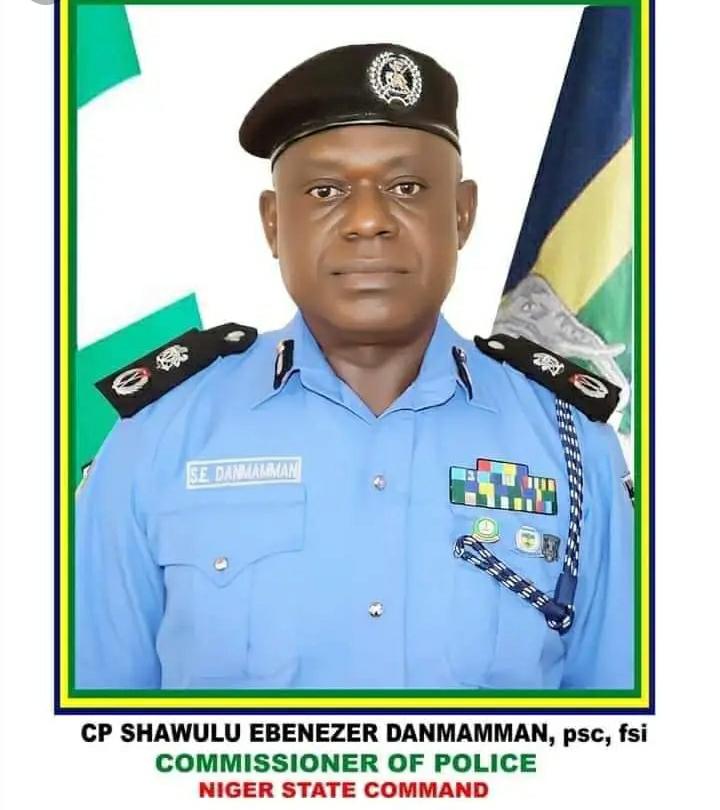
Niger State Commissioner of Police, Shawulu Ebenezer Danmamman, presented cheques worth N44 million to families of officers who died serving the state.
The funds, distributed under the force’s Group Life Assurance Scheme, aim to support 38 families who lost loved ones in the line of duty between 2022 and 2023.
In addition, the Commissioner commended 17 police personnel who served in the NYSC orientation camp security team.
They received NYSC commendation letters for their dedication, discipline, and ability to manage sensitive challenges during the 2024 Batch A, Stream One orientation exercise.
Brain drain and funding challenges in Nigeria’s health sector
By Aishat M. Abisola
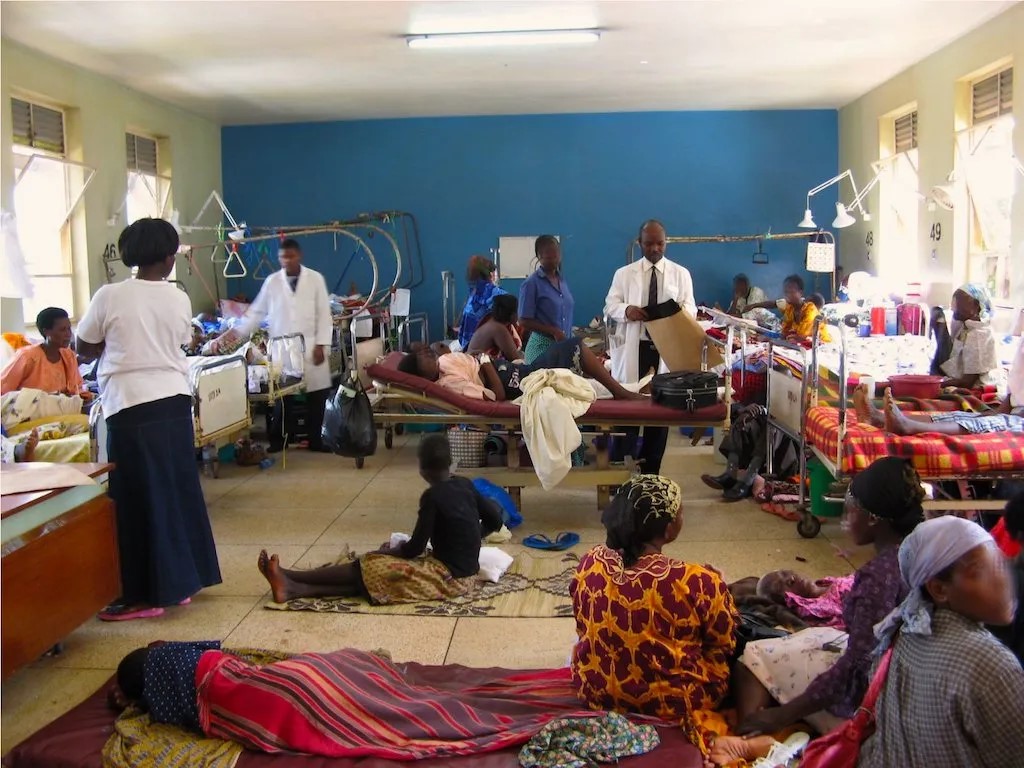
Over the years, Nigeria has dealt with a profound crisis plaguing its healthcare system, exacerbated by the alarming rate of brain drain among its highly skilled medical professionals. Nigeria’s health sector is precarious as doctors, nurses, and other essential healthcare personnel depart for greener pastures abroad.
A closer look reveals a critical factor fueling brain drain, harming our health sector. The consequences of this phenomenon are dire. It has led to a shortage of healthcare professionals, compromising the overall quality of healthcare services in Nigeria.
One key reason for the brain drain in the Nigerian health sector is chronic underfunding, which results in dilapidated infrastructure and insufficient resources. Healthcare facilities in the country also suffer from a lack of modern equipment, outdated technology, and inadequate supplies.
Motivated by their desire to provide high-quality care, healthcare professionals flee to countries with well-maintained and adequately resourced healthcare infrastructure.
Brain drain can also be linked to the frustration healthcare professionals experience due to a lack of basic tools and resources necessary for their work. Insufficient funding for maintaining and upgrading healthcare facilities creates an environment that fails to attract and retain skilled professionals.
Funding issues in the Nigerian health sector have led to inadequate remuneration and poor working conditions for healthcare professionals. Doctors and nurses are often given meagre salaries, delayed payments, and a lack of essential benefits despite their importance in society.
The financial strain, coupled with challenging working conditions, can serve as a powerful motivator for them to seek opportunities abroad, where they can be better compensated and work in more conducive environments.
Several organisations in Nigeria have lamented funding issues and poor remuneration of our healthcare personnel. The Joint Health Sector Union (JOHESU), the Nigerian Association of Resident Doctors (NARD) and the Nigerian Medical Association (NMA) have organised strikes and issued ultimatums to the federal government to improve the nation’s health sector.
Last year, NARD asked the federal government to declare a state of emergency for the health sector. The NMA also spoke out against the federal government’s decision to implement a no-work, no-pay plan in response to an indefinite strike by NARD.
The lack of funding allocated to training and development programs within the Nigerian health sector also contributes to the brain drain crisis. Healthcare professionals want to seek continuous learning opportunities and career advancement. However, insufficient funds for training limit their growth within the country.
The scarcity of adequate professional development investments harms local talent retention. It encourages healthcare professionals to pursue opportunities abroad, where they can further their education and skill sets.
A united effort is needed to address funding challenges and combat brain drain in Nigeria’s health sector. Boosting investments in healthcare can create an environment that will retain and lure back skilled professionals. The federal and state governments can implement some of these strategies to mitigate the impact of brain drain:
Remuneration Improvements: Increase healthcare professionals’ salaries and benefits to make them more competitive on an international scale. Ensure timely salary payments address concerns about delayed payments, a common issue among healthcare workers.
Enhanced Working Conditions: Allocate sufficient funds to improve healthcare facilities, ensuring modern and well-maintained conditions, comfortable accommodations, and safe working environments—investment in technology and equipment to ensure that healthcare professionals have access to state-of-the-art tools and resources.
Investment in Training and Development: Funds should be allocated for continuous professional development programs to enhance the skills of healthcare professionals.
Establish partnerships with educational institutions to provide healthcare workers with ongoing training and learning opportunities.
Research and Innovation Grants: Create funding for local medical research and innovations to attract professionals interested in making healthcare advancements. Provide research grants to healthcare professionals, encouraging them to stay in Nigeria while pursuing groundbreaking research.
Infrastructure Development: Allocate funds for the construction, renovation, and maintenance of healthcare infrastructures (hospitals, clinics, and other healthcare facilities). Equip healthcare facilities with modern technology and the resources to provide quality patient care.
Telemedicine and E-Health Initiatives: Allocate funds for telemedicine and e-health initiatives to enhance the accessibility and appeal of healthcare services to professionals. Invest in technology infrastructure to support telehealth services, reducing the need for healthcare workers to relocate physically.
Community Engagement and Support: Fund community programs to raise awareness about the importance of healthcare professionals in local communities. Establish support networks and incentives for healthcare professionals, including housing assistance, transportation, and other benefits.
Long-Term Strategic Planning: Implement and develop long-term plans for the healthcare sector, ensuring sustained and increased funding over time. Regularly assess funding needs and adjust budget allocations to address emerging challenges and opportunities.
Last line
Undeniably, the brain drain crisis in Nigeria’s health sector is strongly linked to constant funding challenges over the years. Concrete efforts and strategic investments in the healthcare system are essential to reverse this trend.
Adequate funding can improve infrastructure, enhance working conditions, and provide opportunities for professional growth, ultimately stemming the tide of skilled professionals leaving the country.
By addressing the root causes of brain drain through increased funding, Nigeria can build a more resilient and sustainable healthcare sector that meets the needs of its population.
Aishat M. Abisola is an NYSC member serving with PRNigeria Centre Abuja.

Deciphering the complexity of “Ass” in American English
By Abdurrazak Muktar Makarfi
For non-native English speakers, grasping the subtleties and complexities of the English language can be a challenging endeavour. From its extensive vocabulary to its subtle nuances, English often presents itself as a maze of words and meanings. One such term that encapsulates the intricacies of English is “ass.”
On the surface, “ass” may seem straightforward, merely referring to the buttocks. However, a deeper examination reveals a plethora of meanings and subtleties that make it one of the most intriguing words in the English lexicon.
At its core, “ass” serves as a versatile modifier, adding emphasis or altering the meaning of a word or phrase. For example, “lazy ass” intensifies the descriptor “lazy,” emphasizing the extent of laziness. Similarly, “long ass” emphasizes the prolonged nature of something.
Yet, the true complexity of “ass” lies in its ability to completely change the connotation of a word when used as a suffix. Consider the term “badass.” While “bad” typically carries a negative connotation, suffixing it with “ass” transforms it into a term of admiration or respect, describing someone bold, daring, or impressive. Conversely, “dumb ass” retains its negative connotation, highlighting someone’s foolishness or lack of intelligence.
Moreover, “ass” can function as a pronoun, symbolizing oneself or one’s possessions. Phrases like “move your ass” convey urgency or impatience, urging swift action. However, expressions like “fast my ass” and “my ass” serves as a dismissive retort, rejecting the validity of a statement or claim.
The complexity of “ass” extends further as it can be subdivided into smaller components, each carrying its unique significance. Being “an ass” implies exhibiting foolish or irrational behaviour, while being “half-ass” suggests a lack of thoroughness or attention to detail. Additionally, being described as “a piece of ass” is colloquially lauding someone’s physical attractiveness.
In essence, “ass” is a linguistic chameleon, adeptly adapting to diverse contexts and conveying a myriad of meanings. Its versatility and complexity mirror the richness and depth of the English language, showcasing the infinite possibilities for expression and interpretation.
Thus, when encountering the word “ass” in conversation or media, acknowledge its multifaceted nature and the layers of meaning it embodies. Understanding and appreciating the complexity of “ass” not only underscores the richness of the English language but also provides insight into the cultural nuances and subtleties of American English.
Abdurrazak Muktar Makarfi can be contacted via prof4true@gmail.com.
FG approves upgrade of FMC Birnin Kebbi to Federal University Birnin Kebbi Teaching Hospital
By Sabiu Abdullahi
President Bola Ahmed Tinubu has given the nod for the Federal Medical Centre (FMC) in Birnin Kebbi to be upgraded into a teaching hospital.
The upgrade was conveyed in a statement signed by Jamilu Magaji Mohammed, Head, Information and Public Relations, Federal University Birnin Kebbi, today.
According to Mr. Jamilu, this transformation is poised to serve as the principal clinical training venue for medical students enrolled in the College of Health Sciences at Federal University Birnin Kebbi (FUBK).
The approval wasconveyed in a letter dated March 13, 2024, addressed to the Vice Chancellor of FUBK and signed by Dr. Tunji Alausa, the Honourable Minister of State for Health and Social Welfare.
“This approval is a further testament to the passion and commitment of Mr. President aimed at ensuring that Nigerians get the best healthcare at an affordable cost, and to increase much-needed Human Resources for Health in our country,” the letter states.
The Minister has tasked FUBK with engaging the management of the newly designated Federal University Teaching Hospital, Birnin Kebbi, to enhance their facilities for teaching and research purposes.
Expressing his elation over the development, Vice Chancellor Prof. Muhammad Zaiyan Umar affirmed the university’s dedication to leveraging the opportunities presented by the upgrade.
He extended gratitude to all stakeholders whose collaborative efforts facilitated this significant milestone. According to reports from the FUBK Bulletin, a committee has been established to oversee the implementation of the upgrade.
The Committee, chaired by Prof. B.B. Shehu, former Vice Chancellor of FUBK and current Vice Chancellor of the Federal University of Health Sciences, Katsina State, is tasked with working out modalities for the upgrade.
Prof. Aliyu A. Turaki, Deputy Vice Chancellor of FUBK, serves as the co-chair.
Customs partner with FRCN to tell Nigerians about its mandates
By Sabiu Abdullahi
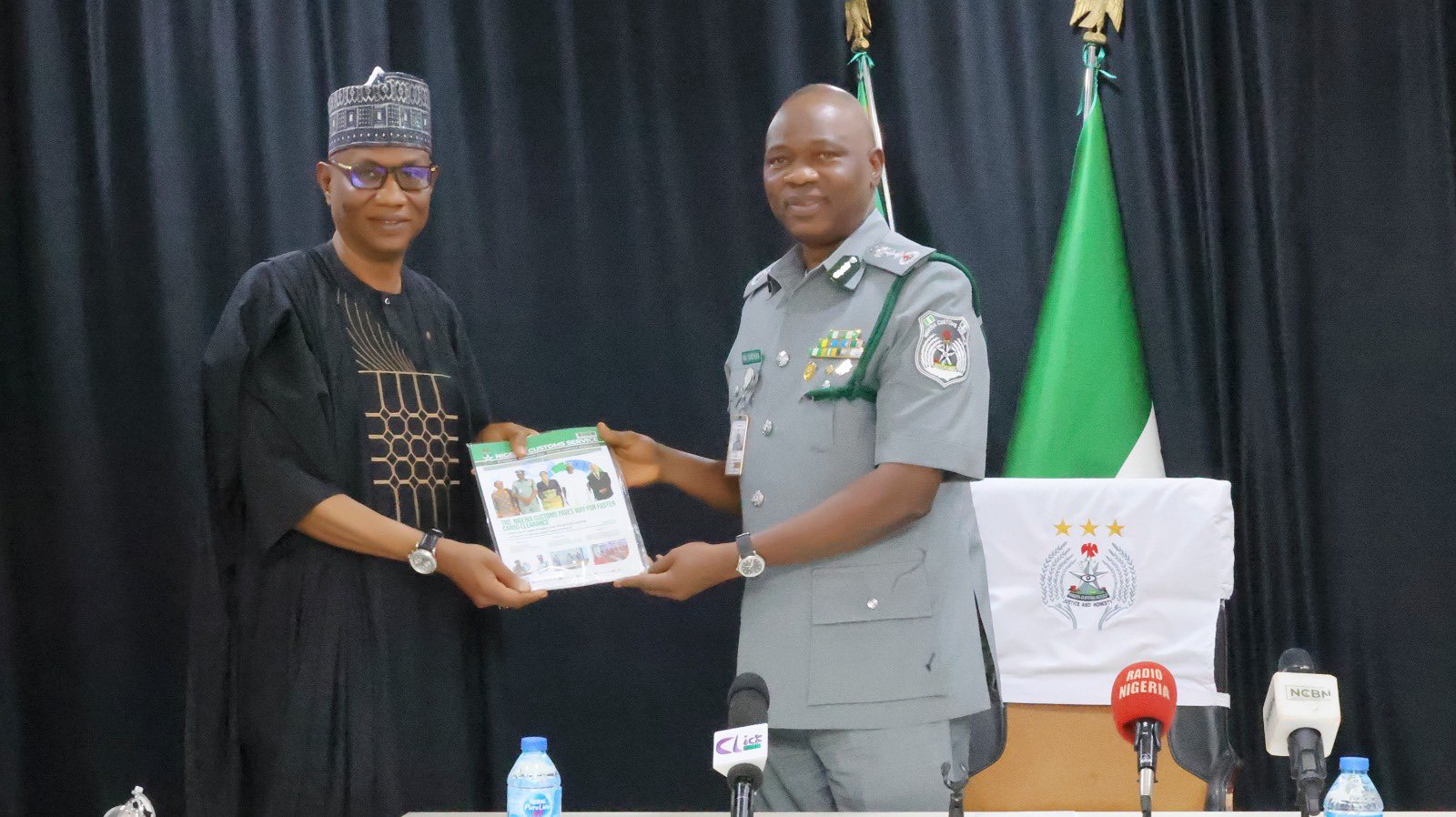
The Nigeria Customs Service (NCS) has embarked on a strategic partnership with the Federal Radio Corporation of Nigeria (FRCN) aimed at enlightening Nigerians about the core mandates of the service and its pivotal role in driving economic development.
During a meeting held on Tuesday, 26 March 2024, at the NCS Headquarters in Abuja, the Comptroller-General of Customs, Bashir Adewale Adeniyi MFR, expressed the Service’s readiness to collaborate closely with FRCN.
Leading the delegation from FRCN, Director-General Muhammad Bulama engaged in discussions with CGC Adeniyi, underscoring the importance of media collaboration in amplifying the efforts of the Nigeria Customs Service.
“Partnership with the media is very effective in enhancing public understanding of our activities,” stated CGC Adeniyi.
“We are committed to leveraging this collaboration to showcase the various initiatives we have in place to enhance trade efficiency.”
Stating the need to reshape the narrative surrounding trade in Nigeria, CGC Adeniyi emphasized the importance of reaching out to Nigerians to inform them about the extensive work undertaken by the Customs Service.
“We are doing a lot more than people know us for,” he said, acknowledging the offer of strategic partnership extended by FRCN.
In response, Director-General Bulama commended CGC Adeniyi for his leadership and the progress made under his tenure. He expressed confidence in the Comptroller-General’s ability to steer the Nigeria Customs Service towards greater efficiency and effectiveness.
“We are convinced that the appointment of CGC Adeniyi by Mr. President is already yielding positive results,” remarked DG Bulama.
“It is our duty to support, publicize, and advocate for the activities of the Nigeria Customs Service, and we believe that together, we can contribute to the realization of our country’s potential and greatness.”
The partnership between the Nigeria Customs Service and the Federal Radio Corporation of Nigeria marks a significant step towards enhancing public awareness and understanding of the Customs Service’s mandates and contributions to national development.
Nepotism in Nigerian politics: A tale of two governors
By Umar Sani
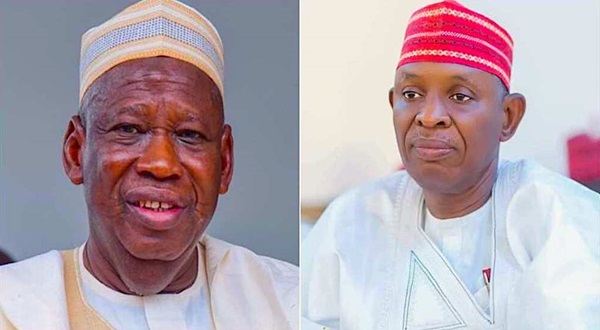
In the intricate tapestry of Nigerian politics, nepotism is often woven deep into the fabric of governance. Recent events surrounding Engr. Abba Kabir Yusuf, popularly known as “Abba Gida Gida,” and Dr Abdullahi Umar Ganduje illuminate a troubling pattern of favouritism and cronyism that continues to plague the nation’s political landscape.
In a move reminiscent of his predecessor, Abba Kabir Yusuf has nominated Mustapha Kwankwaso, the son of his godfather Engr. Rabiu Kwankwaso, for a commissioner position. This decision raises eyebrows, echoing past criticisms of Ganduje’s administration, where appointments seemed to prioritise personal connections over merit.
Such actions underscore a disturbing reality: the entrenched culture of nepotism in Nigerian politics, where loyalty to political dynasties often outweighs competence and merit. While the faces may change, the playbook remains eerily similar, perpetuating a cycle of patronage that undermines the principles of accountability and good governance.
The parallels between Abba Kabir Yusuf and Abdullahi Umar Ganduje serve as a sobering reminder of the challenges facing Nigeria’s democracy. Despite differing affiliations, both governors have succumbed to the temptation of nepotism, prioritising the interests of elites and families over the welfare of the broader populace.
This nepotistic trend erodes public trust in the political system and exacerbates social and economic inequalities. When positions of power are monopolised by a select few, talented individuals from marginalised communities are denied opportunities for advancement, further entrenching the status quo of privilege and exclusion.
As the nation navigates its democratic journey, it is imperative to confront and address the scourge of nepotism head-on. Transparent and merit-based governance systems must be championed, where appointments are made based on qualifications rather than personal relationships.
Moreover, robust mechanisms for accountability and oversight are essential to ensure public officials are held accountable for their actions. Civil society organisations, independent media, and vigilant citizens play a crucial role in exposing and challenging instances of nepotism and corruption, fostering a culture of transparency and accountability in governance.
Ultimately, the fate of Nigerian politics rests in the hands of its citizens. By demanding accountability, transparency, and a commitment to the common good, Nigerians can pave the way for a brighter and more equitable future, free from the shackles of nepotism that have privileged few.
Umar Sani Adamu (Kawun Baba) wrote via umarhashidu1994@gmail.com.
Agribusiness in Nigeria needs standardisation, NABG says
By Uzair Adam Imam
At a media briefing on the “Agro Commodities Standard Grading System National Validation” programme, Jafar Umar, Director General of the Nigerian Agribusiness Group (NABG), called for the standardisation of Nigeria’s agro commodities grading system to align with international standards.
The event is scheduled to take place in Abuja. The organisation believes that agriculture, as a major sector of the economy, has the potential to lift Nigeria out of its current socio-economic challenges, according to the Director General.
He also highlighted NABG’s ongoing efforts to partner with public, private, and donor institutions to improve the business environment for agribusiness.
Celestine Okanya, Director General and CEO of NiNAS, stated that NABG is dedicated to ensuring that agribusiness people and smallholder farmers receive the maximum return on their investments.
This is achieved through a focus on improving the productivity and profitability of the agribusiness sector.
Ramadan: King Salman distributes foodstuffs in Kano
By Uzair Adam Imam
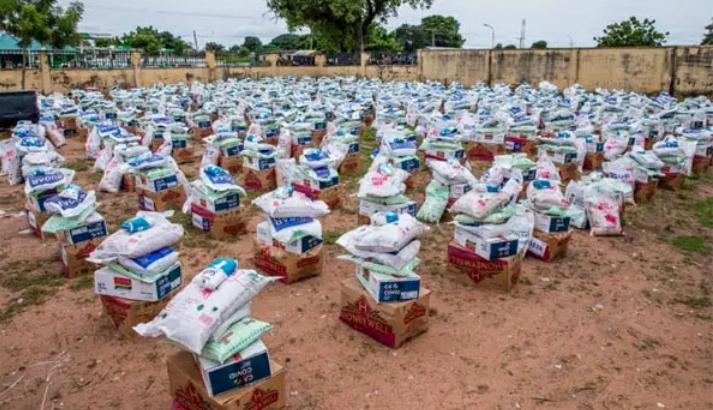
Saudi Arabia’s King Salman Humanitarian Aid and Relief Centre has distributed food items to over 2,000 households in eight local government areas of Kano State, mostly for people with disabilities (PWDs).
Abdulrahman ibn Abdul Aziz Al-Zaben, the team leader of the foundation, said the program aims to support families and those in need during the holy month of Ramadan every year to alleviate hardship and suffering.
The National Emergency Management Agency (NEMA) and the State Emergency Management Agency (SEMA) implemented the program in Nigeria.
Food items distributed included 25kg bags of beans, 25kg bags of rice, and 4kg of Masavita, among others. At the event, Kano State Deputy Governor Aminu Abdussalam Gwarzo expressed gratitude to the centre for remembering the people of Kano during Ramadan.
The Director of Special Duties at NEMA, Fatima Kashim, who represented NEMA Director General Zubaida Umar, also thanked the centre for reaching out to those in need.
The deputy governor, DG NEMA, and the representative of the King Salman Humanitarian Relief Center called on the beneficiaries to make good use of the items to improve the lives of their families.
Notorious bandit leader Dogo Gide loses life to gunshot injuries in clash with security forces
By Sabiu Abdullahi
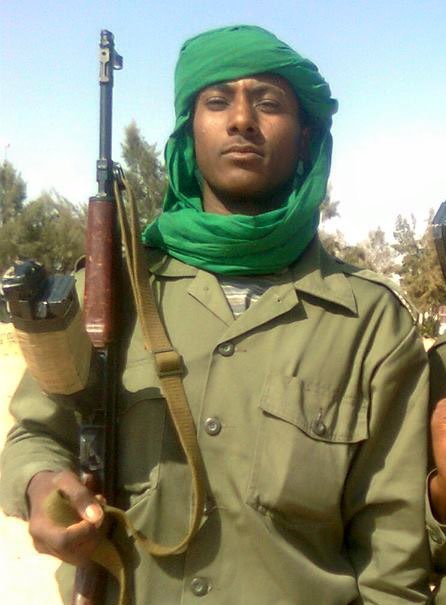
Dogo Gide, the notorious bandit leader responsible for spreading terror across the North, has met his end.
The demise of Dogo Gide marks the conclusion of his reign of terror that had plagued the region for an extended period.
Dogo Gide succumbed to gunshot wounds sustained during a fierce confrontation with Operation Hadarin Daji (OPHD) forces.
The encounter occurred amidst the rugged terrain of Madada Forest, located within the Maru local government area, on March 12, 2024.
Despite sustaining severe injuries during the clash, Dogo Gide was reportedly transported clandestinely to a hospital in Mabera, Sokoto, Sokoto State.
However, his injuries proved fatal, leading to his demise. The demise of Dogo Gide, a fugitive wanted for a string of atrocious crimes in the region, was followed by his burial in Dandalla Village on March 24.
Nevertheless, concerns have arisen regarding the circumstances surrounding Dogo Gide’s hospital admission.
It has come to light that a security official, now under detention, allegedly facilitated his access to medical care, raising apprehensions about potential collusion within the security apparatus.
The successful elimination of Dogo Gide stands as a significant accomplishment for the Nigerian security forces.