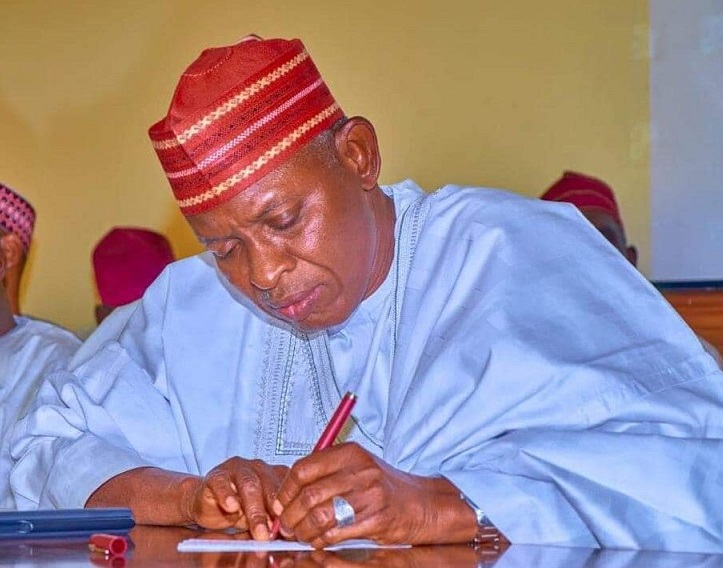
Kano students suffer as government fails to pay off their tuition fees
By Muhammed Sodangi
Let me begin with the famous saying of the South African anti-apartheid revolutionary leader, Nelson Mandela, who said, “It is through education that the daughter of a peasant can become a doctor, that the son of a mine worker can become the head of the mine, that a child of farm workers can become the president of a great nation. It is what we make out of what we have, not what we are given, that separates one person from another.”
On August 23, 2023, the Executive Governor of Kano State, Engr. Abba Kabir Yusuf, approved the payment of ₦700 million to 7,000 Kano indigenous students at Bayero University, Kano.
This commendable gesture has put smiles on the faces of a great number of students who were utterly struggling for the survival of their academic pursuits at the time.
Under your stewardship, Your Excellency, approximately 550 indigent students from Kano State were sponsored to travel overseas for a master’s scholarship program.
Thus, it is a clear testimony that the education sector has been prioritized by investing heavily in the future leaders of our state.
However, students studying at various universities outside the state risk deferment or withdrawal for not settling their tuition fees as promised by the Kano State government.
On March 2, 2024, the Kano governor held a meeting with the “Joint Consultative Forum of Kano Universities Students” to address the lingering issue regarding the payment of their tuition fees.
A few days later, a screening team from the scholarship board was dispatched to various universities, but no progress has been recorded yet.
Your Excellency, many students have missed tests and are on the brink of missing exams. We are thus calling on your intervention as soon as possible.
Thank you.
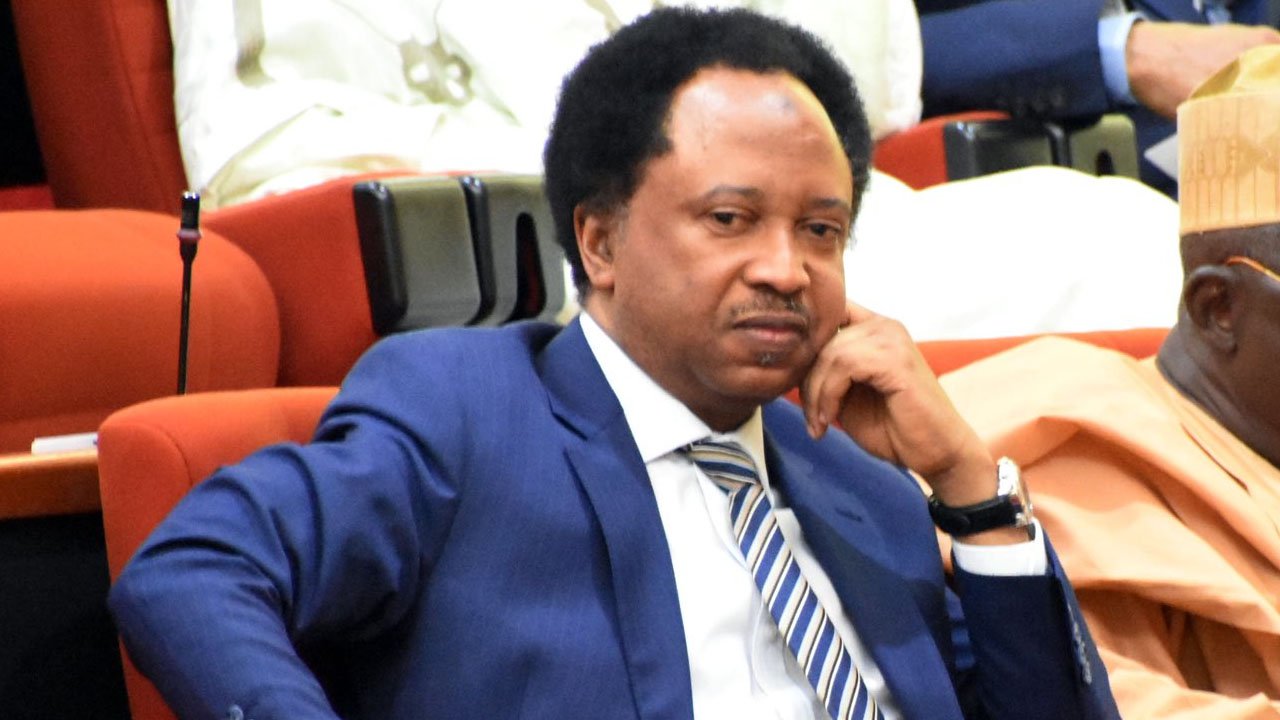
Kaduna strangulated by debt burden of El-Rufai’s administration – Shehu Sani
By Uzair Adam Imam
Shehu Sani, the former Senator representing Kaduna Central, has raised the alarm over the suffocating debt burden gripping Kaduna State under the administration of former Governor Nasir El-Rufai.
Sani expressed regret that his warnings against El-Rufai’s aggressive borrowing were ignored, leading the state into a financial crisis of significant proportions.
Speaking to reporters, Sani highlighted the dire consequences of the debt accumulation, emphasizing that if his advice had been heeded, the state would not be grappling with the current predicament.
He recalled facing criticism for opposing a $350 million World Bank loan sought by the El-Rufai administration, foreseeing the looming challenges now faced by the state.
Governor Uba Sani, in a recent town hall meeting, disclosed that the state inherited a staggering debt of $587 million, ₦85 billion, and ₦115 billion in contractual liabilities from the previous administration.
This heavy financial burden has severely hampered the state’s ability to meet its financial obligations, including salary payments.
The current administration disclosed that a substantial portion of the state’s federal allocation is being diverted toward servicing the debt, leaving insufficient funds for essential expenditures such as salary payments.
With the sharp increase in exchange rates, the amount being repaid has almost tripled, exacerbating the financial strain on the state.
Out of the N10 billion received as federal allocation in March, N7 billion was deducted to service the state’s debt, leaving only N3 billion available.
However, this amount falls short of covering the state’s monthly salary bill of N5.2 billion, further exacerbating the financial crisis.
Sani cautioned that the repercussions of the state’s debt burden are now being felt acutely, underscoring the urgent need for concerted efforts to address the financial challenges facing Kaduna State.

Family feud turns fatal as brother stabbed to death in Bauchi
By Uzair Adam Imam
The Bauchi State Police Command apprehended Isyaku Babale, 30, following the tragic demise of his brother during a heated dispute.
In a statement released by SP Ahmed Wakil, the police disclosed that the arrest came after the victim succumbed to his injuries at Abubakar Tafawa Balewa University Teaching Hospital (ATBUTH) Bauchi.
“Isyaku Babale, a resident of Anguwan Dawaki, was detained by operatives from the township Police Divisional headquarters for an alleged culpable homicide,” stated SP Ahmed Wakil.
He continued, “Initial investigations unveiled that the suspect employed a knife, fatally stabbing his older sibling during an altercation that erupted between them on March 31st, 2024, around 04:00hrs.”
Reportedly, the dispute ignited when Babale urged his brother to cease consuming Cold Patch liquid, locally known as ‘Sholi,’ due to its foul odor.
The disagreement escalated into a physical confrontation, leading to the fatal stabbing. Further inquiries revealed a history of violent altercations involving dangerous weapons between the siblings.
Commissioner of Police, CP Auwal Musa Mohammed, has directed a comprehensive investigation to ascertain any underlying motives behind the incident, emphasizing the importance of bringing the perpetrator to justice through legal proceedings.
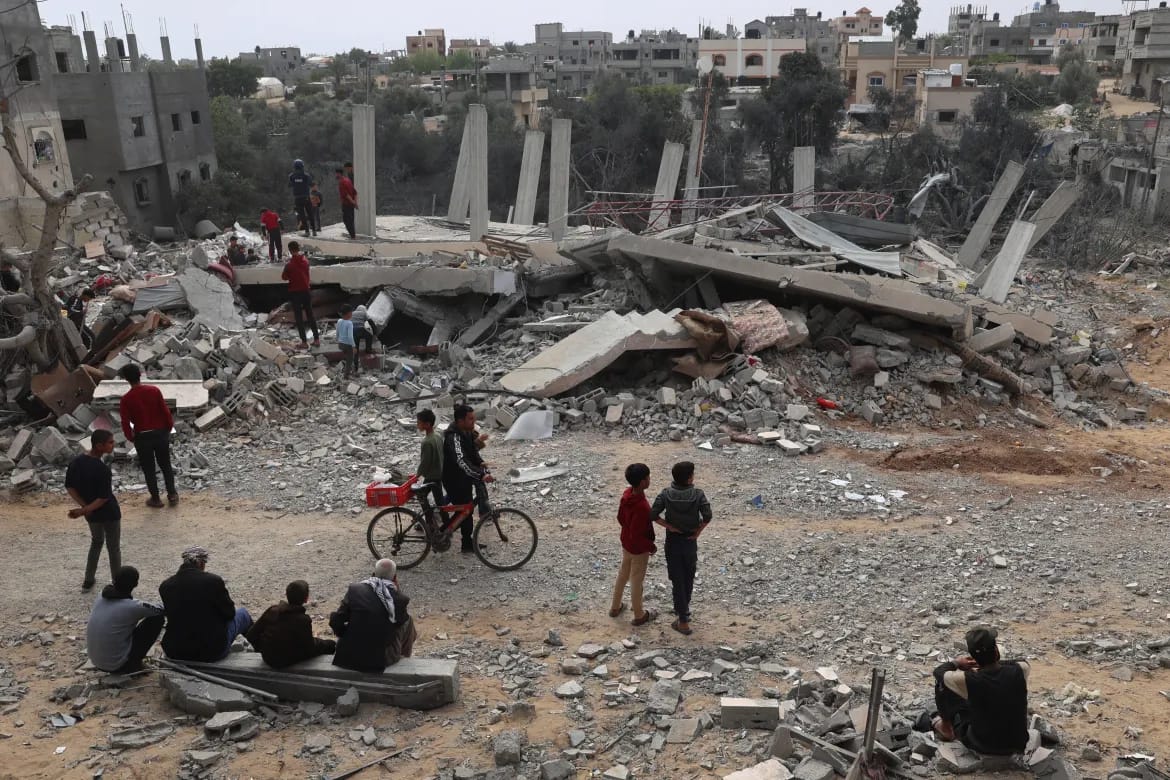
Gaza ceasefire negotiations set to resume in Cairo
By Uzair Adam Imam
Negotiations aimed at securing a ceasefire between Israel and Hamas in the Gaza Strip are scheduled to recommence in Cairo on Sunday, as reported by Egyptian outlet Al-Qahera.
This development follows Prime Minister Benjamin Netanyahu’s recent approval for renewed talks.
An anchor for Al-Qahera News, closely associated with Egypt’s intelligence services, confirmed the resumption of negotiations, citing an Egyptian security source.
Previous rounds of talks, mediated by Egypt, Qatar, and the United States, have yet to yield a viable agreement.
Despite hopes to reach a ceasefire before Ramadan, progress has been slow, with the Muslim holy month now more than halfway through.
Netanyahu’s endorsement of the new negotiations, set to take place in both Doha and Cairo, was announced on Friday.
While details regarding the involvement of Mossad chief David Barnea remain undisclosed, Netanyahu’s office confirmed discussions with Barnea regarding the talks.
Simultaneously, protests erupted in Israel’s largest city, with demonstrators blocking a major road in demand for the release of hostages held in Gaza and criticising the government’s handling of the conflict.
Approximately 130 hostages, out of an initial 250 seized during the October 7 attacks that triggered the conflict, are believed to remain in Gaza.
Central to the ceasefire negotiations is the exchange of hostages for Palestinian prisoners held in Israel.
French Foreign Minister Stephane Sejourne, along with counterparts from Egypt and Jordan, noted the urgent need for a permanent ceasefire and the release of all hostages during meetings in Cairo.
Furthermore, France intends to propose a draft resolution at the UN Security Council outlining a “political” settlement for the conflict.
While recent international efforts, including a Security Council resolution demanding an immediate ceasefire and a UN court order for humanitarian assistance, aim to alleviate the situation, the conflict persists.
Hamas’s initial attacks on October 7 resulted in significant casualties in Israel, while Israel’s retaliatory campaign in Gaza has claimed thousands of lives, predominantly among civilians, according to official figures.
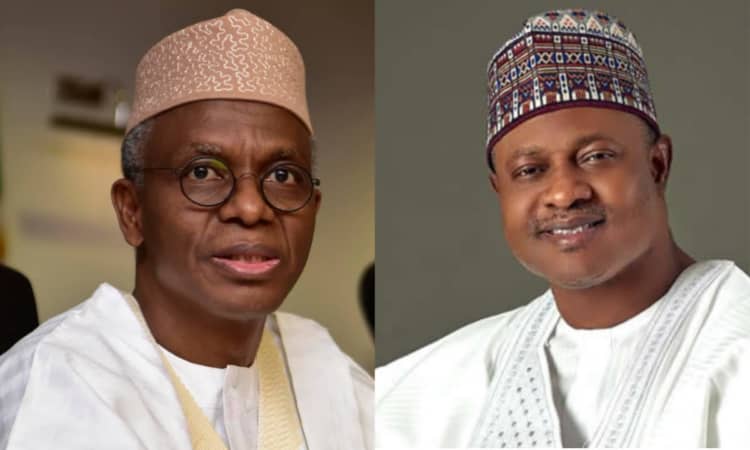
El-Rufa’i loan procurement burden on my gov’t—Uba Sani
By Uzair Adam Imam
Governor Uba Sani of Kaduna State recently spoke at a town hall meeting, shedding light on the hurdles impeding his administration’s ability to pay workers’ salaries.
Sani attributed this predicament to the substantial debts inherited from his predecessor, Nasir El-Rufai.
During the meeting, Sani revealed that his administration inherited a colossal debt burden totaling $587 million, N85 billion, and 115 contractual liabilities from the previous government.
He disclosed that a significant portion of the federal allocation for Kaduna State in March, amounting to N7 billion out of N10 billion, was diverted to service the state’s debt.
Consequently, only N3 billion remained to cover expenses, falling short of the state’s monthly salary bill of N5.2 billion.
Sani emphasized the adverse effects of the exchange rate fluctuations, resulting in the state paying back nearly triple the amount borrowed by the previous administration.
Despite these challenges, he asserted that his administration had refrained from borrowing any funds in the past nine months.
The governor underscored his commitment to steering Kaduna State towards progress and sustainable development despite the inherited debt burden.
He highlighted key priority areas for his government, including safety and security, housing, education, healthcare, and support for micro, small, and medium enterprises.
Additionally, he pledged to prioritize inclusive development by investing in human capital, stimulating the economy, and providing affordable housing.

Leveraging AI to streamline PR workflows
By Haroon Aremu
Artificial intelligence (AI) is involved in everyday tasks, especially using smartphones or laptops to check message spellings, using voice commands for music, or following GPS directions. While these tools have existed, modern AI is much more advanced. It can not only complete tasks but also learn and improve its abilities by analysing information, making it even more powerful.
With its remarkable ability to think like a human and tackle everything from brainstorming to strategic planning, AI has become an indispensable ally in PR, reshaping how professionals craft their messages.
AI is a versatile powerhouse that can perform tasks such as generating innovative ideas and crafting tailor-made press releases and reports.
AI in PR is an especially exciting area. With tools ranging from traditional chatbots to cutting-edge, comprehensive platforms like Natural Language Generation (NLG) technology, PR pros can now create personalised content at lightning speed, paving the way for big-picture thinking and strategic approaches.
In a report by PRDaily and Accesswire, about 200 PR respondents were captioned. ‘59% seek predictive analytics for PR planning.’
Pundits argued that ChatGPT, the AI wizard that has revolutionised PR, is among the commonly used AI tools. With ChatGPT’s prompt input, tasks like building media lists and brainstorming content ideas have never been easier.
American Marketing AI Institute has also predicted that AI has created up to $2.6 trillion in business value in marketing and sales alone.
While incredibly powerful, AI is not 100% perfect and does not have emotions; it can also be inaccurate.
However, while AI may be a distraction, one thing remains abundantly clear: human connection is irreplaceable. After all, no machine can match the warmth and empathy of a genuine human interaction.
Meanwhile, AI and human interaction make the team’s dream easier. The deployment of both can boost efficiency and creativity and drive strategy. As the AI landscape continues to evolve, PR pros must embrace these changes wisely, leveraging technology as a tool to supercharge their skills and deliver impactful communication strategies by leveraging AI to streamline PR workflows in the digital age.
As an intern in PR and marketing communications, the influence of this field is undeniable. From advanced analytics to content generation, PR pros can deploy this tool to evaluate strategic decisions accurately.
Personalised marketing campaigns can also be deployed to elevate customer engagement, increase conversion rates and customer interactions, and enhance brand loyalty.
Notwithstanding, implementing AI also comes with challenges: data privacy concerns and the need for ongoing algorithm refinement present struggles requiring proactive solutions. Yet, these obstacles can be overcome through collaborative efforts and a willingness to adapt.
Haroon Aremu is a youth corps member with the PRNigeria centre and wrote in via exponentumera@gmail.com.
School Shuttle Buses: The Adamawa Model
By Zayyad I. Muhammad
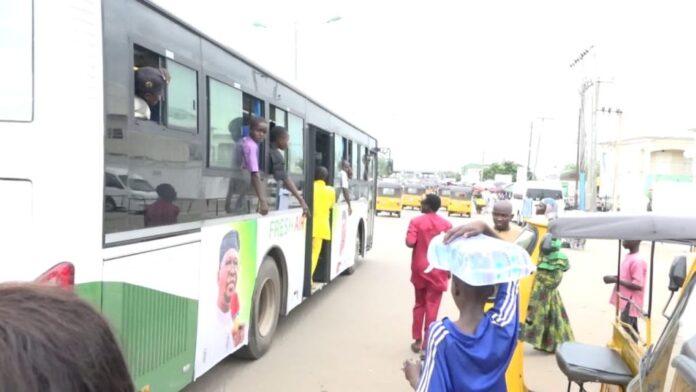
The Adamawa state government has procured the world-famous Blue Bird school buses to shuttle pupils and students to and from schools within metropolitan and town areas across all 21 local government areas of the state.
The Adamawa Model aims to achieve four targets: firstly, to serve as a palliative measure for students and their parents to cushion the effects of the removal of petroleum subsidies and the rising cost of living; secondly, to sustain the state’s achievements in mopping up out-of-school children from the streets; thirdly, to maintain the security enjoyed by the public in the state; and fourthly, to support Governor Ahmadu Umaru Fintiri’s programme of productive job creation, local industry support, and the Adamawa urban renewal programme, including utilisation of today’s available resources for tomorrow’s future.
Blue Bird buses have proven to be the most preferred and frequently used transportation system for students, pupils, and even teachers in many countries. Studies have shown that the school bus system is the safest, cheapest, and most organised method of transporting students to and from schools.
Governor Ahmadu Umaru Fintiri’s developmental programmes and projects are interconnected; they don’t occur in isolation. The school shuttle buses project complements the success of the Fresh Air Metro Bus Scheme, a palliative transportation system for the masses, and aligns with education sector improvement and modernisation.
On January 25, Governor Fintiri officially launched the construction of the model nursery, primary, and junior secondary schools across all 21 local government areas of the state. Additionally, the Governor plans to build comprehensive one-in-all mega secondary schools, two in each of the three senatorial districts of the state.
These projects and schemes are also designed to complement the Adamawa state government urban renewal programme, which includes the construction of infrastructure such as great interchanges, the Aliyu Mustapha flyover, the ongoing Mubi Round flyover, the superhighway, and the township roads in Jimeta-Yola and other local government areas.
Furthermore, Governor Fintiri’s programmes and projects are always designed using ‘the science’ of resource management and distribution. On March 8, 2024, the Governor launched an empowerment programme to support 10,000 women and youth with 50,000 naira each for small business development.
Furthermore, the Blue Bird buses, with a capacity of 50–100 students per bus, will reduce traffic congestion. The benefits of school buses, globally accepted, include keeping students punctual and active, fostering responsibility, providing peace of mind for parents, and being economically beneficial.
Despite dissenting voices, particularly within the opposition, experts in transport and education have highlighted the enormous multiplier effects of school shuttle buses. Besides ensuring pupil safety, parents will experience relief in transportation costs, leading to increased enrollment in schools and job creation for drivers, fuel station operators, and bus managers.
During the ceremony of the Call to Bar of his daughter, Barr Fa’iza, at the Body of Benchers Complex Abuja, Governor Fintiri said his administration will continue to maintain its interconnection of programmes and projects for his government to continue to address the needs of various sectors simultaneously while demonstrating a commitment to comprehensive governance.
Zayyad I. Muhammad writes from Abuja zaymohd@yahoo.com.

Father seeks help to fund part of graduate-son’s unpaid tuition
By Uzair Adam Imam
Adamu Sani Bello, a retired journalist and former civil servant from Bauchi State, is grappling with the distressing predicament of his son’s stranded status in Iran.
Despite graduating two years ago with a 75% scholarship, Bello’s son remains unable to return to Nigeria because of an unpaid university debt totaling $8,000.
Bello’s efforts to settle the remaining 25% of the debt have been thwarted by Nigeria’s economic woes, which have been exacerbated by rampant inflation.
Since his retirement, Bello has struggled to meet familial responsibilities amid challenging financial circumstances.
Desperate plea
In a heartfelt three-minute video seen by The Daily Reality, Bello implores philanthropic individuals and nongovernmental organizations to come to his son’s rescue.
He reveals that his son, a trailblazer in dental surgery and the first Black student at his Iranian university, is unable to afford the $1,000 flight back to Nigeria.
The situation is dire as the expiration of his son’s residency visa looms.
Bello fears that his son may overstay his visa, compounding his already dire situation.
Adding to the complexity, Iranian regulations prohibit students from seeking employment until they complete their studies.
No way out
With his passport also having expired in August, the young graduate finds himself trapped in a nightmarish limbo, devoid of job prospects and lacking the means to return home.
Bello’s desperate plea shows the urgent need for intervention to prevent his son from facing the harrowing prospect of incarceration in a foreign country.

Skin bleaching: Reflections on the controversial fatwas of Malam Ibrahim Khalil
By Muhsin Ibrahim
I maintain that Malam Ibrahim Khalil is a towering figure in the realm of Islamic scholarship. His prominence predates my own existence, and I have no doubt that his legacy will endure for many years to come. I wish him and his family well.
However, Malam’s recent fatwas via Freedom Radio have been controversial. Indeed, he is not new to controversies, but not to this extent or at any time that I can recall.
While rounding up the debate on bleaching, I woke up to yet another one on breast and buttock augmentation—via drugs and surgeries. The first red flag in that short clip is how he mentioned those body parts without euphemism. This is quite embarrassing.
I am not a medical doctor. However, I read and watch a lot of documentaries and news. Thus, I am fairly informed about the dangers of what Malam “advocates.” Please, go to YouTube and search for “Botched plastic surgery.” You will see more videos than you can watch.
I respectfully call on Malam to ponder the broader implications of what he talks about. As I said before, clerics are VIPs. We not only respect them but also revere them. Some people take their words as gospel. So, they should not churn out fatwas “anyhow.”
Dear ladies, do not disfigure—or even kill—yourselves for a man. You will never satisfy him 100%. Perfection is God’s attribute.
No matter how sexy (you think) you are, two things will happen. First, nothing stays the same. Second, another woman is definitely sexier. Even if she is not, men are naturally inclined to admire and even desire other women besides their partners. So, it’s not your “perfect” body that holds him tight. It’s the love; it’s the faith; it’s the commitment to the union.
May we be guided, ameen.
Muhsin Ibrahim writes from Cologne, Germany.
Nigerian Customs seize contraband worth over N769 million, issues stern warning
By Sabiu Abdullahi
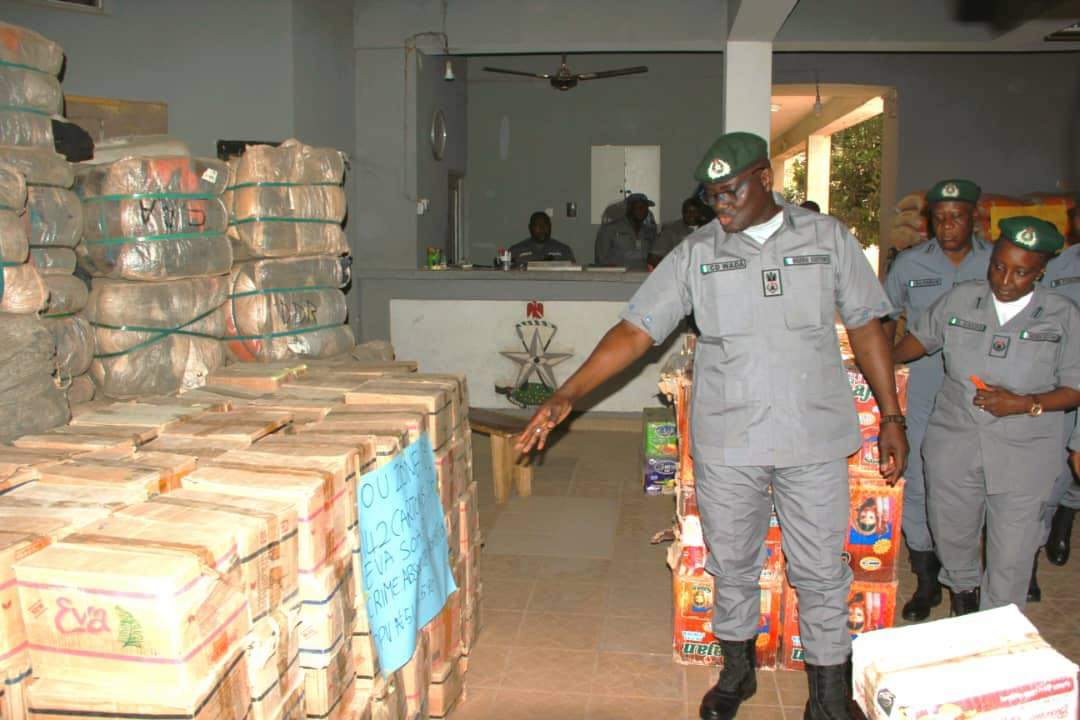
The Nigeria Customs Service, Federal Operations Unit (FOU) Zone ‘B’, has announced the seizure of contraband goods with a staggering duty-paid value exceeding N769 million.
This significant haul was disclosed by the Comptroller of the Unit, Comptroller Chedi Wada, during a press briefing held on March 28, 2023, at Kangiwa House, Kaduna State.
Comptroller Wada revealed that a total of 98 seizures involving 21 different items were executed during the operational period.
The contraband items confiscated encompassed a diverse range, including foreign parboiled rice, spaghetti, secondhand clothing, premium motor spirit, refined vegetable oil, used vehicles, and various other goods.
Among the notable seizures were 372 bags of rice concealed within flour sacks, intercepted by vigilant unit operatives, and subsequently deposited at the Kwara Area Command.
Stressing the pivotal role of intelligence networks, Comptroller Wada underscored the unit’s commitment to unearthing smuggling operations, despite adversarial tactics employed by die-hard smugglers.
In a stern warning directed at smugglers, Wada asserted, “Those who persist in illegal trade activities cannot deter us from fulfilling our duty. They must either transition to legitimate commerce or face the full force of the law.”
Additionally, he cautioned against the alteration of Vehicle Identification Numbers (VINs), highlighting the legal consequences and penalties outlined under the Nigeria Customs Service Act 2023.
Drawing attention to the gravity of VIN tampering, Wada urged citizens to meticulously inspect vehicle VINs to thwart smuggling attempts and uphold regulatory compliance.
He noted the government’s initiative to facilitate the regularisation of improperly imported vehicles within a 90-day window, further alleviating financial burdens on citizens through the suspension of penalties.
The resolute stance of the Nigeria Customs Service, exemplified by the diligent efforts of FOU Zone ‘B’, underscores a concerted commitment to combating illicit trade and safeguarding national interests.
As the unit remains steadfast in its enforcement endeavors, stakeholders are urged to collaborate in upholding regulatory standards and fostering a culture of lawful commerce.