

Bwala, Mehdi Hasan and the reality of global journalism
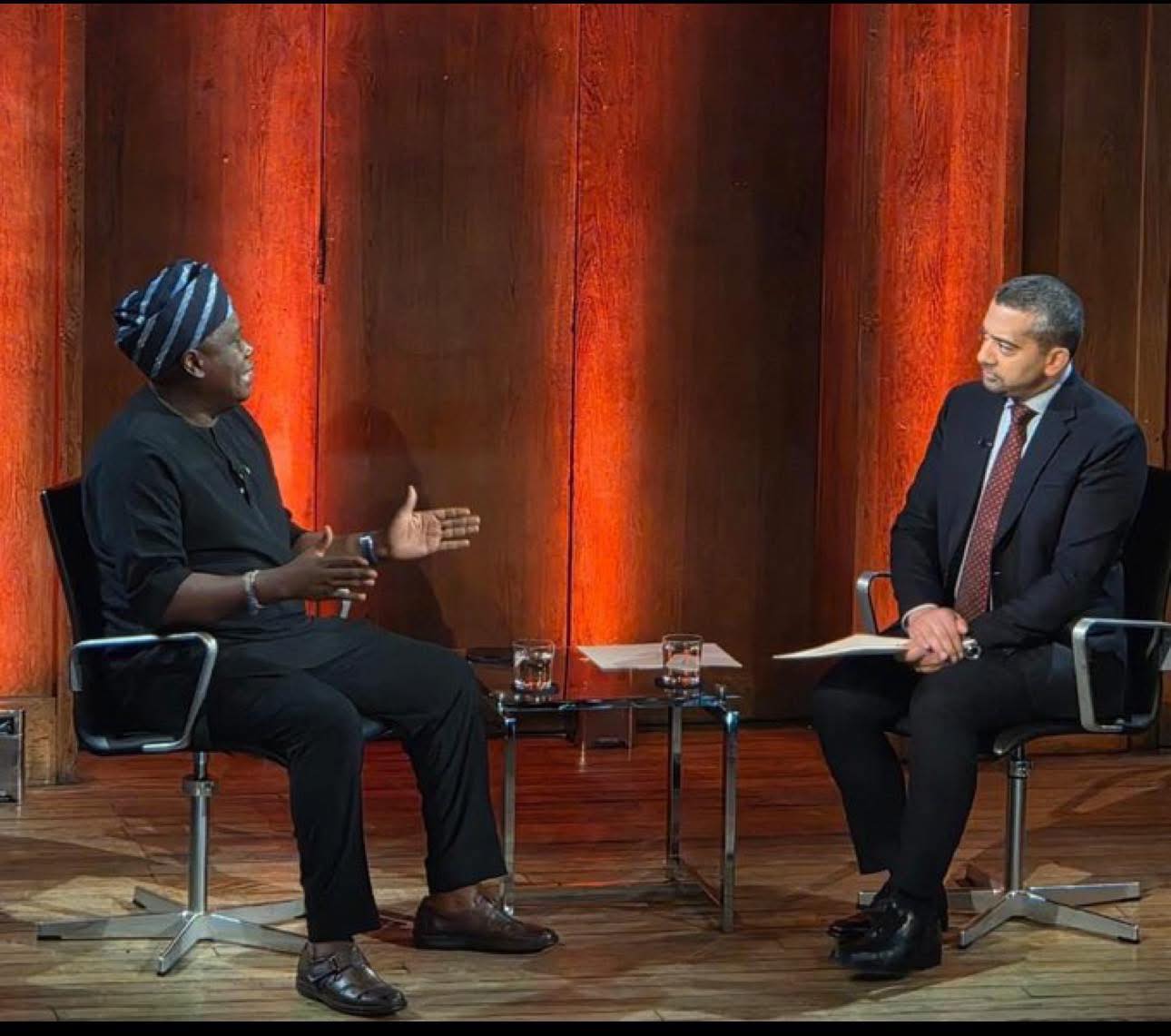
The recent exchange between Daniel Bwala and Mehdi Hasan on Al Jazeera’s Head to Head programme has sparked widespread debate across Nigeria’s political and media space. The interview, which quickly went viral on social media, has been interpreted by many observers as a revealing moment at the intersection of political communication, accountability, and international journalistic standards.
Appearances on global platforms such as Al Jazeera are rarely routine engagements. Programmes like Head to Head are built on a tradition of rigorous questioning, where political figures are expected to defend their arguments under intense scrutiny. For journalists such as Hasan, whose interviewing style is known for its directness, the objective is not merely to host a conversation but to interrogate claims with evidence, previous statements, and policy records.
It is within this context that Bwala’s performance, a media aide to Bola Ahmed Tinubu, has attracted considerable commentary. Some analysts argue that the controversy surrounding the interview reflects a broader challenge faced by many political spokespersons when transitioning from domestic media environments to global broadcast platforms. International interviews of this nature often demand a high level of preparation, particularly when the subject has an extensive public record that can be referenced during questioning.
One of the most notable aspects of the interview involved the presentation of Bwala’s earlier criticisms of Tinubu during the period leading to the 2023 Nigerian presidential election. Before aligning with the current administration, Bwala had publicly expressed views that were sharply critical of the president and his political movement. During the interview, those earlier remarks were revisited and contrasted with his present role as a defender of the government’s policies.
In professional journalism, such lines of questioning are neither unusual nor inappropriate. Public figures frequently encounter questions about their previous positions, particularly when those positions appear to contradict their current stance. The purpose is not necessarily to embarrass the interviewee, but to test the consistency and credibility of their arguments.
Following the broadcast, Bwala reportedly stated in subsequent media interviews that he felt “ambushed,” suggesting he had not anticipated extensive questioning about his past remarks on Tinubu. That explanation, however, has generated further discussion among media commentators. Critics maintain that any appearance on a programme known for its confrontational format should reasonably come with the expectation that past public statements may be scrutinised.
Beyond the immediate personalities involved, the episode highlights an important issue in Nigeria’s political communication culture. Many public officials are accustomed to interview formats within the local media environment, where questioning can sometimes be less adversarial and more conversational. While this approach may foster cordial interactions between journalists and political actors, it can also create a degree of unpreparedness when officials engage with international media institutions that operate under different professional expectations.
Global news networks often emphasise adversarial journalism as a way of ensuring accountability. Interviewers are expected to challenge power, confront inconsistencies and demand evidence for political claims. Within that framework, the intensity of the Hasan–Bwala exchange was largely consistent with established international broadcasting practices.
There is also a broader dimension to consider. When government representatives appear on international media platforms, their performance inevitably shapes perceptions of their country’s governance and political culture. Such appearances, therefore, carry implications that extend beyond individual reputations, touching on issues of national image and diplomatic communication.
Nevertheless, the controversy surrounding the interview also offers a useful moment for reflection. Nigeria’s democratic system benefits from open engagement with the media, both domestically and internationally. In an era where information circulates instantly across borders, political communicators must recognise that past statements remain accessible and can resurface at any moment.
Ultimately, the Bwala–Hasan interview serves as a reminder of an enduring reality in public life: political narratives are constantly subject to scrutiny. In the digital age, where every speech, interview or social media post becomes part of a permanent archive, consistency and preparation are essential tools for anyone representing government policy.
Whether one views the exchange as a difficult interview, a tactical misstep, or simply the normal workings of adversarial journalism, it reinforces the importance of accountability in democratic discourse. When political actors face rigorous questioning, the process may be uncomfortable, but it remains central to the role that journalism plays in holding power to account.
Abdulhamid Abdullahi Aliyu is a journalist and syndicate writer based in Abuja.
Criticism trails Peoples Gazette for tagging Adamu Garba “extremist” over pro-Iran posts
By Sabiu Abdullahi
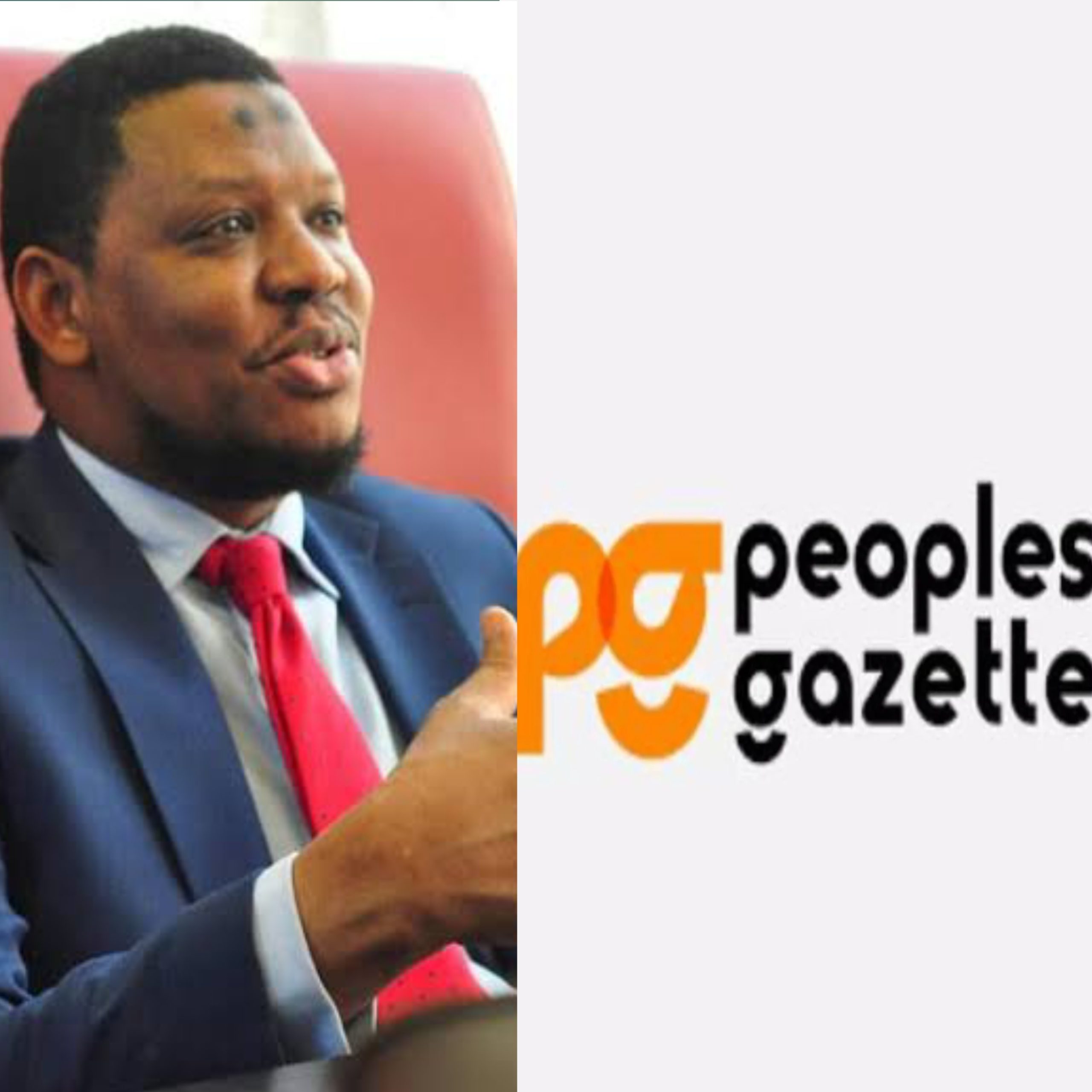
Peoples Gazette has faced criticism from some readers after describing former Nigerian presidential aspirant Adamu Garba as an “extremist” over social media posts in which he appeared to support Iran during the ongoing war involving the United States and Israel.
In a report published Monday, the online newspaper claimed Mr Garba had joined “northern Nigerian extremists” circulating pro-Iran narratives online.
The publication said checks on the politician’s X account revealed several posts portraying Iran as gaining the upper hand in the conflict. It also alleged that some videos shared by the former senator were old clips presented as recent developments.
One of the posts cited in the report involved a short video which Mr Garba said showed Iranian strikes affecting power supply in Tel Aviv.
“Tel Aviv is total darkness after Iranian strikes destroyed their electricity grid,” the former Nigerian senator claimed.
Peoples Gazette argued that the footage dates back to 2023 when Israel cut electricity to Gaza during its military response to an attack on a music festival.
The report also mentioned another video which it said was originally recorded in 2024 but was presented as a recent development.
However, several readers pushed back against the publication’s description of the politician as an extremist. Some commenters questioned the use of the label and accused the outlet of applying double standards.
One commenter, Ibrahim Muhammed Abubakar, wrote: “So, how about Southerners backing Trump and Netanyahu?”
Another reader, Sanusi Isa Dan-Ada, also questioned the framing of the report, asking: “He should have joined southerners in amplifying Israel’s war propaganda?”
Salis Aliyu raised a similar concern in the comment section. He wrote: “so what of Extremists Southerners those Pro Israel? Would you also bring them into your news?”
Some readers defended Iran’s position in the conflict.
Nigerian Dan Arewa wrote: “We are Pro- oppressed !”
Another commenter, Ibraheem Majidadi, added: “We are all pro-Iran.”
Others argued that supporting a country in an international conflict should not automatically attract extremist labels.
New Nigerian Order wrote: “I don’t think they are extremists. US & Israel have no right to attack.”
Another commenter, Mohammad Bello, questioned the broader geopolitical context, writing: “And so what Is not a big deal is Nigeria under colonial regime of America/ Israel ? However which year and during which government Nigeria restored its foreign relationship with Israel? Is just like yesterday.”
Despite the criticism, some readers supported the position taken by Peoples Gazette. One commenter, Ehimen Osolease, wrote: “HE’S ALWAYS BEEN A TERRORISTS SYMPATHIZER.”
The debate reflects growing divisions on social media as the conflict involving Iran, the United States and Israel continues to attract strong reactions from Nigerians online.
Iran rejects foreign interference in leadership, envoy replies Trump
By Sabiu Abdullahi
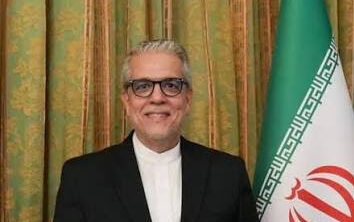
The Iranian Ambassador to Nigeria, Mahdavi Raja, has declared that Iran will not permit any foreign country to dictate its internal political affairs.
The envoy made the remarks in response to comments attributed to United States President Donald Trump about Iran’s leadership.
During an interview on Trust TV, Raja said decisions about the country’s political leadership belong solely to the Iranian people. He stressed that no external power would influence such matters.
His comments come at a time of rising tensions in the Middle East involving Iran, the United States and Israel. Recent reports of attacks on Iranian facilities have raised fears about the stability of the region. The three countries have recorded casualties amid the hostilities.
The ambassador said the situation inside Iran remains stable despite what he described as aggression by the United States and Israel. He stated that security agencies continue to operate effectively while government activities are proceeding as usual.
Raja said the country’s leadership structure had already been settled following the election of Ayatollah Seyyed Mojtaba Hosseini Khamenei as the new Supreme Leader.
“With these decisions, the country’s leadership structure has been clearly determined and we are confident that the administration of the country will continue smoothly and more effectively,” the ambassador said.
He also said the Iranian population remains united in defence of the country. According to him, Iran has faced external pressure in the past and has always shown resilience.
The envoy acknowledged that some facilities and infrastructure had been affected during recent hostilities. However, he maintained that major national institutions remain operational.
“The reality is that such attacks cannot break the will of the Iranian people. On the contrary, they have strengthened our unity and determination to defend our sovereignty and territorial integrity,” he said.
Raja also rejected Trump’s reported suggestion that the United States should play a role in determining Iran’s leadership. He described such a proposal as interference in the country’s domestic matters.
“This is an internal issue of Iran and we do not allow anybody or any country to interfere in our domestic affairs,” he said.
He added: “Iran is an independent country. We make our own decisions and our people will not allow foreigners to determine our internal affairs.”
The ambassador insisted that despite the current tensions in the region, Iran’s institutions remain stable and the government continues to function effectively.
Trump says Iran war ‘pretty much complete’ after call with Putin
By Sabiu Abdullahi
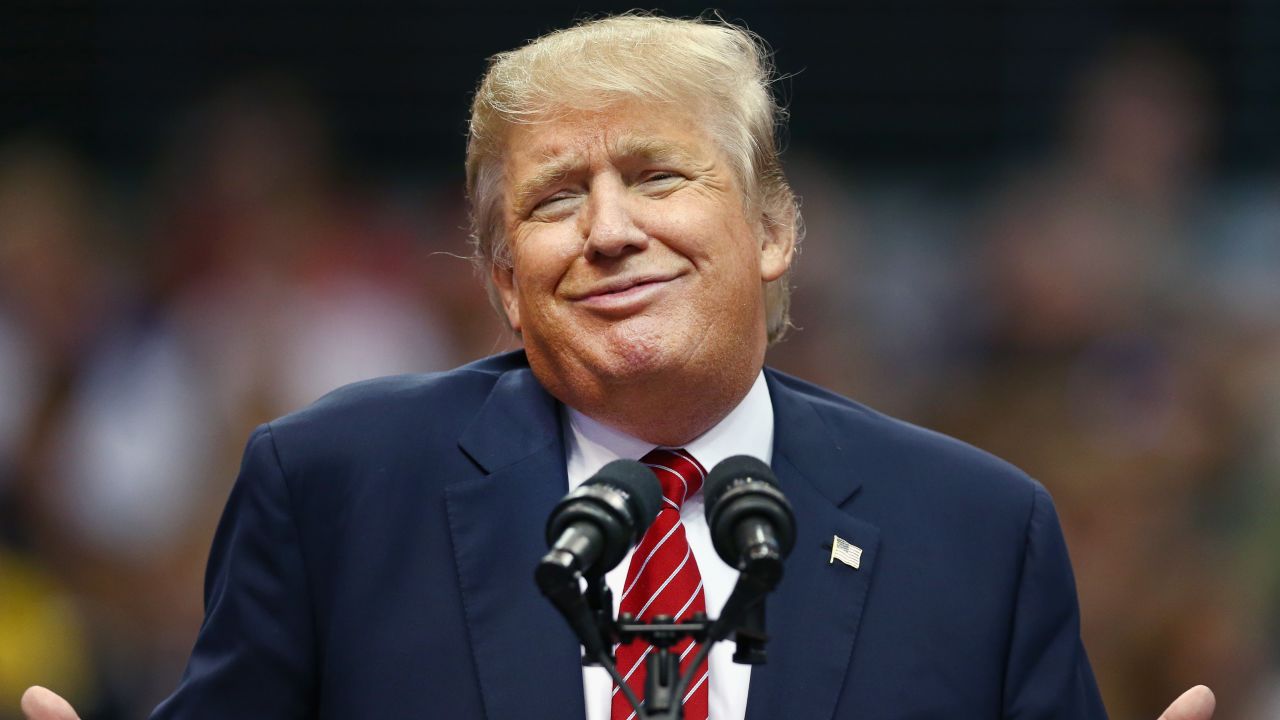
US President Donald Trump has said the war in Iran is “very complete” following a phone conversation that lasted about an hour with Russian President Vladimir Putin.
Trump told CBS News that the joint military operation carried out by the United States and Israel had severely weakened Iran’s military capability.
“I think the war is very complete, pretty much,” he said, adding that the US was “very far” ahead of its original timeline.
According to Trump, the campaign left Iran with “no navy, no communications… no air force”.
He added: “Their missiles are down to a scatter. Their drones are being blown up all over the place, including their manufacturing of drones.
“If you look, they have nothing left. There’s nothing left in a military sense.”
The US president made the remarks shortly after speaking with Putin. The Kremlin said the Russian leader presented “several proposals to end the Iran conflict quickly” during the call.
American defence officials also indicated that the military was approaching the point where it could achieve its operational goals in the conflict.
Trump later addressed Republican lawmakers in Miami, where he described the war as a “short-term excursion”. He praised the performance of the US military and said global perception of the country had improved.
“The world respects us right now more than they have ever respected us,” he said.
“We’ve already won in many ways, but we haven’t won enough,” Mr Trump said.
“We will not relent until the enemy is decisively defeated,” he added.
Financial markets reacted quickly to the developments. Stocks on Wall Street moved higher after Trump’s comments. The S&P 500 rose by 0.8 percent in afternoon trading in New York, while the Dow Jones Industrial Average gained 0.5 percent.
Oil prices also dropped from earlier highs, falling to about $92 per barrel after reaching around $120 earlier in the day.
Despite the decline, analysts warned that prices could rise again if the conflict continues or if shipping disruptions persist in the Strait of Hormuz.
Independent oil analyst Tom Kloza cautioned that the drop may not last.
“It may prove to be a fool’s drop, or it may not. I think they’re betting on the fact that the Strait of Hormuz needs to be reopened. But I don’t think we’re done with triple digit oil unless the Strait is actually reopened.”
Dan Pickering, chief investment officer at Pickering Energy Partners, also warned that market reactions may remain unpredictable.
“This market has been schizophrenic. What we should expect is that the markets will react to almost every piece of commentary. Tomorrow, it could be the Iranians commenting about fighting for a long time, or a tanker could catch fire in the Strait of Hormuz and we could be back to being afraid again.
“Oil prices are still elevated because we have a war in the Middle East and the Strait of Hormuz is closed. Donald Trump can’t talk it open. There’s going to have to be a change in the situation before those bottlenecked barrels can move again. Talk has to be backed up by actions.”
Meanwhile, Australia confirmed that it granted asylum to five members of Iran’s visiting women’s football team. Authorities said the players feared persecution if they returned home.
Australia’s home affairs minister Tony Burke said the athletes would be allowed to remain in the country.
“They are welcome to stay in Australia, and they are safe here, and should feel at home here,” he told reporters.
The development came after the players refused to sing Iran’s national anthem during a tournament match in Australia last week, an act widely viewed as a protest against the Islamic Republic.
Israeli air strike kills Palestinian journalist Amal Shamali in Gaza
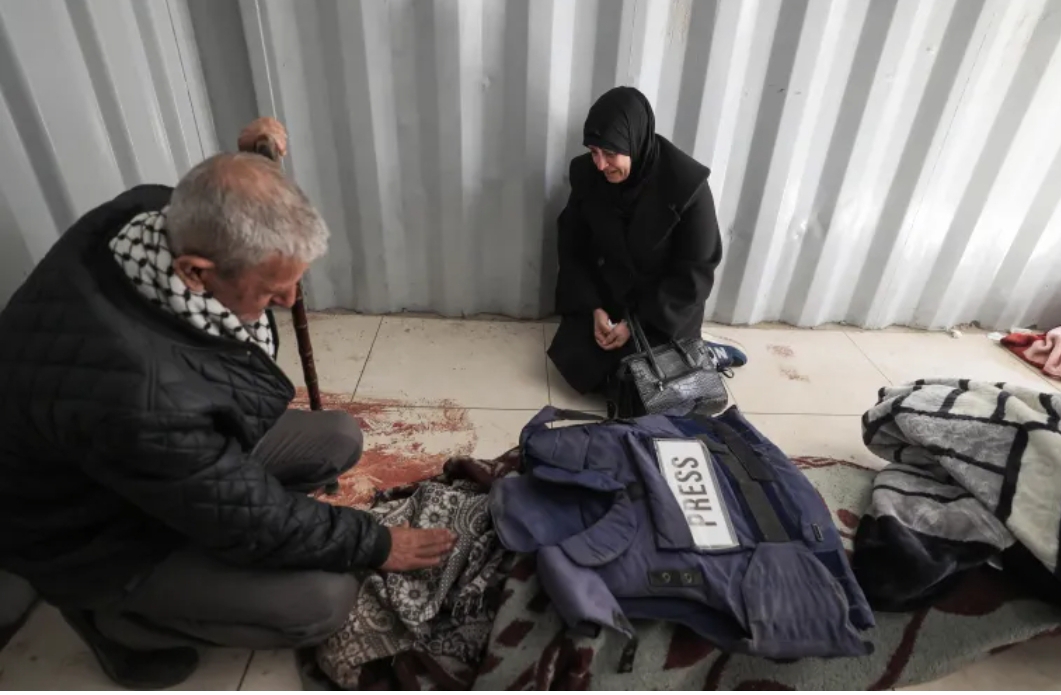
A Palestinian journalist, Amal Shamali, has died after an Israeli air strike hit the Nuseirat refugee camp in central Gaza, according to the Palestinian Journalists Syndicate (PJS).
Shamali worked as a correspondent for Qatar Radio. The PJS said the journalist was killed on Monday when Israeli forces carried out the strike on the camp.
In a statement, the union explained that Shamali had also contributed to several Arab and local media organisations. It added that she remained active in her profession despite the ongoing war in Gaza. The organisation said she was among reporters who continued their work throughout the conflict in the territory.
The PJS described the rising number of journalists killed in Gaza as alarming. It noted that more than 270 journalists and media workers have died since Israel launched its military campaign in the enclave on October 7, 2023. The war began after Hamas-led attacks targeted southern Israel.
The union said: “This represents one of the bloodiest periods for journalists in modern history, reflecting the scale of the deliberate targeting of Palestinian journalism in an attempt to silence the voice of truth and prevent the documentation of the crimes and violations committed against the Palestinian people.”
The organisation added: “Targeting journalists will not succeed in breaking the will of the Palestinian journalistic community or deterring it from fulfilling its professional and humanitarian mission of conveying the truth and documenting the crimes and aggression faced by the Palestinian people.”
Gaza’s Government Media Office also reacted to the killing. In a statement, it said it “strongly condemns the systematic targeting, killing, and assassination of Palestinian journalists by the Israeli occupation”.
The office further stated that it “holds the Israeli occupation, the U.S. administration, and the countries participating in the crime of genocide – such as the United Kingdom, Germany, and France – fully responsible for committing these heinous and brutal crimes”.
It called on international and regional media organisations, as well as human rights groups, to condemn what it described as attacks against journalists in Gaza. The office urged the international community to work toward holding Israel accountable for its “ongoing crimes” against Palestinian journalists.
Data compiled by the monitoring platform Shireen.ps indicates that Israeli attacks have killed roughly 13 journalists every month during the more than two years of fighting. The platform is named after Al Jazeera journalist Shireen Abu Akleh, who died after Israeli forces shot her in the occupied West Bank in 2022.
The monitoring group also reported that at least 10 of the journalists killed during the war worked for Al Jazeera. One of them was Arabic correspondent Anas al-Sharif, who reported extensively from northern Gaza.
Researchers say the war in Gaza has become the deadliest conflict for journalists in modern times. The Costs of War project at Brown University reports that the number of journalists killed in Gaza since October 7, 2023 exceeds the total killed in several major wars combined. These include the US Civil War, both World Wars, the Korean War, the Vietnam War, conflicts in the former Yugoslavia, and the post-9/11 war in Afghanistan.
A report released earlier this year by the International Federation of Journalists (IFJ) also identified Palestine as the most dangerous place in the world for journalists in 2025.
The report said the Middle East recorded the highest number of journalist deaths last year. It accounted for 74 fatalities out of the 128 media workers killed worldwide. Africa followed with 18 deaths. The Asia-Pacific region recorded 15, while the Americas had 11 and Europe reported 10.
Meanwhile, Gaza’s Ministry of Health says that since a ceasefire mediated by the United States and Qatar took effect in October, at least 640 Palestinians have died and about 1,700 others have been wounded.
Health authorities in Gaza say that since the start of the war in October 2023, at least 72,123 Palestinians have died and 171,805 have been injured. Israeli officials say that 1,139 people were killed during the Hamas-led attacks on Israel on October 7, 2023.
Zamfara governor, Dauda Lawal, defects from PDP to APC
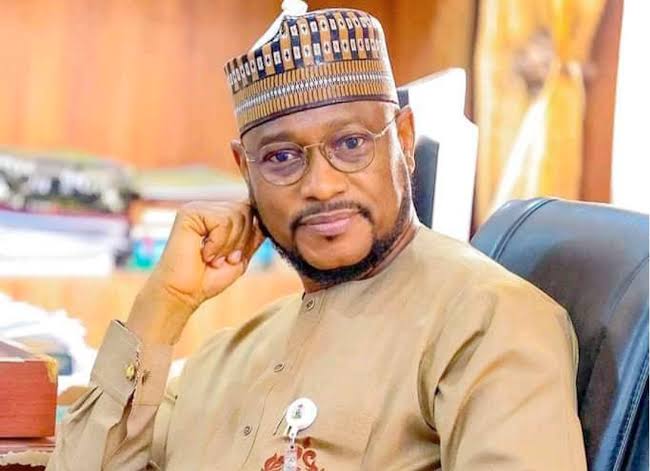
Governor Dauda Lawal of Zamfara State has officially left the Peoples Democratic Party (PDP) and joined the All Progressives Congress (APC).
The development was announced on Monday through a statement issued by the governor’s media aide, Nuhu Anka. He explained that the decision came after the governor held consultations with political leaders, elders and supporters across the state.
“The Government and PDP family of Zamfara State wish to formally inform the general public of an important political development following extensive consultations with stakeholders, political leaders, elders, and supporters across the state.
“After careful consideration, and in the overriding interest of stability, progress, and the sustainable development of Zamfara State, Dauda Lawal, the Executive Governor of Zamfara State, has decided to formally defect from the Peoples Democratic Party to the All Progressives Congress,” the statement read.
Anka said the governor’s move was largely influenced by the internal problems facing the PDP at both national and state levels.
“This decision was reached after wide consultations with political stakeholders and supporters, particularly in view of the prolonged internal crisis, leadership disagreements, and unresolved structural challenges within the PDP at both the national and state levels.
“These challenges have continued to create uncertainty and distractions that could hinder effective governance and the delivery of democratic dividends to the people of Zamfara State,” the statement added.
The governor’s spokesman also stated that Lawal remains focused on addressing security issues and promoting development in the North-West state.
Anka explained that the governor believed it was necessary to join a platform that offers better unity and stronger collaboration with the Federal Government.
He said the governor chose to “align with a political platform that provides greater unity, stability, and stronger cooperation with the Federal Government for the benefit of the people.”
The statement also revealed that the final decision followed a meeting held at the Government House in Gusau. The meeting involved senior government officials and key political stakeholders. It was coordinated by the Deputy Governor.
“The final deliberation leading to this historic decision was held at the Government House in Gusau under the coordination and leadership of the Deputy Governor, alongside senior government officials and key political stakeholders,” the statement said.
According to Anka, the governor also thanked members of the PDP for their support during his time in the party. However, he said the prevailing political situation made the change necessary.
“By joining the APC, the Governor reaffirmed his commitment to strengthening unity, improving security, accelerating development, and ensuring that Zamfara State benefits fully from stronger collaboration with the Federal Government,” it added.
Governor Lawal is among several governors expected to contest for re-election in the 2027 general elections.
His defection came shortly after a Court of Appeal ruling on Monday. The court upheld an earlier order that restrained the Independent National Electoral Commission from recognising the outcome of the PDP national convention held in Ibadan.
With Lawal’s move, the number of APC governors in Nigeria has now risen to 31.
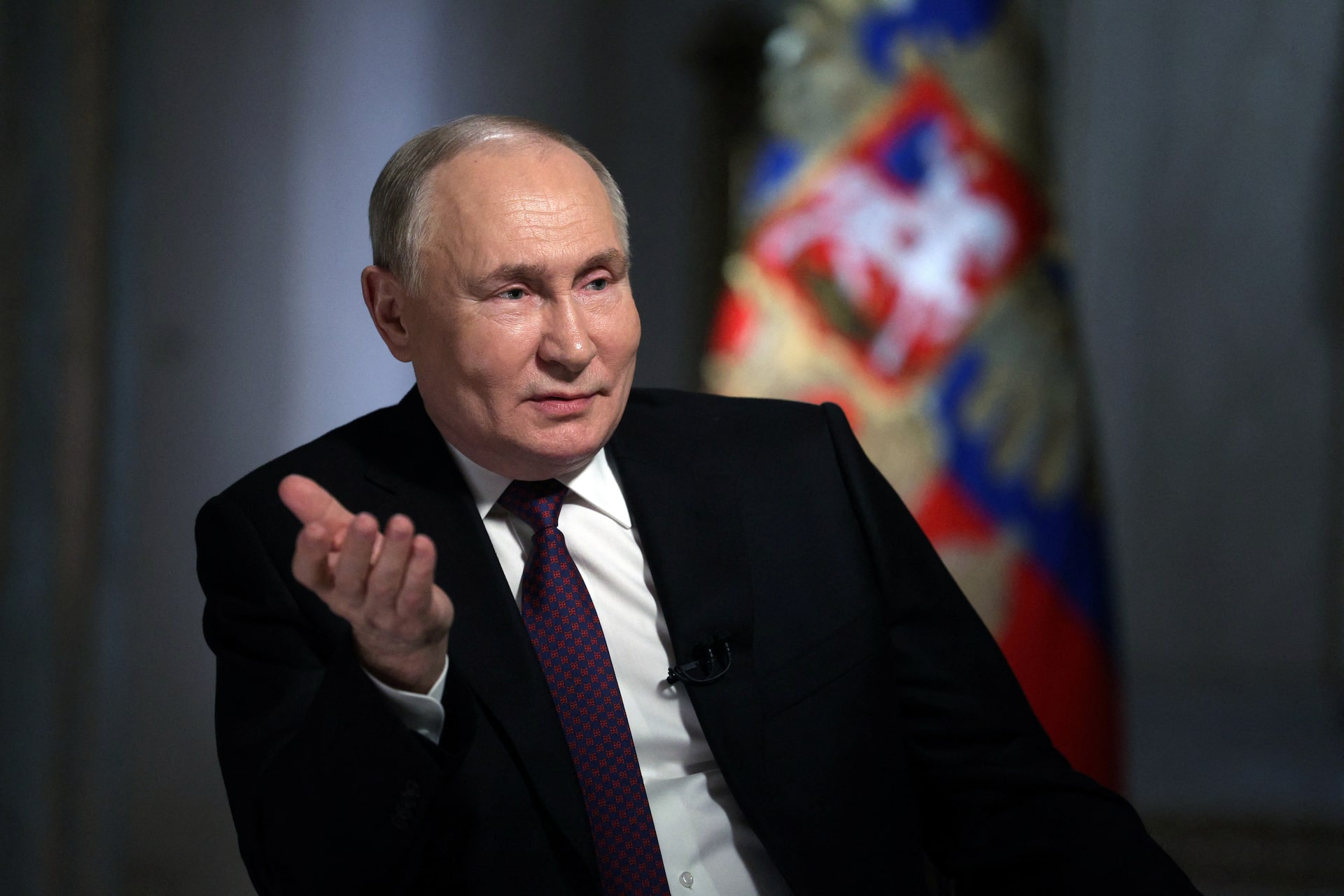
Putin dares US, pledges “unwavering support” to Iran’s new Supreme Leader
By Sabiu Abdullahi
In what appears to be a daring move against the United States and its allies, Russian President Vladimir Putin has expressed support for Iran’s new Supreme Leader, Mojtaba Khamenei, after the cleric was appointed by the country’s Assembly of Experts.
Putin congratulated the 56-year-old on Monday. He said he believed the new leader would continue the legacy of his father, the late Ayatollah Ali Khamenei, who was killed in recent US-Israeli strikes.
The Russian leader said he was confident Mojtaba Khamenei would carry out his responsibilities “with honour” and unite the Iranian people “in the face of severe trials”.
Putin also reaffirmed Moscow’s position on Iran. He said Russia wished to confirm “unwavering support for Tehran and solidarity with our Iranian friends”.
Iran and Russia have maintained close ties since the collapse of the Soviet Union in 1991. During the current conflict, reports have suggested Moscow may have supplied intelligence that helped Iranian forces target American positions. The White House has not denied those reports, although Russia has not formally entered the war on Iran’s side.
China has also reacted to the leadership change in Tehran. Beijing warned against any attempt by the United States or Israel to target Mojtaba Khamenei during their military campaign.
Meanwhile, the conflict in the Middle East has continued to intensify. Israel launched fresh air strikes on several Iranian locations, including Tehran, Isfahan and parts of southern Iran. Israeli officials said the attacks were directed at key infrastructure.
Thousands of Iranians gathered in major cities to show support for the new leader. Crowds assembled at Enghelab Square in Tehran and Naqsh-e Jahan Square in Isfahan. Many people carried Iranian flags and portraits of Mojtaba Khamenei while pledging loyalty to him.
In Washington, US President Donald Trump said any decision to end the war would involve both the United States and Israel.
“I think it’s mutual… a little bit. We’ve been talking. I’ll make a decision at the right time, but everything’s going to be taken into account,” Trump told The Times of Israel.
He also claimed the military action prevented a larger threat from Iran.
“Iran was going to destroy Israel and everything else around it… We’ve worked together. We’ve destroyed a country that wanted to destroy Israel,” he said.
Trump declined to comment directly on Mojtaba Khamenei’s appointment as Iran’s new supreme leader, saying only: “We’ll see what happens.”
Diplomatic efforts to calm the crisis are also under way. British Prime Minister Sir Keir Starmer said his government is working with partners to reduce tensions in the region.
French President Emmanuel Macron has travelled to Cyprus for talks with President Nikos Christodoulides on regional security. France has deployed naval forces to the Mediterranean and says it will help defend British bases on the island while Royal Navy ships are absent.
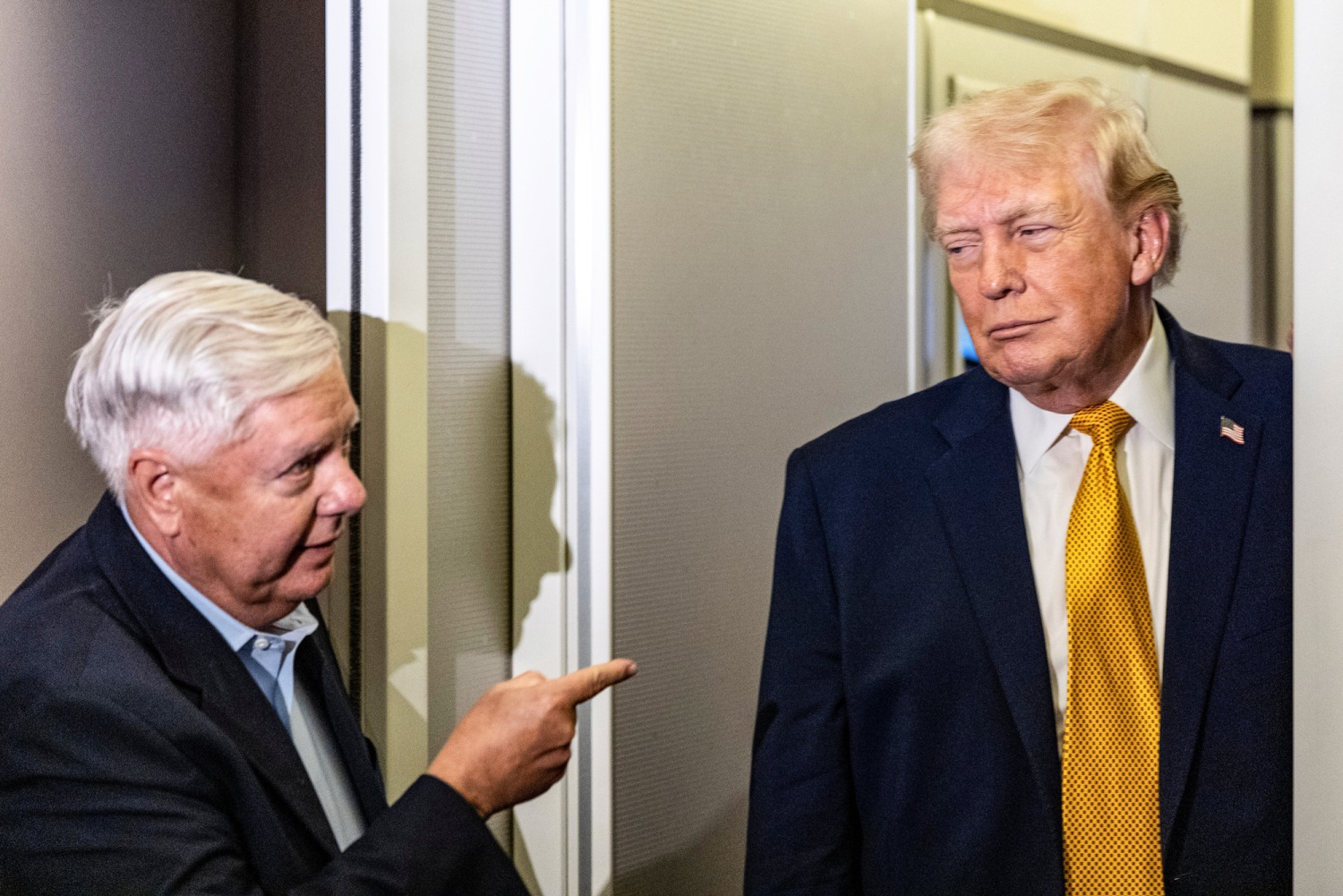
US senator says war on Iran could bring huge financial gains
By Sabiu Abdullahi
A senior United States senator has suggested that the ongoing war against Iran could bring major economic benefits if the current Iranian government collapses.
Republican Senator Lindsey Graham, who has long supported military intervention abroad, made the remarks during an interview with Fox News on Sunday. He said it would be worthwhile for Washington to invest resources in removing Iran’s leadership.
“When this regime goes down, we are going to have a new Middle East, and we are going [to] make a tonne of money,” Graham said.
The veteran lawmaker has been one of the most outspoken supporters of the US-Israel war against Iran under President Donald Trump’s administration. He also appeared to link recent US actions abroad to control over global oil supplies.
“Venezuela and Iran have 31 percent of the world’s oil reserves. We’re going to have a partnership with 31 percent of the known reserves. This is China’s nightmare. This is a good investment,” he said.
Iran strongly rejected the claims and accused Washington of attempting to divide the country in order to control its natural resources.
Iran’s Foreign Ministry spokesman Esmaeil Baghaei said the United States had a clear plan to weaken the country and take over its oil wealth.
“Their design is clear, their enterprise is quite obvious – they aim at partitioning our country to take illegal possession of our oil riches,” he said. “Their objective is to violate our sovereignty, defeat our people and undermine our humanity.”
Graham also warned that US and Israeli attacks on Iran could intensify in the coming weeks. He issued a strong warning to Tehran over threats to shipping routes in the Strait of Hormuz.
The senator said the US was ready to escalate military pressure.
The Trump administration has defended the strikes against Iran. President Trump said the Iranian government posed a serious danger to Americans.
“An Iranian regime armed with long-range missiles and nuclear weapons would be a dire threat to every American,” Trump said on March 2.
However, some analysts and legal experts have questioned the justification for the military action. They said the claim that Iran posed an immediate threat lacks legal backing under international law.
The conflict has also affected the global economy. Oil prices have risen above 100 dollars per barrel since the fighting began. Iranian missile and drone attacks have targeted Gulf countries that host US military bases. These include Saudi Arabia, the United Arab Emirates, Qatar, Kuwait and Bahrain. The strikes have disrupted oil and gas production and forced several countries in the region to close their airspace.
Reports also show that Graham held several meetings with Israeli officials before the war began. He said he had discussions with members of Israel’s intelligence agency, Mossad.
“They’ll tell me things our own government won’t tell me,” Graham said.
According to the Wall Street Journal, the senator also spoke with Israeli Prime Minister Benjamin Netanyahu during his visits. The report said Graham advised Netanyahu on how to persuade President Trump to support military action.
Netanyahu later presented intelligence information to Trump that helped convince him to approve the joint attacks on Iran, the senator said.
Israel has repeatedly claimed that Iran intends to develop nuclear weapons. Tehran denies the accusation and insists its nuclear programme is designed for civilian purposes.
The International Atomic Energy Agency has also said there is currently no evidence of a systematic programme by Iran to produce nuclear weapons.
Graham has supported several US military operations in the Middle East during the past two decades. These include the 2003 invasion of Iraq, as well as interventions in Syria and Libya.
During the interview, he also urged Saudi Arabia and the United Arab Emirates to join the fight against Iran.
“Yeah. I want them to get into the fight. We sell them weapons. Iran is striking their country; they have good capability,” he said.
Graham’s remarks also suggested that US attention could shift to Cuba in the future.
“You see this hat? ‘Free Cuba.’ Stay tuned. The liberation of Cuba is upon us. We’re marching through the world. We’re clearing out the bad guys. Cuba is next.”
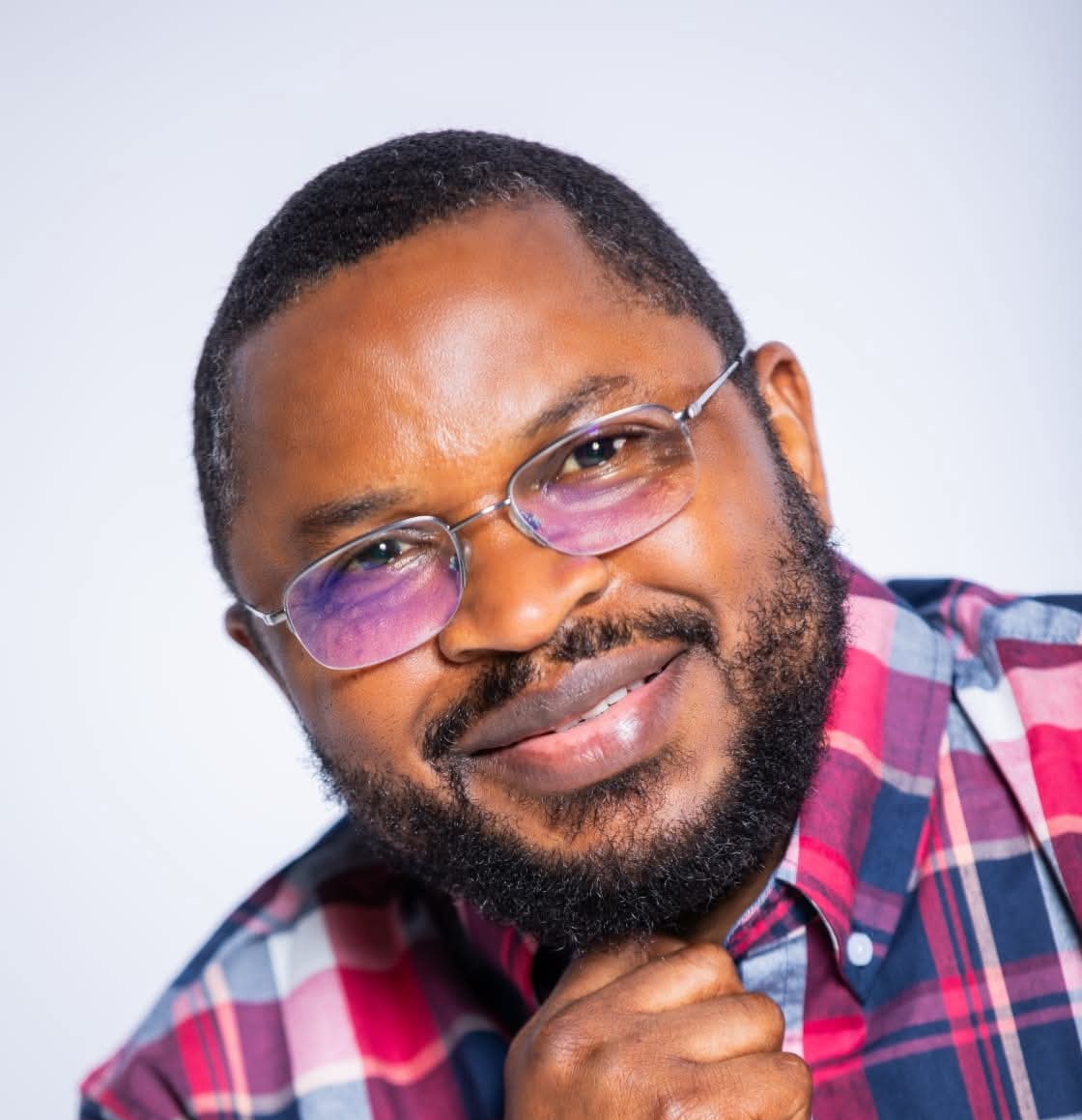
Don accuses Nigerian banks, government of exploitative charges against customers
A Nigerian academic, Professor Farooq Kperogi, has criticised the banking system in Nigeria, alleging that banks impose excessive charges on customers and operate in a manner that disadvantages account holders.
In a Facebook post shared on Monday, Kperogi argued that Nigerian banks operate in an environment where both financial institutions and the government appear to benefit at the expense of customers.
According to him, “Nigerian banks may be the only financial institutions in the world where the bank and the government form a tag team against the customer.”
He said customers are charged for almost every transaction related to their accounts. “They charge you when money enters your account. They charge you when money leaves your account. Then the banks charge you for the privilege of letting the money sit idly where you kept it. Your account is basically a toll gate,” he stated.
Kperogi also shared an example he said illustrated the problem. He recounted a story told by a friend who had opened a domiciliary account and deposited 500 dollars, only to discover years later that the money had been depleted by maintenance fees.
“A friend told me just yesterday that he once opened a domiciliary account and deposited $500 in it. Years later he returned to withdraw it. The bank informed him that the entire $500 had been consumed by ‘account maintenance’!” he wrote.
He questioned the justification for such charges, asking rhetorically, “Maintenance of what exactly? The air surrounding the account?”
The professor further argued that actions that would normally be considered theft if done by individuals are often accepted when carried out by banks.
“If a stranger took your money this way, we would call it theft. But when banks do it, we call it banking and then applaud when they announce billions in annual profits,” he said.
Kperogi added that what he finds most troubling is the level of acceptance among Nigerians regarding the charges imposed by banks.
“The saddest part is that Nigerians have made peace with this daylight corporate pickpocketing by banks,” he added.
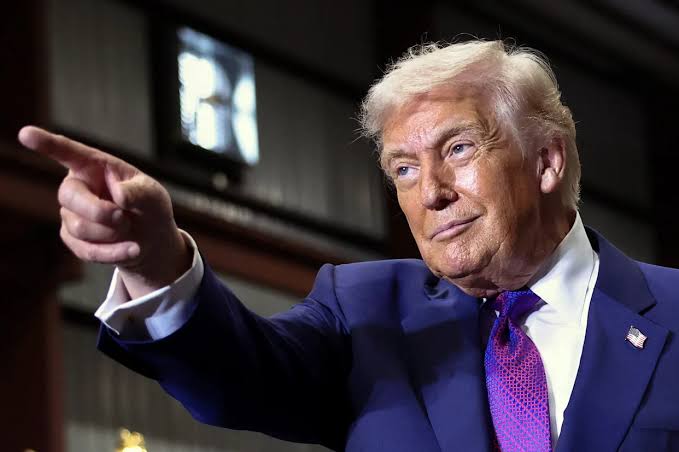
Iran’s next leader must get U.S. approval or won’t last – Trump warns
By Uzair Adam
U.S. President Donald Trump on Sunday warned that Iran’s next supreme leader would not remain in power for long without Washington’s approval, as Tehran prepares to announce a successor to the late Ayatollah Ali Khamenei.
Nine days after joint U.S.–Israeli strikes on his compound killed Khamenei and triggered a wider Middle East conflict, Iran’s Assembly of Experts met behind closed doors and selected a new leader, members of the body said.
The clerics did not disclose the identity of the chosen candidate but indicated that an announcement would be made soon. Some members suggested that Khamenei’s 56-year-old son, Mojtaba Khamenei, could succeed his father.
Trump had earlier insisted that the United States should have a say in the decision and described Mojtaba Khamenei as an unacceptable “lightweight.”
“He’s going to have to get approval from us,” Trump said in an interview with ABC News. “If he doesn’t get approval from us, he’s not going to last long.”
However, Iran’s Foreign Minister Abbas Araghchi rejected the suggestion, saying the leadership decision was solely Iran’s internal matter.
Speaking on Meet the Press on NBC, Araghchi also called on Trump to “apologise to people of the region” over the escalating war.
Mojtaba Khamenei is widely viewed as a hardline conservative, partly because of his close ties with Iran’s Islamic Revolutionary Guard Corps.
Israel’s military has already issued a warning to any incoming Iranian leader, saying it would not hesitate to target them if necessary.
Israel demonstrated its military reach overnight with two new operations — air strikes on fuel depots in and around Tehran and an attack on a hotel in Beirut believed to house suspected Iranian commanders.
Warplanes hit five oil facilities near the Iranian capital, killing at least four people, according to a state oil executive, and sending thick smoke across the city.
Tehran’s governor told the state-run Islamic Republic News Agency that fuel distribution in the capital had been temporarily disrupted.
A dense haze covered the city of about 10 million people, blocking sunlight as the smell of burning fuel filled the air.
Authorities warned that the smoke could be toxic and advised residents to remain indoors, although many buildings had their windows shattered by the force of the explosions.
A 35-year-old resident said the fire had been burning for more than 12 hours and that the air had become difficult to breathe.
“At first, I supported this war. After Khamenei’s death, I celebrated with my friends,” she said in a message sent to Europe. “But since yesterday, people say there is no gasoline left at the stations.”
As the conflict entered its ninth day, Iran’s Revolutionary Guards said they had enough supplies to sustain missile and drone operations across the Middle East for up to six months.
Explosions were also reported over Israel’s commercial hub of Tel Aviv after the Israeli military detected a barrage of Iranian missiles. The emergency service Magen David Adom said six people were wounded in central Israel.
Trump again declined to rule out deploying U.S. ground troops in Iran but insisted the war was close to being won despite continued Iranian attacks.
The U.S. president also spoke with British Prime Minister Keir Starmer on Sunday, according to Downing Street, after previously criticising him over Britain’s involvement in the conflict.
Meanwhile, Iran’s Revolutionary Guards spokesman Ali Mohammad Naini said the country had so far used only first- and second-generation missiles but would soon deploy more advanced long-range weapons.
The conflict has also affected other countries in the region. Authorities in Saudi Arabia said a projectile killed two people and injured 12 in Al Kharj province after a wave of drones was intercepted near the capital Riyadh.
Kuwait reported damage to fuel tanks at its international airport, while Bahrain said a desalination plant had been hit.
Iran’s health ministry said at least 1,200 civilians had been killed and about 10,000 wounded in the war, although the figures could not be independently verified.
In Lebanon, the health ministry reported that at least 394 people had been killed in Israeli air strikes since the country was drawn into the conflict, including dozens of women and children.
Two Israeli soldiers were also killed during clashes in southern Lebanon, according to the Israeli military.
Analysts say there is still no clear path to ending the conflict, which U.S. and Israeli officials believe could last for several weeks.
Trump suggested Iran’s economy could be rebuilt if a leader acceptable to Washington replaces Khamenei.
Meanwhile, China’s top diplomat Wang Yi warned that the war should never have occurred, saying the world “cannot return to the law of the jungle.”
During his Sunday prayer, Pope Leo XIV also called for peace, urging that “the roar of the bombs may cease, the weapons may fall silent, and space for dialogue may open.”