


Bello Matawalle claims Tinubu will win ‘convincingly’ in 2027
By Sabiu Abdullahi
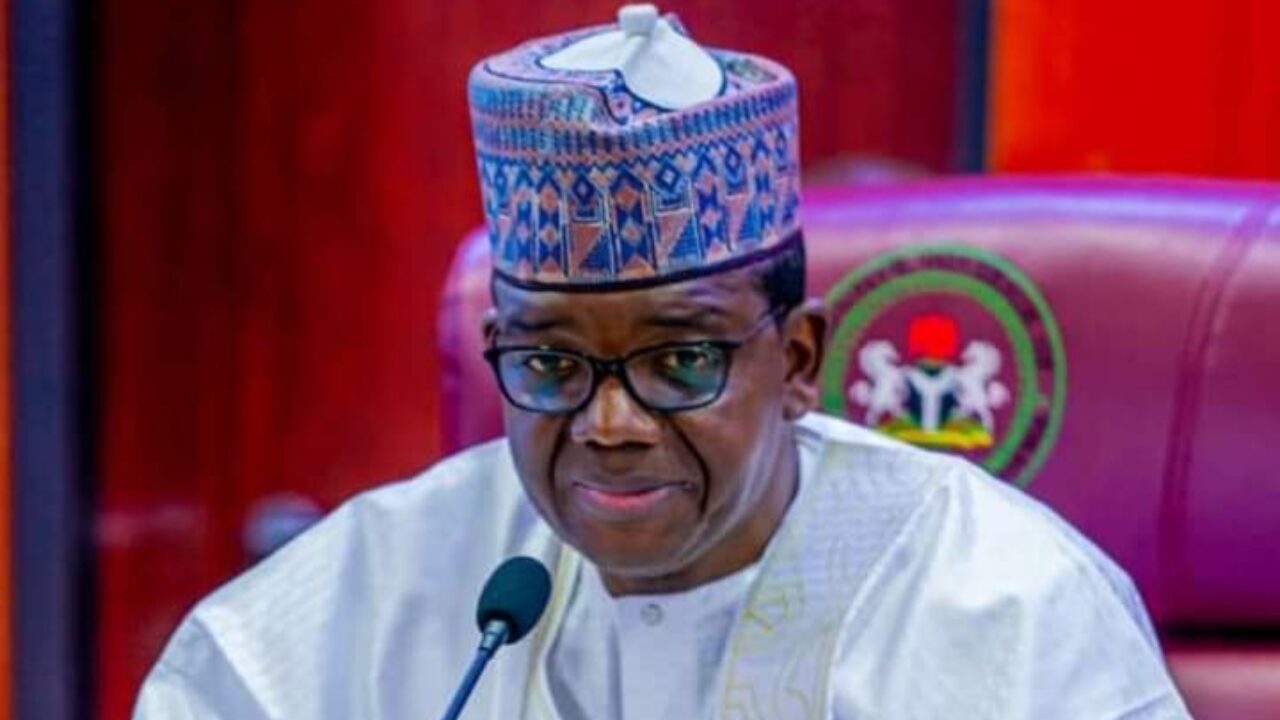
The Minister of State for Defence, Dr. Bello Matawalle, has expressed confidence that President Bola Ahmed Tinubu will secure a decisive victory in the 2027 presidential election.
Matawalle made this statement on Saturday while hosting guests at his residence in Abuja. He urged Nigerians and political leaders across the country to rally behind the Tinubu administration and support its reform agenda.
According to the minister, the President’s leadership approach and policy decisions are already placing Nigeria on the path to economic recovery, institutional strength, and national cohesion. He cautioned politicians against early power struggles and political manoeuvres aimed at weakening the present government, which he said could damage the nation’s democratic process.
He said, “President Tinubu has taken bold steps to stabilise the economy and strengthen national institutions.
“Those plotting to unseat him are motivated by personal interests rather than the public good. If allowed to complete his reform programme, I am confident the President will win convincingly in 2027.”
Matawalle stated that the impact of the administration’s policies is becoming visible across the country. He noted that the northern region has recorded notable improvements, particularly in governance reforms, security measures, and institutional growth.
He also called on political stakeholders to embrace dialogue and cooperation instead of division. The minister stressed that national interest should take precedence over personal ambitions.
Matawalle further appealed to citizens to support government programmes aimed at achieving sustained economic growth, improved security, and stronger unity among Nigerians.
“Rather than engaging in rancour and short-term political calculations, we should focus on solutions that deliver jobs, security, and stronger institutions for Nigerians,” he said.
Family demands justice after Nigerian Army convoy allegedly killed Benue farmer on Katsina-Ala Road
By The Daily Reality
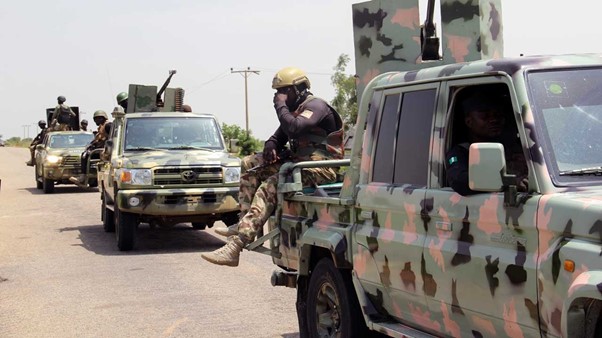
A family in Benue State has accused a military convoy of killing a farmer, Mr Aondover Tseshom David, along the Katsina-Ala Road, an incident they described as reckless homicide and an abuse of power, SaharaReporters, a Nigerian online newspaper, reported.
The incident reportedly occurred on Thursday, January 22, 2026, in Katsina-Ala Local Government Area. The deceased was said to have been hit by a military convoy while attending to his daily activities aimed at supporting his family.
Relatives alleged that after the incident, security operatives dumped the farmer’s corpse at a police station. The body reportedly remained there until family members were contacted and compelled to arrange its retrieval.
The deceased’s first child, Miss Aondover Msendoo, demanded justice and described the incident as devastating and inhumane.
“My name is Aondover Msendoo. I am a 300-level Nursing student at Bayero University, Kano, and the first child of six,” she said.
“On Thursday, January 22, 2026, my life and that of my entire family were irrevocably shattered. My beloved father, Mr. Aondover Tseshom David, a poor, hardworking farmer from Katsina-Ala Local Government Area of Benue State, was brutally run down and killed by a military convoy along the Katsina-Ala Road.”
She said the family’s pain was worsened by how her father’s remains were treated after his death.
“The horror did not end with his death. His lifeless body was carelessly dumped at a police station as if he were trash, and left there until we, his traumatised family, could gather the strength and money to retrieve him. This act of profound indignity added immeasurable pain to our already unbearable loss,” she said.
Miss Msendoo said her father was the sole provider for the family and struggled daily to cater for his wife and six children.
“My father was the only provider for our family. His life was one of struggle, sacrifice and resilience. Just last July, we endured the agony of his kidnapping from his farm. We sold what little we had and borrowed money to pay a large ransom for his release,” she said.
She added that after his release, he returned to farming in an effort to rebuild their lives before his death.
“He survived criminals and kidnappers, only to be killed not by bandits, but by those sworn to protect the lives of Nigerians,” she said.
According to her, the family now faces severe hardship. She said her mother is overwhelmed, while relatives have mounted pressure for a quick burial due to increasing mortuary bills.
“We are now destitute. My mother is broken and under intense pressure from extended family members to bury my father immediately because of escalating mortuary costs. My five siblings are very young, and their future is now uncertain,” she said.
“As a student, I am struggling to see how I can continue my education while carrying this burden and at the same time fighting for justice for my father.”
Miss Msendoo rejected suggestions that the incident was accidental.
“We are convinced this was not an accident. It was an act of reckless homicide and a gross abuse of power, followed by the degrading treatment of my father’s remains. This speaks to a culture of impunity that has become common in our country,” she said.
She expressed concern that the case could be ignored without public attention and legal action.
“We fear that without the powerful voice of Nigerians and strong legal advocacy, this crime will be ignored and my father will become just another anonymous statistic,” she said.
The grieving daughter appealed to human rights lawyer, Mr Femi Falana (SAN), to intervene and assist the family.
“Therefore, I humbly and desperately appeal for help. Please help us secure justice for my father. Help us hold the perpetrators accountable and ensure that no other family goes through this twin trauma of loss and indignity,” she said.
“We need guidance, legal expertise and strong advocacy to navigate this fight against a formidable system.”
Despite their circumstances, she said the family still believed in justice.
“We are poor, but we are not without hope. We believe in the rule of law and in champions who make it work for people like us,” she said.
As of the time of filing this report, the Nigerian Army and the Benue State Police Command had not released any official statement on the incident.
US Mission cites funding lapse, suspends regular X updates in Nigeria
By Sabiu Abdullahi
The United States Mission in Nigeria has announced a temporary halt to regular updates on its official X account, citing a lapse in government appropriations.
The Mission, however, assured the public that passport and visa services would continue, subject to prevailing circumstances.
The disclosure was made on Saturday through a post on the Mission’s verified X handle, @USinNigeria. It stated that routine updates would stop until full operations resume, except where urgent safety and security information becomes necessary.
“Due to the lapse in appropriations, this account will not be updated regularly until full operations resume, with the exception of urgent safety and security information,” the post read.
Despite the funding challenge, the Mission said scheduled passport and visa services in the United States and at US embassies and consulates abroad would remain available as conditions allow.
“At this time, scheduled passport and visa services in the United States and at US Embassies and Consulates overseas will continue during the lapse in appropriations as the situation permits,” the Mission stated.
It added that further public communication would be limited until full operations return, aside from messages related to urgent safety or security concerns.
The Mission also advised individuals who require updates on services and operational status to consult the official US travel website for accurate information.

Kaduna Polytechnic graduates lament years of NYSC mobilisation delay
By Uzair Adam
Graduates of Kaduna Polytechnic have raised concerns over what they described as prolonged delays in their mobilisation for the National Youth Service Corps (NYSC), saying the situation has left many of them stranded for years after graduation.
One of the affected graduates, Adamu Inuwa, disclosed the grievances in a Facebook post made on behalf of other aggrieved graduates, drawing public attention to what he described as years of silent suffering among Kaduna Polytechnic alumni awaiting mobilisation.
Inuwa said many graduates have waited for more than three years without being mobilised for the mandatory national service, a development he noted has gone beyond administrative delay and negatively affected lives and livelihoods.
According to him, several qualified graduates have lost employment opportunities because they could not present NYSC discharge or exemption certificates, which are often required by employers.
“Many graduates of Kaduna Polytechnic have waited over three years without NYSC mobilisation. This is not just a delay on paper; it has destroyed real lives,” he wrote.
He added that, despite successfully completing their studies, affected graduates have been left without explanations as they watch their peers from other institutions move forward.
The post further highlighted the emotional and financial toll the situation has taken on graduates and their families, noting that prolonged uncertainty has led to frustration, psychological distress and hardship.
Inuwa stressed that the delay has continued to worsen, with no clear communication to students on the cause or timeline for resolution.
Appealing to authorities, he urged the Federal Government and relevant agencies to intervene and investigate the recurring delay in mobilising Kaduna Polytechnic graduates.
He said students deserve transparency, fairness, and the opportunity to serve the country and to progress in their lives.
“Students deserve answers. Students deserve fairness. Students deserve the chance to serve their country and move on with their lives,” he stated.
As of the time of filing this report, no official statement has been issued by the management of Kaduna Polytechnic regarding the alleged complaints.
Why Nigeria needs a national heat management plan
By Isah Kamisu Madachi
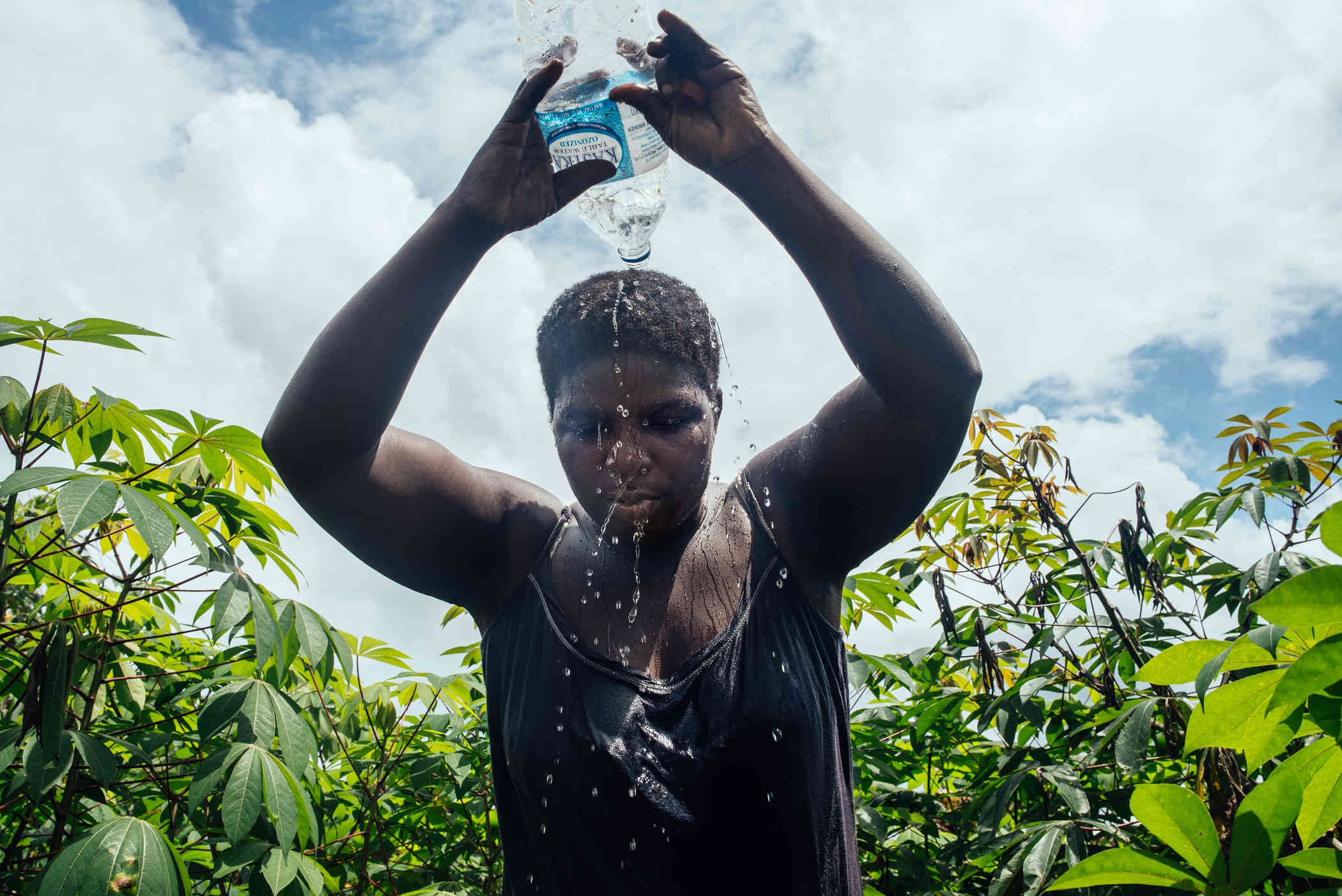
During the 2025 Ramadan fasting period, schools were shut in some states across northern Nigeria. The decision sparked public outrage, with many Nigerians questioning it. The unanimous reason given by authorities was that the heat had become unbearable in the affected states, necessitating the closure of schools. For many people, that was a reasonable excuse, but beneath it, to a keen observer, lay a policy failure that deserved more attention than it received. Northern Nigeria, particularly the North East and North West, sits within a semi-arid belt bordering the Sahara Desert. It has always been hotter than other parts of the country.
What that school closure quietly revealed was the absence of a national or state heat management policy. Nigeria, of course, has policies for floods, droughts, the energy transition, disaster response, climate and health adaptation. However, heat is largely unmanaged. There is no clear policy framework on how schools, workers, farmers, or low-income households should cope with rising temperatures. As a result, heat is not treated as a public policy emergency.
This is not an attempt to relitigate the school’s closure. Rather, it is an effort to call attention to how rising heat is silently pushing Nigerians deeper into poverty, food insecurity, and worsened health conditions. Heat stress is now not just an environmental concern but a development issue that largely affects productivity, education, health, and household income. Unlike floods, heat is not dramatic; it is as deadly as, or even worse than, floods. It creeps into everyday life, drains energy, reduces earning hours, and increases health risks.
Evidence globally has established a strong link between extreme heat and poverty, particularly in low-income societies.
For many outdoor workers, earning a livelihood has become increasingly difficult. In some places, work cannot continue after noon due to extreme heat. Those who push through do so at the expense of their health, suffering dehydration, headaches, and heat exhaustion. The result is lost income and rising healthcare costs, which also consume the little savings they manage to earn under the heat.
The education sector also tells a worrying story. Recently, during a visit to the primary school I attended in Bauchi State, I saw how teachers and pupils were struggling under the suffocating heat. The teacher was drenched in sweat. The pupils were distracted, trying to hand-fan themselves with notebooks. Learning was taking place in form, but not in substance.
If Nigeria is serious about improving educational outcomes, then heat-resilient classrooms should be available to them. Policies must begin to prioritise basic cooling solutions, such as renewable-powered fans and ventilation systems in public schools.
Another backbone of livelihoods—agriculture—is also under serious threat. Rising temperatures stress crops, exacerbate pest and disease problems, shorten growing seasons, and reduce yields. For smallholder farmers, this condition results in lower incomes and food insecurity. Strengthening climate adaptation plans for agriculture is therefore necessary, particularly in areas most vulnerable to heat and erratic rainfall.
Reducing carbon emissions is central to addressing climate change, and Nigeria has a role to play. Governments, industries, energy companies, and individuals all share responsibility. Lifestyle changes, such as reducing reliance on biomass and fossil fuels when cleaner alternatives are available, matter. Access to solar-powered equipment and off-grid electricity can also significantly reduce emissions and improve living conditions.
However, lifestyle change alone is not the solution. Without coordinated policies that expand access to affordable renewable energy, low-income households will continue to rely on unsustainable energy sources. Heat, energy poverty, and health outcomes are connected, but our existing policies often treat them in isolation.
This is where government responsibility sets in. At the federal and local levels, there must be deliberate investment in renewable energy solutions that directly improve people’s daily lives. Solar mini-grids, clean cooking technologies, and low-cost cooling appliances should be treated as public health and poverty alleviation priorities. If heat can shut down schools, reduce productivity, and worsen health outcomes, then it, by all standards, deserves a higher place in Nigeria’s policy agenda.
Nigeria cannot afford to continue reacting to climate impacts only after damage has been done. Rising heat is shaping how we work, learn, farm, and earn. Ignoring it does not make it disappear. It only deepens inequality and exposes the most vulnerable to greater harm. A country serious about development must begin to treat heat as the policy challenge that it truly is.
Isah Kamisu Madachi is a public policy enthusiast and development practitioner. He writes from Abuja and can be reached via isahkamisumadachi@gmail.com.
Residents set suspected phone snatcher ablaze in Kano
By Sabiu Abdullahi
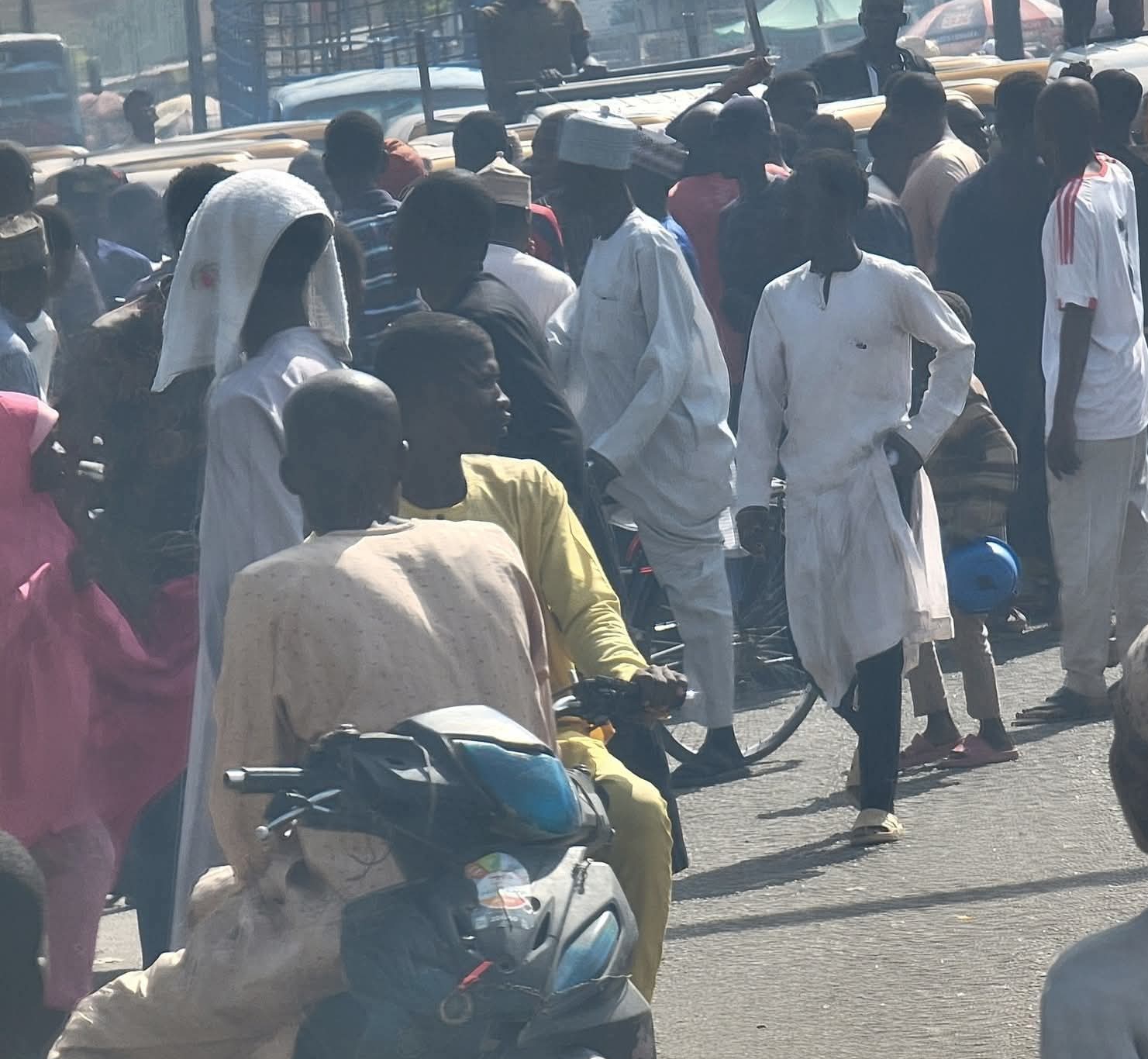
A suspected phone thief sustained severe injuries after a mob attack in the Dorayi area of Kano State.
Sources said the incident occurred after the suspect was accused of attempting to steal a mobile phone belonging to a woman. The accusation led to a confrontation, which later escalated into violence.
Witnesses disclosed that the woman sustained injuries during the incident and was immediately taken to a nearby hospital for medical attention.
Residents in the area stated that the youths subdued the suspect before the arrival of security operatives. They later poured petrol on him and set him on fire.
A tricycle rider, Abba Tilda, told newsmen: “When I got to the scene, the woman was being put on a ride to get her to the hospital.
“They poured petrol on the suspect and lit the match. He was still moving when the security agents took him. The road has been completely blocked.”
The suspect was later taken into custody for further investigation.
Dorayi has recorded similar violence in recent weeks. A woman, Fatima Abubakar, and her six children were murdered in the same area a few weeks ago.
As of the time this report was filed, the Kano State Police Command had yet to issue an official statement on the incident.
Bandits burn four residents alive in Zamfara over alleged refusal to pay levies
By Sabiu Abdullahi
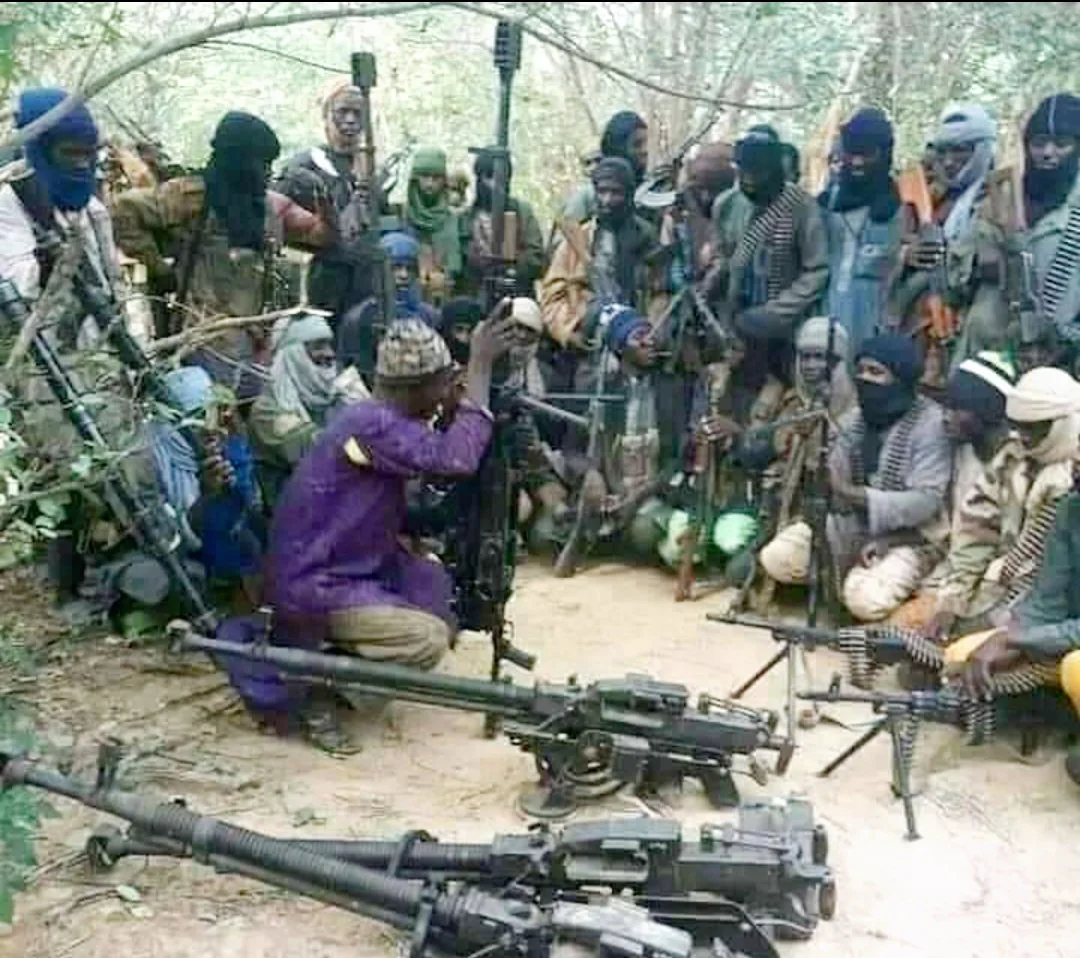
At least four people lost their lives on Thursday evening after armed bandits attacked Gwargwaba village in Nahuce District of Bungudu Local Government Area, Zamfara State.
Reports said the attackers stormed the community at about 6:00 p.m. A security analyst, Bakatsine, disclosed the incident in a post shared on X on Saturday. He stated that the assailants were heavily armed and set several houses on fire during the raid.
According to the report, four residents were trapped inside their homes and died as the fire spread.
The attackers also destroyed food items, killed villagers’ livestock, and set them ablaze.
Bakatsine said the attack followed the community’s refusal to pay levies demanded by the bandits. He noted that the decision angered the attackers and led to a violent response.
He wrote, “On Thursday evening around 6pm, bandits armed with sophisticated weapons stormed Gwargwaba village in Nahuce District, Bungudu LGA of Zamfara State. Four residents were burned alive in their homes, while houses, food stores and livestock were set ablaze. The attack reportedly followed the villagers’ refusal to pay illegal levies imposed by the bandits,”.
Several soldiers reportedly feared dead as ISWAP attacks army base in Borno
By Sabiu Abdullahi
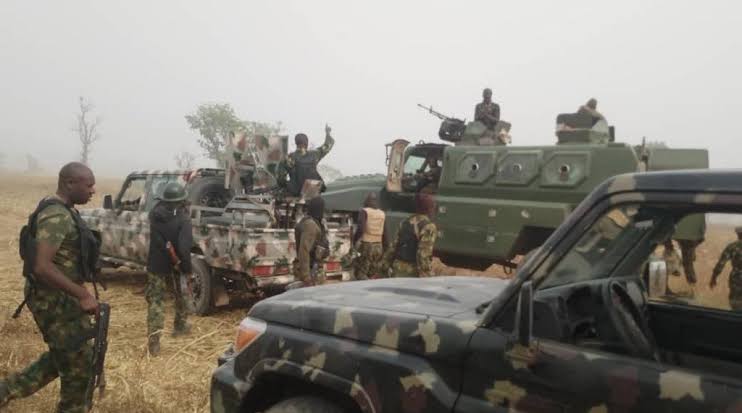
Several Nigerian soldiers were reportedly killed after fighters of the Islamic State West Africa Province (ISWAP) attacked a military base in Borno State, according to military sources.
According to a report by SaharaReporters, the assault took place on Thursday at a military formation in Sabon Gari, Damboa Local Government Area. Sources said that the insurgents stormed the base and opened sporadic fire, which led to heavy casualties among soldiers and members of the Civilian Joint Task Force (CJTF).
An exact number of those killed has yet to be confirmed. One of the sources said, “There was an attack, many soldiers were killed, but I don’t have the correct figure yet.”
The source added that the attackers set armoured tanks and other military vehicles on fire and escaped with a large quantity of ammunition. ISWAP later claimed responsibility for the attack in a statement, which was accompanied by a video showing its members firing towards the military facility.
The incident occurred only days after another deadly attack in the state. Seven military personnel, including a newly promoted Lieutenant Colonel, were killed in an ambush by the terrorists earlier in the week.
A report earlier indicated that Lieutenant Colonel Mohammed was leading a convoy of soldiers from Maiduguri to Damasak in Mobbar Local Government Area of Borno State when the troops came under attack on Monday, January 26, 2026. Military sources said the insurgents deployed explosives and heavy gunfire during the ambush.
Apart from those killed, several soldiers sustained serious injuries, while the whereabouts of some personnel remain unknown.
Since the death of former Boko Haram leader Abubakar Shekau, ISWAP has strengthened its presence around the Lake Chad region. The group has also grown in number following the defection of hundreds of fighters who were previously loyal to Shekau.
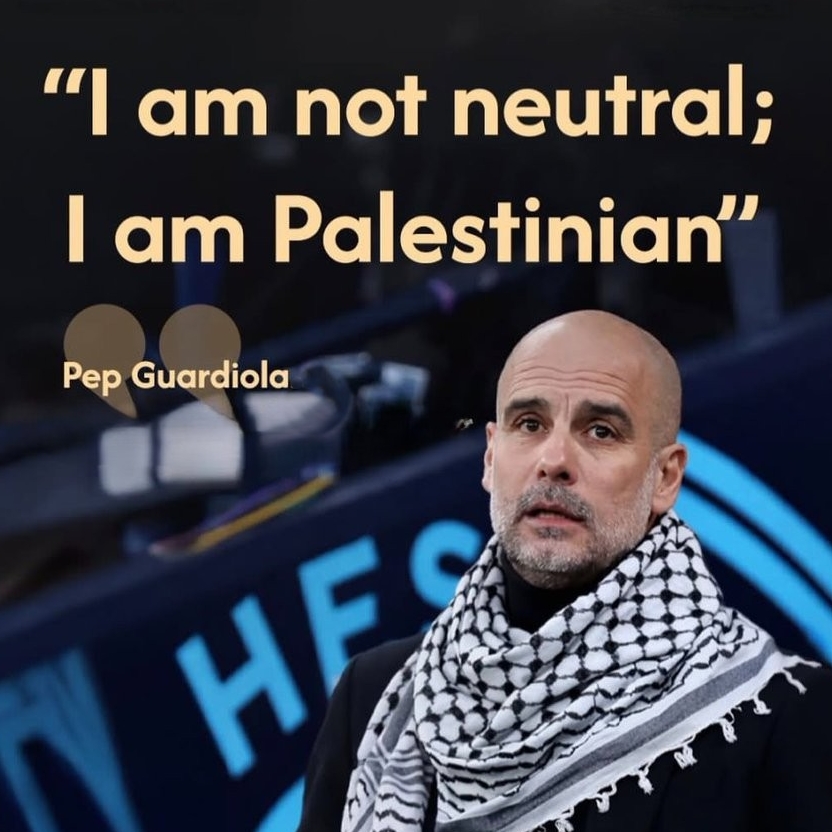
Pep Guardiola speaks out for Palestinian children at Barcelona charity event, says “I’m not neutral; I’m Palestinian”
By Sabiu Abdullahi
Manchester City manager Pep Guardiola has delivered an emotional speech in support of Palestinian children, calling on world leaders to take action over the humanitarian crisis in Gaza.
Guardiola spoke on Thursday evening at a charity concert in Barcelona, which led to his absence from Manchester City’s usual pre-weekend news conference on Friday. The club later explained that he missed the briefing for personal reasons, with assistant coach Pep Lijnders stepping in to address the media ahead of Sunday’s Premier League match against Tottenham Hotspur.
Appearing on stage wearing a keffiyeh scarf, the 55-year-old expressed deep distress over the suffering of children affected by the conflict.
“Good evening, salam alaikum, how wonderful,” Guardiola said at the event.
He went on to describe the scenes that have troubled him over the past two years. “When I see a child in these past two years with these images on social media, on television, recording himself, pleading, ‘where is my mother?’ among the rubble and he still doesn’t know it.”
Guardiola said such images often left him reflecting on the emotional state of the children involved. “And I always think: ‘What must they be thinking?’ And I think we have left them alone, abandoned.”
He added that he imagined the children calling out for help. “I always imagine them saying: ‘Where are you? Come help us.’”
The Manchester City boss criticised global leadership for failing to respond adequately. “And even now, we haven’t done it. Perhaps because those in power are cowards, because they basically send innocent young people to kill innocent people.”
Guardiola urged collective responsibility and action, calling for what he described as a “step forward,” as he said he was making “a statement for Palestine and… a statement for humanity”.
His comments came amid continued tension in Gaza. Although Hamas and Israel agreed to a ceasefire in October, Gaza’s health ministry reports that more than 400 Palestinians have been killed in the months that followed. Israeli media, citing senior military officials, also reported that Israel’s military now accepts that around 70,000 Palestinians have been killed since the war began.
Guardiola’s appearance at the Barcelona event took place during the football season, with Manchester City scheduled to return to action on Sunday.
Israeli air strikes kill 11 Palestinians in Gaza, health ministry says
By Sabiu Abdullahi
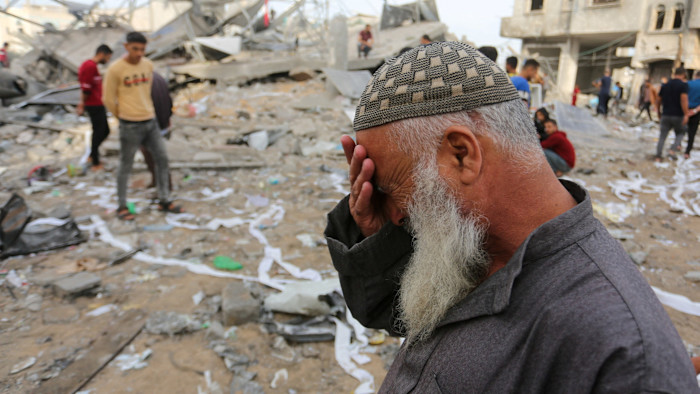
At least 11 Palestinians were killed in Israeli air strikes across the Gaza Strip on Saturday, according to the territory’s ministry of health, AFP reports.
The ministry said the victims included civilians who were taking shelter in a tent in the southern part of Gaza. Munir al-Barsh, the general director of the ministry, which operates under Hamas authority, told AFP that 11 people were killed and 20 others were injured “as a result of strikes carried out by the occupation targeting civilians in a tent and an apartment”.
Barsh said those wounded were taken to hospitals in Gaza City in the north and Khan Yunis in the south for medical treatment.
He also accused Israel of breaching the ceasefire agreement. According to him, Israel “continues its serious violations of the ceasefire agreement amid a severe shortage of medical supplies, medicines and medical equipment”.
Meanwhile, Gaza’s Hamas-run government press office said the strike on the tent in the south killed seven members of the same displaced family. The victims reportedly included a child and an elderly person.
A ceasefire brokered by the United States has been in place since October and entered its second phase in January. The phase is expected to involve Hamas’s disarmament, a gradual withdrawal of Israeli forces, and the deployment of an international stabilisation force. Despite the agreement, Israel and Hamas have repeatedly accused each other of violating the truce.
According to the Gaza health ministry, 509 people have been killed since the ceasefire took effect on October 10.
The war has displaced almost the entire population of Gaza at least once. Many residents still live in tents or makeshift shelters across the territory.
The conflict began after Hamas launched an attack on Israel on October 7, 2023, which killed 1,221 people, based on an AFP tally using official Israeli figures. Israel’s military response caused widespread destruction in Gaza, a territory that had already faced repeated rounds of fighting and an Israeli blockade imposed since 2007.
The health ministry said more than 71,769 people have been killed in Gaza since the start of the war. The United Nations considers the ministry’s figures to be reliable.