

Military Probes Shooting Incident in Maiduguri, Cites Security Concerns
By Abdullahi Mukhtar Algasgaini
The Theatre Command of Operation HADIN KAI has launched a comprehensive investigation into the death of a man allegedly shot by troops on March 22, 2026, stating that preliminary findings suggest the incident may be linked to insurgent activity rather than an extrajudicial killing.
The incident, which occurred around 11:40 p.m. near the Polo Axis close to the Federal High Court, involved the death of Abdulrahman Mustapha, also referred to as Abchin. Social media reports had alleged that the victim, who was reportedly unarmed and returning from a Sallah visit, was killed unlawfully, prompting calls for an independent probe and accountability.
In a statement released on Thursday, the military acknowledged the gravity of the allegations but noted that early operational indicators suggest a more complex scenario. According to the Theatre Command, troops may have encountered individuals linked to a Boko Haram or ISWAP reconnaissance element or a sleeper cell operating in the area.
The command cited several factors to support this preliminary assessment, including reports that the deceased allegedly attempted to snatch a soldier’s rifle—an action classified as a direct threat to troop safety. Authorities also claimed that upon searching the individual, they found multiple identification cards bearing different names, including a foreign identification card from the Niger Republic, alongside a bottle of Tutolin Syrup and several wraps of a substance suspected to be Cannabis Sativa.
Military officials further stated that the victim was reportedly accompanied by two unidentified women who fled the scene and remain at large. Eyewitness accounts, according to the command, indicated that the individual’s behavior before the shooting was suspicious enough to prompt a distress call to the nearest military location.
“These preliminary details remain subject to verification and should not be construed as definitive conclusions,” the statement read, emphasizing that a comprehensive and impartial investigation is ongoing to determine compliance with the military’s Rules of Engagement and operational procedures.
The Theatre Command assured the public that due process would be followed and that all relevant components of Operation HADIN KAI have been directed to intensify efforts to locate the fleeing women, who may possess critical information.
Operation HADIN KAI reaffirmed its commitment to professionalism, accountability, and the protection of human rights while continuing its mandate to safeguard lives and maintain security in the region.
Nigerian Soldiers Kill Terrorists, Recover Arms In Sokoto, Zamfara, Kebbi Operations
By Sabiu Abdullahi
Troops of Sector 2, Operation FANSAN YAMMA, have intensified military operations against terrorist enclaves across Sokoto, Zamfara and Kebbi states. The offensive, which began earlier in the week, is aimed at protecting communities and eliminating criminal elements in the region.
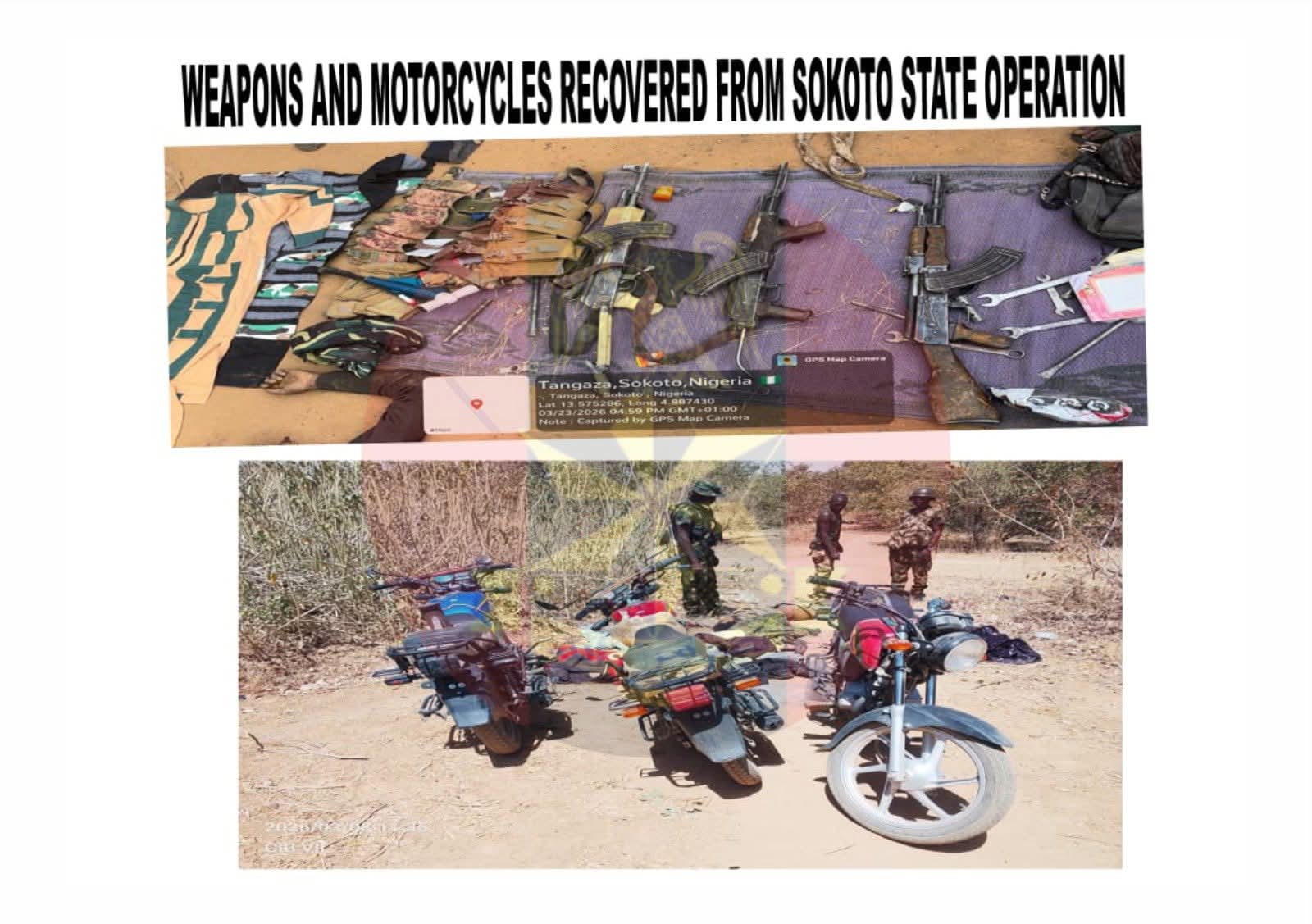
In Sokoto State, troops of the COAS Intervention Battalion VII engaged terrorists twice on March 25, 2026, at the Magonho Forest. During the encounters, three bandits were killed. The troops also recovered three AK-47 rifles and motorcycles.
In Zamfara State, troops carried out a successful ambush along the Gada Maya–Makakari Village road on the same day. Two terrorists were neutralised, while others fled the scene. Recovered items include one AK-47 rifle, three magazines, 55 rounds of 7.62mm Special ammunition, a Baofeng radio, two mobile phones and a motorcycle.
Later that day, terrorists attacked Kaida Village, accusing residents of collaborating with security forces. Troops responded promptly. One additional terrorist was neutralised, while another AK-47 rifle was recovered.
In another operation, troops acted on credible intelligence and moved into Dutsi Village in Moriki District of Zurmi Local Government Area. The pressure from the troops forced the terrorists to flee. They abandoned one AK-47 rifle, a magazine and 26 rounds of 7.62mm Special ammunition.
In Kebbi State, troops received intelligence on the presence of the Lakurawa Terrorist Group in Giron Masa community of Shanga Local Government Area. On approach, the troops were ambushed about 500 metres before reaching the village. Despite the attack, they stood firm. Reinforcements and combat support have been deployed, while efforts continue to track and neutralise the fleeing terrorists.
Military authorities said 8 Division/Sector 2 OPFY remains committed to dominating the operational space, degrading terrorist capabilities and protecting law-abiding citizens. They added that troops remain highly motivated and continue to display courage and professionalism in line with directives from the Chief of Army Staff.

Kano Woman Who Delivered Quintuplets Passes Away
By Sabiu Abdullahi
A woman who was identified as Hafsatu Yusuf has passed away shortly after giving birth to five babies at a hospital in Kano.
The woman delivered the quintuplets at Murtala Muhammad Specialist Hospital, where she later passed away in the early hours of Thursday.
The Public Relations Officer of the Kano State Ministry of Health, Nabilusi Abubakar K/Na’isa, confirmed the incident. He said the death occurred around 2am at the facility.
He explained that the mother suffered severe bleeding after childbirth. Medical personnel made efforts to save her life, but the attempts did not succeed.
“She had been bleeding since after delivery, and all efforts by doctors to control the situation were unsuccessful,” he said.
K/Na’isa also disclosed that the deceased has been buried according to Islamic rites at her residence in Hotoro.
“We are appealing to the public to support the babies with milk and other essential items,” he said.
The five newborns, made up of three boys and two girls, are said to be in stable condition. They are still receiving care at the hospital.
The development came shortly after the Kano State Government had announced that it would take responsibility for the treatment of the mother and her babies following the successful delivery.
In an earlier statement, authorities said both the mother and the children were placed under special medical attention after birth.
The husband of the deceased, Salisu Nufi’u, had earlier thanked the state government for its intervention. He described the support as timely.
The state government has also restated its resolve to improve maternal and child healthcare, with a focus on reducing deaths linked to childbirth across the state.
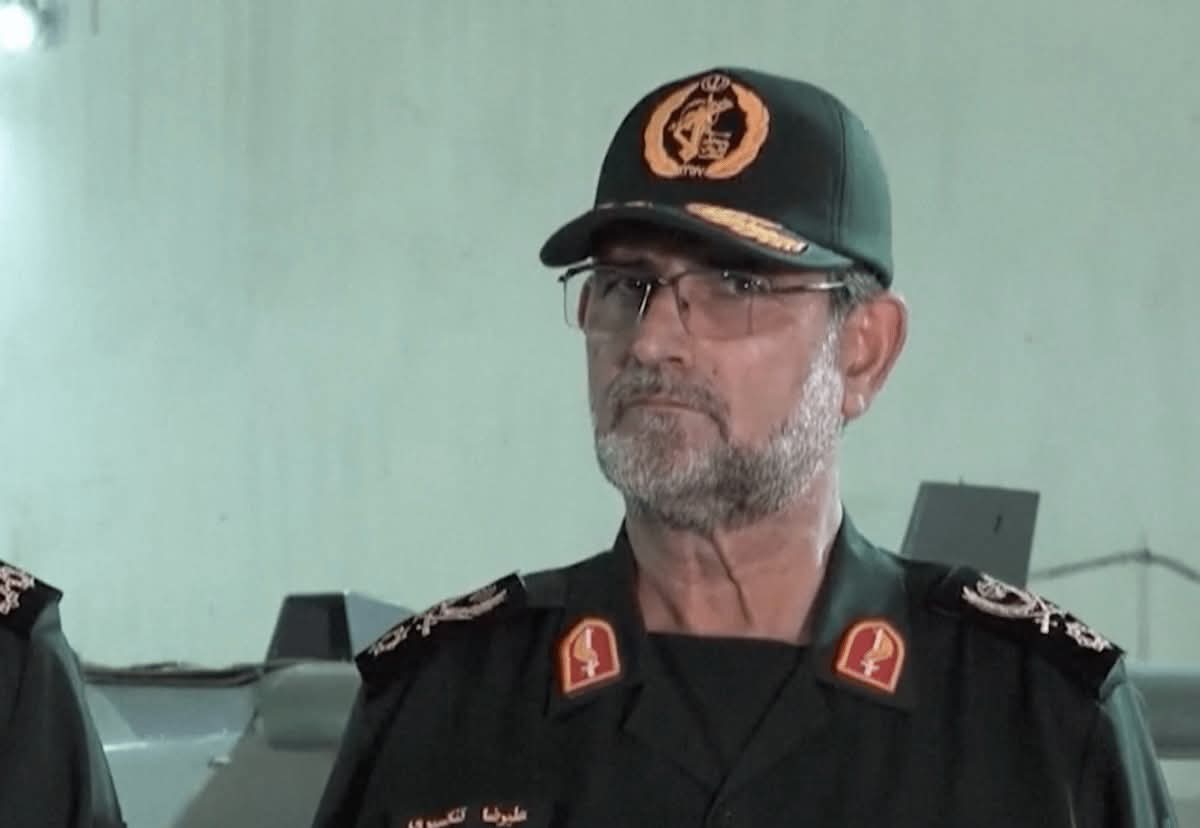
Israel Says Iranian Naval Commander Alireza Tangsiri Killed in Air Strike
Israel has announced that it has killed a senior Iranian military figure, Alireza Tangsiri, who headed the naval arm of Iran’s Islamic Revolutionary Guard Corps.
According to Israel’s Defence Minister, Israel Katz, the operation took place on Wednesday night. He described it as “in a precise … operation” and said it also targeted other “senior officers of the naval command” in Iran.
Katz further stated, “The man who was directly responsible for the terrorist operation of mining and blocking the Strait of Hormuz to shipping was blown up and eliminated.”
Despite the claim, there has been no official confirmation from Iranian authorities as of the time of filing this report.
A journalist with Al Jazeera, Tohid Asadi, who is reporting from Tehran, said uncertainty still surrounds the development. He noted, “But if it’s true, it’s going to be another major blow for a country that has already experienced a lot of military commanders being killed.”
The latest claim comes amid the ongoing conflict between the United States, Israel, and Iran, which began on February 28. Since then, Israel has repeatedly announced the killing of several top Iranian officials.
Among those previously reported killed are Iran’s Supreme Leader, Ali Khamenei, and security figure Ali Larijani.
Other casualties linked to Israeli attacks include the head of the Basij paramilitary force, Gholamreza Soleimani, as well as Iran’s Intelligence Minister, Esmail Khatib.
In addition to targeting individuals, Israeli forces have in recent days intensified strikes on Iran’s naval capabilities. Reports indicate that several naval vessels were hit last week in the Caspian Sea. These included ships equipped with missile systems, support vessels, and patrol craft.
The situation continues to evolve, with tensions rising across the region as both sides maintain military pressure.

Cheap Drones, Costly Consequences
By Zayyad I. Muhammad
Low-budget drones are reshaping the architecture of modern warfare in ways that were unimaginable just a decade ago. They allow combatants to engage targets with minimal human contact, reduced battlefield exposure, and significantly fewer casualties. Unlike traditional air power that requires expensive fighter jets, trained pilots, and sophisticated logistics, drones can be produced at low cost, deployed quickly, and operated remotely with high precision. This shift is lowering the barrier to entry for military capability and redefining how wars are fought.
More importantly, this transformation is changing the balance of power between strong and less-powerful nations. Previously, military dominance depended heavily on air superiority, armoured divisions, and naval strength, all of which were controlled by a handful of major powers. Today, relatively smaller or less-equipped countries can use swarms of low-cost drones to challenge technologically advanced militaries. This has made conflicts more prolonged, unpredictable, and difficult to decisively win. Even well-funded armies now face persistent threats from inexpensive systems that are hard to detect and cheap to replace.
The Ukraine-Russia war is a clear example of this shift. A country with fewer conventional military resources has been able to slow down and at times stall a larger, more powerful opponent by using drones for surveillance, artillery guidance, and direct strikes. Commercial-style drones modified for military use have destroyed tanks, disrupted supply lines, and targeted command positions. This has contributed to battlefield stalemates and reduced the effectiveness of traditional heavy military advantage.
Similarly, the United States-Israel-Iran war has demonstrated how drone technology is changing deterrence dynamics. Iran, with its Shahed drones, was able to withstand the US and Israel at the same time, including being able to attack other countries. Iran was able to attack military bases, infrastructure, or naval assets across the Gulf and Israel using its relatively cheap drones; these have altered strategic calculations of the entire war. Furthermore, this suggests that even nations without overwhelming conventional strength can project power and create credible resistance.
However, while low-cost drones provide tactical advantages, they also introduce serious risks. The biggest concern is that non-state actors, militias, insurgent groups, and even criminal organisations can now access and deploy drone technology. Unlike fighter jets or missiles, drones are easier to acquire, modify, and operate. This increases the likelihood of asymmetric attacks against states, critical infrastructure, and civilian targets. What was once the exclusive domain of national militaries is now accessible to smaller groups with limited funding.
In essence, low-cost drones have ‘democratised’ air power. They have changed the face of war, reshaped military strategy, and reduced the dominance of traditional superpowers. But at the same time, they have introduced a new era of insecurity where conflicts may become more frequent, more decentralised, and harder to control. The same technology that reduces casualties on one side also increases the risk of widespread, unpredictable confrontations, especially when used by non-state actors beyond conventional rules of engagement.
This trend is no longer limited to state actors alone. Multiple credible reports and security analysts confirm that Boko Haram and ISWAP (Islamic State West Africa Province) have increasingly deployed low-budget, commercially available (COTS) drones, often modified quadcopters, in attacks on Nigerian military positions in the Northeast. These drones are reportedly used for surveillance, reconnaissance, and in some cases, direct strikes against troop locations and defensive positions.
Beyond Nigeria, other non-state actors in different parts of the world have also been reported to use low-budget, commercially available drones, typically inexpensive quadcopters or FPV models, modified with improvised explosives, grenades, mortar rounds, or IEDs. These systems are deployed for intelligence gathering, target acquisition, and direct attacks. The accessibility of these platforms makes them attractive tools for irregular forces seeking to offset conventional military disadvantages.
Zayyad I. Muhammad writes from Abuja via zaymohd@yahoo.com.

Kano Govt Picks Up Medical Bills as Woman Delivered Quintuplets
By Abdullahi Mukhtar Algasgaini
The Kano State Government has pledged full medical coverage for Mrs. Hafsatu Yusuf, who recently gave birth to quintuplets at the Murtala Mohammed Specialist Hospital.
According to a statement released by the Ministry of Health on March 25, 2026, the mother and her five newborns are receiving comprehensive and specialized medical care at the facility. The government’s intervention ensures that all expenses related to the delivery and ongoing treatment are covered by the state.
Mrs. Yusuf’s husband, Malam Salisu Nufi’u, a commercial tricycle operator, expressed gratitude to the state government for the timely assistance, which he said alleviated the financial burden associated with the multiple births.
Officials noted that the support reflects the administration’s commitment to strengthening healthcare delivery, with a focus on maternal and neonatal health.

Kannywood Actor Sadiq Apologises, Says Backing Tinubu Was A Mistake
A popular Kannywood actor, Sadiq Sani Sadiq, has apologised to Nigerians, especially those in the North, over his support for President Bola Tinubu, as he raised concerns about worsening insecurity and hardship in the region.
In a video message released amid rising violence across Northern states, the actor admitted that supporting the current administration was an error and urged voters to be cautious in future elections.
His remarks come at a time when insecurity has forced many farmers to abandon their farmlands due to attacks, kidnappings and killings in several parts of the North.
“We admit that we made a mistake in choosing this oppressive government of Tinubu. We are suffering because it is now very clear that he is not a lover of the people of the North; he does not care about the North,” Sadiq said.
He listed several states affected by insecurity, stressing that the situation has spread widely across the region.
“Just look at what is happening in Zamfara State. Look at what is happening in Katsina State. Look at what is happening in Kebbi, Sokoto, Niger, Kwara, Benue, Plateau, Borno, Yobe, and Gombe. Insecurity has taken over, and even the remaining Northern states that were once peaceful are now affected,” he stated.
Sadiq accused the administration of failing to protect lives and property, which he described as a key responsibility of any government.
“This oppressive government of Tinubu does not love us; it does not care about the people of the North. Therefore, we must not make the mistake of re-electing this oppressive government. If you hear this and ignore it, you will bear the consequences,” he warned.
He also said insecurity has disrupted farming activities, which are central to the region’s economy.
“If we make the mistake again of re-electing this oppressive government, then what we are currently experiencing — from heavy taxation to killings — will only continue. The North used to pride itself on farming, but now we cannot even go into our farms to cultivate food for ourselves. It has become impossible. We are being killed openly, and nothing is being done,” he lamented.
The actor further alleged that the policies of the current government are creating divisions in the country.
“Let me tell you something else. It is often said that the Igbo people want Nigeria to be divided. But in reality, this Tinubu government itself is the one pushing Nigeria toward division. Everything important —everything meant for development in the North — is being taken and moved to Lagos State,” he alleged.
He criticised what he described as uneven allocation of resources, claiming that the North is not receiving fair attention.
“Even in the national budget, look at what is allocated to Lagos compared to what is given to the North. It clearly shows that this Tinubu government neither loves nor understands the North. Why is it that we cannot even be given basic security so we can live, trade, and farm our food? Yet even that has failed,” he added.
Sadiq called on Nigerians to remain alert and make informed choices during elections.
“Therefore, we must be vigilant. We must ensure that we prepare and keep our voter cards ready to vote out this oppressive government,” he added.
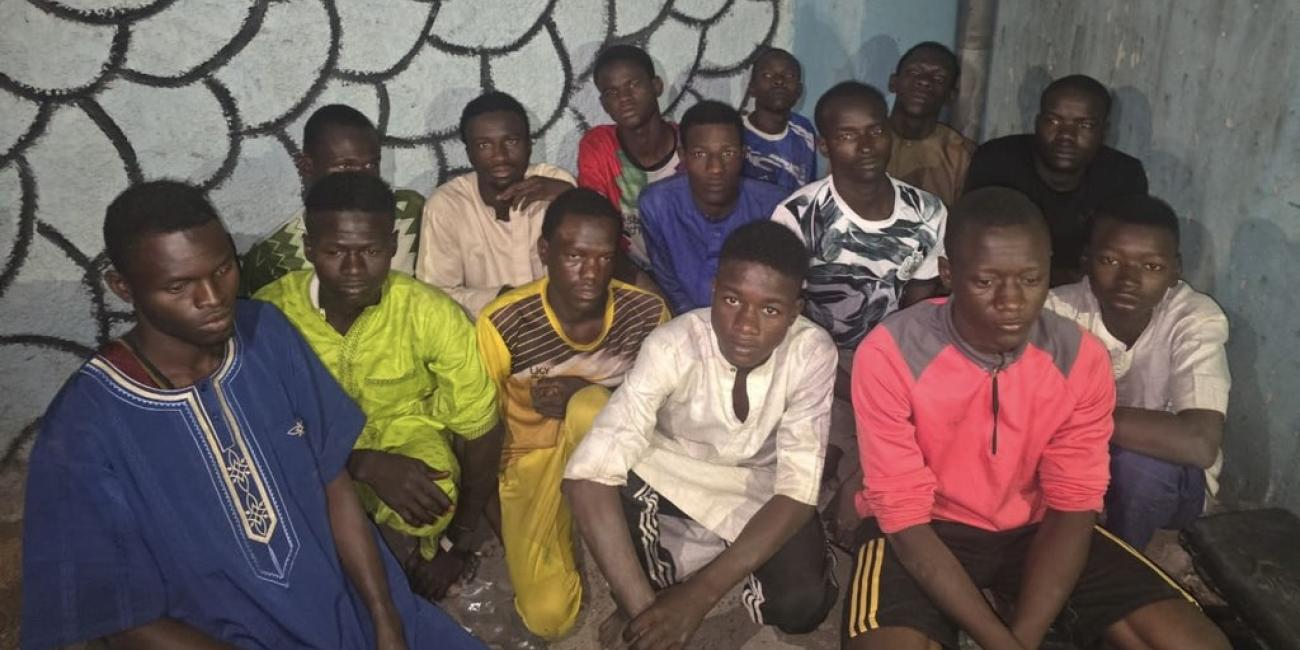
Army Arrests 18 Suspected Boko Haram Suppliers In North-East
By Sabiu Abdullahi
The Nigerian Army has confirmed the arrest of 18 individuals accused of supplying logistics to Boko Haram insurgents in the North-East, highlighting what it described as an expanding network of civilian support for terrorist activities.
In a statement released on Wednesday, the Army said troops of Operation HADIN KAI apprehended the suspects while they were travelling through Gubio towards the Gudumbali axis, an area known for insurgent operations.
According to the military, early findings showed that the group was allegedly on a mission to deliver supplies to Boko Haram fighters.
The Army also revealed that initial confessions from the suspects pointed to economic hardship as a major reason behind their involvement.
“Initial findings indicate that the individuals were drawn into the illicit trade largely due to personal economic challenges,” the statement said, adding that insurgent groups often take advantage of vulnerable civilians to sustain their activities.
The military warned Nigerians against supporting terrorist groups in any form, stressing that such actions carry serious consequences.
“The Nigerian Army strongly warns all citizens against any form of collaboration with terrorist groups,” it stated.
“Providing logistics, intelligence, or assistance to such elements remains a serious offence, with grave consequences for national security and the safety of innocent lives.”
The Army stressed that cooperation from local communities remains vital in tackling insurgency.
“The effectiveness of ongoing operations depends greatly on the vigilance, cooperation, and active support of host communities,” the statement added, as it urged residents to report suspicious activities and resist inducements from criminal elements.
It also pointed to the need for broader socio-economic measures to address the underlying causes of insurgency.
“It is equally important to recognise the need for sustained socio-economic support and community-focused initiatives that can strengthen resilience and reduce vulnerabilities,” the statement noted.
Reaffirming its resolve, the Army said it remains committed to protecting communities and restoring peace, while calling for collective national efforts.
“Lasting peace and stability can only be achieved through a unified approach, where security operations are complemented by development efforts and strong community partnerships,” it said.
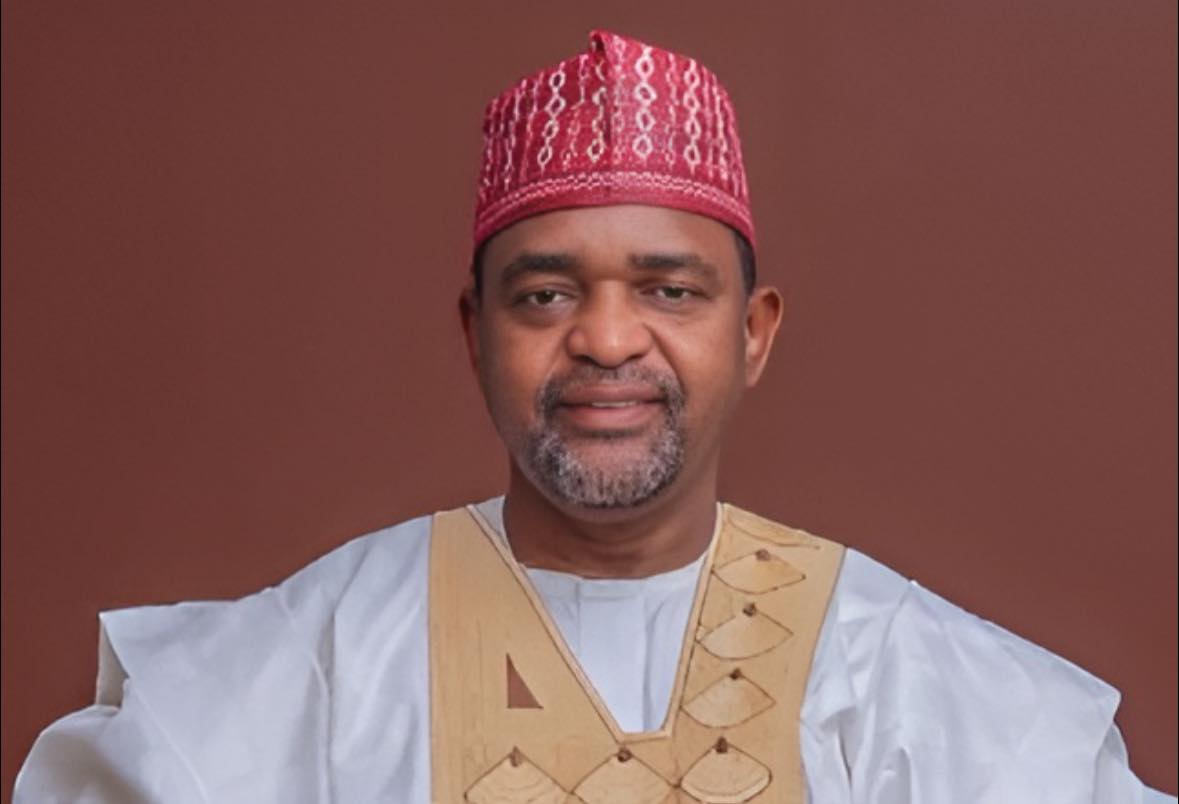
Kano Governor Sacks Commissioner for Investment, Shehu Wada Sagagi, Orders Immediate Handover
By Ibrahim Yunusa
Governor Abba Kabir Yusuf has relieved Alhaji Shehu Wada Sagagi of his duties as Kano State Commissioner for Investment, Commerce and Industry with immediate effect.
The decision was announced in a statement issued on Thursday by the governor’s spokesperson, Sunusi Bature Dawakin Tofa.
According to the statement, Sagagi has been directed to hand over the ministry’s affairs to the Director of Commerce without delay.
The move forms part of what the government described as an ongoing strategic realignment aimed at strengthening administrative efficiency and repositioning the state for sustainable growth.
Governor Yusuf expressed appreciation for Sagagi’s contributions during his tenure, particularly in the areas of politics, religion, and support for small and medium enterprises.
He wished the former commissioner success in his future endeavours and reaffirmed his administration’s commitment to effective service delivery and good governance in Kano State.
This development comes amid ongoing suspicions that some key figures are undermining and backbiting the governor following his split from his former political godfather, Rabi’u Musa Kwankwaso.
Reports also indicate growing confusion within the cabinet and among several appointees in government parastatals, as uncertainty persists over loyalties, specifically on who remains aligned with the governor and who is still loyal to his former mentor.
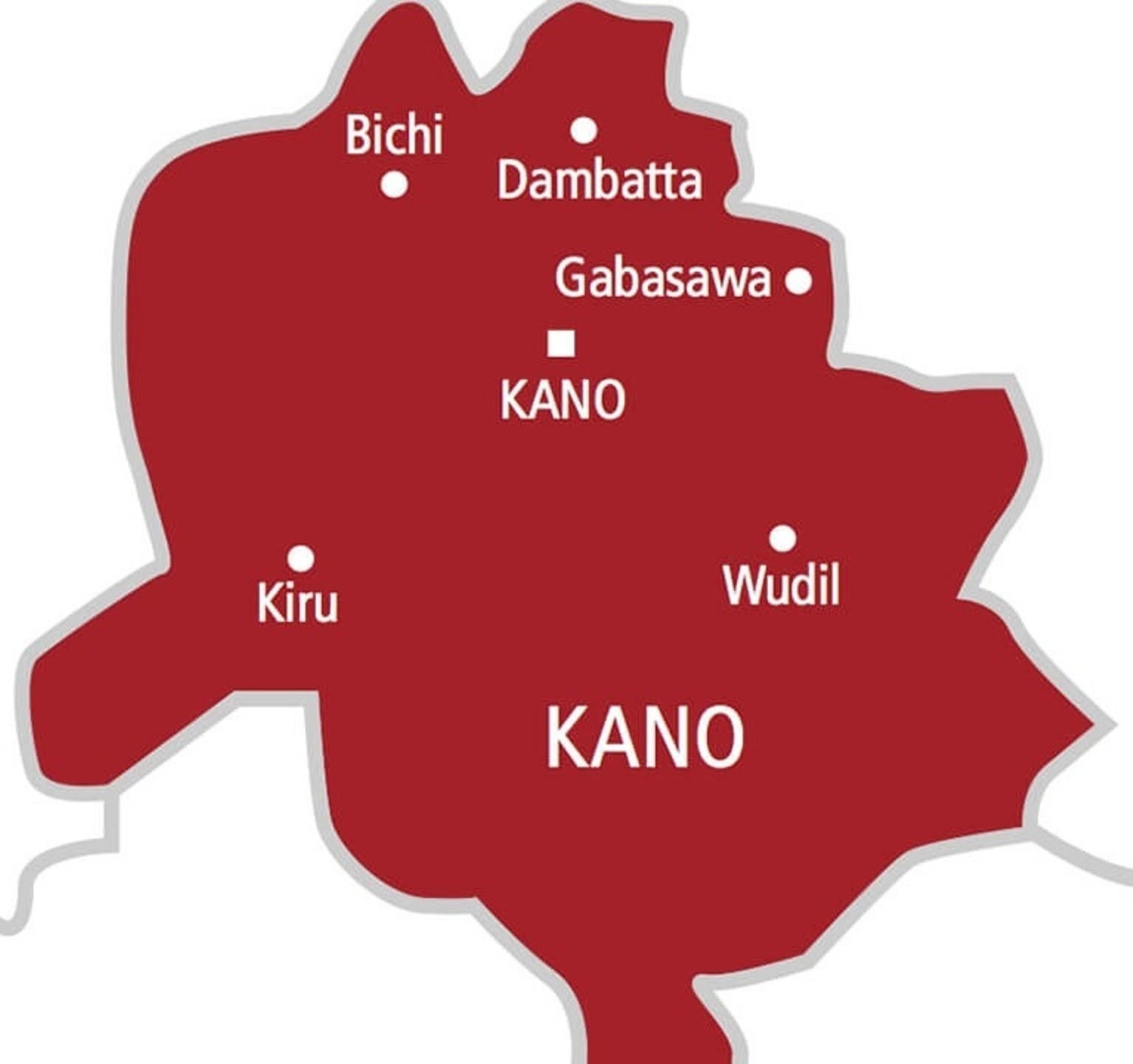
Kano Woman Delivers Quintuplets At Specialist Hospital
A woman identified as Hafsatu Yusuf has given birth to five babies at Murtala Specialist Hospital in Kano.
Her husband, Malam Salisu Nafiu, confirmed the development. He said the quintuplets, made up of three boys and two girls, were delivered at about 2:00pm on Wednesday.
Nafiu, who works as a tricycle rider, thanked God for a successful delivery. He said both the mother and the babies were in stable condition. He also disclosed that the latest birth marks his wife’s ninth delivery.
He further explained that health workers at the hospital have continued to provide close medical care to the mother and the newborns to ensure their wellbeing.
In a related development, the Kano State Government has pledged to cover the medical expenses of the family.
The Public Relations Officer of the state Ministry of Health, Nabilusi Abubakar Kofar Na’isa, said the move forms part of efforts to improve maternal and child healthcare in the state. He noted that the government aims to reduce cases of maternal and infant deaths.
He added that the state remains committed to assisting vulnerable families and improving access to quality healthcare services.