

WAEC Releases 2026 First Series Results, Reveals 32 Per Cent Pass Rate
Ishaka Mohammed
The West African Examinations Council (WAEC) has released the results of the Computer-Based West African Senior School Certificate Examination (CB-WASSCE) 2026 — first series.
In a statement released on Friday, March 27, 2026, the Council asked the candidates who sat the examination to check their results within a few hoursʼ time.
“The result of CB-WASSCE for Private Candidates, 2026–First Series has been released. Candidates can access their results within the next 12 hours,” part of the statement reads.
The Council also revealed that out of the ten thousand, four hundred and eighty (10,480) candidates that sat the examination, three thousand four hundred and twenty-nine (3,429) candidates (32.72%) obtained credit and above in a minimum of five (5) subjects, including English Language and Mathematics.
However, two thousand and sixty-two (2,062) candidates (19.68%) have a few of their subjects still being processed due to some errors traceable to them. In addition, seventy-five (75) candidates’ results, representing 0.72% of
The total number of candidates who sat the examination is being held in connection with various reported cases of examination malpractice, which are still being investigated.
The examination, which was held from January 28 to February 14, 2026, was in a hybrid format. All the questions were displayed on the computer, but while the multiple-choice questions were answered thereon, the essay questions required paper-and-pencil responses.

Former Governor Nasir El-Rufai Loses Mother
By Abdullahi Mukhtar Algasgaini
The family of former Kaduna State Governor, Nasir El-Rufai, has announced the death of his mother.
In a statement released by the family on Friday, it was confirmed that she passed away on March 27, 2026. She is said to have died peacefully while surrounded by members of her family.
El-Rufai served as governor of Kaduna State from 2015 to 2023 and remains one of Nigeria’s most prominent political figures.
Funeral arrangements are expected to be announced by the family in line with Islamic rites. May Allah grant her eternal rest and comfort the family during this difficult time
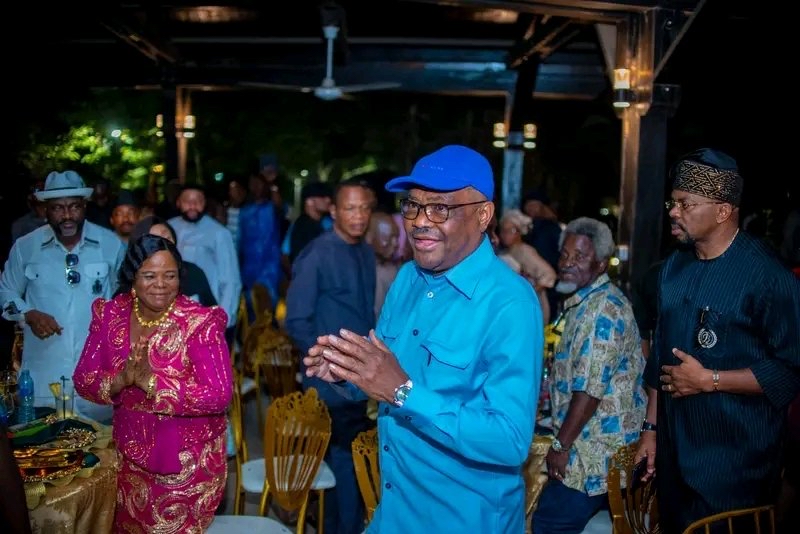
Rivers APC Delegates Visit Nyeson Wike Ahead Of National Convention
By Sabiu Abdullahi
The Minister of the Federal Capital Territory, Nyesom Wike, on Thursday received delegates of the All Progressives Congress (APC) from Rivers State at his residence in Abuja.
Those present at the meeting included the National Vice Chairman (South-South), Victor Giadom, who recently retained his position. Lawmakers from the National Assembly and members of the Rivers State House of Assembly also attended the gathering. Other party leaders from the state were equally present.
The meeting followed the APC South-South Zonal Congress held in Asaba, Delta State, a few days earlier.
At the congress, Giadom emerged again as the National Vice Chairman (South-South), while Samuel Nwanosike was elected as the South-South Zonal Publicity Secretary.
The gathering is seen as part of ongoing consultations within the party ahead of its national convention.
Bandits Raid Katsina Community, Cart Away Valuables Worth Millions
By Sabiu Abdullahi
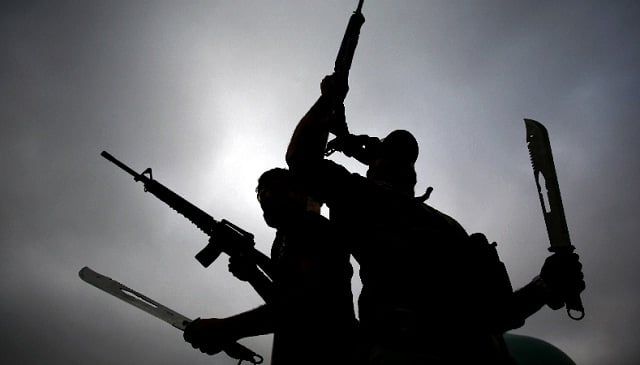
Residents of Jeri community in Kusada Local Government Area of Katsina State have been thrown into distress after bandits launched a prolonged attack on the area.
The incident, which occurred on March 27, 2026, involved armed men moving from one house to another and looting valuables without interruption for nearly two hours.
Security analyst Bakatsine disclosed the development in a post shared on X on Friday, where he gave details of the attack.
“Bandits carried out a house-to-house raid in Jeri community, Kusada LGA of Katsina State, operating for nearly two hours,” he stated.
During the operation, the attackers reportedly made away with mobile phones, cash, and cattle belonging to residents.
“Phones, cash and cattle worth millions were taken,” Bakatsine added.
Despite the scale of the attack, there were no reported deaths or abductions.
The incident has, however, sparked fresh concerns over security in the area. This comes amid recent efforts by authorities to restore peace in parts of Katsina State.
Bakatsine also pointed out that the attack occurred only weeks after a peace agreement was said to have been reached with bandits in Kankia Local Government Area.
“This incident raises fresh concerns about the effectiveness of the peace deal struck with bandits in Kankia LGA just weeks ago,” he said.
Nigerian Soldiers Repel Terrorist Attack In Zamfara, Recover Two Corpses
By Sabiu Abdullahi
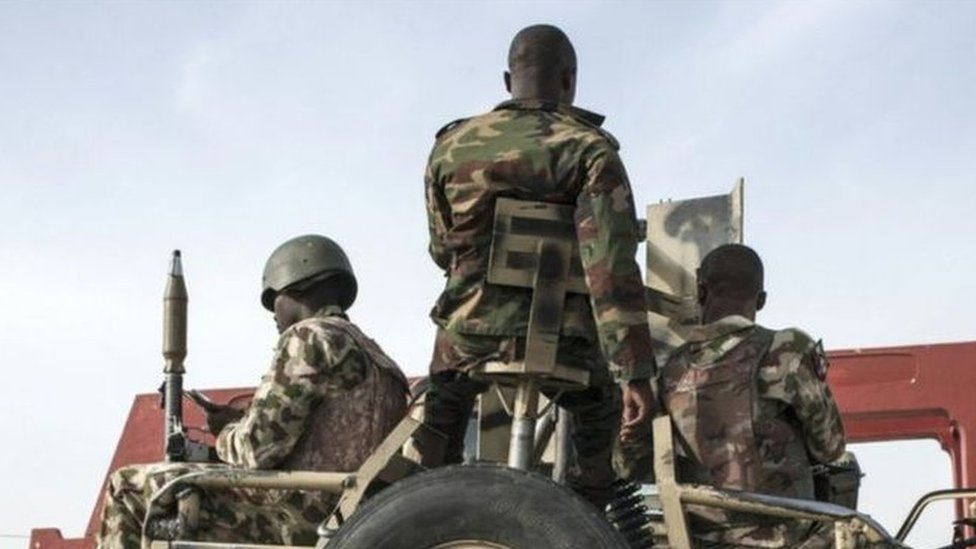
Troops of Operation FANSAN YAMMA have thwarted an attempted terrorist attack on Maiwa village in Maru Local Government Area of Zamfara State.
The incident occurred on March 25, 2026, after security operatives received a distress call from residents of the community. The troops responded promptly and moved to the scene around 5:30 pm.
Security analyst Zagazola Makama disclosed the development in a post on X, where he detailed how the operation unfolded.
According to him, troops met local vigilantes already in a gun battle with the attackers upon arrival. The soldiers then joined forces with the vigilantes, which forced the assailants to retreat into nearby bushes.
Sources within the security circle revealed that a follow-up sweep of the area led to a grim discovery. Two villagers were found dead after the exchange of gunfire.
“Troops maintained a sustained presence in the area and continued aggressive patrols aimed at denying the terrorists freedom of movement and preventing further attacks,” Makama said.
Security forces have since intensified patrols in the area to forestall further attacks and restore calm in the affected community.
Nigerian Troops Arrest Three Suspected Criminals, Recover Weapons In Benue Operation
By Sabiu Abdullahi
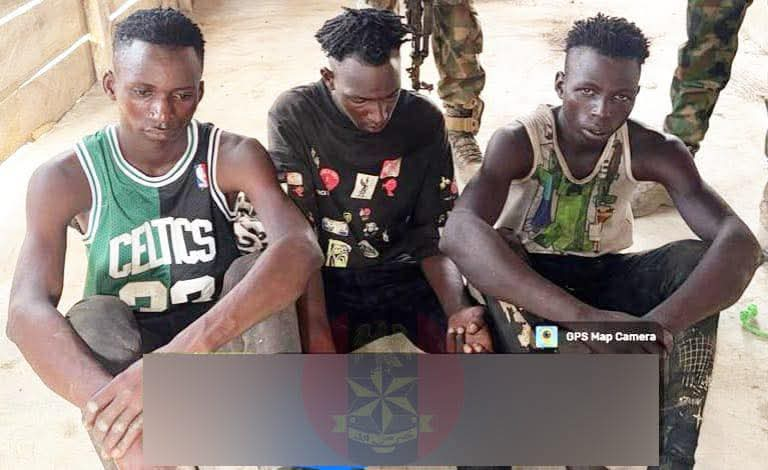
Troops under Operation WHIRL STROKE have arrested three suspected criminals and recovered weapons during a clearance operation carried out on March 26, 2026.
This is contained in a statement issued by Lieutenant Ahmad Zubairu Zubairu, Acting Media Information Officer at the Headquarters of JTF Operation WHIRL STROKE, on March 26, 2026.
The operation formed part of ongoing pre-wet season activities aimed at securing farming communities.
Soldiers of the COAS Intervention Battalion XI acted on credible intelligence about the presence of suspected terrorists around the Agasha area.
They moved to the location and secured the surroundings, which led to the arrest of the suspects.
The individuals were identified as Mr Sule Ibrahim and Mr Salmanu Risko from Nasarawa State, alongside Mr Abdulkareem Haruna from Jos.
Security personnel recovered one AK-47 rifle, two magazines, and 27 rounds of 7.62mm x 39 ammunition during the operation. Other items found include a Tecno mobile phone, a cutlass, ten sachets of alcohol, and various charms.
The suspects remain in custody as preliminary investigations continue. Authorities have indicated that they will face prosecution after the investigation is concluded.
Troops have sustained a strong presence in the area. They continue to patrol and monitor key locations to prevent criminal activities and ensure safety ahead of the farming season.
The Force Commander of the Joint Task Force Operation WHIRL STROKE, Major General Moses Gara, praised the troops for their dedication and professionalism. He also commended their efforts in protecting law-abiding citizens within the Joint Operations Area.
UN Security Council to Hold Talks Over Iran War Friday
By Anwar Usman
The United Nation Security Council will hold closed-door consultations on Friday to discuss strikes on Iran at Moscow’s request, Russian state media reported, as the Middle East war nears its second month.
Iran has come under near-daily bombardment since US-Israeli strikes on February 28 triggered the war, which has since widened to large parts of the region.
According to state news agency TASS, spokesman for Russia’s envoy to the United Nations, Evgeny Uspensky, said “The Russian Federation has requested closed-door consultations with the UN Security Council due to the ongoing strikes on civilian infrastructure in Iran, including educational and healthcare facilities.”
A strike on the first day of the war hit a school in the southern Iranian city of Minab, killing more than 160 children, according to authorities.
Reports from the US military investigation by The New York Times indicated that a US Tomahawk cruise missile had hit the school due to a targeting mistake.
The United States, which holds the Security Council presidency this month, scheduled the meeting for 10:00 am in New York (1400 GMT), according to TASS.
The US-Israeli military campaign has targeted Iranian leadership, missile sites and military infrastructure, prompting a large-scale Iranian retaliation across the Gulf and the effective closure of the crucial Strait of Hormuz, through which a fifth of global crude and liquefied natural gas passes during peacetime.
AFP reports that, the UN Human Rights Council will hold a separate meeting on Friday in Geneva focused on the deadly school strike.
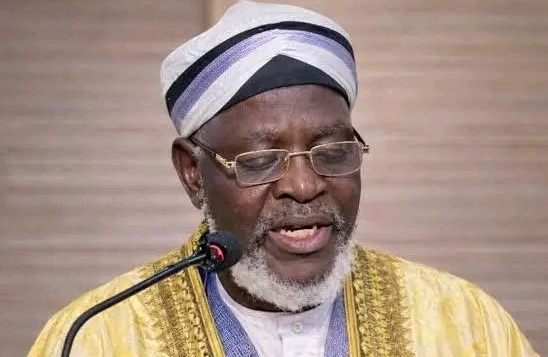
Detained Zaria Cleric Reportedly in Protective Custody Over ₦2m ‘Prayer Money’ from Coup Suspect Amidst Death Rumour
By Abdullahi Mukhtar Algasgaini
Contrary to widespread speculation that he had been killed or had gone missing, Kaduna-based Islamic scholar Sheikh Khalifa Sani Abdulkadir, also known as Sheikh Khalifa Zaria, is alive and being held in protective custody by Nigerian security agencies, PR Nigeria reported.
The cleric, who disappeared earlier in 2026 after traveling to Abuja and having his bank account frozen, is currently being investigated by a joint team of the Nigerian Military and the Department of State Services (DSS). The investigation centers on a transfer of approximately ₦2 million from a military officer implicated as a key suspect in a foiled coup plot against the administration of President Bola Ahmed Tinubu.
According to intelligence sources quoted by the news platform, Sheikh Khalifa’s detention followed the discovery of the funds in his account.
“Sheikh Khalifa is alive and healthy in protective custody. His arrest followed the discovery of funds in his bank account transferred from one of the suspected military officers involved in the attempted coup,” a source disclosed.
However, sources close to the cleric’s family offered a different narrative, describing the transaction as a routine spiritual offering. They claimed the soldier obtained the Sheikh’s account number through a student and sent the money with a request for prayers and blessings , a common practice among religious followers in Northern Nigeria.
“There was no political discussion, no criminal intention, and nothing beyond a request for prayers,” a family source maintained.
Concerns over the wellbeing of Sheikh AbdulKadir have intensified in recent days amid mounting public speculation. A fundamental rights suit filed to demand his release was heard at the Federal High Court in Abuja on February 18 and March 13, 2026. The presiding judge has adjourned the matter to April 10, 2026, for final judgment.
Former Vice President Atiku Abubakar weighed in on Wednesday, calling for the cleric’s immediate release or prosecution. In a statement issued by the Atiku Media Office, he described the prolonged detention as a “grave violation” of fundamental rights and a threat to Nigeria’s democratic principles.
“The continued detention of Sheikh Khalifa without due process poses a significant threat to the rule of law and risks eroding the fundamental rights guaranteed to all citizens,” Atiku said.
He also raised concerns over the authorities’ silence regarding the cleric’s condition, adding that “Nigeria cannot continue to claim the status of a democracy while the rights of its citizens are routinely and brazenly violated.”
Despite the legal and public pressure, intelligence sources insisted that the cleric would remain in custody until the investigation is concluded. “He would soon be arraigned in court for prosecution after the completion of the investigation alongside others,” the official added.
Badenoch Criticises UK Government Over Abstention On Slavery Reparations Vote
By Sabiu Abdullahi
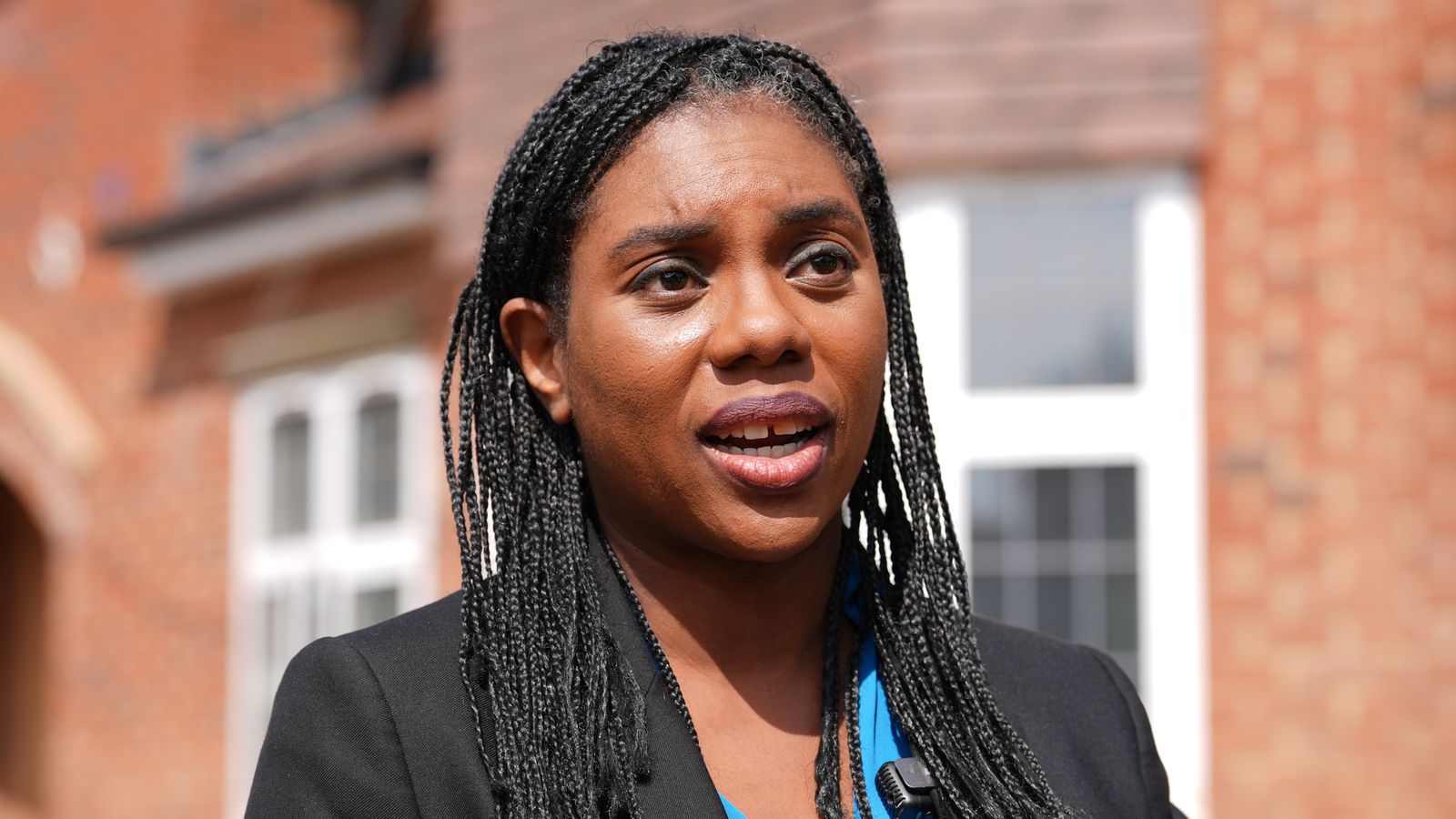
Leader of the UK Conservative Party, Kemi Badenoch, has faulted the British government for refusing to take a clear stance during a United Nations vote on reparations linked to the transatlantic slave trade.
The criticism followed a resolution adopted by the United Nations General Assembly, where the United Kingdom chose to abstain instead of voting against the motion.
Reacting to the outcome, Badenoch wrote, “Russia, China and Iran vote with others to demand trillions in reparations from UK taxpayers…and the Labour government abstain!”
She also questioned the position of the government led by Prime Minister Keir Starmer. She said, “Britain led the fight to end slavery. Why didn’t Starmer’s representative vote against this? Ignorance…or cowardice?”
Badenoch maintained that the country should not be held financially responsible for historical crimes. She stated, “We shouldn’t be paying for a crime we helped eradicate and still fight today.”
The resolution, backed by 123 countries, describes the transatlantic slave trade as one of the gravest crimes against humanity. It calls for reparations and urges nations to begin structured discussions aimed at addressing the long-term effects of slavery.
Several African nations supported the motion. These include Nigeria, Egypt, Algeria, Libya, Liberia, Kenya and Congo. Other countries such as India, Belarus and Azerbaijan also voted in favour.
However, the United States, Argentina and Israel opposed the resolution. Fifty-two countries stayed neutral. These include major European nations such as France, Germany, Belgium, Hungary and Cyprus.
During the debate, a US representative raised concerns about the proposal. The official said, “While we recognise the wrongs of the past, we are unclear on who the beneficiaries of reparatory justice would be, and therefore cannot support the resolution at this time.”
The motion, titled “Declaration of the Trafficking of Enslaved Africans and Racialised Chattel Enslavement of Africans as the Gravest Crime Against Humanity,” forms part of a broader initiative under the African Union’s reparations programme for 2026 to 2036.
The development marks a major step in global efforts to address the legacy of slavery. It also exposes divisions among world leaders, as debates over reparations continue to generate strong reactions.
Nigerians React As UNILORIN Gives Religion Lecturer Car
By Mohammed Ishaq
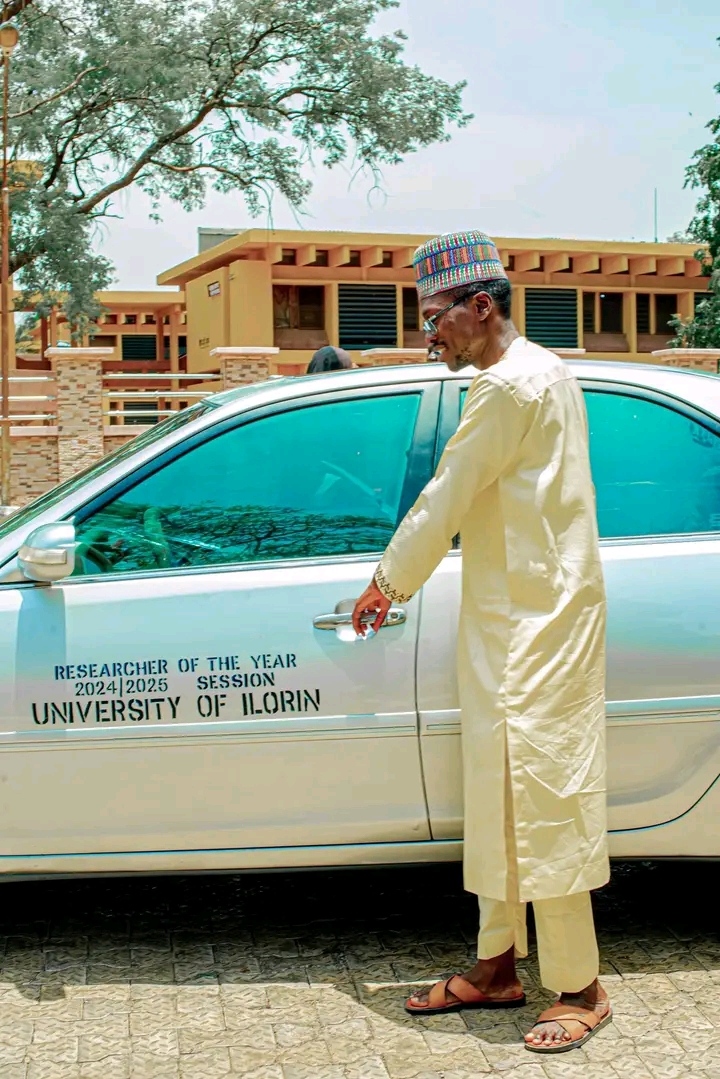
Many Nigerians on social media have expressed mixed reactions to the award for Researcher of the Year (2024/2025 session) given to Dr AbdulGafar Fahm of the Department of Religions, University of Ilorin (UNILORIN).
According to a statement released on the university’s official X handle, the vice chancellor, Professor Wahab Egbewole, presented the car keys to the awardee on March 24, 2026, as part of the university’s tradition.
The award, which has generated commendations, has also been criticised by many Nigerians. As some have faulted the university for giving a used car, a few others have questioned the contribution of religious research to the university and Nigeria.
For instance, a Facebook user named Fisayo Ajala suggested research grants or sponsorship to attend International conferences instead of a “tokunbo Corolla car”.
Also, an X user with the username @timakanni commented, “Nigeria !!! An academic in the Department of Religious Studies as the best researcher for the University of Ilorin !!! This is [a] very interesting and absurd priority in this technology age.”
However, Dr AbdulGafar Fahm, whose research focuses on cultural studies, interfaith relations and other topics, is just the latest recipient of the car gift. Other winners, such as Dr (now Professor) Akorede Mudathir of the Department of Electrical and Electronics Engineering and Professor Adeyinka Tella of the Department of Library and Information Science, received cars in 2019 and 2023, respectively.
According to UNILORIN’s official staff profile, Dr Fahm earned a PhD in Islamic Spiritual Culture and Contemporary Society from the International Islamic University Malaysia and has over 50 publications, more than 1,000 citations and an h-index of 9. A search on Google Scholar by The Daily Reality revealed 1500+ citations, h-index 10 and i10-index 15.