

Despite Peace Deal, Terrorists Murder Islamic Teacher In Katsina Village
By Sabiu Abdullahi
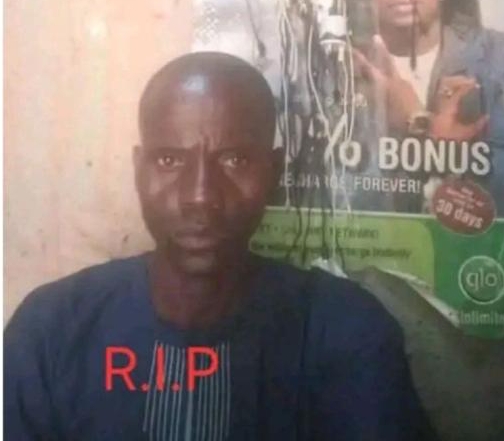
An Islamic teacher, Malam Murtala Saidu, was killed when terrorists attacked Garin-Gozai village in Na’alma ward of Malumfashi Local Government Area, Katsina State.
It was reported that the attack occurred on Sunday evening, shortly before Maghrib prayers, as gunmen stormed the village and opened fire indiscriminately. Saidu was reportedly shot while trying to escape the scene.
Security and intelligence expert Bakatsine confirmed the attack in a security alert issued soon after the incident. He noted that the terrorists moved freely and extended their assault to nearby communities.
“This evening before Maghrib prayers, terrorists stormed Garin-gozai village in Na’alma ward, Malumfashi LGA of Katsina State, killing a local Islamic teacher, Malam Murtala Saidu, who was reportedly shot while attempting to flee. The attackers then moved toward Mai Jimina community in same LGA, firing shots before retreating,” Bakatsine said.
The attack has sparked fear among residents who had hoped that earlier peace agreements between authorities, community leaders, and armed groups would bring lasting calm to the area.
Bakatsine raised concerns about the credibility of the peace arrangement, saying the latest violence exposes serious gaps in its enforcement.
“This comes despite a prior peace agreement between local stakeholders and armed groups, raising urgent concerns about its effectiveness,” the alert stated.
He further questioned the commitment of the parties involved, asking, “If a peace deal was already in place, why are such attacks still occurring, and who is failing to uphold the agreement?”
The incident gives an alert about the ongoing security challenges in Katsina State, where communities continue to face repeated attacks despite dialogues and formal agreements aimed at curbing violence.
Iran Executes Two Alleged US-Israel-Linked Operatives Amid Rising Tensions
By Sabiu Abdullahi
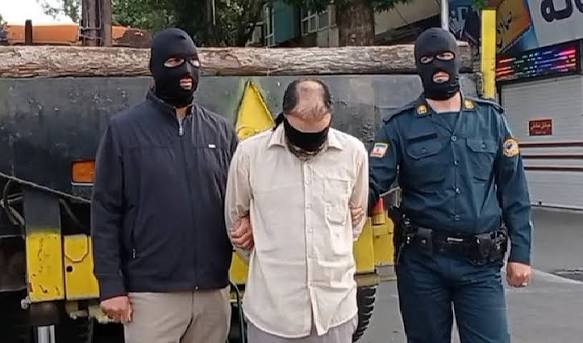
Iran has executed two individuals accused of collaborating with a US–Israel-backed opposition group, according to reports from the country’s semi-official Tasnim news agency.
The agency stated that the two were charged with ties to the Mojahedin-e-Khalq (MEK), an Iranian opposition organization that authorities claim receives backing from the United States and Israel. The group has a long history of armed resistance against the Iranian government.
Iranian officials accused the executed individuals of “carrying out attacks against security forces,” although the report did not provide further details about the timing or nature of the alleged assaults.
The executions occur amid heightened tensions between Iran, the United States, and Israel, with Tehran frequently accusing both countries of supporting opposition movements aimed at destabilizing the government.
The MEK has remained controversial for decades. Iran designates the group as a terrorist organization, while the United States removed it from its terrorist list in 2012. There has been no immediate comment from US or Israeli officials regarding the executions.
Earlier in March, Iran’s intelligence ministry announced the identification and arrest of 30 individuals accused of spying for the United States and Israel. The ministry said the detainees included alleged spies, domestic operatives, and media-linked figures from several provinces.
“Over the past few days, 30 spies, domestic mercenaries and operational elements of the American-Zionist enemy were identified and arrested,” the ministry said.
Brigadier General Ahmadreza Radan, Iran’s Police Chief, told TRT that the suspects were detained on charges of “spying for the enemy and hostile media,” according to Tasnim news agency. Radan added that 250 of those arrested “provided intelligence to the London-based broadcaster Iran International, including information about targeted sites.”
He also stated that the detainees had links to armed groups and had sought to disrupt public order. Radan described them as “spies” who leaked information “to the enemy and hostile media outlets.”
The ongoing conflict between Iran and the US–Israel coalition continues to fuel global tensions, even as international organizations and nations call for diplomacy and a peaceful resolution.
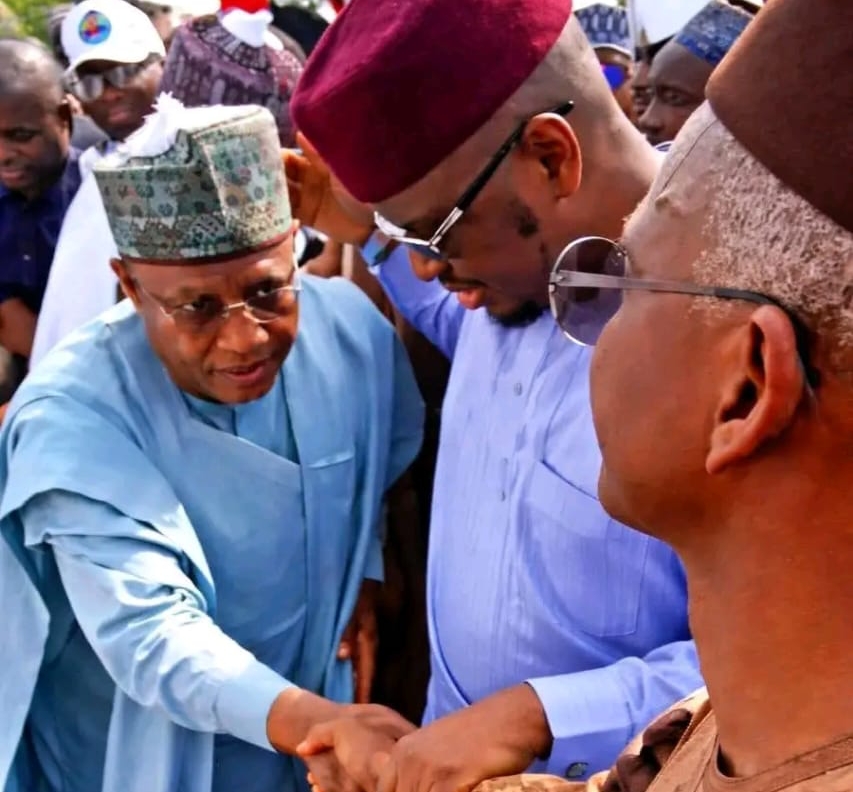
When Grief Softens Hearts: A Moment Misunderstood
By Nasir Yakub
In moments like these, society often reveals not just its opinions—but its depth of understanding.
The criticism directed at Prof. Isa Ali Pantami for attempting reconciliation between Nasir El-Rufai and Uba Sani during a moment of grief is not entirely surprising. What is surprising, however, is how quickly we rush to question sincerity where reflection is most needed.
We often speak about peace as if it should arrive only under perfect conditions, carefully scheduled, emotionally neutral, politically convenient. But history, human nature, and even faith teach us otherwise: true reconciliation rarely waits for ideal timing. It finds its way through cracks, through pain, through loss, through moments when the soul is stripped of its usual pride.
A funeral is not just a ceremony of farewell. It is a confrontation with reality. It is a silent sermon louder than any speech. In such moments, hearts soften, egos retreat, and the illusion of permanence fades. If there is ever a time when a word of peace can penetrate deeply, it is then.
So what did Pantami truly do?
He recognized a moment many would ignore.
He spoke where many would remain silent.
He acted where others would hesitate out of fear of perception.
And yet, he is criticized, not for division, but for daring to suggest unity.
Let us ask ourselves honestly:
If he had remained silent, would these same voices not accuse him of cowardice? Of political bias? Of abandoning the moral responsibility to speak truth?
We must be careful not to create a society where every action is condemned and every silence is also condemned. That is not accountability; that is confusion.
To those who argue that reconciliation is misplaced because of past betrayals, one must ask: is politics not a landscape of shifting alliances? Did differences between Atiku Abubakar and El-Rufai prevent gestures of humanity in times of grief? Today, former adversaries stand side by side. Yesterday’s distance becomes today’s alliance.
This is not hypocrisy. This is reality. And perhaps, more importantly, it is a reminder that human relationships are larger than political disagreements.
Peace is not weakness.
Reconciliation is not surrender.
And timing, as we often misunderstand it, is not always about comfort; it is about opportunity.
Prof. Pantami did not force reconciliation. He did not impose unity. He simply opened a door.
Whether those involved walk through it or not is their choice. But opening that door, at a moment when hearts are most receptive, is not insensitivity. It is wisdom.
In the end, the real question is not whether the timing was perfect. The real question is:
When the opportunity for peace presented itself… would you have chosen silence?
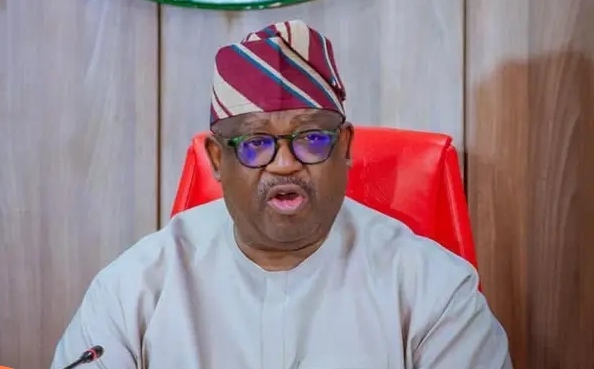
Plateau Government Imposes 48-Hour Curfew in Jos North Over Recent Killings
By Abdullahi Mukhtar Algasgaini
The Plateau State Government has declared a 48-hour curfew in Jos North Local Government Area following an attack that claimed lives in Angwan Rukuba on Sunday.
A statement issued by the Commissioner for Information, Joyce Lohya Ramnap, said the curfew would take effect from midnight until April 1.
Governor Caleb Manasseh Mutfwang condemned the attack and assured that measures were being taken to apprehend those responsible for the incident.
The government called on residents to remain calm, stay alert, and cooperate with security agencies to facilitate investigations.
It further emphasized that the curfew was aimed at restoring peace and protecting lives and property in the area.

Dangoteʼs Son-in-law, Others Raise Millions of Naira For Arewa Entrepreneurs
By Ishaka Mohammed
A son-in-law of Aliko Dangote, Captain Jamil Abubakar, has raised multimillion naira to support entrepreneurs in northern Nigeria. Captain Jamil, a pilot, is the son of former Inspector-General of Police Mohammed Dikko Abubakar.
On March 21, 2026, Captain Jamil tweeted his wish to attract investors to Arewa businesses, and by the end of the following day (March 22), he had already raised 100 million naira. He disclosed that he had asked other willing donors to wait until after the pilot phase of the initiative, the Arewa Business Support Fund.
He revealed that beneficiaries would receive interest-free business loans, which, when repaid, would be used to support more businesses. Beneficiaries would also enjoy free mentorship and consultancy.
Responding to concerns that fluency in English could be a barrier, the captain assured the public that local languages would feature prominently in the Fund’s activities, stressing that businesses domiciled in the North, regardless of ownership and owners’ language proficiency, would be considered.
He mentioned names of other stakeholders, including the acting financial secretary of the Fund, Mohammed Jammal (aka White Nigerian), Khalil Nur Khalil (economic adviser to Katsina State Government), and Mohammed Bello El-Rufai (a member of the House of Representatives), among others.
During a discussion among the stakeholders on X, it was revealed that Saleem Abubakar Musa (simply called Saleem) had been like a personal assistant to Captain Jamil.
On March 27, Saleem (@AM_Saleeeem) tweeted the summary of the subsequent activities of the Fund as follows:
“Next Steps:
– The website will be launched to the public soon, featuring comprehensive details, business templates, and practical guides (how to, when to, and what to do).
– Formal registration of the Arewa Business Support Fund as a legal entity, including banking and all required documentation.
– Nomination of Board of Trustees.
– Rollout of the pilot phase.”
However, the Fund will consider only existing businesses in the pilot phase; business ideas alone would be rejected.
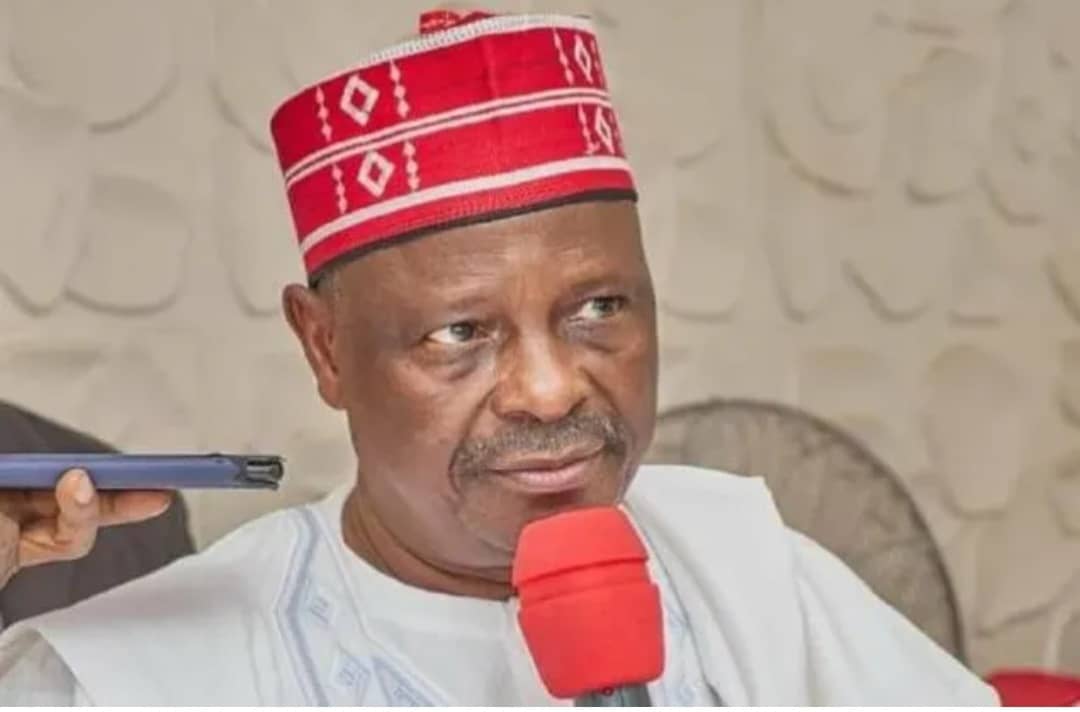
OFFICIAL: Kwankwaso Resigns From NNPP
By Sabiu Abdullahi
A former Governor of Kano State, Rabiu Musa Kwankwaso, has stepped down from the New Nigeria People’s Party (NNPP), pointing to the need for a shift in political direction.
Kwankwaso, who flew the party’s flag in the 2023 presidential election, made his decision public in a statement released on Sunday. He confirmed that his resignation takes immediate effect.
“I wish to formally announce my resignation from the New Nigeria People’s Party (NNPP) with immediate effect.”
He described the move as difficult, given his history with the party, but said current political realities influenced his choice.
“As a committed and bonafide member of the party, this was not an easy decision to make. However, considering the current trajectory of the nation’s political landscape, which calls for strategic realignment, I have found it necessary to identify with another political platform that offers the best opportunity to effectively change the nation,” he said.
Kwankwaso expressed gratitude to the leadership of the NNPP, including the National Chairman, Ajuji Ahmed, as well as other party organs, for their support during his time in the party.
“I extend my deepest appreciation to the National Chairman, Ajuji Ahmed and the entire National Working Committee for their steadfast support throughout my time. I also thank the Board of Trustees, the National Executive Committee, and all levels of leadership across the party — from the ward to the state level,” he stated.
He also acknowledged the backing of members of the Kwankwasiyya Movement and party supporters across the country.
“We shall continue to collaborate and work together towards charting a better and more prosperous future for our dear nation,” he added.
The former governor did not reveal his next political destination. However, sources within both the NNPP and the African Democratic Congress indicated that he may formally join the party on Monday in Kano.
Party insiders disclosed that top figures, including David Mark and Rauf Aregbesola, are expected to receive him into the ADC.
There are also indications that Kwankwaso may move alongside former Kano State Deputy Governor, Aminu Abdussalam Gwarzo.
In a related development, former presidential candidate of the Peoples Democratic Party and a key figure in the ADC, Atiku Abubakar, recently hosted Kwankwaso in Abuja. According to Atiku, the visit was a courtesy call during which both leaders discussed national issues at length.
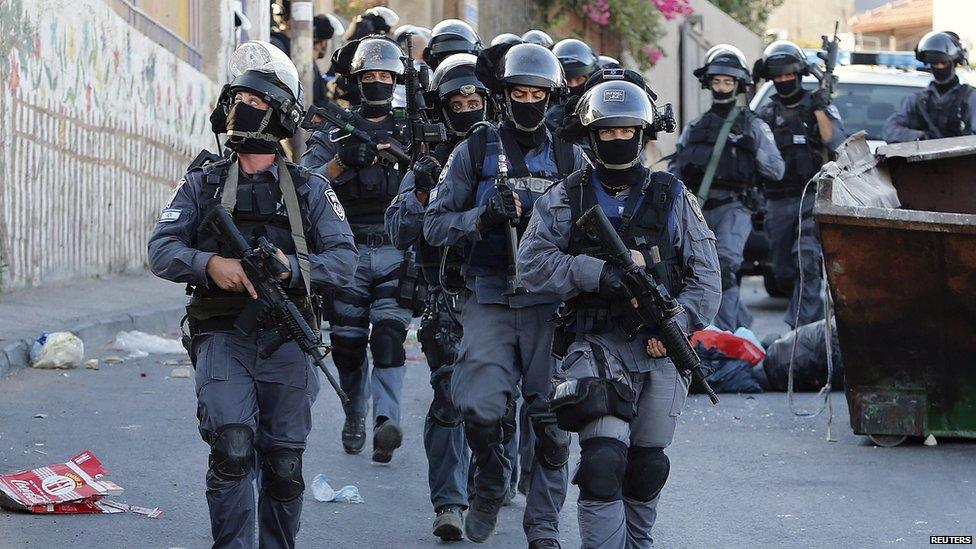
Police in Israel Bar Catholic Leaders From Entering Holy Sepulchre On Palm Sunday
By Sabiu Abdullahi
Israeli police on Sunday prevented top Catholic leaders from accessing the Church of the Holy Sepulchre in Jerusalem, where they were scheduled to lead Palm Sunday Mass.
The Latin Patriarchate of Jerusalem confirmed the development in a joint statement issued with the Custody of the Holy Land. According to the statement, the Latin Patriarch of Jerusalem, His Beatitude Cardinal Pierbattista Pizzaballa, and the Custos of the Holy Land, the Most Reverend Fr. Francesco Ielpo, were stopped while heading to the church.
The statement explained that the clerics “were stopped en route, while proceeding privately and without any characteristics of a procession or ceremonial act, and were compelled to turn back.”
Church authorities said the incident marked an unprecedented disruption. “As a result, and for the first time in centuries, the Heads of the Church were prevented from celebrating the Palm Sunday Mass at the Church of the Holy Sepulchre,” the statement added.
They criticised the action of the police, describing it as “a grave precedent, and disregard[ing] the sensibilities of billions of people around the world who, during this week, look to Jerusalem.”
The Patriarchate noted that Christian leaders had adhered strictly to restrictions imposed since the outbreak of the war. It stated that public gatherings were cancelled, attendance was not allowed, and arrangements were put in place to broadcast religious activities to millions of worshippers globally.
The statement further condemned the move as “a manifestly unreasonable and grossly disproportionate measure.” It added that the decision was “hasty and fundamentally flawed decision, tainted by improper considerations” and represented “an extreme departure from basic principles of reasonableness, freedom of worship, and respect for the Status Quo.”
Expressing disappointment over the development, the Church authorities said, “We express our profound sorrow to the Christian faithful in the Holy Land and throughout the world that prayer on one of the most sacred days of the Christian calendar has thus been prevented.”
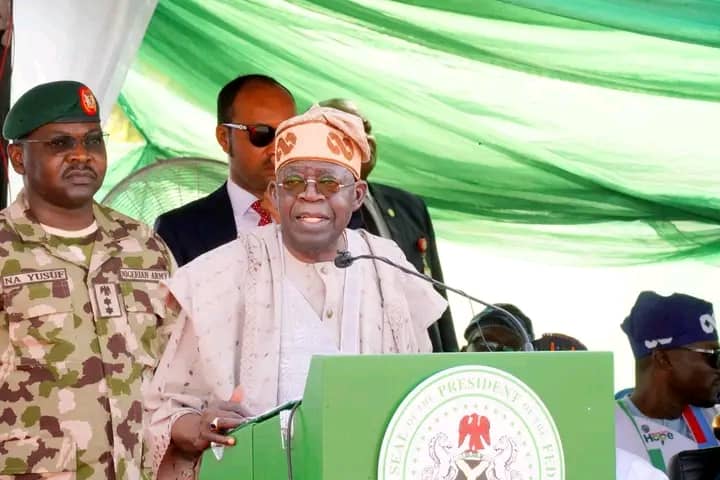
Tinubu at 74: President Thanks Nigerians, Calls For Unity In Low-Key Birthday Message
By Abdullahi Mukhtar Algasgaini
President Bola Ahmed Tinubu marked his 74th birthday on Sunday with a low-key celebration, thanking citizens for their support while acknowledging the nation’s ongoing economic challenges.
In a personal statement issued from the Aso Villa, Tinubu said he was “filled with joy and gratitude for the opportunity to serve this great nation” despite opting to observe the day modestly, consistent with his tradition of matching his birthday mood to that of the country.
The President expressed deep appreciation to Nigerians for their messages, prayers, and solidarity, singling out those who placed birthday wishes in newspapers or bought airtime on radio and television.
He also thanked First Lady Oluremi Tinubu for her “kind and loving words” and Vice President Kashim Shettima for his tribute.
Reflecting on the administration’s reforms, Tinubu said: “I’m glad that our sacrifices have not been in vain, as we can see a glimmer of light at the end of the tunnel, despite the temporary setback caused by the ongoing Middle East crisis.”
He stressed that the gains recorded so far belong not to him alone or his Renewed Hope team, but to all Nigerians. “We achieved the gains together,” he said.
As the administration approaches its third anniversary, Tinubu expressed deep conviction that they would succeed in building a brighter future for citizens and generations to come.
“We are determined to confront some of the challenges we face today, and with your continued support, we shall overcome,” he said, urging Nigerians to keep working together to build “a stronger, prosperous and more resilient nation that will make Nigeria the pride of Africa.”
He ended his message with a cheerful note: “Thank you all, and happy 74th birthday to me!”
Ukraine Accuses Russia Of Supplying Iran With Intelligence Ahead Of Attack On US Base
By Sabiu Abdullahi
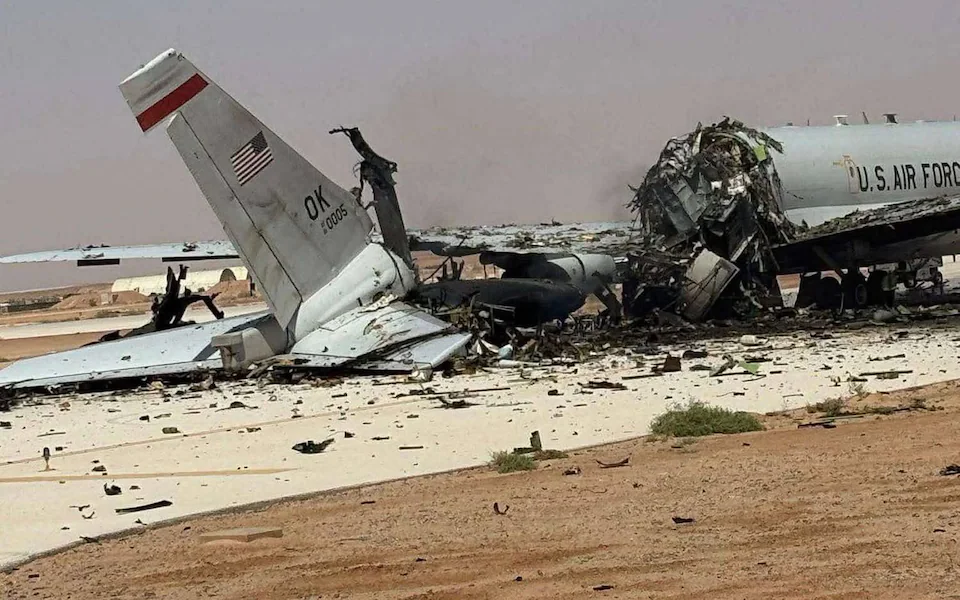
Fresh reports have emerged that Russia provided intelligence support to Iran shortly before a major strike on a United States military base in Saudi Arabia, an attack that left several American personnel injured.
According to Ukrainian authorities, Russian satellite data was shared with Iran in the days leading up to the assault on Prince Sultan Air Base in Al Kharj. The strike, which involved missiles and drones, injured at least 12 US troops and caused significant damage to military assets.
Volodymyr Zelensky said Russian surveillance activity intensified prior to the attack. He revealed that Kremlin satellites captured images of the base three separate times, suggesting a deliberate pattern.
“We know that if they make images once, they are preparing. If they make images a second time, it’s like a simulation. The third time it means that in one or two days, they will attack,” he told NBC News.
The Ukrainian leader added that he was “100 per cent” certain that Russian intelligence played a role in helping Iranian forces target American troops in the region.
The strike destroyed a high-value E-3 Sentry radar aircraft, reportedly worth hundreds of millions of pounds, and also damaged refuelling planes stationed at the base. Military analysts describe the incident as one of the most serious breaches of US air defences since the conflict began last month.
Moscow has denied passing intelligence to Tehran. However, Russian officials acknowledged that they have supplied Iran with “certain types of military equipment.” European intelligence sources now believe Russia may be preparing to deliver additional military hardware, including attack drones.
The development comes amid rising tensions across the Middle East. Reports indicate that the United States is reviewing possible ground operations targeting strategic Iranian مواقع, including key oil infrastructure. At the same time, Iran has warned that its forces are ready to respond to any escalation.
The situation remains fluid, with diplomatic efforts ongoing in several countries aimed at reducing hostilities and preventing a wider regional conflict.
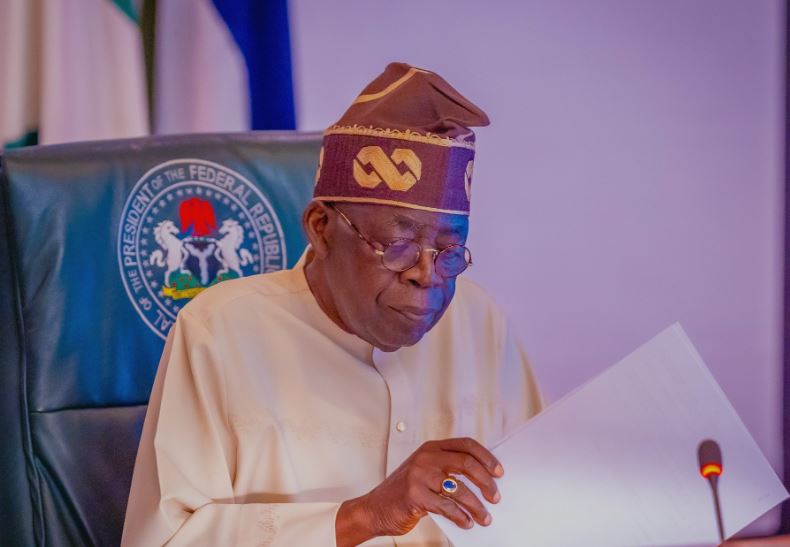
OPINION: Tinubu’s Policies Are Systematically Destroying Northern Agriculture While Boosting Southern Businesses
By Dr. Umar Musa Kallah
Nigeria’s food import bill has more than doubled under President Bola Ahmed Tinubu, rising from ₦3.83 trillion in 2023 to ₦7.65 trillion in 2025, according to the National Bureau of Statistics data.
This surge is not the result of global shocks or natural disasters alone. It stems directly from a deliberate policy of granting liberal import waivers on maize, rice, soybeans and other staples. Announced repeatedly as a measure to crash food prices, these waivers have instead achieved a far more targeted outcome: the collapse of Northern farms and agro-processing industries while delivering clear economic advantages to Southern importers, poultry conglomerates and port-based processors.
The contrast with the Buhari administration is striking. Between 2015 and 2023, agriculture was positioned as a cornerstone of national development. The Anchor Borrowers’ Programme channelled over ₦800 billion to more than four million smallholder farmers, enabling cultivation on more than five million hectares.
Rice production rose sharply from between 2.5 million and 3.7 million metric tonnes to peaks of 8.5 million to nine million metric tonnes, positioning Nigeria as Africa’s largest producer and, for a time, a net exporter in the region. The 2019 land border closure protected local value chains and revived rice milling, soybean crushing, groundnut and cotton-seed processing across the North.
More than 150 modern rice mills emerged nationwide, with over 100 located in Northern states. Oil mills in Kano, Kaduna, Gombe and Jigawa thrived on locally sourced raw materials, generating tens of thousands of direct and indirect jobs and triggering a strong post-harvest multiplier effect that spread prosperity through transport, packaging, marketing and local services.
That progress has been reversed under the current administration. Milled rice production has fallen to a projected 5.5 million metric tonnes in the 2025/26 season, down from Buhari-era peaks. According to the Rice Processors Association of Nigeria, nearly 90 of the country’s 150 rice mills have shut down since 2023, with many surviving mills operating at 30 per cent capacity.
Northern facilities have suffered the heaviest losses. Soybean, groundnut and cotton-seed crushing plants that once benefited from protected local supplies now run at below 20 per cent capacity or have been forced to liquidate assets. Fertiliser prices have escalated dramatically, with a bag of urea selling for ₦58,000 and NPK for ₦120,000 in many markets.
Diesel and pms costs have tripled following the removal of fuel subsidies. At the same time, farm-gate prices for staples such as maize have collapsed to as low as ₦38,000 per 100kg bag, often falling below the cost of production, which exceeds ₦1 million per hectare in many areas. Farmers are abandoning their fields, selling at a loss or leaving the sector entirely.
These outcomes are not accidental. The import waiver regime, which offers zero-duty and VAT exemptions on key commodities and was first announced in 2024 before being effectively extended, has operated without any parallel measures to reduce input costs or protect local processors.
Maize waivers have primarily benefited major poultry conglomerates concentrated in the South, where the feed industry is dominated by Southern operators. Soybean imports allow Southern processors to bypass local crushing altogether. Rice milling is visibly shifting southward, with imported paddy now processed in expanded Southern facilities and the finished product shipped back to Northern markets.
Northern oil millers, who lack direct access to seaports, are placed at a severe disadvantage. They cannot import raw soybeans competitively and are instead forced to purchase already-crushed crude soybean oil from Southern refiners who enjoy the logistical advantages of Lagos and Port Harcourt ports. As a result, capital that once circulated within Northern communities now flows southward to port operators, importers, logistics firms and Southern feed mills.
The regional imbalance extends far beyond farming. Unemployment has risen sharply in the North, where agriculture remains the primary source of livelihood for the majority of the population. Each closed rice mill has eliminated hundreds of direct jobs and thousands of indirect positions in farming, transport and allied services.
With nearly 90 mills out of operation, tens of thousands of Northern livelihoods have disappeared. Rural underemployment has increased as the traditional post-harvest economic surge has vanished. Northern states, already facing challenges of insecurity and weak infrastructure, are experiencing accelerated rural-urban migration, higher youth joblessness and deepening poverty. In contrast, Southern urban centres have gained from expanded import-related activities, including more jobs in ports, poultry processing, logistics and distribution services tied to cheap foreign inputs.
Other factors compound the North’s disadvantage while strengthening the South. Billions of naira invested in Northern agro-industries during the Buhari years are now stranded or liquidated, while Southern processors with direct sea access and waiver-backed imports continue to attract fresh capital and expand operations.
The classic multiplier effect that once spread prosperity from Northern harvests across the national economy has been reversed, with money draining out of the North and concentrating in Southern hands. Food security has been undermined for the entire country.
A population exceeding 230 million now depends increasingly on volatile imports for basic staples, exposing Nigeria to global price shocks, foreign exchange crises and potential supply disruptions. The South, as the hub of processing and distribution, benefits from short-term consumer price relief and sustained industrial activity.
No policy under the Tinubu administration prioritises the strengthening of local farms and industries over importation. Instead, the waiver regime actively discourages domestic production by making imported raw materials artificially cheaper than locally grown equivalents, without corresponding support for Northern farmers or processors.
Government statements continue to celebrate minor drops in consumer prices while ignoring the collapse of local capacity. The pattern is consistent and unmistakable: repeated public commitments to crash farm-gate prices, unchecked waivers and complete neglect of Northern processing infrastructure.
Nigeria cannot achieve sustainable development by weakening its primary food-producing region. The deliberate marginalisation of the North’s agricultural economy risks mass unemployment, rural depopulation, social instability and long-term national food insecurity. Northern governors, traditional rulers, farmers’ associations, rice processors and business leaders must now break their silence. The evidence shows a clear agenda to render the North economically redundant so that Southern interests can dominate value chains and resource flows.
The mills cannot remain silent and the fields cannot be left fallow indefinitely. A nation of this size, increasingly dependent on foreign food while one of its most productive regions is systematically impoverished, faces grave danger. The people of the North must act to defend their economic future before it is lost forever. This is not development. It is calculated dispossession, and it must be confronted without delay.
Dr. Umar Musa Kallah wrote in from Kano, Nigeria.