Opinion

A personal tribute to Ghali Umar Na’Abba

By Amir Abdulazeez

Sometime in 2006, I walked into the famous Gidan Akida building, the then-Kano State headquarters of the Advanced Congress of Democrats (ACD), a new party formed by the breakaway PDP faction. I was there to inquire about how lowly-placed people like us can actively participate in the development of the party. The State Public Relations Officer told me that I have the option of choosing to belong to any of the four main houses within the party: Muhammad Abubakar Rimi, Malam Musa Gwadabe, Alhaji Gwadabe Satatima and Ghali Umar Na’Abba.

When the PRO heard that I cherished them all but wanted to work in the Na’Abba camp, he congratulated me for working under a disciplined, courageous and principled politician. Unknown to him, I had already known Ghali Na’Abba some ten years before, maybe earlier. Apart from being too young to know much about the other three political leaders practically, I have taken time to follow the stewardship of Ghali Na’Abba as the Speaker of Nigeria’s House of Representatives for the better part of 1999-2003. 

In that same year, 2006, Na’Abba was declared for the Kano State Governorship. I was genuinely convinced that if elected, he would make Kano one of Nigeria’s most disciplined and organised states. His discipline, confidence and organisation have often been misunderstood as arrogance. On this, he has cleared the air on many occasions. From what I know of him, he was a man of few words expressed only when necessary; he has a gentle and reserved personality, which makes him never delve into affairs that don’t concern him. 

I remember working with like-minds to engage in one of the best intellectual mobilisations any young undergraduates could do to garner support for Na’Abba to become Governor then. Unfortunately, he withdrew from the governorship race some weeks before the Action Congress (AC) primary elections. This new party was the product of a merger between ACD, Bola Tinubu’s Alliance for Democracy (AD) and other groups. Ghali’s withdrawal speech wasn’t detailed, but his arguments were that the process was too manipulated for any honest and disciplined aspirant to withstand. I think that was the last time Ghali contested for any position in his political career.

Ghali Umar Na’Abba was more than a political figure—a beacon of integrity, courage, and unwavering dedication to Nigeria. As a former Speaker of the House of Representatives, his legacy resonates far beyond his political tenure. Na’Abba’s commitment to democratic values and principles shaped the course of Nigeria’s political landscape. His leadership during a critical juncture in Nigeria’s history marked him as a staunch advocate for transparency and accountability.

Beyond politics, Ghali Na’Abba was a symbol of resilience and fearlessness, unafraid to challenge the status quo for the betterment of his nation. His vision for a prosperous, united Nigeria was evident in every action and word he spoke.

Na’Abba’s tenure as the Speaker of the House of Representatives marked a significant chapter in Nigeria’s political history. He was known for his principled stance and his assertive approach to upholding the legislature’s independence and separation of powers, particularly in the face of President Olusegun Obasanjo’s bullish administration.

The Fourth Republic in Nigeria was still in its infancy when Na’Abba assumed the role of Speaker. With the country transitioning from years of military rule to a democratic system, the political landscape was rife with challenges. However, Na’Abba brought to the forefront a blend of experience, political acumen, and a commitment to legislative oversight. He staunchly believed in the autonomy of the legislative arm of government and its pivotal role in checking the excesses of the executive. This belief set the stage for numerous clashes between the National Assembly, under Na’Abba’s leadership, and Obasanjo’s administration.

Obasanjo could not have the audacity to unleash his anti-democratic tendencies until Na’Abba left the Speakership in 2003. Every Nigerian who witnessed the two tenures of Obasanjo (1999-2007) will testify to this. During his tenure, Na’Abba led the House of Representatives with a firm hand, asserting the legislature’s independence and challenging executive actions deemed against the national interest. One of the notable confrontations arose from the legislature’s insistence on its oversight function. Na’Abba’s House of Representatives was resolute in investigating various issues, including allegations of corruption within the government, regardless of pressure from the executive arm.

Sadly, today’s many young political followers did not have the opportunity to witness and be inspired by the era of great and principled leaders like Ghali Na’Abba. They are unlucky and unfortunate to find themselves supporting reckless crooks and shameless greedy people who have turned them into sycophants, social media warriors and other roles that have kept them perpetually stupid. These are some of the reasons that have kept Na’Abba on the sidelines since 2007. 

Since 2007, whenever Ghali has attempted to reactivate his participation in Nigeria’s political landscape, he has immediately realised there is no space for disciplined people like him. Rather than adjust and follow the trend, he simply retreats and faces his private issues. He had always chosen integrity over selfishness. In 2011, his house was burned down in Kano by hooligans because he supported President Jonathan. I have never heard him complain publicly about this treatment meted out to him by his people. As always, he was calm, reserved and simply forged ahead. That was how he permanently minded his business away from the murky, dirty and irresponsible waters of Nigerian partisan politics.

Today, 27th December 2023, we have lost Ghali Na’Abba, a few months after turning 65 and almost exactly one year apart from the death of his mother, another woman of trust, integrity and kindness. May Allah have mercy on them both. His legacy lives on as an inspiration to current and future leaders. Ghali’s contributions to Nigeria’s democratic journey will forever be remembered and cherished, a testament to the enduring power of principle-driven leadership.

At a point when Kano’s reputation soared by the Salisu Buhari Toronto certificate scandal, Ghali Na’Abba, his successor as Speaker, worked diligently to give the state a good name nationally and even globally. His active career was short-lived, but he managed to enter the comity of the political all-time greats in the history of Kano State. It now remains to see how the current custodians of the state will work to have his name honoured and legacies preserved. 

After surviving numerous blackmails, countless threats, and several impeachment attempts as Speaker, President Obasanjo later ganged up with his foot soldiers and garrison commanders in Kano to deny him a return to the National Assembly in 2003. First, they failed to stop him from getting the Kano Municipal PDP ticket, and then they later ganged up to work against him and their own party in the General Elections, and they succeeded. The fall of Ghali Na’Abba marked an abrupt end to the era of Legislative Independence and Political courage in Nigeria.

Twitter: @AmirAbdulazeez 

“No one ever makes rich with salary”

By Mohammed Usman (Noble-pen)

I often see people confidently saying the above statement, especially to sway someone’s mind and make him subscribe to their opinion. And most of them don’t care to take the time to think about it thoroughly. 

On the surface, the statement is true and leaves susceptible minds with no option but to agree. But suppose we subject it to close examination, broaden our lens of thinking horizon, and look at it from a different angle. In that case, we realise that the statement is not as accurate as it is often considered. 

Most people quickly make this statement; they merely take the case study of low-level salary earners working for a government or at a government ministry and then confidently make this sweeping statement: “No one ever makes rich with salary.” 

Suppose we hover our thinking over those low-level salary earners at government ministries and those holding miniature academic certificates. In that case, we cannot deny that no one among them, or hardly one among them, becomes rich with salary because the amount most of them receive as salary can only keep them breath and save them from dying of absolute starvation. They are mere slaves. 

Worst still, some people have very little or no savings and investment power. The rate of their disposal out of the salary outweighs that of their savings by a large percentage. They are living hand to mouth. 

However, no one can tell me that those holding advanced academic certificates and working in top levels of government, national and multinational corporations, and organisations (nongovernmental) that they are not making rich with their salary. Even the low-level workers in such organisations and corporations are getting rich! 

Therefore, the above statement is false whenever we look at it from this angle. And so we advise those people making the statement to reframe it accordingly because they are not right. 

In any case, the word “Richness” is subjective. Different people perceive and interpret it differently depending on their different life orientations. Some perceive and interpret being rich as only when you garner, in large profusion, materialistic things. Some interpret being rich as being able to manage scarce resources to attain satisfaction. Therefore, in this class, a poor person is greedy, always looking for more and more, and never gets satisfied with what he has. I belong to this class of people. 

If a person wants to work to earn a salary and sustain a living, let him do it. And that makes him no less reasonable than someone aspiring to enter a business venture. It is called “Individual and personal opinion”. By the way, it would not be brilliant to expect everyone to become a business owner or own a business venture or enterprise for a living.

But of course, business is worth it, especially in this current global economy. It offers numerous benefits to individuals, society, and the economy, such as : (1) Job Creation: Businesses create jobs which help people earn a living and improve their standard of living. They provide employment opportunities for workers of all levels of education and experience ; (2) Economic Growth: Businesses contribute to economic growth by generating revenue, investing in research and development, and creating new markets and industries. This, in turn, stimulates economic activity and raises the standard of living for everyone…. You can mention the others! 

So whether business or salary earning, the end is the same: “to earn a living”, and being rich, as I said above, is a subjective case. 

Thank you 

Mohammed Usman (Noble-pen) wrote via mohammedusman5706@gmail.com.

What are you bringing to the table: Reflections

By Abdelghaffar Amoka

I have read comments from some ladies on social media that they can’t marry a man who earns less than a certain value, for example, N300k. I have no issue with setting such a minimum. I am of the school of thought that a man should be able and ready to take care of a woman before making that marriage decision. It is okay to set a minimum amount that the man must bring to the table. But that means you must have also set a minimum you are bringing to the table. So, what are you bringing to the table?

Don’t tell me about your body because we all have a body we are bringing to the table. Of course, your fine face and body shape may be the first point of attraction to a man. He will be wow! See beautiful face! See fine shape! Lower your gaze, bro. But that is just a motivation. A man needs more than a pleasing face in a woman/wife to keep him going. In the words of Jim Ryun, “Motivation gets you started, but habit keeps you going”. There must be something to keep you going, or else it crashes. 

In 2012, shortly after returning from the UK, I got into a talk with a lady I really liked. She told me she, too,really liked me, but her feelings for me were not enough to survive a lifetime relationship. I was happy with her honest submission. That was the most honest response I have got from a lady. So, both parties must bring something that will keep a lifetime relationship. That thing is most likely beyond your pretty face and his 300k. 

There are different kinds of wives. The normal wife and the Trophy wife. Do you want to be a Trophy wife? Your body is all that is needed to be. You can be brainless; it doesn’t matter; your value is in your physical appearance. You are just a status symbol who has to ensure a flawless look to enhance the social status of your husband. He sure knows you need that money to spend on your looks to stay attractive to him and the clients you are to impress. He will make provision for that. They (Trophy wives) seem to serve the same purpose as models. 

For the normal wife, your value is not your physical appearance but your personality. The same personality that made you feel he would be a great husband and father to your kids. Husband and wife are full-fledged partners in making their home happy and prosperous. They are supposed to be loyal and faithful to one another and genuinely interested in each other’s welfare and the welfare of their children. A woman is expected to exercise a humanising influence over her husband and to soften the sternness inherent in his nature.

While a fine face could be the motivation for a lifetime relationship, we are expected to bring our heads to the table. We should be able to share ideas. He should be somebody to look up to and be able to be your guide. He should also be able to tell you the ideas in his head for your input and criticism. You should be his second opinion. You should be able to help him grow his ideas.

A man is enjoined to also educate and develop the women in his care so that they cultivate the qualities in which they, by their very nature, excel. You should be willing for that development. You should be able to transform your ideas into a product, even from your kitchen, to support yourself. He will want to come home and be told: “Sweetheart, I have done so and so to transform the 100k you gave me the other time to 120k and have got so, and so plans to re-invest it for more gain”. He will be like, Yeah! That is my wife.

He may not need the money as he is responsible for taking care of you. But you should be able to support yourself in some things. You can also voluntarily support him without asking. Marriage is about growing a family. It’s not just about bringing a minimum of N300k to the table. The N300k may still not be enough if she doesn’t have what it takes to manage it. It is having what it takes to help him manage and maximise his resources for the family. 

You are not a commodity. You are priceless. Stop objectifying yourself. Your worth and potential are in your head. It does not lie on that flaunted sexualised fatty part of the body. Your value is unquantifiable. Stop putting a price tag on yourself. Not even the pleasure derived from talking with each other can be priced. No amount of money can buy that. Take a lesson from those humble, beautiful women and wives who are professionals and entrepreneurs. There are a number of them that I admire every day.

To brothers, if you are looking for a Trophy wife, ensure you have the cash to maintain the trophy. Her flawless look must be kept intact against all odds. 

Dear friends, be yourself and listen to yourself. Relationships are not destined to be or not to be. They work because the people involved find something interesting about themselves and are willing to make sacrifices to make it work. I hope to write about my mother someday. Don’t live by social media. Don’t get carried away by social media euphoria. Don’t let some frustrated individuals on the net confuse you. The value of family is priceless. Let’s bring our heads to the table to build that small empire for a beautiful family. 

Abdelghaffar Amoka Abdelmalik, PhD, wrote from Ahmadu Bello University, Zaria. He can be reached via aaabdelmalik@gmail.com.

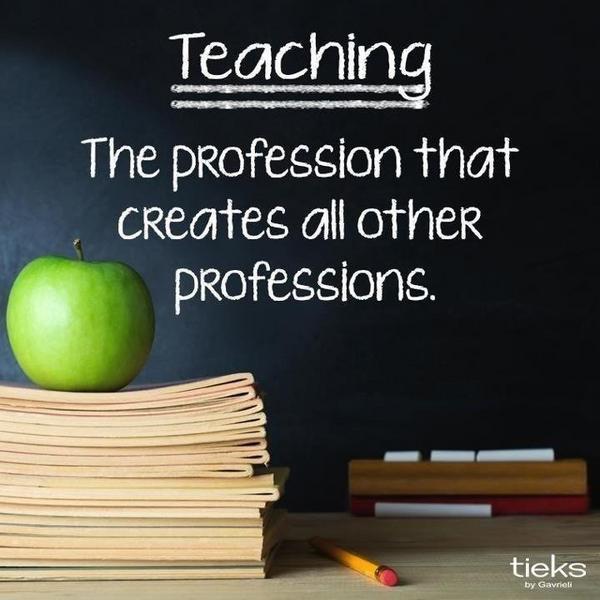
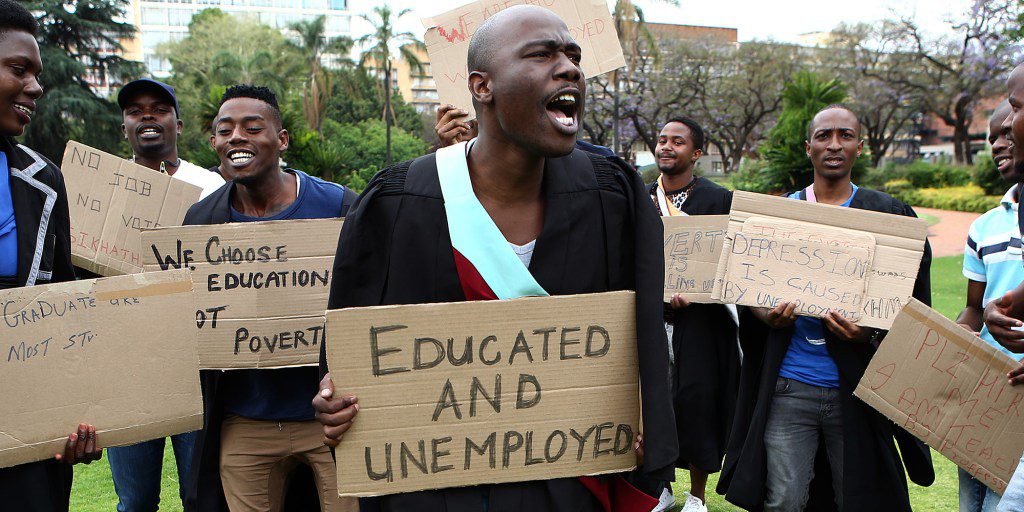
Teaching: the most underrated profession in Nigeria

By Ibrahim Tukur

Teaching, a practice dating back to the inception of human civilization, remains the cornerstone of knowledge dissemination and societal development. Across diverse forms, teaching has wielded a profound influence in shaping our lives and the world at large. It is the vessel through which knowledge, information, and invaluable experiences are preserved and transmitted across generations. In the structured confines of schools, students engage with various disciplines, not solely to absorb knowledge but also to challenge, reframe and contribute to a brighter future.

Yet, despite being the progenitor of all professions, Nigeria seems to overlook the significance of the teaching profession. Unlike professions like law or medicine, where extensive training and years of study are prerequisites, teaching frequently appears as an accessible career path, sometimes attracting individuals without the essential pedagogical skills or comprehensive subject mastery.

This oversight manifests glaringly in the under-appreciation of teachers by the Nigerian government, notably in the form of insufficient compensation. The meagre salaries offered to educators fail to recognize the intricacies and demands inherent in their roles, severely limiting their ability to perform optimally and affecting their morale.

Additionally, the teaching landscape in Nigeria grapples with a multitude of challenges which impede effective delivery. Inadequate infrastructure, including scarcity of classrooms, laboratories, libraries and teaching materials, acts as a significant barrier to effective teaching and learning processes. This scarcity, coupled with a shortage of qualified educators and deficiencies in teaching methodologies, hampers students’ ability to reach their academic potential. The lack of comprehensive and quality teacher training programs stands as a significant challenge faced by educators in Nigeria.

Many teachers enter the profession without adequate preparation, lacking essential pedagogical skills and updated teaching methodologies. This deficiency in training directly impacts their ability to effectively engage students, cater to diverse learning needs, and employ innovative teaching techniques. Insufficient training also hampers educators’ efforts in adapting to evolving educational trends, impacting the quality of education imparted to students across various levels of schooling.

Consequently, Nigeria’s education system suffers, and the negative ramifications are dire. If not rectified, this neglect of teaching – the bedrock of all professions – will perpetuate the birth of under-qualified professionals. It’s a situation that could escalate brain drain, where competent educators seek opportunities abroad where their expertise is appreciated and duly rewarded.

Recognizing the pivotal role which teachers play in shaping society, there’s an urgent need for substantial reforms. It starts with acknowledging and properly compensating teachers for their arduous task of moulding minds and futures. Additionally, investing in comprehensive teacher training programs, extending the duration of educational courses to allow for a more thorough mastery of teaching methodologies, and implementing stringent selection processes for educators are imperative steps.

The government’s commitment to furnishing all schools with adequate resources and facilities is equally crucial. This holistic approach is essential to ensuring seamless teaching and learning experiences, vital for the nation’s educational advancement.

In conclusion, it’s paramount to accord teachers the reverence and support they deserve. Their pivotal role in shaping both individuals and the world demands not only acknowledgement but also concrete actions aimed at rectifying the systemic deficiencies currently hampering the teaching profession in Nigeria.

Ibrahim Tukur is a hearing-impaired individual who hails from Ingawa town in Katsina. He earned his first degree in Special Education/Sociology. He is a Disability Rights Advocate and can be reached via inventorngw@gmail.com.

Sociology of Christmas celebration in Nigeria

By: Hassan Idris

Christmas is an annual festival that’s primarily celebrated to commemorate the birth of Jesus Christ. It’s duly observed on the 25th of every December as a religious and cultural celebration among millions of people around the world. Notwithstanding, Christmas, of course, is a Christian holiday that’s celebrated by many around the globe as a religious holiday with religious rituals, values and relationships. This schema for understanding what grips society together also applies to Christmas as a secular holiday. Christmas is a beloved holiday and for good reasons. It’s a time for parties, delicious seasonal beverages, feasting, gifts, and for many, a time of homecoming, but underneath the surface of festivity, there’s quite a bit going on, sociologically.

Sociologically, Christmas holds the social value of rituals as Classical Sociologist Emile Durkheim tends to shed more light on this. Durkheim, a functional Sociologist, developed a still widely used theory for explaining what holds society and social groups together through his study of religion.

Durkheim identified core aspects of religious structure and participation that sociologists today apply to society in general, including the role of rituals in bringing people together around shared practices and values; and ways that participation in rituals reaffirms shared values, and thus reaffirms and strengthens the social bonds between people (which he called social solidarity); and the experience of “collective effervescence,” in which people tend to share in feelings of excitement and are unified in the experience of participating in rituals together. As a result of these things, people feel connected to others, a sense of belonging, and the social order as it exists makes sense to them. They feel stable, comfortable, and secure.

Furthermore, the secular rituals of Christmas are very pertinent in the sociological discussion of social solidarity. Christmas, of course, is a Christian holiday, celebrated by many as a religious holiday with religious rituals, values, and relationships. The rituals involved in Christmas are decorating, often together with loved ones; using seasonal and holiday-themed items; cooking meals and baking sweets; throwing and attending parties; exchanging gifts; wrapping and opening those gifts; bringing children to visit Santa Claus; watching for Santa on Christmas eve; leaving milk and cookies for him; singing Christmas carols; hanging stockings; watching Christmas movies and listening to Christmas music; performing in Christmas pageants; and attending church services.

However, what Christmas does is bring us together with the people we hold dear and give us an opportunity to reaffirm our shared values. When we participate in rituals together, we call to the surface of interactions the values that underlie them. In this case, we can identify the values that underlie these rituals as the importance of family and friendship, togetherness, kindness, and generosity. These are the values that uphold the most beloved Christmas movies and songs, too. By coming together around these values through participation in Christmas rituals, we reaffirm and strengthen our social ties with those involved.

Also, Christmas performs a deeply important social function for us. It makes us feel like we are part of a collective whole, whether that be with kin or chosen family. And, as social beings, this is one of our fundamental human needs. Doing this is what makes it such a special time of year, and why, for some, if we don’t achieve this at Christmastime, it can be a real downer. It’s easy to get wrapped up in the hunt for gifts, the desire for new goods, and the promise of letting loose and partying during this time of the year.

Furthermore, in 1925, Anthropologist Marcel Mauss theorized that gift-giving is actually all about the giver: Mauss identified three obligations associated with gift exchange: giving, which he equates with the first step in building a social relationship; receiving, which signifies acceptance of the social relationship; and reciprocating, which demonstrates the recipient’s integrity. If gifts are refused or unreciprocated, relationships can be threatened. Decoration and gift giving are some of the prerequisites of Christmas and strengthen relationship bounds and solidarity amongst people all over the world.

Coming down to the Christmas celebration in Nigeria, it is pertinent to know that Nigeria is a rich country, given its endowed natural resources. Nigeria is a large nation populated by different multi-ethnic and cultural groups. It has an estimated population of over 200 hundred thousand people. It’s now generally estimated that there are some 400 ethnic groups of varying sizes that are found in Nigeria. However, there are definitely nothing less than 400 languages in this diverse country which makes people wonder how the British were able to determine that a united country was possible in such a diversity. And in this kind of complex diversity Nigerians celebrate Christmas happily and peacefully.

Christmas in Nigeria is a family event, a time when lots of family members come together to celebrate and have fun. Most families, that live in cities, travel to the villages where their grandparents and older relatives live. The end of the year is usually a great time for most Nigerians, and this is not just because it signals a time of relief for most people aching for a vacation or rest from all the hard work and back-breaking activities of the previous months; it is also because December time is Christmas time!

Christmas Day in Nigeria is a public holiday that is marked by the emptying of towns and cities with excitement in the air. People travel to their respective states of origin to celebrate with their loved ones, it is often a time for family reunion, a time to re-strategize and focus, it is a time to seek the face of God and make new year resolutions and also bless those who are less fortunate, and other general acts of random kindness.

As the towns and cities empty, people jam the West African markets to buy and transport live chickens, goats and cows that will be needed for the Christmas meals. On Christmas Eve, many families will throw Christmas parties that will last all night long, traditional meals are prepared and served according to the traditions of each region. Instead of having sweets and cakes, Nigerians as a whole tend to prepare various dishes.

In the South, a dish called Jollof rice or fried rice is served with stews of various meats along with fried plantains; in the North, rice and stew, as well as Tuwon Shinkafa, a rice pudding, served with various meat stews, are preferred. An alternative in both regions (but more favoured in the South) is a pepper soup with fish, goat meat or beef. Served with these foods are an array of mainly alcoholic drinks such as the traditional palm wine or various local and imported beers and wines; children and women may be served locally-made soft-drink equivalents instead.

Many different languages are spoken in Nigeria, and with different ways of wishing one another a happy Christmas. In Hausa Happy/Merry Christmas is ‘barka dà Kirsìmatì’; in Yoruba it’s ‘E ku odun, e ku iye’dun’; in Fulani it’s ‘Jabbama be salla Kirismati’; in Igbo (Ibo) ‘E keresimesi Oma’; in Ibibio ‘Idara ukapade isua’ and in Edo it’s ‘Iselogbe’.

However, on Christmas morning, Christians go to church to give thanks to God. Homes, restaurants, workplaces and streets are often decorated. Most homes will have an artificial Christmas tree. Children love to play with firecrackers at Christmas. The church choir may visit the church congregation in their homes to sing Christmas carols to them. Christmas cards are sent to friends and family members. Presents are exchanged amongst family members, and some families may take their children dressed in new outfits to see Santa Claus, usually referred to as ” FATHER CHRISTMAS in Nigeria.

In the villages, people would be greeted by the numerous masquerade groups formulated by the younger people who gently display their dance moves in exchange for foreign currencies. These dance groups make the Christmas experience soothing and comforting. The young girls also have their dance groups, though without a masquerade but with palm fronds tied to their left feet as a sign of bravery in some cultures. These young girls also make money by displaying their well-thought-out dance steps.

Christmas in Nigeria consumes money and the flow of gifts. It’s a time for celebration and reconnection, the experience is always an unforgettable one. Visitors are welcomed, and there is no house that is left without the aroma of chickened stew, especially in places where the celebration is ongoing. Nigerians are kinder to each other during the holidays.

Families and organizations take time out during the holidays to share good cheers and give out gifts to each other and the less privileged. Some people also organize causes and donation points for others. The most lit parties happen at Christmas time. From carols to street carnivals to concerts, people are bound to have the utmost time of their lives during the holidays.

In conclusion, the sociology of Christmas is wonderful and unique as it is important to remember that Christmas will be most enjoyable when it is designed to foster togetherness and also share and reaffirm the positive values that bind Christians together.

Hassan Idris can be reached via idrishassan035@gmail.com.

Data protection legislation and the future of Nigeria’s digital economy

By Muhammad Mikail

On the 12th of June 2023, President Bola Ahmed Tinubu signed the Nigeria Data Protection Bill into law, setting the historic course for a new data-protected Nigeria. As a matter of fact, the bill was among the very first bills assented to by President Bola Ahmed Tinubu upon assumption of Office. This is no doubt a demonstration of Nigeria’s commitment to safeguarding digital privacy and building trust with global partners and stakeholders; a bold statement and alignment with the cliché’ ‘hit the ground running.’ 

The newly assented Data Protection Act 2023 provides a legal framework for the protection of personal information, safeguarding people’s basic rights and freedoms while supporting the establishment of ‘The Nigeria Data Protection Commission (NDPC)’ for the regulation of the processing of personal information and data. Hence, the law doesn’t only address privacy concerns but also sets the stage for responsible data usage, fostering a secure, trustworthy and progressive digital economic environment.

This also signifies the Federal Government of Nigeria’s full-proof commitment to the “Digital Transformation Strategy for Africa (2020-2030)” as commissioned by the African Union (AU). The overarching objective of the “Digital Transformation Strategy for Africa (2020-2030)” is for every country within the African continent “to harness digital technologies and innovation to transform African societies and economies to promote Africa’s integration, generate inclusive economic growth, stimulate job creation, break the digital divide, and eradicate poverty for the continent’s socio-economic development and ensure Africa’s ownership of modern tools of digital management.” The Nigeria Data Protection Commission will be a major player in achieving this lofty goal.

At one point, there was a lot of scepticism by development partners, international financial institutions, critical stakeholders in the digital economy and even potential investors about Nigeria’s lack of data protection legislation.       

Addressing these concerns, the Federal Government of Nigeria, under former President Muhammadu Buhari, established the Nigeria Data Protection Bureau (NDPB) in 2022 as the regulatory institution responsible for ensuring that people’s personal information is kept private and safe when used for ‘digital things’ with Dr Vincent Olatunji as the National Commissioner. However, the Bureau lacked a law establishing it and giving it the robust legal framework required for a full-fledged agency of government to adequately address issues bordering on the security and privacy of data in Nigeria.

In January 2023, the Federal Executive Council (FEC) approved the Nigeria Data Protection Bill presented by former Hon. Minister of Communication and Digital Economy, Prof. Isa Ali Ibrahim Pantami, for transmission to the National Assembly for consideration.      

The then Nigeria Data Protection Bureau, NDPB, now NDPC, led by the National Commissioner, Dr Vincent Olatunji, in collaboration with the Nigeria Digital Identification for Development Project (NDID4D), worked with critical stakeholders, Ministries Departments and Agencies, captains of industries and policymakers perfecting the bill. 

A Focus Group Discussion, national policy dialogue and validation workshop was held to present the draft bill to stakeholders, the 9th National Assembly, and the Federal Ministry of Justice for their buy-in, comments, criticism, and suggestions to improve the bill.  Prior to that, Nigeria had no policy instrument that focused on supporting data privacy and data protection. 

Described as one of the most forward-thinking Acts across the African data ecospheres, the Nigeria Data Protection Act recognises innovations, blockchains, Artificial Intelligence and robotics. The Act also fosters an environment where companies prioritise robust cybersecurity measures and protect sensitive personal information from unauthorised access.

Furthermore, the law empowers users by ensuring that their data is handled responsibly and ethically since, as a fact, the law emphasises informed consent, which enables users to make conscious decisions regarding the use of their data. With this regulation, organisations are bound by law to promptly adapt their practices to comply with the new data protection standards. This brings a balance between leveraging data for business growth and respecting individuals’ privacy rights.

In terms of job creation, Dr. Vincent Olatunji, the National Commissioner of the Nigeria Data Protection Commission, NPDC launched the Nigeria Data Protection Strategic Roadmap and Action Plan, NDP-SRAP 2023-2027 on the 13th of December 2023, in Abuja. The action plan is expected to create about 500,000 jobs and generate more than N125 billion in revenue.

Dr Vincent said in an interview that the NDP-SRAP 2023-2027 is in conformity with President Bola Ahmed Tinubu’s renewed hope agenda. He said, “Part of the ‘Renewed Hope Agenda’ of President Bola Ahmed Tinubu’s administration is to create about two million jobs in the digital economy sector. The data protection sector alone could create more than 500,000 jobs.”

According to the National Commissioner, “The NDP-SRAP comprises interlinked initiatives and activities like job, wealth creation, human capital development, revenue generation, foundational initiatives for the digital economy and enhancing Nigeria’s global reputation. These activities are expected to create about 500,000 jobs, generate revenue of more than N125 billion and expand the sector within the lifespan of this roadmap”.

In the same vein, the former Minister of Communication and Digital Economy, Prof. Isa Ali Ibrahim Pantami, was quoted in an interview to have said that “in two years of the implementation of the Nigeria Data Protection Regulation, NDPR, a novel sub-sector of the economy was created, 7,680 Nigerians were employed. Nigeria was appointed as the Vice Chair of the Data Protection Laws Harmonization Working Group at the African Union (AU) and was the only country in Africa to publish a data protection report in two years.

According to the DG/CEO of the National Identity Management Commission, “integrated identity is the backbone of e-governance initiatives as it provides an enabling environment for key government programmes of social safety net, financial inclusion, as well as for companies that want to provide innovative products and services to people.  She said, “An integrated identity system will strengthen the government’s fiscal management, promote good governance and transparency through inclusivity and social equality, as it ensures that marginalized and vulnerable populations are not excluded from government services.”

The Nigeria Data Protection Act is an enabler of inclusive identity issuance and management and a precursor for the growth, integration, and stability of Nigeria’s digital identity system. It is part of efforts to issue legal digital identities to 99.9% of people in Africa as part of a civil registration process by 2030. 

In this vein, the Act serves as the launch pad for the government’s efforts in building inclusive digital skills and human capacity across the digital sciences, judiciary, and education, both technical and vocational, to lead and power digital transformation, including coding, programming, analysis, security, blockchain, machine learning, artificial intelligence, robotics, engineering, innovation, entrepreneurship, and technology policy & regulation. This is evident in the recent launch of the 3 Million Technical Talent (3MTT) programme by the Hon. Minister for Communication, Innovation and Digital Economy, Mr Bosun Tijjani. The programme is aimed at building Nigeria’s technical talent backbone, powering her digital economy and positioning Nigeria as a net talent exporter the first phase of the programme, executed in collaboration with NITDA, is set to involve multiple stakeholders, including fellows, training providers, partners, and placement organisations.

Consequently, the nation hopes to witness robust digital economic growth, especially with the growth of digital platforms. These platforms are essential elements of digital infrastructure and can serve people, businesses, and government agencies in all aspects of life, including healthcare, education, commerce, transportation, and public benefits. Digital platforms serve or enable other products or services. For the people who use these platforms to receive their monthly pensions, securely login to a government e-services portal, pay their utility bills, submit a complaint, access public information, or find a person to rent their car, these platforms can provide a seamless service delivery experience that increases user convenience, savings, and agency. For governments, digital platforms can increase the efficiency and effectiveness of core functions and services, reduce unnecessary duplication of systems, and combat fraud.

Finally, as data subjects and responsible citizens, we must stay informed about data protection laws; demand transparency from organisations that collect our data and support NPDCs initiatives to sustain and promote international cooperation on data protection, its continuous improvement, and efforts to secure our digital economic future.

Muhammad Mikail writes from Abuja and can be reached via muhammadnmikail.mm@gmail.com.

Kidney Disease: To me, it is a  killer disease, too

By Alhaji Musa Muhammad 

The more you have been infected with kidney failure, the more you will come to the mind of the people: “You are finished”. Others take you as a corpse just walking before its last breath.

Hadejia, the area with a number of such cases, is still facing the problem without knowing its root causes. However, there was a time when one of the presenters (name withheld), during a campaign awareness, warned vegetable/fish farmers to avoid using pesticides and herbicides on direct fruits, for example, eggplants.

He said there was a time when he saw a  farmer spraying his eggplant farm and asked him why he was pouring it. The farmer replied yes, I’m spreading it for every fruit to rip simultaneously. The Dr said are you not afraid the chemical will affect the consumers? The farmer replied, ‘I’m not the one who consumed it”.

Efforts have been made by some politicians, especially former senator Ibrahim Hassan, to take urgent action to tackle the spread of the disease. Unfortunately, there is no remarkable feedback about the different gatherings held on the kidney problem in the area.

Community-based organisations have done a lot in organising sensitisation meetings in collaboration with health practitioners, but the community members are still witnessing the increase in the problem.

One thing to be done regarding the kidney problem is the need for the government to take urgent action and mobilise the environment on the causes of the disease.

I must commend the effort and struggle of Dr Isah Billami during his tenure as chairman of Hadejia Ina Mafita to organise a town meeting to learn the solution to the problem. However, there was no positive feedback on the issue.

Our politicians range from the council chairman, members representing Hadejia at the state House of Assembly, senators representing Jigawa Northeast and the Governor at large; your response is highly needed now.

Allah ya kawo mana dauki , Ameem .

Alhaji Musa Muhammad wrote from Hadejia, Jigawa State.

Sheikh Dahiru Bauchi’s letter: I am surprised by those who are surprised

By Dr. Dikko Muhammad

I’m surprised that some people find the said letter of Sheikh Dahiru Bauchi surprising. The fact is that many Nigerians see the courts as departments for the pursuance of politicians’ interest and more often, as stalls for the sale of “justice” to the highest bidder. And they have reasons to believe so. Why?

Senator Bulkachuwa told the Senate, on camera, that his wife, a former President of the Nigerian Court of Appeal, “extended her help to his colleagues” while in office.

A recently retired justice of the Supreme Court complained a lot of its workings. Not to mention the complaints against the top Oga of the Supreme Court who once led other justices to complain against the former top Oga of the Supreme Court.

Series of conflicting judgments are becoming a defining feature of ours courts.

The idea of the court as an umpire is fast becoming extinct. If any unknown backbencher politician wants me lock up tomorrow, being Sunday, don’t be surprised for the lines of judges ready to grant his request.

Where justice is delayed and denied, fears and favours determining verdicts, faith in the court is eroded. This is why our country has become a planet of jungle justice. People think that the courts are haven for criminals. The densely populated prisons in Nigeria are a repulsive testimony to the putrid stench of our entire judicial system.

So, it’s now left for our courts to either redeem their battered image or continue to sink into the abys. They’re designed to be the last refuge for the oppressed, not a refuse for the oppressor. If writing a letter would make it deliver justice, we should all be letter writers to the Supreme Court.

Dikko writes from Katsina State, Nigeria.

Colloquium where Nigerian economic history was reviewed

By Ibrahim I. Waziri

When I saw the flyers announcing the theme of this year’s colloquium (16th December 2023) – “Political/Economic Formulas for National Development” – I couldn’t help but get excited. Though I work at a university where expert colleagues analyse the state of the nation during daily breaks, I felt ready for fresh perspectives on the current political and economic implications of the recent ECOWAS sanctions on Niger and how they impact us, particularly Nigerian businesses in the North.

My excitement stemmed from two key factors. First, the colloquium was to be held in Sokoto, one of the Nigerian states bordering Niger, which bears the brunt of the sanctions most. Second, the convener, Mallam Zayyanu Yabo, is the current Chairman of the Sokoto Professionals Network, a body dedicated to showcasing the abundant economic opportunities within Sokoto and putting the state on the national map.

However, Dr. Chima Amadi, the keynote speaker and a scholar-businessman, not only impressed the audience with his expertise but also left us with thought-provoking questions at the end of his presentation. After refocusing the theme solely on economics and development (much to my surprise not giving room for the ECOWAS-Niger political angle), he delved into defining “positive development” as possibly anything that leads to poverty reduction.

He then provided an insightful review of Nigerian economic history, highlighting the struggles associated with various economic frameworks adopted over the past 63 years since independence.

These included ten different economic plans, Washington Consensus-inspired structural adjustment programs under Babangida, Obasanjo’s NEEDS (also Bretton Woods institutions influenced), and later approaches that haven’t strayed far from past strategies. Dr. Amadi pointed out that these national planning and economic strategies were often prescribed by agenda-driven foreign institutions, potentially lacking a comprehensive appreciation of Nigeria’s history, local realities, and perhaps even neglecting its best interests.

The result, as statistics sadly demonstrate, he concluded, is a Nigeria far from achieving poverty reduction and ranking low on every reputable international survey on human development indices.

The solutions, he suggested, might include, among other things, looking into the journey of some contemporary nations with relative success in economy and development. The Asian Tigers abandoned Bretton Woods institutions’ prescriptions and are far better off than us. Perhaps we should focus more on local content, since development by its nature is organic and self-conscious, not externally prescribed and sourced!

This point resonated most with the audience and the panellists during the discussion session thereafter, as statistics reveal that about 65% of the country’s current GDP is not contributed from the formal structured economy that currently cannot be thoroughly analysed.

Among the lead panellists, one immediately pointed out how in some Asian Tiger countries, their indigenous cultural institutions before colonialism are still relevant constitutionally, providing needed social focus and keeping national planning consistent. 

An issue about the relationship between local businesses and research output from our institutions of higher learning was observed to be almost non-existent, with intellectual property laws seeming ineffective and indigenous ideas prone to theft within and across national borders.

Another erudite barrister, Kingston Chikwendu, building on an earlier submission about gender and youth inclusion, observed that the question of local content and inclusion stands front and centre even at the venue of the colloquium. He questioned why we gather in Sokoto, speaking in “exotic English” about economy and development in a language that the majority of the state’s economic demographic cannot understand. He suggested that in the future, provision should be made for at least a real-time translation of proceedings into Hausa, fulfilling the keynote address’s first prescription for local content and inclusion.

This last point reminded me of the often-repeated sentiment that if our local languages had been our medium of instruction at secondary school level, where substances like sulphur and potassium were taught in Chemistry classes as “Farin Kasa” and “Kanwa” respectively, we would have appreciated their value better and explored their economic relevance more. Between us and our grandmothers, we might have been able to come up with mixtures with the potential for inventions with significant personal and societal economic benefits.

The session for me was a high dose of concentrated intellectual elixir. Though the keynote address dropped the political angle of the theme, denying me the opportunity to see issues related to the ECOWAS sanctions on Niger and their attendant implications on Nigeria’s economy and security problems discussed, I can still say I got more than enough.

The Sokoto colloquium is putting the state in the news for all the right reasons. The session was attended by representatives of the Sultan of Sokoto and the state governor; and it received wide coverage by national news outlets. The deliberations are being heard by policymakers. Our prayers go to God to strengthen the will and wings of the convener as well as supporters across the nation. Nigeria is in dire need of robust policy review forums like what Sokoto colloquium offers.

Ibrahim A. Waziri wrote from Zaria, Kaduna State. He can be reached via iawaziri@gmail.com.

BOOK REVIEW: A History of BORNO: Trans-Saharan African Empire to Failing Nigerian State

Author: Vincent Hiribarren

Date of Publication: 2017

Number of pages: 310

Publisher: Hurst & Company, London

If you knew very little about the territorial framework of the Borno empire before now, then reading this book might likely shatter some previously held notions about the region. Borno has, in recent years, notoriously gained renewed academic attention as a result of the Boko Haram insurgency. Spoiler alert: this book isn’t about the origin of Kanuri or other inhabitants.

Although the Borno empire found its roots in the 8th century, this book covered only the past 200 years of the kingdom’s existence. Therefore, the 8 chapters of the book started at the beginning of the 19th century down to around 2014 when the research for its publication was concluded. The author seemed very mindful of the political significance of the Borno empire following the Fulani jihad, even if the invasion had a different outcome, but that’s another topic entirely.

The earlier section of the book highlighted the spatial continuity of the territorial framework of Borno, which argued that fairly stable structural borders existed well before colonial times. This was a pivotal juncture, as discussed later in the book, for the ‘scramble for Borno’, where the 19th-century spatial frameworks were used to legitimise conquest by foreign invaders. It proved important even in the European colonial competition against each other.

Later on, the book explored how, essentially, the British and the Germans recycled the Borno region within their colonial spatial framework with an additional detailed perspective of the Indirect rule. It didn’t stop there, it goes on to analyse how, in reality, the colonial administration of Borno during the early colonial period played a decisive role in the preservation of its territorial continuity.

Navigating this book, you need to have an incredible tolerance for some nitty gritty details. The writing style is aggressively academic, and it is filled with flayed raw materials to inspire further reading. It is definitely not a very easy-to-read book but rather a slice of rock-hard brain playground! It’s very clear that the author is a cartography freak.

The book itself must have been inspired by the thesis undertaken by the author while pursuing a PhD at the University of Leeds in the UK with the title “From a Kingdom to a Nigerian State: the Territory and Boundaries of Borno 1810-2010”. The author teaches African History at King’s College London.

Dr Shamsuddeen Sani wrote from Kano, Nigeria.