News

Seven Boko Haram, ISWAP commanders Arrested After Returning From Hajj Using NIMC Database — Minister

By Anwar Usman

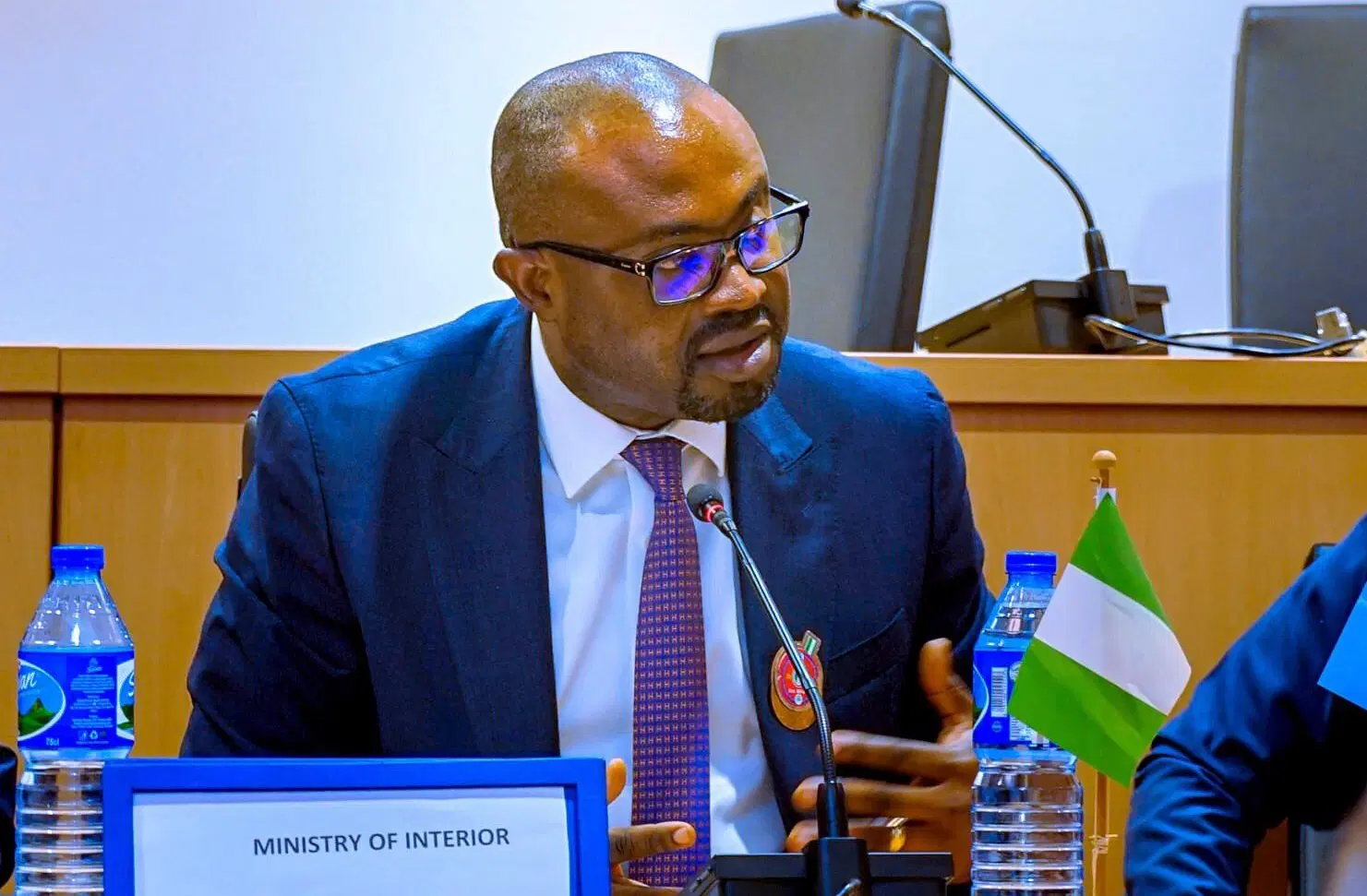
The Minister of Interior, Dr Olubunmi Tunji-Ojo, said on Friday that Nigeria’s integrated identity management system led to the arrest of seven suspected Boko Haram and ISWAP commanders returning from the 2026 Hajj pilgrimage.

‎The minister made this known at the Presidential Villa, Abuja, shortly after President Bola Tinubu signed the National Identity Management Commission Act 2026 into law, as contained in a statement signed by the President’s aide, Bayo Onanuga.

According to him, the suspects were arrested last Thursday at the Katsina airport after returning from Saudi Arabia and were subsequently handed over to the Department of State Services.

He said the arrests were successful as a result of integrating the National Identity Management Commission database with the Nigeria Immigration Service database and connecting it to Interpol.

The statement in part reads, ”I know, sometime ago, the Senate President was alarmed by how some terrorists went on pilgrimage, wondering how they crossed our borders. We inherited a fractured system.

‎”But I’m happy to tell you that even last week, Thursday, seven of the known commanders of Boko Haram and ISWAP at the point of coming back from Mecca were arrested in Katsina at the airport and were handed over to the DSS.

‎”This is only possible because NIMC’s ID is already connected with the immigration database, and it’s already speaking to even the Interpol 24/7, and we have been able to automate this,” the minister said.

According to the minister, the newly signed NIMC Act would further strengthen Nigeria’s security architecture by improving the harmonisation of identity databases and strengthening inter-agency collaboration.

‎He further revealed that the law will enhance the integrity of the National Identity Number system while boosting the country’s capacity to combat identity theft, terrorism, financial crimes and other security threats.

He said that before Tinubu’s government, identity management systems were fragmented, noting that services such as passport issuance and driver’s licence processing were disconnected from the national identity database.

President Tinubu signed the NIMC Act 2026 on Friday. In attendance were the Senate President, Godswill Akpabio, the Deputy Speaker of the House of Representatives, Benjamin Kalu, and other senior government officials.
Triple “R” Kannywood Renewed Hope Initiative Holds Special Prayers for Peace and National Security

By Khalid Imam 

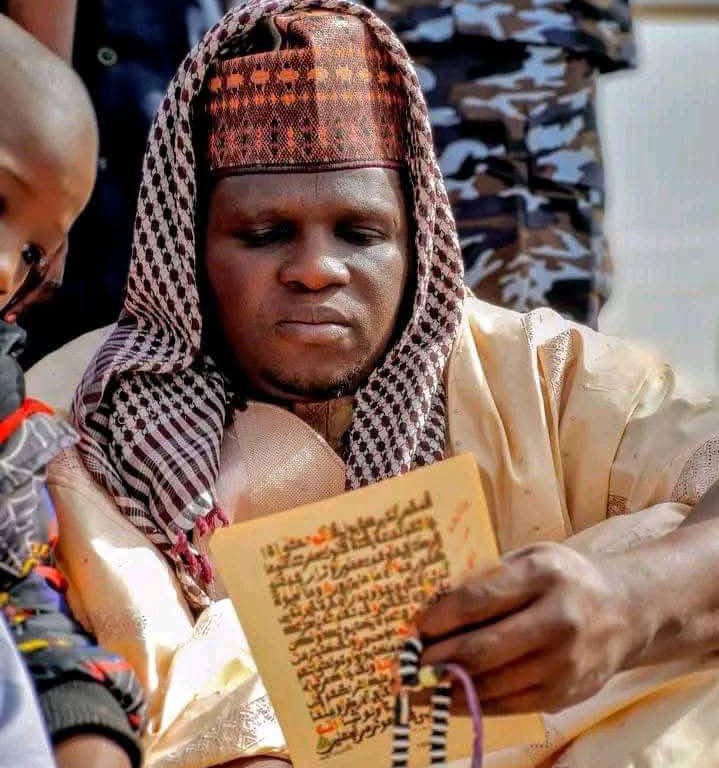
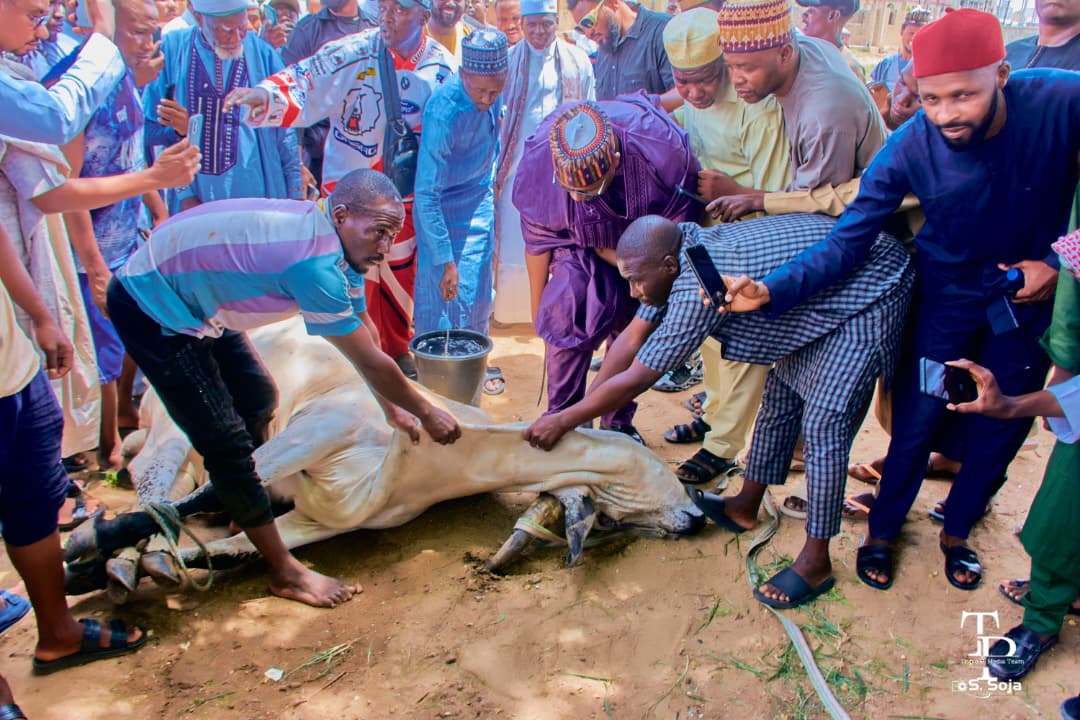
The Triple R Kannywood Renewed Hope Initiative, the highest body of elite Kannywood actors and other influential Arewa creatives, led by Alhaji Dauda Adamu Abdullahi Kahutu Rarara, organised a special prayer session to pray for peace, unity, and security in Nigeria on 22nd June 2026 at the Aminu Dantata Trade Fair Complex in Kano City.

Conceived by a high-powered 5-Man Committee of Special Prayer chaired by Nura Hussaini, a famous Hausa film actor, the session drew a massive turnout of notable Hausa film actors, directors, singers, scriptwriters, authors, and other creatives in the arts industry. TikTok influencers and dozens of group members were also in attendance, and all were united by their concern over Nigeria’s security situation.

The special prayers attracted enthusiastic attendees from the film and arts industry in Kano, Kaduna, Gombe, Niger, Sokoto, Borno, and other Northern regions. Starting around 11 am, members recited the Holy Qur’an. A big cow and a large ram were slaughtered, and the meat was shared among the public. The act sought Allah’s intervention for lasting peace and security, especially in troubled areas. 

Prayers were also faithfully offered for Almighty Allah to completely crush all those directly or indirectly profiting from the killing of innocent lives, especially bandits and other troublemakers. Members also prayed, asking God to bring a permanent end to terrorism, armed robbery, kidnapping, and every form of insecurity plaguing Nigeria, particularly the North.

To ensure a well-coordinated and sustained approach, the initiative is committed to establishing the said powerful standing committee under the chairmanship of Nura Hussaini, with Sharu Nagudu serving as Vice Chairman. All members of the Triple R Kannywood for Renewed Hope Initiative are automatic and committed members, working collectively to hold continuous prayers for peace, unity, security, and Nigeria’s overall development.

At the heart of the prayers was a collective plea for Allah’s immediate intervention in ending the violence still disrupting communities across Nigeria. The group also prayed for lasting peace, security, and stability across Nigeria, for unity, love, and mutual understanding among all citizens, and for wisdom and sound guidance for the country’s political leadership at the national and state levels as they strive harder to steer the nation toward achieving peace and socioeconomic transformation.

Speaking to journalists at the venue of the special prayers and sacrifices, Rarara, a preeminent Hausa song artist and leader of the converged creative minds under the Triple R Kannywood Renewed Hope Initiative, said, “The initiative recognises the daunting challenges security agents face daily in tackling insecurity across the country. This prayer session was organised to complement their efforts by seeking Allah’s intervention and urging the general public to join in praying for the success of the government and security personnel in combating this persistent menace.”

Khalid Imam, a multiple award-winning bilingual author based in Kano, attended the special prayer session and crafted this report.

Most Muslims Report Discrimination in German Public Institutions, Survey Finds

By Muhammad Abubakar

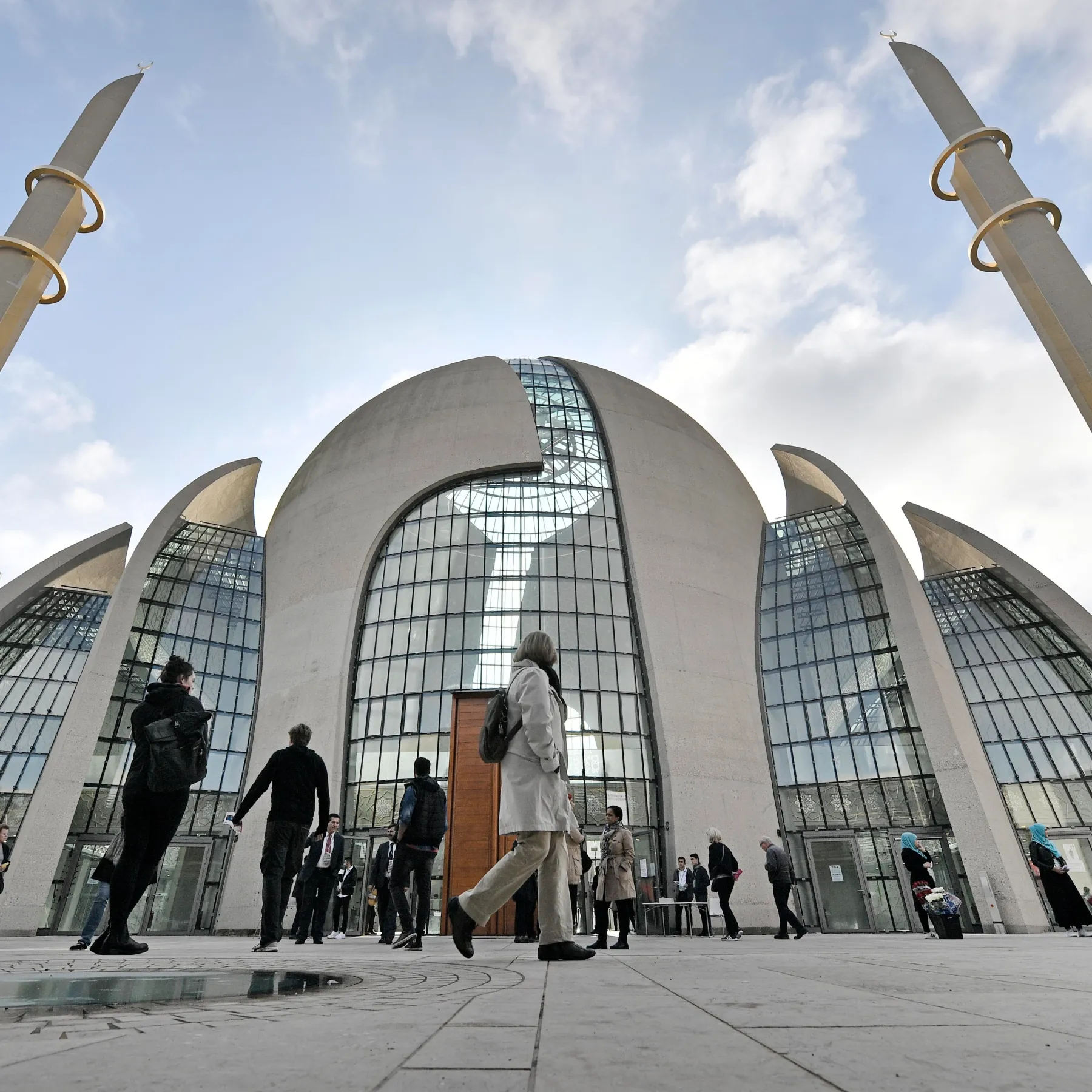
Anti-Muslim racism is widespread in Germany’s public institutions, with most Muslims reporting discriminatory treatment when dealing with state authorities, according to a recent survey highlighted by anti-racism advocates.

The findings, cited by the alliance against anti-Muslim hatred CLAIM, show that around 80 per cent of Muslims surveyed reported experiencing discrimination in their interactions with public institutions and authorities. The study examined experiences involving government agencies, public services, and other state institutions.

Researchers said the results point to persistent forms of institutional racism that affect Muslims in areas such as employment services, migration offices, law enforcement, and public administration. The study is among the most comprehensive investigations of racism within German federal institutions to date.

The survey comes amid growing concern over anti-Muslim hostility in Germany. A separate civil society report presented by CLAIM this week documented 4,096 anti-Muslim incidents nationwide in 2025, up from 3,080 cases in 2024. The incidents included discrimination, insults, threats, property damage, and violent attacks. Women accounted for nearly two-thirds of recorded cases where gender was identified.

CLAIM and other advocacy groups have called for stronger measures to combat anti-Muslim racism, including improved complaint mechanisms, better monitoring of discrimination, and expanded anti-bias training within public institutions.

Germany is home to more than five million Muslims, making it one of the largest Muslim populations in Europe. Recent studies have warned that discrimination and exclusion continue to pose significant challenges to social cohesion and equal participation in public life.

UN Inquiry Accuses Israel of Genocide Through Targeting of Children in Gaza

By Maryam Ahmad

A United Nations commission of inquiry has accused Israel of committing genocide in Gaza, alleging that Israeli forces deliberately targeted Palestinian children and inflicted conditions aimed at destroying the future of the Palestinian population.

In a report released on Monday, the UN Independent International Commission of Inquiry said children accounted for nearly 30 per cent of the more than 67,000 Palestinians reported killed during the conflict. The commission argued that the use of heavy weapons in densely populated areas, attacks on essential services, and severe humanitarian conditions demonstrated genocidal intent.

The inquiry also documented widespread psychological trauma, attacks on healthcare facilities, and worsening conditions for children in both Gaza and the occupied West Bank.

Israel strongly rejected the findings, describing them as false and politically motivated. Israeli officials said the military takes measures to minimise civilian casualties and blamed Hamas for operating within civilian areas and diverting humanitarian resources.

The report is likely to intensify international debate over the conduct of the war, which began after Hamas’ October 7, 2023, attack on Israel and has since resulted in heavy casualties and widespread destruction across Gaza.

Presidency Renames PTDF College in Kaduna After Shehu Musa Yar’Adua

By Muhammad Abubakar

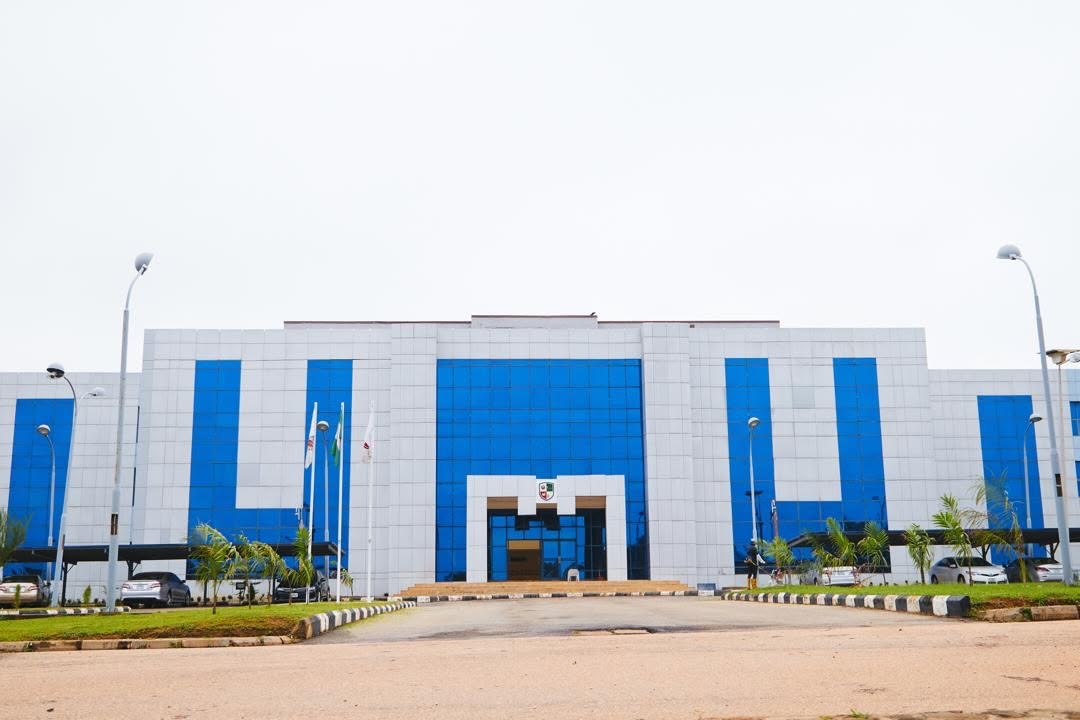
The Federal Government has renamed the PTDF College of Petroleum and Energy Studies in Kaduna in honour of the late Nigerian statesman, Shehu Musa Yar’Adua.

According to a statement issued by the management of the Petroleum Technology Development Fund (PTDF), the institution will now be known as the General Shehu Musa Yar’Adua University of Geological Sciences and Engineering Technology. The renaming follows a presidential directive by Bola Ahmed Tinubu.

PTDF said the decision recognises Yar’Adua’s contributions to national unity and Nigeria’s democratic development. The fund assured stakeholders that all academic programmes, partnerships, and institutional operations would continue without disruption under the university’s new identity.

The institution is expected to maintain its focus on research, specialised training, and engineering technology development aimed at supporting Nigeria’s oil, gas, and renewable energy sectors.

China Cuts Thousands of University Degree Programs in Major Education Overhaul

By Hadiza Abdulkadir

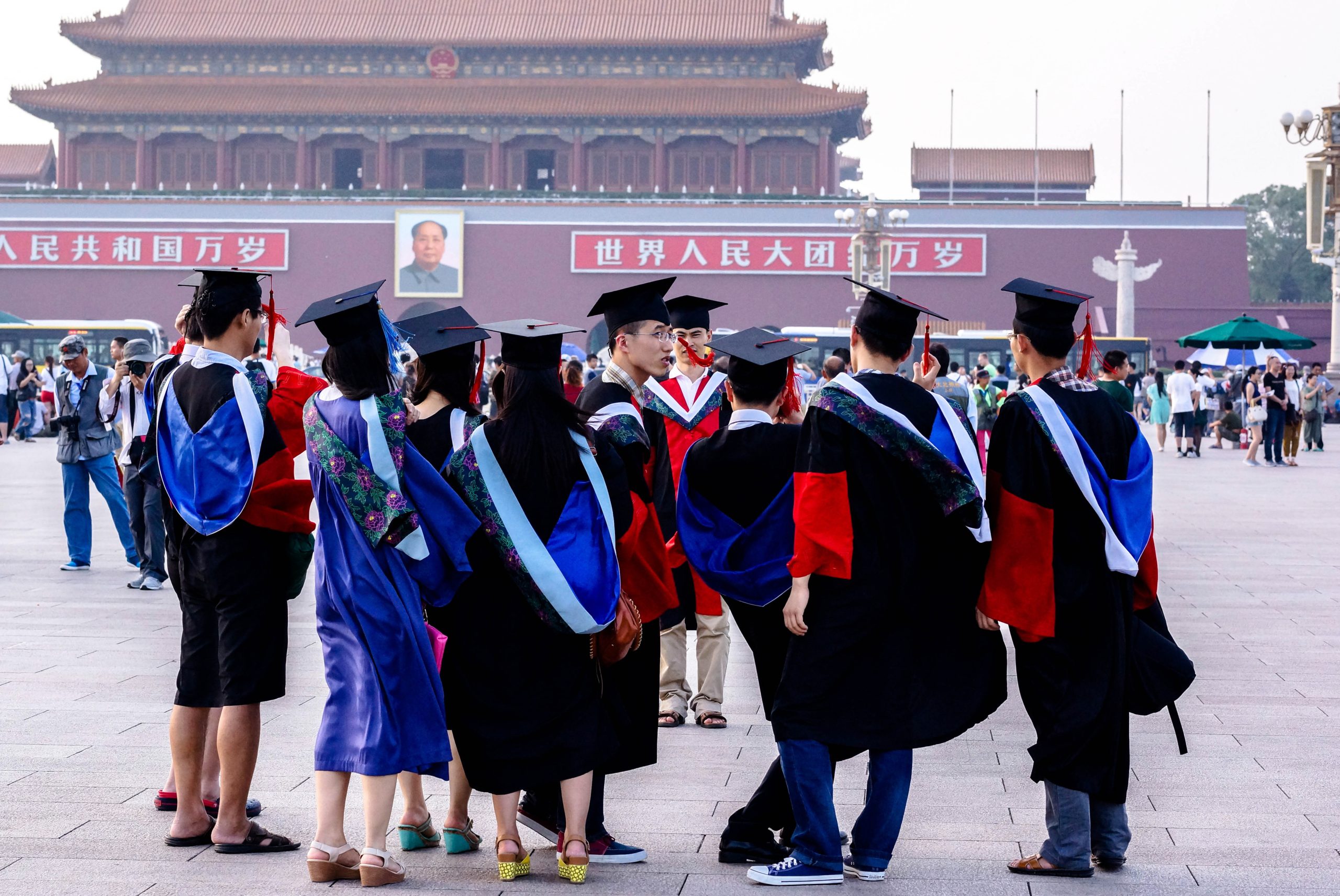
China has removed or suspended more than 12,000 university degree programs as part of a sweeping reform aimed at aligning higher education with the country’s economic and technological priorities.

According to data from China’s Ministry of Education, universities revoked or suspended about 12,200 undergraduate programs between 2021 and 2025 while introducing roughly 10,200 new ones. The changes affected more than 30 per cent of university programs nationwide. The cuts were concentrated in arts, humanities, foreign languages, and management-related disciplines.

Programs such as English literature, product design, and public administration were among those affected as universities reviewed courses deemed obsolete or less closely aligned with current labour-market needs.

The reforms come as China seeks to address a graduate employment challenge and strengthen its position in advanced technology industries. Officials and university administrators have increasingly emphasised programs that are seen as supporting national development goals and emerging sectors.

To replace the discontinued programs, universities introduced thousands of new degree offerings focused on advanced technologies and strategic industries. New majors include embodied intelligence, semiconductor engineering, and brain-computer interface technologies, among other fields linked to artificial intelligence and high-tech manufacturing.

The overhaul reflects Beijing’s broader ambition to build a highly skilled workforce capable of supporting innovation, technological self-reliance, and long-term economic growth. Supporters argue the reforms will improve graduate employability, while critics warn that reducing opportunities in the humanities could weaken intellectual diversity and critical inquiry within universities.

As China continues to reshape its higher education system, the reforms are likely to attract close attention from policymakers and educators around the world who are grappling with similar questions about the future of work and the role of universities in a technology-driven economy.

Professor Gumel Makes History in Global Mathematical Biology Leadership

By Muhammad Abubakar

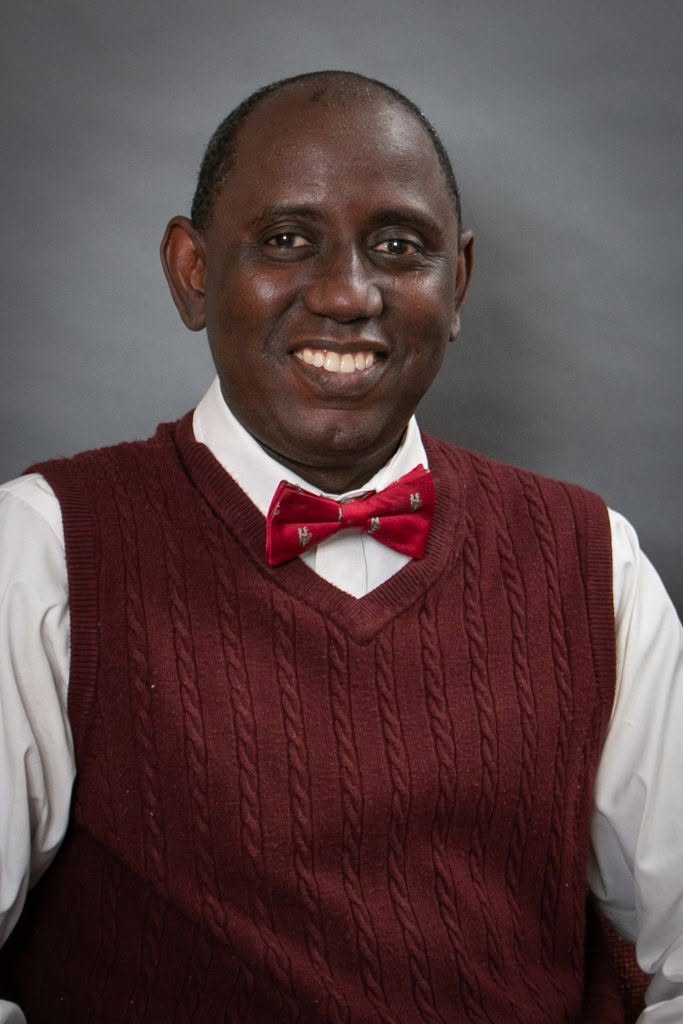
A renowned mathematician and infectious disease modeller, Professor Abba B. Gumel, has been elected President-Elect of the Society for Mathematical Biology (SMB), becoming the first African to attain the prestigious position.

The announcement was celebrated by academics and researchers across the world, including Dr Salihu Sabiu Musa, who described the achievement as a major milestone for mathematical biology and African scholarship.

The Society for Mathematical Biology is one of the world’s leading professional organisations dedicated to advancing research and education at the intersection of mathematics and the life sciences.

Professor Gumel is internationally recognised for his pioneering contributions to infectious disease modelling, particularly in the study of epidemics and public health challenges. His work has influenced scientific understanding of disease transmission and informed public health responses globally.

According to Dr Musa, Professor Gumel’s election reflects his outstanding scholarship, leadership, and commitment to mentoring students and early-career researchers. He noted that the professor has inspired and supported countless scientists worldwide through his research and academic guidance.

Scholars have described the development as a significant achievement for Africa, highlighting the growing global impact of African researchers in science, technology, engineering, and mathematics.

Professor Gumel is expected to help shape the future direction of mathematical biology as the field continues to play an increasingly important role in addressing global health and environmental challenges.

Kano Housewife Fatally Stabs Husband in Alleged Forced Marriage Dispute

By Abdullahi Mukhtar Algasgaini

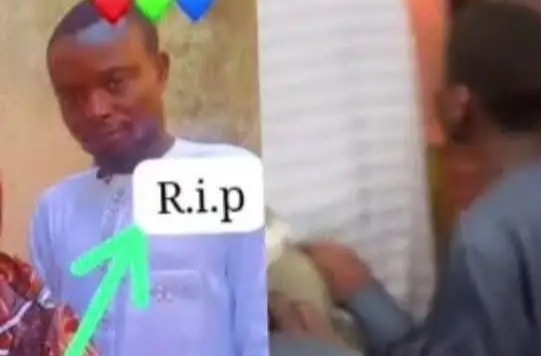
A 26-year-old housewife, Fatima, is in police custody in Kano State after allegedly stabbing her husband, Auwalu, to death on Sunday in the Rimin Kebe quarters of the metropolitan area.

The couple, who had been married for less than two months, reportedly engaged in a heated argument that turned violent. Neighbors said the marriage was not one of mutual affection, with the wife having consistently expressed reluctance to the union.

According to a local resident who spoke on condition of anonymity, the deceased emerged from their home crying for help after the attack.

“Fatima struck his throat with a knife. He came out shouting that it was his wife who stabbed him. He was rushed to the police station and later to a hospital, but he died before arrival,” the source told.

The suspect was promptly arrested by officers from the Zango Police Division in Dantamashe.

“Their marriage is less than two months old. The wife is presently under police custody,” the source added.

Putin Says NATO Has Failed To Defeat Russia Through Ukraine

By Sabiu Abdullahi


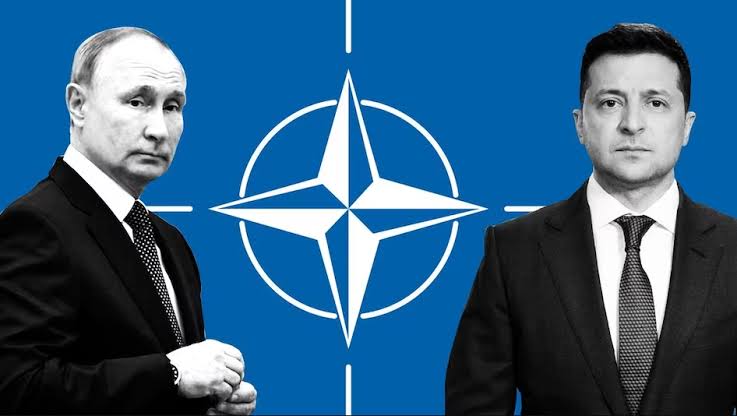
Russian President Vladimir Putin has declared that NATO has been unable to achieve its objective of defeating Russia through the conflict in Ukraine, as he renewed criticism of the Western military alliance.

Putin made the remarks at the Kremlin during a meeting with military personnel involved in what Moscow describes as its special military operation. The event formed part of activities marking Russia Day.

According to the Russian leader, his country is confronting what he called the collective West, led by NATO, with several nations backing actions against Russia.

”It was them (NATO) who started the war,” he emphasized. “I have said this many times, we did not initiate the conflict when the special military operation began (in 2022).”

Putin maintained that developments in Ukraine before the outbreak of hostilities forced Russia to take action. He argued that what he described as NATO’s “coup d’etat in Ukraine” and the deployment of military systems prompted Moscow to protect residents of Crimea in 2014, which later contributed to fighting in eastern Ukraine.

“We did not wake up one day and decided that we would start a war tomorrow,” he said. “For eight years, we attempted to achieve a peaceful settlement.”

The Russian president also recalled efforts by Moscow to encourage dialogue between Ukrainian authorities and residents of southeastern Ukraine. He said Russia repeatedly received assurances that existing agreements would be implemented.

Putin further claimed that recent statements from Western officials showed that the Minsk Agreements were used to give Kyiv time to strengthen its military capabilities before continuing the conflict.

He also criticized countries that joined NATO, alleging that some did so “in the hope of securing their share of the benefits.”

Addressing ongoing diplomatic efforts involving Ukraine and several European countries, Putin said Russia remains open to discussions. However, he stressed that any agreement must take into account Moscow’s “long-term” interests.

”There is only one piece of advice we can offer our adversaries: do not fight Russia. Never attempt to do so,” he warned. “Those (talks) must be genuine negotiations, not ultimatums.”

The comments come as diplomatic efforts to find a resolution to the Russia-Ukraine conflict continue, more than four years after the war escalated in 2022.

Kemi Badenoch Blames Poor Policies For Nigeria’s Electricity Challenges

By Sabiu Abdullahi

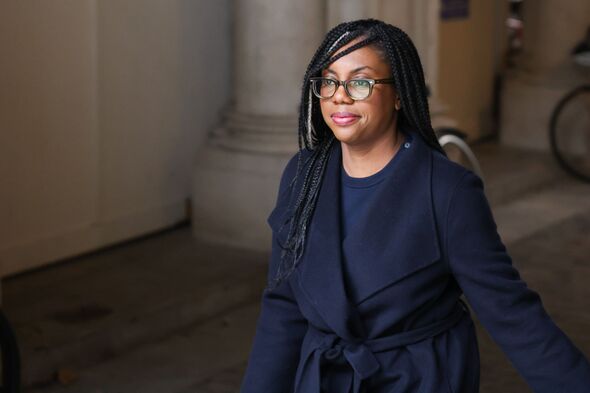
Kemi Badenoch, leader of the United Kingdom’s Conservative Party, has attributed Nigeria’s long-running electricity problems to what she described as poor public policy, despite the country’s abundant oil and gas resources.

Badenoch made the remarks during a recent interview with The Spectator, where she reflected on her upbringing and discussed a range of issues.

According to her, the presence of natural resources alone does not guarantee development if government policies fail to support their effective use.

“My belief that we need to drill our oil and gas comes from growing up in a country… Nigeria is an oil-producing country that has never had electricity,” she said.

“It is very easy to have resources under the ground, but stupid public policy means that you can’t use them,” she added.

Her comments come at a time when Nigeria continues to face persistent power supply shortages despite reforms and the privatisation of the electricity sector over the years.

Available data shows that the country’s electricity generation has largely remained between 3,500 and 5,000 megawatts, a figure many analysts consider inadequate for a population estimated at more than 250 million people.

Meanwhile, President Bola Ahmed Tinubu recently assured Nigerians that his administration would continue efforts to tackle the challenges facing the power sector.