News

Return of mass kidnapping in the North

By Zayyad I. Muhammad

In just one week, bandits and Boko Haram terrorists have abducted scores of students, female IDPs, Almajiris and other innocent citizens across Northern Nigeria.

On February 28, 2024, bandits killed two residents of Anguwan Auta in Gonin Gora, Kaduna state and kidnapped 16 others. The kidnappers are demanding a ransom of N40 trillion, along with 11 Hilux vans and 150 motorcycles, for their release.

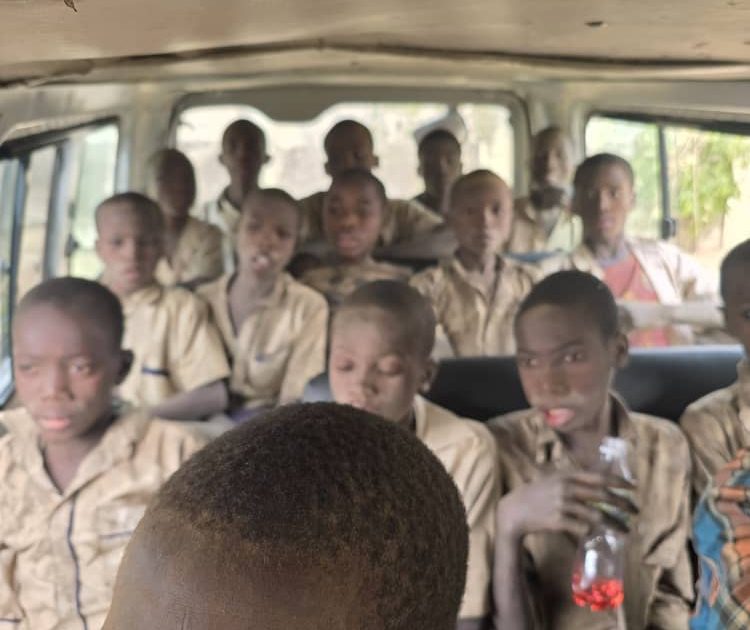
On March 7th, 2024, 287 students, boys and girls between the ages of 8 and 15, were abducted by bandits from primary and secondary schools in the town of Kuriga in Kaduna State. The bandits have demanded a N1 billion ransom to set their captives free. They also threatened to kill the victims if the ransom was not paid in 20 days. It was reported that, on Tuesday, March 12, 2024, the bandits made contact through the principal of the school, Abubakar Isah, who was abducted alongside the students. The bandits contacted Aminu Kuriga, a friend of the school’s principal, at around 2 p.m. on that Tuesday, asking for the amount.

On Friday, March 8, 2024, Amnesty International (AI) reported that Boko Haram terrorists abducted over 400 people, including women and children, in Borno State. Boko Haram kidnapped the IDPs from different IDP camps in the Gamboru Ngala area of the state, which is one of the least secure parts of troubled Borno State, according to some observers.

In the early hours of Saturday, March 9, 2024, 15 Quranic school students and an elderly woman were kidnapped when bandits raided Gidan Bakuso village in the Gada Local Government Area of Sokoto State.

Looking at outrageous demands and the targets, the bandits and the Boko Haram terrorists are all out to embarrass the government and cash out from it because most of their targets are soft and in rural areas.

However, the Minister of Information and National Orientation, Alhaji Muhammed Idris, was quoted as saying that President Tinubu has directed that security agencies must, as a matter of urgency, ensure that these children and all those who have been kidnapped are brought back in safety and also in the process, to ensure that not a dime is paid as ransom.

Can the government secure the release of the hostages as soon as possible without negotiation or payment of a ransom? Have the terrorists discovered a loophole in the current approach? It appears that the bandits and terrorists are exploiting the successes achieved in certain hotspots, possibly causing security agents to focus on other areas.

What needs to be done is a holistic approach to the deployment of both the kinetic and non-kinetic approaches.

The state, federal, and local communities should work together; collaboration is key to security management. On March 14, 2024, The National Security Adviser, Mallam Nuhu Ribadu, all the service chiefs have met with all 19 northern governors to deliberate on the issue of security. This is good.

Managing security in a vast country like Nigeria with inadequate modern technology for security management is difficult, and federal security operatives cannot be everywhere and anywhere at the same time. And, Here comes the importance of a well-designed and structured state police. They play a crucial role in maintaining law and order within their respective states by enforcing state laws, responding to emergencies, investigating crimes, and ensuring public safety. Thereby, they contribute significantly to the overall security and well-being of the citizens within their jurisdiction, while complementing the efforts of other federal security agencies.

The hope is that the government should consider revitalising and re-strategizing both kinetic and non-kinetic security approaches as being implemented by the Office of the National Security Adviser (ONSA). This will not only lead to more successes and breakthroughs; however, more intelligence gathering is needed. Community engagement and direct psychological communication with the bandits should be employed. In community engagement, communities should be made to feel like part of the solution in security management, thus providing intelligence and also acting as watchdogs for security operatives without being endangered. Secondly, the reported ongoing soft approach’ should be sustained, and in direct communication with the bandits, psychological, social media, and artificial intelligence (AI) methods should be greatly utilized. Most bandits and Boko Haram terrorists now also use social media. Therefore, a coordinated effort should be launched by the ONSA and other relevant bodies to recruit individuals who speak the languages of the bandits. These individuals can then send convincing messages to them regarding the disadvantages and dangers associated with their activities, while also highlighting the benefits of adopting a normal lifestyle. This includes attending both Western and religious schools while still maintaining their culture, beliefs, and legal trade inherited from their communities.

Furthermore, radio and TV remain effective tools to reach the bandits, especially with the widespread availability of satellite TV and advancements in solar power technology. This allows bandits hiding in thick forests to charge their phones, watch TV, and listen to the radio and watch satellite TV.

To enhance security for soft targets and rural schools, the government at all levels, along with security agencies and local communities, should collaborate on implementing both kinetic and non-kinetic approaches.

Zayyad I. Muhammad writes from Abuja. He can be reached via 08036070980, zaymohd@yahoo.com
Former NLC President, Ali Ciroma, passes away

By Uzair Adam Imam

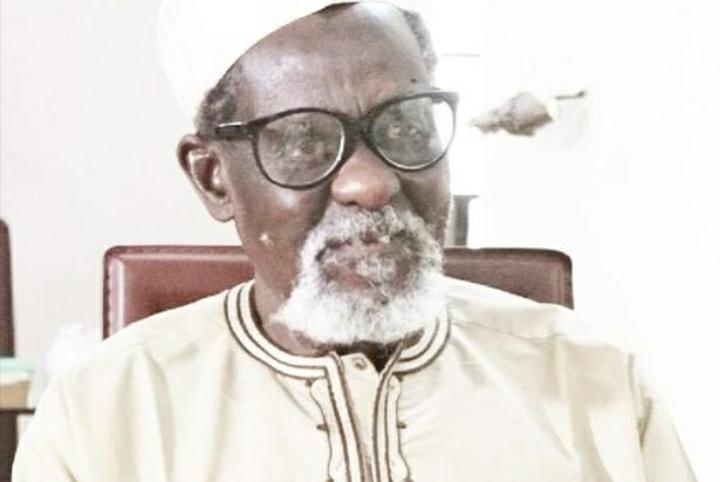
Comrade Ali Ciroma, a prominent figure in Nigeria’s labor movement and former president of the Nigeria Labour Congress (NLC), has passed away.

His demise occurred on Tuesday in Maiduguri, the capital of Borno State, following a brief illness.

The sad news was conveyed through a statement issued by Ali Ciroma, the Secretary of Nigeria Union of Journalists, Borno State Council, on behalf of the family.

The statement expressed deep sorrow at the passing of Comrade Ali Ciroma, noting that he breathed his last at the University of Maiduguri Teaching Hospital.

According to the statement, the funeral arrangements are scheduled for the following day (Wednesday) at the deceased’s residence located at No. 7 A along Galadima Road, near Muhammadu Shuwa Memorial Hospital (Nursing Home), Maiduguri.

Comrade Ali Ciroma had served as the president of the NLC from 1984 to 1988, leaving a significant mark on the labor movement during his tenure.

Prior to his leadership in the NLC, he held the position of president in the Rural Health Workers of Nigeria in 1960, which later evolved into the Medical and Health Workers Association.

His contributions to the labor sector have left a lasting legacy in Nigeria.

Gunmen kidnap varsity students in Taraba

By Sabiu Abdullahi 

Two students were forcibly taken from their hostel at Federal University Wukari, Taraba state, on Monday night.

Late Monday evening, a set of armed assailants raided a students’ hostel situated along the Wukari-Zaki Biam road and kidnapped a male and a female student from the Microbiology and Economics Departments, respectively.

The brazen abduction has thrown panic into the university community and beyond. 

Confirming the distressing incident, Mrs. Adore Auwudu, the University’s Police Public Relations Officer, disclosed that security forces, in collaboration with local youths, have launched a comprehensive search operation to locate the abducted students.

However, the abduction has reignited concerns raised by the University’s Vice-Chancellor, Professor Jude Sammani Rabo, regarding the inadequate hostel accommodations, which not only jeopardize students’ security but also undermine their overall well-being. 

Taraba State, grappling with the wider issue of insecurity plaguing the nation, finds itself embroiled in a disturbing pattern of violence and kidnappings.

The latest abduction serves as a stark reminder of the urgent need for proactive measures to address the prevailing security challenges. Efforts to solicit comments from Taraba State Police Commissioner, David Lloyanomon, were hampered by his unavailability due to ongoing engagements.

However, in a text message response, the Commissioner noted the imperative of verifying the victims’ student status, reflecting the complexities surrounding such incidents amidst the tumultuous security landscape. 

As investigations continue and the fate of the abducted students hangs in the balance, stakeholders are urged to redouble efforts in ensuring the safety and security of students within educational institutions across the region. 

Armed bandits rob travellers, set bus ablaze in Ogun

By Uzair Adam Imam

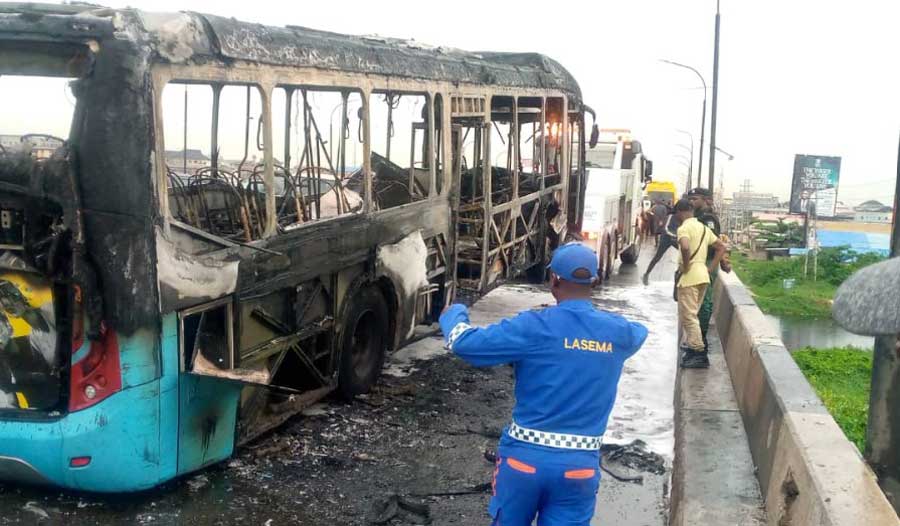
Armed bandits struck terror into the hearts of travellers on their way to the southeast for Easter celebrations, intercepting an Abakaliki-bound luxury bus along the Ijebu Ode-Ore-Benin expressway in Ogun State.

The harrowing incident occurred at the Oke Ado junction at Ijebu Mushin.

Confirming the distressing event, SP Omolola Odutola, the spokesperson of the Ogun State Police Command, revealed that the criminals, armed with cutlasses, stopped the luxury Mercedes-Benz bus that originated from Maza Maza.

They proceeded to rob all 59 passengers on board, leaving them stripped of their belongings. Without hesitation, they locked the passengers inside the bus and set it ablaze.

However, by sheer willpower and determination, the passengers managed to break the glass windows and escape from the inferno before it engulfed the entire bus.

The survivors recounted the terrifying ordeal, expressing gratitude that no lives were lost despite the loss of their possessions.

The management of Ifesinachi Transport Nig. Ltd. confirmed that the attacked bus belonged to their company, expressing shock and dismay over the tragic turn of events.

In a distressing video shared on social media, survivors recounted the brutality of the bandits, who subjected them to physical assault and robbed them of everything they possessed.

Despite the trauma inflicted upon them, they expressed gratitude for their survival.

As investigations continue into this appalling incident, it serves as a stark reminder of the ongoing security challenges facing travellers on Nigerian highways.

The authorities are urged to take swift and decisive action to apprehend the perpetrators and ensure the safety of all citizens.

Kaduna strangulated by debt burden of El-Rufai’s administration – Shehu Sani

By Uzair Adam Imam

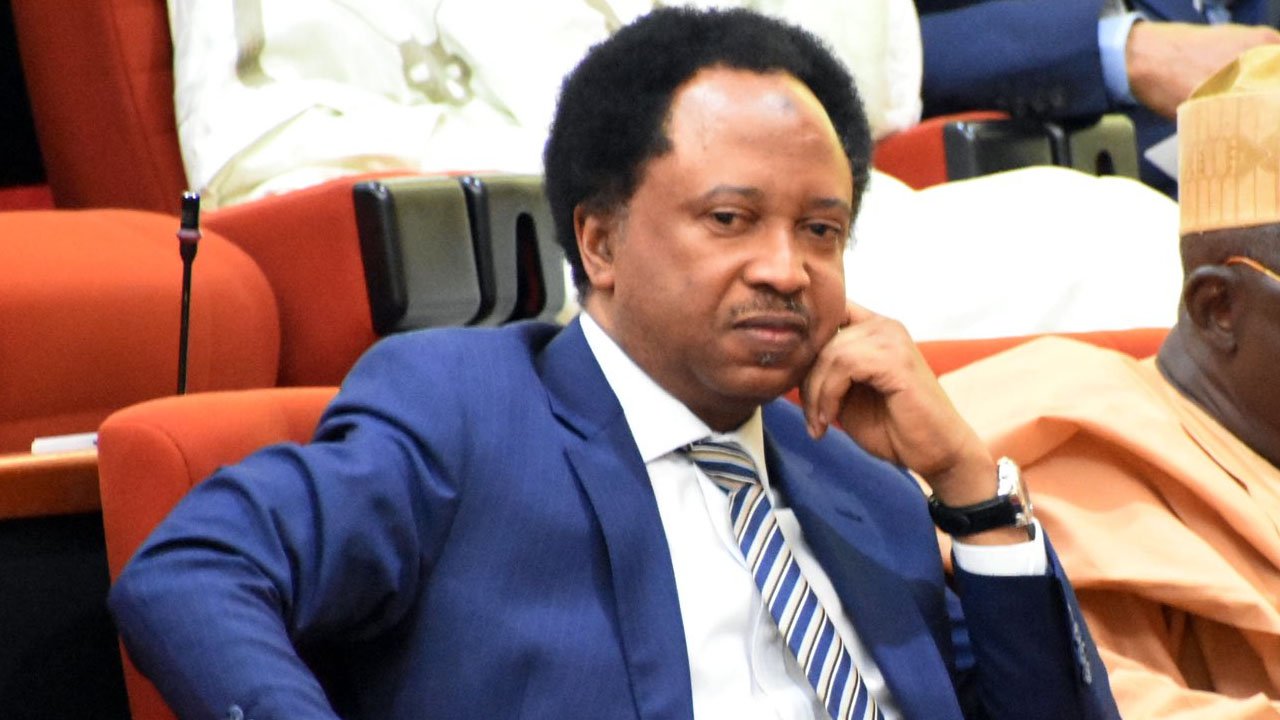
Shehu Sani, the former Senator representing Kaduna Central, has raised the alarm over the suffocating debt burden gripping Kaduna State under the administration of former Governor Nasir El-Rufai.

Sani expressed regret that his warnings against El-Rufai’s aggressive borrowing were ignored, leading the state into a financial crisis of significant proportions.

Speaking to reporters, Sani highlighted the dire consequences of the debt accumulation, emphasizing that if his advice had been heeded, the state would not be grappling with the current predicament.

He recalled facing criticism for opposing a $350 million World Bank loan sought by the El-Rufai administration, foreseeing the looming challenges now faced by the state.

Governor Uba Sani, in a recent town hall meeting, disclosed that the state inherited a staggering debt of $587 million, ₦85 billion, and ₦115 billion in contractual liabilities from the previous administration.

This heavy financial burden has severely hampered the state’s ability to meet its financial obligations, including salary payments.

The current administration disclosed that a substantial portion of the state’s federal allocation is being diverted toward servicing the debt, leaving insufficient funds for essential expenditures such as salary payments.

With the sharp increase in exchange rates, the amount being repaid has almost tripled, exacerbating the financial strain on the state.

Out of the N10 billion received as federal allocation in March, N7 billion was deducted to service the state’s debt, leaving only N3 billion available.

However, this amount falls short of covering the state’s monthly salary bill of N5.2 billion, further exacerbating the financial crisis.

Sani cautioned that the repercussions of the state’s debt burden are now being felt acutely, underscoring the urgent need for concerted efforts to address the financial challenges facing Kaduna State.

Family feud turns fatal as brother stabbed to death in Bauchi

By Uzair Adam Imam

The Bauchi State Police Command apprehended Isyaku Babale, 30, following the tragic demise of his brother during a heated dispute.

In a statement released by SP Ahmed Wakil, the police disclosed that the arrest came after the victim succumbed to his injuries at Abubakar Tafawa Balewa University Teaching Hospital (ATBUTH) Bauchi.

“Isyaku Babale, a resident of Anguwan Dawaki, was detained by operatives from the township Police Divisional headquarters for an alleged culpable homicide,” stated SP Ahmed Wakil.

He continued, “Initial investigations unveiled that the suspect employed a knife, fatally stabbing his older sibling during an altercation that erupted between them on March 31st, 2024, around 04:00hrs.”

Reportedly, the dispute ignited when Babale urged his brother to cease consuming Cold Patch liquid, locally known as ‘Sholi,’ due to its foul odor.

The disagreement escalated into a physical confrontation, leading to the fatal stabbing. Further inquiries revealed a history of violent altercations involving dangerous weapons between the siblings.

Commissioner of Police, CP Auwal Musa Mohammed, has directed a comprehensive investigation to ascertain any underlying motives behind the incident, emphasizing the importance of bringing the perpetrator to justice through legal proceedings.

Germany partially legalizes cannabis, sparking debate

By Uzair Adam Imam

Adults in Germany will have more freedom regarding cannabis possession and cultivation starting April 1st as the country implements a partial legalization program.

However, the new law comes with limitations and has drawn mixed reactions.

The legislation allows adults over 18 to carry up to 25 grams of dried cannabis for personal use. 

Home cultivation of up to three cannabis plants per person is also permitted, with a maximum storage allowance of 50 grams of dried cannabis at home.

Public consumption is restricted, with smoking banned within 100 meters of schools, playgrounds, and sports facilities and in pedestrian zones between 7:00 a.m. and 8:00 p.m.

Starting in July, Germany plans to introduce a system of regulated cannabis clubs. 

These non-profit organizations will have a maximum of 500 members and can sell a limited amount (50 grams per month) of dried cannabis to each member.

Adults under 21 will face additional restrictions on both monthly amounts and THC content.

Notably, meeting and consuming cannabis within the clubs is not allowed, and membership is restricted to one club at a time.

The government hopes this reform will tackle the black market and associated health risks. 

However, the law has been criticized by medical groups and regional authorities, who worry about public health consequences and implementation challenges.

A second law is planned to test shop or pharmacy sales in specific regions, but the European Union initially opposed this proposal. 

Opposition parties have already voiced disapproval and threatened to overturn the law if they win the 2025 elections.

Germany’s cannabis reform is a work in progress, sparking debate while offering a more regulated approach to the drug. 

Niger Police Commissioner honours fallen heroes

By Uzair Adam Imam

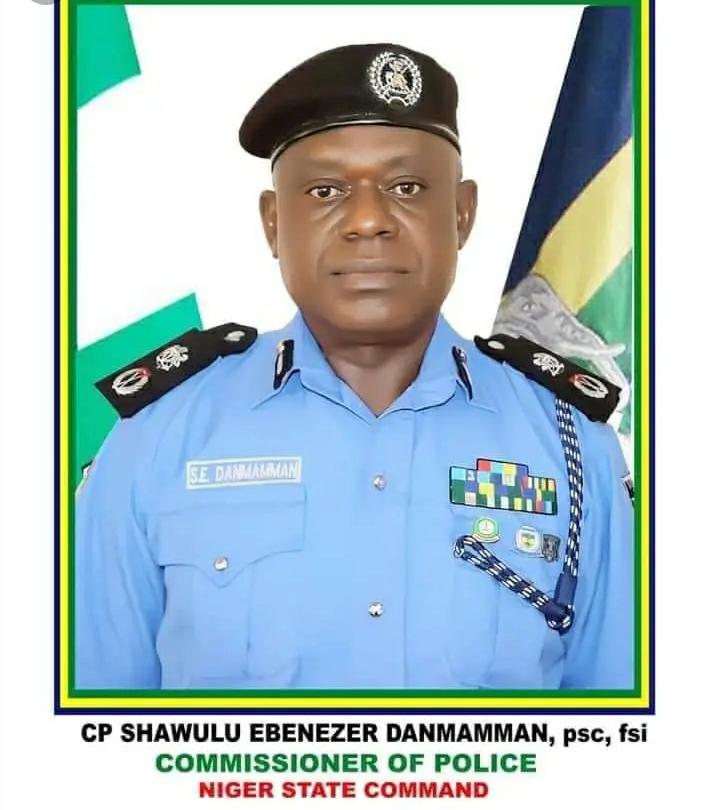
Niger State Commissioner of Police, Shawulu Ebenezer Danmamman, presented cheques worth N44 million to families of officers who died serving the state.

The funds, distributed under the force’s Group Life Assurance Scheme, aim to support 38 families who lost loved ones in the line of duty between 2022 and 2023.

In addition, the Commissioner commended 17 police personnel who served in the NYSC orientation camp security team.

They received NYSC commendation letters for their dedication, discipline, and ability to manage sensitive challenges during the 2024 Batch A, Stream One orientation exercise. 

Customs partner with FRCN to tell Nigerians about its mandates

By Sabiu Abdullahi 

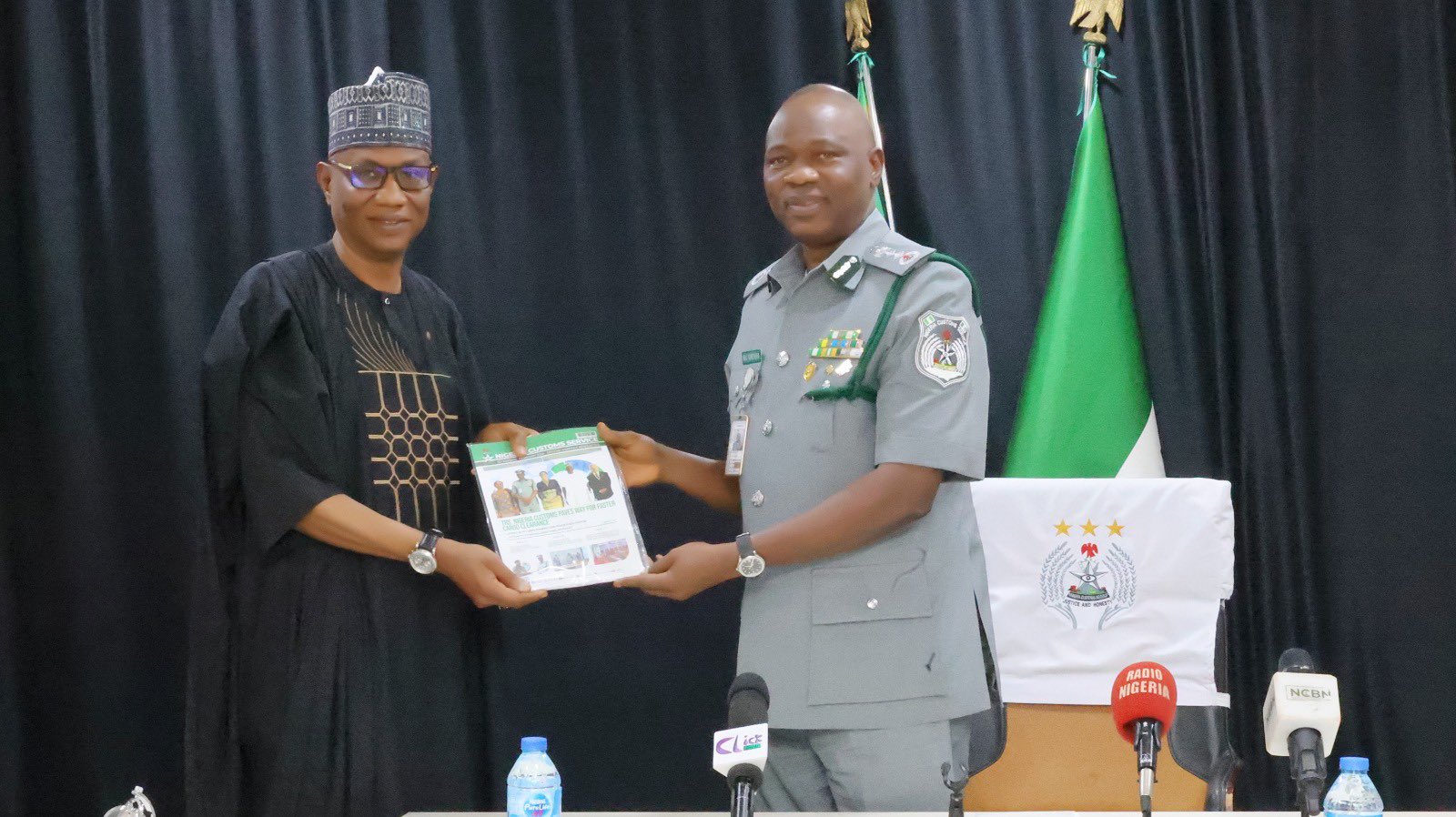
The Nigeria Customs Service (NCS) has embarked on a strategic partnership with the Federal Radio Corporation of Nigeria (FRCN) aimed at enlightening Nigerians about the core mandates of the service and its pivotal role in driving economic development. 

During a meeting held on Tuesday, 26 March 2024, at the NCS Headquarters in Abuja, the Comptroller-General of Customs, Bashir Adewale Adeniyi MFR, expressed the Service’s readiness to collaborate closely with FRCN.

Leading the delegation from FRCN, Director-General Muhammad Bulama engaged in discussions with CGC Adeniyi, underscoring the importance of media collaboration in amplifying the efforts of the Nigeria Customs Service. 

“Partnership with the media is very effective in enhancing public understanding of our activities,” stated CGC Adeniyi.

“We are committed to leveraging this collaboration to showcase the various initiatives we have in place to enhance trade efficiency.” 

Stating the need to reshape the narrative surrounding trade in Nigeria, CGC Adeniyi emphasized the importance of reaching out to Nigerians to inform them about the extensive work undertaken by the Customs Service.

“We are doing a lot more than people know us for,” he said, acknowledging the offer of strategic partnership extended by FRCN. 

In response, Director-General Bulama commended CGC Adeniyi for his leadership and the progress made under his tenure. He expressed confidence in the Comptroller-General’s ability to steer the Nigeria Customs Service towards greater efficiency and effectiveness. 

“We are convinced that the appointment of CGC Adeniyi by Mr. President is already yielding positive results,” remarked DG Bulama.

“It is our duty to support, publicize, and advocate for the activities of the Nigeria Customs Service, and we believe that together, we can contribute to the realization of our country’s potential and greatness.” 

The partnership between the Nigeria Customs Service and the Federal Radio Corporation of Nigeria marks a significant step towards enhancing public awareness and understanding of the Customs Service’s mandates and contributions to national development.

Ramadan: King Salman distributes foodstuffs in Kano

By Uzair Adam Imam  

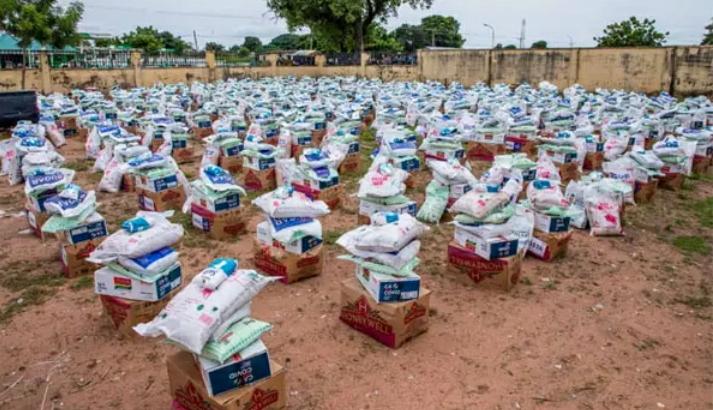
Saudi Arabia’s King Salman Humanitarian Aid and Relief Centre has distributed food items to over 2,000 households in eight local government areas of Kano State, mostly for people with disabilities (PWDs). 

Abdulrahman ibn Abdul Aziz Al-Zaben, the team leader of the foundation, said the program aims to support families and those in need during the holy month of Ramadan every year to alleviate hardship and suffering. 

The National Emergency Management Agency (NEMA) and the State Emergency Management Agency (SEMA) implemented the program in Nigeria.  

Food items distributed included 25kg bags of beans, 25kg bags of rice, and 4kg of Masavita, among others. At the event, Kano State Deputy Governor Aminu Abdussalam Gwarzo expressed gratitude to the centre for remembering the people of Kano during Ramadan. 

The Director of Special Duties at NEMA, Fatima Kashim, who represented NEMA Director General Zubaida Umar, also thanked the centre for reaching out to those in need. 

The deputy governor, DG NEMA, and the representative of the King Salman Humanitarian Relief Center called on the beneficiaries to make good use of the items to improve the lives of their families.