National

You can add some category description here.

At 62: Nigeria’s independence and the future we desire

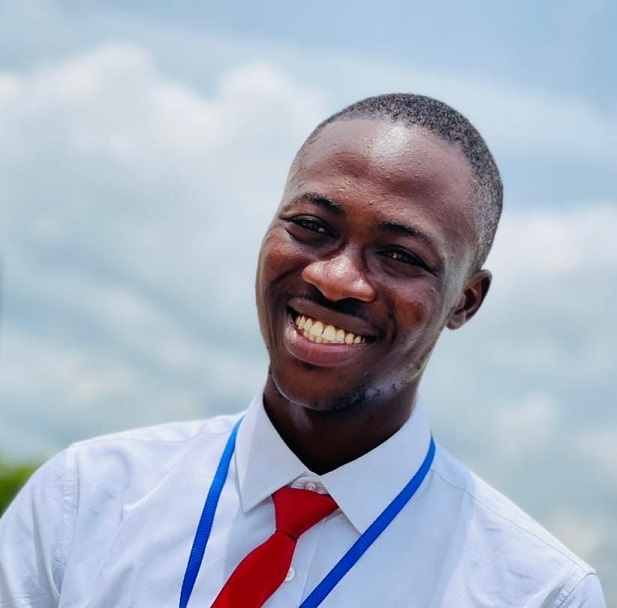
By Babatunde Qodri

It can be argued that ever since Nigeria got her independence in 1960, the country hasn’t gotten worse like it’s today. Every year is filled with insurmountable challenges beyond the control of both leaders and citizens. It appears, sincerely, as if the country has been cursed. Every opportunity to believe in Nigeria’s prosperity is dashed by a litany of crises ranging from insecurity, poor education and health systems and economic downturn. The country seems to have been brought to her knees.

The occasion of independence does not move people from different corners of the country. On the contrary, the convention of this remarkable celebration is a history remembered with joy and happiness. Many other African countries celebrate their independence with scores of impressive feats, despite avoidable crises. Unfortunately, the case isn’t the same here in Nigeria, where leaders expected to make people proud resort to disappointing charades to the country’s detriment.

The ongoing industrial action by university lecturers says a lot about how blighted Nigeria has been. Students have been away from classrooms for months. One would expect that a 62-year-old country should have grown past deleterious distractions capable of creating barricades in the way of her education system. It hurts that a sector as eminently necessary as education can be allowed to suffer while the Government continues to fund frivolities. The question is, which country develops or has developed without serious attention to education? 

In other words, education in Nigeria is now in a comatose state. It’s hard to believe that this is Nigeria where Sir Ahmadu Bello, Obafemi Awolowo, and others once lived and governed. Nigeria’s present predicament, evident in her leaders’ shameless willingness and obsession with greed, has ruined those past years of free education packaged to liberate Nigerians for genuine patriotism. What used to be, in terms of quality, transformative education now constitutes a culture of abandonment, taking a heavy toll on the survival and growth of the country.

Insecurity is another problem. Severalerians have been in captivity for years. We are now the headquarters of banditry and kidnapping for ransom. Non-state actors have taken advantage of the country’s vulnerability to unleash horrors daily. And the complete loss of strength by people constitutionally paid and expected to protect lives and property heightens fears. Because of this unwholesome reality, the country has become a no-go area for foreign investors who should have helped her economically. The fact that people are becoming strangers in their homeland explains the mass migration of Nigerians out of the country in search of averagely better and more peaceful climes. Internal unrest, sadly, continues to drag the country backwards.

This reality is worsened by intractable corruption. Despite being an oil-producing country, it’s still disgusting to hear that Nigeria cannot refine her oil, which makes the country hugely indebted. While other OPEC countries leverage the international market amid restrictions posed by the ongoing Russia-Ukraine crisis, Nigeria is wallowing in a financial crisis resulting from endless oil theft. Isn’t it funny that the country has to borrow to service her debt? This is indicative of the depth of mess in which Nigeria is in.

Unarguably, Nigeria needs urgent solutions through the diversification of its economy. We must take advantage of modern agriculture to produce what we consume and vice versa. The country should stop wasting funds meant for critical goods on exotic cars for politicians. Our Government must invest in the education sector, health care system, and others.

Plus, effective legislation is paramount. Nigeria is in dire need of a fresh set of leaders with brand new ideas, leaders who are committed to viable plans and collective change. The issue of climate change must also be given urgent attention. Climate change and poverty have the exact root cause, and their impact contributes to the national underdevelopment the country is witnessing.

As we move into 2023, Nigerians should understand that our country deserves a befitting future. So we must be interested in candidates who will focus on doing the right thing at the right time. We must go for candidates with clear readiness and vision to transform our education system and uphold justice and transparency. We must do away with activities capable of fueling the embers of disunity in the country. 2023 should be about these.

Babatunde Qodri can be reached at babatundelaitan@gmail.com.
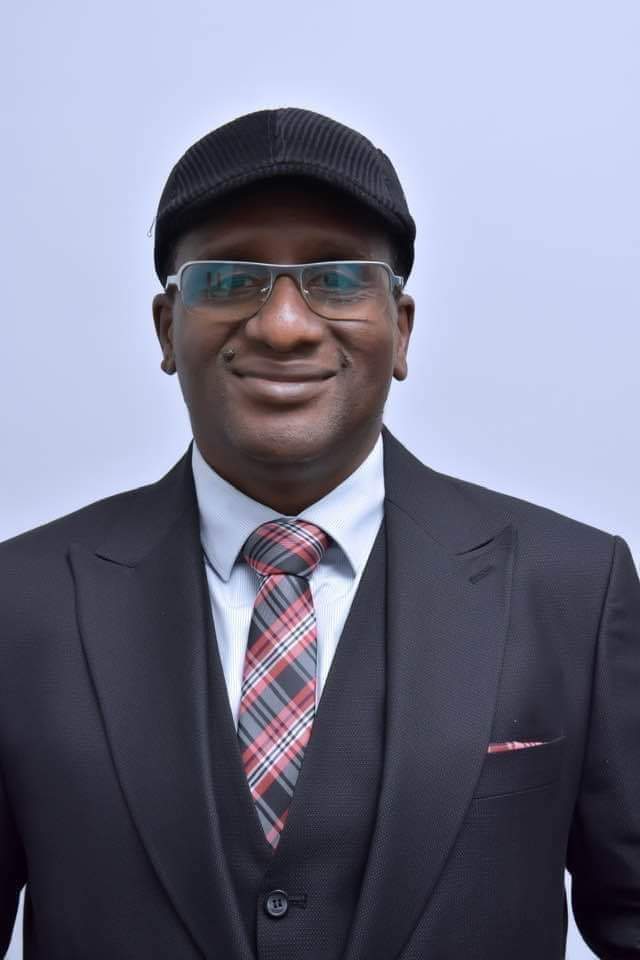
Barrister Sunusi Musa, 61 more elevated to the rank of SAN

By Ahmad Deedat Zakari

A renowned Kano lawyer, activist, commentator and philanthropist, Barrister Sunusi Musa was among the 62 lawyers elevated to the rank of Senior Advocate of Nigeria (SAN) by the Legal Practitioners’ Privileges Committee (LPPC) chaired by the Chief Justice of Nigeria, Honourable Justice Olukayode Ariwoola.

The LPPC, in a statement signed by its secretary and the Chief Registrar of the Supreme Court of Nigeria, Hajo Bello, disclosed this on Thursday, September 29 2022. Hajo also disclosed that the new SANs would be officially conferred with the rank on November 21, 2022.

The title of SAN is the equivalent of the Queen’s Counsel in the United Kingdom. It is conferred on persons qualified to practice as barristers and solicitors of the Supreme Court of Nigeria and who have distinguished themselves in the practice of law.

Over the years, the rules governing the conferment have been amended to accommodate law teachers and scholars who have contributed immensely to the teaching and learning of the law. Federal and state prosecutors who have excelled in the practice of law within the dictates of their engagement are also now considered for the SAN title.

The LPPC, which is chaired by the Chief Justice of Nigeria, also have members like the Attorney General of the Federation and distinguished heads of courts and reputable senior advocates as its members.

The basic requirements for a lawyer to be elevated to the inner bar include:

1: Good Character and calm temperament;

2: Must be qualified to practice as a legal practitioner in Nigeria for not less than ten years;

3: Must have appearances at the Supreme Court, the Court of Appeal and other courts of record;

4: A good law office and law library are considered in the case of lawyers in private practice, amongst other things.

Few privileges are also enjoyed by SANs to the exclusion of other lawyers. These include:

1: Sitting at the inner bar or front roll and being given the opportunity of mentioning their cases before junior counsel;

2: Must appear with a junior counsel in a civil case;

3: Appear in a distinct robe on certain legal occasions;

4: The title also attracts more legal fees and professional patronage from clients and members of the public.

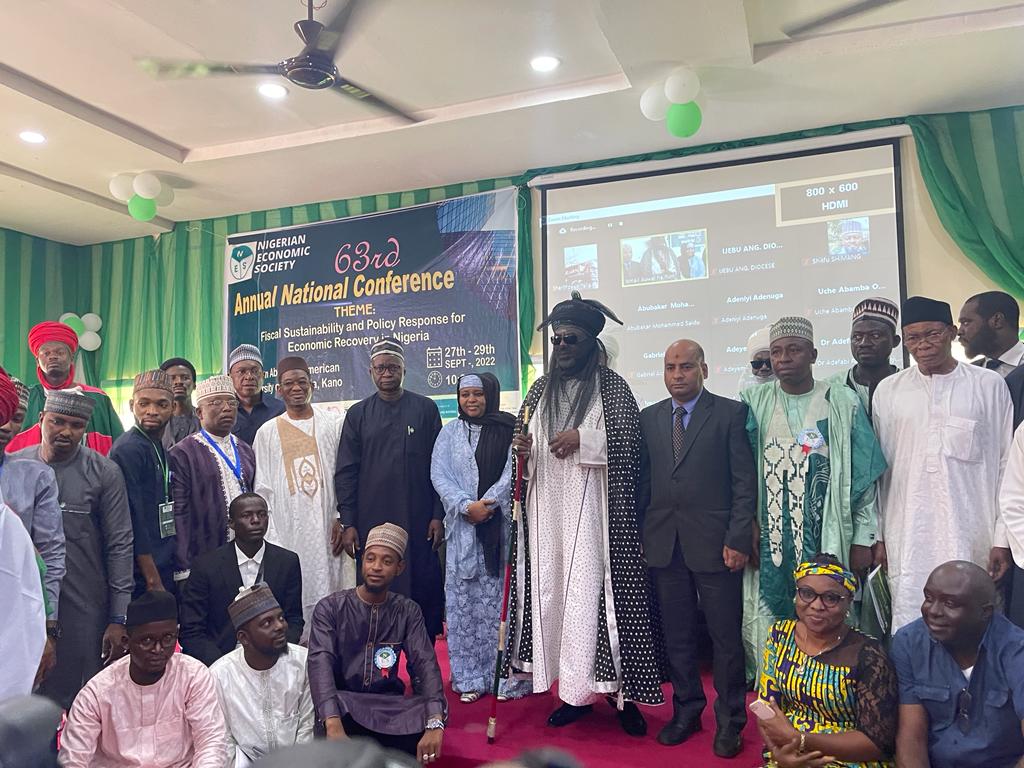
Academics, politicians, traditional rulers converge in Kano to discuss Nigeria’s economy

By Uzair Adam Imam

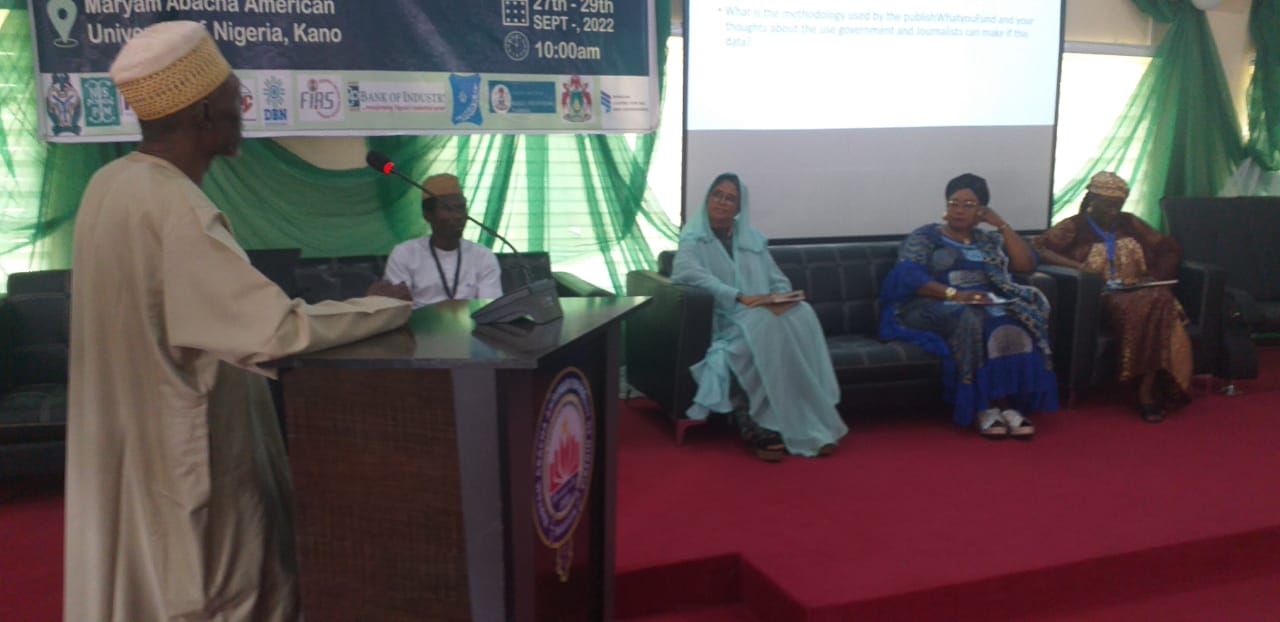
A 2022 and the 63rd annual national conference of the Nigerian Economic Society (NES) ended successfully Thursday, September 29, 2022.

The conference, which started Tuesday, was aimed at providing possible ways to enhance fiscal sustainability in Nigeria as the country ranks fifth on the list of ten countries with the highest debt exposure.

The event hosted academics, politicians and traditional rulers from all parts of the country to grace the event held in Maryam Abacha American University of Nigeria, Kano.

Speaking at the closing ceremony, Prof. Umma Ahmad Jalingo, the second woman president of NES and the first one from the north in 63 years, commended the successful completion of the event.

She said the past three days had been very impactful, adding, “Today, September 29, has marked the culmination of this program with yet an important component.”

His royal highness, the Emir of Kano, Alhaji Aminu Ado Bayero, commended the organisers for holding the conference in Kano.

The emir said the conference was relevant, looking at Nigeria’s current economic situation. He also commended all the papers presented.

Some of the papers presented included “Impact of Fiscal Policy on Financial Inclusion and Development in Nigeria” by Taiwo A. Segun, “Fiscal Policy Options and Poverty Reduction in Nigeria” by Muhammad B. Ado and “Public Debt and Poverty in Nigeria: The Role of Governance Quality” by Omowuwi O. Idowu, among others.

NES was founded in 1957, three years before Nigeria’s independence, and aims to provide intellectual leadership in understanding and to manage economic, social and political changes in Nigeria.

High debt will burden future generations – Dr Hassan Mahmud

By Uzair Adam Imam

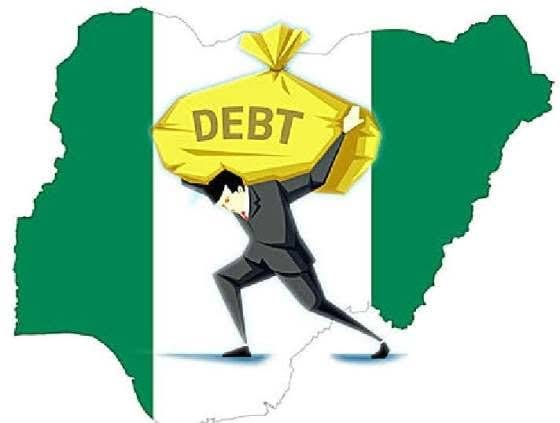
The Director, Monetary Policy Development, Central Bank of Nigeria, Dr Hassan Mahmud, said the high debt would be a burden on future generations in the country.

Dr Hassan Mahmud disclosed this on Wednesday at the 63rd National Conference of the Nigerian Economic Society (NES). 

The 3-day conference, which started on Tuesday at the Maryam Abacha American University of Nigeria, Kano, was themed “Fiscal Sustainability and Policy Response for Economic Recovery in Nigeria”.

It was gathered that the country’s public debt in the first quarter of 2022 had risen to N41.6 trillion from N39.56 trillion recorded in December 2021.

However, the debt by the Federal Government has continued to throw a big threat to future generations as it may impinge on the country’s economic growth.

He said, “When debt is high, it becomes a burden on future generations as it leaves no room for borrowing when there is a shock.

“High debt can increase the cost of private sector borrowing, crowding out viable private sector investment and high servicing requirements.” 

Mahmud said despite the challenges, the public debt is an important instrument for the economy, adding that the country’s borrowing plan is guided by debt sustainability.

He added, “Nigerian borrowing plan is guided by the debt sustainability threshold to ensure debt carrying capacity does not impinge on growth.”

The event hosted many academicians and politicians from all over the country, many of whom also commended the conference and its organisers.

TETFund charges institutions to comply with BPP processes

By Muhammad Aminu

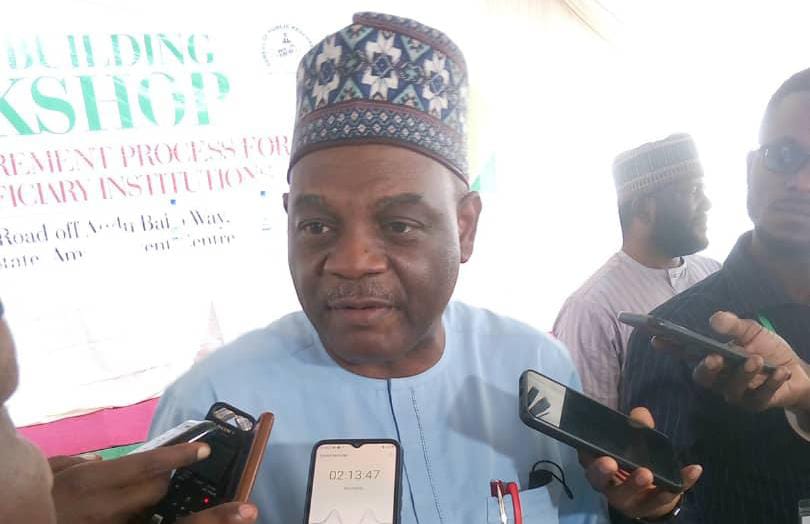
The Tertiary Education Trust Fund (TETFund) has charged higher education institutions that benefit from its interventions to ensure strict compliance with the public procurement process to prevent corruption.

TETFund Executive Secretary, Architect Sonny Echono, disclosed this while opening a three-day capacity-building workshop on the public procurement process for TETFund beneficiary institutions organized by TETFund in collaboration with the public procurement Bureau (BPP) in Kano.

He said the training was for the institutions from the Northwest and Northeast subregions of the country to get equipped with the procurement processes to curtail corrupt practices in the agency’s projects.

He noted that the training would serve as a refresher training for desk officers of TETFund in the 246 enlisted beneficiary tertiary institutions across Nigeria.

Echono further called on the participants to utilise the opportunity and enhance their knowledge in public procurement law to achieve the desired objectives.

In his presentation, the Director General of the BPP, Mamman Ahmadu, said the workshop that intends to ensure attaining the provision of the public procurement Act came at the right moment.

”We are here today to build the capacity of accounting officers, principal officers, public officers and other key players in the procurement value chain.”

He said BPP would ensure that all provisions of the procurement act are strictly adhered in procurement in the Nigeria’s tertiary institutions.

Nigeria’s economy in chain since the start of Ukraine war – Minister

By Uzair Adam Imam

The Federal Government has said that the adverse effects of the war in Ukraine and the ongoing security challenge in Nigeria have contributed to the aggravation of the fragile economic situation in the country.

At the start of the war, the Organisation for Economic Cooperation and Development (OECD) warned that the world economy would pay a “hefty price” for the war in Ukraine, encompassing weaker growth, stronger inflation and potentially long-lasting damage to supply chains.

In Nigeria, inflation is already hitting living standards and reducing consumer spending as business owners become less optimistic about production.

The Minister of State, Budget and National Planning, Prince Clem Ikande Agba, disclosed this Tuesday at the 63rd National Conference of Nigerian Economic Society. 

The 3-day conference, which started Tuesday at the Maryam Abacha American University of Nigeria, Kano, was themed “Fiscal Sustainability and Policy Response for Economic Recovery in Nigeria”.

The Minister, represented by the Director Macro Economic, Mr Felix Okonkwo, said fiscal discipline is what Nigeria needs to build a stable and inclusive economy.

Agba stated that the Federal Government is focused on addressing the revenue issues, which it considers essential to the economic and financial health of the country.

He added that insufficient revenue was why Nigeria could not contain its fiscal deficit after the recession, meaning that the country’s capacity to continue to support and raise capital expenditure has not been improved.

He said, “The adverse effect of the War in Ukraine, insecurity, global food crisis, oil theft in the Niger Delta, rising energy prices, massive depreciation of the naira exchange rate, high fuel subsidy and increasing inflation as well as insufficient fiscal buffer aggravated the fragile economic situation in the country.”

The chairman of the occasion, Shamsuddeen Usman, said the conference aimed at providing possible ways to restore the country’s economic stability through enhancing fiscal policies.

The President of the Nigerian Economic Society, Prof. Umma Jalingo, who organized the event, said the association was founded three years before Nigeria’s independence and was aimed at enhancing the country’s economy.

Emir of Zazzau bags national honour, gets CFR rank

By Sumayyah Auwal Ishaq

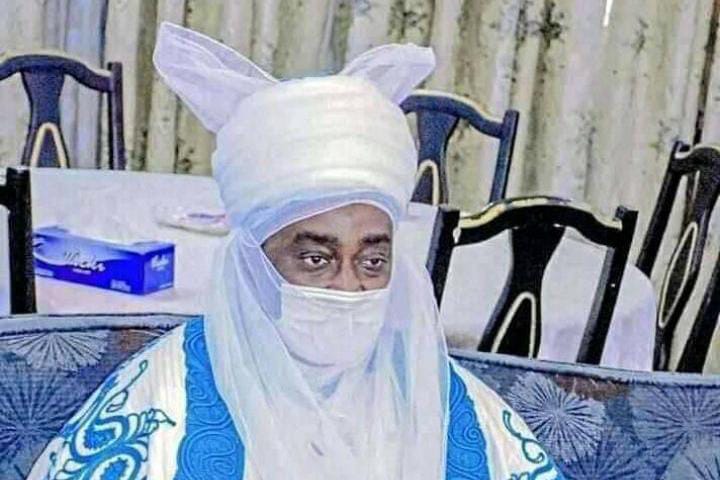
President Muhammadu Buhari, GCFR, will confer a national honour on the Emir of Zazzau, Ambassdor Ahmad Nuhu Bamalli, in the rank of CFR (Commander of the Order of the Federal Republic).

The appointment was contained in a letter from the Federal Ministry of Special Duties and Inter-Governmental Affairs, signed by the minister, Senator George Akume.

The letter reads in part: “I have the honour to formally inform you that the president of the Federal Republic of Nigeria, His Excellency, Muhammadu Buhari, GCFR, had approved the conferment of the National Honours on you, in the rank of CFR (Commander of the Order of the Federal Republic).

Emir Bamalli succeeded late Alhaji Shehu Idris, CFR, the 18th Fulani emir of Zazzau who reigned for 45 years before his death on September 2020. Until his appointment, the monarch had served as Nigeria’s ambassador to Thailand, with concurrent accreditation to Myanmar.

He has been a permanent commissioner in the Kaduna State Independent Electoral Commission in 2015. He has worked in banking sector and as Executive Director and later acting Managing Director of the Nigerian Security Printing and Minting Corporation.

He was a staff of the Abuja Metropolitan Management Agency before a stint as head of Human Resources at MTel, the mobile communications arm of the old Nigerian Telecommunications Limited (NITEL).

Nigerian gov’t reverses directive for reopening universities

By Muhammad Sabiu

The National Universities Commission, on behalf of the Federal Government, today rescinded the circular that earlier instructed vice-chancellors, pro chancellors, and governing councils to reopen federal universities.

Recall that it was early on reported that all vice-chancellors, pro chancellors, and chairmen of governing councils of federal universities received a circular with the subject line NUC/ES/138/Vol.64/135, directing them to reopen their institutions.

However, the commission reverses the directive few hours later, in a subsequent circular with the reference number NUC/ES/138/Vol.64/136, which was also signed by Sam Onazi, the NUC’s director of finance and accounts.

Without categorically stating the reason behind the U-turn, the letter tagged, “withdrawal of circular NUC/ES/138/Vol.64/135 dated September 23, 2022” noted, “I have been directed to withdraw the NUC Circular Ref: NUC/ES/138/Vol.64/135, and dated September 23, 2022, on the above subject.

“Consequently, the said circular stands withdrawn. All pro-chancellors and chairmen of governing councils, as well as vice-chancellors of federal universities, are to please note. Further development and information would be communicated to all relevant stakeholders.

“Please accept the assurances of the Executive Secretary’s warmest regards”

Total blackout as national grid crashes again

By Ahmad Deedat Zakari 

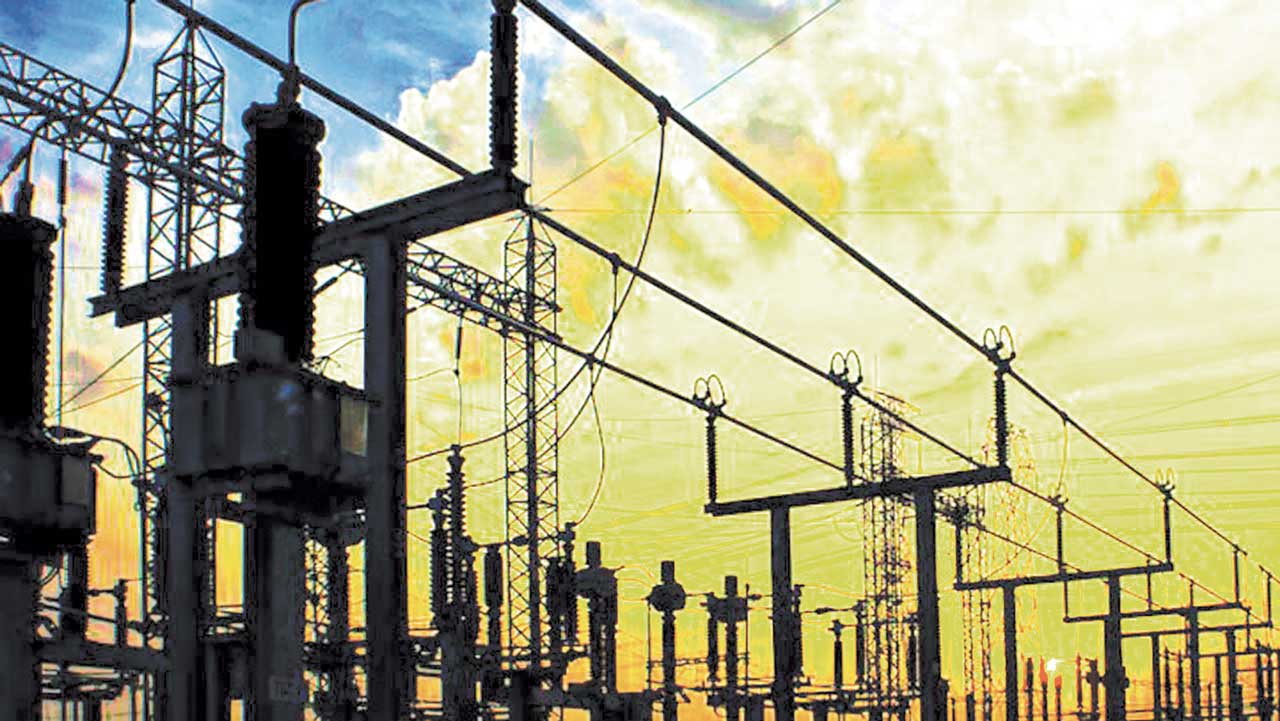
Many Nigerian states and cities have been thrown into total darkness as the national grid crashed for the 7th time this year. 

The national grid crashed early on Monday, September 26, 2022. 

Ikeja Electricity Plc confirmed the development in a statement and urged electricity consumers to bear with them. 

The statement reads in full, “Dear Esteemed Customer,

This is to inform you that the outage you are currently experiencing is due to the system collapse of the national grid, which occurred earlier today at 10:50hrs. This has affected the Transmission Stations within our network and resulted in the loss of power supply to our customers

Kindly bear with us as we await restoration of the grid.

Thank you for your understanding.” 

According to the records, the national grid crashed twice in July and once in August. Monday’s crash brought it to the 7th time.

North won’t repeat past mistake, will vote for competence- NEF

By Uzair Adam Imam

The Northern Elders Forum (NEF) has said that people from the North will vote for competence in the come 2023 general elections.

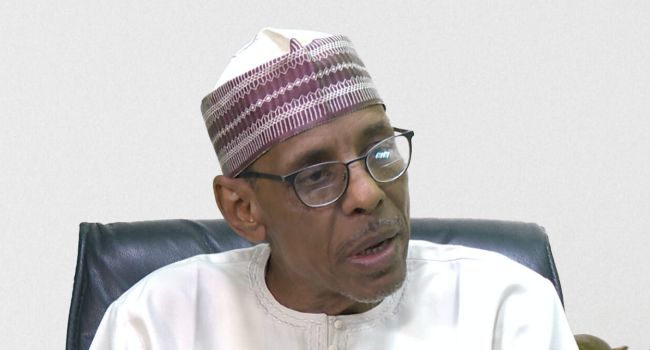
The NEF Spokesperson, Dr. Hakeem Baba-Ahmed, disclosed this while speaking on Channels Television’s Sunday Politics.

He added that NEF would support a southerner if it is convinced that he would solve the challenges bedevilling the country over the years.

He said: “We have ideas about what the next president should look like, what is important for the next administration.

“First of all, we need to secure the country. Secondly, we need to ask basic questions about why the economy is failing and what they intend to do. Then, we want to ask what their plans are or what their thinking is about all the clamour for restructuring.

“We want to ask what their plans are for education, particularly the out-of-school children in the northern part of the country.

“What he intends to do in terms of satisfying us that he has the mental capacity, the physical capacity, the intellect, the willingness to tap into the best and the brightest brains available, sensitivity to a number of key issues that are central to our survival as a country.

“Those things are going to represent for us the basis upon which we will support a candidate.”

While reacting to the insinuation that the north will not support a southern candidate, he said, “at this stage, our options are open, we will not vote on narrow prisms like where he comes from.

“We have not said we will only support a northern candidate. What we said is we will defend the rights of the northerners to compete freely and equally with others.

“We will support a northerner if we think he’s the best. We will support a southerner if we believe that he is the best to do justice to the interest of the north as well as the other parts of the country. What is important to note here is that we are looking for the best.

“Three days ago, I attended a very important meeting in Kaduna involving five very important groups. The idea is to design a template that includes the issue of our security, economy, education, and co-existence of Nigerians and then interrogate our presidential candidates very seriously in terms of their thinking and what they plan to do.

“This time, I don’t know what the other parts of the country are doing but the North is not just going to vote for any candidate unless we are satisfied that he has done some serious thinking about what to do about this country,” he said.