Health

You can add some category description here.

Why men’s health awareness matters

By Lawal Dahiru Mamman,

On November 6, 2024, the World Health Organisation (WHO) used its public WhatsApp channel to broadcast an important message: “November, or Movember, is Men’s Health Month.”

This month and in the future, men are invited to grow moustaches to promote awareness and initiate discussions about health topics such as prostate cancer, testicular cancer, and mental health. Let’s move from discussion to action!

The message continued, “Women have a role to play, too! Encourage and support the men in your life to take the steps needed to improve their health.” It then provided a web link for more details.

Inspired by this call to action, there was a strong urge to investigate and bring to light diseases peculiar to men. However, a quieter voice suggested pausing to observe the media landscape and assess the awareness campaigns and engagement level.

As November progressed, it became apparent that despite the importance of men’s health, the subject was overshadowed by other significant events, such as World Diabetes Day (November 14), Cervical Cancer Elimination Day (November 17), World Toilet Day (November 19), and Anti-Microbial Resistance Awareness Week (November 18–24).

Men’s Health Awareness Month aims to encourage men to talk about their health and seek support when needed. It focuses on issues like prostate cancer, testicular cancer, mental health challenges, and suicide prevention.

Bringing the conversation closer to home, men are disproportionately affected by heart disease, cancer, and mental health issues, yet many adopt a “stiff upper lip” mentality, often choosing to endure symptoms rather than seek help. 

This reluctance is alarming. Globally, men die an average of 4.5 years earlier than women, with 86% of these deaths attributed to non-communicable diseases and injuries, according to a 2019 WHO study.

Prostate cancer remains a significant health concern worldwide, with over 1.4 million cases diagnosed in 2020 and an age-standardized incidence rate (ASIR) of 30.7 per 100,000 males. In Nigeria, it is the most common cancer among men, accounting for 11–15.1% of all male cancers. 

Between 2009 and 2016, data from 15 cancer registries in Nigeria recorded 4,091 cases, with 80% deemed incurable at diagnosis. This underscores the lack of investment in men’s healthcare.

Mental health is another area plagued by harmful stereotypes and societal expectations. An estimated 40 to 60 million Nigerians suffer from various mental health disorders. The country ranks fifth globally in suicide rates, with about 15,000 cases per 100,000 people. 

For men, societal pressures to fulfil financial and family responsibilities exacerbate their mental health struggles. Failure to meet these expectations often earns them harsh labels like “irresponsible,” further driving depression.

On the cardiovascular front, heart diseases, high blood pressure, and strokes remain the leading causes of death among men. Occupational hazards also contribute significantly to premature deaths, while lifestyle choices such as smoking, poor diets, alcohol consumption, and exposure to interpersonal violence increase health risks.

Risk-taking behaviours and the underutilisation of healthcare services compound men’s health issues, which are consistent across many countries. These trends highlight the importance of leveraging platforms like Men’s Health Month to challenge societal norms and encourage proactive health management.

David Samadi, a world-renowned urologist and prostate cancer expert, aptly observed that “Men’s health is not just about physical health, but also about mental and emotional wellbeing.” His words emphasise that men’s health has far-reaching consequences, affecting individuals, their families, and communities.

Although this year’s Men’s Health Awareness Month has ended, the mission does not stop here. Instead, it should mark the beginning of sustained efforts to keep the conversation alive, promote healthy living, and drive awareness year-round.

This is an urgent appeal to individuals, organisations, and policymakers to prioritise men’s health issues and foster environments that encourage men to seek help without fear of stigma or judgment. Together, we can ensure that men’s health receives the attention it deserves.

Lawal Dahiru Mamman writes from Abuja and can be reached at dahirulawal90@gmail.com.

ATBUTH e-Health: Revolutionizing healthcare delivery

By Usman Abdullahi Koli 

The Nigerian healthcare system has long faced challenges that make accessing quality care difficult, especially for the average citizen. Many patients have endured unnecessary struggles during critical moments, from long queues at registration units to delays in retrieving medical records. Tragically, these inefficiencies have, in some cases, led to preventable losses—not just because of late arrivals at hospitals but also due to prolonged registration and file retrieval processes.

Abubakar Tafawa Balewa University Teaching Hospital (ATBUTH) Bauchi has boldly changed this narrative. Staying true to its vision and mission, the hospital has introduced an innovative e-health system to alleviate these issues. This transformation goes beyond addressing immediate challenges—it sets ATBUTH on a path to becoming a leader in modern, patient-focused healthcare in Nigeria.

ATBUTH has been a symbol of hope for years, offering quality healthcare to countless patients while continuously striving to improve its services. Recognizing the growing needs of modern healthcare, the hospital has embraced advanced digital solutions to revolutionize how it delivers care.

Adopting an Electronic Medical Records (EMR) system, seamlessly integrated with the eCMDS platform, reflects ATBUTH’s commitment to progress and patient well-being. This transformative step simplifies operations, improves administrative processes, and creates a more compassionate, patient-centred experience for everyone who walks through its doors.

The introduction of e-health at ATBUTH also aligns with a Federal Government policy to digitize public services. This initiative aligns with global trends, ensuring healthcare services are faster, safer, and easier to access. Digitizing patient records, registration, billing, and laboratory results drastically reduces waiting times and makes every interaction smoother.

The EMR system protects patient data from being lost or tampered with, while automated processes close gaps that could lead to fraud or revenue loss. Furthermore, the centralized database enables researchers to access accurate, real-time information, fostering medical advancements. This leap into digitization firmly establishes ATBUTH as a forward-thinking institution ready to stand shoulder-to-shoulder with leading hospitals in Nigeria and beyond.

Although the implementation of the e-health system has been highly successful, challenges still exist. One of the most pressing issues is network reliability, which can sometimes be unpredictable. However, the hospital’s management is actively working to resolve these issues permanently to ensure uninterrupted services. Unfortunately, specific individuals have also attempted to undermine this initiative by spreading misinformation and discouraging public trust. Such actions disrupt progress and risk undoing the remarkable strides ATBUTH has made in improving healthcare delivery.

Everyone must understand that progress is a journey that moves forward, not backwards. For ATBUTH to maintain its momentum as a leader in healthcare innovation, it needs the collective support of patients, staff, and the public. Adopting the e-health system is not just about modernizing healthcare—it’s about making services more accessible, efficient, and humane.

Despite being a relatively young institution, ATBUTH has achieved remarkable feats rivalling even the country’s most established hospitals. This e-health initiative is a testament to the hospital’s determination to excel and better serve its community.

ATBUTH’s e-health system is more than just a technological upgrade—it is a lifeline for thousands of patients who rely on the hospital for their care. As this digital transformation continues to evolve, the public must embrace and support it wholeheartedly. Together, we can ensure ATBUTH remains a trusted name in healthcare and a symbol of progress in Nigeria’s health sector.

Usman Abdullahi Koli writes from Bauchi.

Talking about access to quality healthcare for some Nigerians


By Usman Muhammad Salihu

Access to quality healthcare remains a pressing issue in Nigeria, particularly for the millions living in rural areas. Despite various initiatives to improve healthcare delivery, rural communities continue to face significant barriers, resulting in poor health outcomes and deepening inequalities in the healthcare system. 

These challenges underscore the urgent need for targeted interventions to bridge the gap between urban and rural healthcare access. One of the most significant challenges rural communities face is geographical isolation. Many villages and settlements are far from urban centres where most healthcare facilities are concentrated. 

The distance to the nearest hospital or clinic can sometimes span hundreds of kilometres, making timely access to care nearly impossible for many rural residents. This problem is exacerbated during medical emergencies, where every second counts, yet patients must endure long and arduous journeys before reaching medical help.

A chronic lack of healthcare infrastructure plagues Nigeria’s rural areas. Many villages do not have hospitals or clinics; even where facilities exist, they are often under-resourced. Shortages of essential medical supplies, equipment, and trained personnel are common, making providing even basic healthcare services difficult. 

According to a report by the World Health Organization (WHO), Nigeria needs to increase the number of healthcare workers and facilities to meet the growing demands of its population, particularly in underserved rural areas. Poor transportation systems further compound the challenges of accessing healthcare in rural Nigeria. 

The lack of reliable road networks, especially during the rainy season, leaves many rural areas cut off from healthcare services. Sometimes, patients must travel on foot or rely on motorcycles, which may not be suitable for critically ill individuals. 

The absence of affordable public transport options also limits the ability of rural residents to seek medical care, particularly for routine check-ups or preventive healthcare. Financial hardship is another significant barrier. Many rural residents are subsistence farmers or engage in informal sector jobs with little to no stable income. 

As a result, they often cannot afford healthcare services, especially when these are not subsidised. Even when free services are available, hidden costs such as transportation, medication, and unofficial fees can deter people from seeking care.

Cultural beliefs and language differences present additional hurdles for rural communities. In some areas, traditional medicine is preferred over modern healthcare, leading to delays in seeking professional medical attention. Furthermore, healthcare providers unfamiliar with local languages and cultural practices may struggle to communicate effectively with patients, resulting in misunderstandings and mistrust.

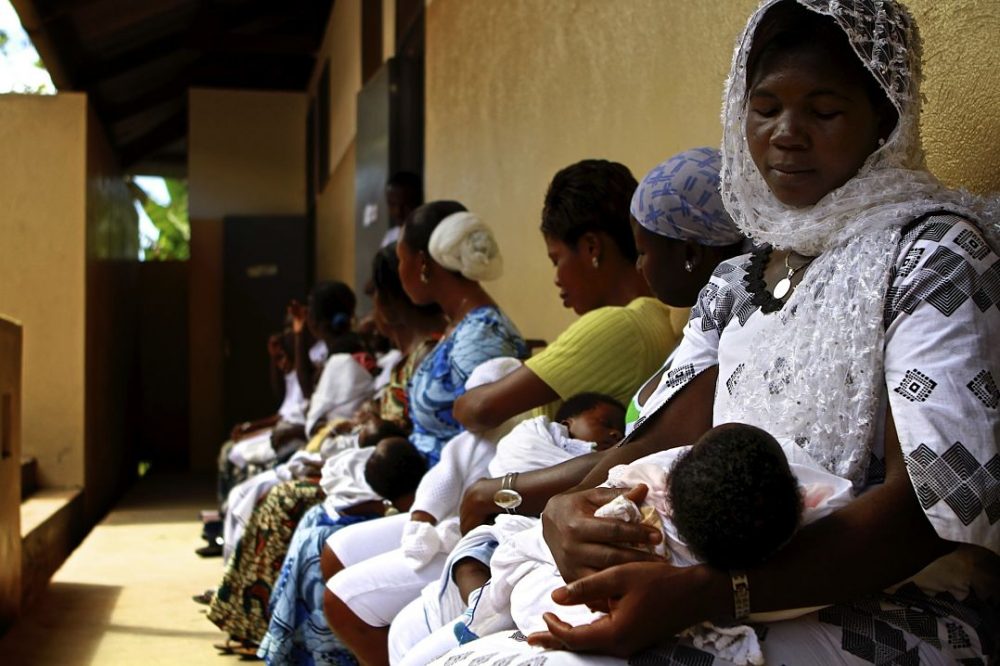
The challenges of accessing healthcare in rural areas have far-reaching consequences. One of the most alarming is poor health outcomes, including higher rates of maternal and infant mortality. According to UNICEF, Nigeria accounts for a significant proportion of global maternal deaths, with rural women disproportionately affected due to a lack of access to skilled birth attendants and emergency obstetric care.

Delayed treatment is another critical issue. The inability to access healthcare promptly often leads to the progression of diseases to more severe stages, reducing the chances of successful treatment. For example, conditions like hypertension or diabetes, which can be managed with early intervention, often go undiagnosed and untreated in rural areas, leading to life-threatening complications.

Additionally, the economic burden of healthcare is devastating for rural households. The cost of treatment can deplete a family’s savings, forcing them to sell assets or take on debt. This cycle of poverty further entrenches the disparities between urban and rural populations.

Addressing these challenges requires a multi-pronged approach. Governments and stakeholders must prioritise investment in rural healthcare infrastructure. Building and equipping clinics and hospitals in underserved areas is critical to reducing the geographical barriers rural communities face. Additionally, mobile clinics and telemedicine programs can bring healthcare services closer to people who live in remote locations.

Community-based healthcare programs are another effective solution. Training and deploying community health workers to provide essential services such as immunisations, maternal care, and health education can significantly improve health outcomes. These workers can serve as rural residents’ first point of contact, offering accessible and culturally appropriate care.

Financial support for rural residents is equally important. Subsidising healthcare costs through insurance schemes or direct financial aid can ensure that rural populations can afford essential services without economic hardship. The government’s National Health Insurance Scheme (NHIS) should be expanded and tailored to adequately cover rural residents.

Finally, addressing cultural and language barriers is essential for fostering trust between healthcare providers and rural communities. Training healthcare workers in cultural sensitivity and local languages can improve communication and encourage more people to seek care. Public health campaigns should also engage community leaders and use culturally relevant messaging to promote modern healthcare practices.

To conclude, the healthcare challenges in rural Nigeria are deeply rooted in geographical, infrastructural, financial, and cultural issues. However, these challenges are not insurmountable. 

Nigeria can take significant steps toward achieving equitable healthcare access for all its citizens by investing in rural healthcare infrastructure, implementing community-based programs, providing financial support, and addressing cultural barriers. Ensuring that no one is left behind in the quest for quality healthcare is a moral imperative and a necessary foundation for the nation’s development and prosperity.

Usman Muhammad Salihu was among the pioneer cohorts of the PRNigeria Young Communication Fellowship and wrote in from Jos via muhammadu5363@gmail.com.

Harmattan health alert: Expert advice for staying safe

By Anas Abbas

As the Harmattan season arrives in northern Nigeria, its dry, dusty winds from the Sahara present both beauty and challenges. Lasting from late November to mid-March, this weather phenomenon often worsens respiratory and skin health issues. Medical experts offer essential advice to help individuals protect their well-being during this period of challenges.

In an exclusive interview, Dr Naser Yakubu Ismail, a seasoned medical doctor, shed light on key health risks associated with Harmattan and how to address them effectively.

Respiratory Health: A Key Concern

“The dry air and dust particles characteristic of Harmattan frequently trigger asthma attacks, bronchitis, and allergies,” warned Dr. Naser in a report by The Daily Reality. He stressed the importance of taking proactive steps to prevent respiratory complications during this period.

Skin Issues on the Rise

Beyond respiratory concerns, Harmattan’s low humidity often worsens skin conditions, such as dryness and eczema. “The dry air strips the skin of its natural moisture, leading to irritation and discomfort,” Dr. Naser explained. Those with pre-existing skin conditions may experience heightened symptoms, making proper skincare essential.

Additionally, cold temperatures can pose heightened risks for individuals with sickle cell disease, as they are more susceptible to painful crises triggered by sudden drops in temperature.

Expert-Recommended Preventive Measures

To reduce health risks during Harmattan, Dr. Naser provided several practical tips:

1. Stay Hydrated

“Drinking plenty of water is crucial to keeping both the skin and respiratory system moist,” he advised. Adequate hydration supports skin elasticity and overall respiratory function, lowering the risk of complications.

2. Dress Appropriately

For individuals with sickle cell disease, staying warm is non-negotiable. “Wear layers, including sweaters, hoodies, and socks, to retain body heat,” Dr. Naser recommended. Minimising exposure to extreme cold by staying indoors during frigid weather is also advised.

3. Manage Asthma and Allergies

Asthma patients are particularly vulnerable during Harmattan. Dr. Naser emphasised the importance of identifying and avoiding triggers such as cold air, dust, and pollen. He also encouraged consistent use of prescribed medications and maintaining a dust-free home environment.

4. Combat Dry Skin

Using moisturisers regularly can alleviate skin dryness. “Apply a thick layer of cream or ointment after bathing to lock in moisture and protect the skin,” Dr Naser suggested.

5. Monitor Symptoms

“Be vigilant about health symptoms during this season,” Dr. Naser cautioned. Persistent coughing, shortness of breath, severe headaches, or unusual fatigue should not be ignored. Individuals experiencing these symptoms, especially those with underlying health conditions, should seek prompt medical attention.

A Call for Vigilance and Proactivity

Dr Naser urged the community to prioritise their health during Harmattan. “Stay informed about weather conditions, take preventive measures seriously, and don’t hesitate to seek medical advice if needed,” he said.

Adhering to these recommendations—staying hydrated, protecting the skin, and prioritising respiratory health—individuals can mitigate the adverse effects of Harmattan. Awareness and proactive measures are essential for ensuring a healthy and safe season for all.

US-based Nigerian scholar Dr Fahad Usman develops innovative, non-invasive method for diabetes testing

By Uzair Adam

In a ground-breaking advancement for diabetes diagnostics, Nigeria-born Dr Fahad Usman, an Assistant Professor of Optical Engineering Technology in the United States, has introduced a highly sensitive optical biosensor capable of non-invasive diabetes screening.

Dr Usman’s pioneering work focuses on a surface plasmon resonance (SPR) biosensor that detects exhaled breath acetone, a key biomarker for diabetes. This innovative approach offers an alternative to traditional blood glucose tests, which are invasive and often painful.

Dr Usman’s research, published in top journals like Results in Physics and Polymers Journal, presents a novel ternary composite material made from polyaniline, chitosan, and reduced graphene oxide. With enhanced electrical conductivity and thermal stability, this material underpins the SPR biosensor, allowing it to detect acetone concentrations as low as 0.88 parts per billion. 

This collaboration with researchers from Malaysia, France, Saudi Arabia, and the U.S. addresses the global diabetes crisis. With over 537 million affected worldwide and projections of 783 million by 2045, this innovation promises a significant impact. According to the National Institutes of Health, over 37 million people in the U.S. are affected by diabetes. 

Due to its non-invasive nature, the optical sensor ensures greater accuracy, sensitivity, and reliability and enhances patient compliance. 

Dr Usman’s work represents a significant leap forward in healthcare innovation. It positions the U.S. at the forefront of global scientific advancements.

This technology offers potential beyond healthcare, with broader industrial applications in optical sensing and materials science.

Malt and milk combo misconception: No scientific evidence

By Abdulaziz Bagwai

Between 2012 and 2018, I was a student in the Exchange Student Program at Sani Dingyadi Unity Boys College in Sokoto State. Whenever school resumed, our most cherished moments as junior students were the day school closed, and we left Sokoto for our various states. Our parents would send us food and local transport funds from our state’s education ministry to our hometowns.

As students from Kano, our first junction was always in Gusau, Zamfara State, to eat and pray. That Gusau junction, Lala, was our dream hub. It’s a place that every one of us would anticipate being. The first time I was at Lala, I couldn’t decide what to eat. The myriad delicacies, including those I’d never tasted, were there, and I had the pocket money to afford them—but I ended up eating half-spoilt rice and beans with stew.

A new experience but different reality

In December 2012, after our first term, while traveling back home, my friends, whom we were seated together in the car, learned from the older students among us that drinking the combo of malt and milk increases blood volume. Seeing them all with tins of malt and peak milk was awkward, and because I was too uninformed as a junior secondary school student to think whether it was true or not, I admittedly found myself craving for the combo. Since then, it has become the norm for my friends and colleagues to buy the combo whenever we pass Lala to or from school, but I have never bought it once.

This article triggered an encounter with a client who brought his sick daughter to a chemist I work for earlier this month. My co-worker examined the patient and decided to send them for two blood tests: malaria’s rapid diagnostic test (RDT) and a pack-cell volume (PCV) because she was both feverish and hungry. Both results confirmed my co-worker’s professional inquiry: RDT reactive, PCV slightly low. When he enquired about my suggestion on the patient’s treatment plan, I told him to necessarily include medicines that would boost the patient’s low, slight blood count.

Upon hearing my suggestion, the man disagreed that no medicine should further be given to his daughter except for malaria. His reason was that this same daughter was anemic sometime in the past, and he denied buying any medicine she was prescribed in the hospital; he purchased for her a few tins of malt and milk, and in a few days, she recuperated. 

While it’s my duty as a community health extension worker to educate community members about helpful and harmful health practices, misinformation, misconceptions, and baseless hearsay, I’ve done my part for my client, who seemed unconvinced.

What a nutritionist had to say about the combo

A July 19, 2021, Punch Newspaper article by Angela Onwuzoo titled “Drinking milk, malt combo won’t boost blood volume” featured Beatrice Ogunba, a professor of public health nutrition at Obafemi Awolowo University, Ile-Ife, Osun State. I quote the professor saying, “Consuming milk and malt could deliver nutrients to the body because they are fortified with iron, calcium, and vitamins. 

Some malts are also fortified with vitamins, so consuming all these will deliver nutrients to the body, but mixing milk and malt with the notion that it will increase blood volume is unrealistic. There is no scientific evidence for that. I have heard about the mixture, and women primarily consume it. But in terms of delivering iron, I am sure of that because milk has iron.”

However, she urged Nigerians to diversify their foods to get all the nutrients they need to be healthy. She also noted that people vulnerable to anemia should consume iron-rich foods like vegetables and liver.

Hypovolemic or anaemic?

Hypovolemia is a state of abnormally low extracellular fluid (ECF) in the body. It may be caused by a loss of salt and water or a decrease in blood volume. Hypovolemia is the loss of extracellular fluid (ECF) and should not be confused with dehydration. Anemia is a blood disorder in which the blood cannot carry oxygen. It can be caused by a lower-than-normal number of red blood cells, a reduction in the amount of hemoglobin available for oxygen transport, or abnormalities in hemoglobin that impair its function.

While both conditions have different causative factors, in layman’s terms, insufficient blood is present in the body when investigated through a laboratory test. The extremes of both conditions—anemia and hypovolemia, which result from a decrease in blood volume—would require transfusion. 

Furthermore, when both conditions are mild or are in their primary stages, and a doctor decides to prescribe medications, patients or their relatives should understand the reality and abide by the doctor’s rules. So, drinking the combo of malt and milk does not increase blood volume.

Abdulaziz Isah Bagwai is a community health practitioner, journalist, and storyteller. His work has appeared in The Solutions Paper, Brittle Paper, The Daily Reality, Neptune Prime, Opinion Nigeria, and more. He writes from Kano State and can be contacted at aibagwai001@gmail.com.

Menace of Malaria: Kano residents cry out for gov’t intervention

By Anas Abbas

Residents of some areas in Kano State are sounding alarm over a severe mosquito infestation linked to rampant refuse accumulation.

The situation has raised public health concerns, particularly regarding the rising cases of malaria, a disease predominantly transmitted by mosquitoes.

Situation on ground

In several neighborhoods, stagnant water and heaps of garbage have created ideal breeding conditions for mosquitoes. Local residents report an alarming increase in mosquito populations, which they believe is directly contributing to a surge in malaria cases.

Residents’ Concerns

Local residents have voiced their frustrations regarding the government’s failure to address this growing health crisis. They highlight that the absence of mosquito control initiatives, such as spraying insecticides and promoting sanitation, has allowed mosquito populations to flourish.

“We see mosquitoes everywhere, and they are the main cause of malaria in our community,” lamented Khadija Umar. “The government needs to take action before more lives are lost.”

“We are overwhelmed by mosquitoes, and many of us are falling ill with malaria,” Amina Yusuf, a resident of Danrimi area. “We need immediate help from the government.”

The lack of effective waste management and sanitation services in these communities have exacerbated the problem. Many families are struggling to cope with the health implications, with some reporting multiple cases of malaria within their households. “It’s heartbreaking to see our loved ones suffer because of something that can be prevented,” lamented Saad musa.

The call for government action

Residents are calling on the Kano State government to take urgent action.

They are demanding the implementation of mosquito control initiatives, including regular insecticide spraying and improved waste management practices.

Additionally, public health campaigns aimed at educating the community about malaria prevention are seen as essential steps toward tackling this growing crisis.

Health expert warns that without immediate intervention, the situation could worsen, leading to further health complications for vulnerable populations.

Usman Sani Sa’id, a health practitioner, is urging the government to prioritize initiatives that educate communities on mosquito eradication and distribute mosquito nets.

“Malaria disproportionately affects developing countries, with poor hygiene being a significant contributor. However, when communities maintain cleanliness by sweeping homes and disposing of sewage, mosquitoes are less likely to thrive,” he emphasizes.

Sa’id, highlighted the necessity of community education, asserting, “It is imperative that we raise awareness about malaria prevention. The government must adopt measures such as spraying insecticides and implementing other preventive strategies to safeguard the health and lives of our residents.” His passionate plea underscores the urgent need for a collaborative effort in combating malaria and enhancing public health.

Meningitis crisis in Nigeria: 361 fatalities in a single year

By Anas Abbas

The Nigeria Centre for Disease Control and Prevention (NCDC) revealed that between 2023 and 2024, Cerebrospinal Meningitis (CSM) claimed the lives of 361 individuals across 24 states, including the Federal Capital Territory (FCT)Abuja. 

During an update on the ongoing Lassa fever and meningitis outbreaks, Dr Jide Idris, the Director General of NCDC, highlighted that these fatalities were recorded in 174 Local Government Areas (LGAs) nationwide. Additionally, the country has seen 4,915 suspected cases and 380 confirmed cases of CSM during the same period.

Cerebrospinal Meningitis is characterised by acute inflammation of the protective membranes surrounding the brain and spinal cord. 

This inflammation can result from various infectious agents, including bacteria, viruses, parasites, and fungi, as well as from injuries or certain medications.

Dr. Idris emphasised that CSM is an epidemic-prone disease with year-round cases reported in Nigeria. He noted that environmental factors, particularly during the dry season marked by dust storms, cold nights, and increased respiratory infections, heighten the risk of infection, especially in overcrowded and poorly ventilated settings.

The “Meningitis Belt,” which encompasses all 19 northern states, the FCT, and parts of southern states such as Bayelsa, Cross River, Delta, Ekiti, Ogun, Ondo, and Osun, bears the highest burden of CSM in Nigeria.

In response to this public health challenge, over 2.28 million Men5CV-ACWYX meningitis vaccines have been administered in Bauchi, Gombe, and Jigawa across 134 wards in 13 LGAs.

The vaccination campaign primarily targets individuals aged 1 to 29, representing approximately 70% of the population.

Dr. Idris concluded that despite recent advancements in surveillance, diagnostic capabilities, and vaccination efforts, CSM remains a critical public health concern in Nigeria. Due to its recurrent outbreaks in high-burden states, the disease continues to pose challenges for individuals, health systems, economies, and communities.

An open letter to the executive governor of Jigawa State

By Dr Najeeb Maigatari

Your Excellency, I hope this letter finds you in good health. As I do not have the means through which my message could reach you, I am compelled to write this open letter to draw your attention to a menace threatening our healthcare system. That is the well-known Japa syndrome that has recently plagued our dear State.

I want to extend my heartfelt condolences to you and the good people of Jigawa State over the tragedy that befell the people of Majia a few weeks ago. This unforeseen event led to the loss of lives of over a hundred people and left several others with varying degrees of injuries. My heart goes out to the bereaving families of all those affected, and I pray that Allah repose the souls of the deceased and heal the injured. Amen.  

Returning to the purpose of writing this letter, Your Excellency, I would like to provide some details about how our dear state used to be. It was undoubtedly one of the states with the best healthcare systems and the highest number of practising medical doctors in Northern Nigeria. At one point, it was akin to a medical hub attracting patients and medical professionals from neighbouring states due to its subsidised healthcare, efficient service delivery, and overall welfare of health workers and patients. 

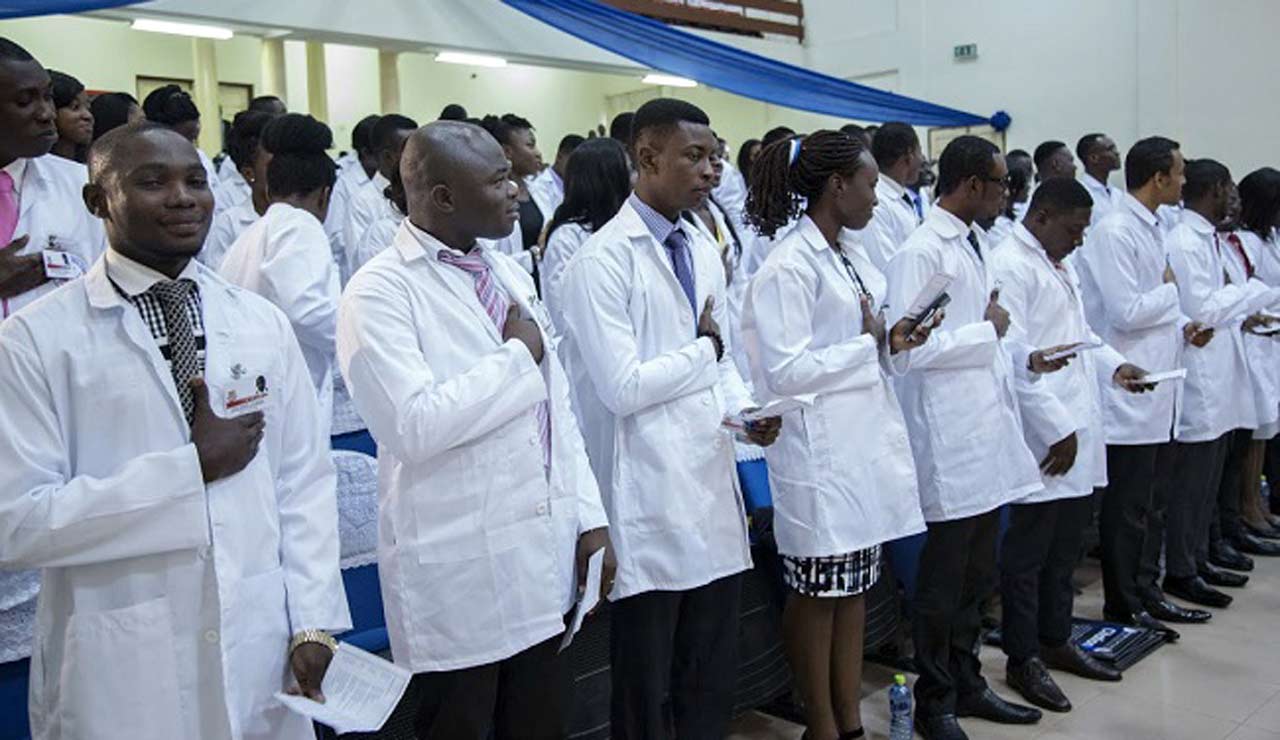
Since its creation in the early 1990s, the State has made giant strides in providing its citizens with effective and reliable healthcare services. To mention a few, various successive administrations have invested heavily in training Medical doctors and other health professionals, within and outside the country, in varying capacities to ensure effective healthcare delivery to the good people of the state. 

Similarly, Jigawa State has awarded scholarships with bond agreements to local and foreign medical students since time immemorial. It has produced medical graduates from various reputable institutions within and outside the country. In addition, it was one of the pioneer states among its peers to implement the sponsorship of medical doctors through postgraduate medical training programs to further their studies, a policy several other states would later adopt. 

Your Excellency, I can say with immense pride that our healthcare system performance score was impressive overall. It used to be one of the best in the country. The services rendered were affordable and accessible to the masses, and the welfare of patients and healthcare professionals was optimum. For instance, at some point, healthcare workers in Jigawa State were earning more than their federal counterparts. 

Unfortunately, things have now taken a turn for the worse. Our healthcare system is not only ‘underperforming’ below standard by all measures but also one of the worst in the country. We are now a shadow of our past. Jigawa State has a patient-doctor ratio of 1:35,000, far exceeding the WHO recommendation of 1:600, making it one of the states with the worst healthcare systems in Nigeria. This is indeed a troubling situation. 

Over the past few years, Jigawa State has witnessed an unprecedented mass exodus of medical doctors to other neighbouring states owing to poor welfare, overburdening workload, and inadequate health facilities in hospitals, among other factors. Regrettably, this internal Japa syndrome ravaging the state continues to overstretch our already fragile healthcare system. 

To put things into perspective, according to data obtained from the Nigerian Medical Association (NMA) Jigawa State branch from 2013 to 2024, of the 264 doctors who reported back to the state for bonding agreements, only 40 stayed after completing their terms. This is to say that more than 220 medical doctors have left to continue their careers elsewhere because Jigawa is fast becoming a nightmare and a difficult place for medical doctors.

It is worth noting that the state produced over 500 medical doctors (both foreign and locally trained) during the same period. Still, only 214 are on the state payroll, of which only 77 are currently manning the state’s primary and secondary institutions. They are about to round up their bond agreements by the end of the year; 89 are in training as either house officers or doing national service. The state has less than ten consultants and only 12 doctors in residency training. Altogether, fewer than 100 doctors attend to a population of over 7.5 million. 

This data suggests that while the state is doing a good job at producing medical doctors (both local and foreign), its retention capacity is very poor. The State will be left with no Medical doctors in the coming years if things continue at this pace. It has to either employ doctors from neighbouring states or overwork the few that stay to death if at all there would be! Your Excellency, this is only the tip of the iceberg as far as this crisis is concerned. This menace has no end. 

As a citizen concerned about the interests of Jigawa State, I implore you to declare a state of emergency on health in Jigawa State and engage with relevant stakeholders to find a way to end this worsening Japa syndrome, which is wreaking havoc in our dear state.  

The most crucial step to addressing this issue is the urgent need for the improvement of the overall welfare of the few Medical doctors and other healthcare professionals left in the state who are already struggling with chronic fatigue due to overwhelming patient workload. This singular act will not only boost the morale of these weary Medical professionals but relieve them of their burden. Still, it will also attract others from various States to compensate for the acute shortage of Medical doctors in the state. It will also improve the effectiveness of healthcare services delivered to the people. In other words, we can go back to our glory days. 

 Various States have already employed this strategy. Your Excellency, Jigawa State can not afford to lose the doctors it invests heavily in. This could amount to a work in futility! 

In addition, the government should seriously consider domesticating the Medical Residency Training Fund (MRTF), which will help train experts in various medical specialities in the state. This would help address the shortage of registrars and consultants in our tertiary facilities and provide an avenue for a healthy and excellent research environment in the State.

Other measures include equipping our already existing hospitals with state-of-the-art facilities and subsidising healthcare services, especially to women, young children and those suffering from such chronic debilitating conditions as sickle cell disease and chronic liver and kidney diseases. Your excellency, I believe these are some ways that could help end this menace threatening our very existence, help revitalise the State’s healthcare and improve its delivery to the citizens of Jigawa State. 

 Najeeb Maigatari is a Medical doctor. He writes from Dutse, Jigawa State, via maigatari313@gmail.com.

The state of Nigeria’s public health sector 

By Fatima Dauda Salihu 

Health is a fundamental priority that any government should address. When citizens are healthy, the entire state benefits. However, it is disheartening when the government neglects its health sector. 

The Federal Government of Nigeria has increased its expenditure on public health over the years to enhance public health outcomes, but much still needs to be done. Public health requires ongoing efforts, and continuous improvement remains a crucial goal. The numerous and serious healthcare challenges in the country arise from poor health infrastructure, inadequate education, hygiene and sanitation issues, and extreme poverty and hunger.

The Health department plays a critical role in educating people about unforeseen infectious diseases and interventions for alleviation. 

Public health infrastructure provides communities, states and the nation as a whole with the ability to prevent diseases, promote health and respond to both ongoing and emerging challenges to health. 

Since its independence, Nigeria’s health sector has been named one of the worst in Africa. Issues include lack of coordination, fragmentation of services, scarcity of medical resources, including drugs and supplies, inadequate and decaying infrastructure, inequity in resource distribution, and access to care. 

According to the National Institute of Health, the Nigerian healthcare system is poorly developed and has suffered several setbacks, especially at the local government level. No adequate and functional surveillance systems have been created;hence, there is no tracking system to monitor the outbreak of infectious diseases, bioterrorism, chemical poisoning, etc. 

Nigeria’s hospitals and emergency services do not meet world standards. The availability of healthcare institutions and professionals is limited, while long distances travelling for healthcare are not affordable. The healthcare costs and expenditures related to the prevention and treatment of diseases are rising. 

Many primary healthcare centres across Nigeria are dilapidated, have low staff, have poor electricity, and have unclean water, and they cannot efficiently serve people in rural areas. Many pregnant women still seek the services of traditional birth attendants for delivery, and even many children in rural areas miss out on routine immunisations, which are meant to be one of the responsibilities of effective primary healthcare centres. 

Due to the poor state of the health sector, there has been a constant mass migration of doctors and health professionals out of the country. This relates to ongoing strikes and poor working conditions in healthcare delivery centres. The challenges faced by Nigeria’s healthcare system include inadequate hygiene and sanitation, insufficient financial investments, and alimited workforce and facilities. 

Establishing healthcare institutions and insurance schemes, increasing the workforce, and improving hygiene and treatment conditions can help address these challenges. Implementing policies for maternal health and healthcare reforms can lead to better health outcomes. 

Fatima Dauda Salihu wrote from Bayero University, Kano.