Health

You can add some category description here.

The benefits and effects of drinking cold water

By Amrah Musa Kamaruddeen

Water is vital for our health, influencing everything from digestion to metabolism. While most people focus on how much water they drink, the temperature of that water can also have significant effects on our health. Water temperatureis measured using two primary scales: Celsius and Fahrenheit. Celsius is the most commonly used scale globally, while Fahrenheit is used primarily in the United States.

Cold water refers to water that is lower than room temperature. The average room temperature is between 20 and 25 degrees Celsius (68 and 77 degrees Fahrenheit), so water below this range is considered cold. In Celsius, cold water is defined as 0 to 15 degrees Celsius, while Fahrenheit is between 32 and 59 degrees Fahrenheit. This article explores the benefits and potential drawbacks of consuming cold water.

Benefits of Drinking Cold Water:

1. Enhances Metabolic Rate:

Drinking cold water can boost your metabolic rate, aiding in burning more calories. The human body burns calories when maintaining our core temperature; therefore, when we drink cold water, the body expends energy to warm the cold water to the core temperature, thereby burning calories.

2. Improves Digestion:

Cold water after a meal can aid digestion. It can contract stomach muscles, speeding digestion and facilitating nutrient absorption.

3. Reduces Inflammation:

Cold water can help reduce inflammation. Post-exercise, drinking cold water may soothe sore muscles and mitigate inflammation.

4. Aids Hydration:

Many people find cold water more satisfying, which may encourage higher water intake and better daily hydration.

Effects of Drinking Cold Water:

1. May Disrupt Digestion:

While cold water can be beneficial after a meal, consuming it during meals may interfere with digestion by solidifying fats, making them harder to digest.

2. Can Cause Headaches: 

Drinking cold water rapidly can trigger headaches or migraines as the cold temperature may constrict blood vessels in the head.

3. May Lead to Colds:

Cold water does not cause colds, but it might weaken the immune response, making individuals more susceptible to infections.

4. Can Aggravate Gallstones:

Gallstones are small stones, usually made of cholesterol, that form in the gallbladder.

For those with gallstones, cold water may cause gallbladder contractions, potentially intensifying symptoms.

In conclusion, while drinking cold water offers several benefits, it’s essential to be mindful of how and when you consume it. Opt for room temperature or warm water during meals to aid digestion, and enjoy cold water as a refreshing option throughout the day.

Amrah Musa Kamaruddeen wrote from the Department of Mass Communication, Bayero University, Kano.

Former Deputy Director of SGS, Malam Umar Farouk passes away

By Uzair Adam

Adam Malam Umar Faruk, the former Deputy Director at the School of General Studies (SGS) and the first Head of Department (HOD) of the Mass Communication Department at Kano State Polytechnic, has died.

The Daily Reality reports that Malam Umar Faruk passed away today, Wednesday, after a brief illness.

According to his colleague, H. Kawu, Faruk’s sudden demise was deeply saddening, noting that his WhatsApp status remains active.

Kawu shared, “Even yesterday, he called me. Unfortunately, I wasn’t near my phone. Then, all of a sudden today, I heard of his death.”

According to his relatives, the Janaza (funeral prayer) will take place at 4:00 p.m. at his residence located in Saban Titi, Mandawari, near Abu Hanifa Academy.

The late Umar Faruk, who was the pioneer HOD of the programme in 2011, played a significant role in shaping the Mass Communication Department during its early years.

His contributions, many believe, to the polytechnic will be remembered by colleagues and students alik

Shettima launches nutritional programme to tackle malnutrition

By Uzair Adam

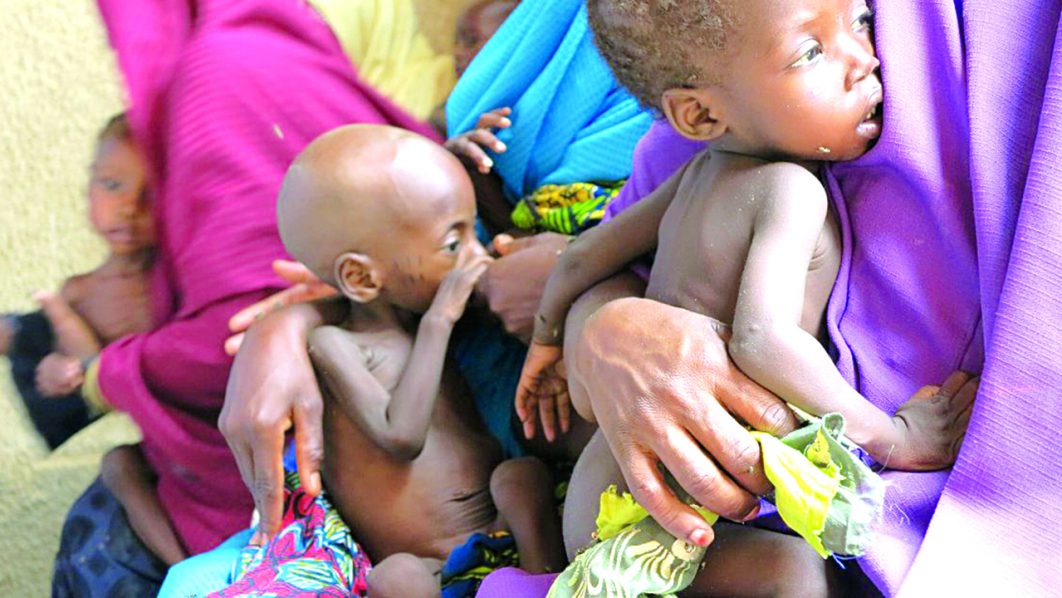
Vice President Kashim Shettima has officially launched the federal government’s new nutrition initiative, aimed at addressing malnutrition and food insecurity across Nigeria.

The programme, named the “Nutrition 774 Initiative,” is set to improve nutritional outcomes in all 774 local government areas of the country.

Shettima emphasized the government’s commitment to ensuring that every household in Nigeria has access to nutritious food, beyond just availability in stores and warehouses.

He noted that the initiative aims to eradicate malnutrition through a community-based approach that empowers local actors, such as health workers and community leaders, to take charge of nutritional improvements in their areas.

At a roundtable meeting with development partners, Shettima called for their collaboration to make the programme a success. He explained that addressing malnutrition requires collective efforts from all stakeholders, including the government and development organizations.

The initiative also focuses on training local health professionals to better equip them in handling malnutrition at the grassroots level. Despite recent floods and global inflation affecting food security, Shettima highlighted the need for innovative solutions that directly tackle these challenges.

Coordinating Minister of Health & Social Welfare, Prof. Muhammad Pate, described the initiative as crucial in addressing malnutrition, particularly among vulnerable populations.

He stressed the importance of a multi-sectoral approach, integrating efforts from agriculture, health, water, sanitation, and social protection sectors to ensure the success of the programme.

Nigerian doctor makes history, establishes nursing services company in Germany

By Sabiu Abdullahi

Dr. Kabiru Ibrahim from Sokoto State, Nigeria, has founded a nursing services company in Hamm, a city in North Rhine-Westphalia, Germany, Dr. Muhsin Ibrahim, a German resident, announced in a Facebook post on Sunday. 

According to Dr. Muhsin, the company, staffed by healthcare professionals from Nigeria, Kenya, Turkey, and Germany, offers critical care services.

Dr. Ibrahim’s achievement demonstrates the potential of African professionals making a meaningful impact globally. 

After studying medicine and surgery in Bulgaria and specialising in anaesthesia, Dr. Ibrahim moved to Germany in 2009.

His success has sparked praise from friends and colleagues, including Dr. Muhsin Ibrahim, a lecturer at the University of Cologne. 

“This is a massive achievement, and we are very proud of Dr. Kabiru,” Mr. Muhsin said.

Dr. Kabiru’s venture serves as a shining example of Nigerian excellence in the diaspora, which fosters economic growth and cultural exchange between Nigeria and Germany.

AMG foundation urges Kano Assembly to establish humanitarian affairs committee

By Aisar Fagge

The AMG Foundation has urged the Kano State House of Assembly to establish a legislative committee dedicated to addressing humanitarian issues in the state.

In a letter addressed to the Speaker, Rt. Hon. Jibril Isma’il Falgore, on Friday, 4th October 2024, the foundation’s Chair, Dr. Magashi, emphasized the urgent need for such a committee, citing the increasing challenges faced by the state’s vulnerable population.

This call comes months after the current administration of Governor Abba Kabir Yusuf launched the Ministry of Humanitarian Affairs and Poverty Alleviation in April 2024, aimed at tackling poverty and humanitarian crises.

Dr. Magashi highlighted the pressing issues in Kano, including recurrent flooding, rising youth unrest, climate change impacts, food insecurity, and the alarming number of street children, homeless individuals, and women in distress.

“Kano is the Nigeria’s most populous state and is grappling with numerous humanitarian challenges that require immediate and coordinated legislative action,” Dr. Magashi stated in the letter.

The foundation believes that establishing a dedicated House Committee on the subject matter would enhance the state’s response to these crises and help create sustainable solutions.

Reproductive diet: foods that boost fertility among couples

By Maimuna Katuka Aliyu

When planning to conceive, couples should often focus on what they eat. Although choosing foods based on mood or preference is common, certain dietary considerations become essential when aiming to have a baby.

Doctors frequently recommend specific foods and advise against others to ensure both the mother’s and baby’s health, reducing the risk of complications or miscarriage.

Fertility refers to the ability of couples to conceive. For those trying to have a child, adjusting the diet is crucial in preparing the body for pregnancy. Research suggests that diets rich in whole grains, vegetables, fruits, and fish can significantly improve fertility, particularly in women.

Moreover, these foods can contribute to a healthy start in pregnancy, which is why doctors generally recommend maintaining a nutritious diet during this period.

Conceiving a baby can take time. While 30% of couples get pregnant in the first month of trying, some may still be trying after a year. Although no diet can resolve underlying medical issues affecting fertility, certain foods can support the reproductive system better than others.

These foods are rich in antioxidants and nutrients that enhance ovulation or improve sperm quality and quantity. Since infertility issues can equally involve male partners, it’s advisable for both partners to adopt a fertility-friendly diet.

Protein-Rich Foods: Lean meats like chicken, turkey, pork, and beef (trimmed of excess fat) are excellent sources of protein, zinc, and iron—vital nutrients for a healthy pregnancy. Additionally, cold-water fish such as salmon, canned light tuna, and sardines are rich in DHA and omega-3 fatty acids, which support the development of the baby’s nervous system and reduce the risk of premature birth.

Fish can be included in a fertility diet a few times a week without worrying about mercury levels. However, it is best to avoid fish known for higher mercury content, such as shark, swordfish, tilefish, and king mackerel.

Fertility-Boosting Foods: While no specific food guarantees pregnancy, ensuring a healthy diet can support fertility. Below are some foods that are beneficial:

– Fruits and Vegetables: Packed with essential vitamins and antioxidants, these are a staple for a fertility-friendly diet.

– Healthy Fats: Incorporating fats from sources like avocados, nuts, and olive oil can improve fertility.

– Complex Carbs: Whole grains such as brown rice, quinoa, and whole wheat bread help maintain steady blood sugar levels, which is crucial for reproductive health.

– Eggs: A potent source of protein and choline, eggs are essential for brain development in babies and should be included in a fertility diet.

– Plant Proteins: Beans, nuts, seeds, and tofu are excellent sources of protein and healthy fats. Studies have shown that plant-based proteins can reduce the risk of ovulatory disorders, especially when they make up 5% of your total calorie intake.

– Dairy: Full-fat dairy products like whole milk and yogurt are linked to higher fertility rates, while low-fat dairy options have been associated with an increased risk of ovulatory infertility.

– Walnuts: These nuts are high in omega-3 fatty acids and magnesium, which support brain development and reduce the risk of neurologic problems in the baby.

Lifestyle Factors for Fertility 

– Physical Activity: Regular exercise is beneficial for both male and female fertility, especially for those dealing with obesity. Consult with a healthcare professional to determine the most suitable types of exercise.

– Stress Management: Trying to conceive can be stressful, and stress can affect menstrual cycles and fertility. It may be helpful to talk with a mental health professional if stress or anxiety about conceiving is overwhelming.

Foods to Avoid: A healthy fertility diet isn’t just about what you eat; it’s also about what you avoid. Here are some foods that might negatively impact fertility:

– Added Sugar: Found in sugary beverages, baked goods, and ultra-processed carbs, added sugars can disrupt hormonal balance.

– Red and Processed Meats: These meats, especially those high in saturated fats, can adversely affect fertility.

– Caffeine: Excessive caffeine intake has been linked to fertility issues.

– Alcohol: Drinking alcohol can reduce fertility and should be limited or avoided when trying to conceive.

Incorporating fertility-boosting foods into your diet is a delicious and effective way to support reproductive health and increase your chances of conception. By focusing on nutrient-dense foods like leafy greens, berries, fatty fish, and whole grains, couples can create a strong foundation for a healthy pregnancy.

Additionally, staying hydrated, limiting processed foods, and managing stress can contribute to a fertility-friendly lifestyle. While no single food or diet can guarantee pregnancy, making informed dietary choices is a powerful tool in your reproductive journey. Nourish your body, nourish your fertility, and take the first step towards a healthier, happier you!

The urgent need for action on kidney disease-related deaths in Gashua

By Mujahid Nasir Hussain

Gashua, a local government area in Yobe state, Nigeria, is facing a distressing public health crisis. An alarming increase in the number of individuals succumbing to kidney diseases is being reported, yet the underlying cause remains unidentified. 

The kidneys are essential organs located in the retroperitoneal part of the body. These bean-shaped organs perform several crucial functions, including blood filtration, blood pressure regulation, electrolyte balance, acid-base balance, blood calcium regulation, and many more. However, when they become impaired, those vital functions are compromised, leading to severe and devastating deterioration and complications.

The rising number of deaths linked to kidney diseases in Gashua is a cause for serious concern. It is impossible to implement effective interventions without identifying the underlying cause, whether environmental, genetic, or related to lifestyle factors. 

The Yobe state government must prioritise an investigation into the root causes of these kidney diseases to find an end to the problem. Public health agencies, researchers, and medical experts should be mobilised to conduct thorough epidemiological studies and screenings to identify potential risk factors. 

In addition, there is also a need to take proactive measures through:

  • Raising Awareness:  Educating the community about kidney health, risk factors, and early symptoms of kidney disease to encourage timely medical consultation.
  • Enhancing Healthcare Facilities: Improving access to quality healthcare services, including dialysis centres and nephrology specialists, to manage and treat kidney diseases effectively.
  • Providing Clean Water: Ensuring the availability of clean drinking water is essential, as contaminated water is a known risk factor for kidney damage. 
  • Encouraging Lifestyle Changes: Promoting healthy dietary practices and regular medical check-ups to prevent kidney-related diseases.

Mujahid Nasir Hussain studies at Bayero University, Kano, Nigeria and writes via mujahidhnasir@gmail.com.

Diarrhoea outbreak claims lives, hundreds hospitalised in Adamawa

By Uzair Adam 

At least ten people, primarily women, children, and the elderly, have died due to a diarrhoea outbreak in Yola North and Yola South Local Government Areas of Adamawa State. 

The death toll is feared to rise as several hospitalised victims remain in critical condition.

The Adamawa State Commissioner for Health, Mr Felix Tangwami, confirmed the incident to reporters in Yola and provided updates on the situation that began earlier in the week. 

He noted that around 300 individuals have been admitted to Yola Specialist Hospital, with some patients still in critical condition.

“Those with severe cases have been isolated at the hospital’s Infectious Disease Center to receive specialised care,” Tangwami said, adding that efforts are underway to manage the outbreak.

Tangwami emphasised that the government is doing everything possible to control the spread and is following due process in addressing the crisis. 

He mentioned that sample results from the National Centre for Disease Control (NCDC) are expected within 24 hours to confirm whether the outbreak is linked to cholera, as some suspect.

The Commissioner urged the public to refrain from speculation and assured that necessary measures are being taken to protect public health.

Who will save Potiskum Specialist Hospital from understaffing?

 By Kasim Isa Muhammad

As I walked into the Potiskum Specialist Hospital in the Potiskum local government area of Yobe State on September 14th, 2024, I was filled with a sense of hope and urgency.

My niece, suffering from sickle cell disease, was in dire need of medical attention. Her condition was worsening by the day, and I knew that timely intervention was crucial. 

But what I witnessed that day was a distressing scene. The waiting area was packed with people, all waiting to see a doctor.

The air was thick with anxiety and frustration, and I could sense the desperation in the eyes of those around me.

The wait was agonisingly long. We spent three consecutive hours waiting for a doctor to arrive, watching as the minutes ticked by at a glacial pace. 

My niece was profusely crying due to the excruciating pain she was enduring, and I felt helpless as I tried to comfort her.

When the doctor finally arrived, the sense of relief was palpable. But as I looked around, I realised that the workload was simply too much for him to handle alone.

The hospital was understaffed, and it showed. Potiskum, as the most populous local government area of Yobe State, deserves better. Its hospital should be equipped to handle the needs of its people, but the lack of enough hospital personnel is a major hindrance. 

As I left the hospital that day, I couldn’t shake off the feeling of frustration and helplessness. But I knew I had to speak out, for the sake of my niece and the countless others who deserve better.

The lack of sufficient health personnel at the hospital has far-reaching consequences. It not only affects the patients but also the doctors and nurses who are overworked and undervalued. 

Governor Mai Mala Buni, we urge you to take immediate action and employ the numerous jobless health workers in our state to cater to the growing population of Potiskum.

It is unacceptable that our hospitals continue to struggle with inadequate staffing despite the abundance of qualified and eager healthcare professionals seeking employment. 

The current staffing crisis is not only detrimental to the well-being of patients but also puts an unbearable burden on the existing healthcare workers.

They are overworked, undervalued, and at risk of burnout, which ultimately affects the quality of care they can provide. By hiring more health workers, Governor Buni, you will not only be addressing the critical staffing shortage but also injecting life into the local economy. 

These new employees will contribute to the state’s economic growth, support their families, and stimulate community development.

Furthermore, employing local health workers will ensure cultural sensitivity and a deeper understanding of the community’s specific needs. They will be better equipped to address the unique health challenges facing Potiskum’s population. 

We implore you, Governor Buni, to seize this opportunity to transform the healthcare landscape of Potiskum. Provide the necessary resources, and watch as our healthcare system flourishes, benefiting generations to come. 

Kasim Isa Muhammad wrote from Potiskum, Yobe State and can be reached via Kasimimuhd1999@gmail.com.

Sickle Cell: Why intending couples should know their genotypes

By Maimunna Katuka Aliyu

Understanding blood types and genotypes is crucial for emergencies, such as blood transfusions during accidents. However, knowing one’s genotype, particularly before marriage, is equally important to avoid having children with Sickle Cell Disease (SCD).

Blood genotypes determine an individual’s blood type, inherited from our parents and remain constant throughout our lives. The four main blood types are A, B, AB, and O, classified based on the presence of antigens in red blood cells. The Rh factor can also be present (Rh-positive) or absent (Rh-negative), further defining blood types.

Blood genotypes play significant roles in the following:
– Blood Transfusions: Ensuring compatibility between donor and recipient blood.
– Pregnancy: Preventing complications like haemolytic disease of the newborn.
– Organ Transplants: Matching donor and recipient blood types for successful transplants.
– Disease Susceptibility: Influencing susceptibility to diseases like sickle cell anaemia.

Sickle cell disease is a genetic disorder affecting haemoglobin production, leading to abnormal red blood cells. These cells become crescent-shaped and rigid, causing a range of health problems. The genotype responsible for SCD is known as HbSS or HbSβthal, resulting from a mutation in the HBB gene.

Individuals with sickle cell disease have two copies of the mutated gene (HbSS), while those with one normal gene and one mutated gene (HbAS) have the sickle cell trait but generally remain healthy. Understanding an individual’s genotype is crucial in determining their risk of developing SCD or passing it to their offspring.

The symptoms of sickle cell disease can vary in severity and include:
– Anemia
– Fatigue
– Shortness of breath
– Pale skin
– Yellowing of the skin and eyes (jaundice)
– Painful episodes (crises)
– Swelling of hands and feet
– Increased risk of infections

While there is no cure for sickle cell disease, several management options help alleviate symptoms and prevent complications:
– Pain Management: Medications like acetaminophen and ibuprofen.
– Blood Transfusions: Increasing healthy red blood cell levels.
– Hydroxyurea: Reducing the frequency of painful episodes and improving anaemia.

Aisha Mahmud, a sickle cell patient diagnosed at age three, shared her experiences. As she grew older, the frequency of her crises reduced, occurring only once every three months. She regularly visits Primus Hospital in Karu, Abuja, and FMC Azare for checkups. Aisha emphasises that emotional stress often triggers crises, highlighting the importance of therapy over medication. Remarkably, her genotype changed from SS to AC, bringing immense joy to her family.

The challenges faced by sickle cell patients are immense, impacting them physically, psychologically, emotionally, and financially. Crises can occur unpredictably, causing significant distress to patients and their families.

Researchers are continuously exploring new treatment options for sickle cell disease. Some of the latest developments include:

– Hydroxyurea: Reduces pain crises and acute chest syndrome, decreasing the need for blood transfusions.

– Voxelotor: Approved for people age four and older to reduce pain crises and improve anaemia.

– Crizanlizumab: Approved for people age 16 and older to reduce pain crises.

– L-glutamine: Approved for people age five and older to reduce pain crises.

– Bone Marrow Transplant: Can cure some individuals with SCD but requires careful consideration and a suitable donor.

– Gene Therapy: Genes are used to correct the mutations that cause sickle cell disease.

– CRISPR Technology: A gene-editing tool that corrects the mutation causing SCD.

In conclusion, sickle cell disease is a complex and debilitating genetic disorder affecting millions worldwide. While there is no cure, management options help alleviate symptoms and prevent complications. Ongoing research and new treatment options offer hope for improved treatment and potentially a cure in the future.

Maimunna Katuka Aliyu wrote via munat815@gmail.com.