Health

You can add some category description here.

The need for first aid training for all

By Abubakar A Gummi.

Accidents happen in daily activities – in house halls, schools, offices, markets, or on the roads. A woman cuts her hand while cutting an onion. A boy falls from the wall or on a bicycle and faints or breaks his leg. Motorcycles and cars crash every day. Many people die in a fire outbreak. Lives may be lost not because of these accidents but lack of knowledge of what to do at the moment of occurrence or before taking the victim to the hospital.

Many situations may require emergency treatment to save lives. A hospital may be located far. Fire service may not be available. Road safety may be far from the place of the event. As a result, victims suffer a lot. If it is an accident, he may lose much blood, resulting in death before taking him to the hospital. Hence, individuals need to be trained to rescue minor or serious ills or injuries.

An attempt has been made to reduce the number of mortality, hence introducing a new topic in basic science and essential technology in our primary and secondary schools; first aid. First aid is emergency assistance given to an ill or injured person before taking him to the hospital.

This was a good move because educating a child is like educating the whole society. As it was said, “teaching a child is like writing on a rock; it will never wash away”. Unfortunately, the topic mainly focused on what first aid is, the type of first aid, and why the need to know about first aid, not how to perform the first aid.

In recent years, new inventions have been made, more types of machinery increased, vehicles and more factories have been constructed, and people have turned to using gas stoves, Electric stoves and heaters. More and more electrical appliances are used .hence the chance of increased accidences and incidences.

Therefore, there is a need to explain more on the topic and expand it to subjects in particular in our various schools. There is a need to teach them the following:

-What is first aid.

-Importance of first aid 

-Types of first aid

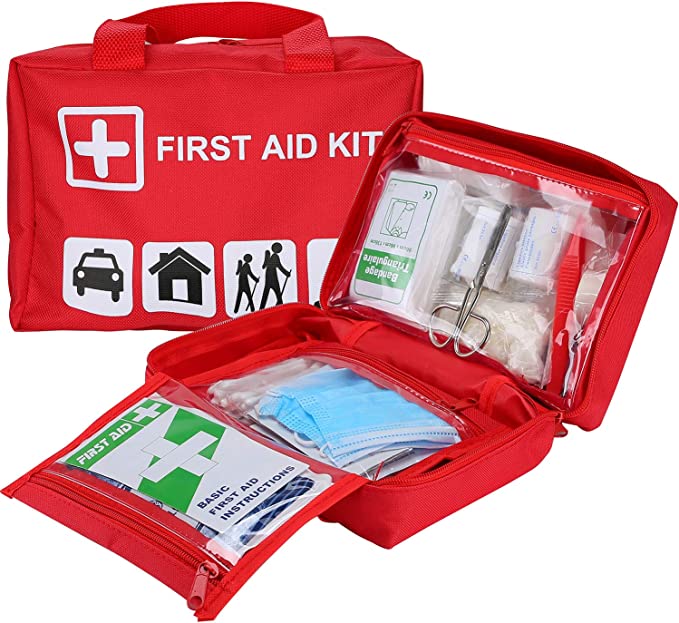
-First-aid Kit

-Travelling requirements

-What to keep at home for the need of first aid

-What to keep in our offices

-What to keep in our schools

-Precaution to stay away from Hazard 

-How to prevent hazard

-First aid for CPR

-First aid for a person choking

-First aid for a medication or drug overdose.

-Reducing the risk of infected wounds during first aid 

-Using a bandage during first aid

-Making an arm slip

-First aid during flooding

-How to return home safely after flooding

-Abdominal pain in adult 

-Abdominal pain in children

– How to respond to Hazard

-How to treat yourself when hot water burns you. 

-how to call for rescue.

And many more.

All these mentioned above can only be treated as a topic in detail with practicality. There is a need to focus more on it because more lives are lost every day, not because of the hazard but not knowing what to do.

Before government turn to this, there is a need for people in our society to learn more about first aid and enlighten others.

In today’s digital era, there are many ways to learn. There are free online courses, and there is 

Google and there are YouTube channels.

You can teach thousands of people through social media by sharing your ideas. It is not necessary that you must have an organisation. You can decide on your own to go to any school in your community and request permission to use one period to enlighten students. You can share in mosque one or two tips every day.

Our youths need to understand that no matter how little it is, their contribution is significant to society.

NGOs are doing their best to enlighten and give a day workshop to students or organise a few days of training to equip people on first aid. But people are also needed to contribute more.

Abubakar A Gummi wrote from Zamfara state via abubakargummi06@gmail.com.

When humans turn animals: a cruel, evil treatment of animals at ‘Yanshanu abattoir, Jos

By AbduIlslam, Abdulsalam, Rukaiyah, & Rabiatu

This year, Sentient Media reveals that every 60 seconds, one animal suffers abuse. One afternoon, I counted 483 drops of blood on the ground and lost counting to empathy of, what blood is it? But what really transpired?

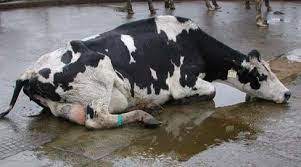
A wounded cow (with blood flowclose to the eye) was being paraded to the slaughtering ground which is about a mile and half (sometimes farther) from the livestock’s market of ‘Yanshanu in Jos. Added to the feeble state of this animal was respiratory mucosa effect, yet a reckless herder (sometimes a guy/boy) hit the cow with a goad on the eye wound because at some point, the cow didn’t move or moved slowly (its front legs were tied together) –immediately the cow fell to the ground due to the brutal and merciless hitting. This was repeated until the destination was reached. Such oppression is irrefutably done daily. This is simply because it is an animal! What a pity.

This scenario conforms to the argument of Peter Singer, author of Animal Liberation that “it would first be necessary to transform people’s attitude towards animal” Over 40 years ago, animal abuse was referred to as intentional act which causes pain to the animals. It sometimes brings too much suffering and even death. It comes in behaviors like beating, starving, choking etc., however, these maltreatments are rationalized in the ill and senseless feeling of ‘they’re animals’. But those acts beat conscience.

Yanshanu Livestock Market is a place where buying/selling of livestock are made daily. However due to its commercial string, most of the activities of dealers inflict severe suffering on the animals. Malam Suleiman Ahmad, Chairman Conflict Resolution ‘Yanshanu Market defended tucking livestock in a crevice space all in the name of transportation from villages to the market or from market to some destinations “we’re here for profits, [so] creating such fantasized comfort for animals will cost much [and] I know people don’t want meat costly.”

And on the issue of market herders inflicting unnecessary pain on the livestock while parading them out to eat or when marching them to the slaughtering ground, Malam Suleiman agreed that the herders sometimes overdo-it “let me be clear on something, due to unrest in our villages, they [Fulanis] protect their animals with several traditional methods and these sometimes remain even after sale – that’s why we use leather [plastic] to choke them when they refuse to stand up. However, we caution our boys on mishandling the animals as it is even un-Islamic and we put them in check with sanctions, but don’t forget, animals don’t understand you, to the good ones, it is the only language they understand, plus there are stubborn ones amongst them.”   

Admittedly, the African methods of animal husbandry values the goad, but the question here is, is it the most effective means of communication to animals? The answer is a capital No! This powerful oppression surely affects the health conditions of the livestock, so Malam Alkasim Ishaq, a vetinary outside the ‘Yanshanu Market condemned the recklessness reflecting that those keeping pets starve, let them stray and the cruel soul even beat, not to even mention some of the heartless dealers. He opined; “these people [dealers] are just here for business and time is money for them. Often, we vets around condemn their cruelty towards animals but you know our society [you become a black sheep for trying to better the system]. However, those hard beating and unreasonable tying affect the overall psyche and health of the animals.”

Whilst the vet expressing his concern, an individual who identified himself as member of Nigeria Livestock Association, Plateau State branch, lamented about his plight on unreasonable tying of animals and torture, because it stops the blood flow which explains the animals’ awkward behaviors sometimes.

It’s expected that such vast cruelty by humans should’ve been curbed by the government, but Malam Suleiman lamented that bad practices should’ve checked with government and Non-governmental organizations’ intervention. “We have written letters to the government but no response, so we can only do what is within our reach. In serious nations, they have abattiors and pay workers, no reckless beating and rush to make much money as we do.” He lamented.

However, going by the global animal husbandry, the vet and his friend pointed out that reforms need to start from the ordinary (not learned) members that made up of the animals’ bodies and organizations. And Mustapha Suleiman, a Vetinary Medicine student of Usman Danfodio University said; denial to understand the psychological condition of these guys [as he preferred to call animals] is what brought about abuses in our localities. He believed that if we pay good attention, we wouldn’t need to inflict pain on the animals with our traditional techniques.

But, it’s worrisome what the harshness of the herders on the animals is costing the host community – ‘Yanshanu. The livestock market is located in full residential area. Often, the maltreatment gets the animals wild – they end up going chaotic for about for over half an hour, smashing and aiming at everyone.

This discriminating treatment persists because humans fail to realize other living things’ response to stimuli – sometimes they’re feeble, they like, dislike; they feel hunger, anger, sick, even want to rest, but only when all these are understood. We should know that it is wrong to inflict suffering on other beings, even if not our own species. But attractive legislation on the subject matter is a priority.

AbduIlslam Kamaldeen Muhammad writes from Bayero University, Kano, together with

Abdulsalam Zikirullahi (SS3 Class) Alhaqq Comprehensive Private School Jos,

Rukaiyah Muhammad (SS2 Class) Alhaqq Comprehensive Private School Jos,Rabiatu Abubakar (SS2 Class) Alhaqq Comprehensive Private School Jos.

Poor sanitation painting a bleak future in Kano State

By Usman Ibrahim Na’abba

Ahmad Sulaiman’s face is cheerless as he continues to grapple with thoughts of how poor sanitation and adequate hygiene bother his community. Ahmad lives in one of the densely populated communities in Nassarawa LGA, Unguwar Gaya, in Kano State. Not only does he lament that their community efforts are all in vain, but he is not hopeful about the well-being of his community in the coming years.

Sanitation and proper hygiene have been among the critical focus areas for governments at all levels in Nigeria. Hence, prominent international organizations carrying out activities across developing countries have factored these challenges into their projects and programs.

Organizations like United Nations Children Emergency and Fund (UNICEF) have been present in Nigeria for decades delivering projects in child health and WASH. The priority given to Water Sanitation and Hygiene (WASH) is so because poor hygiene and sanitation advance the spread of child killer diseases like communicable diseases such as Cholera, Diarrhea, Typhoid, etc. Moreover, it allows for the continuity of Malaria, a disease Nigeria has grappled with for a long time.

For Ahmad, the dream of having a disease-free community continues to run farther as they continue to chase after it. For over a year, his neighbour’s soak-away pit has filled up to its brink, releasing some of its contents to an open culvert close to it in his community.

Sanitation has deteriorated over the years due to negligence. It is the responsibility of both citizens and the government to have a clean environment. He admits that “passing by the open is extremely excruciatingly nauseating and terrifying, not to talk of neighbouring the area”.

In the past administrations, Kano State has formally declared every last Saturday of the month for general cleaning of markets, motor parks, culverts, hospitals and surroundings around communities with strict restrictions on movement. The session ends by 10:00 am, and it’s almost always expected that proper sanitation of surroundings is effectively discharged – dumping of refuse is executed correctly, and drainages are cleared, among others.

People like Ahmad have now become more aware of the utmost importance of hygiene and are more responsible in ensuring they keep tidy surroundings to combat diseases. However, the current overflow of a soak-away neighbouring dramatically contributes to environmental and health menaces that his community battles.

“Every member of this neighbourhood is at risk of contracting a health problem. Even passers-by aren’t spared of the stinking smell coming out of the unkempt soak-away”, he said. The pit also leads to an open culvert linked to many houses around his community. Hence, the danger of the odd combination is incomprehensible.

“I have tendered complaints to the mayor of the community countless times. It has been over one year, and nothing has been done. Tenants occupy the house, and I’ve observed that they don’t really care about the impact of what their negligence would cause,” he admitted. Upon understanding the dangers associated with improper sanitation by the tenants, he also proceeded to meet them one-on-one, but that hasn’t been helpful either.

Tenants occupy a significant number of houses around the area, which is why there are numerous hygiene and sanitation problems. However, he explains that “only a few people are concerned about the health impacts of overflowing soak-away and refuge problems. This is because tenants often feel it is the responsibility of house owners to take care of such things rather than themselves”.

Towards the end of July, Ahmad’s concern rose due to the anticipated heavy rainfall and possible flooding by the Nigerian government through the Nigerian Meteorological Agency (NIMET), which he believed could deteriorate their health plight because of the unkempt soak-away pit. He then, together with a friend, who is also his neighbour, collaborated and submitted a written complaint to the Kano State Ministry of Health through the office of its secretary.

Only after their report did the ministry of health send officials to their neighbourhood to check the extent of the problem. Because the property belongs to tenants, the officials from the hospital that visited said that “if they didn’t repair it, they would sell some part of the house that will be equivalent to the money to repair the hazardous soak-away for them since they are not ready to take any action”. As I speak, the soak-away pit is as it is now. Ahmad tried to call the officials again, but they couldn’t respond to him or come back to the community and take the action they intended.

Usman Ibrahim is a 200-level student of the Department of Information and Media Studies, Bayero University Kano.

Exercise: A panacea for mental health?

By Aishat M. Abisola

As everyone knows, maintaining a proper grasp of your mental health can be difficult, especially in stressful environments. Stressful situations make it hard for people to have good mental health, making the mind vulnerable to mental illnesses like depression or anxiety disorder.

As someone who has dealt with anxiety, I can say with complete honesty that it is a terrible thing to deal with and the feeling of it lingers for a while until you feel better.

The best way to describe the anxiety, or how it made me feel, is that it made me feel cold and numb. It was hard for me to breathe as if I was drowning and many hands were pulling me down.

I didn’t know anyone around me who felt the same way I did, so it was a struggle for me. Luckily, I found a way around it, which was through exercise.

I’ll be honest and say that I don’t exercise as much as I used to, but when I did, I felt as if I had no worries. So I understand if you might be confused about why and how I started feeling better with exercise.

What you should know about exercise is that it keeps people in peak physical form and improves their overall well-being by creating changes in the brain.

Let me clarify that any form of exercise is better than none: yoga, walking, swimming, martial arts, stretching, and housework (despite what some may think, things like sweeping and mopping can put your muscles to work).

People who often exercise generally sleep better, feel more energetic during the day, have better memories, and feel more positive about themselves.

This is not conjecture, but facts, as studies have shown that exercise can treat mild or moderate depression the same way antidepressant medication can – minus the side effects. For example, walking 15 minutes a day or walking for an hour reduces the risk of depression by 26%.

Inactivity damages your mental health in the same way that exercise can bring many benefits to your mental health. As a natural anti-anxiety treatment, exercise relieves stress and improves physical and psychological energy. In addition, exercise releases what I refer to as the body’s “Happy” chemicals (Serotonin, Endorphins).

These chemicals are known for improving one’s mood, and exercise releases a particular amount depending on the type of exercise.


Exercise also improves physical in more ways than one:

• Improves cardiovascular health by lowering blood pressure, improving cholesterol levels, and reducing the risk of strokes, heart attacks, and heart disease.

• Helps with diabetes by improving blood glucose control, reducing cardiovascular risk factors, helping with weight loss, and delaying/preventing the development of type 2 diabetes.

• Reduces the risk of cancers: stomach cancer, breast cancer, bladder cancer, kidney cancer, uterine (endometrial) cancer, etc.

• Improves bone health by strengthening the muscles and bones because ageing causes bone density loss and prevents osteoporosis.

• Increase the chances of living longer.

• Helps you to maintain an appropriate weight level.

• Improves brain functions and reduces the risk of dementia.

When it comes down to exercise, at most, you should perform 2.5 – 5 hours of exercise a week.

It isn’t recommended that you do your exercise all at once. Instead, reducing it into time intervals would be best to make it easier. If you don’t have much spare time, here are ways that you can exercise without it taking up too much time:

• You can try walking or cycling if you have a bicycle.

• Incorporate exercise into your daily lifestyle by maybe taking the stairs when you would probably take the elevator or parking your car (if you have one) far from your destination.

• You can practice yoga by searching on YouTube and following the videos through the motions.

• You can exercise in the morning before you prepare for work.

• Dancing is a fun method of exercising without putting much effort. Just play music and move your body.

If you have a chronic condition like arthritis, a disability, weight issues, or an injury that prevents you from moving too much, talk to your doctor about ways for you to exercise safely. You can worsen your condition by exercising without consulting a doctor on the proper steps.

Another thing to note is that if you are feeling pain while exercising, stop and rest. Drink some water and lie down. If the pain continues, don’t ignore it. Go and see a doctor for help.

If you’ve heard the saying “Health is Wealth” before, then you know that you should prioritize your body. Harming yourself to improve your mental health will only make it worse.

Exercise may be helpful to the body and mind, but make sure to listen when your body clearly says, “NO!”.

Aishat M. Abisola is a member of the Society for Health Communication, Wuye District, Abuja. She sent this article via aishatmohd02@gmail.com.

Mohammed Nasir Sambo, NHIA DG, is the man for the job

By Safiyanu Ladan

The National Health Insurance Scheme (NHIS), now Nigeria Health Insurance Authority (NHIA), was established under NHIS Act (2004) by the Federal Government of Nigeria to provide easy access to health care for all Nigerians.   

The central idea of the scheme is to enhance healthcare delivery to all Nigerians at affordable prices. Hence, easy access to health care installations for all Nigerians is consummate as it would drastically reduce, among other effects, neonatal and maternal deaths which have been the bottleneck of Nigeria’s development.  

According to World Health Organization (WHO), the maternal mortality rate in several low-income and middle-income countries is alarming. For example, Nigeria and India account for about 34% of global motherly deaths. 

Nigeria’s maternal mortality rate (MMR) is 814 per 100,000 live births. The lifetime threat of Nigerian women dying during gestation, childbirth, postpartum and post-abortion is 1 in 22, in contrast to developed countries, estimated at 1 in 4,900. 

Still, the WHO attributed the high prevalence of maternal deaths in Nigeria is inequality in access to health services.  

To contend with the challenges associated with maternal deaths in Nigeria, the studies by WHO suggested some modalities, one of which is perfecting the accessibility, availability, affordability and quality of health care in PHCs will most probably reduce the high rate of neonatal and maternal mortality in Nigeria.  

Upon assumption of duty in 2019, the selfless, diligent, and workaholic professor of family medicine unveiled a  novel 3 points agenda which includes, among other effects accelerating the scheme towards achieving universal health coverage for all Nigerians.  

In ascertaining that, the amiable and agile professor and his platoon worked round the clock, day in and day out, and sought out the legislation that changed the narratives in NHIS. A milestone that his forerunners failed to achieve. Therefore, the credit goes to him. 

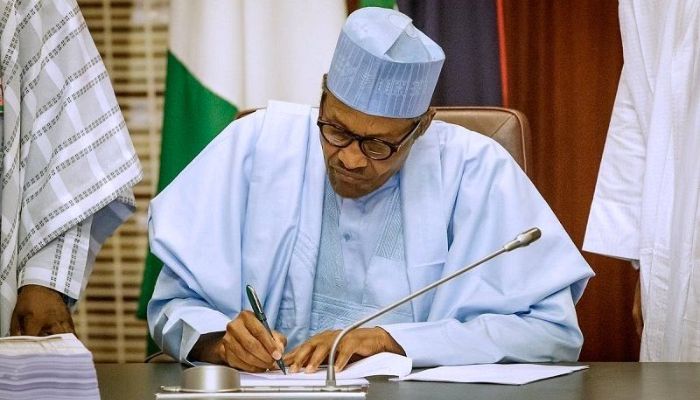
On May 19, 2022, he made history, having successfully secured the signing of the National Health Insurance Act (NHIAA) 17 into law by the National Assembly. 

The signing of the National Health Insurance Act 17, which gave birth to the National Health Insurance Authority ( NHIA), is a breakthrough in the full implementation of all-inclusive access to health care.  

The legislation provided a legal framework for all Nigerians, including the most vulnerable, to have easy access to quality healthcare delivery through the National Health Insurance Authority.

 Professor Sambo said to ensure the effective perpetration of the scheme. The FG would spend a whopping 1.4 trillion for the Health Insurance premium of about 83 million Nigerians who fall within the vulnerable group of citizens of the country. 

His tireless efforts towards achieving the chivalrous change of NHIS clause “ May ” in section 16 of the NHIS to “Shall”, thereby making it all-inclusive, is greatly applaudable. 

The previous professor Sambo has set an unprecedented pace towards evolving NHIA to achieve its mandate of ensuring Universal Health Coverage for all by 2030. With Sambo at the helm of NHIA, it’s attainable. 

Safiyanu Ladan writes from Zaria.

50 medical doctors leave Nigeria every week – NMA raises alarm 

By Uzair Adam Imam 

The Nigeria Medical Association (NMA) lamented that no fewer than fifty medical doctors leave Nigeria for better jobs abroad every week. 

NMA also decried the wave of brain drain that recently hit Nigeria’s health sector. 

Dr Rowland Ojinmah, the National President of NMA, disclosed this to journalists during the opening ceremony of 2022 Abia Physicians’ Week. 

Lamenting the sad development, Ojinmah urged the government to intervene and end the worrisome trend. 

It was gathered that the poor working conditions of doctors in Nigeria would be unconnected to why the doctors decided to leave the country. 

Ojinmah asked the government to fix the hospitals if they truly wanted to reverse the trend.

He stated,” The Governors are sleeping; They should not be waiting for the Federal Government alone. 

They should fix General Hospitals in their states to take care of the health needs of the citizenry at the local levels”.

Suic*de: Measuring our well-being with pseudo scales 

By Lawal Dahiru Mamman

An attempt to kill oneself in response to a tragic or stressful situation is termed ‘attempted suicide’, while success in such an attempt is referred to as ‘suicide.’ This profoundly affects families, especially when such an attempt is successful, and when one survives, they battle other mental disorders.

For suicide not to be seen only as a storm in a teacup, the International Association for Suicide Prevention, in conjunction with the World Health Organisation in 2003, slated the 10th of September to annually commemorate what it termed ‘World Suicide Day’. Issues surrounding suicide are discussed with the hope of ending the horrendous act on the day.

This year’s event got me reminiscing on an incident in my neighbourhood three years ago where a nine-year-old girl in Primary 4 sent herself to the grave by hanging. What would have prompted her? This question continues to resonate in the minds of those unfortunate to see her hanging lifeless. 

Seven hundred thousand people commit suicide yearly, according to the world health organisation (WHO), with 70% occurring in low and middle-income countries. WHO’s country representative to Nigeria, Dr Walter Mulombo, said: “for every suicide, twenty (20) other people are making an attempt and many more have the thought to commit same.”

Ingestion of pesticides, hanging and firearms are said to be the most common method of committing suicide globally. In high-income countries, suicide has been associated with mental disorders like depression and alcohol use disorder. In contrast, in low-income countries, life problems like financial crises, relationship break-ups, chronic pain and illness take credit – these are primarily associated with adults.

On the other hand, children may become suicidal due to poor performance in school, coupled with pressure at home to do better, bullying, losing friends, etc.

Thanks to civilisation and technological advancement, people have become more and more isolated. At the same time, others try to emulate the more often pseudo lives of others they see on TV or social media. Mr A wants his child to be as bright as the child of Mr B; Mrs X wants her husband to provide the luxury Mr Y is providing for his family; Mr M wants his wife to be as dazzling as the wife Mr N, the list goes on. All these think this way while still battling financial crises and others. 

While the authority is setting up mental healthcare centres, and organisations are trying to do the same at workplaces, families need to start being the haven they should be for their members. Parents should understand that failure for children is just okay when they have given their best while helping them be the best version of themselves.

Generally speaking, marriages, relationships, education, intelligence, social status, and all that encompasses life should not be measured using the yardstick we see in the media. As the saying goes, not all that glitters is gold.

Nigeria is a place where religion is held in high esteem. Therefore, religious leaders could take it upon themselves during sermons to discourage suicide. The haves should remain humble and thankful for their possessions, while the have-nots should not despair for whatever position they find themselves in; others aspire to get there.

Dale Carnegie, an American writer, stated, “It is not what you have, who you are, where you are or what you are doing that makes you happy or unhappy. It is what you think about it.” Understanding this will go a long way in curtailing suicide.

When all hands come on deck, we would be “Creating Hope Through Action.”

Lawal Dahiru Mamman, a corp member, writes from Abuja and can be reached via dahirulawal90@gmail.com.

ECWA Hospital, CMB Global offer free eye surgeries in Kano, Jigawa

By Muhammad Aminu

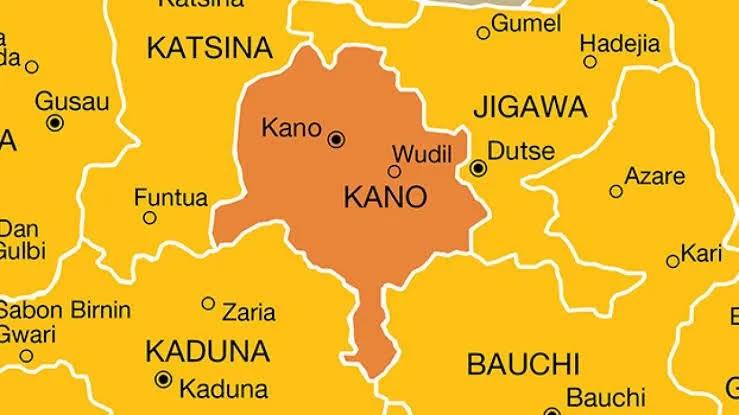
The ECWA Eye Hospital (EEH) Kano and Christoffel Blinden Mission (CBM) Global will offer a comprehensive and inclusive eye health (CIEH) programme targeting residents of Kano and Jigawa States.

Thousands of individuals are billed to benefit from the programme that will run for four consecutive years in the selected states.

The Chief Medical Director, EEH, Dr Atima Mayor, who disclosed this at the launch of the project in Kano, said that the project was born out of efforts to tackle visual impairment and break the circle of poverty in the states.

According to Dr Mayor, the project, which is supported by CMB UK and Australia, has over 80000 other beneficiaries who will benefit from different tests and services within the timeframe for the project.

He further explained that issues of disability, especially visual impairment and poverty among persons with disabilities, have been affecting the quality of life.

“North West has the highest number of blindness. As population increases, it’s expected that the number of blindness will also shoot up hence the need to act,” he said.

He called on the two states to collaborate with ECWA to continue with the project even after this 4-year intervention project to ensure the efforts is sustained to tackle the challenge in the States.

The CMD further explained that Kaduna and Katsina States, which were initially part of the project, were temporarily put on hold until the security situation improves before the project can be expanded to the states.

In his address, EEH Administrator STEPHEN NUBOBGA who was represented by CMB Project Coordinator Phillip Ode noted that between September 1, 2022, to August 2026, the project targets over 90,000 beneficiaries in the project in the selected states.

“500 children will be operated on for cataracts, 1000 adults, 250 children with glaucoma and other major surgeries, 400 adults with glaucoma, 250 other children with minor surgeries and 50 retinoblastomas.

“2000 individuals for spectacles, 5000 for refraction, and  80, 000 others for free eye screening,” he disclosed.

In her earlier opening remark, CBM Global Country Director, Ms Ekaete Umoh, said that the historic project launched is aimed at targeting individuals in hard-to-reach areas in the selected states to help persons with visual challenges and break the cycle of poverty in their ranks.

She said that CMB Global is concerned with the rising cases of visual impairment in Nigeria, specifically North West Nigeria, where there is a high concentration of visually impaired persons.

“As the prevalence of blindness in Nigeria is 4.2%, it is estimated that 4.25 million adults aged 40 years and above have moderate to severe visual impairment or blindness.

” Available statistics show that 28.6% (14 million of all adults living in the North West Nigeria have a visual impairment. As a result, the majority are unable to work, are excluded from many community activities and require additional support, which impacts on their families and trapped them in the cycle of poverty,” he stressed.

According to Nububga, 100 persons living with disabilities (PWDs) will be empowered with means of livelihood as a component of the project.

Representatives of the Federal Ministry of Health, Kano and Jigawa States, as well as the Joint National Association of Persons with Disabilities (JONAPWD), commended the donors and partners for working together to address the issue.

Also speaking, the royal father of the day, Alh Mohammed Bashir Mahe, commended the EEH and CMB for helping the needy in society, adding that traditional institutions are always ready to support such a noble cause.

Noma, a deadly but neglected infection 

By Lawal Dahiru Mamman 

Noma, otherwise known as necrotising ulcerative stomatitis, gangrenous stomatitis, or cancrum oris, is a bacterial infectious but non-contagious infection; resulting from poor oral hygiene, lack of sanitation and malnutrition, affecting both soft and hard tissues of the mouth and face, rapidly progressive and more often than not fatal.

The most common sign and symptom is the development of an ulcer in the mucous membrane of the mouth before spreading to other parts of the face. If detected early, the condition can be arrested with antibiotics, proper nutrition and oral hygiene, while late diagnosis does not restore disfigured or damaged tissues even if treated.

Affecting children between 2 to 6 years of age, the disease is prevalent in impoverished communities in Asia and Africa. However, infection was also found decades ago in Europe and South America. This infection has since vanished with improved livelihood and healthcare.

Preventable but deadly, all over the world, Noma has been given the cold shoulder (neglected) over the years. The absence of current epidemiological data has made the data of the World Health Organisation (WHO) from 1998 the most frequently cited estimation of the disease, with a global estimate of 140,000 new cases recorded annually, with a majority in Sub-Saharan Africa and a mortality rate of 90% if not treated within two weeks.

The infection has not spared the children in Nigeria, falling under the countries in Sub-Saharan Africa, killing numbers and leaving survivors disfigured, coupled with the reality of leaving the rest of their lives under stigmatisation.

This informed the decision of the Federal Ministry of Health to call on the WHO at the 75th World Health Assembly to include Noma on the list of Neglected Tropical Diseases (NTDs) where it belongs.

The call was aimed at rallying global support to eliminate and start preventive and curative measures against the preventable but deadly disease.

Established in the year 1999, the Noma Children’s Hospital, Sokoto, up until May 2022, when Noma Aid Nigeria Initiative (NANI) began construction of a new 100-bed National Noma Treatment Centre within the National Hospital, Abuja, has been the only specialist hospital shouldering the burden of the debilitating disease in the country.

The Chief Medical Director of the hospital in Sokoto said, “what is lamentable is that the disease is curable and even preventable, but lack of awareness has made a good number of patients die at home without visiting the hospital, exacerbating knowledge gap.”

To create awareness on predisposing factors like malnutrition, vitamin (A and B) deficiency, contaminated drinking water, immunodeficiency and living in proximity to livestock, November 20th have been set aside as Annual Noma Day.

Before resting my case, let me advocate that the awareness campaign held annually on NOMA DAY be taken to people in rural areas. These people are most vulnerable and unaware. Therefore, it will be better than having the symposia in town or city halls where the inhabitants are most likely informed. Moreover, more specialists should be trained on the infection to establish more specialist hospitals in at least each geopolitical zones of the country to unburden that in Sokoto and the upcoming one in the Federal Capital Territory.

Furthermore, people should be encouraged to embrace oral hygiene and proper nutrition like a religious ritual. In suspected cases, patients should be taken to the hospital for appropriate treatment to prevent disfigurement. Routine vaccination for children ought to be taken as a priority of every parent, and individuals with any information on Noma are encouraged to carry out a personal campaign in their locality amongst family and friends because the little things we do can make a difference.

Lastly, I urge all to avoid stigmatisation of survivors because they were but victims of circumstance.

Lawal Dahiru Mamman, a corp member, writes from Abuja and can be reached via dahirulawal90@gmail.com.

Unpopular tales of unsatisfied Muslim wives

By Khadijah Tijani

There are many untold stories of Muslim women who are dissatisfied in their marriages due to sexual starvation. But unfortunately, people are not ready for the conversation. Many reasons are responsible for the apathy towards this problem.

Here are some of my thoughts:

Most women are “expected” to have a lower libido than men. However, experience has shown that many women have a high libido but often find ways to actively suppress their unattended desires. People think it’s a rare thing, but really, it’s more common than you think.

They are “expected” to accept whatever their husbands throw at them without complaining. But, since polygamy is not for women and divorce is not easy to get, they endure the sexual incongruity and bottle in the heightened emotions.

They are “expected” to focus on their children and care less about their sexual urges. However, in reality, some women begin to understand their sexuality only after reaching full maturity (age 35 and above). For some, this may happen after birthing all their children! They become more self-aware and assertive enough to demand sex. In fact, some women don’t stop wanting sex even after menopause! Conversely, men tend to become less sexually active in their late 30s and 40s. They’re more likely to be physically and emotionally absent from home due to work, business or further studies. For some men, even if they’re present, chronic medical conditions may have set in, putting them at risk of erectile dysfunction and lower sex drive.

They decide not to complain because no one will listen anyway. 8 out of 10 women would rather not speak against sexual dissatisfaction because of these high expectations. If they ever summon the courage to speak, they are often shushed by families, friends and religious clerics. Many don’t have access to professional help or the money to pay for such services.

In a survey I conducted among a small group of married Muslim women last year, I found out that 40% of them have difficulty achieving sexual satisfaction. This could be due to an inability to reach orgasm (a real psychosexual disorder) or enjoy regular, satisfying intimacy with their husbands. A larger percentage of these women cannot express their dissatisfaction for the reasons I have mentioned above.

The first solution to this problem is for men to normalize taking feedback from their wives. Don’t assume that you’re done because YOU are done. You don’t even need to ask if she’s satisfied; you only need to look at her face and feel her body language. A well-bedded woman will keep smiling at you for the rest of that day, if not longer. She will show other verbal and nonverbal cues to endorse that you have done a good job.

You need to acknowledge and validate her feedback to show that you care.

“I can see that you are smiling all the way. So that’s a good sign, right?”

Or,

“You’re not smiling. What’s wrong?”

“You know I’ve been under too much stress lately. Please give me some time to rest. I’ll make it up with you very soon.”

These validations will reassure her of your interest in satisfying her and encourage her to open up and communicate her needs.

If there’s an unsettled problem, feel free to talk about it. Avoid sweeping issues under the carpet and using sexual starvation to punish your wife. It works sometimes, but it can also be counterproductive at other times. She may begin to doubt herself and second-guess her choice of marrying you. This may negatively impact her mood and self-esteem.

And if you’re one of those who joke about the importance of sex and intimacy in marriage (“is sex a food?” Really?!), remember that the lady can get everything she needs without marrying you; let’s face it. She left her father’s house just for sex and procreation!

Also, remember that shaitan is always lurking around to identify loopholes to invade your marriage. A dissatisfied wife is one of such loopholes. She might begin to hear whisperings on how to satisfy her needs through haram ways. She may start cheating subtly, looking for means to unleash the pressure and engaging in unwholesome activities to douse the tension. We seek Allāh’s refuge against such.

In conclusion, I implore men to study their wife’s sexual needs and try to satisfy them as much as possible. Communicate freely and assist each other to achieve happiness through halal intimacy. Seek professional advice and therapy if possible. Do not shame your spouse for wanting a little bit more than usual. What makes your marriage what it is, if not the permission for intimacy?

Khadijah Tijani is a medical doctor. She writes from London, Ontario and can be reached through askodoctorkt@gmail.com or @AskDoctorKT.