Health

You can add some category description here.

How to avoid sport-related anxiety or attacks

By Aisha Musa Auyo 

Sequel to the recent loss of lives during the heated match between Nigeria and South Africa in the recently concluded 2023 AFCON, it is pertinent to begin sensitizing the public on the effects of anxiety, cardiac, and related attacks.

To avoid anxiety or a heart attack during sports or anything that excites you, try this visualization a few hours before the game or event.

…Expect the worst in this case, even if you don’t want to. Imagine the worst-case scenario a few times in your mind, and no matter how anxious your body becomes, let it be. Don’t resist it, and it will go away…

Anxiety is nothing but the manifestation of your deepest fears, and since you keep avoiding the worst-case scenarios, anxiety keeps building up. But if you have imagined and experienced it, the reality will not come as a shock. It will be something you have already envisioned. Whether the game ends in your favor or not, you will have control over how your body reacts to the outcome.

This is the explanation behind the fight-or-flight response, which is an automatic physiological reaction to an event that is perceived as stressful or frightening. The perception of a threat activates the sympathetic nervous system and triggers an acute stress response that prepares the body to fight or flee.

Sports-related anxiety and heart attacks can be influenced by various factors, and addressing them requires a multifaceted approach. Since this issue will continue to arise even after the AFCON, it would be beneficial to highlight the long-term approaches.

1. Regular Exercise: Engaging in regular physical activity not only improves cardiovascular health but also aids in stress management. Incorporating both aerobic and strength training exercises can contribute to overall well-being.

2. Healthy Lifestyle: Adopting a balanced and nutritious diet, maintaining a healthy weight, and avoiding excessive alcohol and tobacco use are crucial components of preventing heart-related problems.

3. Stress Management: Practice stress-reduction techniques, such as mindfulness, deep breathing exercises, or meditation. Managing stress levels is vital for overall mental and physical health.

Regular Health Checkups: Periodic health checkups help monitor blood pressure, cholesterol levels, and overall heart health. Early detection of potential issues allows for timely intervention.

5. Know Your Limits: Recognize your personal physical limitations and avoid pushing yourself too hard during sports activities. Gradual progression in intensity is essential to prevent sudden stress on the cardiovascular system.

6. Medical Consultation: If individuals have preexisting health conditions or concerns, it’s crucial to consult a healthcare professional before engaging in strenuous physical activities, including sports events.

7. Fan Engagement Awareness: For spectators, emotional involvement during sports events can lead to heightened stress levels. Being aware of one’s emotional reactions and finding healthy ways to manage them are essential.

8. Emergency Preparedness: Knowledge of basic first aid and access to medical facilities during sports events are critical in case of emergencies.

9. Community Awareness: Raising awareness within communities about the risks associated with sports-related stress and the importance of preventive measures can contribute to a healthier sports culture.

10. Education: Providing education on the signs of heart attacks and the importance of seeking immediate medical attention can empower individuals to respond effectively in emergencies.

By addressing these aspects, individuals can reduce the risk of sports-related anxiety and heart attacks, thus promoting a safer and more enjoyable sports experience.

To reduce sports-related anxiety and potential health risks, individuals should prioritize regular exercise, maintain a healthy lifestyle, and be aware of their physical limitations. Seeking medical advice and monitoring stress levels can also contribute to overall well-being.

Aisha Musa Auyo is a Doctoral researcher in Educational Psychology, a mother of three, a homemaker, caterer, and parenting/relationship coach. She can be contacted via aishamuauyo@gmail.com.
Bridging the healthcare service divide in Nigeria

By Aishat M. Abisola

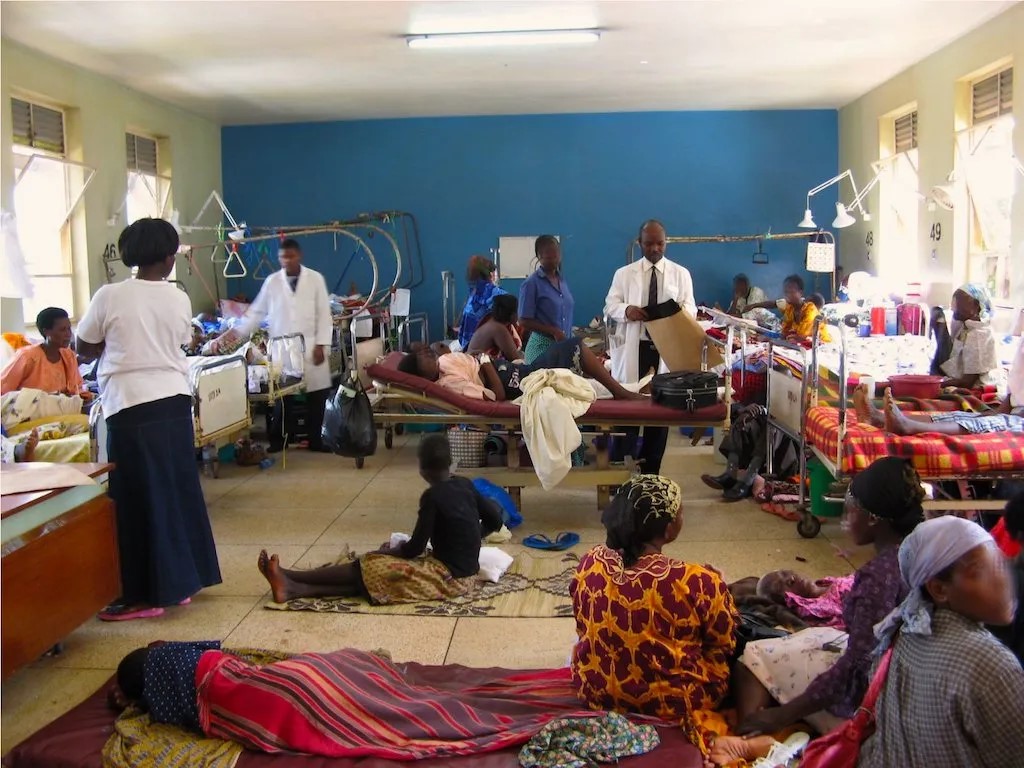
Nigeria, a nation marked by diverse landscapes and cultural richness, grapples with significant healthcare disparities between urban and rural areas. While urban centers face issues such as minimal medical resources, a lack of healthcare workers and a lack of necessary equipment, they still provide decent healthcare services unlike rural communities who face numerous challenges that hinder their access to essential healthcare services.

Rural communities in Nigeria encounter formidable barriers on regular basis when it comes to accessing healthcare services. One of the primary challenges is the shortage of healthcare facilities and trained medical professionals in remote areas.

According to a report by the World Health Organization (WHO), there is a significant urban-rural divide in the distribution of healthcare resources in Nigeria, with the majority concentrated in urban centers.

Challenges in Rural Healthcare Access

Geographic Barriers: One of the primary obstacles to healthcare access in rural areas is the geographic isolation of these communities. Many rural regions in Nigeria are situated far from urban centers, making it difficult for residents to reach healthcare facilities promptly. Long distances, poor road conditions, and a lack of reliable transportation options have contributed to delays or altogether neglected healthcare seeking behaviors.

Shortage of Healthcare Facilities and Personnel: Rural areas frequently deal with a shortage of healthcare facilities and trained medical professionals. Nigeria has a disproportionately low number of healthcare facilities in rural areas compared to urban centers. This shortage not only limits the availability of essential services but also results in prolonged waiting times for medical attention.

Financial Constraints:
Economic factors also play a significant role in healthcare access, especially in rural communities where poverty rates tend to be higher. The majority of rural residents often struggle to afford healthcare services, medications, and transportation costs to reach medical facilities. Out-of-pocket expenses associated with healthcare often deter individuals from seeking timely medical attention, exacerbating health problems and perpetuating a cycle of poverty.

Healthcare Infrastructure Disparities: The disparity in healthcare infrastructure between urban and rural areas is stark. Urban centers have significantly better hospitals and clinics, while many rural healthcare facilities are plagued by dilapidation and a lack of essential medical equipment. The Nigerian government’s National Health Facilities Registry highlights the uneven distribution of healthcare infrastructure, with urban areas having a higher concentration of better equipped facilities.

Lack of Skilled Personnel: In addition to inadequate facilities, rural areas face a shortage of skilled healthcare professionals. The WHO reports that the distribution of healthcare workers in Nigeria is highly skewed as urban areas have a more significant concentration of doctors, nurses, and other healthcare providers. This scarcity of skilled personnel in rural regions further diminishes the quality of healthcare services available to residents.

Power Challenges: Another critical aspect of healthcare infrastructure often overlooked is the lack of reliable electricity in rural regions. Many healthcare facilities in remote areas struggle with power shortages which hinders the functionality of medical equipment and limits the provision of essential healthcare services. Electrification rates in rural areas are considerably lower than in urban centers, exacerbating the healthcare infrastructure divide.

Proposed Solutions

Investment in Rural Healthcare Infrastructure: Increasing investments in rural healthcare facilities is imperative in order to address the healthcare infrastructure disparities. Building new, well-equipped healthcare centers and upgrading existing ones will improve the availability and quality of healthcare services in remote regions. The Nigerian government, in collaboration with international partners, can allocate funds specifically for rural healthcare infrastructure development.

Training and Deployment of Healthcare Professionals: Addressing the shortage of healthcare professionals in rural areas requires a comprehensive strategy. Government initiatives and incentives should be implemented to encourage medical professionals to work in undeserved communities. Investing in the education and training of local community health workers can also enhance primary healthcare services in rural areas and provide a sustainable solution to the shortage of skilled personnel.

Improving Transportation Infrastructure: Efforts to improve healthcare access should also focus on transportation infrastructure. Constructing and maintaining reliable roads in rural areas, as well as implementing affordable and accessible public transportation options, can significantly reduce travel barriers for rural residents seeking medical attention.

Financial Support and Health Insurance: The government can establish and promote health insurance programs targeted at low-income individuals in rural areas. These programs can provide financial relief and encourage healthcare utilization by covering medical expenses. Additionally, subsidies for essential medications and preventive healthcare measures can contribute to a healthier rural population.

Alternative Energy Solutions: Implementing alternative energy solutions such as solar power is crucial to provide a solution to address power challenges in rural healthcare facilities. The integration of sustainable energy sources can ensure a reliable electricity supply, enabling the consistent operation of medical equipment and improving the overall quality of healthcare services in rural areas.

Last line

Nigeria’s urban-rural disparities in healthcare accessibility and infrastructure can only be resolved when there is a concerted effort from the government, healthcare organizations, and the international community. By acknowledging the challenges faced by rural communities and implementing comprehensive, sustainable solutions, Nigeria can pave the way for a more equitable healthcare system.

Bridging these gaps is not just a matter of social justice but a strategic investment in the nation’s health and development. When stakeholders work collaboratively, the possibility of attaining accessible, quality healthcare for all Nigerians, regardless of their geographic location, can become a reality.

Aishat M. Abisola is a NYSC corps member with PRNigeria in Abuja

Ignorance is not bliss

By Jamila Yunusa Sulieman

They say ignorance is bliss, but only to the ignorant. Over the years, I have read articles on Sickle Cell Disease and witnessed some close associates deal with the unending crisis. Little did I know it would be a first-hand experience for me.

I got married without a genotype investigation, though my spouse was very sincere with his as I carelessly assumed I was of the AA genotype because my siblings all had the AA genotype except for my immediate elder brother. Careless, right? My genotype Status dawned on me during the routine medical test for antenatal. Naturally, I broke down, and full of disappointment, I prayed and cried. I had my first child and two more, which were all declared healthy and free of Sickle Cell Disease. 

It was bliss; family members would congratulate me and help me praise Allah; the feeling was more like hitting the jackpot. Four years passed by after the birth of my third child, and just then, pain and fear decided to take a seat in the kingdom of bliss. I had taken myself for an ultrasound in one of the prestigious Ultrasound service providers, where I was declared eight weeks gone. I took one of the fastest routes to my place. I walked slowly but could feel my heart beating faster; I didn’t have the excitement of pregnancy because all I felt were premonitions.

I would cry myself to sleep, and some nights, I would think deep into the night. I sparked out of melancholy. I started my antenatal clinics at 12 weeks of gestation. I became even more prayerful even though I knew I had very slim chances of having a child who wouldn’t have the SS genotype as scientifically proven. Time passed so fast, and it was 40 weeks already. I welcomed my bundle of joy with much happiness and prayers but with so much fear and guilt. 

The tension in me grew as the days passed by. He was one sickly child with a huge appetite. It was about six months when I finally summoned the courage to take him for genotype testing; after samples had been taken, I waited patiently for the test results; the wait seemed like forever. After waiting three hours, I had to enter the lab and demand the results. The microbiologist would give excuses, and so I knew something was up. 

A few minutes later, the most senior microbiologist in the lab walked up to me. Before he could complete what he was saying, I asked, “It’s SS, right?”. The affirmation on his face broke me. I walked home crying with my baby strapped to my back, and I kept repeating to myself, “I am a bad mother. I have failed my child. What have I done? How can I subject my own child to this?” I wept, I became sobber, I didn’t feel happiness or joy around me. It affected my work, my family life and my social life. 

Although I was down, I immediately registered him for the SCD clinics, I took precautions, I improved his diet, I began researching Sickle Cell Disease, I connected with mothers with Sickle Cell Disease, and we shared observations and suggestions. The nurses and doctors were always welcoming and readily available. Unfortunately, we come across people who do not understand our situation and make us feel we are just blowing things out of proportion. If only they knew the weight we carry in our hearts and the hopelessness we sometimes feel.

Sometimes, I forget his medical condition, but whenever he breaks down, it feels like the end of happiness; the whole feeling of guilt and carelessness becomes a rebirth in my life. Those days and nights of sleeplessness, the pain of watching him go through the pain and all I can do is pray and give him the best care I can. My heart gets shattered into bits and pieces. This I have brought upon my child. 

I question myself whether he would grow up to have a normal childhood like every child. What will be my answer when he begins to question his medical state in future? Would he forgive me? Would he see me as a good mother? Will there come a time when I will stop biting myself so hard?

Indeed, ignorance is not bliss but a silent time bomb waiting to explode. Love and attraction should not be the only basis for marriage; genotype plays a key role. It is time we stopped only reading about Sickle Cell Disease and began to give genotype investigation its due.

Jamila Yunusa Sulieman is an Abuja-based mother of 4 and a graduate of Ahmadu Bello University. She has a passion for enlightening others and imparting knowledge. She can be reached via suleimanjamila21@gmail.com.

Escalating drug prices in Nigeria: Post-subsidy removal

By Abdullahi D. Hassan

Nigeria is described as the most populous black nation in the world, with over 200 million inhabitants, Africa’s biggest economy, and endowed with variant mineral deposits to improve the living standards of its citizens. Yet, the country is bedevilled by gross corruption. Poor governance, ethnic tension, and abject poverty threaten integrity and sovereignty.

Even though, in the past, Nigeria witnessed serial military rulers, The nation transitioned to democracy in 1999. Since then, Nigeria’s leadership has emerged; leaders have been elected from different platforms and regions. Thus, the problems lingered; most elections were marred by irregularities, political interference, and power tussles from one inch to the next.

The political parties adopt the concept of rotating power between the north and south to accommodate the plural ethno-religious groups in the country. After the two tenures of Muhammadu Buhari. Bola Tinubu was nominated by the All Progressive Congress (APC). Amidst serials of allegations labelled against him by the opposition to hinder his andidacy, The bulk of Nigerians were enthusiastic about the level of experiences and transformation built in Lagos from 1999 to 2032.

On May 29, a new Nigeria’s president, Bola, was sworn in. In his inauguration speech, he made a striking remark on Nigeria, mentioning, ‘Subsidy has gone, the controversial fuel subsidy scheme. Four decades of financial assistance were institutionalised in the 1970s by the government to minimise the excessive cost of fuel (Premium Motor Spirit) to consumers and affordability to average citizens. Within a week’s time, the prices of basic household items, transport fares, and electricity began to rise at a high pace. Thus, fuel subsidy is the direct government intervention for the common man that benefits directly, without an odd process. Subsequently, the price increment affects the pharmaceutical industry acutely.

In recent months, patients from economically deprived backgrounds with terminal illnesses and diseases have been on recommended drugs and life-support medications. They are exposed to the brunt of fuel subsidy removal principles. Patients with asthma, diabetes, cancer, hypertension, and sickle cell diseases find it hard to afford medications at exorbitant prices. Due to financial hardship, inflation, and 1000 per cent hikes in drug prices.

GlaxoSmithKline (GSK), a British pharmaceutical and biotechnological company, withdraws from Nigeria. After 51 years of operation, The pharmaceutical firm is known for producing effective drugs, anti-biotics, anti-asthma, anti-malaria, allergy relief, painkillers, pain cream, and nasal decongestion. According to the report by the International Centre for Investigative Reporting (ICIR), GlaxoSmithKline Consumer Nigeria faced a setback in sales of N7.75 billion ($9.83 million) from N14.8 billion last year. GlaxoSmithKline’s existence leads to a drug hike, patients being unable to have medication and an increase in fake drugs. Similarly, GSK faces challenges from the high cost of importation of active pharmaceutical ingredients (APIs), a lack of steady power supply, and the depreciation of the naira against the US dollar.

According to the National Bureau of Statistics (NBS), the value of pharmaceutical products imported into Nigeria rose by 68 per cent to N81.8 billion ($99.1 million) between July and September 2023. The reports revealed that most of the drugs were imported from China, India, the United States, France, and Germany.

From the price survey across the country, the drugs were selling: asthma inhalers from N4,000 ($4.86) to N12,000 ($14.57), hypertension drugs from N10,000 ($12.14) to N20,000 ($24.28), augmentin tablets from N6, 000 ($7.28) to N24, 000 ($29.14), and Glucophage from N3, 800 ($4.61) to N6, 200 ($7.53). The prices vary between cities and regions.

David Uja, 63, a retired army officer frail from prostate cancer, undergoes chemotherapy for two sessions. Each cost him $100. She said, “For almost two months. All the prescribed drugs I used have already expired. The little pension received from the government is not enough to buy medicines at a high price. The economy is bad for us; people battle deadly sickness.”

“After I complained to my doctor, who relocated to the UK, Thanks to him, he sent me an Orgovyx tablet via courier, an expensive drug over $400, said Mr David.

Dataphyte reports that in 2021, only three per cent of the Nigerian population will have health insurance. Despite the guidelines of the National Health Insurance Scheme (NHIS), it is mandatory for Nigeria to benefit from the insurance. Public servants have smooth access to it. An employer will contribute 10% of the monthly basic salary, while the employee contributes 5%. The insurance covers the contributor, spouse, and four biological children less than 18 years old. The current monthly minimum wage is $44.45. Technical non-government workers are denied access to health facilities and medication.

In October, the Central Bank of Nigeria lifted the ban on 43 items after 8 years to allow access to foreign exchange and import-listed goods in the country. Never, pharmaceuticals and medical essentials are excluded from the list.

Interestingly, oil is the mainstay of Nigeria’s economy. Even so, the country has remained poor, with its citizens living below the poverty line of $1 per day. Nigeria has been nearly six months without a fuel subsidy. The majority of Nigerians are unable to afford standard health service delivery. These led to fast and quick deaths among the vulnerable. Others reside in rural areas that lack the means to buy drugs at a high rate. Alternative to traditional medicines.

Therefore, deciding on traditional medicine, given its low cost of purchase, Such medicine lacks a scientific approach, and most traditional doctors determine the nature of an ailment by mere observation. Outwardly of any examination and sometimes depend on spiritual healings in order to detect the course of sickness. These have made life more difficult in a nation with a life expectancy of 53.87 years.

Abdullahi D. Hassan is a freelance journalist and writer from Abuja, Nigeria. His journalistic and literary pieces were published in Daily Trust, The Guardian, Triumph, Politics Today, The Daily Reality, and Kalahari Review.     

In need for collective battle against drug abuse

By Nusaiba Ibrahim Na’abba

We continue to lose a part of us – our brothers, sisters, friends and colleagues – to drug abuse. It keeps getting scarier, forcing all of us to have bleak thoughts about the future. For us to win this war against drug abuse, we need to do the following and, perhaps, more.

Communality: Our common fight against the pervasiveness of these substances was long lost here. Achieving common goals is now a bizarre thing of the past. When problems happen at family or community levels, we begin playing blame games. And to those who think their wards are ‘righteous’, they’ve done an impeccable parenting job. They describe people who are facing the heartbreak of child-related drug abuse as being incapable, too strict or too loving to their kids to let that happen. They then hop on the trend of gentle parenting as the key to having upright children. But reality shows that some parents who battle these problems possess proper parenting skills.

Now, in the case of the neighbourhood or larger community engagements, menial signs of danger are being neglected. Often, these drug dealings and businesses flourish where there is community negligence. The drug lords are purposeful enough to select urban areas where families live low-key lives. There, they conduct their sales without much or any attention from the communities, using selected morning hours for their exchanges. Quickly, a business of millions will happen in front of your house, and you will forever not know.

We must work together to be more vigilant. I am confident that the power of our communal efforts supersedes a few bad eggs that vow to torment the lives of our beloved youths with harmful substances. This battle is beyond a one-man thing. I’m also not generalising the drug dealings to happen in all urban areas in Kano, but there are several allegations about that.

Sustainable Income Options: About four years ago, the BBC Africa Eye gave staggering statistics of codeine consumption in Kano and Jigawa States in their investigative report titled Sweet Sweet Codeine. Well, the situation has only gotten worse with shisha parlours and other unthinkable substances aimed at destroying us in total. The mere imagination of how much is invested in this business is inconceivable. Unlike food, illicit substance addiction does not embrace sorry as an answer. Even in the eyes of the storm, addicts must get their day’s share. And this is why its market keeps expanding and thriving. Before you start arguing, they never fail in their businesses because they always have a market.

Unless a robust, sustainable income generation mechanism is found and proliferated in the minds of young adults into this business, we will continue to lose hope. It is extremely difficult to convince a young adult who has discovered the ropes of this illegal business to start a legal business with a low income. Their state of growth is one, and the reality you cannot overlook is difficult. Adding to the complexity of the already bad situation, you would find it difficult to neglect how politicians spend money lavishly, which is widely spread on social media.

This is one of the most difficult tools that must be deployed in this fight.

Women Groups: I’m 100% supporting creating women groups who can keenly monitor community levels. Women possess an indispensable role in upbringing, and they receive the largest share of agony when they lose their child to drug abuse. When they are part of decision-making, they can contribute immensely to the patterns they notice in their wards, and finally, they own the collective action.

Nonetheless, they must be trained rigorously on the processes they can use to fact-check drug abuse in their kids. It has been an issue that women do not understand the change in eating, sleeping, or engagement habits of their kids, which is drug-related. With the training, the problem can be tackled early before it escalates.

I can vividly recall when a mature lady entered our house some years ago. She came in with deep red eyes, along with a young girl who was 7 to 8 years old. It was in the evening, around 5 p.m., when we were seated in our compound, chatting. The woman, whose age I cannot ascertain, said she needed help with some money to buy foodstuff. By Allah, her appearance and language did not show she needed help. In fact, she appeared to be more of a well-to-do individual. But you could tell she was desperate for something, and the little girl kept giving her looks of disbelief with every sentence she made.

My mother said she had no money to help her. After a moment, she gathered momentum and said goodbye, leaving with the kid. It was only months after the encounter that my mother explained that she was sure that the woman was high on a substance and that she desperately needed money to keep going.

This world is a scary place.

Language and Codes: People who are associated with illicit substance abuse or business create codes for interaction so that they cannot be easily identified. It is usually only the people in their circle who can understand them.

There must be a way of breaking down their language and codes to identify them quickly. It creates a massive gap in understanding the context of discussions; hence, meeting points and business dealings can be set up effortlessly without anybody noticing. In community kiosks where these exchanges happen, they are facilitated by a unique language and code.

We need to break that language barrier to dissect the problem better so we can address it appropriately.

Nusaiba Ibrahim Na’abba wrote from Kano. She can be reached via nusaibaibrahim66@gmail.com.

Rampant culpable homicide in Kano: A case of confusion

By Salihi Adamu Takai

The case of culpable homicide has become a daily report case in Kano State. The crime is a rampant nuisance that disturbs the whole country today. This is horrible in a state like Kano, which is the most populous state in Nigeria.

The rampancy of the crime is not only confusing but also the human, physical, and emotional proximity of the parties that are involved in the commission of the crime. The case of the rampancy of the commission of the crime is abnormal considering how it has been in records in police stations and contained in many cases of laws.

Most of the reported culpable homicides in Kano show the relationship and social proximity of the parties involved in it. The accused persons of the reported cases had proximity to the dead persons. This started – (as I have noticed it) – from the Hanifa’s case. Hanifa was kidnapped and killed by her teacher. There was a human proximity between the dead person and the accused person.

The Chinese man who killed his girlfriend had human proximity to the dead person engaged in courtship, and he eventually killed her. The recent case of Hafsa is also a case that confuses lots of people in Kano. The accused person had proximity to the dead person, and she killed him. Yesterday, it was reported that a person raped and killed his sister in Kano.

Therefore, this rampant nuisance in the report of the cases of culpable homicide in Kano is not a mere thing of crime inconsistent with the Penal Code; it’s beyond human perspectives and avoidable. What a relationship that puts people into a dilemma! Son kills his mother, and mother kills her son!!

It’s a collective responsibility of the Kano State community to engage in the proper investigation of the causes of these crimes. Islamic scholars shall always deliver sermons to admonish people on such offences, and the life of the Prophet (SAW) shall be part of the sermon so Muslims can always remain in touch with it.

The impact of poverty on health, education, social structure, and crime

By Umar Sani Adamu

Poverty has far-reaching consequences on various aspects of society, including health, education, and social structure. Understanding these repercussions is crucial for addressing the root causes and developing effective strategies to alleviate poverty and its associated issues.

1. Health

Poverty significantly impacts health outcomes. Limited access to nutritious food, clean water, and adequate healthcare services contributes to a higher prevalence of malnutrition, infectious diseases, and chronic conditions among the impoverished. Lack of resources often results in substandard living conditions, exposing individuals to environmental hazards. Additionally, stressors associated with financial insecurity can lead to mental health issues, further exacerbating the overall health burden.

2. Education

Poverty creates barriers to educational attainment. Families struggling with economic hardships may prioritise immediate needs over investing in education. Children from impoverished backgrounds often face challenges such as inadequate access to quality schools, resources, and educational support. Limited access to books, technology, and extracurricular activities hinders their development. As a result, the cycle of poverty continues, as these individuals may find it challenging to break free from their circumstances through education.

3. Social Structure

The social fabric of a community is intricately linked to economic well-being. Poverty can contribute to the fragmentation of social ties as individuals grapple with the stress and uncertainty of their circumstances. Communities with high poverty rates may experience increased social inequality and a lack of social cohesion. This can manifest as reduced community engagement, weakened support networks, and a diminished sense of belonging.

4. Crime

Poverty is often identified as a significant factor contributing to crime. Several mechanisms explain this relationship. Firstly, individuals in poverty may resort to criminal activities as a means of economic survival. Limited opportunities for legitimate employment can lead some to engage in illegal activities to meet basic needs. Additionally, impoverished communities may experience higher rates of substance abuse, which can further contribute to criminal behaviour.

Furthermore, the lack of access to quality education and limited social support in impoverished areas can result in a higher prevalence of delinquency. The frustration and hopelessness stemming from persistent poverty may lead individuals, particularly young people, towards criminal behaviour as an alternative to breaking free from their challenging circumstances.

Addressing the Link Between Poverty and Crime

A multi-faceted approach is necessary to mitigate poverty’s impact on crime. Policies to reduce poverty through economic empowerment, education, and healthcare access are crucial. Investments in education, vocational training, and job creation can provide individuals with opportunities to escape the cycle of poverty and reduce the likelihood of resorting to criminal activities.

Social support programs that strengthen community bonds, mental health services, and addiction rehabilitation can address some of the root causes of criminal behaviour associated with poverty. Additionally, targeted efforts to improve law enforcement-community relations and reduce systemic inequalities can contribute to crime prevention.

In conclusion, poverty has profound consequences on health, education, and social structure, with a direct link to increased crime rates. Breaking this cycle requires comprehensive strategies that address the systemic issues contributing to poverty and simultaneously provide individuals and communities with the tools and resources needed for positive transformation.

Umar Sani Adamu (Kawun Baba) wrote via umarhashidu1994@gmail.com.

‘Over 10,000 medical laboratory scientists left Nigeria in 2023’—MLSCN calls for urgent policy intervention

By Uzair Adam Imam 

Dr. Tosan Erhabor, the Registrar of the Medical Laboratory Science Council of Nigeria (MLSCN), disclosed that a staggering 10,697 medical laboratory scientists have left the country, with 4,504 departing in 2023 alone. 

The brain drain, attributed to various factors, has prompted the Federal Ministry of Health to devise a policy aimed at regulating the migration of Nigerian health workers. 

Dr. Tosan Erhabor expressed his concern about the exodus of medical laboratory scientists during an interview with the News Agency of Nigeria (NAN).  

He highlighted the urgent need for a comprehensive policy to address the root causes of migration and establish regulatory measures. 

“The total number of medical laboratory scientists that have migrated is 10,697,” Dr. Erhabor stated.  

He further revealed that the Federal Ministry of Health is actively working on a policy framework that would govern the migration of health professionals and potentially curb the alarming trend. 

To alleviate some of the challenges faced by health professionals, Dr. Erhabor shared that the government has initiated a review of the hazard allowance for health workers.  

Additionally, considerations are being made to review the minimum wage and other allowances specific to health professionals. Dr. Erhabor underscored the importance of creating a safe and conducive work environment as a crucial factor in stemming the tide of brain drain within the medical laboratory science field. 

The reasons behind the migration, as outlined by Dr. Erhabor, are multifaceted. He cited poor remuneration, uncertainties in career progression within teaching hospitals, the pursuit of education abroad, the desire to acquire new skills, and enhanced professional status as contributing factors. 

Moreover, the security situation in the country, inadequate infrastructure, and a lack of modern equipment have prompted many professionals to seek opportunities abroad. 

The rising cost of living emerged as a critical factor, with Dr. Erhabor noting that it has become practically impossible for the average medical laboratory scientist to provide basic care and quality education for their children. 

The preferred destinations for these migrating scientists are reportedly the United Kingdom, the United States, and Canada, reflecting the global appeal of these nations for professionals seeking opportunities and a conducive working environment. 

As the healthcare sector grapples with this significant challenge, the MLSCN and relevant authorities are urgently working towards implementing effective policies to retain and incentivize medical laboratory scientists within Nigeria. 

The alarming departure of over 10,000 medical laboratory scientists from Nigeria in 2023 has prompted the MLSCN to call for swift policy interventions.  

With a multitude of factors contributing to the brain drain, the urgency to address remuneration, career uncertainties, and infrastructural challenges is crucial to retaining and attracting skilled health professionals within the country.

Does internet help in medical treatment?

By Aliyu Nuhu

I saw a post by a friend advising people not to check their symptoms on internet and should go to hospitals for all their complaints. He was partially correct, but wrong in underestimating the power and importance of internet-based knowledge.

Medicine recognizes home treatment for non emergency medical conditions. But there is a caveat that you should consult a doctor if symptoms persist or get worse.

Always remember that doctors themselves know a lot about their speciality, but they also know little in a vast ocean of knowledge in other fields of medicine. You can know better than them if you choose to read.

My son was given about fifteen medications to take after heart surgery. But because I have knowledge of the disease and drug options,I was able to engage the doctor and at the end the drugs were reduced to four. Take note that I did not reduce the medication on my own. I only used my knowledge of pharmacy to engage the doctor and get him to reduce them himself. Some of the drugs were to be taken for few weeks and to be discontinued. Some were doing the same job and one of them has to go. Some were to alleviate symptoms, and if the child didn’t have the symptoms what was the need for them? Some were for pains from surgery and if the wound was healed there was no need for them. I once educated a doctor for asking a child to take calcium for bone strength, but he obviously didn’t know that the body would need vitamin D to successfully process calcium. Medicine is so vast that doctors must also read the internet to keep abreast.

There are treat-at-home symptoms you can learn from internet. I successfully treated myself for common illnesses through internet and over the counter medications. Why should I for instance go to hospital to treat nail fungus? You are your own best doctor. Arm yourself with knowledge before approaching your doctor.

There are symptoms that you know you need professional help. You know the red flags for potentially life threatening symptoms. When you can’t breathe you don’t need anyone to tell you to rush to get medical help at the hospital. When you have severe headache and other symptoms you never had before you should know that you need an immediate medical emergency.

I know when to see a doctor. The important thing for you is to also know when to see your own doctor. Even when meeting with my doctor, my vast knowledge of medicine prepares me for drug options and procedural choices. Internet makes you even choose the right doctor. If you have blood in your urine check for the possible causes. The regular GP may not detect if your condition is postate cancer. Oncologist knows what other tests to do and confirm if you have the condition. If you have shortness of breath, painful arm, etc, the cardiologist is the person that will know that you need angiogram to know if there is blockage in the circulatory system.

We have good doctors no doubt but always know that we have imposters, some that did not even read medicine in the university. Our hospitals are populated with half-baked professionals that only knowledge could save you from their deadly mistakes.

A whole teaching hospital treated a relative of mine for cerebral malaria when she actually had tuberculosis of the spine. My son was diagnosed with truncus ateriosis when in actual fact he had tetralogy of fallot. Without internet I would have been lost. However, a careful check gave me better understanding of the symptoms and led me to the right laboratory that identified the right disease. Internet led me to the right doctors abroad.

It will be suicidal just to rely on doctors without having elementary knowledge of your symptoms and treatment options. Drugs have side effects and also, interaction issues with other drugs or foods. If you don’t read you won’t know. Your doctor is human and has many patients and will not have time to educate you. Educate yourself. Knowledge is not only power, but in medicine it can be a life-saver.

Aliyu Nuhu writes from Abuja, Nigeria.

Kidney Disease: To me, it is a  killer disease, too

By Alhaji Musa Muhammad 

The more you have been infected with kidney failure, the more you will come to the mind of the people: “You are finished”. Others take you as a corpse just walking before its last breath.

Hadejia, the area with a number of such cases, is still facing the problem without knowing its root causes. However, there was a time when one of the presenters (name withheld), during a campaign awareness, warned vegetable/fish farmers to avoid using pesticides and herbicides on direct fruits, for example, eggplants.

He said there was a time when he saw a  farmer spraying his eggplant farm and asked him why he was pouring it. The farmer replied yes, I’m spreading it for every fruit to rip simultaneously. The Dr said are you not afraid the chemical will affect the consumers? The farmer replied, ‘I’m not the one who consumed it”.

Efforts have been made by some politicians, especially former senator Ibrahim Hassan, to take urgent action to tackle the spread of the disease. Unfortunately, there is no remarkable feedback about the different gatherings held on the kidney problem in the area.

Community-based organisations have done a lot in organising sensitisation meetings in collaboration with health practitioners, but the community members are still witnessing the increase in the problem.

One thing to be done regarding the kidney problem is the need for the government to take urgent action and mobilise the environment on the causes of the disease.

I must commend the effort and struggle of Dr Isah Billami during his tenure as chairman of Hadejia Ina Mafita to organise a town meeting to learn the solution to the problem. However, there was no positive feedback on the issue.

Our politicians range from the council chairman, members representing Hadejia at the state House of Assembly, senators representing Jigawa Northeast and the Governor at large; your response is highly needed now.

Allah ya kawo mana dauki , Ameem .

Alhaji Musa Muhammad wrote from Hadejia, Jigawa State.