Opinion

Parenting: A call for a re-examination

By Mallam Musbahu Magayaki

In the past, when a child reached the first stage of school enrolment that was provisionally five to six years old, wrong perceptions were instilled in his mind that he could be a breadwinner for his family when obtaining educational qualifications. Instead of, at the same time, being fully furnished with the positive impact of skill acquisition. So that if he, unfortunately, doesn’t get a white-collar job after graduation from school, he may situationally turn to the other side to become self-reliant and driven by self-buoyancy.

Nowadays, parents’ failure to engage their children in varied forms of skill acquisition training is seemingly revealing and mulling over the alarming rate of crimes being perpetrated in the country, which could be attributed to unemployment as the majority of the countrymen didn’t learn any skills or hold reliable small-scale businesses rather than depending on educational qualifications which do not guarantee one’s life success.

This mistaken belief has to be timely and utterly changed by exposing their children to various productive and creative skills that can help them meet their needs after learning the skills professionally. However, relying heavily on the government, specifically the Nigerian government, jobs as a source of income is a huge mistake that yields nothing but disappointment!

Let us learn from developed countries such as China, South Korea, and Malaysian citizens who have become productive due to engaging their youth in various aspects of skill training schemes with the support of their serious governments. And they successfully channelled them further to where they are now in terms of development.

In a nutshell, I urge Nigerian governments at all levels to replicate China’s Green Business Option (GBO) at both secondary and tertiary levels, which can feasibly pave the way for their products to acquire skills to develop themselves by becoming self-reliant even if they fail to be employed by the government and other related agencies.

Mallam Musbahu Magayaki writes from Sabon Fegi, Azare, via musbahumuhammad258@gmail.com.

Fighting illicit drugs: YADAF is doing the right thing

By Lawi Auwal Yusuf

Drug addiction suffers a death blow occasioned by the outstanding performance put up by the Youth Against Drug Abuse Foundation (YADAF). It is sure that this name now rings a bell in the Nigerian anti-drug crusade by breaking new ground and marking a turning point without historical precedent. Moreover, it has distinguished itself as the leading figure among its peer NGOs.

This voluntary organization was first set up in Lagos in 2017 and in Kano in 2019. It is propelled by its leading force Hajiya Fatima Bature Jikan-Danuwa, its founder and CEO. This great heroine dedicated her life, wealth and everything in her arsenal to realize her dearest wish of extirpating drug abuse. This real gem has an old hand in this national service and carried off multiple awards coupled with eulogies from different quarters.

YADAF is always motivated by its firm conviction that our youth means everything to us. They are the firmament upon which the development of society rest and its future custodians. This makes the team have a penchant for empowering the young to become enterprising, industrious and productive. They derive pleasure from this community service and are always in high spirits to improve the youngsters’ lives. They are so ecstatic to see them living a good everyday life.

It depresses us to see our lads doing drugs, which consequently deals a blow to our society. We are dead scared to see them engaged in this outrageous behaviour which is so detrimental to their health, badly denting their future and lest becoming a nonentity. In 2021, National Drugs Law Enforcement Agency (NDLEA) reported that 40% of Nigerian youths between 18-35 were heavy drug users. This is an awful statistic.

Thus, YADAF felt duty-bound to swing into action and band together with the relevant stakeholders to face the problem squarely. It fights tooth and nail to contain this social upheaval. The problem’s exacerbation never dampens its enthusiasm, nor does the challenges dash its hopes. On the contrary, it remains impulsively committed to its cause. Indeed, its devotion to this job is commendable.

The management presents mass awareness campaigns through TV and radio programmes, public lectures, dissemination of helpful information across different social media platforms, leaflets etc., aimed to dissuade adolescents from engaging in this criminogenic behaviour or ditching it entirely. Furthermore, they expose the evils of this act and extol the virtues of abstaining from it altogether.

Lack of sound education and professional training is a leading cause of this devilish act. Although skills are increasingly becoming more valuable in the labour market, their absence necessitates the young to either remain redundant or wander the street to make ends meet.

This explains why YADAF introduced its Back To School Programme to sponsor drug-addicted juveniles, dropouts and the rehabilitated back to school. Under the scheme, hundreds of such teenagers, including those considered vulnerable to drug abuse, have been registered in both primary and secondary schools. For instance, 347 children benefited from this programme last week, while preparations are underway for the next set.

Furthermore, providing full employment with prospects helps the young develop a worthy stake in the social order. Also, it makes them preoccupied with a legitimate way of earning a decent living, hopeful of a secured future. This motivates them to work harder, become righteous and avoid anything distracting the realization of their dreams.

This speaks to the establishment of the YADAF Skills Acquisition Center to make youths dexterous artisans become self-reliant. It is a costly mistake to leave the young to their own devices or keep them at a distance. Therefore, this centre is furnished with state–of–the–art facilities to help them learn useful skills to realize their potential.

Moreover, we encourage the young to participate in sports activities which enhance community cohesion and a sense of belonging. We promote a sports culture that keeps them away from doing drugs and leads to fitness. The effectiveness of sports is so absolute in promoting peace, unity and curbing crime.

Our strategic approach is to improve the sporting career, enticing more demand for sports industry athletes. This will facilitate the development of our local players to become competitive champions globally.

As the evils of drug abuse are obvious, all hope is not lost for our most resilient youths. On the contrary, the coming of YADAF makes us feel so good that we are on the right track to securing their long-lost potential.

Lawi Auwal Yusuf Maikanawa is a fellow of YADAF, Kano State Chapter.

Noma, a deadly but neglected infection 

By Lawal Dahiru Mamman 

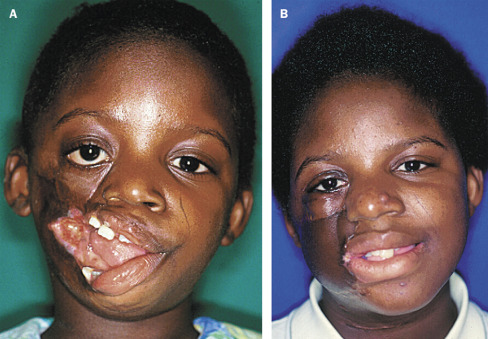
Noma, otherwise known as necrotising ulcerative stomatitis, gangrenous stomatitis, or cancrum oris, is a bacterial infectious but non-contagious infection; resulting from poor oral hygiene, lack of sanitation and malnutrition, affecting both soft and hard tissues of the mouth and face, rapidly progressive and more often than not fatal.

The most common sign and symptom is the development of an ulcer in the mucous membrane of the mouth before spreading to other parts of the face. If detected early, the condition can be arrested with antibiotics, proper nutrition and oral hygiene, while late diagnosis does not restore disfigured or damaged tissues even if treated.

Affecting children between 2 to 6 years of age, the disease is prevalent in impoverished communities in Asia and Africa. However, infection was also found decades ago in Europe and South America. This infection has since vanished with improved livelihood and healthcare.

Preventable but deadly, all over the world, Noma has been given the cold shoulder (neglected) over the years. The absence of current epidemiological data has made the data of the World Health Organisation (WHO) from 1998 the most frequently cited estimation of the disease, with a global estimate of 140,000 new cases recorded annually, with a majority in Sub-Saharan Africa and a mortality rate of 90% if not treated within two weeks.

The infection has not spared the children in Nigeria, falling under the countries in Sub-Saharan Africa, killing numbers and leaving survivors disfigured, coupled with the reality of leaving the rest of their lives under stigmatisation.

This informed the decision of the Federal Ministry of Health to call on the WHO at the 75th World Health Assembly to include Noma on the list of Neglected Tropical Diseases (NTDs) where it belongs.

The call was aimed at rallying global support to eliminate and start preventive and curative measures against the preventable but deadly disease.

Established in the year 1999, the Noma Children’s Hospital, Sokoto, up until May 2022, when Noma Aid Nigeria Initiative (NANI) began construction of a new 100-bed National Noma Treatment Centre within the National Hospital, Abuja, has been the only specialist hospital shouldering the burden of the debilitating disease in the country.

The Chief Medical Director of the hospital in Sokoto said, “what is lamentable is that the disease is curable and even preventable, but lack of awareness has made a good number of patients die at home without visiting the hospital, exacerbating knowledge gap.”

To create awareness on predisposing factors like malnutrition, vitamin (A and B) deficiency, contaminated drinking water, immunodeficiency and living in proximity to livestock, November 20th have been set aside as Annual Noma Day.

Before resting my case, let me advocate that the awareness campaign held annually on NOMA DAY be taken to people in rural areas. These people are most vulnerable and unaware. Therefore, it will be better than having the symposia in town or city halls where the inhabitants are most likely informed. Moreover, more specialists should be trained on the infection to establish more specialist hospitals in at least each geopolitical zones of the country to unburden that in Sokoto and the upcoming one in the Federal Capital Territory.

Furthermore, people should be encouraged to embrace oral hygiene and proper nutrition like a religious ritual. In suspected cases, patients should be taken to the hospital for appropriate treatment to prevent disfigurement. Routine vaccination for children ought to be taken as a priority of every parent, and individuals with any information on Noma are encouraged to carry out a personal campaign in their locality amongst family and friends because the little things we do can make a difference.

Lastly, I urge all to avoid stigmatisation of survivors because they were but victims of circumstance.

Lawal Dahiru Mamman, a corp member, writes from Abuja and can be reached via dahirulawal90@gmail.com.

Salary Review: The insatiable quest

By Musa Abdullahi Kaga

As an employee, salary is one of the most, if not the most, important factors in applying for or staying in a job. It is, however, a known phenomenon that salaries, no matter how handsome, hardly cater to one’s wants and needs. Hence, the regular quest for the insatiable: salary review.

Salary review is often misunderstood or confused with annual assessment or appraisal. Salary review is mostly deeper than annual or biannual appraisals. It is a comprehensive analysis/evaluation of whether a specific pay package is a fair reflection of what an employee should earn in line with factors such as external market forces, experience, career progression, company culture, job performance, etc.

Reviews are an essential HR and management strategy/tool for attracting and retaining good hands in a company.

Several factors may necessitate reviews, ranging from competitors’ pay trends, employee opportunities, or employers’ fear of losing employees for whom they invested so much.

It is only fair that as your employee’s career progresses, so do their emoluments. This should, of course, depend on milestones, achievements, performances, etc. Should there be a positive progression, the salary should grow accordingly. Unfortunately, this is not obtainable in our clime, especially in the public sector.

According to data from ALLSTARTSIT – a tech company specializing in software development services and talent acquisition in CEE regions – there has been a massive median salary increase of 106% for software developers in the CEE regions over the last decade. For example, a system architect that earned $3000 a month in 2012 makes about $6200 in 2022. That is massive, even for an IT specialist.

Graph showing ten years salary trend of software developers

In Nigeria, however, the last time the federal government conducted an upward review of workers’ salaries was in 2009 – 13 years ago – with an increase of about 53%. The dwindling economic situation in the country has rendered the purchasing power of workers feeble. Different civil, trade and labour unions have tabled several demands to the government over the years on the review of salaries and other welfare packages; unfortunately, this is yet to achieve any positive outcome.

Recently, the Nigerian Labor Congress, through its President, Comrade Ayuba Waba, lamented the sorry state of Nigerian civil servants and reiterated their demands to the government.

According to Waba, economic challenges had eroded the purchasing power of ordinary workers so much that the minimum wage could no longer take a worker home and could barely serve as transport fare.

Speaking to NAN earlier this year, he said; “We want to make a formal demand on behalf of the Joint Service Negotiation Council for the review of wages in the entire public sector because it is due,’’

Looking inwards, it recently dawned on me the economic hardships endured by civil servants and other citizens; this is due to the rising cost of essential items and, of course, the occasion of the Eid celebrations. A friend who is an employee of a non-governmental organization has a compensation significantly higher than what his colleagues in the public sector receive, yet, he had to dig deep into his savings to afford a ram. It is nearly a miracle that he has the luxury of savings; public sector employees could only admire his status, even though he is still among the ‘masses.’

It is, therefore, a no-brainer for civil servants to work towards achieving an alternative source of income, especially in this digital era.

Unsurprisingly, it is not uncommon to see civil servants perpetually discussing issues like salary reviews and ‘welfarism’ in Nigeria. Even though successive governments in the past have not done enough to ensure a proper salary structure and compensation system among civil servants in various tiers of government, this is primarily because of the insatiable nature of salary.

The craving for more is intrinsically part of human nature, although some experts argue that insatiable desire is unhealthy (greed). Nonetheless, the motivation to work harder and earn a decent salary is our typical trait.

Musa Abdullahi Kaga sent this article via musaakaga@gmail.com.

Jigawa flooding and its forgotten victims

By Muhammad Abubakar

The news of the severe flooding in Jigawa State is depressing and alarming. I initially thought the report had reached every nook and cranny of the country. But the reverse is, unfortunately, the case. I was amazed to realize that the news has not gone very far in the country. Worse still, it is said that the state governor himself is currently out of the state.

I recently checked a couple of our local media sites to know more about the ongoing flooding, only to find out that; most of the news updates there have nothing to do with this deplorable disaster currently ravaging the state. It’s heartbreaking how many on-and off-line news outlets pay only lukewarm attention to this issue, although it should be discussed more than any other.

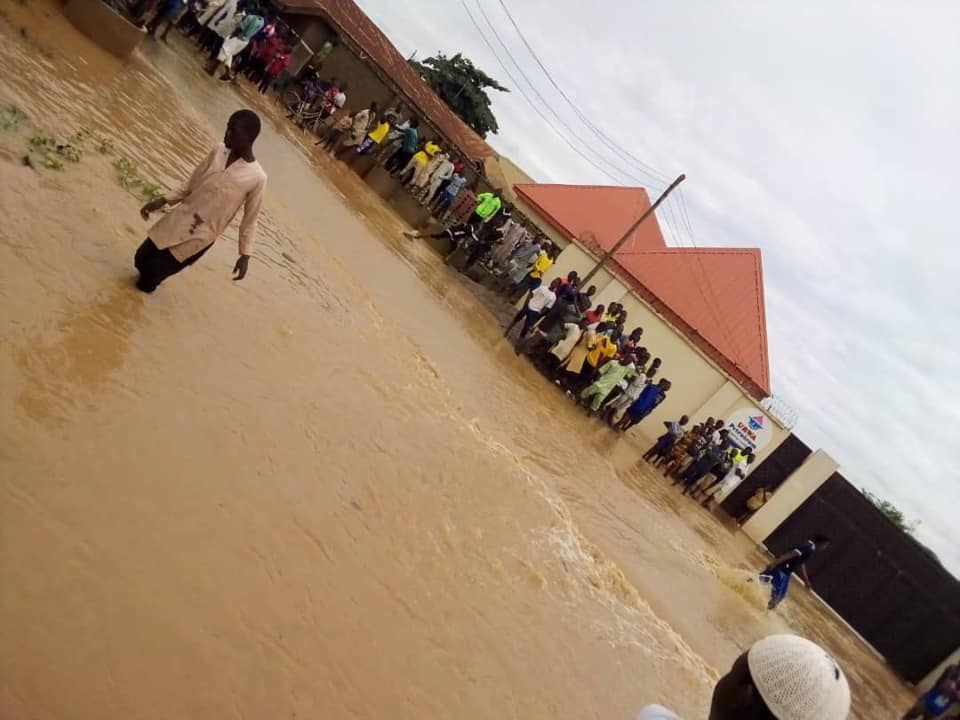
Jigawa State has never experienced such an alluvial disaster in its history. Many houses and villages collapsed; properties submerged; roads, bridges and farmlands were washed away, and crops ruined. Some have become orphans all due to this flooding!

The situation has reached the extent that the people of the affected areas can no longer move into their towns or travel out of the villages because their roads are not motorable. Also, thousands of people in the affected communities have been displaced. Canoes capsized. Lives were lost. Almost anywhere in the state has been negatively affected.

The most affected areas include Gumel, Mallam Madori, Auyo, Kaugama and Kafin Hausa local government areas. The flood has not only stopped here, but it also touched almost every part of the state. But yet, no tangible action has been taken on that by the government.

The federal government should therefore join hands with the state government to do the needful; deliver food, clothes, drugs and other useful items to the victims. May God, the omnipotent and omnipresent, end all the hardships we are going through in this country and the world.

Muhammad Abubakar wrote from Jos, Plateau State, via muhammadabubakar01002@gmail.com.

Train attack: Nigeria and the truth about the released victims

By Aliyu Nuhu

While congratulating the families of train victims for the safe return of their relatives, something very sad came to mind about the whole tragedy.

1- The ultimate winners are the terrorists. They achieved all their objectives without retribution. They have all their inmates released, collected hefty amounts of money in billions of Naira and foreign currencies and went away without losing a soul. Meanwhile they inflicted damages on Nigeria. They killed passengers, destroyed a train and stopped it from operation for seven months and instilled fear in the minds of Nigerians.

2- The biggest tragedy is that all the captives were released through payment of ransoms which impoverished family economies, some might never recover. The last victims were released by military committee which means more money were paid and the military might have also cornered part of the ransom money. In the whole saga there was no shooting, no arrest, not even declaring some people wanted. What kind of country do we have for God’s sake? Time will tell the kind of arrangement reached for the release of the victims.

3- We just have a paper military. What is there in a military that cannot use force on terrorists. There is nothing impressive about military that abandoned its trade and go to terrorists and pay ransoms. It is really a shame on NIGERIAN government.

4- As long as people benefit from train attacks and kidnapping there will be no end to this kind of tragedy. The terrorists have made a good, safe and profitable venture and have probably gone to plan another attack. Security agencies that benefit from it will be too willing to be part of the next attack. The Mamus that made billions from ransom negotiation will be waiting to make ransom harvest. A kidnapping Industry has been created by government’s inability to deal ruthlessly with criminals.

Peace Accord: Waste of a good action?

By Mohammed Aliyu

The National Peace Committee, headed by the former Head of State, General Abdulsalam Abubakar (retd.) and other elder statesmen would have been more respected and crucial had they played the committee with the grandeur it deserves. Established in 2014, the committee has not achieved anything following its record. As such, its function is nothing but a jamboree, where aspirants meet and share some private moments, thereby deceiving the gullible who trusted them by their words.

The vulnerability of the committee was so evident in 2019 when one of its members was seen dancing with another aspirant and denouncing the other candidate rather than playing neutral by preaching the peace he claimed to be advocating. Such an immodest attitude alone can create chaos, put doubt in the minds of other aspirants, and ridicule the entire process. Again, no need to mention names but a committee like this ought to have credible individuals that are all respected, who are also mindful of their utterances, actions and even public image – by extension, be less controversial.

To revisit the past, in 2015, President Goodluck Jonathan accepted defeat on his own without any influence from any quarter, as he stated in his book Transitional Hours. In 2019, electorates massively voted for President Buhari, yet no crisis was recorded. Still, the committee’s capacity has not been proven, although they claimed to have calmed Atiku Abubakar, who insistently went to court on his own but failed there.

The 2023 election that brought religion into politics is perhaps dosed with fear of violence, and this is the moment that the peace committee may save the country, but will they? The National Peace Committee is the initiation of some individuals that called themselves ‘Elder Statement’, and members were selected without merit. The peace committee is concerned with only the aftermath of election violence and not other forms of insecurity, let alone proffer solutions to lingering critical issues that the country is bedevilled with now and then. Like the present ASUU strike, agitations, persistent farmer/herder clashes, communal clashes, religious intolerance, and other vital issues that threaten national peace and security that may even not allow any election to hold.

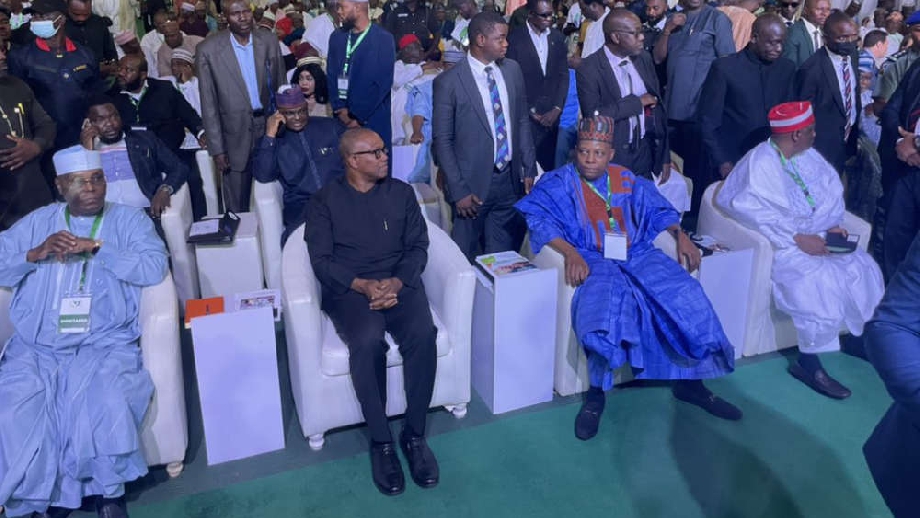
To send a message that the peace committee is not credible, in 2019, PDP presidential aspirant Atiku Abubakar failed to attend the accord signing for reasons known to him. Instead, he went after the public ceremony. Bola Tinubu, another aspirant of APC, again failed to attend the September 2022 Peace Accord. Instead, he sent his running mate, Kashim Shettima. All this weakens the credibility and popularity of the committee. The priority given to candidates rather than parties is a clear sign that the peace agreement has lapses that must be corrected if they want to be relevant in the future. Electorates choose a party, not a candidate, even though they are by extension. Candidates are identified by their parties because, without the platform, they are idle. The peace committee must look inward and prioritise party chairpersons during such occasions. That way, they are dealing with an organisation, not an individual.

In my opinion, the National Peace Committee should be changed to the National Council of Elders, and their mandate should be transformed so that it will have a national look and have representatives from all sections of the country. The members should be credible people who are respected. They should advise the government on solutions to bring lasting peace before, during and after the election circle.

However, the interest of the National Peace Committee is not for peace to reign, nor for good governance but for the personal interest of what they may get in the new government. As such, expect nothing but flaws in their shoddy policies. While they are signing the accord in Abuja, I wish my fellow compatriots would do the same locally since we are the anticipated thugs that will cause violence.

Mohammed Aliyu wrote via aliyu.wasilu@gmail.com.

ASUU strike and the disorientation at the presidency

Abdelghaffar Amoka Abdelmalik, PhD.

The major newspapers published the speech delivered by the president at the “Fourth National Summit on Diminishing Corruption in the Public Sector” on the 4th of October 2022. In the speech, the president said, “corruption in the education system from basic level to the tertiary level has been undermining our investment in the sector, and those who go on prolonged strikes on flimsy reasons are no less complicit.” The Academic Staff Union of Universities, ASUU, is the union on strike, so the newspapers reported it with headlines that “Buhari accuses ASUU of corruption”.

The president definitely does not have a thorough understanding of the issues that led to the strike else he won’t call the struggle for the proper funding of the universities, better conditions of service for lecturers, the release of the white paper on the visitation panel reports, among other important demands as “flimsy reasons”. It is sad and most unpardonable that the president has got no proper information on the structure and workings of the university. Otherwise, he would have queried that ridiculous and false statement when the speechwriter presented the speech to him for presentation. So unbelievable that our president is not aware that ASUU is not the same as the university management.

To correct this unfortunate misinformation from the president, in the university, there are heads of departments who are academics who receive N50,000 every 3 months for operational expenses. We have the Deans and Directors who are also academics which is the next level of leadership in the university. The Directorates receive N60,000 every 3 months for operational expenses. Is the misappropriation of these N20,000 per month, which comes irregularly that is corruption by ASUU members?

Then, we have the principal officers, which include the Vice-Chancellor (an academic), the Registrar (a non-academic), and the Bursar (a non-academic). There is also the Council chaired by an appointee of the government. You can’t appoint politicians looking for jobs as University Council chairs and blame ASUU for corruption. ASUU is just a union and does not manage the affairs of the university. Then, there is the Presidential visitation panel that is meant to visit the university every 5 years to check the management of the resources of the university.

It’s true that the management of the university could be corrupt. There is no doubt about it. But since the administration of President Buhari took over in 2015, the “corruption fighting” president seems to have found accommodation with corruption in the university that it failed to send a visitation panel to any federal university. ASUU was worried about that, and part of the demands of the 2020 ASUU strike was the constitution of the visitation panel to all federal universities. Paradoxically, it took the strike by the union of supposed “corrupt lecturers” for the anti-corruption FG to send visitation panels to the federal universities in 2021 to check “corruption”.

However, a year after the panels submitted their reports, the same FG that is accusing ASUU of corruption has refused to release the White Paper on the panels’ reports for implementation. Part of the demands of this strike is for FG to release the White Papers. The “corrupt ASUU” is pushing the anti-corrupt government to fight corruption in the university. Isn’t that amazing? It goes without saying by its inaction, indifference, and condemnable refusal to set up visitation panels and release the White Papers after ASUU forced it to set up visitation panels to all federal universities, the FG under President Buhari is aiding corruption in our universities.

Meanwhile, you can’t be complaining of corruption but rewarding alleged corrupt people. The former VC of the Michael Okpara University of Agriculture, that was accused of academic fraud, financial embezzlement, and administrative impunity by the ASUU branch of the university, made the list of the people to be awarded a national honour by the president. Same with the former Council Chairman of the Lagos State University, who, with the VC, deployed the pension of Staff for the purchase of luxurious cars.

Does it make sense to accuse the university managers of corruption and then nominate university managers that were accused of corruption for national honours without taking steps to investigate these allegations? That’s a joke. By the way, what is the correlation between the poverty wages of Nigerian academics with corruption in the universities? Does that explain why Nigerian lecturers are one of the poorest paid in the world?

The president further said that he task our academics to attract endowments, research, and other grants to universities, polytechnics, and colleges of education similar to what obtains in other countries. It has been rightly said that “if wishes are horses, beggars too will ride”. It does not take rocket science to know how those universities referenced achieved that. An endowment is not attracted by academics but by the university council and management. President Buhari should stop his trademark and uninspiring blame game and should be talking to the people he appointed as Council chairmen for our public universities.

The truth is, research grants are not attractive using an empty room as a lab. No international donor will fund empty space. Only the existence of avalanches and modern facilities are used to attract grants. When I got a PhD grant in 2008, I took the grant to a university in the UK because they have the required facilities for the research. For the 3 years, the UK university got thousands of pounds through me. That’s a return on investment. What have we put in place to attract such? That’s what we should be worried about. That’s why ASUU is asking for the required funds to be injected into the system to make our universities attractive for grants, as it’s obtained in other countries.

Despite the horrible condition of service of academics in the country, Nigerian academics are winning research grants. An Associate professor at Bayero University Kano recently received a research grant of £969,680 from Wellcome. A senior lecturer at Ahmadu Bello University Zaria recently won a research grant of about 48,000 USD from Geophysics Without Borders. Other researchers from the Federal University Dutse won a grant of $59,930 from The World Academy of Science (TWAS) and €220,801 from the African Academy of Science on renewable energy. These are just a few of the grants won by academics within the strike period.

The president’s speech was focused on ASUU, and the speechwriter chose his words with the utmost malice and mischief. There are sex scandals in every sector of the country. The rehash and blackmail of sex stories in the universities have become much like an expired drug with no potency. The stories of sex for jobs and contracts and sorting jobs and contracts in Abuja are in public space. Every sector has got the good, the bad, and the ugly. So, academia can’t be immune to the ills in our society.

But then, universities are still much better. They have rules and regulations that guide their operations, and they are enforced. Several lecturers have lost their jobs due to sex scandals or other similar offences. But we have a minister in this government that was accused of sexual harassment in 2020. If a student is a victim of such an act on campus and he or she refuses to report for appropriate actions to be taken, then you can’t blame ASUU for it.

Our Union frowns on sexual harassment in all its ramifications in our universities and is up in arms combating this evil. Hence, this speech which is similar to the words of their filthy-mouthed attack dog and other government agents at the presidency at this time, is an indication that it is either the people around the president are not telling him the truth about the strike or the depth of the poverty of sincerity is underestimated.

It is equally indicative that the administration has run out of ideas and initiatives to resolve a simple issue like the ongoing strike action. The Speaker of the House of Representatives, in an effort to bring an end to the 7-month-old crisis, has met with the president. Let’s hope that those agents of destruction around the president will allow him to think.

What baffled me is the fact that the Visitor to the university is publicly lamenting when he has not taken any action for 7 years to address all his allegations against the University. You are the president, sir. Please use your executive powers to solve problems, not passing bucks. Dear sir, you lament everything from the economy to insecurity to education, but lamentations won’t solve our problems. You need to be proactive, sir. You are the president; time is almost running out. Better late than never.

Finally, despite the way that academics in Nigerian public universities are handled, our research outputs are visible in the global research database. If political office holders should make one-tenth of the efforts and sacrifices made by academics in our public universities, they will be celebrated as heroes in office.

Professor Abdelghaffar Amoka Abdelmalik wrote from Ahmadu Bello University, Zaria.
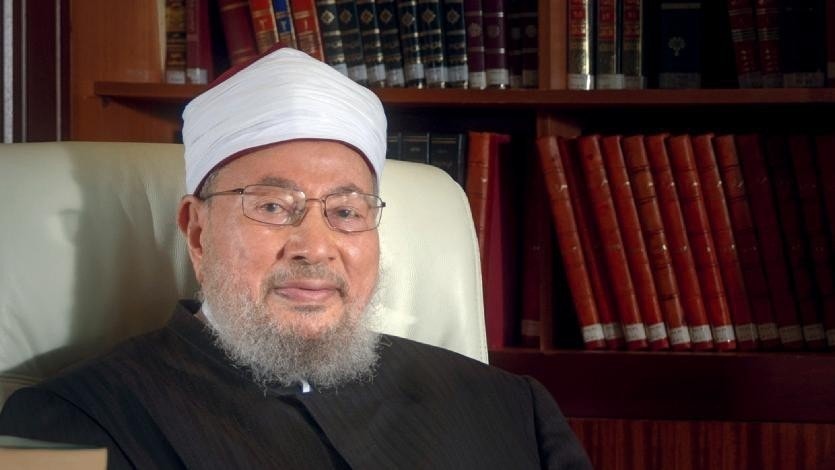
A tribute to Sheikh Dr Youssef Al-Qardawiy (Rahimahullah)


By Dr. Isa Muhammad Inuwa

We woke up to the maddening, stunning macabre and grim sorrow of the demise of Sheikh Dr Youssef Al-Qardawi, renowned scholar and jihadist of international repute. As we weep profusely, both internally and outwardly, over this irreparable loss, his death indicates that the sun has set down for yet another era of Islam, as yet another chapter is closed.

Late Al-Qardawi can go down in history as a titanic whale in the fathomless ocean of Islamic knowledge and jurisprudence. He authored many valuable compendia and an estimated 120 to 200 books, famous among which is Al-Halal Wal Haram, that addressed and gave solutions to vital lawful and unlawful issues in Islam.

He was a contemporary of scholars and jihadists of like minds such as Sheikh Hasanul Bannah, Sayyid Qutub, Sa’eed Hawaah, Kishk and the rest. The personalities mentioned above formed the nucleus of the Islamic Brotherhood movement’ ‘Ikhwanul Muslimuuna’ in Egypt around the 1950s to 1960s.

Ikhwan’s formidable movement under the late Hassan Al-Banna’s leadership served as an alternative political group that brokered power in Egypt by participating in the democratic process and contesting political posts. Former president Muhammad Morsi was a testimony to Ikhwan’s influence in the mainstream politics of Egypt.

More so, the hitherto Islamic movement in Egypt, administered by vibrant and agile youths, had impacted and triggered similar gestures in many countries and Muslim communities worldwide.

While some Ikhwan eggheads, such as Hassan Al-Bannah, were martyred amidst the struggle, others, like the late Youssef Al-Qardawi, survived, lived longer and contributed to humanity on many fronts.

May The Almighty Allah accept the late Sheikh Qardawi and uplift his status in the highest and exalted Jannah, amen!

Dr Isa Muhammad Inuwa writes from Bayero University, Kano, Nigeria, via ismi2000ng@yahoo.com.

Political interference undermines judges’ efforts – Prof Lawan

By Uzair Adam Imam

A Senior Advocate of Nigeria, Prof. Mamman Lawan, has described government’s interference in court’s decisions as one of the major challenges facing judges in Nigeria.

Prof. Mamman Lawan  stated this Tuesday, 4th October, 2022 during a one-day seminar organized by Faculty of Law, Bayero University, Kano, in collaboration with  Bn Baaz, Kariya and Naseeha Foundations.

The seminar held at Islamic Forum of Nigeria Hall, Farm Center, Kano, was themed: “Justice as a Panacea to Insecurity in Northern Nigeria.”

He decried how big office holders and politicians stick their noses into the courts’ decisions, thereby making it difficult for judges to do justice in their decisions.

Lawan stated: “Politicians used to interfere with the courts decisions and spend millions of naira in the cases they have interest in.

“Therefore, judges and lawyers need to know that it is ethically wrong to collect bribe and do injustice. Without justice, there would be no society and there would be chaos and insecurity.”

Govt needs to increase allowance for judges, lawyers to tackle corruption

Corruption roams our courts today and affect their decisions. The reason was believed to be unconnected with poor salary and allowances by the government.

One of the Judges confidentially told the TDR reporter after the event that the monthly salary of judges is between N100,000 and 180,000 and N125,000 as furniture allowance after every four years.

Lawan said that there is a need for government to increase allowance for the Nigerian judges and lawyers to tackle corruption in the courts.

He added, “Government does not provide our judges and lawyers with enough allowances to halt corruption in our courts.

“This will help stop the judges from taking bribe from any politician,” he suggested.

Lawyers contribute to injustice in Nigeria

Also speaking, the Kano State High Court Judge, Justice Saminu Nasiru, blamed Nigerian lawyers for contributing to injustice in court decisions.

He said, “For this reason, it has become necessary for lawyers and judges to fear God and to remember meeting with their lord in the day of judgment.”