Opinion

An Open Letter to the Governor of Kaduna State 

By Salim Yunusa

Your Excellency,

First and foremost, I extend my heartfelt congratulations on your resounding victory in the recent gubernatorial elections and commend your dedication to advancing the interests of Kaduna State and its esteemed residents. As we stand on the precipice of a new era, I am confident that under your leadership, Kaduna’s fortunes will ascend to unprecedented heights, driven by your wisdom and the guidance of Allah (SWT).

In the wake of a challenging period during which our nation has encountered multifaceted trials, the tenacity and unity displayed by the Nigerian populace stand as a testament to our collective spirit. With an unwavering faith in the leadership of our nation and its states, Nigerians continue to anticipate a future marked by prosperity, peace, and sustainable development.

At this critical juncture, I humbly draw your attention to an alternative avenue that possesses remarkable potential to address the pressing issues of unemployment, revenue generation, and economic diversification. It is my belief that a robust focus on tourism and the creative sector could be the catalyst for the transformation that Kaduna desperately needs. While acknowledging the challenges confronting our nation, it is essential to recognize the untapped reservoir of natural and cultural treasures that can propel Nigeria’s progress, with Kaduna serving as a shining example.

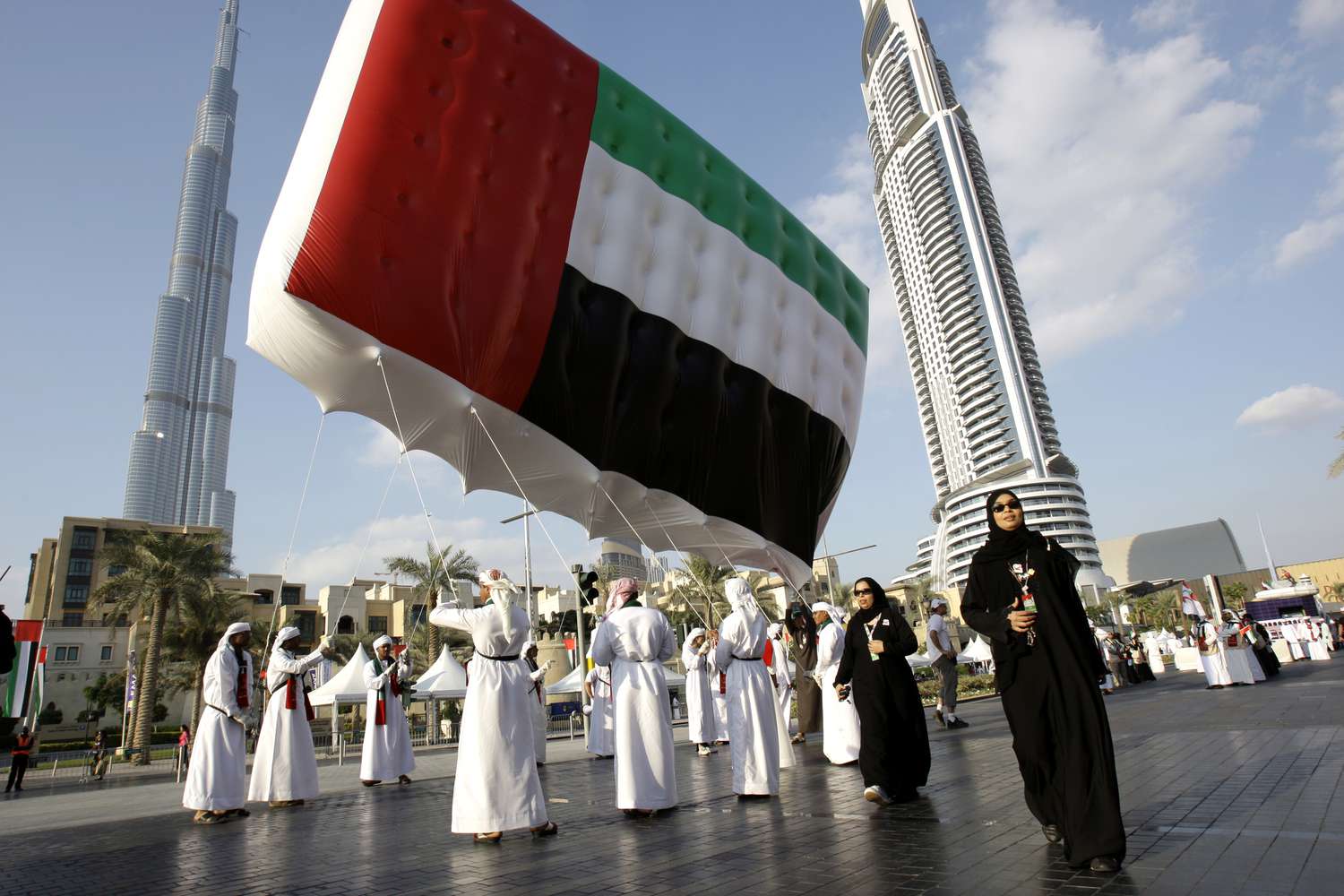
Global success stories such as Qatar, Dubai, Egypt, and Seychelles have demonstrated the exceptional economic rewards reaped from strategic investment in tourism. As seen in Dubai, the travel and tourism sector significantly contributed to the UAE’s economy, comprising nearly 10 per cent of total revenue. Similarly, Qatar witnessed a 70.3% growth in tourism sector revenue, with aspirations to amplify its GDP contribution to 12% by 2030.

I come from Kajuru, a small town in Kaduna state, where I am used to seeing people from all over the country and beyond visit the famous Kajuru Castle. I have also lived in Zaria, where I see thousands of people throng the colourful, eye-catching Zazzau Durbar yearly. These are just two out of many. I firmly believe that our state is endowed with a wealth of potential attractions. From the historical magnificence of the Emir’s palace in Zaria to the ancient Nok Art and civilization, the mesmerizing MatsirgaWaterfalls, and the iconic hills of Queen Amina in Turunku, Kaduna boasts a tapestry of wonders waiting to be unveiled.

Moreover, the state’s potential extends beyond its breathtaking natural, cultural, and traditional sites. Kaduna’s vibrant literary, music, and film scenes are carving their place on the global stage. The annual Kaduna Book and Arts Festival (KABAFEST), Hausa International Book and Arts Festival (HIBAF), Kaduna Music Festival, Afan National Festival, and other cultural events foster unity, diversity, and shared experiences among our youth, transcending ethnic divides.

Beyond the cultural and traditional scene is the vibrant film and fashion industry, with the Critics and Kadahood making and producing movies in Kaduna state, employing hundreds in the process. The Kaduna Fashion and Arts Exhibition also showcases the rich history of fashion in Kaduna state and beyond.

Just like football, music is one of the major unifiers in Kaduna and Nigeria at large. I witnessed, with so much pride, how Kaduna youths united during the 2022 Countdown event at Murtala Square. There was no way one could discern who was what tribe or religion; just young people filled with hope and optimism living in the moment. These are avenues where we can build the Kaduna of our dreams, a Kaduna that is healed from the pains of the past, devoid of all tribal and religious agitations.

One amazing thing about these festivals, funfairs, and events is that they always come with the advantage of a booming local economy of small and medium businesses. Vendors make brisk sales of food, wares, and goods. If properly managed by the Kaduna State Enterprise Development Agency (KADEDA), has a huge potential to bring more entrepreneurs to the fore, just like during the Kaduna Market Trade Fair.

Culture, creativity, and traditions aside, Kaduna, with no doubt, is the heartbeat of Northern Nigeria. It is strategically placed and has served as the administrative headquarters of the region. Therefore, Arewa House, the National Museum in Kaduna, and other historic buildings and monuments serve as archives and a lens to our past. We owe it to future generations to preserve these spaces in order to enlighten and educate the young ones.

Yet, for this vision to materialize, peace and security are imperative. The nurturing of these invaluable tourist destinations requires an unwavering commitment to safety and stability, addressing the root causes of insecurity. Furthermore, investing in robust tourism infrastructure, in collaboration with the private sector through Public Private Partnerships, will pave the way for enhanced accessibility and growth. We have seen how the previous administration was able to make Kaduna the number one state in Nigeria when it comes to the ease of doing business. With a proper tourism development plan that comprises all the events, festivals, tourist destinations, and activities, as well as the connecting transportation routes and servicing facilities together, I assure you that investors will come running to Kaduna. This plan will also include community education as a driving force for tourism.

Your Excellency, the potential of the tourism sector cannot be overstated. It carries within it the promise of economic prosperity, cultural preservation, unity, and local job creation. Other advantages include promoting the image of Kaduna state to the world, healthy migration of Nigerians and international visitors, the establishment of exchange programs, a boost in the local economy, the rapid development of rural areas, and the influx of businesses to the state. By supporting the burgeoning creative talents and providing the necessary infrastructure, Kaduna has the opportunity to become a beacon of progress and international acclaim.

Finally, I implore Your Excellency to consider this call for action, not only for the betterment of Kaduna but also as a stepping stone towards the broader advancement of our beloved Nigeria. Together, we can transform the challenges that beset us into stepping stones for growth, development, and a brighter future.

Salim Yunusa writes from Zaria, Nigeria and can be reached at syunusa@gmail.com.

Reviving our nation

By Nafisa Ismail Sadiq

In a world brimming with distractions, it’s time for us to turn our gaze inwards and confront the pressing issues that plague our society. As citizens of this great nation, we often find ourselves ensnared by fleeting trends and shallow debates, all while the true problems continue to fester unchecked. It’s high time for a transformative shift, a change that will not only uplift us but also propel us towards a brighter future.

In Nigeria, a land rich in culture and potential, we are facing challenges that demand our immediate attention. Instead of delving into the depths of our problems, we gravitate towards inconsequential matters that only steer us away from progress. Our nation is grappling with issues like poverty, unemployment, and a crumbling education sector. These are the trends that should be at the forefront of our collective consciousness, yet they remain overshadowed by trivial concerns.

Consider the paradox of our society, where wrongdoers are hailed as heroes and those who strive to create a positive impact are left to languish in obscurity. Our universities, once shining beacons of knowledge, are now plagued by neglect and inadequate resources. Educators, who hold the power to shape the minds of the next generation, struggle to make ends meet. The rising cost of living juxtaposed with stagnant salaries has left them in a dire predicament.

Our dependence on imports further weakens our economy and undermines our potential for self-reliance. Instead of leveraging our resources to bolster local industries, we remain fixated on foreign goods that drain our wealth. We must learn from those who have charted their own course to development, adopting strategies that suit our unique circumstances while staying true to our cultural identity.

The power of social media is undeniable, yet we often wield it irresponsibly. We showcase the inconsequential, turning a blind eye to the stark realities that demand our attention. People are suffering, struggling to find their next meal, while the rich amass greater fortunes. The ever-widening wealth gap is a stark reminder of our misplaced priorities.

It’s time to redirect our focus, to channel our collective energy into tackling the issues that truly matter. Poverty, education, employment – these are the trends we should be confronting head-on. By acknowledging and addressing the hardships that many endure, we can foster a society that thrives on compassion and cooperation.

As we stand at this crossroads, let us unite to create a narrative of change and hope. Let us shatter the shackles of complacency and dare to dream of a Nigeria where progress is not just an aspiration, but a reality. The path won’t be easy, but it’s one that promises fulfillment, prosperity, and a legacy of positive transformation.

It’s time to rise above the noise, to champion the causes that truly define us. Together, let’s pave the way for a better tomorrow, one in which our efforts reflect our values and our actions resonate globally. The change begins with us – let’s make it count.

Nafisa Ismail sadiq is a 300-level student in the Department of Mass Communication, Bayero University Kano. She can be reached via nafisasadiq005@gmail.com

Police brutality and the violation of laws: The tragic incident in Dabar Makaho, Azare, Bauchi

By Yakubu Ammar Sani

On the unfortunate evening of August 24, 2023, around 8:30 p.m., a horrifying incident of police brutality unfolded in the peaceful neighborhood of Dabar Makaho, around Famfon Shanu, Azare Bauchi State of Nigeria. This incident serves as a shocking reminder of the abuse of power and the devastating consequences it can have on innocent lives. 

It all began when a group of police officers, whose duty is to protect and serve the community, unlawfully used excessive force on an accused person. The officers, instead of conducting a proper arrest, resorted to violence, misusing their firearms, and hitting the accused with sticks. 

Tragically, in the midst of this brutal act, an innocent young boy passing by became an unintended victim. The excessive force used by the police officers resulted in the boy suffering a severe eye injury, nearly causing the loss of his eye. This incident has undoubtedly left a traumatizing impact on the young boy’s life. 

What is even more distressing is the apathy shown by the police officers involved. Instead of rushing the injured boy to the hospital for urgent medical attention, they callously neglected his wellbeing. This blatant disregard for human life is deeply concerning and raises serious questions about the values and principles these officers are supposed to uphold. 

In a further display of aggression, when a concerned Good Samaritan attempted to intervene and bring attention to the officers’ wrongdoing and the critical condition of the young boy, they responded with further violence. It is shocking to witness those entrusted with maintaining law and order resorting to further brutality and attempting to silence those who speak out against injustice.

The victim, Usman Sa’idu, who is 13 years old.

The incident that occurred on August 24, 2023, is not an isolated event. Instances of police brutality have become all too common, leaving a trail of suffering and shattered lives in their wake. These incidents highlight the urgent need for robust reforms within law enforcement agencies. Comprehensive training programs focused on human rights, ethics, and de-escalation techniques must be developed and implemented to ensure that officers understand the importance of safeguarding the public and upholding the law. 

Equally important is the establishment of effective mechanisms for reporting and addressing cases of police misconduct. It is essential for individuals who witness or experience such brutality to feel safe and confident in reporting these acts, knowing that appropriate action will be taken. Proper investigation and accountability measures must be in place to hold those responsible accountable for their actions. 

As a society, we cannot stand idle and allow the abuse of power to continue. It is the collective responsibility of citizens, policymakers, and law enforcement agencies to work together to address these grave issues. This means fostering a culture of respect, transparency, and accountability within our police forces. Only then can we begin to rebuild trust between law enforcement and the communities they serve. 

Furthermore, it is the duty of the government to prioritize the safety and well-being of its citizens by enacting legislation that protects individuals from the atrocities of police brutality. This legislation should provide clear guidelines on the appropriate use of force, ensure effective oversight mechanisms, and ensure that justice is served for victims of police misconduct. 

The incident that took place on August 24, 2023, serves as a painful reminder of the urgent need for reform. It is a call to action for all stakeholders to work towards a future where every individual, regardless of age, gender, or social status, can feel safe and protected by those sworn to uphold the law. 

Let us unite as a community to demand accountability, transparency, and justice for the victims of police brutality. Only then can we create a society where every person can live without fear of harm and where those in positions of authority carry out their duties with integrity and respect for human life.

Yakubu Ammar Sani wrote from Azare, Bauchi State and can be reached via -ammaryakubusani@gmail.com.

Understanding high cost of living in Nigeria, factors and way forward

By Hauwa’u Abubakar

Overtime, Nigerians have experienced hike in basically all goods and services required to live and run their day to day activities. This goes without saying has been aggravated by proclamation of subsidy removal on premium motor spirit (PMS) popularly known as petrol, some three months ago.

It becomes imperative to understand the factors responsible for high cost of living as it leads to higher expenditure for individuals and households. Some of the factors leading to this unwanted development include inflation or an increase in the general level of prices.

Nigeria has experienced persistent inflation over the years, with prices of goods and services continuously rising. This reduces the purchasing power of individuals, making it more challenging to afford basic necessities. Also, depreciation of the country’s currency.

The naira, has faced fluctuations and depreciation in value against major foreign currencies like the US dollar. This has led to higher import costs, making imported goods more expensive for consumer. Furthermore, dependence on imports for various products, including food, fuel, clothings, building materials and other consumer goods, has the tendency to result in higher prices due to transportation cost, tariffs, and exchange rate fluctuations.

Again, infrastructural challenges is another force to reckon with. Inadequate infrastructure, such as power shortages and poor transportation networks can increase the cost of goods and services. Businesses often have to bear the burden of additional expenses since they are not provided by the authority and they eventually pass these expenses to consumers so as to make profit and keep their trade afloat.

Income quality as a factor. Nigeria has a significant income disparity, with a large portion of the population living in what is termed multidimensional poverty due to the disparity. This poverty limits access to basic resources like education, healthcare, and housing, further exacerbating the cost of living for many individuals. Government policies such as removal or reduction of subsidies, can lead to price hikes for essential commodities also.

To address this worrisome situation, it is firstly important for citizens to understand that the high cost of living in Nigeria is a complex issue influenced by various factors such as those aforementioned. Efforts to address this challenge should involve measure to tackle inflation, improve infrastructure, diversifying the economy, and promoting policies that support income equality and affordability for citizens.

Strategies to employ in improving infrastructure are; investing in infrastructural development, such as transportation power, road network, water supply among other can help reduce cost associated with transportation and other expenses passed down to consumers.

Enhancing agricultural productivity. Promoting and supporting the agricultural sector can reduce food prices and enhance food security. Improving farming techniques, access to quality irrigation systems are all strategies through which dependency can be reduced on imported goods.

Encouraging competition could be a tactics. Promoting competition in key sector such as telecommunications, banking, and energy to prevent monopolies and encourage market efficiency can help lower price for consumers.Control of inflation, implementation of effective monetary policies and fiscal measures to control inflation, increased wages and ensuring that wages and salaries keep pace with inflation can help improve people’s purchasing power and reduce the burden of high costs.

Developing effective social welfare programmes can provide a safety net for vulnerable populations, reducing the impact of high cost of living on those with limited financial resources.

In conclusion these are just comprehensive approach that addresses multiple aspect of the economy and society and if adopted by the government and relevant agencies, Nigerians can be saved from the bondage of high cost of living, the time this now!.

Hauwa’u is a 200-Level Student of Ahmadu Bello University, Zaria, Kaduna State and can be reached via: hauwaat@yahoo.com

Extortion and exploitation: the double banes of quality education

By Salim Yunusa

Salim Yunusa As the summer break draws to an end and schools are set to resume in the coming weeks, parents are already grumbling over the increased school fees across many private primary and secondary schools across the nation, despite their salaries not increasing even by an inch. Due to the not-so-great condition of the public schools, parents have no other options than to send their wards to these private schools.

Although private schooling is a money spinning venture for many school owners, the least these schools should provide is excellent service delivery in teaching and imparting discipline on students. Unfortunately, this is not the case in many instances.

The learning facilities are substandard, to say the least and the teachers are below par in quality. Their sights are set on the profit the schools will return, not the excellence they’ll deliver and the students they will be proud of at the end of the day. Most of the buildings rented by these low budget schools are originally residential houses or uncompleted buildings that are converted to classrooms with little or or no ventilation; with tiny classrooms containing high number of students in each space.

Many of these schools are not fit for learning, with some of these classes demarcated with cardboards or plywood to create more space. There is absolutely no regard for safety standards and building regulations of any sort. I know of a “school” facility that serves as a school during the day and a football viewing centre at night.

Another school that upsets me anytime I pass it by is a school for young kindergartens and primary students that is directly beside a huge fueling station and inches away from a major highway.

I wonder what the development control authority was thinking; approving such a chaotic land use violation. Yet, it is these schools that charge parents outrageous amount of money every time. It is high time the government wades into these fraudulent waters; making sure that every private school that operates is duly registered, has a license and has ticked off every box of standards and regulations. It also has a responsibility of regulating the uncontrolled and unreasonable school fees and levies set by these schools themselves.

One would think that as these schools are extorting parents in broad daylight, their staff would be well paid. That is far from the reality. Teachers employed in private schools suffer the worst form of dehumanisation and extortion by their employers, unfortunately. They’re overworked and underpaid, with some teachers in some schools taking home less than N10,000 in a month…in 2023!

Their employers take advantage of the saturated labour market that is filled to the brim with young, unemployed teachers – qualified or not – and are desperate for employment. Some of these teachers are unqualified and burdened with many subjects in order to cut the cost of hiring more teachers. They learn on the job for long hours and meagre pay, with threats and deductions for the smallest of mistakes. They’re constantly in fear of speaking up or speaking out against their employers because they can be sacked without any reason whatsoever.

It is the height of wickedness to make parents pay through their nose for their children’s’ education without actually getting the value for their money in a tight, cramped up environment that is not conducive for learning while at the same time underpaying and overworking their staff.

Schools should not only be an avenue to generate more money for their rich owners. They should uphold a standard of excellence and quality delivery of education that’ll produce educationally sound students who can compete nationally and globally.

The government, as a matter of urgency, should continue to upgrade its schools so that they become more attractive to parents than private schools. That way, it will be a healthy competition; judged based on excellence and quality education but before then, they have the responsibility of registering, regulating and standardising private schools for the development of education in the nation.

Salim Yunusa writes from Zaria and can be reached at syunusa@gmail.com

Know the laws of any country you are visiting before departure

By Aliyu Nuhu

Mal Kwalisa (not his real name) is an acquaintance. He has never travelled outside Nigeria. He was a money changer. One day he made a big kill and came into some big money and decided to visit UAE. He only told me he was travelling to Dubai for two weeks, and off he left via Nnamdi Azikiwe International Airport Abuja.

Three days after, Mal Kwalisa was back with us in Kano. I asked what happened. He was a bit ashamed, but later he blew the lid.

When he arrived in Dubai he booked into a hotel. After hours of rest, he went to one shop and saw a very beautiful Arab woman. He told her he came from Nigeria and he had plenty of money and promptly invited her to his hotel room. She smiled and told him she was married and that in UAE, women don’t visit men in hotels.

Mallam didn’t buy her story. He thought she could be persuaded by the promise of more money. He went back to his hotel and returned after lunch. He made the same offer again, and she smiled and told him to come back after closing hours, by 5 pm.

He went back at the appointed time only to find three askaris (police) waiting for him. They asked what his mission was, and he said he came to see his friend, pointing to the woman. The police asked him her name, and he didn’t know. They took him back to the hotel, packed his bag and drove him to the airport. He was lucky they did not chain him. They put him in the next available plight leaving UAE to Africa, Air Moroc. He landed in Casablanca.

After some hours, he was again put on the next available flight to Johannesburg, South Africa. After a long delay at midnight, he was bundled into a plane going to Lagos.

Our man had to find his way to Abuja by road after becoming Vasco da Gama overnight. He asked what could possibly be his offence.

I told him in UAE, adultery is punishable by death. The woman reported him to the police. He was lucky that she did not trick him and reported him while in his hotel room. And she didn’t mention rape.

Tinubu’s ministers and APC’s new faces

By Zayyad I. Muhammad

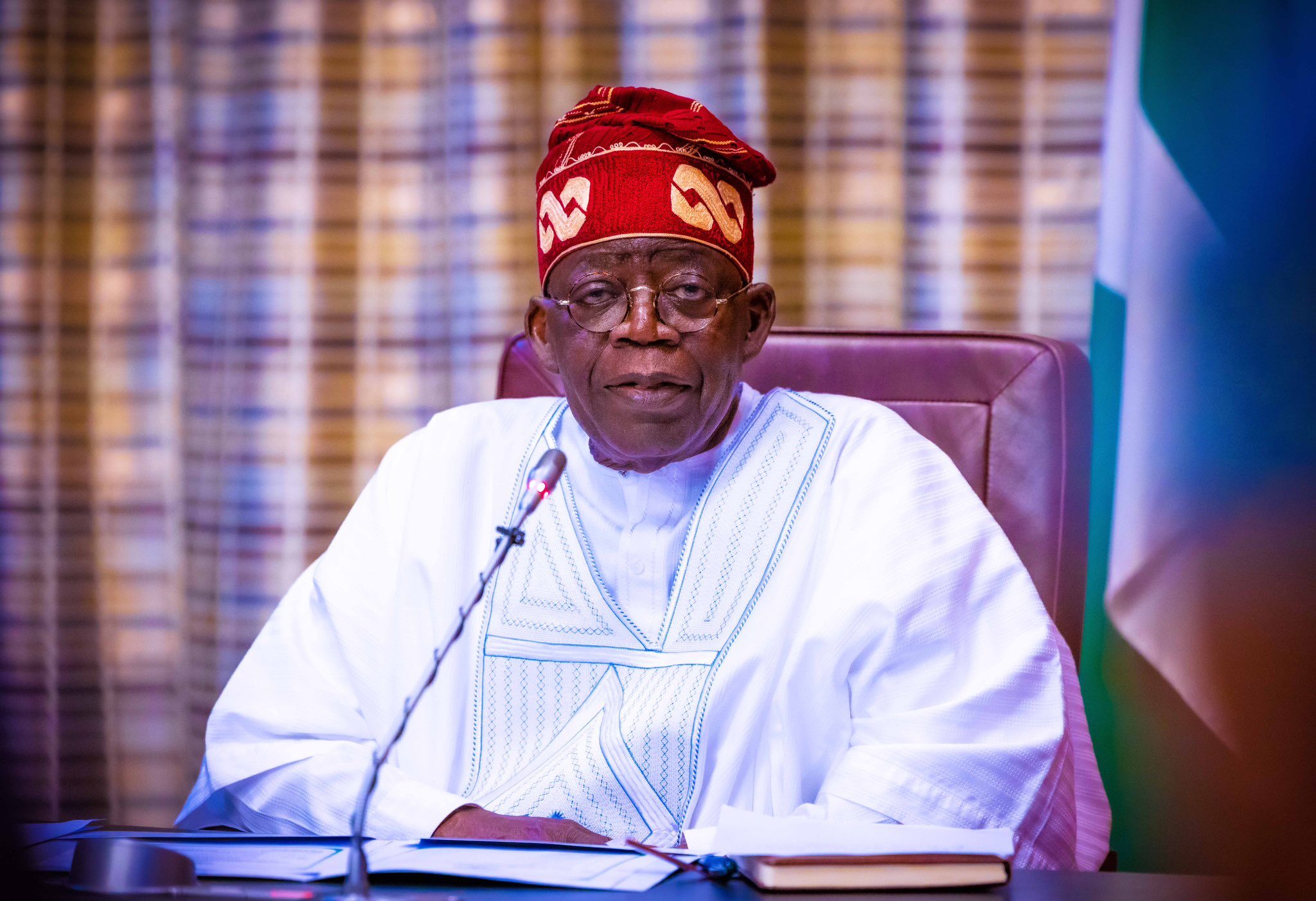
President Bola Ahmed Tinubu has assigned portfolios to his Ministers-designate, bringing an end to weeks-long speculation but also bringing to the fore new discussions and analyses on the ministers’ portfolios and the new ministries created. A journalist and an editor, Jaafar Jaafar, said, ‘The Northwest has many ministers but no weight’.

While a chieftain of the All Progressive Congress (APC), Adamu Garba, said, “It is one of the most balanced ministerial portfolio allocations of recent history. Adamu also pointed out that “President Tinubu – dedicated Infrastructure and Finance to the South. While Agriculture and security are to the North. Soft infrastructure like health and education to the North, and Humanitarian and Innovation to the South. Productivity and Job creation in the North- The North needs more security and agricultural productivity to grow and industrialise, while the South is good with services and infrastructure.”

 In Tinubu’s ministerial portfolios, there were surprises, and there were no surprises, so to speak.

In most democracies, ministers are selected from politicians who contributed to victory at the polls and from technocrats with strong professional track records. Cabinet ministers are not just a team but a collection of great thinkers—silicon valley-thinkers—men and women who can move the government with the speed of the imagination of most Nigerians, and their sense of judgment must be centred on the challenges of unlocking the future for ordinary Nigerians. and also bring new thinking and synergy to the public sector’s role in providing for the needs of all Nigerians.

Most Nigerians expect Tinubu’s ministers to be not just members of the cabinet but to add value to governance; they must be propellers for greater equality of opportunity for all Nigerians. They must be able to build a system that will swing the government away from the traditional methodology of concentrating on only the ‘off-the-shelf way of improving society. 

Some Nigerians are complaining that Tinubu’s cabinet has too many politicians. However, the truth is a right-thinking President brings on board top-notch grassroots politicians to hold the political front for him when the need arises. President Tinubu and the Dr Abdullahi Ganduje-led APC should, as a matter of ‘need’ maintain and ‘oil’ that area. This is where the synergy between the Executive and party supremacy comes into play.

President Tinubu and the APC, as a matter of policy and politics, should make sure that those appointed as ministers know what is expected of them. A ministerial appointment is a call for a national assignment. Nigerians expect ministers not only to saddle themselves with the responsibilities within their respective portfolios but also to be team players that will bring feasible ideas and be at par with local and global realities. Nigeria will be keen to see new ideas for fighting poverty, tackling the skyrocketing prices of food commodities, improving electricity supply, and finding new ways to fight insecurity in the north and southeast, etc.

On the political side, apart from supporting the president, ministers should see themselves as the ‘faces’ of the APC in their respective communities; their political presence and contact with locals are very important. For example, during the 2019 presidential elections, most of Buhari’s first-term appointees, especially from the north, became mere spectators in their states due to their weak link with the grassroots. Tinubu’s ministers may find themselves in such situations if they operate with weak links with the grassroots and poor rapport with the public. In this regard, in the weeks to come, many eyes will be on Nyesom Wike, FCT, and Ministers, whether he will remain ‘a PDP’ or crossover to the APC.

On the other hand, there are some young people in Tinubu’s cabinet, so many eyes will be on them. Their performance or underperformance will greatly impact youths’ participation in governance and politics, as well as give the Tinubu government the ‘strength’ to boast that youths are adequately represented in the government. This will also create a strong link between the government and the youth, who form more than half of Nigerian voters. This would also serve as an impetus for a good image and a sound political strategy for the All Progressive Congress (APC) because young people’s political participation and engagement in governance are essential at this moment.

Lastly, President Tinubu should, as a matter of importance, be firm in assessing every member of his cabinet. Non-performing ministers should be replaced quickly so as not to lose time and also keep others on their toes.

Zayyad I. Muhammad writes from Abuja via zaymohd@yahoo.com.

Open letter to the new minister of housing 

By Mukhtar Jarmajo 

As you settle into your new role, it is important to shed light on an issue of paramount importance – the urgent need for Nigeria to prioritise affordable housing. With a staggering housing deficit of 28 million homes, requiring a colossal 21 trillion Naira in financing, it is crucial that our nation focuses its efforts on closing this gap to unlock the potential of our people and propel Nigeria towards prosperity.

Affordable housing stands as a critical linchpin in our ambitious plans for national development. It serves as a foundation upon which countless other facets of progress are built – from socioeconomic stability to individual well-being and sustainable growth. By addressing the housing deficit head-on, we simultaneously embark on a journey towards alleviating poverty, creating jobs, and sparking economic growth in our dear nation.

The current deficit poses daunting challenges that cannot be ignored. Millions of our fellow Nigerians find themselves without decent shelter, perpetuating a grave cycle of despair and limited opportunity. High rental costs and inadequate housing options place an unnecessary burden on citizens’ shoulders, hindering their potential and choking the nation from realising its full potential.

To address these pressing realities, it is paramount that we employ a multi-faceted approach. Our strategies must involve collaboration with key stakeholders, including the public and private sectors, cooperatives, and international organisations experienced in addressing housing deficits. Together, we can forge a path forward that paves the way for the creation of safe, affordable, and sustainable communities throughout Nigeria.

As the new Minister of Housing, your visionary leadership shall play an instrumental role in translating our collective aspirations into concrete action plans. By working closely with your colleagues in government, you have the power to mobilise resources, devise innovative financing models, and develop policies that holistically address the housing crisis. Embracing public-private partnerships, streamlining regulations, and implementing tax incentives for affordable housing developers are just a few promising avenues we must explore.

Furthermore, we must foster an environment that encourages research and development in housing construction methods, materials, and technologies. Technology-driven solutions can not only enhance the speed and efficiency of housing construction but also reduce costs, making affordable housing a more attainable reality for millions of Nigerians. Embracing sustainability and environmentally friendly practices must be at the forefront of our efforts, ensuring that future generations can thrive in a clean and robust nation.

By diligently championing these efforts, we can envision a Nigeria where every citizen has access to a safe and secure home. This, in turn, will drastically improve health outcomes, enhance educational opportunities, and empower our people to participate in the nation’s growth and development actively. From the densely populated urban centres to the farthest reaches of our rural landscapes, affordable housing shall serve as the catalyst for levelling the playing field and driving collective progress.

Honourable Minister, this is your moment to leave an indelible mark on Nigeria’s history. With your unwavering commitment to the urgent cause of affordable housing, we can bridge the 28 million housing deficit and nurture a thriving society. Seize this opportunity, rally the nation’s resources, and build a brighter future where affordable housing is no longer a dream but a tangible reality for all Nigerians.

Jarmajo is the CEO of Greenturf Architects. 

How third-class degree denied PhD holder opportunities

By Ishaka Mohammed

In 2019, the University of Lagos (UNILAG) honoured Oluwaseyi Ajibade as the best PhD graduate of the year. Interestingly, 13 years earlier, he had graduated with a third-class bachelor’s degree in mechanical engineering from Lagos State University (LASU). His story exemplifies persistence.

Although Dr Oluwaseyi Ajibade’s story became news due to his exceptional performance at the PhD level, there are other third-class graduates around who proceed to obtain higher academic degrees. I recently met one, and he discussed his academic journey and an unfortunate situation with me.

His third-class bachelor’s degree necessitated his acquisition of a postgraduate diploma (PGD) before he enrolled in a Master’s programme. He received his PhD in 2020.

In addition to his academic qualifications and publications in reputable journals, he is an experienced teacher who once became vice-principal in a public school.

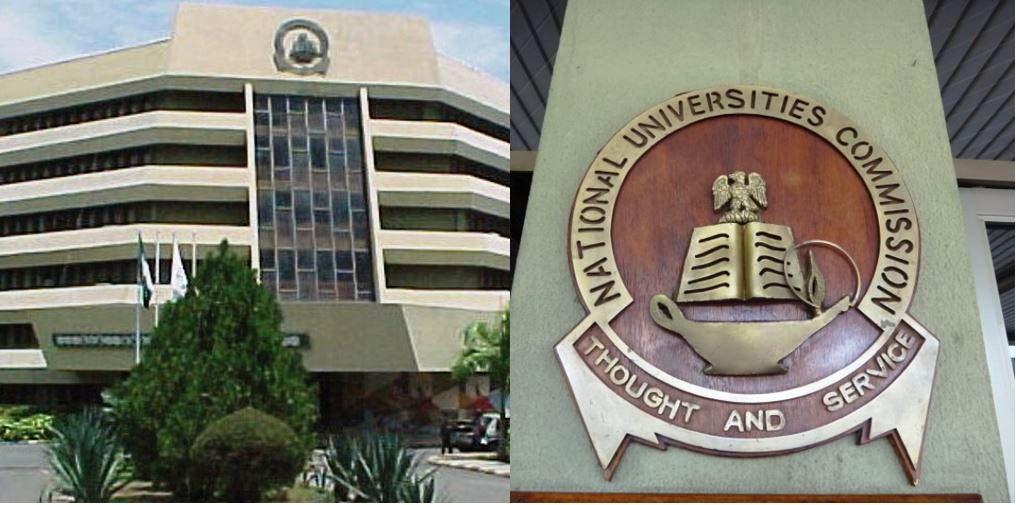
However, his weak first degree has so far blocked his aspiration to lecture at university. Two Nigerian universities have pointed this out to him, making reference to the minimum requirements set by the National Universities Commission (NUC).

The above revelation is akin to being denied admission to higher institutions because of one’s poor grades in primary school. I understand that a first-class or an upper second-class bachelor’s degree is a requirement for the position of graduate assistant in Nigerian universities, but the man’s case is different. Apart from his PGD and master’s degree, he also holds a PhD, the highest academic degree in Nigeria.

If his rejection is genuinely based on the NUC’s standards, the commission must review its standards. Aspiring lecturers’ previous qualifications should be checked only to ascertain a connection to the latest ones. Nonetheless, the grades in the latest qualifications may be considered a testament to the holders’ intellectual capacity.

Nigerien coup amidst ECOWAS diplomatic impotence

By Muhammad Muzdaleefa

The resurgence of military coups is thwarting Africa’s democratic journey. The recent coup d’état in Niger, which saw the ousting of President Mohamed Bazoum by the military, has not only shaken the stability of the country but has also laid bare the divisions and weaknesses within the Economic Community of West African States (ECOWAS). It has also exposed a wide cleavage between citizens of member countries and their governments on ECOWAS policy on Niger. 

As far as one can read the mood without the aid of a proper poll, support for military action against Niger would probably be less than 10 per cent across the region. In Niger, news footage suggests that the public is more solidly against ECOWAS military intervention. Somewhat or otherwise, the mainstream media and social media comments show deep scepticism about ECOWAS’ direction and intentions. Many, if not most, commentators believe that the West, especially France and the US, are behind the ECOWAS drive towards a military solution in Niger.

This has led to resentment, especially in the Francophone countries, where the citizens point out that ECOWAS has been silent at draconian French exploitation of their resources continuing long after independence.

One of the glaring weaknesses exhibited by ECOWAS in response to the Niger coup is its lack of unity and consistency among member states.

While some countries strongly condemned the coup and called for a swift return to civilian rule, others remained relatively silent, seemingly hesitant to take a decisive stance. This lack of a united front weakens the regional body’s influence and diminishes its ability to address such crises effectively.

Another aspect that has been brought to the forefront is ECOWAS’s flawed diplomatic approach. Despite constituting a mediation committee to engage with the coup leaders and negotiate a resolution, ECOWAS failed to halt the coup or achieve a viable solution. The committee’s lack of leverage and the limited consequences the perpetrator’s face have raised questions about the efficacy of diplomatic efforts and the regional body’s influence over military leaders.

ECOWAS has often resorted to imposing economic sanctions to exert pressure and resolve political crises. However, the effectiveness of such measures in addressing coups has been questionable. The reliance on economic sanctions has a limited impact, particularly in countries with weak economies and high poverty levels like Niger. 

The recent example of Mali, where sanctions failed to bring about meaningful change after a military coup, highlights the need a more comprehensive and proactive approach by ECOWAS. The situation has become even grimmer, with Russia increasingly stepping in to provide short-term assistance to cushion the effects of the sanctions against coup countries, which appear to have exchanged the influence of France with that of Russia.

What is worse is the fact that the Niger crisis has also highlighted ECOWAS’s inability to identify and address underlying issues that lead to political instability. This failure to take pre-emptive measures further exposes weaknesses within the organisation. Since ECOWAS gave an ultimatum to Niger, citizens in ECOWAS countries have voiced their disapproval against any military action, mainly because ECOWAS lacks the moral authority to send troops into Niger.

Many commentators have pointed out failure within member countries as a significant contributing factor undermining ECOWAS’s intentions. Some West African governments are dynasties, flawed elections taint others, while some have repressed their countries’ media and opposition parties. 

What principles does an ECOWAS military intervention in Niger seek to establish, and are they all practised in the countries that will impose them by force of arms in Niger? If democracy is essential to ECOWAS, it has to ensure that the complete panoply of democratic principles is firmly in place in all member countries. It cannot pick and choose. Therefore, to safeguard democracy, ECOWAS should invest more proactively in conflict prevention mechanisms, addressing socio-economic disparities, and promoting good governance across member states. 

Timely intervention in electoral processes, strengthening democratic institutions, and promoting dialogue are crucial steps towards avoiding crises before they occur. In addition, ECOWAS must develop a robust apparatus to communicate with citizens across the entire subcontinent and carry out programmes that promote dialogue between citizens and between citizens and governments. 

Does public opposition to military action signal a higher tolerance for military coups in West Africa? That is a difficult question, but there is no doubt that people have generally become disenchanted with the Western democratic model, given that poverty and lack of opportunity continue to be entrenched. At the same time, politicians are seen as opportunists who are in it for themselves. However, none of this can be interpreted to mean that people in West Africa prefer military regimes.

Significantly, however, the coup in Niger has exposed the leadership vacuum within ECOWAS. While the organisation has made progress in promoting regional integration and economic development, its political leadership role has been less pronounced. ECOWAS needs robust leadership capable of decisive action in times of crisis, backed by a clear framework and mechanisms that discourage power grabs and protect democratic systems.

The coup in Niger has exposed the weaknesses, divisions, and inconsistencies within ECOWAS. The regional body’s lack of unity, ineffective diplomacy, reliance on economic sanctions, inadequate pre-emptive measures, and leadership vacuum have hindered its ability to respond effectively to political instability. The regional body’s response to the coup has showcased its challenges in effectively addressing political crises, highlighting the need for a more cohesive and proactive approach to preserving democracy in the region.

To strengthen ECOWAS and protect democracy in the region, there is an urgent need for member states to forge a unified front, strengthen conflict prevention mechanisms, explore diplomatic alternatives, and foster strong leadership committed to preserving democratic values. Without addressing these fundamental issues, the fragile democratic gains achieved in West Africa may remain at risk, allowing further regional divisions and challenges to promote peace and stability.

Muzdaleefa wrote from Kaduna via mohammedadamu736@gmail.com.