Admin

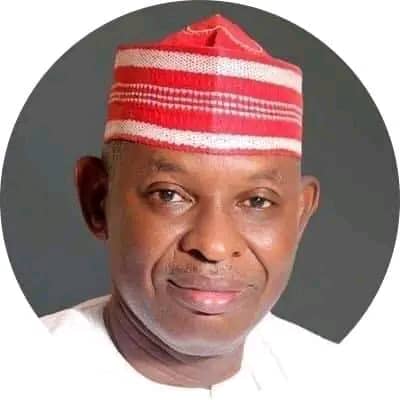
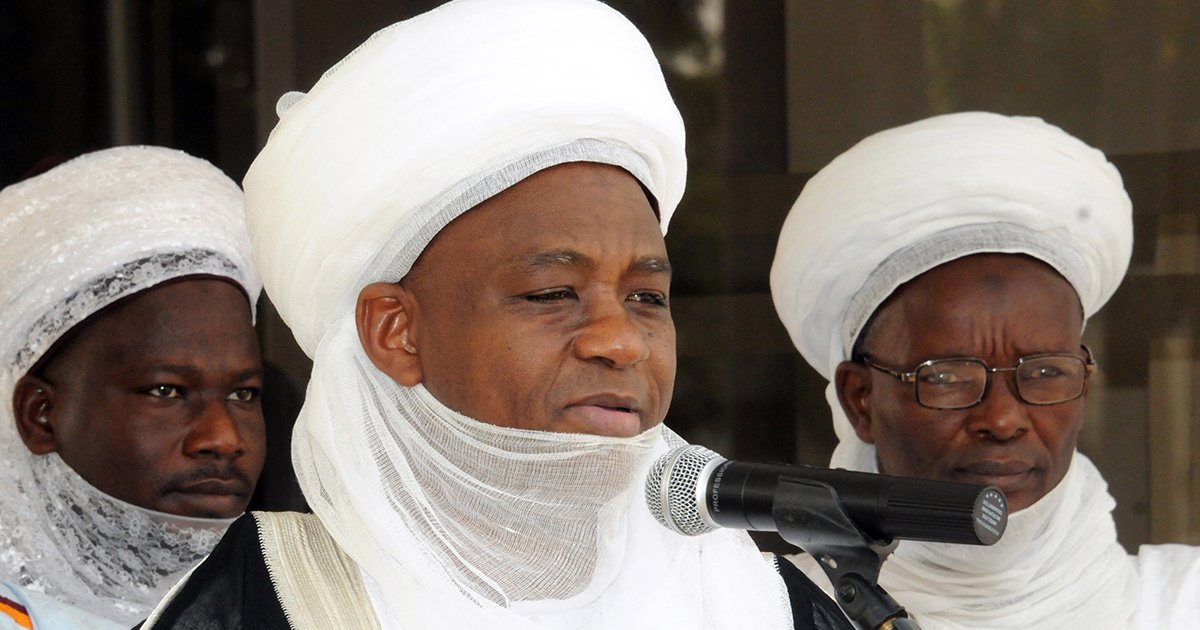
Double blessings: A tribute to Prof. Salisu Shehu

By Isma’il Hashim Abubakar, PhD

In one month, our mentor, leader, teacher, and father, Professor Salisu Shehu, the Vice Chancellor of Al-Istiqamah University Sumaila, Kano, and Deputy Secretary-General of the Nigerian Supreme Council of Islamic Affairs, received two distinguished honorary awards in recognition of his years of exemplary leadership, meritorious services, and contributions to the development of Islamic education.

The National Association of Teachers of Arabic and Islamic Studies (NATAIS) conferred one of these awards on Professor Salisu Shehu in a grand ceremony on November 16, 2024, at the Federal College of Education, Yola. The event was part of the Association’s 41st Annual International Conference. 

The note of the Association’s highest Merit Award, inscribed on the crest presented to our beloved mentor, reads, “For your Exemplary Leadership and Contributions Towards the Islamic Propagation and Development in Kano State and Nigeria at Large.” 

Coincidentally, the Bauchi State Qur’anic Recitation Competition in Jama’are presented the second award to the professor on the same day. Like its peer, this award recognises and celebrates the role played by our mentor in the dissemination of Islamic knowledge, societal enlightenment, and mentoring of the upcoming generation. 

Interestingly, however, this second award is both a reward of excellence and a turbaning ceremony of Professor Salisu Shehu as Khadimul Qur’an (Custodian of the Qur’an), the highest title that connotes the peak one attains in promoting the knowledge of Islamic Scripture. The note of the award reads, “Islamic Knowledge Award presented to Prof. Salisu Shehu, V.C, Al-Istiqamah University, Sumaila, Kano State, for his tireless efforts in spreading Islamic knowledge, guiding our community, and inspiring a new generation of Muslims to embrace their faith.Congratulations Khadimul Qur’an”.

For hundreds of mentees and millions of Muslim followers of Professor Salisu Shehu, these esteemed awards clearly testify to the commitment and devotion for which the Professor has been known over the decades. This reputation is justified by his successes in various positions, including his position and duties at Bayero University Kano, where he taught before becoming the founding Vice Chancellor of Al-Istiqamah University Sumaila.

Professor Salisu Shehu displayed an inimitable commitment to modifying the establishment of the Centre of Continuing Education establishment at Bayero University. The centre grew from strength to strength, eventually transforming into the Institute of Continuing Education (ICE) and finally to the School of Continuing Education (SCE). 

Professor Salisu Shehu was appointed as the first head of this centre, which started from scratch. He led a tenacious staff team, some of whom were younger colleagues he mentored or guided, to develop and upgrade this academic centre into a formidable educational unit of Bayero University. The place has already transformed from a diploma-awarding body to a degree-awarding school within one of Nigeria’s leading and most prestigious learning institutions.

Professor Salisu Shehu is a man in whom one can have confidence and a guarantee of success in any project or mission he undertakes or participates in. His years as the National Coordinator of the International Institute of Islamic Thought (IIIT) can, without much ado, testify to and validate this claim. Space will not allow us to marshal the achievements this Institute recorded when Professor Salisu Shehu headed it. 

The same can be said of various other capacities and ranks in which he served and holds, such as being the first  North-west Coordinator of JAMB organised for the visually impaired as the chairman of the Bauchi State Qur’anic Recitation Competition Committee (2007-2011); his role as the Executive Secretary of the Islamic Forum of Nigeria; Deputy Secretary-General, Nigerian Supreme Council of Islamic Affairs (NSCIA) and a host of other duties including imamship and delivery of sermons and Islamic lessons.

Besides all these, our distinguished scholar is also an effective mediator; all Nigerians can proudly vouch for his accomplishments. Northern Nigerian Muslims still remember the Professor’s role in facilitating the remarkable debate between some scholars and Abduljabbar Kabara, who shook the religious polity in Kano with his utterances that were considered highly aberrational. 

Nigerian citizens and their counterparts of the Niger Republic, as well as their posterities, will remain forever indebted to Professor Shehu and his colleagues among religious leaders who intervened and brought about an understanding that averted war between two neighbours.

As our mentor was conferred these honours by both NATAIS and the Bauchi State Qur’anic Recitation Competition Committee, we pray that he will continue to receive more recognition and blessings in his life. More importantly, however, we pray that these recognitions are precursors to Divine recognition and honour by Allah on the Day of Judgement in the Hereafter.

Isma’il writes from the Advancing Education and Research Centre (AERC) in Rabat and can be reached at ismailiiit18@gmail.com.

Port Harcourt refinery begins crude oil processing after multiple delays

By Uzair Adam

The Nigerian National Petroleum Company Limited (NNPCL) has announced that the Port Harcourt Refinery in Rivers State has finally commenced crude oil processing.

This development was disclosed by the Chief Corporate Communications Officer of the NNPCL, Femi Soneye, who described it as a significant achievement for the nation.

“Today marks a monumental achievement for Nigeria as the Port Harcourt Refinery officially commences crude oil processing.

This groundbreaking milestone signifies a new era of energy independence and economic growth for our nation,” Soneye said on Tuesday.

He commended President Bola Ahmed Tinubu, the NNPCL Board, and Group Chief Executive Officer Mele Kyari for their dedication to the project.

Truck loading operations are set to begin today, with the NNPCL also working on restoring operations at the Warri Refinery, Soneye added.

However, this milestone comes after the refinery missed several deadlines for resuming operations, including those set in March, August, and September 2024.

The Port Harcourt Refinery’s return to production is expected to ease Nigeria’s reliance on imported petroleum products while boosting the local economy.

Details later……..

Plateau First Lady flags off Project 10 Million campaign 

By Abdullahi Mukhtar Algasgaini

The Plateau State First Lady, Barr. Helen Caleb Mutfwang has stated that the Project 10 Million campaign is dedicated to screening and managing hypertension and diabetes mellitus in the state.

According to her, the project campaign represents a critical mission to improve the health and quality of life of the people of Plateau State. The state’s goal is to change lives, save lives, and work towards a healthier, stronger, and more vibrant Plateau. 

Barr. Helen explained that the initiative is about screening and increasing public awareness, gathering essential data, and fostering collaboration among stakeholders to make health services more accessible across the states and federal capital territory.

The First Lady added that by working together, the state can implement effective communication and data management strategies to guide interventions and improve Nigeria’s health and well-being. 

Barr. (Mrs.) Mutfwang, who commended the Nigeria Health Commissioners Forum (NHCF) for spearheading and domesticating the campaign, acknowledged its impact on the health and quality of life of the citizens, adding that it has the primary objective of screening over 200,000 Plateau residents for hypertension and diabetes and the secondary objective of collecting data on the prevalence of non-communicable diseases to better the state health policy and planning, among others.

Speaking earlier was the State Commissioner of Health, Dr Cletus Bako Shurkuk, who said the Project 10 Million is a national project with the theme: “KNOW YOUR NUMBER, CONTROL YOUR NUMBER”, saying it is aimed at screening 10 million Nigerians for hypertension and diabetes mellitus, which marks a significant step in the fight against non-communicable Diseases.

According to him, the project aims to provide immediate counselling and referral, link newly diagnosed patients to treatment facilities, increase public awareness about hypertension and diabetes, and improve data collection.

Shurkuk explained that selected primary and secondary healthcare facilities would screen 200,000 people across the seventeen local government areas.

He appreciated Barr. Helen Caleb Mutfwang for accepting to flag off the program and also serve as an ambassador. He called on people to take the screening exercises to learn about their blood pressure and sugar levels.

In a closing remark, the Permanent Secretary of the State Ministry of Health, Mr Gayi Timothy Gayi, appreciated Barr. Helen Caleb Mutfwang, the government, and development partners, among others, for gracing the occasion, urging the people to avail themselves to know their health status.

The high point of the event was the decoration of the First Lady as an ambassador of the project and her screening to determine her blood pressure level.

KILAF 2024: Cultural imperialism killing indigenous and local film market – Dr Victor Okhai

By Anwar Usman

Dr. Victor Okhai, a seasoned filmmaker and critic in Nigeria, decried that cultural imperialism has made people forget about Indigenous films, which has caused a significant setback in the local film industries.

This was made known during the Kano Indigenous Languages of Africa Film Market and Festival (KILAF) conference, which was held on Monday at the Faculty of Communications, Bayero University, Kano.

He explains that ” one thing about indigenous film is that it contains a variety of activities. One can see how a particular culture operates, their way of life, and other things contained within that particular culture that people cannot know without being portrayed in a local movie.”

Dr Okhai further added that people mainly rely heavily on American movies. As such, they ignore their own heritage and embrace the Western way of life, which later cultivates them and makes them behave in a particular way the filmmakers want.

He also asserts that “through local films, individuals within a particular culture can be able to know their roots, what their forefathers have done which they might not necessarily know.”

“Indigenous film serves as an important medium of explaining cultural heritage, an avenue for generating revenue and an important tool for entertainment,” Okhai stated.

Dr Radda’s entrepreneurial crusade: A cautionary tale

By Ibrahiym A. El-Caleel

Dr. Dikko Umaru Radda won the 2023 Katsina State gubernatorial elections and has since taken office. However, he seems to struggle with the transition from CEO of the Small and Medium Enterprises Development Agency of Nigeria (SMEDAN) to his new role. He keeps lecturing the youths on entrepreneurship, telling them that there are no jobs. He would always tell them why being a worker is a misfortune in today’s world. Surprisingly, he is never caught on tape talking about the key role of the government in entrepreneurship.

This society has normalized throwing jibes at salaried workers. People who despise salaried employees behave as if they are the next smartest people on earth since Albert Einstein while in reality, there is nothing spectacular in this. It is a tepid argument, and when Nigerian leaders do it, it reflects their reluctance to take responsibility for the economic challenges we face.

One significant reason for the current suffering of Nigerians is the systemic push of workers into poverty. Despite advancements in technology, automation, and artificial intelligence, no national economy thrives without the contributions of workers. Even if entrepreneurs automate production and supply chains, consumption remains a human necessity. Who will buy the products? Machines? No, it is people- primarily workers- who drive consumption. So, when anyone is throwing jibes at these employees, I usually imagine what planet they come from.

Let us return to Dr Radda and other Arewa leaders who always want to deliver free lectures on entrepreneurship. It is crucial to note that no business thrives in a commercially toxic environment. How have these Arewa leaders been able to create a conducive environment for business? They have always been in the business of blame games and never taking leadership responsibility seriously. This is exactly why it is easy today for President Tinubu and his Tax Boys to tell them they are rejecting his proposed VAT sharing formula because they have lazied around for too long, earning more Federal Account Allocation Committee (FAAC) than they actually deserve.

We have vast fields of arable land, yet companies like Nestle who need maize and soya beans prefer to set up their factories in Lagos. We have cattle that FrieslandCampina and Promasidor would ordinarily obtain fresh milk from through modern animal farming processes. However, these companies are based in Lagos because the north is either faced with farmers-herders clash on Monday, or fighting bandits on Tuesday, or discovering Lakurawa by Wednesday. Which multinational company will waste its time, energy and resources building a business in such an environment? This is why they prefer to be based in South-West, then buy these raw materials from up north and transport them for processing and ship some of it back to the north for consumption.

I will not discuss why 19 northern states believe they are okay with this type of poor electricity supply over the years. Your Kano and Kaduna textiles are dead; reptiles now live where we had textile machines and very many workers running shifts. Even on the planet Saturn, they are aware that no development happens without electricity in this modern age. But since Arewa leaders know an alternative way to do this, let us keep waiting for the miracle. I am sure it is very close to happening. Sokoto is just an inch away from advancing like South Korea, since Kaduna is already competing with Silicone Valley!

The other day, Dr Radda’s tape was virally circulated. He was still talking about workers, and how an Indomie Joint vendor earns better monthly income than them. The irony is that on 23 November, 2024, Daily Trust wrote a report that this type of business is crumbling. They cited that the astronomical rise in the prices of egg, milk, noodles and bread is telling on the business. Nigerians can no longer afford this. These food items have become a luxury to the who used to consume them. It is a pointer to the fact that people are getting poorer.

This was not always the case in Nigeria. Workers began suffering after Buhari did his trial and error economics for eight solid years, and now Tinubu is here to shut down the economy finally so that everyone can go and rest in their graves. Otherwise, ten years ago (2014 to be specific), a salaried worker on a minimum age of N18,900 could afford to buy a 50kg bag of foreign rice at N7,500 which he could feed his family for at least three months. He would still have the remainder of this salary which will at least cover his transportation to work. The political class destroyed this. The same political class which Katsina state governor belongs to.

In my opinion, the governor should realize that it is no longer the SMEDAN days. All Nigerians cannot be entrepreneurs. In every real national economy, the workers are always far more than the entrepreneurs. The earlier he and members of his social class come together to chart a sustainable economic plan for the north, the better for all of us. The South-West governors who have created economically viable environment are not begging their citizens to go into entrepreneurship. The citizens are identifying the opportunities already. When you put your house in order, you don’t need to tell anyone to start a business. People will naturally see the opportunities. This is why the South-West is ahead. It is not magic. They are deliberate about developing their environment, and this is a good one. Had other leaders developed their regions in a similar manner, we would not be fighting over the VAT sharing formula.

Arewa’s economic recovery starts from reviving the New Nigeria Development Company (NNDC) Limited to be what the Sardauna of Sokoto, Sir Ahmadu Bello meant it to be. Arewa governors should give politics a break and focus on governance by revitalizing the NNDC and truly investing in that company. NNDC was a big dream to save this region from the economic mess it has found itself today.

Sardauna was visionary and NNDC actually delivered on its objectives for decades before the Arewa governors class of 1999 to date decided to watch it die a slow and painful death, folding their arms and waiting for oil royalties from the newly found Kolmani oil in Gombe or Bauchi State. Arewa leaders should wake up and save this region. It is their responsibility. It is not the responsibility of Tinubu or FG or anyone. But your Excellency, please, allow workers to face their predicament. They were never in this situation until your political class decided to make them poor through extreme taxation and careless policies that spiked inflation to all record high. Therefore, if you cannot help them, you do not need to add insult to their injury.

El-Caleel writes from Kaduna State

Mai Martaba unveils new era for Hausa film industry – Expert

By Anas Abbas

Joseph Dame Ali, a lecturer in the Department of Theatre and Performing Arts at Bayero University, Kano, described the unique characteristics of Kannywood films, particularly emphasising the cultural significance and narrative depth of the Hausa movie Mai Martaba, directed by Prince Daniel Aboki.

Mr Ali made this known today during a paper presentation at the Kano Indigenous Languages of Africa Film and Festival ( KILAF ) conference at Bayero University, Kano.

The academic described Kannywood’s cinematic offerings as often predictable, yet he highlighted “Mai Martaba” as a notable exception.

He praised the film’s intricate storytelling, stating, “If you missed a second, you missed a lot.” The film’s vibrant portrayal of local culture is further viewed by its authentic costume, makeup, and props, which reflect a pre-Western colonial-era aesthetic.

The movie’s director, Prince Daniel Aboki, who is also a journalist, has chosen to cast largely unknown actors, allowing fresh talent to shine while keeping the audience engaged with a narrative-driven approach.

Ali emphasized that “the film relies heavily on narration, showcasing a storytelling style that resonates with viewers”.

Through his work on Mai Martaba, Aboki has established himself as a Kannywood actor, contributing significantly to the evolving landscape of Hausa cinema.

Nigeria has also selected the award-winning film as its official submission for the Best International Feature Film (IIF) category at the 97th Academy Awards, also known as the Oscars.

Kaduna Refinery will start operations in December 2024 – MD

By Abdullahi Mukhtar Algasgaini

The Managing Director of the Kaduna Refining and Petrochemical Company (KRPC), Dr. Mustafa Sugungun, has said that the ongoing Quick Fix Project for the Kaduna refinery is scheduled to be completed by the end of 2024.

 Recall that the Nigerian National Petroleum Company Limited (NNPCL) awarded a $741m contract to South Korea’s Daewoo Engineering & Construction to rehabilitate the Kaduna Refinery.

Under the quick-fix repair contract, the firm will restore production at the 110,000 barrels-a-day facility to at least 60 per cent of its capacity by the end of 2024.

Speaking during the commissioning ceremony of the renovated Rido Community Primary School and a solar-powered borehole in Maraban Rido, Kaduna State, as part of its Corporate Social Responsibility (CSR) initiatives, he emphasised the company’s commitment to improving the living standards of its host communities.

 The MD, who was represented by the Manager of Operations, Mr. Emmanuel Ajiboye, noted that the success of the Quick Fix Project will bring immense economic benefits and job opportunities, boost petty trading, and foster other local businesses.

He said the school renovation aims to provide a conducive learning environment for pupils and teachers, while the borehole is expected to address water scarcity in the community and reaffirm KRPC’s dedication to sustainable development through initiatives like youth empowerment, rural electrification, periodic medical outreach, and other community-focused programs.

He urged the Rido community to support the Quick Fix Project, noting that its success would further strengthen the relationship between KRPC and its host communities.

In her remarks, the Head Teacher of Rido Primary School, Mrs. Rachael Aduwak, commended KRPC for the good gesture. 

She also appealed to the company to construct a perimeter fence for the school, adding, “We appeal to KRPC to furnish our classes with tables, chairs, and chalkboard as most of our students are sitting on bare floors during class hours.”

Bandits attack foiled in Katsina, 14 rescued

By Uzair Adam

Katsina State police operatives successfully thwarted a kidnapping attempt by bandits on Sunday evening, rescuing 14 individuals and neutralizing one attacker.

The incident occurred at approximately 7:55 PM in Dan’arau village, located in the Magama-Jibia area of Jibia Local Government Area.

Armed bandits, wielding dangerous weapons, ambushed two commercial vehicles, aiming to kidnap the passengers.

Responding swiftly to a distress call, police officers engaged the bandits in a fierce gun battle.

The timely intervention led to the rescue of 14 hostages, while one of the assailants was fatally wounded.

Unfortunately, two victims sustained gunshot injuries during the confrontation.

They were immediately rushed to a nearby hospital for medical attention, but one succumbed to their injuries.

The state police command has commended the bravery of its officers and urged the public to remain vigilant and report any suspicious activity to the authorities.

NAF kills several terrorists in Lake Chad

By Anwar Usman

Operation Hadinkai of the Nigerian Air Force has destroyed a terrorists’ food depot and killed several insurgents during bombardment on their enclave at Jubillaram in the Tumbuns area of the Lake Chad Basin.

This was contained in a statement released by the Director of Public Relations and Information of the Nigerian Air Force, Air Commodore Olusola Akinboyewa, on Monday in Abuja.

Akinboyewa stated that NAF aircraft operated on 23 November at a strategic location identified through meticulous intelligence efforts.

The location was described as a critical food storage site and a holy place for terrorist commanders and fighters.

He added that intelligence had linked the terrorists in the area to recent attacks, including an assault on troops in Kareto on 16 November.

NAN reports that it was in response that NAF fighter jets launched a robust air interdiction mission, destroying identified structures used as storage facilities and neutralising terrorists on-site.

He further explained that the victory was facilitated by extensive Intelligence, Surveillance, and Reconnaissance missions conducted over several days, which confirmed the presence of terrorist structures camouflaged under dense vegetation.

“The destruction of the terrorist enclave, including food storage facilities, has severely disrupted their logistical operations, while the neutralisation of a significant number of fighters has diminished their capacity to launch future attacks,” Akinboyewa explained.

He further emphasised that the mission demonstrated the NAF’s unwavering commitment to safeguarding the nation and its people independently and in support of ground forces in counterterrorism operations.

He reiterated the NAF’s resolve to sustain robust independent and joint operations until all enemies of Nigeria’s prosperity and well-being are brought to justice.

A life well lived: Celebrating Alhaji Lalo’s century of love and legacy 

By Hafsat Lalo

“I might have just seen my father for the last time,” was the message I sent to my husband on WhatsApp as I sat in the car that was to take my niece, Fatima and me to Kano a day before I travelled to Japan. My husband responded, “Why, nobody knows; life is not in our hands.” I told him that Baba was very old, though he was very strong, and I wouldn’t be surprised if he lived another year. We both prayed for him, leaving the conversation there. 

Earlier that morning, I went into Baba’s room to say goodbye. As I entered, I was met with the familiar scent of the room, his unmistakable charisma and the aura that has always surrounded him. I could have sensed his presence even if he were not in that room. 

Baba was sitting on the couch wearing a brown jallabiya, having just performed his Fajr prayer. I greeted him; his calm demeanour contrasted with the wave of emotions inside me. He asked, “Kin fito?” (Are you ready to leave?). I nodded. After a brief silence, I said, “Baba, ka yafe min” (Father, please forgive me). Another silence followed, and both of us were lost in our thoughts. I thought about how this might be the last time I saw him. I don’t know what he was thinking, but I am sure he understood what I was implying. 

He asked, “A yafe miki?” (Should I forgive you?). I replied affirmatively, almost crying at this point. He said, “Toh Na yafe miki, ki je ki rike karatun Qur’ani da sallah a kan lokaci”. Those were his exact words.

It was no coincidence that he had given me a prayer mat (darduma) as a gift two days earlier. He mentioned he was planning to give me a prayer mat and a Qur’an. He handed me the prayer mat and gave me N2500 to buy the Qur’an, explaining that he had asked for the price and intended to buy it himself but hadn’t had the chance to stop on his way home. It took him a while to locate the money from his pocket. So I told him to leave it since I had money, but he insisted.

At the time, I didn’t fully grasp the significance of the prayer mat and the promise of a Qur’an. They seemed like Baba being Baba – I had received similar gifts from him before. In 2019, my younger sister brought me a prayer mat and Riyadussalihin, which Baba had asked her to give me. I gave out the prayer mat when I was getting married, but I still have the Riyadussalihin. It wasn’t until the day he died, as I was about to pray Asr that I noticed the prayer mat I was about to use was the very one he had given me. The realisation hit me very hard, and I again broke down in tears, sitting there and thinking about that one last encounter. I began to reflect deeply on their meaning. I realised they were no ordinary gifts—they were symbols of his life, the values he held dear, and a message to keep faith at the centre of my life, no matter how far I am from home.

Baba’s love for the Qur’an was unwavering throughout his life. Even as recently as five years ago, he remained a student of the Qur’an despite his age. He would stop at the market with my elder brother to learn the Qur’an. He also had teachers who came to the house in the evenings to teach him. His relentless pursuit of knowledge, even in his later years, was a testament to his humility and passion for learning.

Baba ensured that we all had access to (Western) education, something he was not privileged to have. I remember how he would often call and ask me to translate the news on TV for him. While I was doing it, I would see him looking at me with the pride of a father who was able to give his daughter what he couldn’t have.

As I was overwhelmed by these thoughts, I couldn’t help but think back to the day Baba passed away—a day that started like any other but carried an inexplicable heaviness. I had woken up unusually sad after seeing a picture of Baba at the hospital at around 2:30 am. I couldn’t go back to sleep after. The morning came, but I had no appetite and was in a foul mood. I couldn’t eat.

The hours dragged on, clouded by unease, until that message from Ahmad came: ‘Baba ya rasu.’ When I read it, time seemed to stop, and my body went numb. It wasn’t just the news of Baba’s death; It was the fact that the message brought back the pain of losing my mom. It felt as though I had lost both of my parents all over again, and I cried for the two people who brought me into this world and shaped who I am. 

Baba, your death has torn me apart, and the fact that I wasn’t there with you in your final moments will haunt me forever. But I promise to hold on to your final gifts; no matter where life takes me, I will hold on to them. Being your daughter is the second most incredible honour of my life. Thank you for leaving us a good name and a legacy of integrity, Baban Umma. May Allah grant you eternal rest, forgive your shortcomings and grant you the highest rank in Jannah. 

He left behind a remarkable family: six wives, three of whom are deceased, 50 children (nine of whom are deceased), 116 grandchildren, and 55 great-grandchildren.

Hafsat Lalo wrote from Japan via hafsahlalo@gmail.com.