Admin

Talking about access to quality healthcare for some Nigerians


By Usman Muhammad Salihu

Access to quality healthcare remains a pressing issue in Nigeria, particularly for the millions living in rural areas. Despite various initiatives to improve healthcare delivery, rural communities continue to face significant barriers, resulting in poor health outcomes and deepening inequalities in the healthcare system. 

These challenges underscore the urgent need for targeted interventions to bridge the gap between urban and rural healthcare access. One of the most significant challenges rural communities face is geographical isolation. Many villages and settlements are far from urban centres where most healthcare facilities are concentrated. 

The distance to the nearest hospital or clinic can sometimes span hundreds of kilometres, making timely access to care nearly impossible for many rural residents. This problem is exacerbated during medical emergencies, where every second counts, yet patients must endure long and arduous journeys before reaching medical help.

A chronic lack of healthcare infrastructure plagues Nigeria’s rural areas. Many villages do not have hospitals or clinics; even where facilities exist, they are often under-resourced. Shortages of essential medical supplies, equipment, and trained personnel are common, making providing even basic healthcare services difficult. 

According to a report by the World Health Organization (WHO), Nigeria needs to increase the number of healthcare workers and facilities to meet the growing demands of its population, particularly in underserved rural areas. Poor transportation systems further compound the challenges of accessing healthcare in rural Nigeria. 

The lack of reliable road networks, especially during the rainy season, leaves many rural areas cut off from healthcare services. Sometimes, patients must travel on foot or rely on motorcycles, which may not be suitable for critically ill individuals. 

The absence of affordable public transport options also limits the ability of rural residents to seek medical care, particularly for routine check-ups or preventive healthcare. Financial hardship is another significant barrier. Many rural residents are subsistence farmers or engage in informal sector jobs with little to no stable income. 

As a result, they often cannot afford healthcare services, especially when these are not subsidised. Even when free services are available, hidden costs such as transportation, medication, and unofficial fees can deter people from seeking care.

Cultural beliefs and language differences present additional hurdles for rural communities. In some areas, traditional medicine is preferred over modern healthcare, leading to delays in seeking professional medical attention. Furthermore, healthcare providers unfamiliar with local languages and cultural practices may struggle to communicate effectively with patients, resulting in misunderstandings and mistrust.

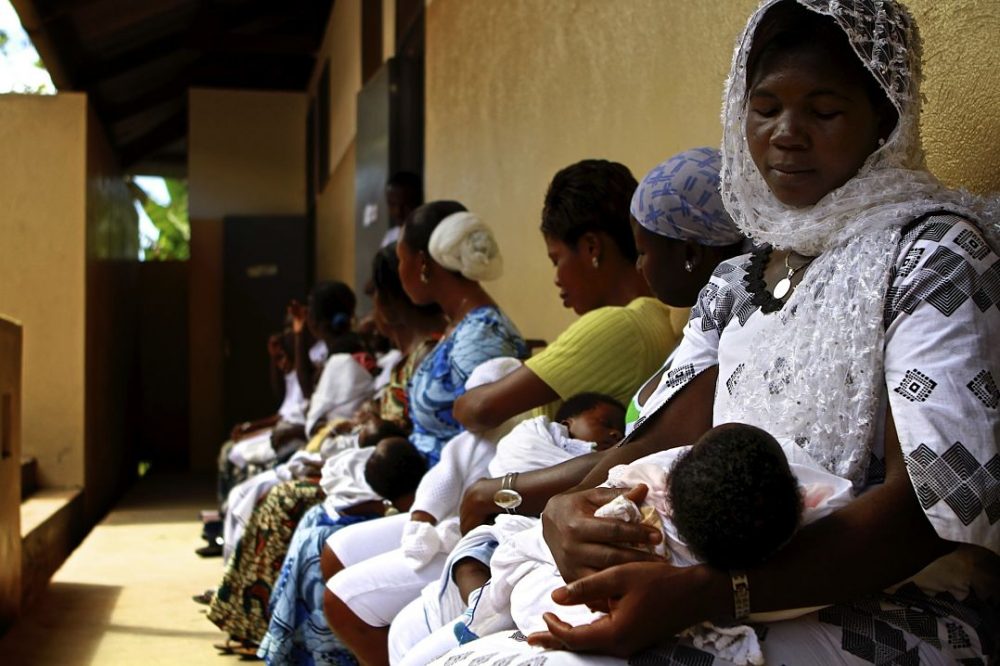
The challenges of accessing healthcare in rural areas have far-reaching consequences. One of the most alarming is poor health outcomes, including higher rates of maternal and infant mortality. According to UNICEF, Nigeria accounts for a significant proportion of global maternal deaths, with rural women disproportionately affected due to a lack of access to skilled birth attendants and emergency obstetric care.

Delayed treatment is another critical issue. The inability to access healthcare promptly often leads to the progression of diseases to more severe stages, reducing the chances of successful treatment. For example, conditions like hypertension or diabetes, which can be managed with early intervention, often go undiagnosed and untreated in rural areas, leading to life-threatening complications.

Additionally, the economic burden of healthcare is devastating for rural households. The cost of treatment can deplete a family’s savings, forcing them to sell assets or take on debt. This cycle of poverty further entrenches the disparities between urban and rural populations.

Addressing these challenges requires a multi-pronged approach. Governments and stakeholders must prioritise investment in rural healthcare infrastructure. Building and equipping clinics and hospitals in underserved areas is critical to reducing the geographical barriers rural communities face. Additionally, mobile clinics and telemedicine programs can bring healthcare services closer to people who live in remote locations.

Community-based healthcare programs are another effective solution. Training and deploying community health workers to provide essential services such as immunisations, maternal care, and health education can significantly improve health outcomes. These workers can serve as rural residents’ first point of contact, offering accessible and culturally appropriate care.

Financial support for rural residents is equally important. Subsidising healthcare costs through insurance schemes or direct financial aid can ensure that rural populations can afford essential services without economic hardship. The government’s National Health Insurance Scheme (NHIS) should be expanded and tailored to adequately cover rural residents.

Finally, addressing cultural and language barriers is essential for fostering trust between healthcare providers and rural communities. Training healthcare workers in cultural sensitivity and local languages can improve communication and encourage more people to seek care. Public health campaigns should also engage community leaders and use culturally relevant messaging to promote modern healthcare practices.

To conclude, the healthcare challenges in rural Nigeria are deeply rooted in geographical, infrastructural, financial, and cultural issues. However, these challenges are not insurmountable. 

Nigeria can take significant steps toward achieving equitable healthcare access for all its citizens by investing in rural healthcare infrastructure, implementing community-based programs, providing financial support, and addressing cultural barriers. Ensuring that no one is left behind in the quest for quality healthcare is a moral imperative and a necessary foundation for the nation’s development and prosperity.

Usman Muhammad Salihu was among the pioneer cohorts of the PRNigeria Young Communication Fellowship and wrote in from Jos via muhammadu5363@gmail.com.

Jesus Christ (peace be unto him) is not God!

By Bin Isah

In the last couple of days, social media platforms were inundated with discussions about a banner posted in front of Lekki mosque with this message: “Jesus Christ is not God! He is a prophet and messenger of God!”

It appears this simple and clear message from the Qur’an does not sit well with some Nigerian Christians who see it as an attack on their religion or in other words, a provocation and, a blasphemy.

This misunderstanding is either rooted from the ignorance of other religions, Islam for example, or some people want to shout fire while there’s no even smoke. This reminds me to ask of what use are all those interfaith gatherings between Nigerian Christians and Muslims?

Is it a new thing to Nigerian Christians that Jesus is not God in Islamic religion? Or saying that in a banner in front of a mosque (not church) is what makes it a sin? A provocation? A blasphemy?

The problem is that Muslims have Jesus Christ in their Islamic faith, but a Jesus Christ with a mission as a Messenger of God. Not like the Christians that claim to have no Muhammad SAW in Christianity, which means they have little to say about him.

For this reason, Muslims have a set of beliefs about Jesus Christ as one of the prophets of Allah in whom we believe. And the beliefs are diametrically not in sync with the mainstream concept of Jesus Christ in Christianity. So, whenever we portray Jesus Christ the way he is conceived in Islam, it would be a problem to them. It’s offensive, and nobody actually intended to offend them.

The thing is that, the Muslim community have an obligation to convey the message of Islam, and to declare its proclamations with no fear or compromise. Its plain truth! Our religion requires us to declare Jesus as a prophet and messenger of God, not as a God himself. Jesus is not God is a message of Islam to the world. In no time or place, Muslims are asked to state otherwise.

The trouble is that, Christians will never settle with the Islamic concept of Jesus Christ. In the same vein, however, Muslims seem to tolerate Christians that declare Jesus as God, because it’s offensive to Islam and Muslims to declare Jesus as such, because it’s part and parcel of Islamic core beliefs to believe and declare that Jesus is not God, but a prophet sent by God SWT.

In fact, the Christians write “JESUS IS LORD” with total freedom on banners at different places of worships and even on the main roads on billboards, yet Muslims cannot state their own belief in Jesus Christ in like manner. In fact, it’s offensive to Muslims and Islam, but we accept this is what Christians believe. So, if according to Christian faith, Christians can write Jesus is God, then Muslims should have the right to write Jesus is not God, according to their faith.

I blame the Nigerian clergy people for not properly teaching their congregants knowledge of other religions and their scriptures. It is a clear mischief which leads to interreligious conflicts.

Indeed, Jesus is not God but a revered prophet and great servant of God.

Nigeria Customs Service promotes 1,419 junior officers

The Nigeria Customs Service (NCS) has announced the promotion of 1,419 junior officers across various ranks.

This decision was made during the 10th Management meeting, chaired by the Comptroller General of Customs (CGC), Bashir Adewale Adeniyi MFR, on November 29, 2024.

The promotion list includes both General Duty and Support Staff who excelled in the 2024 promotion exercise.

A total of 346 General Duty and 384 Support Staff officers were elevated from Assistant Inspector of Customs (AIC) to Inspector of Customs (IC).

Additionally, 4 General Duty and 13 Support Staff officers advanced from Customs Assistant I (CAI) to Assistant Inspector of Customs (AIC), while 372 General Duty and 59 Support Staff officers moved up from Customs Assistant II (CAII) to Customs Assistant I (CAI).

Furthermore, 188 General Duty and 54 Support Staff officers were promoted from Customs Assistant III (CAIII) to Customs Assistant II (CAII).

According to the NCS, this strategic advancement underscores the transformative leadership of the NCS management team under the visionary stewardship of CGC Adeniyi.

“By prioritising career growth as a cornerstone of workforce motivation, his administration inspires a culture of excellence, empowering employees to achieve their full potential and driving the organisation toward unparalleled service delivery”.

The CGC has urged the newly promoted officers to redouble their efforts in fulfilling the Service’s core mandates of revenue generation, suppression of smuggling, and trade facilitation.

The promotion list for senior officers is currently being processed, pending approval by the Nigeria Customs Service Board.

NBS: Over 25 million phones stolen in Nigeria within a year

By Uzair Adam

The National Bureau of Statistics (NBS) has revealed that over 25 million phones were stolen in Nigeria between March 2023 and April 2024.

This is according to findings from the bureau’s Crime Experience and Security Perception Survey 2024.

The report highlighted that approximately 17,965,741 individuals experienced phone theft during the reference period, making it the most prevalent crime at the individual level.

It noted that 13.8% of Nigerians reported phone theft, which accounts for a significant proportion of the 21.4% of citizens who reported being victims of crime overall.

The survey further disclosed that seven out of every 10 stolen phones were taken either at home or in public spaces.

Despite this, less than 10% of victims reported these incidents to the police, citing various reasons for their reluctance.

Among those who reported, only 11.7% expressed satisfaction with the police response.

This report underscores the pervasive nature of phone theft in the country, emphasizing the need for improved security measures and better law enforcement responses.

Kano launches comprehensive anti-corruption strategies

By Uzair Adam

The Kano State Government has implemented a series of measures to strengthen its anti-corruption framework and improve governance.

Speaking during the commemoration of the 2024 International Anti-Corruption Day and Human Rights Day on Tuesday, Governor Abba Kabir Yusuf unveiled the Kano Integrated Governance Accountability System.

The system, to be implemented across all 44 local government areas, will utilize an e-portal to enhance transparency in contract awards and public administration.

Governor Yusuf highlighted the state’s progress in developing a Central Criminal Register Software designed to streamline the criminal justice process, ensure fairness, and combat corruption effectively.

“To bolster our anti-corruption efforts, we have proposed amendments to the Kano State Public Complaints and Anti-Corruption Law and are working on a Proceeds of Crime Bill to ensure transparent management of recovered assets,” Yusuf stated.

He described the significance of eradicating corruption as a “cancer that erodes trust and undermines institutions.”

He also linked anti-corruption efforts to protecting human rights, stressing the administration’s commitment to justice, equity, and accountability.

The event featured a symposium and an evening musical concert to engage stakeholders, particularly youth, in the fight against corruption, human rights abuses, and gender-based violence.

The Governor commended the Kano State Public Complaints and Anti-Corruption Commission, which is led by Barrister Muhuyi Magaji Rimingado, for its dedication to promoting transparency and accountability.

He also extended appreciation to federal anti-corruption agencies, including the EFCC, ICPC, and the National Human Rights Commission, as well as development partners like the MacArthur Foundation and ROLAC, for their collaborative efforts.

In his address, Barrister Rimingado reiterated the Commission’s commitment to tackling corruption and urged young Nigerians to participate in the fight actively.

The state’s Attorney General, Haruna Isa-Dederi, also praised the Governor for providing an enabling environment and revealed that the Ministry of Justice now has an Anti-Corruption Unit empowered to investigate and prosecute cases.

Representing the ICPC Chairman, Ibrahim Garba-Kagara highlighted the challenges of combating corruption, citing insufficient political will and public awareness as key obstacles.

However, he commended Kano State’s proactive approach and encouraged youth participation.

The symposium drew participants from various sectors, including representatives from primary, secondary, and tertiary institutions and officials from the EFCC, DSS, Code of Conduct Bureau, civil society organizations, and the Kano State Police Command.

The initiatives unveiled underscore the state’s commitment to fostering transparency, accountability, and inclusive governance.

Harmattan health alert: Expert advice for staying safe

By Anas Abbas

As the Harmattan season arrives in northern Nigeria, its dry, dusty winds from the Sahara present both beauty and challenges. Lasting from late November to mid-March, this weather phenomenon often worsens respiratory and skin health issues. Medical experts offer essential advice to help individuals protect their well-being during this period of challenges.

In an exclusive interview, Dr Naser Yakubu Ismail, a seasoned medical doctor, shed light on key health risks associated with Harmattan and how to address them effectively.

Respiratory Health: A Key Concern

“The dry air and dust particles characteristic of Harmattan frequently trigger asthma attacks, bronchitis, and allergies,” warned Dr. Naser in a report by The Daily Reality. He stressed the importance of taking proactive steps to prevent respiratory complications during this period.

Skin Issues on the Rise

Beyond respiratory concerns, Harmattan’s low humidity often worsens skin conditions, such as dryness and eczema. “The dry air strips the skin of its natural moisture, leading to irritation and discomfort,” Dr. Naser explained. Those with pre-existing skin conditions may experience heightened symptoms, making proper skincare essential.

Additionally, cold temperatures can pose heightened risks for individuals with sickle cell disease, as they are more susceptible to painful crises triggered by sudden drops in temperature.

Expert-Recommended Preventive Measures

To reduce health risks during Harmattan, Dr. Naser provided several practical tips:

1. Stay Hydrated

“Drinking plenty of water is crucial to keeping both the skin and respiratory system moist,” he advised. Adequate hydration supports skin elasticity and overall respiratory function, lowering the risk of complications.

2. Dress Appropriately

For individuals with sickle cell disease, staying warm is non-negotiable. “Wear layers, including sweaters, hoodies, and socks, to retain body heat,” Dr. Naser recommended. Minimising exposure to extreme cold by staying indoors during frigid weather is also advised.

3. Manage Asthma and Allergies

Asthma patients are particularly vulnerable during Harmattan. Dr. Naser emphasised the importance of identifying and avoiding triggers such as cold air, dust, and pollen. He also encouraged consistent use of prescribed medications and maintaining a dust-free home environment.

4. Combat Dry Skin

Using moisturisers regularly can alleviate skin dryness. “Apply a thick layer of cream or ointment after bathing to lock in moisture and protect the skin,” Dr Naser suggested.

5. Monitor Symptoms

“Be vigilant about health symptoms during this season,” Dr. Naser cautioned. Persistent coughing, shortness of breath, severe headaches, or unusual fatigue should not be ignored. Individuals experiencing these symptoms, especially those with underlying health conditions, should seek prompt medical attention.

A Call for Vigilance and Proactivity

Dr Naser urged the community to prioritise their health during Harmattan. “Stay informed about weather conditions, take preventive measures seriously, and don’t hesitate to seek medical advice if needed,” he said.

Adhering to these recommendations—staying hydrated, protecting the skin, and prioritising respiratory health—individuals can mitigate the adverse effects of Harmattan. Awareness and proactive measures are essential for ensuring a healthy and safe season for all.

Nigerian Senate moves to ban use of foreign currencies

By Sabiu Abdullahi

The Nigerian Senate has taken the first step towards banning the use of foreign currencies in the country.

A bill seeking to prohibit the use of foreign currency in Nigeria has scaled first reading in the House of Senate.

The proposed legislation, sponsored by Senator Ned Nwoko, aims to ensure that all payments, including salaries and transactions, are made using the local currency, the naira.

According to Senator Nwoko, the widespread use of foreign currencies in Nigeria’s financial system undermines the value of the naira.

He described the use of foreign currencies like the dollar and pound sterling as a “colonial relic” that hinders Nigeria’s economic independence.

The bill, titled “A Bill for an Act to Alter the Central Bank of Nigeria Act, 2007, No. 7, to Prohibit the Use of Foreign Currencies for Remuneration and Other Related Matters,” seeks to amend the Central Bank of Nigeria Act, 2007.

This development has sparked mixed reactions, with some Nigerians expressing support for the move, while others have raised concerns about its potential impact on the economy.

Kano flags off unity games to foster harmony under One Kano Initiative

By Uzair Adam

The Kano State Government, under the One Kano Initiative, has unveiled a Unity Games competition aimed at strengthening bonds among its citizens. It was gathered that the event features football and a variety of other sports, with participants drawn from communities across the state.

Speaking during a press briefing at the Kano Pillars Stadium on Sunday, the Director-General of the One Kano Initiative, Edidiong Etefia, said the games aim to foster long-term unity in the state.

“The primary focus of the Unity Games is to bring people together. Kano’s history is rooted in unity, and this initiative is a reflection of that foundation,” he said.

He stated that the sporting activities include a marathon, women’s table tennis, snooker, and football, adding that the games are set to commence on the 19th of this month, starting with the marathon.

Etefia lauded Governor Abba Kabir Yusuf’s vision of an inclusive Kano, emphasizing the governor’s dedication to unity and development. “His Excellency has made it clear that division has no place in Kano State. Division halts progress and disrupts prosperity. This initiative is a testament to the governor’s passion for uniting Kano’s people,” he stated.

He added that the theme of the event, “Unity for Prosperity,” encapsulates the idea that unity is essential for the state’s advancement.

“We are fully prepared for the games, and the winners will receive well-deserved prizes,” he added.

Etefia also highlighted Kano’s historical legacy of unity, referencing the construction of the Kano City Wall as a symbol of collective effort.

“The City Wall is an architectural masterpiece created by a united people. This same spirit made Kano a center of commerce in West Africa and beyond,” he said.

He addressed the significance of football in the initiative, noting its universal appeal.

“Football is a unique sport that transcends differences and unites people.

“It creates joy and fosters participation without bias, making it an ideal platform for promoting harmony,” Etefia explained.

The Unity Games are sponsored by Governor Abba Kabir Yusuf, with additional support from the Ministry of Youth and Sports Development, KANIVEST, One Geria Services, Mamuda Group, and other partners.

Kemi Badenoch on the cross of ignorance: A rejoinder to her misrepresentation of British and Northern Nigeria’s history

By Sanusi Maikudi 

In her recent remarks, Rt. Hon. Kemi Badenoch, the leader of the UK Conservative Party, reportedly dismissed associations with Nigeria beyond her Yoruba heritage. She distanced herself from Northern Nigeria and associated it narrowly with Islamism. These comments, replete with historical ignorance and political misjudgement, reflect poorly on her understanding of the intertwined histories of Britain and Nigeria and, by extension, her role as a leader in one of the world’s oldest democracies.

It is troubling that Badenoch, a figure who aspires to statesmanship, would exhibit such a parochial view of her heritage and the complex relationship between the United Kingdom and Northern Nigeria. Her remarks not only betray an ignorance of British colonial history but also reflect a failure to grasp the significance of global citizenship—an essential quality for anyone seeking to lead in a post-imperial world.

Misunderstanding History

Badenoch’s attempt to disassociate herself from Northern Nigeria exposes a glaring lack of awareness about the region’s rich and diverse history. Long before colonialism, Northern Nigeria boasted a sophisticated socio-political structure exemplified by the Sokoto Caliphate and other emirates. These entities maintained written records, produced scholarly works in Arabic, and upheld organised governance systems.

British colonial explorers and missionaries documented these structures extensively. Figures like Hugh Clapperton, Mungo Park, and Frederick Lugard not only travelled through Northern Nigeria but also admired its governance systems. The British colonial administration, recognising the efficacy of Northern Nigeria’s traditional leadership, adopted the system of indirect rule to govern the region. This is a testament to the historical and administrative depth of the region—a depth Badenoch seems to have overlooked.

Furthermore, the Christian missionaries who ventured into Northern Nigeria risked their lives not to trivialise or divide but to understand and engage with its people. Their contributions are preserved in archives that form part of Britain’s collective memory. Denying or dismissing this history is ignorant and disrespectful to the legacy of British-Nigerian relations.

A Failure of Diplomacy

As a leader in a global power, Badenoch is expected to demonstrate diplomatic acumen and cultural sensitivity. Her dismissive remarks, however, suggest a narrow worldview that is unbecoming of someone in her position. Britain’s legacy as the patron of the Commonwealth—a union of diverse nations shaped by shared history—requires its leaders to embody inclusivity and understanding.

Badenoch undermines her credibility by distancing herself from Northern Nigeria in such a derogatory manner. Her comments seem less like the musings of a seasoned statesperson and more like pandering to fringe nationalist sentiments. Was she addressing British society, which has long recognised and documented the importance of Northern Nigeria? Or was she appealing to a clandestine audience of Yoruba nationalist agitators? Either way, her remarks reveal a political novice more concerned with short-term rhetoric than long-term statesmanship.

The Irony of Her Position

Badenoch’s position as a British politician of Nigerian descent is itself a product of the historical forces she now dismisses. Like many others from former colonies, her parents benefited from the opportunities created by Britain’s imperial legacy. She was born in London, a city shaped by centuries of global migration and colonial history. Ironically, the very system she now seeks to lead is a product of the multiculturalism and interconnectedness she seems to reject.

It is also worth noting that Badenoch’s rise to prominence coincides with the UK’s struggles with political leadership. The Conservative Party’s internal crises have eroded its cadre of charismatic leaders, paving the way for figures like Badenoch. Yet her divisive rhetoric and lack of historical understanding alienate mature voters and diminish her standing as a potential statesperson.

Populism and the Far-Right Trap

While Badenoch may be tempted to align herself with the growing populist and far-right ideologies in Europe, she is ultimately a victim of these movements, not a beneficiary. The same far-right ideologies that demonise immigrants and minorities would not spare someone of her background. Her attempts to position herself as “more Catholic than the Pope” by demonising others only highlight her vulnerability within such spaces.

Conclusion

Rt. Hon. Kemi Badenoch’s recent remarks reveal a troubling ignorance of British and Nigerian history. Her attempt to distance herself from Northern Nigeria not only disrespects the region’s rich heritage but also undermines her credibility as a leader in a globalised world. Her rhetoric, steeped in parochialism and divisiveness, starkly contrasts the qualities of diplomacy, wisdom, and inclusivity required of a true statesperson.

Rather than deriding others, Badenoch would reflect on the interconnected histories of the nations she represents and aspire to a leadership style that unites rather than divides. As history has shown, those who fail to learn from the past are often relegated to its margins. Let her words serve as a reminder of the perils of ignorance and the importance of informed leadership in a complex, interconnected world.

Sanusi Maikudi wrote from the Network for Justice, Kaduna, Nigeria, via sanusihmaikudi@yahoo.com.

49 rescued from Benue boat mishap– NEMA

By Anwar Usman

The National Emergency Management Agency on Monday said a total of 49 persons have been rescued and three dead bodies were found from the boat accident that occurred along River Benue in Agatu Local Government Area of Benue State.

A statement by NEMA indicated that the accident involved 76 passengers in the boat, as the driver, unaware of a submerged tree in the river accidentally navigated into it, causing the boat to tip off and capsize.

“The unfortunate incident took place on Saturday, December 15th, around 7:00 PM. The passengers were said to be returning home from the Ocholonya Market, a major economic hub that draws traders from several communities in Agatu and neighbouring states, including Nasarawa State.

“Aoart from the rescued passengers, one of the victims managed to swim to safety while 23 persons are still missing. Most of the boat passengers were from Odenyi Magaji and other communities of Nasarawa State,” it stated.

The agency emphasised that it is working with the Benue State Emergency Management Agency and other stakeholders including the local authorities and divers to expedite the ongoing search and rescue operations to trace the remaining missing passengers.

“NEMA has also established contacts with the Nigerian Navy to provide more support for the search and rescue,” it added.