Admin

FG moves to end HND–B.Sc divide, grants polytechnics degree-awarding powers

By Uzair Adam

The Federal Government has announced plans to abolish the long-standing dichotomy between Higher National Diploma (HND) and university degrees by empowering polytechnics to award degrees, a reform aimed at repositioning technical and vocational education as a key driver of national development.

The Minister of Education, Dr. Tunji Alausa, disclosed this on Wednesday in Abuja while addressing a high-level retreat of council chairmen, commissioners of education, rectors, registrars and bursars of polytechnics across the country.

Describing the move as a landmark policy shift, the minister said the reform would end decades of discrimination against polytechnic graduates and reposition the institutions as centres of excellence within Nigeria’s higher education system.

He explained that the initiative would strengthen polytechnic education while preserving its core advantage of hands-on, industry-oriented training.

According to Dr. Alausa, Nigeria’s future competitiveness depends largely on a workforce capable of creating, building and solving real-world problems.

He added that the policy was in line with President Bola Ahmed Tinubu’s Renewed Hope Agenda, which prioritises job creation, industrial growth and human capital development.

With the new degree-awarding status, polytechnics are expected to attract stronger industry partnerships, improved funding opportunities and increased public confidence.

The minister assured stakeholders that the transition would be guided by clear standards, strong regulation and robust quality assurance mechanisms to ensure global competitiveness.

Speaking on the theme, “Transforming Polytechnic Education in Nigeria: Innovation, Good Governance and Sustainability for National Development,” Dr. Alausa noted that polytechnics remain critical to building a skills-driven economy.

He said the ministry had placed priority on Technical and Vocational Education and Training (TVET) to ensure graduates are industry-ready, innovative and capable of driving economic growth.

He urged polytechnic leaders to promote innovation through entrepreneurship centres, research hubs and strong industry linkages, identifying renewable energy, agri-technology, digital manufacturing and climate-resilient solutions as key priority areas.

On governance, the minister warned that transparency, accountability and ethical leadership must define the new era of polytechnic administration.

He called for fiscal discipline, timely audits, prudent management of resources and zero tolerance for corruption.

Dr. Alausa also emphasised sustainability, encouraging institutions to boost internally generated revenue through production and services, develop eco-friendly campuses and build resilient infrastructure.

Polytechnics, he said, should aim to produce what they consume and contribute to reducing Nigeria’s dependence on imports.While acknowledging challenges such as funding gaps, outdated facilities and societal bias in favour of university degrees, the minister maintained that the opportunities ahead were far greater.

He reaffirmed the federal government’s commitment to supporting polytechnics through policy reforms, infrastructure upgrades and strategic partnerships.

He further announced a special TETFund intervention this year to upgrade engineering schools in polytechnics with modern equipment, following a similar intervention for 12 medical colleges last year.

Charging participants to return to their institutions as agents of change, Dr. Alausa said, “The future of our youth, our economy and our nation depends on the transformation we ignite here today.”

Education experts at the retreat described the announcement as a turning point, noting that it would boost enrolment, motivate students and staff, and enhance the contribution of polytechnics to sectors such as manufacturing, technology, agriculture and renewable energy.

Neighborhood residents who spread false claims about murdered mother, six children exposed by police

By Abdullahi Mukhtar Algasgaini

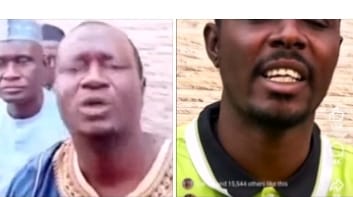
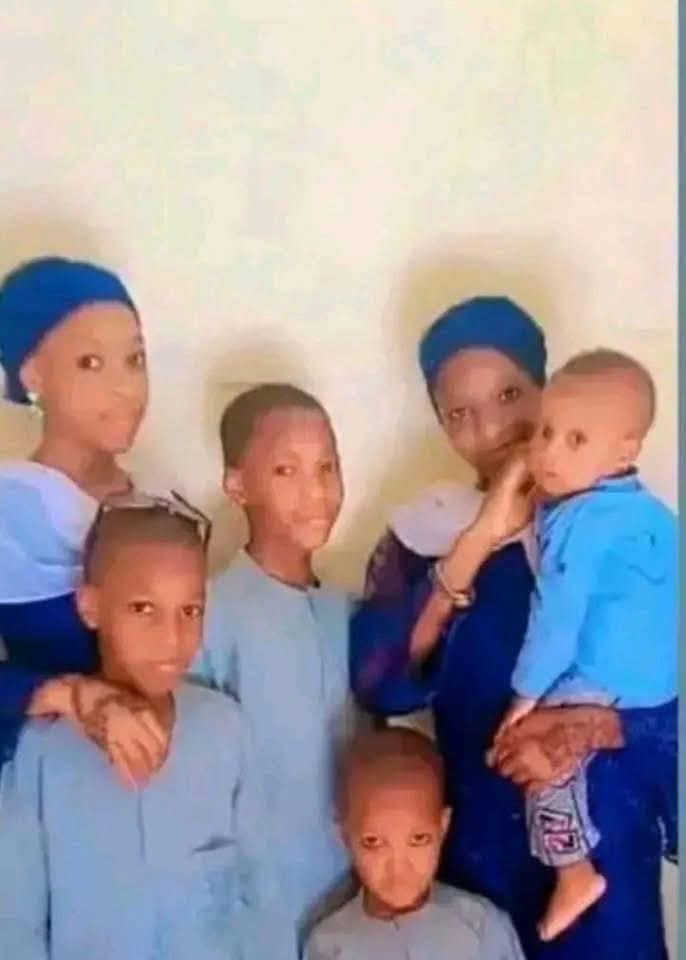
The Kano State Police Command has finally identified and exposed individuals from the local community who failed to assist Fatima Abubakar and her six children while they were alive, but later took to social media to spread fabricated stories after the family was tragically murdered.

The police spokesperson, Abdullahi Haruna Kiyawa, revealed this development in a short video posted on his official Facebook page.

The video featured the implicated individuals, alongside a stark caption that translates to: “It’s easy to be brave after the deed! You refused to help the woman and her children, only to come and weave lies.”

This statement directly contradicts earlier sensational claims made by these residents, who had given conflicting accounts to the police before presenting a different narrative on social media.

The police action aims to set the record straight and condemn the exploitation of the tragedy for attention.

The case of Fatima Abubakar and her six children, who were all killed, has shocked the state.

The police have reiterated their commitment to the investigation and warned against the circulation of unverified information that can hinder justice and cause further pain to the bereaved.

Truck rollaway in Gombe leaves two dead, six injured

By Abdullahi Mukhtar Algasgaini

A fatal road crash claimed two lives and left six others seriously injured on Tuesday night along the Gombe–Yola Road.

The incident occurred around 10:20 pm at New Mile 3, near the entrance to the main dual carriageway. Preliminary investigation by authorities points to negligence by the driver of a heavy-duty truck loaded with rice.

Ambassador Yusuf Danbayo, Senior Special Assistant on Security Matters, confirmed that the truck was improperly parked with its handbrake not fully engaged. It subsequently rolled uncontrollably, colliding with a Toyota Hilux and striking several individuals at the scene.

The two deceased victims were pronounced dead on arrival and deposited at the Specialist Hospital, Gombe. Six injured persons received emergency care at the Federal Teaching Hospital.

Police have arrested the truck driver, who is currently held at the Tumfure Police Division pending transfer for further investigation and prosecution.

Authorities have advised motorists, especially drivers of heavy vehicles, to exercise utmost caution when parking on major highways to avoid similar tragedies.

Mindbrood Initiative seeks NERDC’s partnership on AI-powered edtch

The Mindbrood Initiative has sought a strategic partnership with the Nigerian Educational Research and Development Council (NERDC) to introduce an Artificial Intelligence (AI)–powered educational technology platform, aimed at enhancing learning through innovation and technology.

The proposal was presented during a courtesy visit of Mindbrood Initiative to the Council on Tuesday, 20th January, 2025.

Speaking at the meeting, the Founder of the Mindbrood Initiative – Mr. Godspower Omolere, explained that the organisation is currently developing the Sociometrics Framework and other educational tools designed to help young people understand societal fundamentals and grow into responsible, empowered citizens.

Mr. Omolere stated that the platform, which has been in development for over 10 years, leverages AI to assess students’ skills, generate personalised profiles, and provide insights through student assessment, data analysis and performance tracking.

He added that the initiative is keen on partnering with NERDC to benefit from its expertise in curriculum development.

According to him, “Given NERDC’s national mandate in curriculum development and educational standards, we believe this collaboration will ensure strong alignment with Nigeria’s educational goals, while providing students with modern framework for civic and socio-economic understanding.”

He further noted that the Mindbrood Initiative, which began 13 years ago as a book-focused project, has evolved into a technology-driven organisation developing innovative software solutions for individual profiling and educational development.

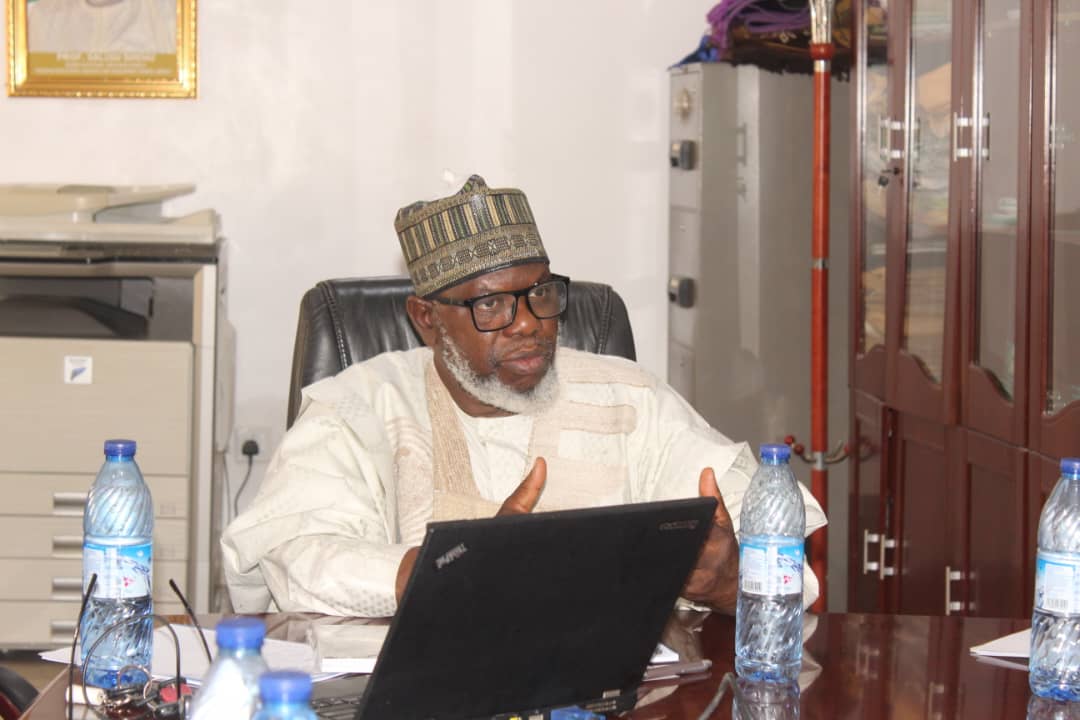
Responding, the Executive Secretary – Prof. Salisu Shehu, expressed appreciation to the Mindbrood team for the visit, noting that the initiative aligns with the Council’s research-focus in education.

While welcoming the proposal, he stated that the Council would study the project in detail, deliberate with management and determine possible pathways for integrating the platform into Nigeria’s education sector.

In his vote of thanks, the Head of Finance and Accounts – Mr. Charles Itodo commended the Mindbrood team for sharing their innovation and for enlightening the Council on the proposed educational application.

Members of the Mindbrood Initiative present at the meeting included the Chairman, Board of Trustees, Otumba James Udoma; Legal Adviser, Barr. Onyebuchi Ndiokwere; Adviser, Mr. Yemi Opesade; and a member, Mrs. Simar Linus.

NERDC officials in attendance were the Assistant Director of Finance and Head of the Consultancy Unit – Sir Justin Nwokedi; Head of the Policy and Programmes Unit (PPU) – Dr. Famade Oladiran; and the Legal Officer, Barr. Segun Daniels.

Senegal’s AFCON winners receive cash and land in presidential honour

By Muhammad Sulaiman

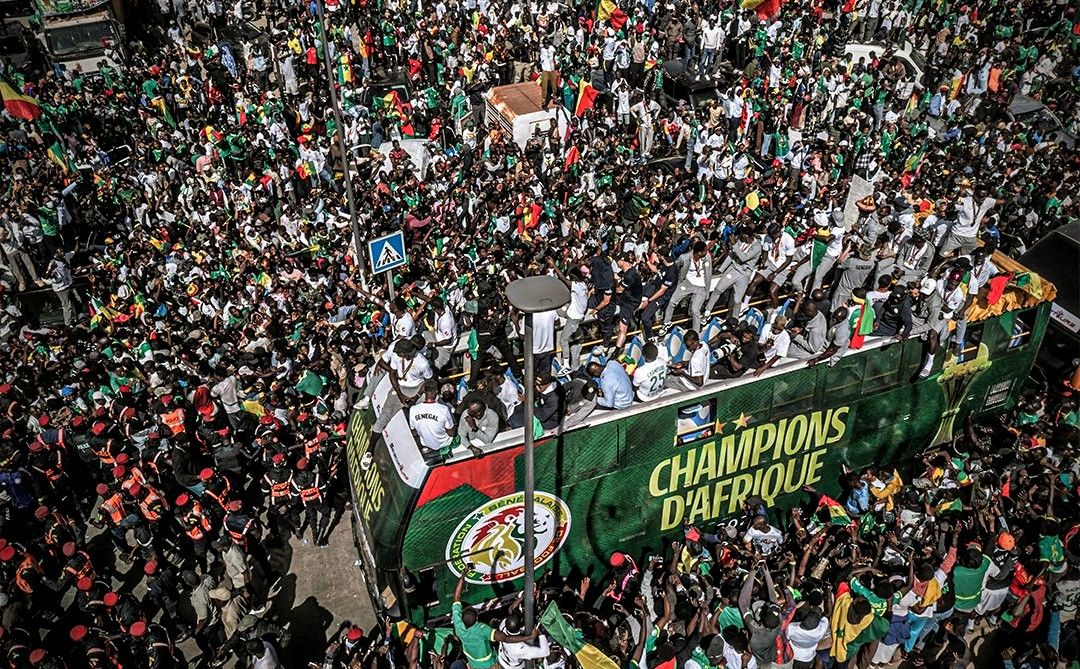
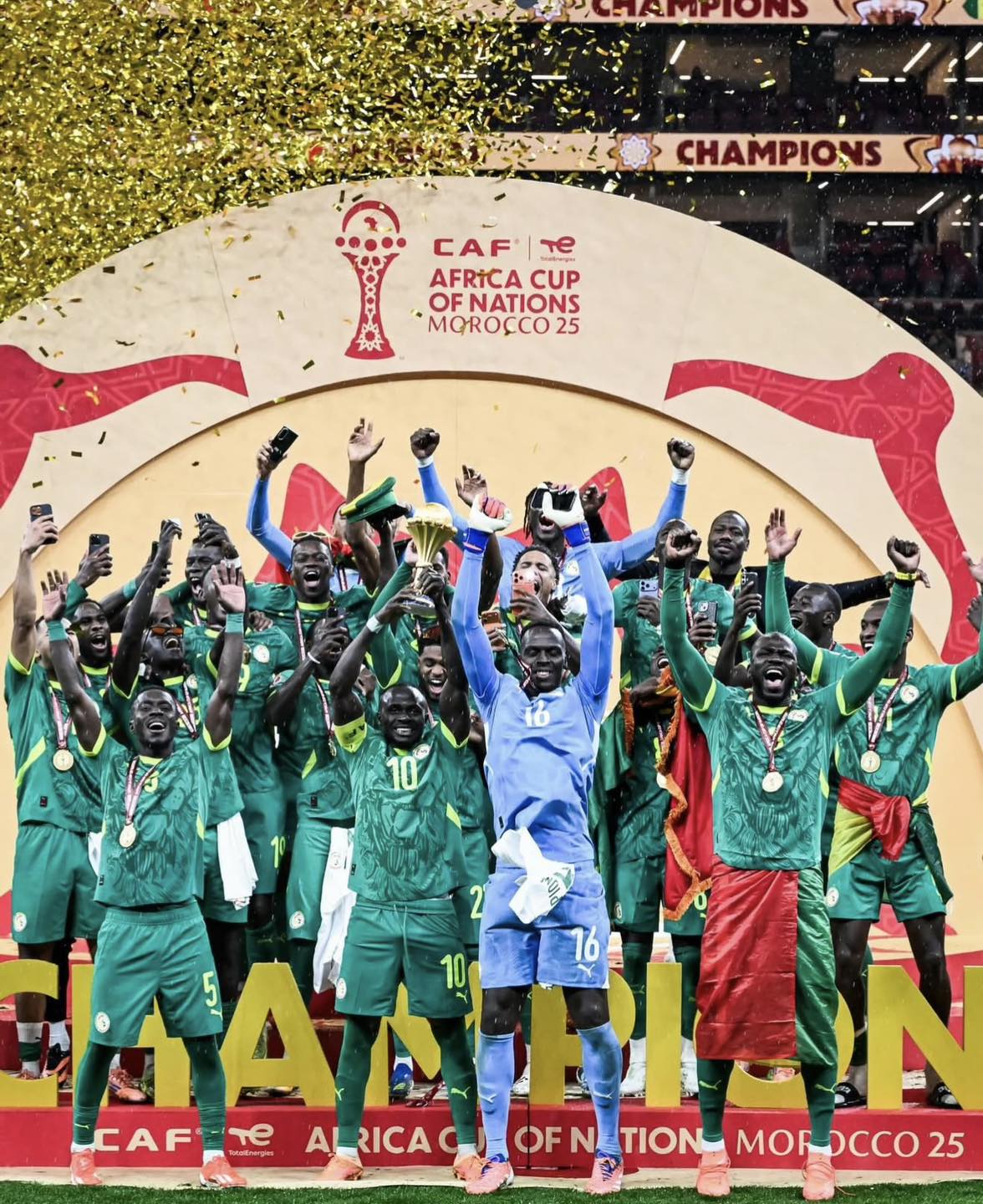
President Bassirou Diomaye Faye has awarded Senegal’s AFCON 2025–winning squad a total of $6.2 million in cashand 68,000 square meters of land, marking one of the most generous state rewards in African football history.

Each player will receive $135,000 and a 1,500-square-meter plot on the Petite Côte, while members of the technical and backroom staff will be awarded $90,000 and 1,000-square-meter plots, according to the presidency.

Senegal clinched the continental title with a disciplined 1–0 victory over the Morocco national football team in the final, a tightly contested match that underscored the Lions’ defensive organisation and tactical maturity.

Led by head coach Pape Thiaw, the Lions’ triumph has been celebrated as a symbol of national pride and sporting excellence, with officials saying the rewards reflect the country’s gratitude for a team that once again placed Senegal at the summit of African football.

When silence kills: Lessons from Kano’s daylight tragedy

By Ibrahim Aliyu Gurin

What is more terrifying than violence? It is the sound of someone calling for help, with no one responding. That cry, unanswered, is the quiet horror that haunts our communities.

Last week in Kano, a family was killed in broad daylight. Neighbours reportedly heard the screams but stayed indoors. Outrage spread on social media. How could people hear such suffering and do nothing? How could an entire community remain silent while lives were being taken right next door?

At first, the silence felt unforgivable. Then I remembered something my Media and Society lecturer, Binta Suleiman Gaya, once said: crime is rarely about criminals alone. It is often a mirror of the society that allows it. Suddenly, the tragedy began to make painful sense.

I thought of my own experience. We grew up in a different Nigeria. Then, whenever discipline crossed into anger in our house, our neighbour was always the first to intervene. Once her name was mentioned,  “Hajja Mamma Yidam! Yidam!” (Rescue me), she would rush out immediately, pleading on our behalf. Sometimes we would deliberately call her name, knowing she would come to our rescue. That was how our society functioned. Not because everyone was perfect, but because everyone was involved.

We grew up in Nigeria, where even if a neighbour was beating a child, people would rush out to ask questions. Elders would intervene. Women would shout across fences. Youths would gather instinctively. No cry was ignored. No pain was considered private. That society shaped our humanity.

Today, a person can scream until their voice disappears into death, and doors remain locked. People now live only metres apart, yet are emotionally separated by fear. In Media and Society,  this condition is described as “alienation”, which is the gradual breakdown of social connection and communal responsibility.

Modern media culture has accelerated this separation. Through phones, television and social platforms, we are exposed to violence such as daily killings, kidnappings, and accidents, which are endlessly replayed. Human suffering now competes for attention in timelines and headlines.

Over time, this constant exposure creates “desensitisation”. What once shocked us now barely interrupts our scrolling. Tragedy becomes routine. Death becomes familiar. Media and Society argues that when violence becomes normalised in the media, society unconsciously absorbs that normalisation.

Alongside this is the rise of individualism. Survival has become personal. Safety has become private. The collective spirit that once defined African communities has been replaced with the logic of “mind your business.”  So when danger appears, people retreat indoors, but not always out of wickedness, but because society has trained them to think first of self, not community.

The course also explains the bystander effect, a psychological phenomenon in which individuals fail to act in emergencies because responsibility feels shared. Everyone assumes someone else will intervene. In moments like the Kano tragedy, everyone heard, and everyone waited.

Fear worsens this silence. Media reports of mob justice, wrongful arrests and police brutality have created deep public distrust. Many citizens now fear becoming suspects more than becoming helpers. The result is a society paralysed.

Media and Society helped me understand that insecurity is not only about criminals and weapons. It is also about broken trust, weakened communal values and a media environment that has reshaped human behaviour.

Our old society relied on communal vigilance. When danger came, the community itself became the first responder. Today, citizens wait for institutions that often arrive too late. The killers in Kano did not act alone. They were aided by fear and protected by our silence. 

The government must rebuild trust between citizens and security agencies. Community policing must be strengthened. Media institutions must go beyond reporting bloodshed and begin promoting empathy, social responsibility and communal vigilance. Religious and traditional leaders must revive the values that once made indifference shameful.

Beyond policies lies humanity. Every life lost affects us all. Speak up, protect your neighbours, and restore the community we once had.

We pray for the souls of those who lost their lives in Kano. May their families find strength, and may we as a society learn to act before it is too late. Let their cries not be in vain.

Ibrahim Aliyu Gurin wrote via ibrahimaliyu5023@yahoo.com.

Rights hypocrisy sparks global rebuke—Gumi

By Abdullahi Mukhtar Algasgaini

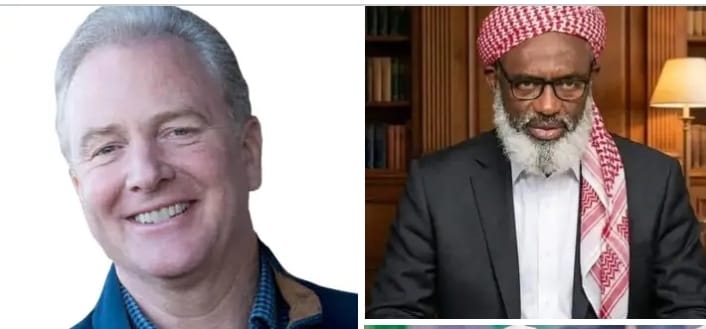
Nigerian Islamic scholar Sheikh Ahmed Gumi has challenged the consistency of international human rights criticism, amplifying a debate initiated by a U.S. senator about selective outrage in global politics.

The cleric took to Facebook to respond to remarks from U.S. Senator Chris Van Hollen (D-MD), who recently questioned whether Washington applies its principles uniformly.

Van Hollen noted the U.S. frequently censures rivals like China and Russia but is less vocal about allies, citing India’s religious freedoms, Turkey’s political rights, and Israel’s treatment of Palestinians.

Gumi highlighted what he called “selective outrage,” suggesting some criticisms are matters of convenience, not principle. “People don’t marvel at the hypocrisy, but those who rely on their ‘friendship’,” he wrote.

The senator argued that this inconsistency erodes America’s credibility, allowing rivals like China to challenge its moral authority, especially in the Global South.

He referenced declining global perceptions of the U.S. and warned that without consistent standards, American values risk being seen as merely “a political cudgel.”

Gumi’s intervention underscores a growing view that geopolitical alliances, not universal principles, often shape global human rights debates.

Zamfara ambush claims six security forces in clash with terrorists

By Abdullahi Mukhtar Algasgaini

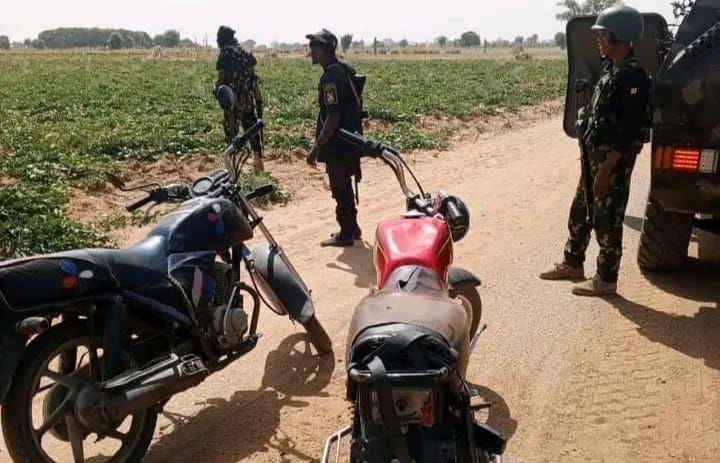
Troops in Zamfara State demonstrated “exceptional bravery” but suffered significant losses during a terrorist ambush over the weekend, military authorities confirmed.

The incident occurred on January 19, 2026, along the Bingi–Kekun Waje–Gusau Road. Soldiers from Operation FANSAN YAMMA (OPFY) were returning from a series of successful offensives and responding to a distress call when they were attacked at Gidan Wagni.

Despite the surprise assault, the troops fought back, preventing the attackers from reaching nearby communities. The engagement, however, came at a high cost, with five soldiers and one police officer killed.

Reinforcements, including a Mobile Strike Team and a Quick Reaction Force personally led by a Brigade Commander, swiftly mobilized to the scene. A counter-ambush forced the terrorists to withdraw.

Credible intelligence suggests the fleeing terrorists suffered heavy casualties, with notorious kingpins JANWUYA and ALHAJI BELLO—a top lieutenant to bandit leader KACHALLA SOJA—seriously injured.

The ambush followed a major three-day operation from January 17-19, where troops raided terrorist enclaves in Birnin Magaji and Anka. Those earlier operations led to three arrests, four terrorists killed, and the recovery of a cache of weapons, including a PKT machine gun, five AK-47 rifles, and communication radios.

The Theatre Commander has condoled with the forces and commended their courage. Operation FANSAN YAMMA assures the public that the situation is under control and has urged citizens to continue supporting security efforts with timely information.

Tinubu, Kwankwaso in high-stakes talks as 2027 calculations begin

By Abdullahi Mukhtar AlgasgainiA major political realignment may be imminent as President Bola Tinubu is set to meet with the leader of the Kwankwasiyya movement, Senator Rabiu Musa Kwankwaso.The highly anticipated meeting, scheduled for later today, follows closely on the heels of President Tinubu’s closed-door session with Kano State Governor Abba Kabir Yusuf, a key Kwankwaso protégé, at the Presidential Villa on Wednesday.Reliable sources indicate Governor Yusuf facilitated the engagement after President Tinubu expressed a desire to harmonize political interests across party lines. This is seen as part of broader consultations ahead of the 2027 general elections.Senator Kwankwaso, the 2023 presidential candidate of the New Nigeria Peoples Party (NNPP), had previously opposed joining the ruling All Progressives Congress (APC). However, he recently hinted at a potential shift, stating he would consider a move if presented with a “satisfactory offer” from the ruling party.A senior APC North-West leader confirmed the planned meeting, stating, “The President is keen on broadening his political base. Discussions will likely focus on national stability, political cooperation, and the future alignment of forces ahead of 2027.”This rapid political maneuvering has intensified speculation about the future of the NNPP and the influential Kwankwasiyya structure. It remains unclear whether Kwankwaso and Governor Yusuf are planning a coordinated move or separate strategies.Political analysts suggest that aligning the Kwankwasiyya movement with the APC would significantly reshape northern politics. Such a move could also undermine efforts by opposition figures like Peter Obi and Atiku Abubakar to form a formidable “Third Force” coalition, with Kwankwaso previously considered a central pillar.Securing the cooperation of both Kano’s sitting governor and its most influential political movement would dramatically bolster the APC’s strength in the vote-rich state, a critical battleground in any national election.All parties involved have yet to make official statements as the political landscape awaits the outcome of this crucial meeting.

As a sideline to every soccer tournament

By Abubakar Muhammad

AFCON has just concluded. Senegal won the trophy, but many football enthusiasts know that the actual play of the game is only half of the big spectacle. There are many things going on backstage that take time to materialise. When you look at the countries, roll the camera, and see them doing well, you will see patterns lock into place. There might be visible investment and development of physical infrastructure, but there is also something more to it. 

As a sideline to every soccer tournament, one of the things I pay attention to is the grassroots, street-level infrastructure that feeds talent to the national team. In these tournaments, you would not only pay attention to the official game or what happens in the big arenas, but also to the images that come out from foreign visitors depicting themselves playing outside the formal venues. The soccer crowd, wherever they are, tend to find where to play.  To host a tournament, you really need a solid infrastructure for both formal and informal arenas. But more so, this tells us stories about the status of the game, leisure and where citizens play. 

As usual, it seems Nigeria is left behind when it comes to grassroots soccer infrastructure. Senegal, Algeria, Angola, etc, have a thriving street soccer infrastructure. This infrastructure is not formal, but it seems to enjoy greater consensus that cuts across the formal-informal divide between citizens and governments. 

In Latin America, there are spaces in favelas and barrios where local kids can play the game. The spaces may not be the same, may use different nomenclature, may straddle the line between the formal and the informal, but they retain the same purpose and spirit.

In Senegal, they are in the form of navétanes, a semi-formal regional tournament played in local spaces. These spaces are not owned by the government or private individuals, unlike, say, primary school premises or other government buildings. They are simply communal spaces where the navétanes games are played. These spaces are respected by everyone; no encroachment or erection of structures, public or privately owned. Kids start their careers in their neighbourhoods and progress to regional teams, then to the professional league, the national team, and onward to international careers. You find similar spaces in Brazil as developing ground for talents that would later go on to dazzle a global audience. 

In North Africa, they have a thriving culture of street football played in what we can call in Nigeria a 7-aside stadium. The difference is that these spaces in North Africa are free and open to everyone. They sit in open spaces in the middle of neighbourhoods. The key idea here is access and openness. The use of open space for soccer must not require any payment and must remove any other impediments that can exclude people. A truly public space is one that lets you in without charging a fee or asking for proof of innocence.

In Nigeria, empty lots and vacant spaces are constantly being developed. There is no respect for spaces where kids can play. The idea is that in places where formal sporting infrastructure is not in place, small-scale community members use these spaces for leisure and sporting activities. Kids will have a chance to play the game from a very young age until they dribble their way to the national team. The grassroots in many parts of the world are where players are developed and imbued with the spirit of the nation before they enter the academy for the refinement of their talents. 

African soccer, like its South American counterpart, is largely dependent on informal infrastructure, with local people coming together to build their own. People-as-infrastructure is a concept in which citizens enter into a series of temporary, makeshift arrangements with one another to provide services that authorities are unable to deliver.

By killing these spaces, Nigeria is killing her young talents. It makes it difficult for the local kids to develop an interest, let alone play the game and nurture their talents. Angola, not really a footballing nation, has a thriving street football culture. I noticed from the videos I watched that street lots exist, and they are everywhere. They don’t seem to be developed or encroached so rampant as we see in Nigeria. It seems these spaces are protected by consensus, just like they are protected in Brazilian favelas and Argentina’s barrios. 

Football is the game of the poor. Commercialise football, and you create a barrier where only the rich can afford to play. Commercial football delivers more money to the pockets of a few individuals without bringing much-needed collective glory to the national team. The English Premier League is the wealthiest league in the world, but the country has fallen far behind other footballing nations.  Germany has an academy system in place, but their overall sporting culture is anchored around a process that resembles socialist democratic football more than an individualistic, capitalist model that Nigeria tends to lean towards. 

One of the biggest problems that Nigeria’s football faces as an institution is the seeming, increasing reliance on the academy for its national talents. Academies are simply there for money. Another thing is the seeming sole reliance on foreign-based players. This is understandable for the refined talents abroad, but there seems to be a problem with that in Nigeria. 

There is nothing wrong with foreign-based players populating the national team. Countries tap into their talents abroad, sharpened by cutting-edge training models and infrastructure. One of the biggest problems with this, in the case of Nigeria, is that players know exactly why they’re called up to the national team. They understand why, and there is no confusion about the nature of the transaction. There is nothing that dilutes or softens the nature of the transaction. The country only sees them when it needs them. The country is not there when they need her, and so, in their bloom and glory, they may not give their all. They will not play with their blood and heart. 

Secondly, tapping into foreign players in Nigeria is not grounded in any philosophical sporting policy. For instance, what does it mean for a player to play for the national team? What does the national team mean to them? What is that one thing that all players can understand as a common language and shared values? Something like a unique national culture common among the youth? You can only find this in street football played across the country. Pick that ideology and craft it into the national sports policy. What we see instead is total indifference at best, if not outright obstacles thrown in the way of the nation’s youth by the government and private interest groups. 

By eliminating informal spaces, we have destroyed the conviviality and socio-spatial relations that emerge from street games. Street soccer gives the manager of the national team a foundation, something to start with. The street is where every player understands what it means to play for the national team. From the ground up, the Nigerian player can develop a sense of Nigerianness, just as French players are instilled with French values and what it means to play for the national team. But since we don’t have the formal structures and arrangements of the French, Germans, or English, where players are developed through various academies under the guidelines of the national football federations, the street is where our players should build their character. The Senegalese have taken the navétanes and use it as a national sports policy. It is an informal, grassroots football that develops independently of the government. The coach and players speak the same football language that came from the streets. 

By erecting structures on every available space in Nigeria, you tighten the rope for the children in local communities and make it hard for ordinary folks to make their way to the national team. So many talents would slip through the cracks before rising to the top and reaching their full potential. We are already importing a dangerous trend from abroad, where only kids from wealthy backgrounds can play the game and reach the professional level.

And since we don’t have meaningful ways in which citizens feel indebted to their governments and their countries beyond familial ties, the very few that already found their way to the highest level of the game know why they’re playing. They’re simply playing commercial football. They have already paid the price on the way to Europe without the aid of any national structure. When you call them up to the national team after this, they will not play with their heart and their blood. 

Abubakar Muhammad is from Kano, Nigeria.