Month: October 2026

20 Prospective Corps Members Regain Freedom After Seven Days In Imo Abduction

By Sabiu Abdullahi

Twenty prospective National Youth Service Corps members abducted while travelling from Oyo State to their orientation camp in Abia State have regained their freedom after seven days in captivity.

The victims were kidnapped on October 1, 2026, along the Owerri-Onitsha Road in Umunoha, Imo State.

The Force Public Relations Officer, CSP Anietie Iniedu, confirmed their release in a statement on Wednesday, saying the victims had been taken for medical examination and necessary medical attention.

The prospective corps members were rescued at about 4:28 pm at Amakohia Ubi Village, Imo State, following sustained search-and-rescue operations by a joint team of the Nigeria Police Force, Nigerian Army, Department of State Services and other security agencies.

The circumstances surrounding the rescue were not immediately disclosed. There was also no confirmation of any arrest in connection with the abduction, as the perpetrators were still at large as of the time of the report.

The police statement read, “Operatives of the Nigeria Police Force, in collaboration with other security agencies, have successfully rescued the 20 prospective NYSC corps members who were abducted in Imo State on 1st October, 2026.

‘’Following their safe recovery, the victims have been taken for medical examination and necessary medical attention as part of the post-rescue process.”

Iniedu said security agencies had intensified efforts to track down those responsible for the abduction and bring them to justice.

“The Nigeria Police Force appreciates members of the public for their cooperation and support and reiterates its commitment to the protection of lives and property and the prompt response to threats to public safety,” the statement added.

The police said further information would be released as the investigation progresses.

The Olubadan of Ibadanland, Oba Rashidi Ladoja, also confirmed the release of the victims.

“The kidnapped graduates have been released. The Imo State Governor, Hope Uzodinma, confirmed this in a telephone conversation at about 5.00 pm today (Wednesday),” he said.

The statement was issued in Ibadan by his media aide, Adeola Oloko.

A parent of one of the victims, Alhaja Alimot Akande, expressed relief over the development but said the families were still waiting to see or speak with their loved ones.

“We cannot say anything for now. We are extremely overwhelmed. We received the news with happiness. I cannot say anything for now, please. We are truly happy. Let’s see them first or speak with them on the telephone.”

Meanwhile, Imo State Governor, Hope Uzodimma, commended the security agencies for their intervention, saying the government deliberately maintained discretion during the operation to avoid compromising the rescue effort.

‘’Because the issue involved the security of lives, the government was cautious about releasing too much information to the public; hence the discreet manner in which it was handled.”

The governor said he was “particularly grateful to the security agencies for the discreet and collaborative manner in which they tackled the challenge.”

Uzodimma also thanked the parents and relatives of the victims for their patience and understanding throughout the period of the abduction.

The Imo State chapter of the All Progressives Congress also welcomed the release.

The party’s publicity secretary, Dr Jones Onwuasoanya, said, ‘’We rejoice with the family and relatives of these young patriots for their successful rescue, and commend all the gallant security personnel who took part in this audacious and well-coordinated rescue operation for their professionalism, bravery and patriotism.”

The APC said efforts should continue to ensure the perpetrators are arrested and brought to justice.

The victims were among 30 graduates travelling in two buses from Ibadan to an NYSC orientation camp in Abia State when suspected gunmen abducted 20 of them.

The abductors reportedly demanded N50 million for each victim before later reducing the ransom to N5 million per person, bringing the total demand to N100 million.

The victims’ families had earlier appealed to the Olubadan and government authorities to intensify efforts to secure their release.

David Mark Warns Against Rigging As ADC Prepares For 2027 Elections

By Sabiu Abdullahi

The National Chairman of the African Democratic Congress, David Mark, has said the party will follow electoral rules but will resist any attempt to manipulate the 2027 general elections or prevent it from participating fairly.

Mark spoke on Wednesday in Abuja when he received a delegation from the Savannah Centre for Diplomacy, Democracy and Development at the ADC national headquarters.

The delegation, led by the former Chief Justice of Nigeria, Justice Olukayode Ariwoola, was at the party’s secretariat as part of consultations with political parties and other stakeholders ahead of the 2027 elections.

Mark said the ADC was committed to observing the rules governing the elections as well as its internal code of conduct.

“We hold ourselves to the highest standards of good conduct as a political party. We will play by the rules. But we will not accept rigging or allow ourselves to be rigged out.

“We are committed to playing politics in a manner that promotes public confidence in democracy,” he said.

The ADC chairman said the party would also abide by the guidelines issued by the Independent National Electoral Commission and the provisions of its Orange Book, which outlines the party’s code of conduct and governance principles.

Mark had previously cautioned against the use of state institutions to influence the 2027 electoral process, stressing the importance of protecting the credibility of the elections.

Speaking during the visit, Ariwoola said the Savannah Centre was seeking commitments from political parties and their candidates towards peaceful, free, fair and credible elections.

He urged the ADC leadership to ensure that its candidates and supporters adhered to INEC regulations and avoided actions that could contribute to political violence.

The engagement is part of the ongoing consultations by the centre’s Council of the Wise with political actors and other stakeholders ahead of the 2027 elections.

The council, chaired by Ariwoola, was reconstituted in June with a mandate to promote peaceful and credible elections while engaging political parties, government institutions and other key stakeholders.

Its engagements have included meetings with political candidates and other political actors, with emphasis on compliance with electoral rules, issue-based campaigns and efforts to prevent violence and hate speech.

The delegation to the ADC included members of the Council of the Wise, among them Professors Abdullahi Shehu and Azeez Dankano, Executive Director of the Centre, Ambassador Sani Bala, Tunji Lardner and Ambassador Godswill Ighali.

The centre had earlier disclosed plans for the council to engage President Bola Tinubu, INEC leadership, political parties, security agencies, traditional and religious leaders, civil society organisations and other stakeholders before the 2027 elections.

Gov Yusuf Reconciles Barau, Bichi Ahead of 2027

By Uzair Adam

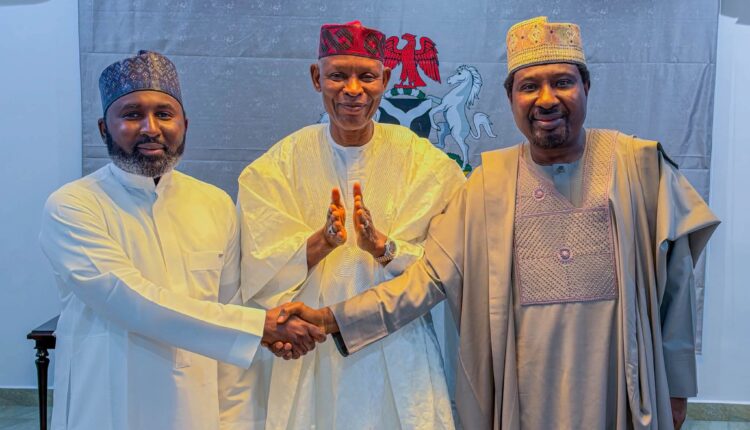
Kano State Governor, Abba Kabir Yusuf, has reconciled the Deputy Senate President, Senator Barau I. Jibrin, and the Chairman of the House Committee on Appropriations, Abubakar Kabir Bichi, following their differences over political matters.

This was contained in a statement issued on Wednesday by Sunusi Bature Dawakin Tofa, Director General, Media and Publicity, Government House, Kano.

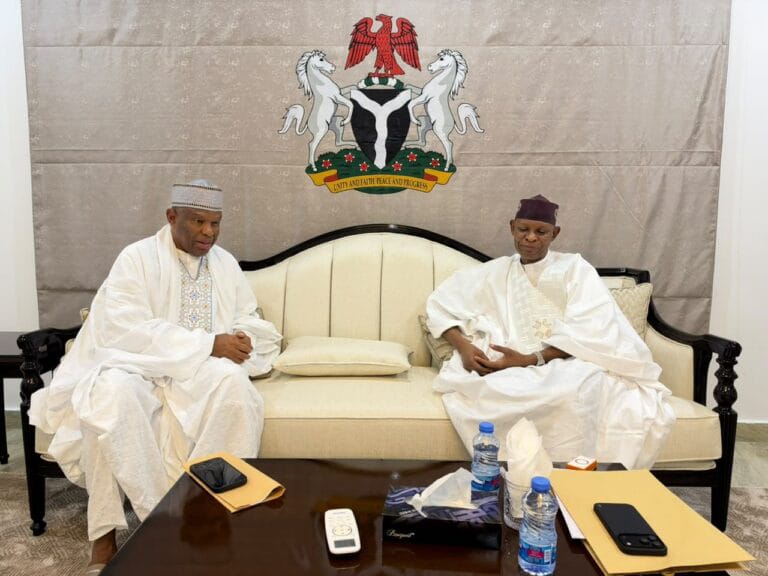
The reconciliation meeting, which took place in Abuja in the early hours of Wednesday, lasted for about two hours, according to the statement.

It said the meeting provided an opportunity for Barau and Bichi to discuss their differences and the need to work together for the interest of the All Progressives Congress (APC), ahead of the 2027 general elections.

Governor Yusuf urged the two politicians and their supporters to put aside their grievances, saying unity was necessary for the success of the party.

He also appealed to members of the two camps to desist from making inflammatory statements and engaging in actions capable of deepening the disagreement.

“Henceforth, I do not expect any of your supporters to come out and abuse one another. We must put a stop to this unnecessary distraction,” the governor was quoted as saying.

Yusuf said political disagreements were part of democratic engagement but should not be allowed to affect the unity and progress of the APC.

He urged the party’s members in Kano to work together for the success of President Bola Ahmed Tinubu, the state government and other APC candidates in the 2027 elections.

The governor also expressed confidence that the reconciliation would strengthen the party ahead of the elections.

The Daily Reality recalls that the relationship between Barau and Bichi had come under strain in recent months, with supporters of the two politicians engaging in exchanges over political differences and allegiances ahead of the 2027 elections.

The disagreement had raised concerns among APC stakeholders in Kano over its possible effect on the party’s preparations for the elections.

The statement said the reconciliation received the endorsement of President Tinubu and had brought an end to the disagreement between the two politicians.

Yusuf also assured the President, the APC national leadership and other stakeholders that the party would work towards winning all elective positions in Kano in 2027.

Speaking separately after the meeting, Barau and Bichi appealed to their supporters to stop actions capable of worsening the crisis within the party.

The two leaders also thanked Governor Yusuf for intervening in the matter and facilitating the reconciliation.

The development is expected to ease tension among supporters of the two politicians as the APC begins preparations for the 2027 elections.

Gov Yusuf Meets Dan’agundi Amid Kano Emirate Tension

By Uzair Adam

Kano State Governor, Abba Kabir Yusuf, has held a closed-door meeting with Alhaji Aminu Babba Dan’agundi, Sarkin Dawaki Babba and Senior Counsellor to 15th Emir of Kano, Aminu Ado Bayero, amid renewed tension over the Kano Emirate.

The meeting reportedly took place at the Kano State Governor’s Lodge in Abuja and lasted nearly two hours, according to a source familiar with the development.

The source, who spoke on condition of anonymity, said Dan’agundi was invited by Governor Yusuf for the private meeting but did not disclose what was discussed.

Dan’agundi, a prominent member of the camp of Aminu Ado Bayero, recently said he had “a lot of respect” for Governor Yusuf while speaking about developments surrounding the Kano Emirate dispute.

The meeting comes amid renewed controversy over a planned traditional horse-riding procession involving supporters of Aminu Ado Bayero.

On October 1, Dan’agundi said Bayero’s supporters would await the emir’s return before announcing arrangements for a planned horse-riding procession to Yakasai, where the monarch was expected to attend a Qur’anic graduation ceremony.

His comments came amid controversy over the reported appearance of Emir Muhammadu Sanusi II on horseback during an Independence Day event in Kano, despite restrictions imposed by the state government on horse-riding and Durbar activities.

The development further heightened concerns over possible confrontation between supporters of the two rival emirate camps.

The Daily Reality recalls that the current Kano Emirate dispute dates back to March 2020, when former Governor Abdullahi Ganduje dethroned Muhammadu Sanusi II and installed Aminu Ado Bayero as the 15th Emir of Kano.

The move followed the restructuring of the Kano Emirate into five separate emirates under the Ganduje administration.

In May 2024, Governor Yusuf repealed the law establishing the five emirates and reinstated Sanusi as Emir of Kano.

The move effectively removed Bayero from the throne, but he rejected the decision and continued to operate from the Nasarawa Palace.

The dispute has since resulted in prolonged legal proceedings, alongside political and security tensions over the competing claims to the Kano throne.

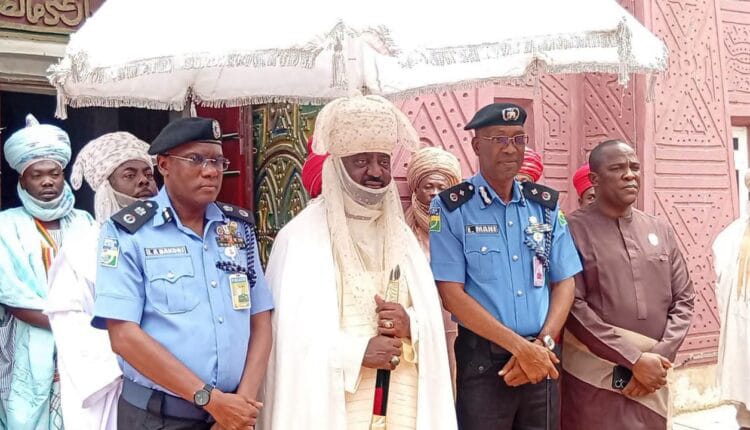
In a related development on Wednesday, Kano State Commissioner of Police, Ibrahim Adamu Bakori, visited Bayero at the Nasarawa Palace and appealed to him to shelve the planned horse-riding procession to Yakasai.

Bakori also appealed to Dan’agundi to continue encouraging Bayero to cooperate with security authorities.

The police intervention followed Bayero’s notification to security authorities of his intention to embark on the horse-riding procession.

Bakori said security regulations require at least 72 hours’ written notice for public horse-riding or Durbar activities and appealed to Bayero to travel to the event by vehicle.

The reported meeting between Governor Yusuf and Dan’agundi comes against this backdrop, although neither the governor nor Dan’agundi has publicly disclosed the issues discussed during the private meeting.

Nigeria at 66: The Wunti Factor, Revisited

By Usman Abdullahi Koli

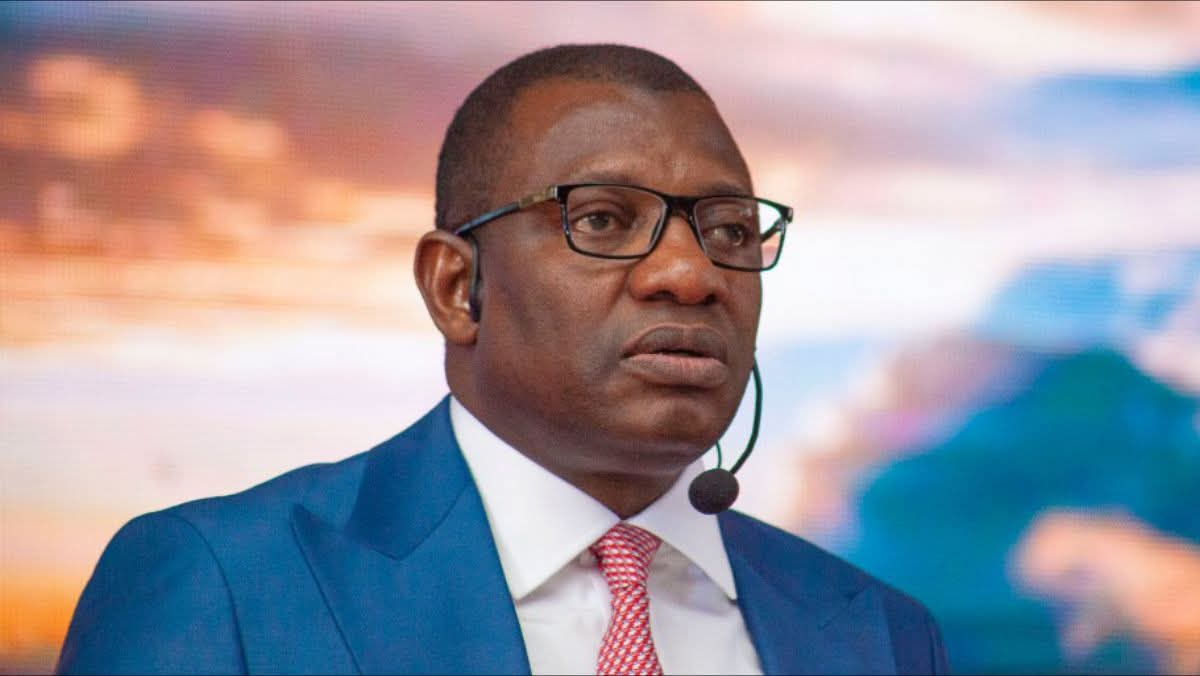
Last year, this column asked whether Nigeria had learned anything from the Wunti factor. The question was not about one man. It was about whether a nation could turn individual competence into institutional habit. A year later, the answer is still unfolding, but the evidence has grown heavier. A Nigerian story is so familiar it no longer provokes thought. A man rises, reaches the top of a system, and disappears into the quiet comfort of his achievements. It is a story we tell ourselves to feel better about a country that rarely rewards the right things.

But every so often, someone refuses the script. Bala Maijama’a Wunti spent over three decades in Nigeria’s oil and gas industry, rising through the ranks to senior leadership roles, including Chief Upstream Investment Officer of NNPC Limited, before retiring in 2025. He could have walked away. He had earned the right to. But his people called. They asked him to consider the governorship of Bauchi State. He listened, responding to a call that came from the roots that raised him. When the ticket did not come his way, he did not vanish into Abuja’s shadows. He returned to the work he had long pursued through the Wunti Alkhair Foundation, the vehicle through which he had been supporting basic needs, healthcare access, educational assistance, and community development across Bauchi long before anyone thought to call him a reformer.

Then in August 2026, the call came again. This time it was not political. The World Energy Council, the global body Nigeria had joined in 1960 but had never fully inhabited, admitted a new Nigerian member committee, formally restoring the country’s participation in the organisation. Wunti was named its inaugural Chief Executive Officer. A position that could have distanced him from the ground. A position that could have turned him into a man of communiqués and conference rooms. He continued building anyway. In September 2026, he broke ground on the Bala Wunti Arena, a 10,000-capacity multipurpose indoor sports hall at Abubakar Tafawa Balewa University in Bauchi.

The project will be completed within 50 weeks. Construction materials will be sourced locally. In a move that says everything about their understanding of development, ATBU students developed the architectural design through a competitive process. Eleven teams participated. W-Nexus won with a design that earned them N5 million. The first runner-up received N4 million, the second runner-up received N3 million, and the other participating groups were awarded N1 million each. Not a single student walked away empty-handed. He called it “a project for ATBU by ATBU.” The phrase is simple, but it carries a weight that most Nigerian development initiatives never approach.

It says that the people closest to a problem are not just beneficiaries of solutions. They are authors of them. This is the Wunti factor. It is not about one man saving a nation. It is about one man refusing to let distance become indifference. And it is the same instinct that carried him from a construction site in Bauchi to a panel in New York. At the 2026 Concordia Annual Summit, held alongside the United Nations General Assembly, Wunti sat on a panel titled “Rare Currency: Critical Minerals in a Shifting Global Economy.”

The conversation was about America’s growing dependence on imported minerals and China’s dominant position in global processing. But Wunti’s contribution was not about geopolitics. It was about one of Nigeria’s old economic wounds. “For half a century, Nigeria exported crude oil and imported refined petroleum products,” he said. “That created poverty, not prosperity. We will not repeat that mistake with lithium and rare earth elements.” That sentence deserves to be read twice. It is not a policy recommendation. It is a diagnosis of a national pathology.

Nigeria has 44 critical minerals distributed across the country. Global demand is rising because of electric vehicles and artificial intelligence data centres. The temptation is to dig them up, ship them out, and count the dollars at the port. Wunti is saying that is not development. That is extraction. That is the same old story with a different mineral. What makes his argument stick is the precision with which he identifies why Nigeria keeps failing at this. It is not corruption alone. It is not lack of policy. It is the gap between potential and project.

“The central issue is the difference between mineral potential and an investable project,” he said. “We had geological indications, but not proven reserves supported by JORC-compliant data. We also had good policies, but not clearly defined projects. Investors invest in projects, not potential.” This is not the language of a man who has spent too long in conference halls. This is the language of someone who has actually tried to get things built in Nigeria.

He knows that a geological survey is not a feasibility study. He knows that a policy document is not a contract. He knows that investors do not put money into a country’s potential. They put money into specific projects with specific prices, specific timelines, and specific risks that have been accounted for. His prescription is blunt: “Give me a credible price, and I will give you private capital.” He talks about price floors, about the need for $110 per kilogram for certain minerals to make processing viable, about the difference between a pitch and a transaction.

This vocabulary differs from conventional Nigerian policy discourse. It is the vocabulary of markets. And yet, the same man who can talk JORC compliance and price floors in New York is the same man who initiates a sports arena designed by students. There is no contradiction here. Most Nigerian public figures never achieve this coherence. Wunti understands that development is not a single grand gesture. It is a series of specific interventions, each one designed to create something that outlasts the person who started it.

A sports hall that students helped design and will therefore use with a sense of ownership. An energy council that builds a framework for investment rather than waiting for the next policy document. At 66, Nigeria is not short of talented people. What it lacks is the capacity to turn individual talent into institutional habit. Every reformer eventually leaves. Every philanthropist eventually stops writing cheques. The question is whether the structures they build can survive them. Wunti’s work has answered that question.

The deep offshore reforms also outlived his tenure, with the 2019 amendment to the Production Sharing Contracts Act introducing price-reflective royalties and periodic reviews intended to improve the government’s share of revenue. The World Energy Council Nigeria chapter, if it works, will be a platform that belongs to the country, not to one man. The Bala Wunti Arena, if the 50-week deadline holds, will be a building that students use for decades after the ribbon is cut.

At 66, Nigeria has endured. It has stumbled and survived. But endurance is not the same as learning. The country has spent six and a half decades producing people who know how to build, yet too often struggles to turn their individual capacity into institutions that outlast them. Wunti is not the first Nigerian to refuse the script. He is simply one of the few who have kept building after the cameras left, after the political door closed, after the comfortable retirement beckoned. The question that remains is not what Wunti will do next. It is whether Nigeria will finally learn to turn the Wunti factor into a national habit. The answer is not yet written. It depends on whether the rest of us are paying attention.

Usman Abdullahi Koli can be reached via mernoukoli@gmail.com.

Kano CP Visits Emir Aminu Ado Bayero Amid Emirate Tussle


By Uzair Adam

Kano State Commissioner of Police, Ibrahim Bakori, has visited the 15th Emir of Kano, Alhaji Aminu Ado Bayero, at his Nasarawa Palace in Kano.

The visit comes amid the lingering crisis surrounding the Kano Emirate, with discussions reportedly focused on maintaining peace and security across the state.

The Daily Reality recalls that the emirship tussle began in May 2024 after the Kano State Government repealed the law establishing five emirates in the state and reinstated Muhammadu Sanusi II as the 16th Emir of Kano.

The development effectively removed Aminu Ado Bayero, who was installed as the 15th Emir in 2020 following the dethronement of Sanusi by the administration of former Governor Abdullahi Ganduje.

Bayero, however, rejected his removal and continued to occupy the Nasarawa Palace, while Sanusi returned to the main Emir’s Palace, deepening the legal and political dispute over the Kano throne.

The crisis has since generated prolonged legal proceedings and heightened concerns over peace and security in the state.

Against this backdrop, Bakori’s visit to Bayero is seen as part of efforts to engage key stakeholders and promote peace and stability amid the unresolved emirate dispute.

NSCIA Appoints NERDC Boss Salisu Shehu Deputy Secretary-General


By Uzair Adam

The Nigerian Supreme Council for Islamic Affairs (NSCIA) has appointed Professor Salisu Shehu, Executive Secretary of the Nigerian Educational Research and Development Council (NERDC), as its Deputy Secretary-General (International) as part of the restructuring and expansion of its National Executive Council (NEC).

The Daily Reality reports that the appointment was contained in a statement signed by Abbas Jimoh, Public Affairs Officer of the NSCIA, following the General Assembly of the Council held in Abuja on Thursday, October 1, 2026.

Prof. Shehu has now been assigned the additional responsibility of Deputy Secretary-General (International) of the NSCIA, placing him among the senior officers to serve under the expanded national leadership structure of the Islamic body.

His new role is expected to involve matters relating to the Council’s international engagements and affairs, as the NSCIA expands its executive structure to accommodate additional responsibilities.

The General Assembly, attended by Muslim leaders comprising traditional leaders of the Islamic faith and Chief Imams of Central Mosques from the 36 states and the Federal Capital Territory, approved the expansion of the National Executive Council.

Under the restructuring, Prof. Mahfouz Adedimeji was appointed Deputy Secretary-General (National), while Mr Abeny Mohammed (SAN) was named Deputy Secretary-General (Corporate) and Dr Bala Muhammad Deputy Secretary-General (Administration).

The Council also appointed Dr Umar Jibrilu Gwandu as Public Relations Officer, with Hajia Sekinat Lawal serving as Deputy Public Relations Officer.

Dr Mairo Mandara was appointed Development Officer, while Arc Abdullahi Musa PenAbdul was named Deputy Development Officer (Technical). Prof. Fatimah Abdulkarim was also appointed Family Affairs Officer.

The decisions were reached during the General Assembly under the leadership of the President-General of the NSCIA and Sultan of Sokoto, Alhaji Muhammad Sa’ad Abubakar, CFR, mni.

The expanded executive structure is expected to strengthen the Council’s administration and broaden the areas of responsibility within its national leadership.

The Daily Reality recalls that the NSCIA serves as the umbrella body for Islamic affairs in Nigeria and provides a platform for Muslim leaders and institutions to coordinate issues affecting the Muslim community.

The latest appointments therefore bring additional expertise and responsibilities into the Council’s leadership, with Prof. Shehu’s appointment giving him a specific role in advancing the NSCIA’s international engagements alongside his existing responsibilities at NERDC.

How Payment Dispute Strains TVET Programme As Centres Grapple with Financial Pressure

By Uzair Adam

Some training centres implementing the Federal Government’s Technical and Vocational Education and Training (TVET) programme in Kano and Jigawa states are grappling with delayed payments, mounting operational costs and unpaid trainer allowances, raising concerns about the sustainability of the programme.

The Daily Reality gathered that the situation has left some centre operators struggling to meet their financial obligations, while trainers engaged to teach beneficiaries say they have gone for months without receiving their allowances.

There are also concerns over equipment promised to beneficiaries after training, with some graduates saying they completed their programmes without receiving the tools expected to help them establish businesses or secure employment.

The TVET programme is designed to equip unemployed Nigerians and others without sustainable employment with practical skills that can improve their chances of earning a livelihood. Beneficiaries are also expected to receive nationally recognised certificates and, in some cases, equipment packages after completing their training.

With more than 2,300 centres engaged nationwide after passing quality assurance processes, the programme covers more than 36 skills. 

But a growing dispute over payments, particularly the application of a 65 per cent attendance requirement, is now threatening to undermine its implementation in some centres.

Payment Dispute Threatens Training

At the centre of the dispute is a payment condition requiring beneficiaries to attain at least 65 per cent monthly attendance before centres can receive payment.

Participating centre operators argue that the condition conflicts with what they understood to be the payment arrangement in their agreements with the government, which they said was based on the number of verified trainees and agreed programme milestones.

They also object to what they described as the retrospective application of the attendance condition, arguing that it should not be imposed on agreements already entered into.

The operators said they support biometric attendance monitoring and other measures to ensure accountability, but questioned why centres should bear the financial consequences when some trainees fail to attend classes regularly.

One centre owner, who asked to remain anonymous, described the new payment arrangement as an attempt to frustrate training centres.

He stated that, “The new system is to defeat the centres. Instead of the agreement that they would pay centres based on the number of students, now they said no. 

“They did not revise the MoU, and they did not contact anyone. They just decided on their own on that 65 per cent,” he added.

According to him, the government was responsible for recruiting the beneficiaries, leaving centre operators with limited control over whether some of those trainees would remain committed to the programme.

He added, “They recruited the students themselves and they happened to lack interest in the programme.”

The centre owner argued that linking payments to attendance could leave operators financing training for beneficiaries whose recruitment and commitment were largely outside their control.

Centre Owners Count the Cost

Beyond the payment dispute, centre operators said they have continued to incur substantial expenses to keep their facilities running.

They are responsible for paying instructors, maintaining facilities and purchasing training materials while waiting for government payments.

One operator said a centre he knew received only N50,000 last month despite spending more than N300,000 on programme-related expenses.

He said his own centre had invested more than N10 million and expected to receive at least N15 million for the first month, but was paid only N3 million.

The disparity, he argued, makes it increasingly difficult for private operators to sustain the programme.

Another centre owner, Jamil Muhammad, not his real name, said operators could not continue financing government programmes indefinitely from their personal resources.

He stated that, “We cannot continue to finance the programme indefinitely while waiting for payments.”

For trainers, the financial pressure has also become a major concern.

Muhammad Kabir, not his real name, a trainer at one of the centres in Kano, said he had worked for almost three months without receiving his allowance.

He said the delay had affected the morale of trainers who depend on the payments to meet their personal and professional obligations.

Fear of Another Unresolved Government Programme

The payment difficulties have also raised fears among some operators that the TVET programme could eventually suffer the fate of previous government initiatives.

One centre owner said the programme might end without the government settling outstanding financial obligations to participating centres.

He cited N-Power and N-Skills under the previous administration, alleging that unresolved payment issues from those programmes remain a burden between operators and government.

He decried that, “We don’t want TVET to end the way N-Power and N-Skills ended. There are still backlogs with the government from those programmes.”

Our reporter gathered that for operators who have invested heavily in facilities, equipment and personnel, the concern goes beyond delayed payments. 

They fear that prolonged financial uncertainty could force some centres to withdraw from the programme before beneficiaries complete their training.

Centres Seek Government Intervention

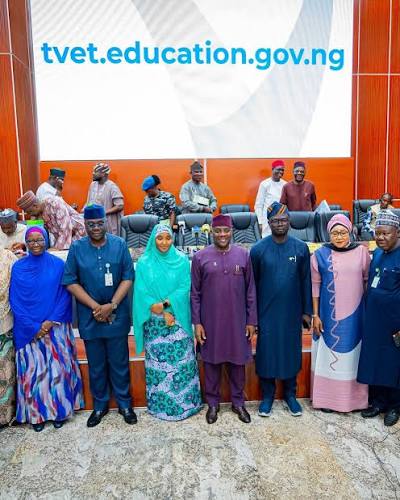
Centre operators have appealed to President Bola Ahmed Tinubu and the Minister of Education, Dr Tunji Alausa, to intervene in the payment dispute.

Their demands include settling outstanding payments, reviewing the 65 per cent attendance condition, and deciding that any new payment arrangement should apply prospectively rather than retrospectively.

They also want a mechanism to replace beneficiaries who stop attending classes, withdraw from the programme, or fail to meet attendance requirements.

The operators maintain that such a system would protect public funds while preventing training centres from bearing the cost of beneficiaries who are no longer participating.

The dispute has already prompted some centres to threaten to suspend participation if the payment issues remain unresolved.

The Daily Reality recalls that the operators had previously raised concerns over the financial implications of the attendance-based payment arrangement, warning that continued delays could make it difficult for centres to sustain their operations.

Graduates Left Without Promised Equipment

While centre operators struggle with payments, some beneficiaries are facing a different problem: completing their training without receiving the equipment they were promised.

Kabir Muhammad, another centre operator, alleged that beneficiaries from the first cohort were promised equipment after completing their training, but some graduated months earlier without receiving anything.

He further alleged that beneficiaries in the second cohort were told they would receive equipment before or around the time of their training, but some were already several months into the programme without receiving the promised package.

For beneficiaries, the equipment is not simply an additional benefit. It is expected to provide the means to apply the skills acquired during training and, potentially, begin earning an income.

Aisha Muhammad, not her real name, a graduate of the first cohort, said she completed her training but received no equipment afterwards.

“After we graduated, nothing was given to us,” she said.

The absence of the equipment has raised questions about what happens to beneficiaries after they receive training and certificates if they lack the basic tools needed to put their newly acquired skills into practice.

Financial Burden Extends Beyond Payments

The financial burden on centres extends beyond delayed government disbursements.

Operators are expected to maintain suitable training facilities, engage instructors and provide the materials required for practical sessions. 

Private centres, in particular, also face expenses such as rent, salaries, electricity, fuel and general maintenance.

An advocacy brief reviewed during the investigation also raised concerns about the pressure created by attendance-based payments. 

.

It cited a Kano centre with 40 learners that received N50,000 for July, a figure the document said was insufficient to cover the centre’s operational expenses.

The centre operators argue that payment mechanisms must account for costs already incurred in delivering the training, rather than placing the entire financial burden on providers.

They said the government’s monitoring system should distinguish between centres failing to deliver training and centres that have fulfilled their responsibilities but are affected by beneficiary attendance.

Experts Question Sustainability

Education and skills development experts said the payment problems could affect centres’ ability to retain qualified trainers and maintain the facilities required for effective practical training.

Dr Abdussalam Muhammad Kani, Director, Career Services Centre, Sa’adatu Rimi College of Education, Kumbotso-Kano, said delayed payments could affect facilitator retention and centres’ ability to meet running costs.

He noted that training centres require money for facilitators, maintenance, fuel and instructional materials, stressing that prolonged delays could undermine programme delivery.

Dr Kani called for dedicated funding and a clear budgetary provision for the programme, alongside stronger monitoring, reporting and assessment mechanisms.

Sulaiman Dandago, a lecturer at Aminu Kano College of Islamic and Legal Studies (AKCILS), said the programme’s success depends largely on clear implementation arrangements, adequate facilities, and the availability of qualified instructors.

He said centres must be equipped according to the number of trainees enrolled, while private providers must also cover expenses such as rent and staff salaries.

Dandago warned that failure to pay participating centres and trainers could demoralise those responsible for delivering the programme.

“If the Federal Ministry of Education fails to pay dues, how can the programme attain its objectives?” he asked.

The concerns come at a critical stage for a programme intended to provide practical skills to thousands of Nigerians and improve their chances of becoming economically productive.

For beneficiaries, however, the initiative’s success will not be measured by training alone. It will also depend on whether centres can remain operational, trainers are paid, certificates are delivered and graduates receive the tools promised to help them turn acquired skills into livelihoods.

The payment dispute therefore raises a broader question about the programme’s sustainability: whether the government can maintain a system capable of supporting training centres throughout the process, from recruitment and instruction to certification and post-training assistance.

All efforts to obtain the Federal Ministry of Education’s response to the concerns raised by the centre operators proved abortive as of the time of filing this report.
Ko Da Naka, Afaq Foundation Oppose Tinubu’s Re-election Over Hardship, Insecurity

By Uzair Adam

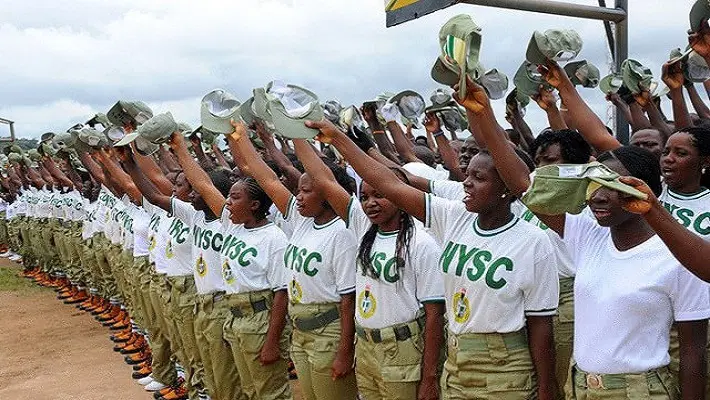
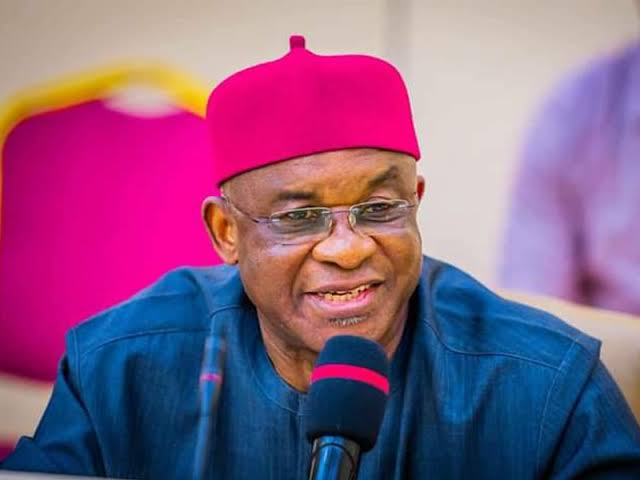
Ko Da Naka, in collaboration with Afaq Educational Foundation, has called on Nigerians to reject President Bola Ahmed Tinubu in the 2027 general elections if his administration fails to address economic hardship and insecurity in the country.

The groups made the call in a communiqué issued after a national conference on “An Assessment of the State of the Nation under President Tinubu and the 2027 General Elections,” held in Kano on Sunday.

The Daily Reality reports that Ko Da Naka is a civic organisation committed to promoting good governance and community development, while Afaq Educational Foundation focuses on education and community development initiatives.

The conference, attended by about 1,000 participants, deliberated on the economy, insecurity, migration of skilled professionals, the role of religious scholars in promoting truth and justice, and the 2027 general elections.

On the economy, the participants expressed dissatisfaction with the policies of the Tinubu administration, particularly the removal of the fuel subsidy, changes to the naira exchange-rate system, increases in electricity tariffs and tax reforms.

According to the communiqué, the policies had increased the burden on ordinary Nigerians at a time when rising living costs and unemployment were already threatening citizens’ well-being.

“The government has continued to insist on pursuing these policies, which are increasing hardship among the people,” the communiqué stated.

The groups criticised the administration for prioritising revenue growth rather than reviewing policies they said were worsening the economic difficulties facing Nigerians.

The participants consequently resolved that it would be inappropriate to re-elect the Tinubu administration in 2027 if it failed to change what they described as harmful economic policies.

On security, the groups expressed concern over continued killings and kidnappings by bandits, as well as other acts of terrorism across the country.

The communiqué particularly called for urgent action to address insecurity in the North-West and other affected parts of Nigeria.

It warned that failure to improve the security situation should compel President Tinubu to reconsider seeking another term in office.

“Alternatively, the President should refrain from contesting the 2027 election,” the communiqué stated.

It added that if he chose to contest despite the security challenges, Nigerians should reject his candidacy and give an opportunity to those capable of providing better leadership.

The groups also condemned the continued migration of Nigerian doctors, teachers, engineers and other professionals to foreign countries.

They attributed the trend to unemployment, inadequate facilities, poor working conditions and the difficult economic situation in the country.

The communiqué urged the government to improve salaries and working conditions while providing opportunities for professional development.

It also called for programmes that would encourage skilled Nigerians abroad to return home, warning that failure to address the situation should result in a change of government at the next election.

“If the government fails to do this, it should be replaced at the next election,” the participants resolved.

On the role of religious scholars, the groups urged clerics not to become political stooges or support injustice for personal benefit.

Instead, they said religious scholars should speak truth to power and defend justice irrespective of political party, ethnicity or religion.

“Religious scholars should praise what is good and criticise what is wrong, regardless of political party, tribe or religion,” the communiqué stated.

It further urged religious leaders to educate Nigerians on the importance of choosing competent leaders as the 2027 general elections approach.

The participants said Nigeria’s future was more important than any political party, ethnic group or region, urging citizens to use their votes to seek leadership capable of bringing relief from hardship, prosperity, security, employment, justice and development.

The groups advised Nigerians to assess all candidates carefully, taking into consideration their experience, integrity, competence and policies rather than voting based solely on religion, ethnicity, region or political affiliation.

The communiqué also urged Nigerians to continue praying for divine guidance in choosing leaders.

It prayed that Almighty Allah would guide the country’s leaders and provide Nigerians with good leadership in the forthcoming 2027 general elections.

The Daily Reality reports that economic hardship, insecurity and the migration of skilled professionals remain major issues in Nigeria, with the concerns expected to feature prominently in political debates ahead of the 2027 elections.

INEC Begins Distribution Of Non-Sensitive Materials Ahead Of 2027 Poll

By Sabiu Abdullahi

The Independent National Electoral Commission has commenced the distribution of non-sensitive election materials to some states ahead of the 2027 general elections.

INEC Chairman, Professor Joash Amupitan, disclosed this on Tuesday in Abuja at a national stakeholders’ meeting held to mark 100 days to the 2027 general election.

Amupitan also revealed that contracts for offshore production and fleets had been awarded, while production of 57,000 new Bimodal Voter Accreditation System devices was at an advanced stage.

He said the commission had also begun receiving new operational vehicles, while construction and renovation projects were progressing across its offices nationwide.

The INEC chairman further disclosed that work was ongoing on dedicated BVAS storage facilities and local government area offices as part of preparations for the election.

“Some states have started receiving some non-sensitive materials ahead of the election, procurement for the printing of ballot papers and results sheets is nearly completed, and advancement towards the final contract awards.

“The contract for solar power installation across all the commission offices has been awarded to ICT infrastructure upgrades to critical ICT applications and core infrastructures have been implemented.

“The procurement department continues to monitor suppliers, contractors, and interdepartmental delivery schedules closely, so that all the procurement aligns with our statutory timelines,” he said.

The commission is also carrying out ICT infrastructure upgrades and implementing measures to strengthen critical applications and core infrastructure ahead of the elections.

According to Amupitan, the procurement process is being closely monitored to ensure that suppliers and contractors meet the commission’s schedules and statutory deadlines.

The latest developments form part of INEC’s wider preparations for the 2027 general elections, which are now 100 days away.