Month: August 2026

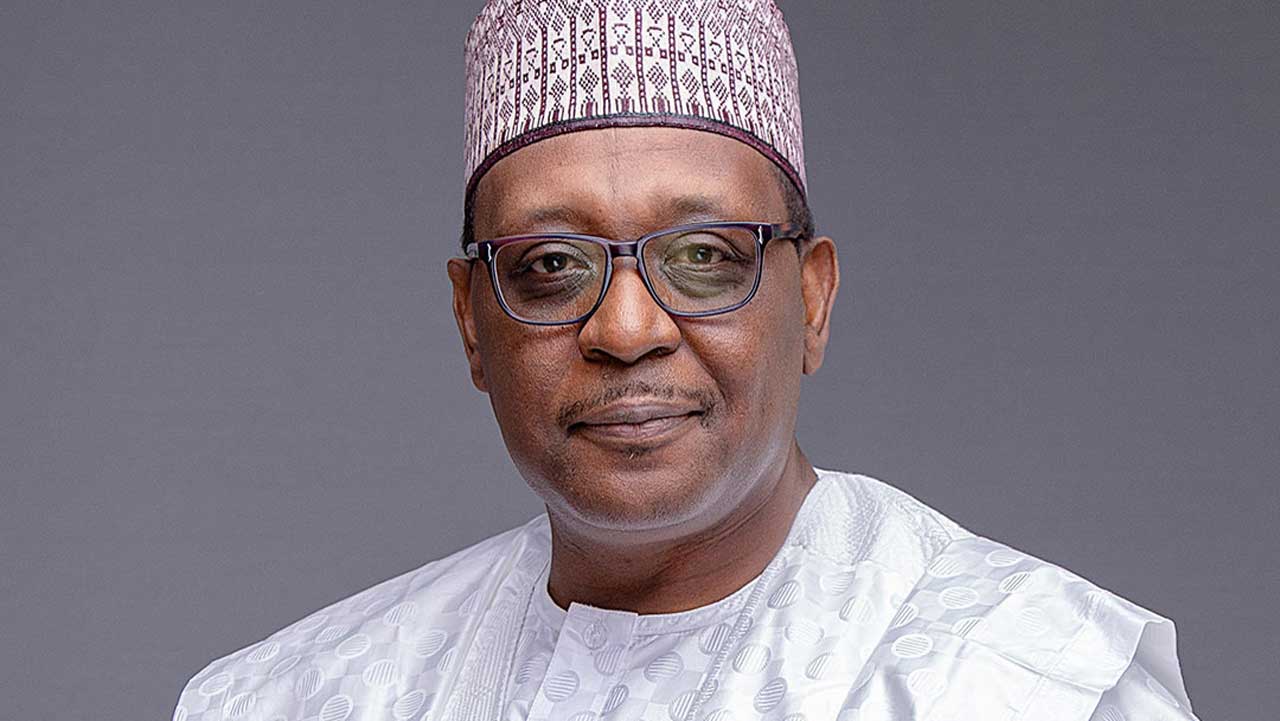
Bank of Ghana Appoints Professor Bashir Aliyu Umar to Head Islamic Banking Council

By Muhammad Sulaiman

The Bank of Ghana has appointed prominent Nigerian Islamic scholar Professor Bashir Aliyu Umar of Bayero University, Kano (BUK), to chair the council overseeing interest-free banking operations in the country.

The Governor of the Bank of Ghana, Johnson Pandit Asiama, formally inaugurated the new members of the council at a brief ceremony held in Accra.

Professor Bashir Aliyu Umar’s appointment highlights the growing role of Islamic scholars and experts in the development of interest-free banking and Islamic finance.

Professor Umar is a lecturer at Bayero University, Kano, and a prominent scholar of Islamic studies. The council is expected to help ensure that interest-free banking operations in Ghana comply with the principles and requirements of Islamic law.

The appointment comes at a time when Islamic banking and finance are gaining increasing acceptance in different parts of the world.

Study Links Short-Form Videos to Reduced Brain Activity in Cognitive Control Regions

By Muhammad Abubakar

Frequent exposure to short-form videos on platforms such as TikTok, Instagram Reels and YouTube Shorts may affect brain systems involved in self-control, attention and memory, according to emerging research.

A neuroimaging study found that watching preferred short videos was associated with increased activity in the amygdala, a brain region involved in emotion and reward, while areas of the prefrontal cortex responsible for cognitive control showed reduced activity. The researchers said the effect was more pronounced among people with lower levels of self-control.

Other recent research has reported similar concerns. A 2026 systematic review and meta-analysis covering 71 studies and nearly 98,300 participants found that greater use of short-form video was associated with poorer cognitive performance, particularly in attention and inhibitory control.

A separate study published in npj Science of Learning also found that learning through fragmented short videos was associated with poorer memory accuracy and reduced activity in several brain regions involved in information integration, cognitive control and semantic processing.

However, researchers caution that the findings do not mean that watching TikTok, Reels or Shorts literally “deactivates the brain.” Most studies examine associations or short-term changes in brain activity, and more longitudinal research is needed to establish whether frequent short-form video consumption causes lasting cognitive changes.

The findings nevertheless add to growing concerns about the cognitive effects of endless scrolling and rapidly changing, algorithmically selected content, particularly when such platforms are used for prolonged periods.

Nigerian Police Arrest Tutor, Father in Child Defilement Crackdown

By Abdullahi Mukhtar Algasgaini

The Edo State Police Command has announced the arrest of four suspects, including a private home lesson teacher and a father, over separate allegations of child defilement across the state.

The arrests were disclosed during a press briefing by Commissioner of Police, CP Patrick Daaor, who also unveiled a major shift in the command’s operational strategy aimed at curbing crime and protecting vulnerable citizens.

“Let me state clearly from the outset that the security and safety of Edo people remain the central priority of this Command,” CP Daaor said. “We are also strengthening our operational posture by turning Edo State into a highly Mobile Command. The objective is simple: to ensure that criminals do not find Edo State a comfortable operating environment.”

In one of the cases, 52-year-old Daniel Erumudonmoh Okhuilegbe, a home lesson teacher, was apprehended on August 5, 2026, for allegedly assaulting a 13-year-old pupil entrusted to his care.

“The complainant alleged that the suspect was engaged as a home lesson teacher but allegedly abused the trust placed in him and sexually assaulted the child,” Daaor stated.

Following the conclusion of investigation, the suspect was charged before the Benin High Court on August 14, 2026, and subsequently remanded at Oko Correctional Centre, Benin.

In a separate incident reported on August 6, 2026, a 42-year-old father was apprehended in Iyahmo over the alleged defilement of his 15-year-old daughter. Following a discrete investigation by the State Criminal Investigation Department (CID), the suspect was charged to court on August 14, 2026, and remanded at the Benin Correctional Centre.

The command also arrested 29-year-old Samson Amachie following an August 10 report transferred from the Okhoro Police Station to the Gender and Family Support Unit. Amachie allegedly lured an 11-year-old girl into an uncompleted building behind his shop. He has since been arraigned before the Benin High Court and remanded at the Oko Correctional Centre.

In another case reported on August 12 in Okpella, police arrested 26-year-old Otaru Jonathan for allegedly taking a 14-year-old girl on a motorcycle to an uncompleted building in Afokpella, where he assaulted her and gave her ₦2,000.

“The survivor was taken to the hospital for medical evaluation and attention,” CP Daaor noted, adding that the suspect remains in custody pending arraignment.

Alongside the gender-based violence arrests, police operatives recorded success in tracking down stolen property following a late-night home invasion.

According to the commissioner, on August 14, 2026, at approximately 1:15 a.m., six armed hoodlums invaded a residential compound on Jesus Christ Street, Iduowinna Community, dispossessing residents of mobile phones, laptops, wristwatches, perfumes, human hair, and a Lexus 350 saloon car bearing registration number BWR 988 DH.

“The scene was immediately visited, all divisions were alerted for possible recovery of the vehicle, and patrols were intensified within the community,” Daaor explained. “In a major breakthrough, at about 0900hrs the same day, the stolen Lexus 350 was recovered at Oba Market.”

The police chief assured residents that investigations remain active to track down the fleeing members of the robbery gang and recover the remaining stolen items.

Tinubu to Address UNGA in New York on September 23


By Abdullahi Mukhtar Algasgaini

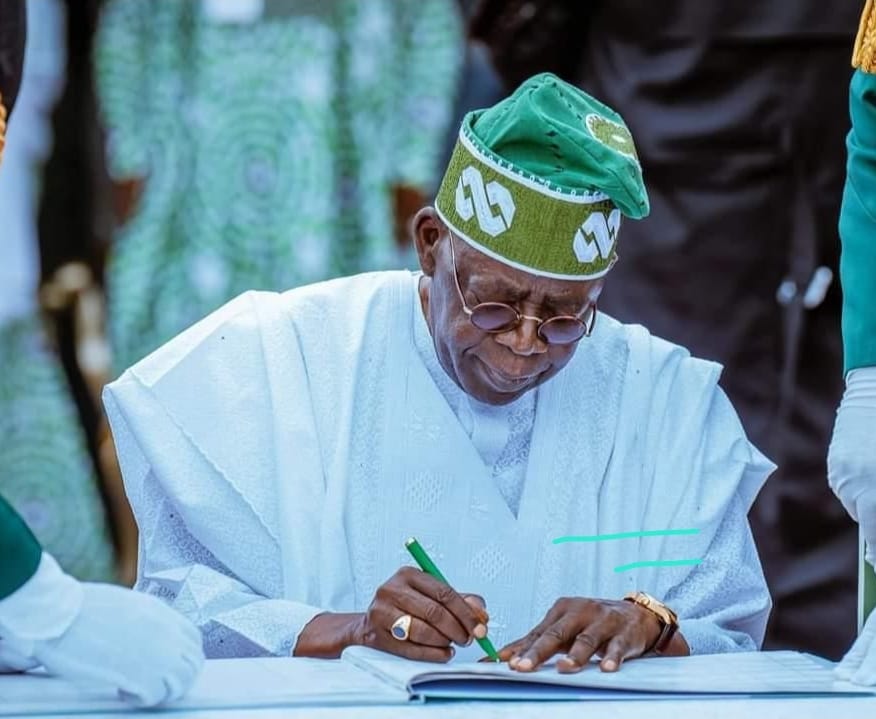
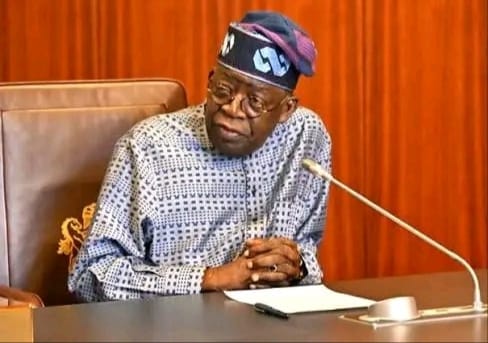
President Bola Ahmed Tinubu will represent Nigeria at the 81st session of the United Nations General Assembly, where he is expected to deliver a national address on September 23, 2026, in New York City.

According to a report from the News Agency of Nigeria (NAN), Tinubu will be the 10th speaker on the roster during the morning session of the second day of the high-level debate. His speech is scheduled for approximately 11:30 AM to 12:00 PM New York time, which corresponds to 4:30 PM to 5:00 PM Nigerian time.

The theme for this year’s General Assembly is “Restoring trust, managing transformation: A United Nations that delivers for all.”

Beyond his main address, the Nigerian leader is expected to participate in several side meetings and summits focusing on climate change, pandemic preparedness frameworks, and West African border security.

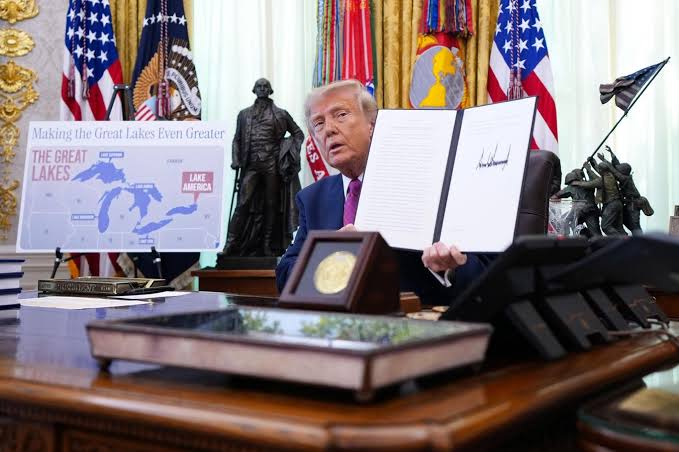
Diplomatic sources indicate that Tinubu may also hold a bilateral meeting with United States President Donald Trump on the margins of the assembly, although this meeting has yet to be officially confirmed.

The annual UN General Assembly brings together world leaders to address pressing global challenges and chart a course for international cooperation.

Murray-Bruce To Tinubu: Nigeria Needs More ‘Mad Men’ in Government

By Sabiu Abdullahi

Former senator Ben Murray-Bruce has called on President Bola Tinubu to appoint more officials who are willing to challenge established interests and pursue measurable results.

Murray-Bruce made the call while urging the president to make the rehabilitation and commercially viable operation of Nigeria’s government-owned refineries a top priority.

His comments followed Tinubu’s recent statement that his administration remained committed to restoring the nation’s refineries to productive capacity and ensuring that they become profitable.

In a post on X on Tuesday, Murray-Bruce used the expression “mad men” to describe officials who would confront ineffective systems, challenge powerful interests and take difficult decisions in the national interest.

“Mr President, Nigeria needs more mad men in your government,” he said.

“And before anybody deliberately misunderstands me, let me explain what I mean by mad men.

“I mean men and women who are crazy enough to confront a broken system, step on powerful toes, offend entrenched interests and refuse to accept mediocrity simply because mediocrity has become normal.

“We need people who wake up every morning obsessed with results. We need people who are prepared to become unpopular in Abuja if that is the price of becoming useful to Nigeria.”

The former senator said such an approach was particularly necessary in the petroleum sector, where he wants the Port Harcourt, Warri and Kaduna refineries revived alongside efforts to increase crude oil production.

“Mr President, make the rehabilitation and commercially viable operation of the Port Harcourt, Warri and Kaduna refineries a national obsession,” he said.

“And please, no more excuses. Nigerians have heard enough explanations about turnaround maintenance, contractors, technical reviews, committees, timelines and billions spent. We want products coming out of those refineries.”

Murray-Bruce also advised the Federal Government to explore alternative ownership and management arrangements if such options would make the refineries efficient and profitable.

“If government cannot operate them efficiently, find the structure that can. Bring in world-class technical partners. Introduce private capital where necessary. Restructure them. Concession them if that produces the best outcome,” he said.

“But whatever model is chosen, the objective must be brutally simple: MAKE THE REFINERIES WORK.”

He pointed to the Dangote refinery as proof that large-scale petroleum refining could operate in Nigeria. The facility has a nameplate capacity of 650,000 barrels per day.

According to him, the three government-owned refineries should aim for at least half of that capacity, which would amount to about 325,000 barrels per day, as reliable and commercially viable output.

The former senator further called on Tinubu to appoint a person who could drive the administration’s target of increasing crude oil production to four million barrels per day by 2030.

“Find somebody who considers 1.5 million barrels unacceptable when the national ambition is 4 million,” he said.

He said such an official should be prepared to tackle crude oil theft, bureaucratic obstacles and other challenges that limit production while also attracting fresh investment and unlocking dormant assets.

“I don’t want another committee chairman. I want a mad man. I don’t want somebody who will spend four years explaining why something cannot be done. I want somebody crazy enough to do it,” he said.

Murray-Bruce named Central Bank of Nigeria Governor Olayemi Cardoso and National Security Adviser Nuhu Ribadu as examples of the type of officials he believes the president needs.

“Two mad men are not enough for a country of more than 200 million people,” he said, urging Tinubu to bring more officials into government who are “obsessed with results”.

“Four million barrels per day. Working refineries. A Nigeria that refines its own crude and exports petroleum products to the world. No excuses. No clowns. No passengers. Only results,” he added.

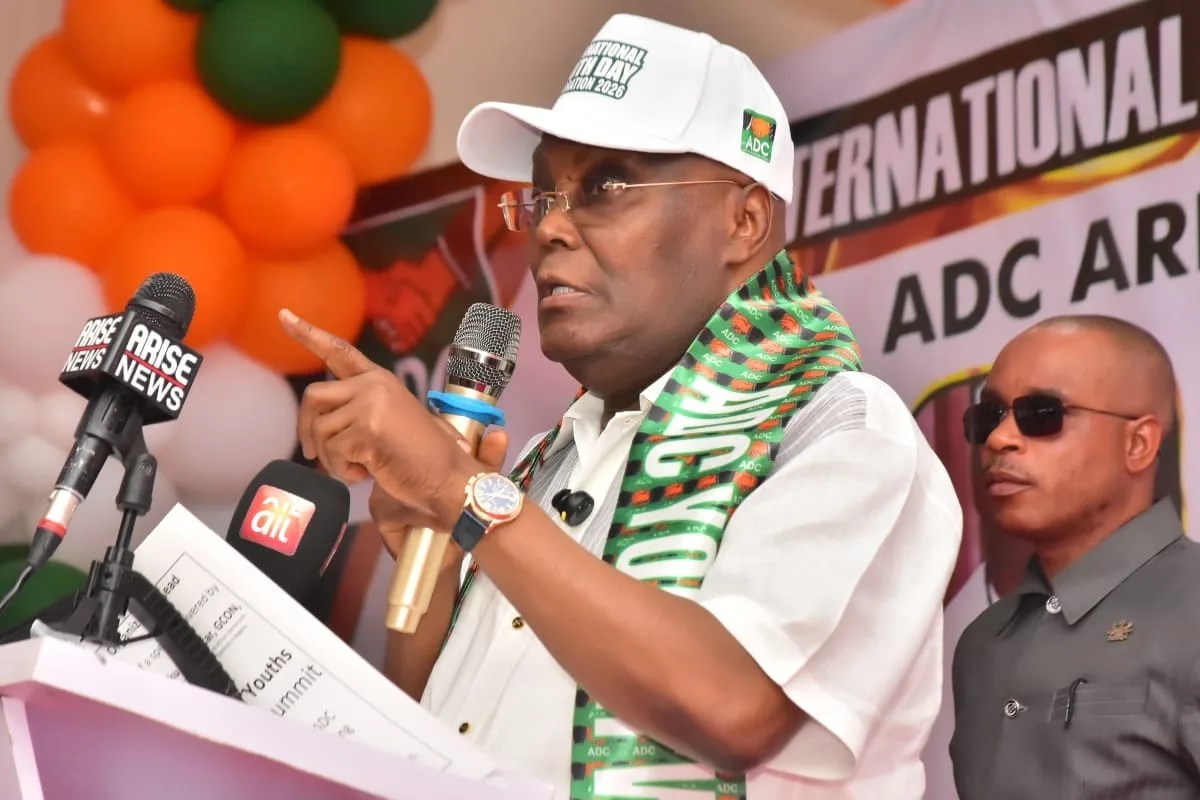
INEC To Deploy 1.4m Ad Hoc Staff For 2027 Elections

By Sabiu Abdullahi

The Independent National Electoral Commission (INEC) has announced plans to deploy about 1.4 million ad hoc personnel for the 2027 general elections.

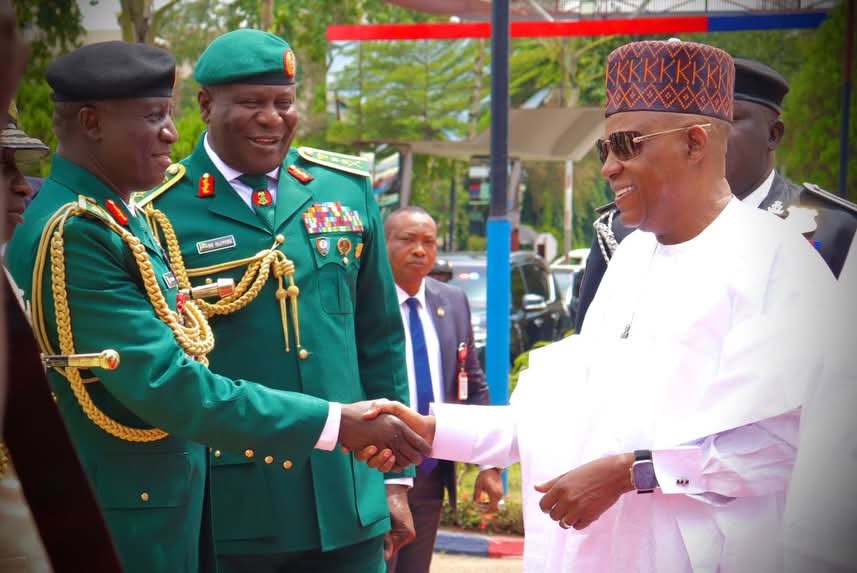
The commission disclosed this on Tuesday in Abuja when it hosted a delegation from the International Republican Institute (IRI), led by its president, Dan Twining.

The IRI team is in Nigeria from August 11 to 21 as part of a pre-election assessment aimed at reviewing INEC’s preparations and identifying areas where international technical assistance could support the electoral process.

INEC Chairman, Joash Amupitan, said the planned personnel would be deployed across more than 176,000 polling units nationwide.

He said the commission was also improving its logistics arrangements, expanding early deployment of personnel and materials, and strengthening cooperation with transport unions to facilitate the movement of election officials and election materials.

Amupitan described the IRI visit as timely, particularly after the recent Osun governorship election and ahead of the 2027 campaign season.

He said recent off-cycle governorship elections and legislative by-elections had provided opportunities for INEC to test its technology, logistics and security arrangements.

According to him, the Bimodal Voter Accreditation System (BVAS) and INEC Result Viewing (IReV) portal have continued to perform reliably, with more than 98 per cent of results uploaded in recent elections.

The INEC chairman also disclosed that the commission was introducing measures to improve voter registration. The measures include online registration, continuous updating of the voters’ register and efforts to ensure that voter information remains accurate.

He said additional measures would be introduced to make the electoral process more accessible to persons with disabilities, pregnant women, nursing mothers and elderly voters.

Amupitan identified misinformation, disinformation and the misuse of artificial intelligence as some of the emerging challenges that could threaten the credibility of the 2027 elections.

He said INEC had established a unit focused on artificial intelligence to develop guidelines for responsible technology use and tackle false information capable of undermining confidence in the electoral process.

The chairman reaffirmed the commission’s neutrality, stating that INEC would not favour any political party or candidate.

He said the commission’s primary duty was to conduct elections that represent the wishes of Nigerians, with the recent Osun governorship election cited as part of efforts to promote credible and peaceful elections.

Amupitan also acknowledged the need for the commission to take further steps to increase voter participation in future elections.

Speaking on the purpose of the IRI mission, Twining said the organisation wanted to support a competitive, peaceful and credible electoral process in Nigeria.

He said the delegation would examine INEC’s preparations, identify possible challenges and consider ways the international community could assist Nigeria’s democratic development.

“We know how committed Nigerians are to exercising their democratic rights,” Twining said.

“Our interest is a competitive, peaceful and credible election in Nigeria, and we look forward to learning how we can support that objective.”

FCTA Begins Demolition of Structures Built on Abuja Waterways

By Sabiu Abdullahi

The Federal Capital Territory Administration (FCTA) has started demolishing houses and other structures erected on designated waterways across Abuja.

The enforcement exercise began in Maitama on Tuesday, August 18, 2026, following a directive from the Minister of the Federal Capital Territory, Nyesom Wike.

Officials of the FCTA deployed heavy-duty equipment to remove some of the structures identified as obstructing water channels.

Wike gave the directive after inspecting areas affected by flash floods that swept through parts of the Federal Capital Territory after heavy rainfall on Saturday.

The minister blamed the severity of the flooding partly on buildings constructed on waterways and warned that the status of property owners would not prevent the removal of illegal structures.

“We will demolish all those houses found on the water channel. Some of them are senators. Some of them are big men,” Wike said.

He said the demolition exercise would continue from Tuesday to Saturday.

The minister also ordered the immediate desilting of drainage channels identified across the FCT as part of measures to reduce the risk of further flooding.

The recent flooding affected several parts of Abuja, including Maitama, Wuse 2, Gudu and Lokogoma, where residents were stranded and vehicles were submerged.

According to Wike, the flooding resulted from both natural and human factors. He identified construction on waterways, blocked drainage systems and indiscriminate disposal of waste as some of the factors that worsened the situation.

The FCT Administration said it would strengthen enforcement of development regulations to prevent structures from blocking the natural flow of stormwater.

Lawyer Accuses EFCC of Detaining Kano Blogger for Over 30 Days

By Hadiza Abdulkadir

Human rights lawyer and activist Abba Hikima has accused the Economic and Financial Crimes Commission (EFCC) of detaining Kano-based blogger Maryam Shehu for more than 30 days without charging her with an economic or financial crime.

Hikima made the allegation in a post on his verified Facebook page, saying Shehu was arrested in Kano and subsequently detained by the EFCC in Abuja after she allegedly raised corruption concerns involving some EFCC officials.

According to the lawyer, Shehu is not accused of stealing, fraud, money laundering or any other economic or financial crime. He also alleged that an EFCC official lured her with a business proposal before her arrest and transfer to Abuja.

Hikima further questioned the EFCC’s handling of the matter, arguing that the agency should not simultaneously act as complainant, investigator and judge in allegations involving its own officials.

He called for Shehu to either be charged before a competent court if she committed an offence or released to allow an independent investigation into the allegations against EFCC officials. He also appealed to human rights organisations to intervene in the case.

“Investigation is not punishment,” Hikima said, while calling for Shehu’s release or prosecution.

The EFCC had not responded to the accusations at the time of filing this report.

The allegations by Hikima could not be independently verified at the time of publication.

Lagos and the Danger of Normalising Waste

‎By Abashi Rahab

I recently read the report titled “Tackling Indiscriminate Dumping of Refuse in Lagos,”. The report highlighted Governor Babajide Sanwo-Olu’s directive to intensify refuse collection across the state and drew attention to the persistent heaps of waste lining major roads and public spaces despite government efforts.

‎While the report focused on the operational and environmental dimensions of the refuse crisis, one aspect stood out to me more than any other: the growing acceptance of unhealthy conditions by many residents and traders who have become accustomed to living and working around overflowing waste dumps.

‎That, in my view, is the deeper problem.

‎The report captured the experiences of individuals who have gradually adapted to circumstances that should never be considered normal. One trader explained that whenever the stench from nearby refuse heaps became unbearable, people simply covered their noses with handkerchiefs or pieces of cloth until they could no longer tolerate the inconvenience. Another admitted that the waste negatively affected the food sold to customers but lamented that economic realities left little choice. Such testimonies are both revealing and disturbing. No citizen should be forced to choose between earning a livelihood and safeguarding personal health.

‎The refuse challenge confronting Lagos is far more than an environmental concern; it is a public health issue with serious implications. Uncollected waste attracts flies, rodents, and mosquitoes that spread diseases such as cholera, typhoid fever, and malaria. During the rainy season, blocked drainage channels often result in flooding, while stagnant water creates breeding grounds for disease-carrying insects. In addition, the decomposition of waste releases pollutants that can exacerbate respiratory illnesses and degrade air quality. Over time, poor waste management also contaminates soil and groundwater, creating environmental hazards that may persist for generations.

‎What makes the situation particularly frustrating is that many residents who wish to dispose of waste responsibly are often constrained by weaknesses within the waste management system itself. According to the report, some waste collection operators spend several days—and in some cases up to a week—waiting to dispose of refuse because disposal facilities are overstretched or difficult to access. In certain communities, designated waste collection points have either been removed or become inadequate, leaving residents with limited options. Traders who contribute regularly to waste disposal services still find themselves surrounded by accumulating refuse.

‎These realities suggest that the challenge extends beyond individual behaviour. They point to the need for stronger infrastructure, more efficient service delivery, and improved environmental governance. The Lagos State Government deserves recognition for acknowledging the problem and directing intensified refuse evacuation efforts. However, lasting progress will require sustained investment in waste management infrastructure, additional compactors and evacuation vehicles, expanded disposal facilities, accessible collection points, and stronger monitoring mechanisms to ensure consistency in service delivery.

‎Environmental sanitation should not be treated as an occasional intervention triggered by public outcry. It should be regarded as an essential public service that directly affects public health, economic productivity, and the overall quality of urban life.

‎At the same time, government action alone cannot solve the problem.

‎Citizens also have an important role to play in protecting the environment. The indiscriminate dumping of refuse in gutters, waterways, roadsides, and open spaces continues to undermine efforts to maintain a cleaner city. Public infrastructure cannot function effectively when residents disregard basic environmental responsibilities. Keeping Lagos clean begins with individual actions—in homes, markets, offices, schools, and neighbourhoods. Every resident has a duty to dispose of waste properly and contribute to a culture of environmental responsibility.

‎For decades, Lagos has struggled with the perception that it is overwhelmed by waste and poor sanitation. Yet this image is not irreversible. A cleaner, healthier, and more sustainable city is achievable if government institutions, businesses, communities, and residents work together toward a common objective. What must be resisted is the dangerous tendency to normalise unhealthy conditions simply because they have persisted for a long time.

‎Covering one’s nose to endure the smell of refuse should never become a way of life. Living and working beside mountains of waste should never be accepted as normal. When citizens begin to adjust to environmental conditions that threaten their health and dignity, society risks losing the urgency needed to demand and sustain meaningful change.

‎A clean environment is not a luxury; it is a necessity. Every pile of uncollected refuse poses a potential health hazard, while every effort to manage waste responsibly contributes to a safer, more livable community. If Lagos is to become the cleaner and more resilient city its residents deserve, the solution must involve both stronger government action and greater public responsibility.

‎Only through such a shared commitment can the state effectively address its waste management challenges and ensure that future generations inherit a healthier environment.

Abashi Rahab is a Strategic Communication student at Yakubu Gowon University and an intern at Image Merchants Promotion Limited (IMPR). She can be reached at abashirahab@gmail.com.

Troops Foil Mass Abduction, Rescue Nine Civilians in Zamfara

By Sabiu Abdullahi

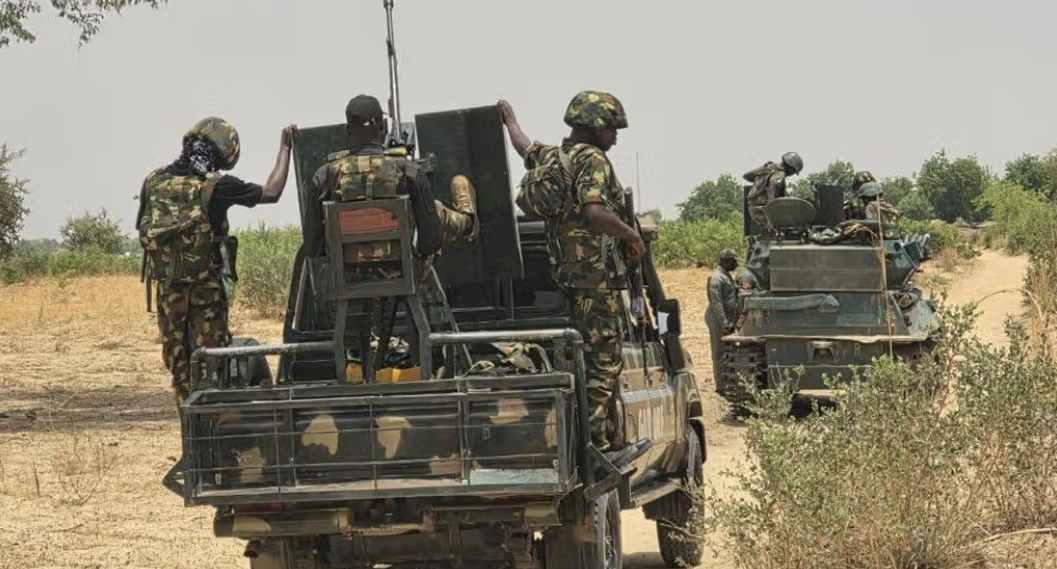
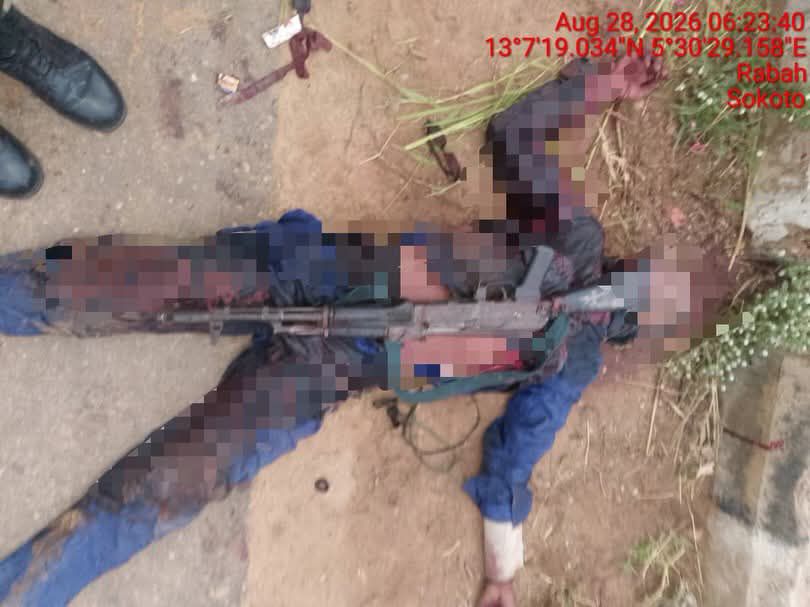
Troops of Operation Fansan Yamma have thwarted an attempted mass abduction in Unguwar Rogo village, Kaura Namoda Local Government Area of Zamfara State, rescuing nine civilians, including an infant.

The incident occurred on August 16 after security personnel received a distress call about an attack on civilians travelling along a local route in the community.

Aliyu Danja, media information officer of the Joint Task Force (North-West), Operation Fansan Yamma, said preliminary intelligence suggested that the terrorists were led by a suspected kingpin identified as Mallam Shuaibu.

According to the statement, the attack may have been carried out in retaliation for the arrest of suspected collaborators who were allegedly connected to the terrorist network.

“The suspects had earlier been intercepted by troops while attempting to procure motorcycles and Premium Motor Spirit (PMS) in support of the terrorists’ activities,” the statement reads.

The statement said the attackers later hid inside a millet farm along the route and opened fire on vehicles in an apparent attempt to abduct civilians. The gunfire reportedly caused some drivers to lose control of their vehicles and leave the road.

“In an apparent attempt to retaliate and abduct civilians, the terrorists concealed themselves within a millet farm along the route and opened fire on passing vehicles, causing some drivers to lose control and veer off the road.

“Responding swiftly to the distress call, troops of Sector 2 moved to the area and decisively engaged the terrorists, denying them the opportunity to carry out the abduction.

“Faced with the troops’ superior response, the terrorists abandoned their mission and fled into the surrounding forest.

“Following the engagement, troops rescued nine civilians, including an infant.”

The military further disclosed that two women sustained gunshot wounds during the attack. They were evacuated to a medical facility for treatment.

Operation Fansan Yamma, the army said, would continue its operations against terrorist and criminal groups across the North-West.

It also reaffirmed its commitment to protecting civilians and restoring peace and security in the region.