Month: March 2026

Kwankwaso, America, and the Risks of External Political Labelling

By Abdulhamid Abdullahi Aliyu

Recent signals from Washington suggest a growing impatience with Nigeria’s internal complexities, especially as they relate to religion, security, and political leadership. At the centre of this emerging posture is a troubling tendency to compress Nigeria’s layered crises into externally convenient labels—labels that risk doing more harm than good.

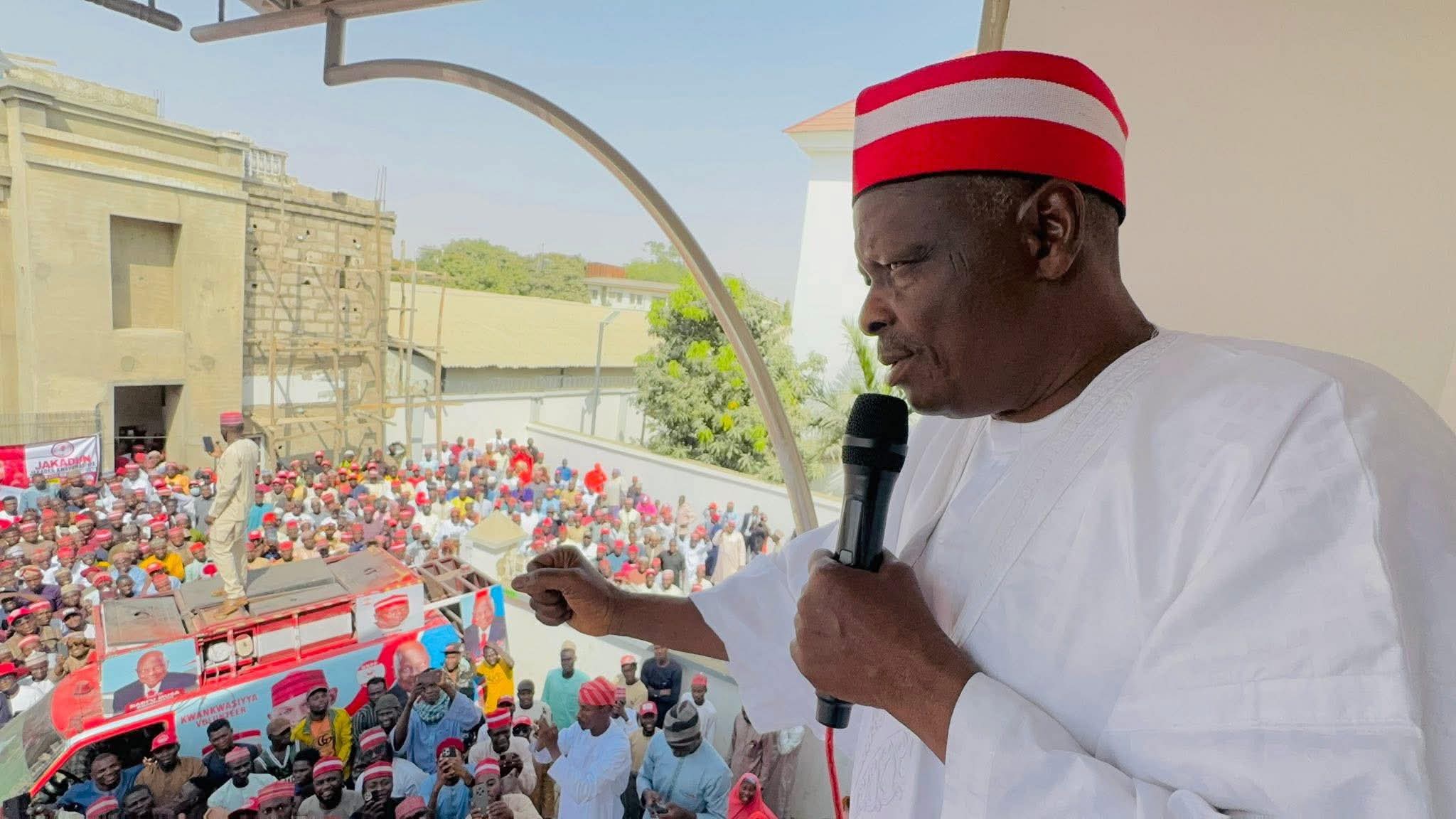
One of the clearest flashpoints in this evolving narrative is the renewed attention to former Kano State governor Rabiu Musa Kwankwaso. His name, along with those of Fulani-affiliated organisations and, by implication, Nigeria’s Muslim political class, has begun to feature in American policy conversations framed around religious freedom and accountability. What appears, at first glance, as principled concern deserves closer scrutiny.

Nigeria’s security breakdown is undeniable. Insurgency, banditry, farmer–herder violence, and organised criminal networks have torn through communities across the country. But these tragedies have never respected religious boundaries. Muslims and Christians, northerners and southerners, rural farmers and urban traders have all paid the price. To reframe this national trauma primarily as a story of religious persecution is to flatten reality into something politically useful but analytically false.

This framing did not emerge organically. It has been cultivated through persistent lobbying, selective reporting, and advocacy-driven briefs circulated within Western policy and faith-based circles. Many of these narratives rely on contested data sets and ideologically motivated interpretations that have been challenged by journalists and security analysts familiar with Nigeria’s terrain. Yet repetition has given them traction.

Under Donald Trump, the United States has shown a greater willingness to convert these narratives into policy instruments. Nigeria’s earlier designation as a “Country of Particular Concern” over alleged religious persecution, and the signals accompanying its reconsideration, reinforced the impression that Washington had settled on a moral script that leaves little room for nuance.

What is especially alarming is how this posture now intersects with Nigeria’s domestic political timeline. The proposal of punitive measures against figures like Kwankwaso—who has no public record of religious extremism—raises uncomfortable questions about motive and timing. Sanctions, visa restrictions, or terror designations do not occur in a vacuum; they shape reputations, constrain political options, and influence electoral perceptions.

Even more dangerous is the elastic use of terms such as “Fulani militia.” The Fulani are not a monolith, nor are they a security organisation. They are a vast, diverse population spread across West and Central Africa, encompassing professionals, farmers, scholars, politicians, and pastoralists. To collapse this diversity into a security label is not accountability—it is ethnic profiling with far-reaching consequences.

Those who defend this approach often argue that allowing clerics or religiously identified politicians into democratic space risks sanctifying power. That concern is not without merit. In plural societies, when political authority borrows the language of divine legitimacy, dissent can be recast as moral deviance. But that argument cuts both ways. External actors who cloak geopolitical interests in moral absolutism risk exporting the very instability they claim to oppose.

Nigeria’s democracy, imperfect as it is, rests on pluralism, negotiation, and the acceptance of politics as a human—rather than sacred—enterprise. When foreign policy instruments treat Nigerian political actors as symbols in a global religious drama, they undermine this fragile equilibrium. Worse still, they embolden local extremists who thrive on polarisation and grievance.

None of this is to argue against international engagement or concern for human rights. On the contrary, Nigeria benefits from cooperation with partners such as the United States in intelligence sharing, capacity building, and counterterrorism. But partnership must be grounded in evidence, context, and restraint—not in sweeping classifications shaped by advocacy pressure or domestic American politics.

If Washington’s objective is stability in West Africa, then the path forward lies in engagement rather than labelling, dialogue rather than designation. Nigeria’s challenges are internal, complex, and deeply rooted. They cannot be solved by reducing political figures to caricatures or entire communities to security threats.

Kwankwaso’s politics, like that of any public figure, should be judged by Nigerians through debate, scrutiny, and the ballot. External political labelling, however well-intentioned, risks distorting that process and deepening divisions within an already strained federation.

In the end, what Nigeria requires from its partners is not moral theatre but sober cooperation. Fairness, evidence, and respect for internal democratic processes remain the only sustainable foundations for international engagement.


Abdulhamid Abdullahi Aliyu is a journalist and syndicate writer based in Abuja.
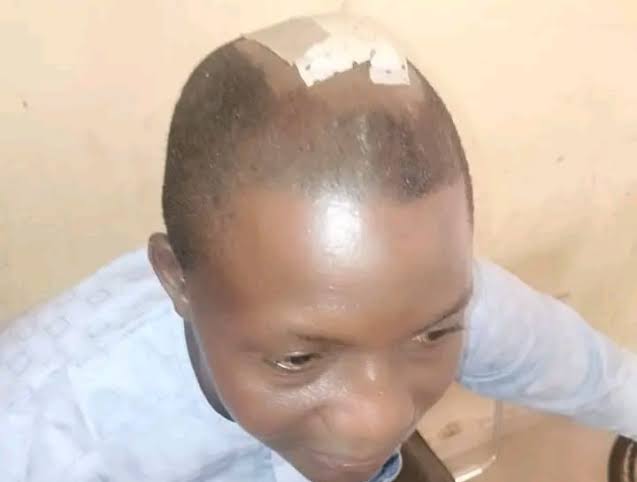
CITAD Condemns Alleged Police Assault On Journalist In Bauchi

The Centre for Information Technology and Development (CITAD) has denounced the alleged assault on Albarka Radio reporter, Mohammed Adamu, by police officers during the Eid Durbar celebration in Bununu, located in Tafawa Balewa Local Government Area of Bauchi State.

According to the organisation, in a statement signed by the Executive Director of CITAD, YZ Ya’u, the incident occurred while the journalist was on assignment to cover the event.

He was reportedly stopped by police officers led by the Divisional Police Officer, Jamilu Kabir. Although he identified himself and made efforts to reach the designated media section, officers allegedly attacked him.

The assault left him with head injuries and compelled him to seek medical care.

CITAD described the development as “a grave violation of press freedom and a direct attack on the fundamental rights of journalists in Nigeria.”

The group stressed that journalists remain vital to public awareness and accountability. It added that any form of intimidation or harm against media professionals weakens democratic governance and undermines the rule of law.

The organisation also noted that the incident reflects a broader concern. It stated that cases of harassment and violence against journalists by security personnel have become frequent.

According to CITAD, such actions create fear and hinder the ability of the media to function independently.

“We therefore call for:

1. An immediate, thorough, and transparent investigation into the incident.


2. The identification and prosecution of all officers involved in the assault.


3. Adequate compensation and protection for the assaulted journalist.


4. Clear directives and training for security agencies to respect and protect journalists in the course of their duties.”


CITAD further urged the Inspector-General of Police and other relevant authorities to act decisively to address what it described as a growing pattern of attacks on journalists and to ensure those responsible are held accountable.

The organisation emphasized that Nigeria must remain a country where journalists can perform their duties without fear.

It maintained that protecting press freedom is essential for the preservation of democracy and the rights of citizens.

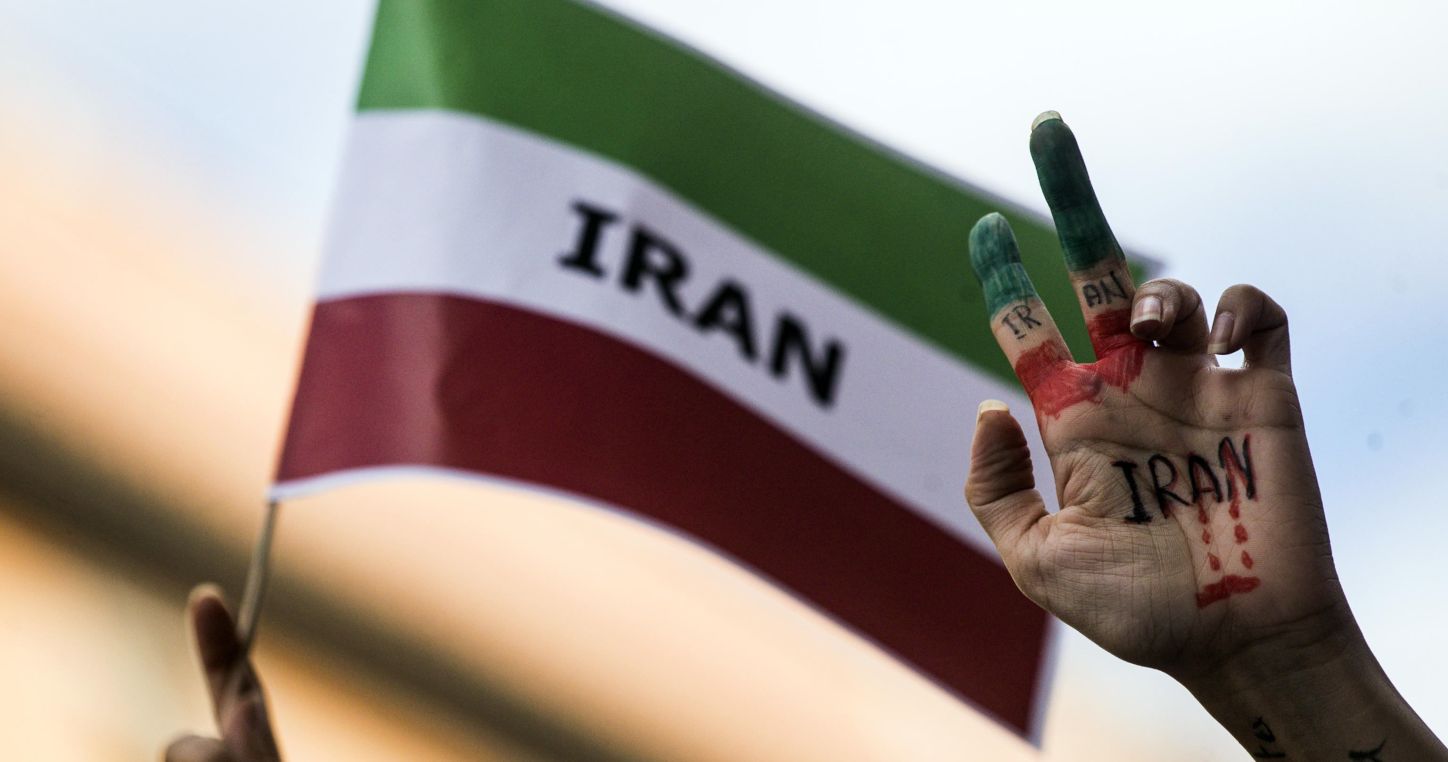
Iran Accuses Trump of Manipulating Oil Prices After US Pauses Strikes on Energy Infrastructure

By Sabiu Abdullahi

Iran’s foreign ministry has dismissed US President Donald Trump’s claim of “productive” talks to end hostilities, suggesting the remarks aim to calm energy markets and gain time for military planning.

On Monday, Trump announced that Washington and Tehran had held “VERY GOOD AND PRODUCTIVE” conversations over the past two days about a “COMPLETE AND TOTAL RESOLUTION OF HOSTILITIES IN THE MIDDLE EAST”. He added that he had instructed the US Department of War to postpone all strikes on Iranian power plants and energy infrastructure for a five-day period. This announcement came just hours before the deadline of his ultimatum demanding that Iran reopen the Strait of Hormuz, warning that failure to comply would result in Tehran being “obliterated.”

Iran’s foreign ministry rejected the notion of direct negotiations with the US. It stated that while regional countries had initiated efforts to reduce tensions, “all requests should be directed towards the US as we did not initiate the war.”

Citing an unnamed source, Iran’s Fars news agency reported that Trump delayed military action after learning that Iran would respond by targeting all power plants in the region. The source also indicated that Tehran could lay mines across the Persian Gulf if the US proceeded with attacks on the country’s coast or islands.

The closure of the Strait of Hormuz has intensified pressure on Trump. The vital waterway is a major conduit for oil, and its disruption has caused energy prices to surge since hostilities escalated in late February.

In London, Prime Minister Sir Keir Starmer welcomed Trump’s announcement to delay strikes. His official spokesman said: “Any reports of productive talks are welcome. We have always said that a swift resolution to the war is in global interests and the Strait of Hormuz specifically needs to be reopened.”

The spokesman added that the UK was in contact with the US about the situation and had discussed safeguarding international shipping. “It has been something the prime minister has talked about since the beginning of this conflict, that we want to work with the US and international partners to develop a viable plan to safeguard international shipping and see an end to this crisis,” he said.

Financial markets responded to Trump’s announcement with modest optimism. Analysts warn, however, that prolonged closure of the Strait of Hormuz will continue to drive energy prices upward, potentially prompting multiple interest rate increases in the UK. Rising costs are expected to affect transport, fuel, and production, increasing inflationary pressures.

Meanwhile, Israel’s military confirmed fresh strikes on “Iranian terror regime targets” in Tehran, and Iranian sources stressed that the country would continue to respond and defend its territory. According to Iran’s semi-official Tasnim news agency, “the Strait of Hormuz will not return to pre-war conditions and energy markets will remain unsettled,” and no direct negotiations with the US are underway.

Trump’s announcement of a temporary pause came as he described ongoing discussions with Iran as “very good and productive,” aimed at achieving a “complete and total resolution of our hostilities in the Middle East.”

“Based on the tenor and tone of these in depth, detailed, and constructive conversations, witch [sic] will continue throughout the week, I have instructed the Department of War to postpone any and all military strikes against Iranian power plants and energy infrastructure for a five day period, subject to the success of the ongoing meetings and discussions,” Trump wrote on Truth Social.

“Thank you for your attention to this matter! President Donald J. Trump”

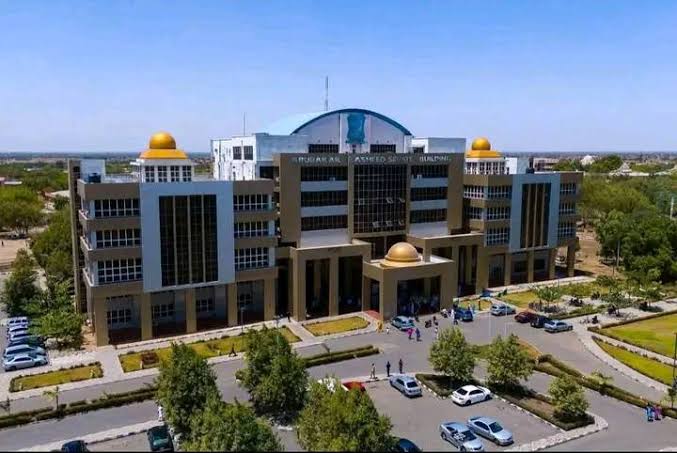
BUK Senate Expels 171 Students for Falsified Entry Qualifications

By Uzair Adam

The Senate of Bayero University Kano has approved the expulsion of 171 students for falsifying their admission entry qualifications, following deliberations at its 433rd meeting held on March 4, 2026.

The Daily Reality reports that the decision, according to an official bulletin issued by the university, came after the Senate considered and adopted the report of its Committee on Entry Qualification Irregularities.

The committee had investigated multiple cases involving discrepancies in admission credentials and found the affected students culpable.

The bulletin stated that the students were discovered to have presented forged or altered qualifications to secure admission into the institution.

It noted that such actions constitute a serious breach of the university’s regulations, specifically Section 20.7, Category A (vii) of the General Examinations and Academic Regulations (GEAR), which prescribes expulsion for offenders.

University authorities emphasized that the measure was necessary to preserve academic standards.

The institution reiterated that it “will continue to uphold the highest standards of academic integrity and discipline,” warning that any violation of its rules would attract strict sanctions in line with established regulations.

In a separate development, the Senate also approved the expulsion of a Civil Engineering student, Yusuf Muhammad Sani (ENG/18/CIV/00065), for engaging in physical violence against invigilators during an examination.

The incident reportedly disrupted the conduct of the examination and was similarly deemed a violation of the university’s disciplinary code.

While the university did not provide detailed comments on individual cases, it stressed that all decisions were reached after due process.

An official familiar with the proceedings said the Senate acted “based on clear evidence presented by the investigative committee,” adding that the institution remains committed to fairness and accountability.

The affected students cut across several faculties, including Arts and Islamic Studies, Law, Engineering, Education, and Management Sciences.

The university released a comprehensive list of the expelled students as part of the bulletin.

The development highlights the institution’s renewed stance against academic misconduct, as authorities insist that maintaining credibility in its admission process remains a top priority.

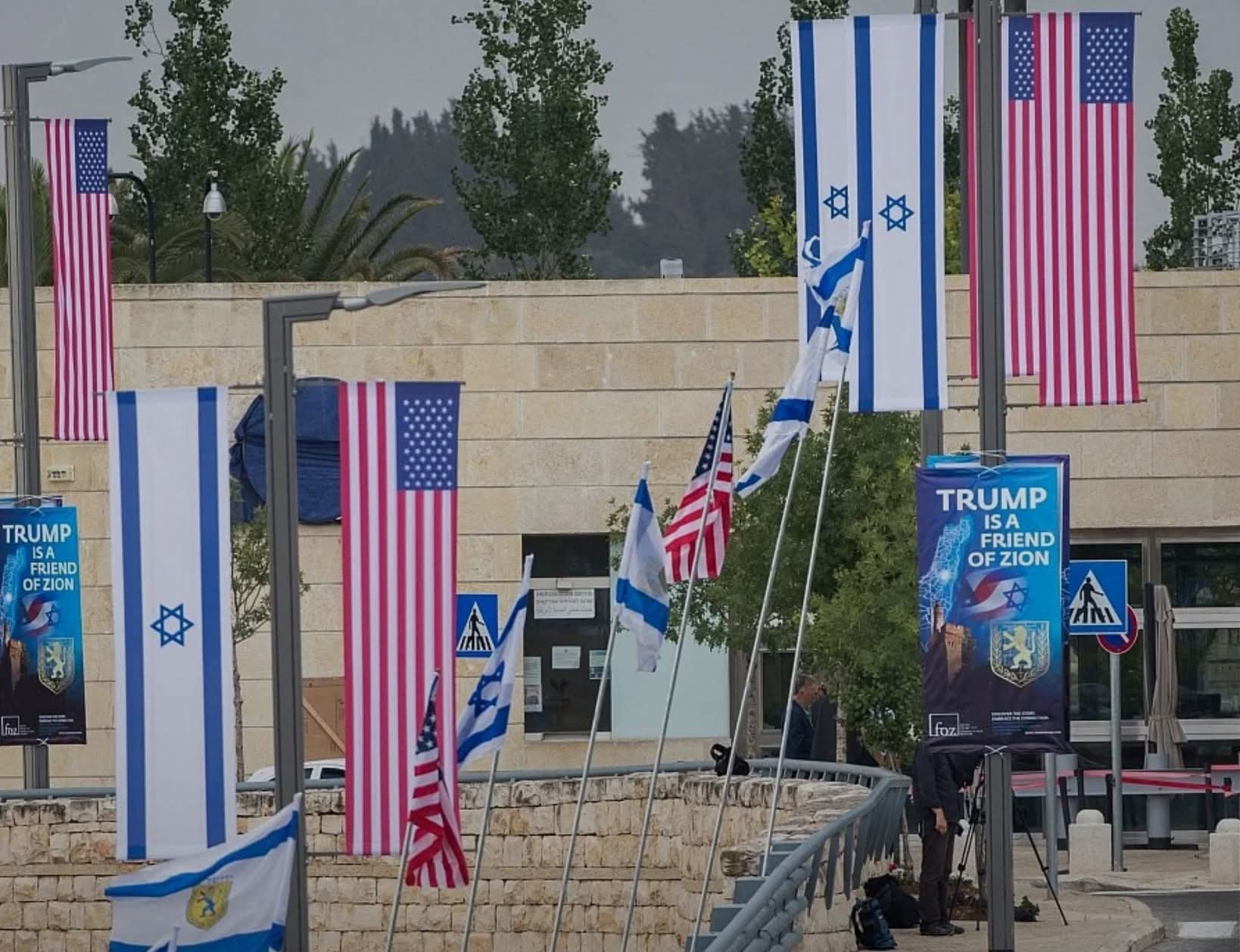
U.S. Embassy Tells Americans To Vacate ‘Israel’ Via Land Routes, Organizes Buses To Jordan

By Sabiu Abdullahi

The United States Embassy in Jerusalem has advised its citizens in ‘Israel’ to consider leaving the country through land borders due to ongoing travel difficulties and limited immediate options.

In a message posted on its official Instagram page, the embassy explained that overland routes currently offer the quickest way out. It pointed to border crossings into neighboring countries such as Egypt and Jordan as the most viable options for departure.

According to the advisory, commercial flights are still operating from airports in Egypt, including Sharm el-Sheikh and Cairo, as well as from Jordan’s capital, Amman.

To support those seeking to leave, the U.S. Department of State has begun arranging bus transportation for American citizens. The service is scheduled to start on March 23 and will move passengers from ‘Israel’ to Queen Alia International Airport in Amman.

As part of the “departure by land” plan, assisted transport will be available through the northern crossing known as the Jordan River/Sheikh Hussein border point. The embassy said this option is intended for citizens who require help exiting the country.

Americans interested in using the service must first complete an online registration form. After that, they will receive information on departure schedules and designated meeting locations. Current arrangements cover departures from both Jerusalem and Tel Aviv.

Officials stressed that travelers will still need to handle their onward journeys themselves, including securing flights from Amman.

The embassy added that it will continue to provide updates to U.S. citizens in ‘Israel’ as the situation develops.

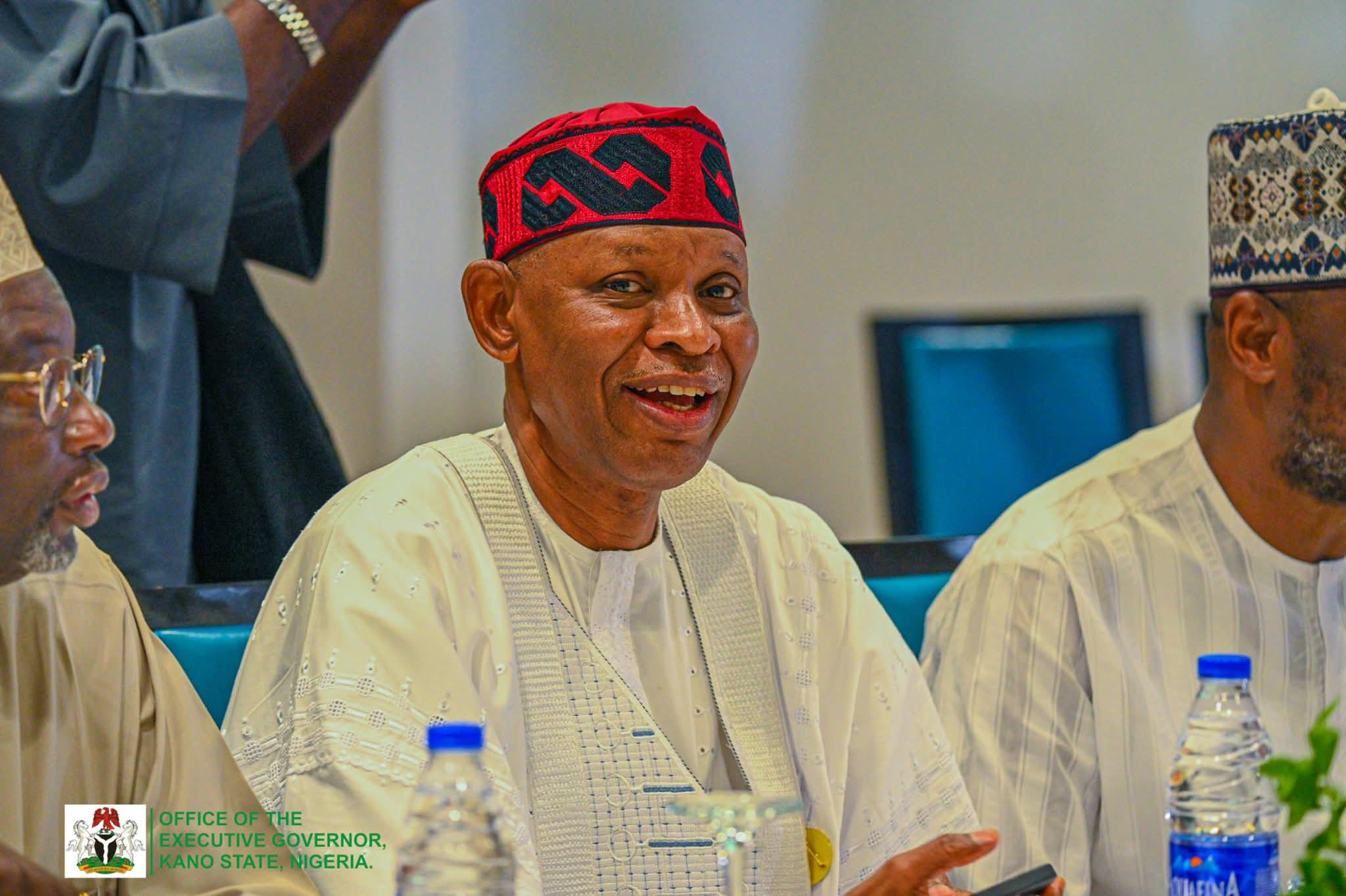
Kano State Govt Debunks Reports of Snubbing Kano Emir After Public Uproar

By Ibrahim Yunusa


The Kano State Government has dismissed reports alleging that Governor Abba Kabir Yusuf snubbed the Emir of Kano, Muhammadu Sanusi II, during the Hawan Nasarawa celebration at Government House.

In a statement issued by the governor’s spokesperson, Sunusi Bature Dawakin Tofa, the government described the claims as false, misleading, and lacking any factual basis.

According to the statement, the report was deliberately fabricated to misinform the public and create unnecessary tension.

The government clarified that there was no breach of protocol, noting that it is a longstanding tradition for governors to pay homage to the President during the Sallah period.

The government explained that this year’s Hawan Nasarawa coincided with a strategic meeting of Nigerian governors, requiring Governor Yusuf’s presence outside Kano.

It added that the governor had duly informed the Emir and delegated the Speaker of the Kano State House of Assembly and other senior officials to receive the Emir on his behalf at the Government House.

Despite the scheduling conflict, the statement noted that Governor Yusuf participated in other Sallah activities, including attending the Eid prayer led by the Emir and making arrangements to receive other traditional rulers.

The government reaffirmed that relations between the state government and the Kano Emirate Council remain cordial, urging the public to disregard the report and rely on credible sources for information.

Gusau Airport Records First-Ever Test Flight After Three Decades

By Uzair Adam

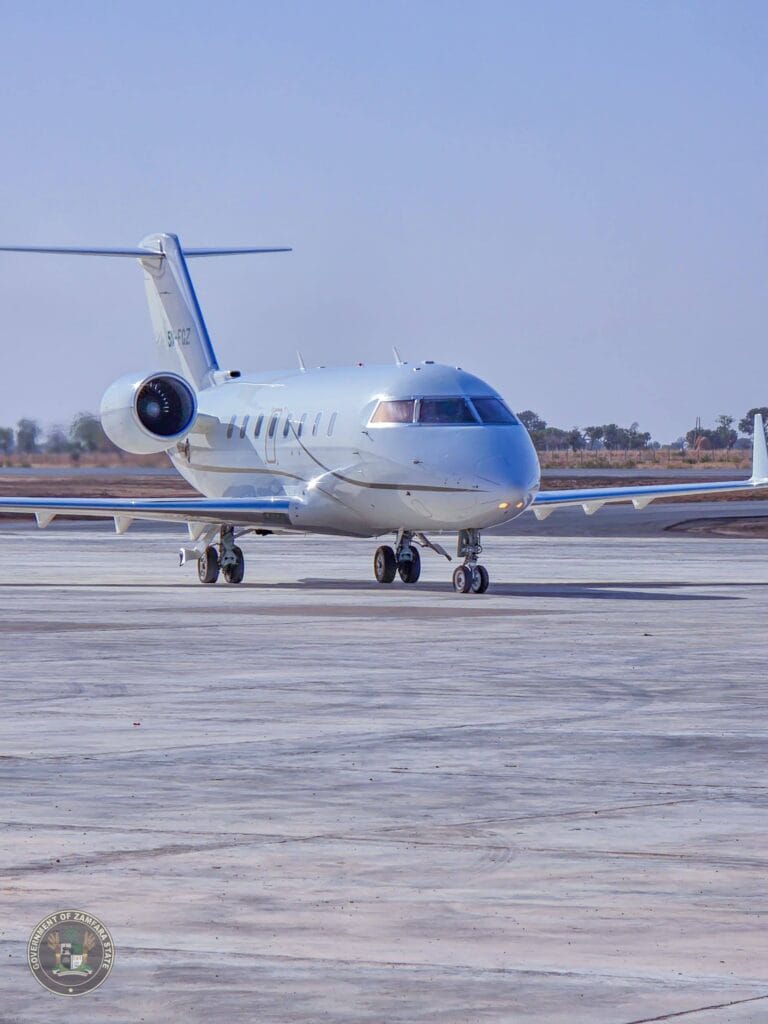
Governor Dauda Lawal of Zamfara State on Sunday witnessed the maiden landing of an aircraft at the Gusau International Airport, marking a significant milestone more than 30 years after the state’s creation without an operational airport.

According to a statement issued by the governor’s spokesperson, Sulaiman Bala Idris, the test flight was operated by the Federal Government of Nigeria and touched down at exactly 4:30 p.m.

The aircraft, identified as a Bombardier Challenger 605, carried out a one-off assessment flight aimed at evaluating the airport’s preparedness for upcoming VIP movements scheduled for next week.

Governor Lawal described the development as historic, noting that the successful landing represents a major step forward for the state’s aviation infrastructure.

He said the event would remain a memorable moment in Zamfara’s history, as it signals the beginning of airport operations in the state.

Reflections on Prof. Pate’s Tenure as Third Vice-Chancellor of FUK

By Muhammad Nasiru Yaya

Leadership in academia is often measured not only by policies and projects, but by stability, service, and the enduring footprints left behind. For Prof. Umaru A. Pate, the outgoing 3rd Vice-Chancellor of the Federal University of Kashere (FUK), the end of his tenure marks not just a transition but the close of a chapter defined by commitment, resilience, and purposeful leadership. As he bows out with the words, “I have served, I am happy to leave”, he does so as a fulfilled and happy man—having delivered on the responsibilities entrusted to him.

On the 18th December, 2020, Professor Pate was appointed the 3rd substantive Vice Chancellor of the University of Kashere by the Governing Council of the institution, under the leadership of Barrister Yakubu A.H Buba (SAN), in a seamless and transparent exercise. On Wednesday, 10th February, 2021, he took over the mantle of the Federal University of Kashere as the 3rd Vice Chancellor, with a solemn pledge to transform the University into one of the great fortresses of learning not only in Nigeria but also in Africa. 

In his first impression as VC he fully praises the Almighty Allah for choosing him to occupy the exalted seat- promised to make his dream of transforming the University a reality by adoption of six-points agenda which involves, physical and academic development, maintenance of standards and quality assurance in the system, provision of an excellent town and grown relationship, improved staff and students warfare as well as making investment on Information and Communication Technology. He believed these are essential for any serious institution yearning for academic excellence and development, to ensure global visibility and to reach out within and beyond for resource mobilisation. He promised to work with relevant stakeholders to ensure the institution has sufficient resources to execute and achieve its goals.

On the day of his arrival, he declared that he would do his utmost best to ensure that he didn’t disappoint the confidence reposed in him. He said, and I quote, “Mine will be to consolidate and further build on what the first and second Vice Chancellors were able to lay. This is the system that will outlive us. It never occurred to me that one day, I would also be part of the process. And today I am here, in Sha Allah, we shall do our best to make Federal University of Kashere a great institution.” 

He further added that “what you sow today may germinate in many, many years to come. If you sow evil, you will harvest evil. If you sow good, you will never tell the extent of the fruit you are going to benefit from; therefore, we are going to sow a seed that will be counting in us long after we must have left this place.” However, these are not just statements; they are a declaration of commitment, resilience, and purposeful leadership. 

Within just a year, the institution started to see changes across various faculties and research centres, as well as academic and non-academic standards.  Within a short time, he visually transformed the institution for the better in all aspects. Two years down the line, the Federal University of Kashere had become a hub of academic excellence. He also sponsored more than 45 people for International workshops, and proposal writing on Grand Menard and Management, and promoted multiple stand academic staff to professorial careers. 

In 2024, more than three years into his stewardship, the University had maintained its standards through innovative research and a conducive learning environment, which had garnered national recognition. Under his leadership, in the 2024 National University rankings in Nigeria, the institution secured the 29th spot among the country’s best universities, alongside Covenant University, the University of Ibadan, and the Federal University of Technology, Akure. In 2025, the University was placed as 28th overall in the country.

In the same way, during his tenure, Pate upgraded the SIWES and General Studies Unit to a Directorate and its own, and he also granted approval for the commencement of part-time undergraduate degree programmes at the university. In the same vein, he also established the IJMB programme at the University. He also established a college of Medical Sciences. He is fully accredited for about ten undergraduate programs from the National University Commission (NUC), including Mass Communication. He also established three academic centres of excellence for Sugar Research and Development, Peace and Security Studies, and Environmental and Climate Studies.

In addition, the Federal University of Kashere has consistently recorded commendable achievements and projects under the leadership of Prof. U.A. Pate. The University, in collaboration with the United Nations International Children’s Emergency Fund (UNICEF), signed a Memorandum of Understanding (MoU) to promote the study of communication for social and behavioural change. 

However, Under the administration of Prof. Pate, Federal University, Kashere has become a beehive of construction activities, notable among these projects are, completion of Lectures Theater 3, 350 Capacity, completion of 30 number of professorial offices, completion of Lecture Room C, completion of the Other wing of the 250 Twin Lecture Theater, LT2, as well as completion of Prof. Jibrin Aminu College of Medical Sciences, he also secured multi-million FUK Guest house in Asokoro Abuja, the groundbreaking of FUK Christian Chapel, the ongoing new University Senate building and new 500 capacity Lecture Theater. 

On 12 December, 2022, Prof. Pate established the Broadcasting Complex, which contains both TV and Radio Studios, with the aim of supporting student learning. Within the last five years, Prof. Pate has signed a number of MoUs and collaborated with notable organisations and institutions, both locally, nationally, and globally, to reach out to prominent personalities in the state and beyond and attract funds to execute more projects on Campus.

Throughout his tenure as Vice Chancellor, Prof. Pate has maintained a cordial relationship with staff and students of the University; to say that, Prof. Pate has more than justified his appointment as leader of this great fortress of learning. Now that he leaves, FUK has been further repositioned as a great institution for higher learning.

As Prof. Umaru A. Pate steps away from office, he leaves behind more than records and reports—he leaves a university steadier than he met it, a community shaped by service, and a legacy anchored in duty fulfilled. His tenure as the 3rd Vice-Chancellor of the Federal University of Kashere will be remembered not for noise, but for substance; not for length, but for impact. Indeed, he came, he served, he delivered—and he left a happy man.

Muhammad Nasiru Yaya, a graduate of Mass Communication, writes from home.

Mohammadnasiryaya@gmail.com.

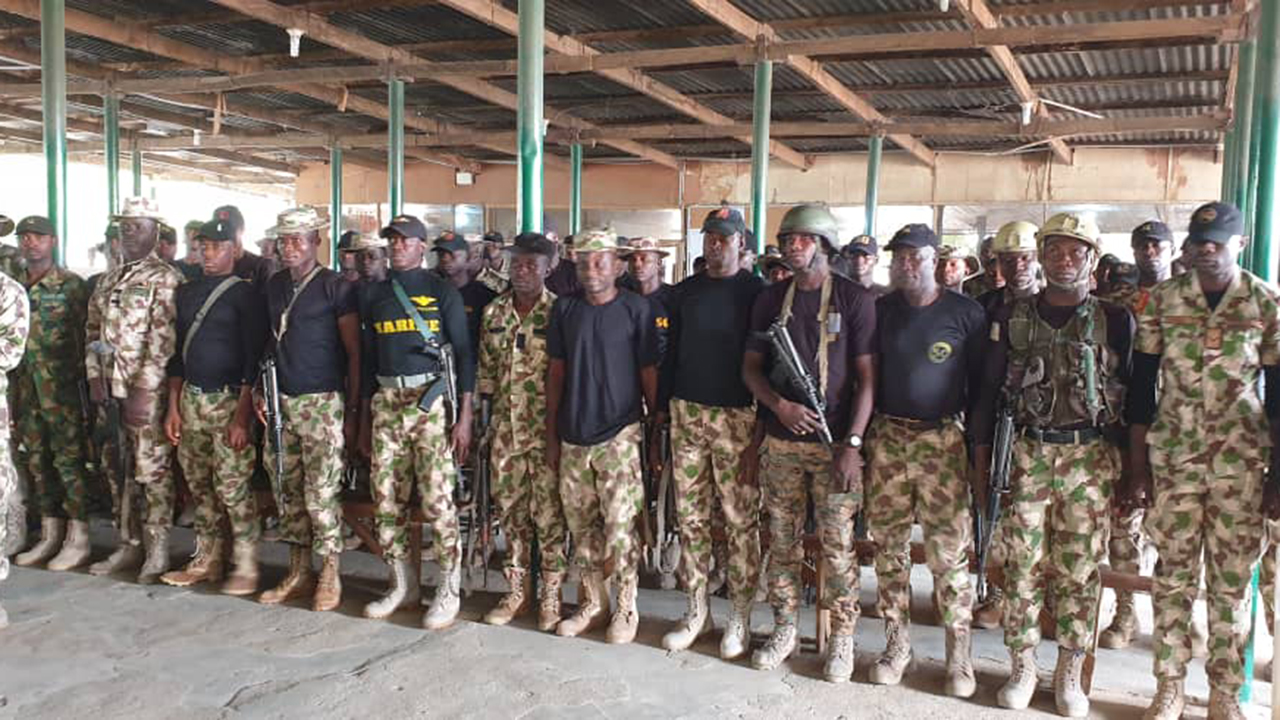
Nigerian Army Opens Portal For 91st Regular Recruits Intake

The Nigerian Army has announced the start of online registration for its 91st Regular Recruits Intake (RRI), targeting both trade and non-trade applicants.

In a notice shared on its official Facebook page, the Army stated that the exercise will begin on 30 March and close on 17 May. It said the opportunity is open to eligible Nigerian citizens and stressed that the process is free of charge. It also cautioned applicants to stay away from fraudsters.

According to the guidelines, applicants must be Nigerians by birth and must be single. They are required to present a valid National Identity Number (NIN) and Bank Verification Number (BVN). The Army added that candidates must be medically, physically, and psychologically fit, and must not have any criminal record.

For educational qualifications, applicants are expected to have at least four credits, including English Language, obtained in not more than two sittings. Accepted examinations include WASSCE, GCE, NECO, and NABTEB.

The Army further explained that those applying as tradesmen or women must possess relevant trade or guild certificates.

On age limits, non-trades applicants must be between 18 and 22 years old. Trades applicants must not be older than 26 years as of 30 June. The minimum height requirement is 1.68 metres for men and 1.65 metres for women.

Shortlisted candidates will take part in a screening exercise in their states of origin from 9 June to 23 June.

Applicants were advised to complete their registration through the official recruitment portal and print necessary documents, including guarantor forms. The Army warned that anyone who submits fake documents will face prosecution.

It also highlighted benefits of joining the service. These include career growth, competitive salary, access to education and training, healthcare services, and pension after retirement.

The Army urged interested candidates to apply early and follow all instructions carefully. It added that there are no special recruitment centres and no pre-selection computer-based tests for the exercise.

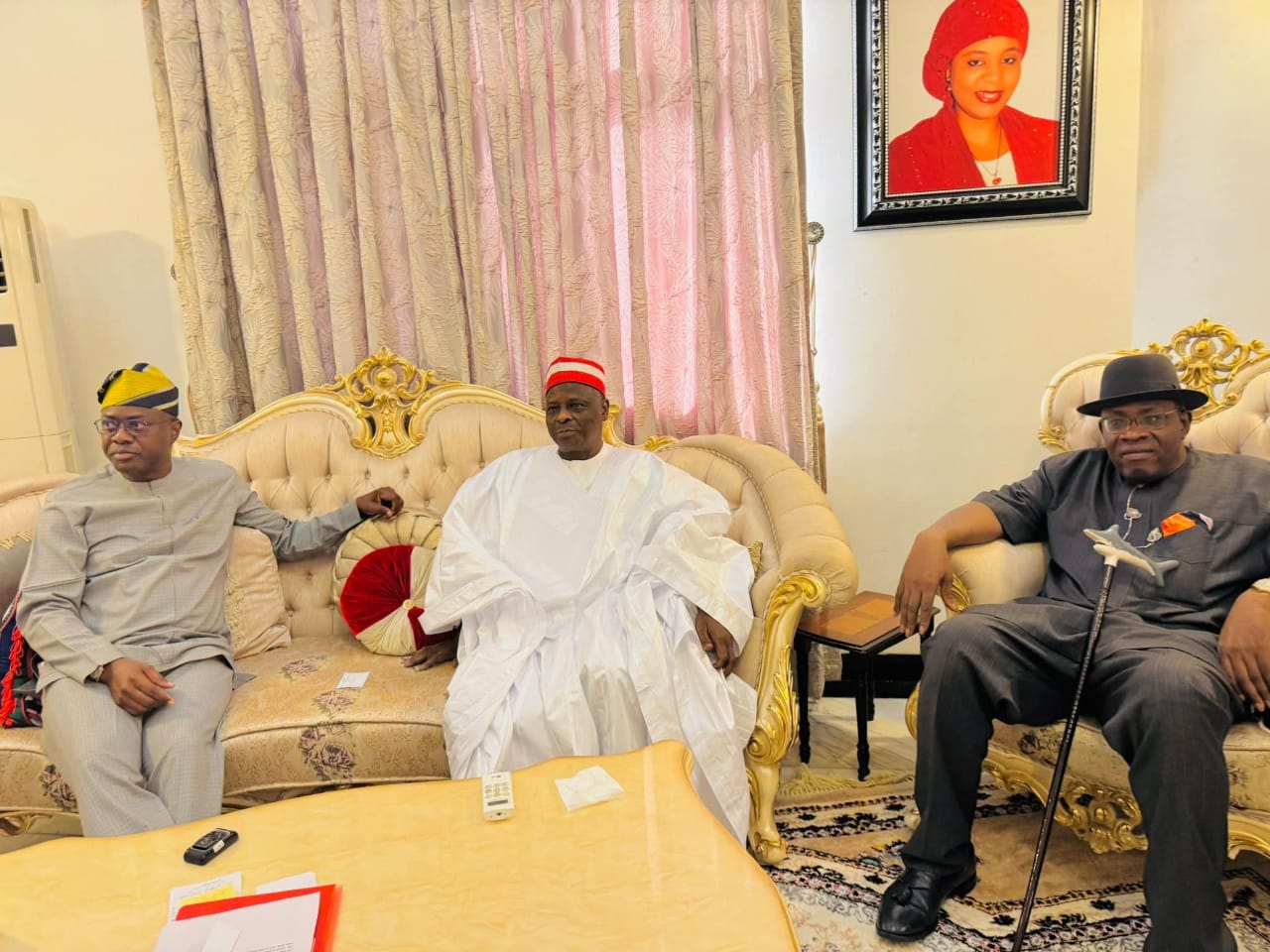
PHOTOS: How Nigeria’s Opposition Leaders Visit Kwankwaso for Sallah Amid Political Realignments

By Uzair Adam

Prominent opposition figures in Nigeria have paid a visit to the residence of Kwankwasiyya leader, Rabiu Musa Kwankwaso.

Those present at the visit included former Labour Party presidential candidate Peter Obi, Oyo State Governor Seyi Makinde, and Senator Seriake Dickson, among other political stakeholders.

In a post shared on his Facebook page, Kwankwaso stated that the politicians were at his residence on a Sallah homage.

Kwankwaso, a leading figure in the opposition New Nigeria Peoples Party, is widely speculated to be considering a move to another political party.

This follows the recent defection of Kano State Governor, Abba Kabir Yusuf, from the NNPP to the ruling All Progressives Congress.

Meanwhile, Peter Obi recently confirmed his official move to the African Democratic Congress, while Governor Makinde remains one of the few governors still in the Peoples Democratic Party, alongside his Bauchi State counterpart.