Month: September 2023

Governor Lawal demands FG’s probe into secret talks with bandits in Zamfara

By Sabiu Abdullahi 

Governor Dauda Lawal has called on the Federal Government to conduct an urgent and comprehensive investigation into undisclosed negotiations with bandits in Zamfara. 

Reports have surfaced indicating that federal government agencies were engaging in talks with bandit groups in the state without the state government’s knowledge. 

In a statement delivered by his spokesperson, Sulaiman Bala Idris, on Monday Governor Lawal expressed deep concern over these negotiations, which conflict with the state’s strategy against banditry. 

The governor reasserted Zamfara’s unwavering stance against negotiating with criminals. 

The Zamfara State Government is resolute and “will not negotiate with these criminals,” Governor Lawal declared. 

He further urged the Federal Government to terminate these secret negotiations promptly, citing their potential to undermine progress in the fight against banditry.

FUBK screens UTME, DE candidates for admissions in 2023/2024 academic session

By Muhammadu Sabiu 

The Federal University Birnin Kebbi (FUBK) has officially commenced its Post-University Tertiary Matriculation Examination (UTME) and Direct Entry (DE) Admissions Screening Exercise for the upcoming 2023–2024 Academic Session. 

The announcement was made by the university’s Public Relations Officer, Jamilu M. Magaji, during a press briefing held at the institution’s Main Campus in Birnin Kebbi on Monday. 

This highly anticipated screening exercise is set to span five days, running from Monday, September 25th, to Friday, September 29th, 2023.

Candidates from various academic faculties will undergo this rigorous evaluation process to secure their positions at FUBK. 

To streamline the screening process, the university has divided the candidates into groups based on their respective faculties. 

On Monday and Tuesday, candidates from the Faculty of Science and the College of Health Sciences will be screened.

Wednesday is reserved for candidates from the Faculties of Art and Social and Management Sciences, while Thursday and Friday will see candidates from the Faculties of Environmental Sciences and Education undergo their assessments. 

Muhammad Atiku, a candidate pursuing a B.Sc. in Geology, praised the screening exercise, emphasising its focus on academic and moral standards. 

Atiku’s sentiments echoed the positive feedback from other candidates, such as Hauwa Salihu Adamu, a Department of Microbiology applicant, who described the process as “perfect” and an excellent opportunity for interaction with fellow applicants from across the nation. 

The Federal University Birnin Kebbi, established in 2013, is a federal government-owned institution with a strong commitment to academic excellence. 

Currently, the university boasts three campuses and offers a wide array of academic programmes, including thirty-seven undergraduate and twenty postgraduate programmes, making it a preferred choice for aspiring scholars in Nigeria. 

As the screening exercise unfolds over the next five days, candidates are eager to showcase their qualifications and secure their places at FUBK, contributing to the university’s legacy of academic excellence and growth. 

A stark warning for economic hardship

By Bilyamin Abdulmumin

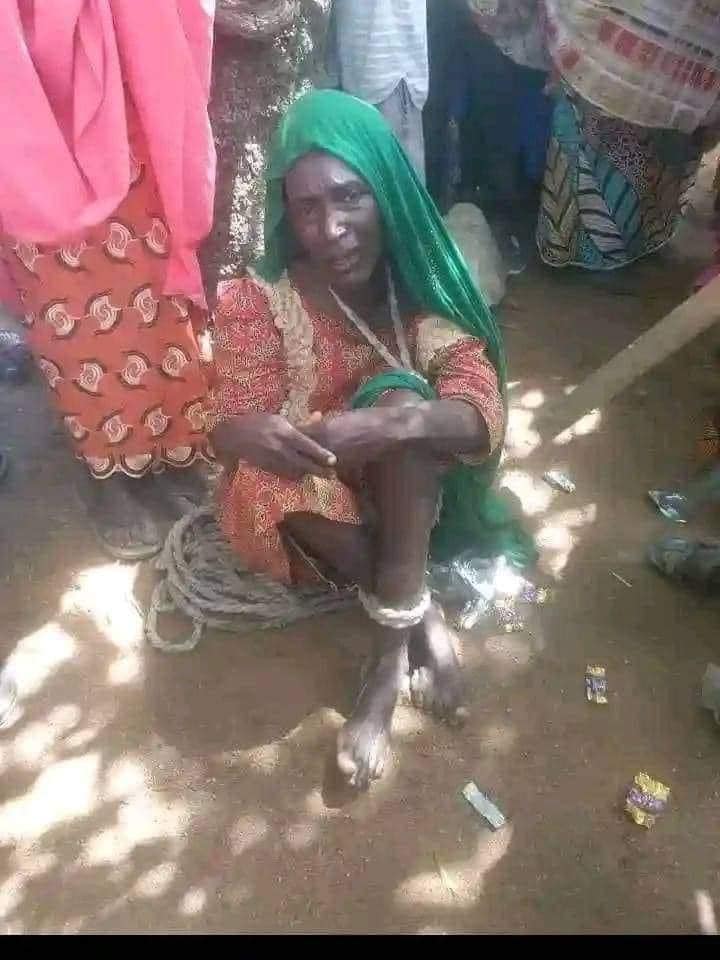
For some weeks, witchcraft news has been making rounds in the North. Several trained bloodsuckers were rumoured to be sucking blood from their victims. Videos of such incidents went viral on social media, especially Facebook and WhatsApp. Some individuals, particularly women who appeared to be victims themselves, were allegedly caught in the act of trying to suck their victims’ blood.

In one video, a woman alleged to be a witch was seen surrounded by a swarm of youth while another lady fainted, her body lying on the floor. To resuscitate her, the purported witch woman was asked to skip her, and intriguingly, she woke up. But in another video, the victim couldn’t wake up, so voices from the background kept shouting: skip three times!

Many burning questions arise when it comes to claims of witches. Challenging this perception, one Islamic scholar presented a compelling argument. He asked, ‘Why are the victims always poor and destitute?’ According to the Sheikh, he has never heard of a governor’s mother, a minister, or any public figure’s mother being paraded as a witch. This argument deals a significant blow to proponents of witchcraft.

Another similar question is: Why do claims of witchcraft usually originate in rural environments? The more rural the area, the greater the belief in witch existence. I discussed this scenario with a roommate some years ago, and he mentioned that he also had reservations about the issue of witches. He shared an anecdote about their younger sister, whose alleged ‘witchiness’ would never surface except when it was time for her to return to boarding school. She would always be fine at other times, but whenever school resumption was near, she would seem to change, which raised suspicions of foul play. However, this guy would climb down the pedestrian; he seemed torn between his thoughts and societal beliefs. In the same conversation, he defended the notion that rural areas have more witches because they have forests everywhere. What a ditch in logic!

I have once turned around to make a prank on witch allegations. While Nigeria was at a crossroads, a time in 2014 when Boko Haram, the partial removal of fuel subsidies, and the depreciating value of the naira to the dollar combined to wreak havoc on the masses. Similar rumours erupted, claiming that when one received a call from a certain number, their blood would be sucked away. I decided to play a prank. I saved my number as that controversial number in my friend’s phone contact and then called him. Immediately, he began reciting every prayer known to him.

Several theories have been put forward to explain the phenomenon of witchcraft in the North. One theory suggests that the nation’s predicament could have given birth to such rumours. Bulama, a famous cartoonist, also lends credence to this opinion. He created a cartoon depicting a man happily devouring at a food junction. Upon seeing him, a passerby paused to ask his companion, ‘Isn’t he the person being witch-hunted?’ The other person, intrigued, replied, ‘He’s being witch-hunted by hunger.

Another theory also suggests that it could be government propaganda. According to this view, the government might be making a clandestine move to divert public attention amid economic hardship. This theory can’t be outrightly denied because, as the saying goes, ‘biri yayi kama da mutum’ (Monkeys resemble humans!).

Public belief could also play a significant role. Doctors have told us several times that the efficacy of medication has a strong correlation with the patient’s beliefs. In other words, the more patients believe in the potency of the drug, the more effective it is. For instance, our Fulani herders are said to never recover from illness without injections. The average Fulani herder believes that injections are the only way to recover from illness. So, when they are down with malaria, for instance, they have to get an injection to recover, whereas city dwellers can recover with just drugs.

The issue of rumour-mongering during periods of instability is not unique to Nigeria or Africa alone. After the Second World War, the atmosphere was filled with fear and uncertainty, and everybody was looking for someone or something to blame. Suddenly, the myth of the Bermuda Triangle (Devil’s Triangle) emerged. With several aircraft and ships disappearing mysteriously without a trace, this section of the North Atlantic Ocean was believed to possess some supernatural power that not even a bird could dare cross. Several decades later, the myth survives.

Bilyamin Abdulmumin can be reached via bilal4riid13@gmail.com.

My ideal Nigeria: A personal reflection

By Obansa Nimah

It’s the year 2050. I’m on the balcony of my smart home in Port-Harcourt, waiting for the arrival of my last son, who is on his way to becoming the youngest medical doctor in Africa. At 18, Tariq is in his final year at the University of Abuja Medical College. Then I remembered how the last 3-decades saw a revolution in tertiary education that eliminated industrial actions from various unions in the sector and saw the emergence and proliferation of world-class, affordable public and private varsities.

The Nigerian government, in May 2023, after a 10-month-long strike by varsity lecturers and closure of universities, signed into law “The Tertiary Education Revolution Act”. The Act saw an allocation of 20% of the national budget to education across all levels, allowed for a public-private partnership, implemented a citizen-funded education trust fund in the form of “tax-ED”, and gave universities the autonomy to channel human and internally generated resources to local and international partnerships in research, technology and innovation.

The Act also issued a clause that banned the elites from sending more than a child abroad for school and a fine of 500 million naira for violators of the ruling, to be donated to government-owned varsities. I smiled as I remembered the war that the Act sparked at its outset and how the stakeholders ensured that its implementation not only raised the country to the educational capital of the world but also reduced poverty, created jobs, improved security, grew the economy, increased admission into schools, and improved the overall well-being of Nigerian students.

Tax-ED saw Nigerian citizens donate 5% of their call airtime to education. It meant that 100 million mobile users donated 500 million naira whenever they recharged at least N100. I remember how enthusiastic my parents were to publicise and implement tax ED. I couldn’t blame them as I was the first of 6 children, and it was my 8th year in the university studying a 6-year course, all thanks to the incessant strikes.

It was a moment of agony and intense psychological distress for millions of Nigerian students and their families. As I delved deeper into the memories of those days, including how I had to hurriedly marry Tariq’s father because I wasn’t getting any younger, I began to giggle. I stared at the horizon with gratitude to a wonderful Lord for bringing us this far.

Tax–ED not only revolutionised the educational sector, but it also united the country towards a goal. For the first time, there was a concerted effort towards ensuring the revolution yields fruition. Everyone had a role to play, and they did it so well. It made Nigerians realise that more could be achieved outside the terrain of ethno-religious sentiments. All were united to accomplish a common goal. The success of tax ED led the government to launch another revolution in the healthcare sector. In about five years, sure-MED was found, and the national health bill was fully implemented. Sure-MED had two components: “Tax-MED” and “enjoy-MED”.

Tax-MED was a 5% upgrade from the Tax-ED dividends and either a $5 charge for each diaspora ticket bought by Nigerian Airways or a $10 charge for tickets to other airlines. Enjoy-MED saw the wealthy Nigerians paying for poorer Nigerians through a scheme that ensured 2.5% of their wealth was donated to the trust fund in return for being allowed to continue medical tourism abroad and having few shares of the now booming mechanised agricultural farming coordinated by the Central bank to achieve national and continental food sufficiency.

As I got to this part of the flashback, I thought about how cheap I got the bananas on my table. Hunger, poverty and ignorance have drastically reduced nationwide due to the 3-decade long interventions. The country has become so secure and united that I could decide to live anywhere, everywhere!

The nation’s oil and gas sector now uses artificial intelligence for most of its work; it is now powered by a Nigerian-modified solar world in the north. Morality classes are now held in every home where elders exhort and reward moral values. The government and law enforcement agencies uphold justice for or against anyone. CCTV cameras and robots now man our roads, railways, airports and public spaces. Artificial intelligence is now the norm, even in homes. The country is thriving. The ideal Nigeria has arrived, I grinned and mumbled to myself. As I moved to sit down, I heard Effle, the robotic security alarm, announce that Tariq was there.  I left the balcony to embrace him, only for him to excitedly tell me he got to Port-Harcourt using the world’s first solar-powered speed rail.

Obansa Nimah wrote via nimah013@gmail.com.

FG cracks down on COVID-19 relief funds defaulters, to recover loans through GIS

By Muhammadu Sabiu 

Individuals and small to medium-sized enterprises (SMEs) that have defaulted on the repayment of the N544.2 billion COVID-19 Targeted Credit Facility (TCF) are now under scrutiny as the Federal Government-owned NIRSAL Microfinance Bank (NIRSAL-MFB) takes proactive steps to recover the loans. 

NIRSAL-MFB has activated its Global Standing Instruction (GSI), which will be used to recover the loans, and enlisted defaulting beneficiaries in the Central Bank of Nigeria’s (CBN) Credit Risk Management System (CRMS), preventing them from accessing further credit opportunities. 

The N544.2 billion COVID-19 TCF was disbursed to aid small businesses and individuals during the pandemic. A breakdown of the funds reveals that N261.4 billion was distributed to 643,486 households, N112.5 billion to 114,476 SMEs, and N14.3 billion to 31,462 individuals through non-interest banks (NIB HH). 

In addition, N2.1 billion was extended as loans to 3,523 individuals through the NIB SM scheme, while 32,355 beneficiaries received N118.4 billion under the Agric, Small and Medium Enterprise Scheme (AGSMEIS). 

The Anchor Borrowers’ Programme (ABP) supported 107,035 individuals with N33.8 billion in loans, and the Nigeria Youth Involvement Fund (NYIF) assisted 5,539 recipients with N1.96 billion in funding. 

All beneficiaries of the TCF, during their application process, unwittingly authorized the CBN to institute the GSI on their bank accounts.

This strategic move enables NIRSAL-MFB to deduct outstanding loan payments directly from borrowers’ accounts. This development underscores the commitment of the Federal Government to ensure that the relief funds are repaid as originally intended, and it serves as a warning to those who have neglected their repayment obligations. 

Defaulting beneficiaries will now face stringent measures to recover the outstanding N544.2 billion, as NIRSAL-MFB employs the GSI and CRMS to track and prevent further access to credit. 

The move by NIRSAL-MFB has prompted discussions on the importance of responsible borrowing and timely repayment of loans, especially in the context of government-backed relief programs. 

It remains to be seen how this action will impact the financial standing of defaulters and whether it will serve as a deterrent to future borrowers who may consider defaulting on government-sponsored loans.

Tinubu’s spokesperson, Ajuri Ngelale, is not our certified member—NIPR

By Muhammadu Sabiu 

The Nigerian Institute of Public Relations (NIPR) has officially disclosed that Ajuri Ngelale, the Special Adviser on Media and Publicity to President Bola Ahmed Tinubu, lacks the necessary certification as a member of the institute, raising concerns about the legality of his role. 

The NIPR, established by law, mandates individuals to obtain certification and licencing to practice public relations within Nigeria. 

According to the newly elected governing council members, led by Dr. Ike Neliaku, Mr. Ngelale’s absence from the institute’s membership register indicates that he is not a certified public relations practitioner. 

A governing council member who spoke to an online Nigerian newspaper and requested anonymity emphasised the importance of adhering to the established parameters of knowledge and qualifications for effective public relations practice. 

The council member stated, “We have checked our records and membership register, and we could not find Ajuri Ngelale on the list.

“One can be a good writer, broadcaster, or journalist, but there are set parameters of knowledge a communicator needs to acquire, including qualifications, before he/she can practice Public Relations in Nigeria.” 

The NIPR’s governing council pointed out that the law governing the institute includes specific regulations for appointing spokespersons, and it deems it a criminal offence for anyone to engage in public relations without proper certification from the institute. 

“In fact, the NIPR Act stipulates punishments for illegal practice, including imprisonment, fines, or both,” the council member added. 

This revelation has sparked discussions about the importance of adhering to professional standards in the field of public relations and the potential legal consequences of not meeting these requirements.

The situation also raises questions about the vetting process for appointing public relations officials in the government and private sectors. 

As the controversy surrounding Ajuri Ngelale’s certification status unfolds, stakeholders in the field of public relations are closely watching to see how this matter develops and whether it will lead to legal actions or policy changes.

Unreported death toll of Muslims in Nigeria 2021-2022

By Abdurrahman Muhammad

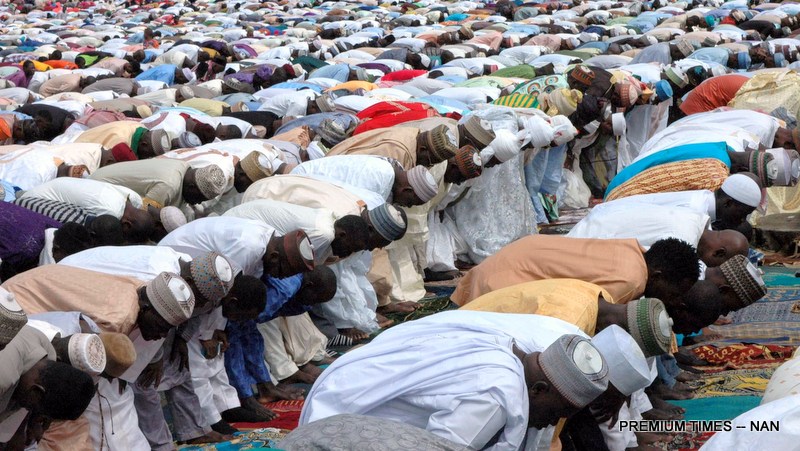
The Muslim Rights Concern (MURIC) has accused a section of the media and its allies of continuously neglecting the increasing death toll of Nigerian Muslims but are quick to report the fabricated number of dead Christians at the instance of the Christian Association of Nigeria (CAN).

It has come to our notice that the majority of security-related challenges being faced in Nigeria, most of which result in the death of Muslims, especially when in large quantity are mostly unreported or, at best, under-reported; we at the Muslim Rights Concern (MURIC) have seen this as a ploy to portray Muslims as the perpetrators of these various crimes in Nigeria, ranging from terrorism, kidnapping, cattle rustlings, banditry, etc.

The Muslims have always been complacent, consoling themselves without making noise on various social media platforms whenever the unpleasant news of the death of their brothers and sisters in Islam filters in. This is because Allah has emphasised to us through the Holy Quran that “All Souls Shall Taste Death” (Qur’an 3:185), whereas CAN is always quick at playing the victim card, and its voice can be heard at the seventh heaven.

Social media and traditional news media also become awash with unprintable comments to escalate the incident beyond the real magnitude. The Muslims are, therefore, always at the receiving end. In contrast, Muslims lose the highest number of victims of the security challenges Nigeria is currently facing.

It is a known fact that the majority of the act of terrorism by the dreaded terrorist organisation in Nigeria (Boko Haram) has led to the death of more Muslims than Christians; the terrorist group detonated bombs in metropolitan areas in the northern part of Nigeria where the Muslims have the highest population. It is, therefore, only logical to say that the terrorist group targets Muslims more than Christians; thus, any Christian who becomes a victim is more collateral damage because the real targets are the Muslims.

In an effort to set the records straight, MURIC has carried out a statistical analysis of violent attacks and has gathered data on Muslims who were casualties of various attacks carried out by armed groups such as Boko Haram, the Indigenous People of Biafra (IPOB), armed bandits, herdsmen and the so-called unknown gunmen.

It was discovered that between 2021 and 2022, the total number of Muslims who have become casualties is as high as two thousand two hundred and sixty-four (2,264). This figure is for reported cases. Only Allah knows the exact number of thousands of unreported cases of Muslim deaths.

Of this figure, 1,829 were killed by Boko Haram, 288 Muslims fell victim to banditry, 98 were killed by unknown gunmen, 36 by herdsmen and 13 by IPOB.

We appeal to the Muslim populace not to seek vengeance as Allah is sufficient for us, and only Allah knows the punishment most suitable for perpetrators of the killings. We also remind co-country men to tread softly and not to insult the sensitivity and cool-headedness of Nigerian Muslims; our religion teaches “Peace”, and on that mantra, all our engagements are based.

Lastly, while we acknowledge that efforts made by the security agents are already yielding results, we implore them to increase their vigilance to ensure a prosperous and peaceful nation.

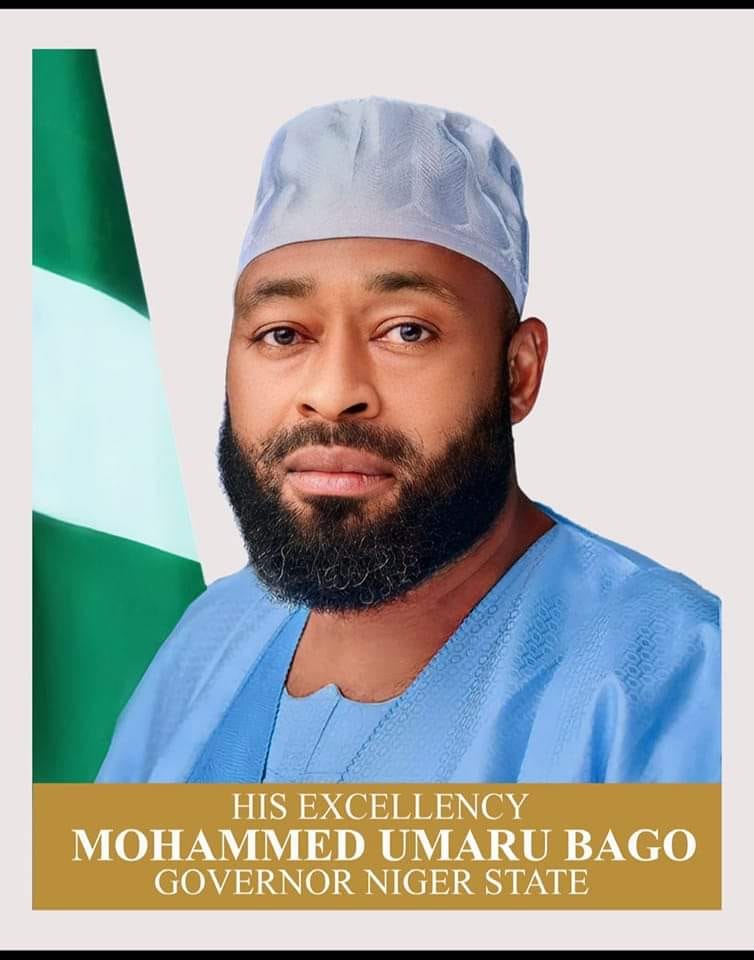
First Class Graduates: A letter to Gov. Mohammed Umar Bago

Your Excellency Sir,  

We, the Niger State First Class Graduates (NSFCG), extend our warm regards and seek your invaluable support for employment opportunities and scholarships to further our education. This appeal is made with great respect and the utmost desire to contribute meaningfully to the growth and development of Niger State under your leadership.

It is with great pride and inspiration that I assume the role of the pioneer chairman of NSFCG, especially during a time when you have ascended to the esteemed position as one of the youngest governors in Nigeria. This convergence is both emotional and motivational, serving as a beacon of hope for young intellectuals of Niger State like us, who aspire to follow in your footsteps with the necessary guidance, mentorship, and empowerment from our esteemed leaders. Congratulations on your well-deserved election and inauguration as the Executive Governor of Niger State. We extend our best wishes and prayers for your success in the formidable tasks of leadership and governance guided by divine wisdom. 

The NSFCG comprises First Class Graduates who hail from various universities and are proud indigenes of Niger State. Our membership spans nearly all of the 25 Local Government Areas, united by a common goal – to fulfil the high expectations society places on those who achieve the pinnacle of academic excellence through hard work, exemplary character, sacrifice, determination, and brilliance. As role models, we understand the responsibility that accompanies our achievements, and we aspire to make positive contributions to our society, guided by the values we hold dear. 

We express our concern that the absence of support for some of us, despite our exceptional merits and academic achievements, may inadvertently diminish the inspiration, value, and faith in education, determination, and hard work that our society needs. It is our belief that individuals like us should not be left without the necessary support but rather should be empowered to serve as beacons of excellence, motivating others to follow in our footsteps. 

Recognizing the need to address this disparity and utilize our potential for the betterment of Niger State, the NSFCG has taken the initiative to raise awareness about our current predicament. We are keenly aware of the profound impact we could make in contributing to the growth and development of our state, inspiring the public to remain steadfast in their pursuit of education, lofty aspirations, and unwavering determination. 

In this context, we note the remarkable strides made by other states, such as Kano under the leadership of Former Governor Rabiu Kwankwaso, who championed human capital development through substantial investments in foreign scholarships for first-class graduates, alongside Governor Nasir Elrufa’i of Kaduna State who witnessed infrastructural advancements through championing Urban Renewal policy and Kashim Ibrahim Fellowship (KIF) for most brilliant and outstanding graduates in the state. Permit me, Your Excellency Sir, to say that it is this visionary approach that distinguishes leaders and leaves an indelible mark on society. 

We also commend the Talba Program, an initiative that provided gainful employment for numerous unemployed youths in Niger State, leaving a lasting legacy of empowerment and transformation for beneficiaries and their families alike. 

Your Excellency Sir, as esteemed leaders with a genuine passion for the betterment of our state, we appeal for the following: 

1. Consideration for employment opportunities within the Niger State Government for the approximately 90+ first-class graduates hailing from almost all of the 25 LGAs who are currently unemployed. Our collective skill set can contribute to filling existing job vacancies and enhancing the effectiveness of newly established ministries. 

2. Financial support or scholarships to facilitate our further education within Nigeria or abroad, thereby enabling us to acquire knowledge and expertise that can be channelled back to benefit our state. 

3. Mentorship and guidance from accomplished professionals, enabling us to evolve into exemplary citizens of whom Niger State can be justifiably proud. We aspire to possess the high level of skills and competency necessary to add significant value to our state and extend our positive impact beyond its borders. 

Your Excellency Sir, we hold steadfast belief in your dedication to uplift the youth, enhance human and infrastructural development, and curtail the challenges of crime and insecurity. By considering our appeal, you will not only empower a group of exceptional individuals but also sow the seeds for a more prosperous and vibrant future for Niger State and its citizens. 

With profound respect and anticipation, we remain committed to working diligently for the betterment of our beloved state.

Yours sincerely, 

Mukhtar Nasir, CPM        

Chairman, Niger State First-Class Graduates (NSFCG). He can be reached via nigerstatefcg@gmail.com.

Diptheria hits Jigawa, kills 10

By Ahmad Deedat Zakari 

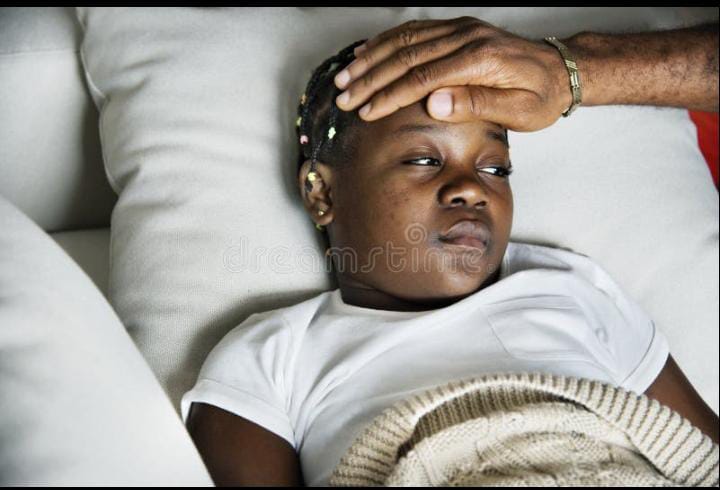
The Jigawa State Government has confirmed the deaths of ten people due to an outbreak of diphtheria in the state, as there are currently about 100 suspected cases of the disease.  

The Jigawa State Ministry of Health disclosed on Saturday that ten people have died following an outbreak of diphtheria across the 14 local government areas of the state.  

The Permanent Secretary of the Jigawa State Ministry of Health, Dr Salisu Mu’azu, disclosed this while fielding questions from reporters in Dutse.

He said that two cases have been confirmed in Kazaure and Jahun local government areas, while some samples have been taken to Abuja for confirmation. 

He said the outbreak occurred in areas with zero-dose routine immunisation against the epidemic. 

Dr Ma’azu also said the ministry had already investigated, collected necessary information and data in the affected areas, and updated the National Primary Health Care Development Agency (NPHDA) and the National Centre for Disease Control (NCDC) for further action. 

He said the state government is making arrangements to administer vaccines once available. 

Dr. Muazu attributed the outbreak to healthcare service disruptions some years ago during the COVID-19 pandemic, when everything was suspended; hence, routine immunisation has become a major challenge in the state.

Pastor arrested for gruesome murder of young girl

By Muhammadu Sabiu 

A deeply disturbing incident has rattled the Agbarha-Otor community when a middle-aged pastor, whose name has been withheld, is facing allegations of brutally murdering a young girl. 

The victim’s lifeless body was found within the pastor’s residence in this rural Delta State community, with reports suggesting that a machete was used in the crime. 

The motive behind this shocking act remains unclear, but some sources speculate a connection to the destruction of a local shrine.

Outraged youths in the community initially sought to take matters into their own hands, but the situation was diffused by the prompt arrival of law enforcement. 

Human rights activist Israel Joe has called upon the Delta State Commissioner of Police to ensure a thorough investigation and prosecution of the accused individual. 

This tragic incident has left the community in mourning, with many demanding justice for the young victim as the investigation progresses.