Month: September 2023

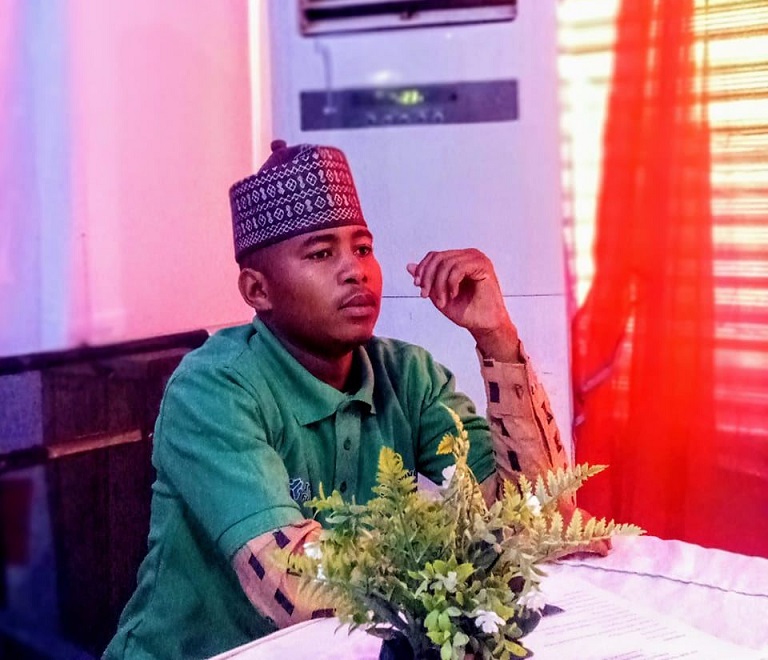
Why Kano State deaf graduates deserve foreign scholarship even without First-Class

By Zulkifil Aminu Adam

It has come to our attention that three Kano residents with disabilities have been chosen to be among the recipients of the state’s current scholarship scheme. However, due to failure to match the conditions, i.e. First Class, they will be granted a domestic scholarship rather than a foreign one. This is highly commendable, and we express our heartfelt gratitude on behalf of the disability community. However, I beg permission to bring something critical to the notice of the administration in the hope that it will urge the government to reconsider this arrangement.

First and foremost, people with disabilities (PDWs) require special consideration in every socioeconomic, academic, and political sphere. This is a widely accepted general remark that arose due to the innate proclivities of individuals with disabilities. It is consistent with the above general statement that the University of Ilorin in Kwara state admits PWDs without requiring them to take the post-UTME, not to mention the various benefits PWDs receive at the university.

Several Nigerian universities have declared 160 as the cut-off mark for PWDs; the Joint Admission and Matriculation Board (JAMB) is currently holding a conference with deaf student representatives from various Nigerian tertiary institutions to discuss and ensure compliance with the above statement in dealing with PWDs regarding admission issues.

Second, in the case of Kano and the Nigerian educational system in general. It is critical to consider the educational framework in which persons with disabilities grew up before proceeding with their placement or requiring particular academic standards from them. As deaf students in secondary school, we were taught by teachers who walked away after filling up blackboards because they couldn’t communicate in sign language. We had to study on our own. And the government did nothing to address the situation.

When we finished secondary school and fought for admission to the university, we were compelled to study in Special Education (a department that has never produced a first-class graduate) or change university. We don’t have a choice except to accept.

Then, we enter lecture halls and face a new challenge: exclusion. We sit among hearing students (who enjoy the lecture), feeling lost and neglected. We were not provided with sign language interpreters. Isn’t this depressing? Nonetheless, we persevered through all these difficulties until graduation.

Despite all the challenges we faced from secondary school to university, we were required to finish with first-class honours to be considered for a foreign scholarship. With due respect, the demand is excessive. The government, schools, or whatever institution should not give us less while expecting so much from us.

Of course, we do not justify lower academic performance by disability, but by our unmet needs and the numerous obstacles we face as people with disabilities on the path to academic improvement – thanks to the carefree attitude of the government and the universities. Please allow me to say that a deaf graduate from Bayero University Kano (BUK) with a Second Class is equivalent to a First-Class hearing graduate in the same university.

Dear KNSG, Kano deaf students, whether First Class or not, deserve a foreign scholarship. The difficulties they overcome to graduate are sufficient justifications. Let the scholarship be a restitution for the government’s neglect throughout history.

Zulkifil Aminu Adam is the Assistant Secretary, National Association of Nigerian Deaf Students (NANDS). He can be reached via zulqeepil19@gmail.com.

Ondo woman kills husband over minor argument

By Uzair Adam Imam

A 12-year-old boy, Ibukun Solomon, in Ondo State, has recounted a harrowing story of how his mother killed his father while he was sleeping.

Salomon said his mother, Tayelolu, killed his father, Felix, who was a farmer, with a pestle after a minor argument.

It was learned that Tayelolu hit her 65-year-old husband on his head three times while he was sleeping in their house, located at the Government Reservation Area, GRA, in the state.

It was also gathered that the couple, in recent times, have been having a crisis, and the wife always threatens to kill the husband and elope.

The son narrated, “My mother killed my father with a pestle in my presence and took to her heels. She used the pestle to hit his head when he was asleep.

“Earlier on the fateful day, a minor argument had ensued between them that resulted in a fight. After the fight, my father went to lie on the chair, and my mother hit his head with the pestle.

“He became unconscious and fell down from where he was sleeping. My mother used the pestle to hit my father’s head three times. He later died.

“When my mother saw that my father was already unconscious, she hid the pestle at the back of our house and ran away.”

I alerted some of the residents, who rushed my father to the hospital. But he later died. His corpse has been deposited at the morgue.

“My mother had three children for my father, and I’m the last child,” he stated.

Also speaking, a brother of the deceased said that the family members have mediated several times to settle the incessant fight between his brother the his wife.

According to him, “The woman had been threatening to kill her husband whenever they were fighting. And the deceased informed us about the threats. But we never knew she would carry out the devilish act.

“But this time, she took laws into her hands and killed our brother for nothing. She must be arrested and prosecuted accordingly,” he stated.

But police in the state said that all efforts to arrest the fleeing suspect were in top gear, and she would be charged in court as soon as possible.

FG to procure 12 attack helicopters to enhance service of Nigerian Army

By Sabiu Abdullahi 

President Bola Tinubu has approved the procurement of 12 MD 530F Cayuse attack helicopters to enhance the service of the Nigerian Army. 

The announcement was made by the Chief of Army Staff, Lt.-Gen. Taoreed Lagbaja, during the inaugural Nigerian Army Aviation Seminar held on Tuesday in Abuja. 

The acquisition of these advanced attack helicopters marks a pivotal moment for the Nigerian military, as it heralds the operationalization of the Nigerian Army Aviation Unit. 

This specialised unit has been established with the primary goal of improving ground troops’ agility, responsiveness, and overall efficacy during various military operations. Lt.-Gen.

Lagbaja emphasised that the addition of these attack helicopters to the Nigerian Army’s arsenal would not only enhance its internal capabilities but also contribute significantly to the success of joint and coalition military operations.

He underlined the importance of this initiative in the broader context of military strategy. Explaining the role of the army aviation unit, Lt.-Gen.

Lagbaja noted that it is distinct from a nation’s dedicated air force but focuses primarily on helicopters and light-support fixed-wing aircraft.

This specialisation enables the unit to provide vital support to ground troops during tactical and operational engagements. 

Expressing his gratitude, Lt.-Gen. Lagbaja thanked President Tinubu for his unwavering support in realising the Nigerian Army’s aspiration to have a well-equipped aviation unit.

He drew attention to the experiences of other nations such as the United States, Pakistan, Colombia, Egypt, Kenya, Ethiopia, and Uganda, all of which have successfully employed similar aviation units to enhance their military capabilities. 

This strategic move signifies a significant step forward for the Nigerian military and underscores the government’s commitment to strengthening national defense.

The procurement of these attack helicopters will undoubtedly play a crucial role in ensuring the security and stability of the nation while also aligning with international best practices in military operations.

Outrage as DPO allegedly kills young man in Bauchi State

By Sabiu Abdullahi

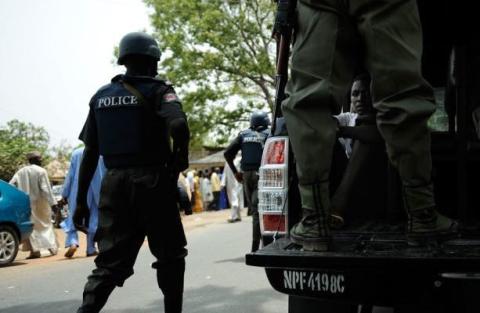
A suspect, identified as Abiduna Amin, lost his life while in police custody at the Dutsen Tanshi police division.

The tragedy on Tuesday has ignited a firestorm of concern regarding human rights abuses within the police force. It has sparked a social media movement rallying under the hashtag #JusticeForAbidin.

Abiduna Amin, a resident of Karofi Bauchi and an animal dealer by occupation, became the focal point of a police interrogation.

According to sources, he was being questioned on suspicion of having purchased a stolen goat or ram. However, what began as a routine inquiry escalated dramatically when it was alleged that police officers subjected Abiduna Amin to severe physical violence, resulting in his untimely death while in police custody.

The news of Amin’s tragic demise spread like wildfire across social media platforms, with the hashtag #JusticeForAbidin quickly gaining immense traction on Facebook.

A groundswell of concerned citizens, activists, and human rights advocates have voiced outrage over the incident, pledging not to let this case fade into obscurity. The campaigners demand accountability and justice for the deceased, urging a thorough investigation into the circumstances surrounding his death.

Recognising the gravity of the situation, the Bauchi State Commissioner of Police took decisive action by summoning the Dutsen Tanshi Police Divisional Officer for a comprehensive inquiry into the incident.

However, at this juncture, police authorities have yet to release an official statement addressing the matter or providing specifics regarding the steps taken to address the officers involved.

FG denies negotiating with Zamfara terrorists to secure release of abducted students

By Sabiu Abdullahi 

The Federal Government has officially refuted claims of negotiations with the Zamfara terrorists to secure the release of the abducted students from the Federal University, Gusau. 

This development was contained in a statement that was released by Mr. Hope Attari, the Acting Director of Press and Public Relations at the Ministry of Defence. 

Badaru categorically dismissed the allegations of negotiations with the terrorists as misleading and emphasised that President Bola Tinubu had issued clear directives to the military and other security agencies to ensure the safe return of the abducted students. 

“The Federal Government is working diligently around the clock to ensure that the girls and other abducted individuals return home safely,” stated Badaru. 

Reassuring the residents of Zamfara and all Nigerians, the Minister of Defence conveyed the significant progress being made towards the swift release of the female students and others from Federal University, Gusau.

He expressed confidence in the joint security task forces working discreetly to rescue the students. In addition to addressing the ongoing efforts, Badaru extended his regret to the families of the abducted individuals, condemning the incident as reprehensible.

He highlighted the initial success of President Tinubu’s directives, with 13 of the abducted students and three others regaining their freedom on Monday, attributing this achievement to the professional efforts of the military. 

The Federal Government remains committed to securing the release of all the remaining abducted students and individuals while continuing to uphold the safety and security of its citizens.

Cordoso to clear dollar debts, enhance transparency as CBN governor

By Ahmad Deedat Zakari 

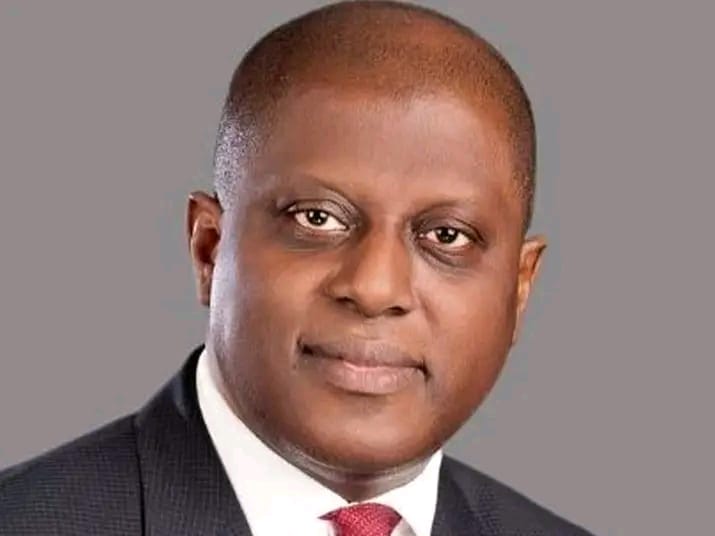
The new Governor of the Central Bank of Nigeria, Olayemi Cardoso, has disclosed some of his plans for the apex bank. 

He disclosed his plans on Tuesday at the Red Chamber of the National Assembly during his confirmation screening. 

Mr. Cordoso promised to prioritise clearing the apex bank’s backlog of unsettled foreign exchange obligations in the near term. 

Cardoso also promised to enhance transparency, fix corporate governance, and ensure confidence in the autonomy and integrity of the bank. 

“We need to promptly find a way to take care of that. It would be naive for us to expect that we’ll be making too much progress if we’re not able to handle that side of the foreign exchange market,” he said. 

The new CBN governor said he would maintain price stability, revert to evidence-based monetary policies, and discontinue his predecessor’s unorthodox monetary policies to bolster the country’s naira currency. 

Cardoso takes over the leadership of the apex bank as the nation battles several economic challenges and falling economic indices, with the naira nearing 1,000/$ at the parallel market.

Yusufu Bala Usman – The quintessential historian

By Prof. Abdalla Uba Adamu

I was never lucky enough to come under Yusuf Bala Usman’s tutelage while I was a student at Ahmadu Bello University Zaria, Nigeria, from 1976 to 1979. Being a student in the Faculty of Education, I missed out on having to take lectures in the famous FASS – Faculty of Arts and Social Sciences, undoubtedly, the hotbed of critical theories in the 1970s.

Yusufu Bala Usman, Ibrahim Tahir, Patrick Wilmot, and Mahmoud Tukur enlivened the university with their rhetoric about culture, history, polity and anthropology. My roommate was a History student, so I gleaned a lot from him about the critical theories flying about on the campus. Those years were indeed the intellectual years of ABU. Every subsequent northern radical traces his roots to that era and its critical reflection on Nigerian society.

As M.M. Gwadabe noted in his obituary to Yusufu Bala Usman, published in Africa: Journal of the International African Institute, 2010, 80(1): 165-168.

The contributions of Bala Usman lie not only in the number of papers he has written or the publications he has left for posterity. He spearheaded the establishment of a school of thinking quite distinct from the perception of history that used to be prevalent in Nigeria before the 1970s. Before him, history was generally understood and taught within the paradigm of colonial historiography. The efforts of Bala Usman and some of his colleagues in the department liberated history teaching as they masterminded the establishment and nurturing of the School of African historiography at Ahmadu Bello University, Zaria (ABU).

And in spite of his towering intellectualism, he remained humbled by the very scholarship he served. As Gwadabe further informs us:

“In 1985, the authorities of Ahmadu Bello University, considering Dr Usman’s contribution to knowledge, promoted him to the rank of a Professor. Humble as he was, Dr Usman turned down the promotion on the ground that ‘he was not convinced that he had done enough to be a Professor’. While he was without [a] doubt qualified for the promotion, his action was an attempt to show his displeasure with the way promotions to the rank of professorship were politicized and abused. So, Dr Usman died with the rank of a Reader.”

Now compare this towering inferno of intellectualism with our intellectuals today – who, based on some newspaper and junk journal publications, proudly present themselves as professors – when no one has ever read their works or become impacted by their expected contribution to knowledge.

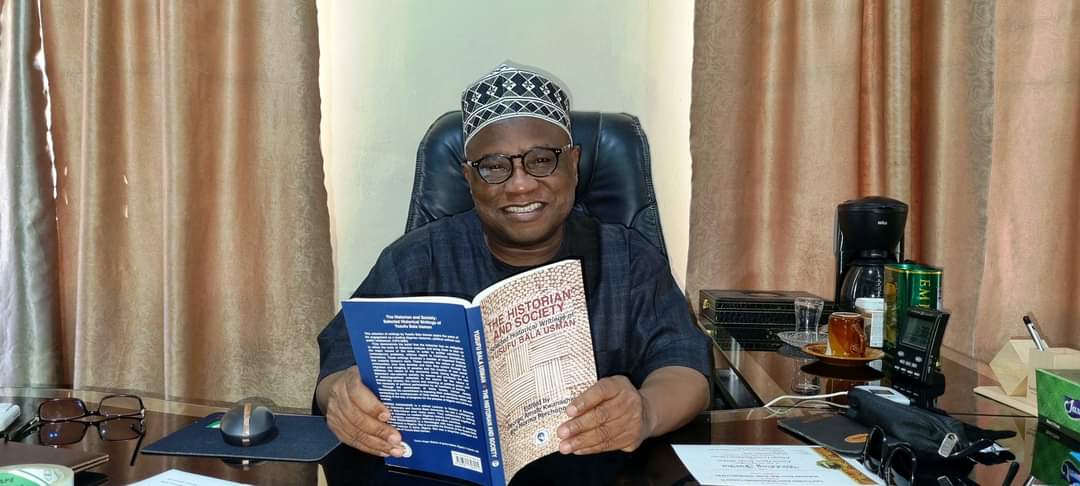
Yusufu Bala Usman passed away at 60 years old in 2005, relatively still in his prime. His thoughts and ideas, however, live on through the Yusufu Bala Usman Institute in Zaria. To refresh our memories about his fiery and critical writing, the Institute, on 23rd September 2023, released a compendium of his lectures that captured the years of engagement as a leading Nigerian historian, political activist and public intellectual, mainly from 1972 to his death, in 2005. The book, The Historian and Society: Selected Historical Writings of Yusufu Bala Usman, was edited by George Ama Kwanashie and Normal Perchonock. It provides a handy introduction to the thoughts of Yusufu Bala Usman for those who only heard about him. Going through the 12 chapters of the book would convince you that with his death, northern Nigeria has lost a formidable voice in contemporary critical theory.

The book is now available as a physical copy. There is a website for the Institute where you can order the book at 3,500 NGN.

NLC, TUC declare strike amidst economic hardship 

By Sabiu Abdullahi 

The Nigeria Labour Congress (NLC) and the Trade Union Congress (TUC) jointly declared a nationwide strike scheduled to commence on Tuesday, October 3.

This announcement comes as negotiations continue between the unions and the government, with both parties striving to find common ground. 

In a press conference held in the capital city of Abuja on Tuesday evening, the NLC and TUC called on their state branches to mobilise workers and the public for a series of demonstrations and marches across the nation.

The unions have expressed their concerns regarding the economic hardships faced by Nigerians, particularly workers, following the removal of fuel subsidies. 

It’s worth noting that the NLC had previously initiated a two-day warning strike on September 5th and 6th, seeking to exert pressure on the government to address these pressing issues.

This move sparked ongoing discussions and negotiations aimed at resolving the issues. 

Emmanuel Ugboaja, the Secretary of the NLC, confirmed that the unions are currently conducting their meetings online, demonstrating their commitment to dialogue even as they announce the strike action. 

In response to the strike notice, Mr. Simon Lalong, the Minister of Labour, appealed to the NLC to reconsider their plans.

He reassured the unions that the government is dedicated to addressing their concerns.

Mr. Lalong also highlighted one recent achievement in their negotiations, where the government ordered the release of the head of the Transport Workers Union in the country.

Digital ID and the Nigerian inclusion question

By Muhammad Mikail

“Every person has a right to participate fully in their society and be recognised as a person before the law” (UDHR & ICCPR article 16). Yet, as of 2021, an estimated 850 million globally have no official proof of their identity, which is essential to protecting their rights and enabling access to services and opportunities. Around half are children, and most live in lower-income countries in Africa and South Asia. (2021 World Bank Report on ID Coverage).

The Sustainable Development Goal sixteen-target-nine (16.9) by 2030 seeks to “…, provide legal identity for all, including birth registration.” Interpretatively, the target under this goal of the broader SDGs aims to ensure that every person, no matter their background, babies, women, children, IDPs, refugees and people living with disabilities, have official proof that shows who they are and where they live. The mantra of SDG 16 is to ensure inclusion such that individuals can enrol and be issued IDs, have means of being verified from anywhere, and have a sense of belonging and integration into society, a cardinal point to fighting extreme poverty. 

So many countries like India (Adhaar), Estonia, Philippines, Turkey, Rwanda, and Kenya (Huduma) recognised the significance of having robust digital identity systems in place to help their country secure their pride of place in today’s increasingly digital global economic sphere, and as a sure way of meeting the needs of their citizens and making life easier for them have successfully enrolled all their citizens into a robust digital identity system.

Aside from providing access to the underserved and unbanked population, mostly domiciled in the rural hard-to-reach areas, to loans and credit facilities more conveniently, a robust digital identity system makes the government’s distribution of fertilisers, agricultural inputs, and subsidies to rural farmers effective by eliminating intermediaries thereby strengthening social accountability and transparency. 

In Nigeria, many have some form of identification, from driver’s licenses, passports, National ID numbers and so on, mainly owing to the fragmented nature of the ID ecosystem before now. At various points, Nigerians and legal residents desirous of any of these are subjected to fresh enrolment and biometric captures by these issuing government agencies or agents.  As expressed by a vast majority of Nigerians, this system is cumbersome, essentially insecure, weak, and unsuited for the digital era, and most times fails to safeguard people’s rights and data.  

To address this, the government of former President Muhammadu Buhari, in a show of commitment and a strong desire to harmonise the existing identification ecosystem, prepared a Strategic Roadmap for Developing Digital Identification in Nigeria. The roadmap was endorsed by the Harmonization Committee on January 31, 2018, and by the Federal Executive Council (FEC) in September 2018. The roadmap highlighted the need for a minimalist, foundational, and eco-system-based approach to identification that can be leveraged to improve service delivery in the country.

Part of the recommendation of the strategic roadmap was to create the Nigeria Digital Identification for Development Project, NDID4D, managed by a team to be supervised by a Project Ecosystem Steering Committee (PESC). The Project Development Objective (PDO) is “increasing the number of persons with a national ID number, issued by a robust and inclusive foundational ID system, that facilitates their access to services”. Similarly, the NDID4D project seeks to address the currently fragmented ID system and boost overall ID coverage and use in Nigeria. This is captured under four components: strengthening the legal and institutional framework, including data protection and privacy; establishing a robust and inclusive foundational ID system, including civil registration; enabling access to services through IDs; and project management and stakeholder engagement. 

The Project, whose implementation began in December of 2021, is to, among others, collaborate with all ID-related agencies, ministries, and departments in addressing the challenges millions of Nigerians faced during NIN enrolment, including long processing time, extortions, and administrative errors. It is also mandated to support the FG in the enactment of significant laws, including the Nigeria Data Protection Act, which is the legal framework for the protection of data of citizens in Nigeria, amendment of NIMC, NPC Acts to ensure digitisation and harmonisation of civil registry with the National Identity database, the cybercrimes and cybersecurity Acts, as well laws that protect electronic transactions in collaboration with the Office of the National Security Adviser. In the same vein, the project supports upgrading the National Identity Management Commission, National Population Commission infrastructures, and human capital development and ensures effective engagement of all relevant stakeholders in the ID ecosystem.

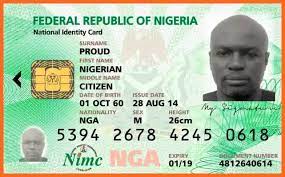
These will go a long way in strengthening the National Identification Number and widening the NIN issuance and enrolment net such that every Nigerian and legal resident, including women, PWDs, children, refugees, migrants and IDPs, can enrol, be issued NIN, and can have access to services. Aside from the NIN becoming the single most important form of ID required in Nigeria, the marginalised, underserved, and vulnerable groups, women, children, refugees, migrants, and IDPs will be saved from discrimination and exclusion.

This was echoed by the acting Director General of the National Identity Management Commission NIMC, Engr, Abisoye Coker-Odusote, recently. She said, “In the digital age, integrated identity is the backbone of e-governance initiatives.” According to her, an integrated identity system will strengthen the government’s fiscal management and promote good governance and transparency through inclusivity and social equality. It ensures that marginalised and vulnerable populations are not excluded from government services. 

The significance of a robust, inclusive digital identity system that enables access to services where every Nigerian has a NIN linked to every aspect of life: banking, communications, employment, security, healthcare, education, and social services is too huge to overlook. The issue of digital identity in ensuring inclusion is critical for Nigeria.

Inclusion is a fundamental aspect of a thriving society, and Nigeria’s Digital Identity system plays a crucial role in achieving this. As citizens, we must recognise the importance of having a digital identity and actively participate to ensure no one is left behind.

 The government must also ensure that the new data protection law protects citizens’ data. To achieve all these, the Nigerian government, critical stakeholders, ID ecosystem partners, traditional institutions, including civil society, and the private sector must work with the National Identity Management Commission and the Nigeria Digital Identification for Development Project to ensure no Nigerian and legal resident in the country is excluded from the ID ecosystem. By doing so, we will be on a clear path to a more just, inclusive, equitable, peaceful, and economically prosperous Nigeria for all.

Muhammad Mikail writes from Abuja, Nigeria, and could be reached via email: muhammadnmikail.mm@gmail.com.

Why Nigeria should prioritise peace

By Maryann Sholanke

Recently, the world has witnessed escalating tensions and conflicts between nations, often resulting in devastating consequences for humanity. As a prominent African nation, Nigeria must demonstrate its commitment to regional stability by actively resisting any inclination towards attacking its neighbouring country, Niger.

Humanitarian Consequences and Shared Ties

First and foremost, attacking the Niger Republic would undoubtedly lead to severe humanitarian consequences. Both countries share cultural, historical, and ethnic ties, with many Nigerians and Nigeriens having close family and social connections. Any military aggression from Nigeria would inevitably cause human suffering, displacement, and loss of life among innocent civilians on both sides of the border. Nigeria should be cautious not to inflict harm on its own citizens’ family members and friends in Niger.

Diplomacy and Cooperation

Furthermore, Nigeria should recognise that diplomatic engagement and cooperation with neighbouring countries foster peace and development. By upholding peaceful relations, Nigeria can establish harmonious partnerships that benefit its citizens through regional trade, economic growth, shared security initiatives, and cultural exchange. A peaceful and stable Niger enhances regional stability and contributes positively to Nigeria’s development and progress.

Regional Stability and Solidarity

Moreover, attacking Niger risks exacerbating existing regional tensions and instability. The West African region has long grappled with challenges such as terrorism, insurgency, and organised crime. Sustaining peace and security requires collaborative efforts among regional actors rather than exacerbating conflicts that may create fertile ground for extremists and criminal networks to thrive. Nigeria should maintain regional solidarity, actively engaging in forums such as the Economic Community of West African States (ECOWAS) or the African Union (AU) to find common solutions to shared challenges.

International Reputation

In addition, Nigeria must promote and preserve its reputation as a responsible and respected international actor. Nigeria has historically been a key contributor to peacekeeping missions and conflict resolutions on the African continent. Its involvement in various regional initiatives, such as the fight against Boko Haram, highlights its commitment to regional peace and stability. By abstaining from military aggression towards Niger, Nigeria will reinforce its image as a nation dedicated to peaceful coexistence and diplomatic resolutions.

Long-Term Implications

Lastly, Nigeria must consider the long-term implications of attacking Niger. Regional conflicts often harm the stability and development of the nations involved, leading to weakened economies, strained resources, and prolonged instability. Rather than investing in warfare, Nigeria should allocate its resources towards education, healthcare, infrastructure, and poverty alleviation to empower its citizens and strengthen its national development.

In Conclusion

In conclusion, Nigeria should resist any inclination towards attacking Niger, as it is imperative to prioritise peace, regional stability, and human welfare. By engaging in peaceful resolutions, diplomatic negotiations, and collaborative efforts with its neighbours, Nigeria can set an example for other nations and contribute positively to the long-lasting development, prosperity, and peace of the West African region.

Maryann Sholanke is an Entrepreneur, child advocate and media personnel, and she writes from Abuja. She can be reached via marycool72@gmail.com.