Month: August 2022

New Kano CP assumes duty Friday

By Uzair Adam Imam 

The Kano State newly deployed Commissioner, Abubakar Lawal, has resumed duty on Friday at the command’s headquarters in Bompai, a statement Friday by the Police Public Relations Officer of the command, SP Abdullahi Haruna Kiyawa, disclosed. 

The Daily Reality gathered that the new CP was deployed to Kano on Wednesday, following the retirement of CP Sama’ila Shuaibu Dikko.

It was learned that, before his deployment to Kano, Lawal was a commissioner of police in Enugu State Police Command. 

Lawal is a native of Daura in Katsina, and he holds a bachelor’s degree in Sociology from Ahmadu Bello University, Zaria and has served in various capacities.

KASU berates ASUU President over utterances

By Sumayyah Auwal Ishaq

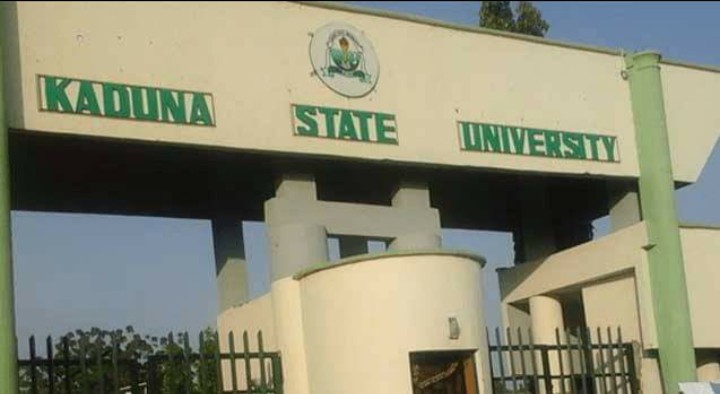
The management of the Kaduna State University ( KASU) on Friday condemned a statement attributed to the National President of the Academic Staff Union of Universities (ASUU), Professor Emmanuel Osodeke, who has described state-owned universities as quacks.

The university’s Public Relations Officer, Mr Adamu Nuhu Bargo, in a statement on Friday, said, “ASUU, represented by the unguarded vituperations of its chosen President, is not actually struggling for a better educational system in Nigeria but for personal and irresponsible aggrandisement”. 

Mr Bargo further said that “for the benefit of hindsight, KASU is a new generation University and the second most-sought State-Owned University as well as the fastest growing in Nigeria”.

“The general public may wish to note as follows:

1. KASU is recognised by NUC as a standard University.

2. KASU has some of the best brains that are competing favourably with their counterparts around the globe. The world’s No 4 best polymer chemist is in KASU.

3. Lecturers in KASU have attracted grants both locally and internationally and are highly rated.

4. KASU graduates are rated among the best in the world and enjoy scholarships from different parts of the country and the globe.

5. KASU has members in ASUU, and it is unfortunate if the ASUU President is saying that they are quacks while enjoying monthly check-off fees from their salaries. Does this not give a good reason for every reasonable academic staff in the University to pull off from the Union for this labelling and stereotyping?”

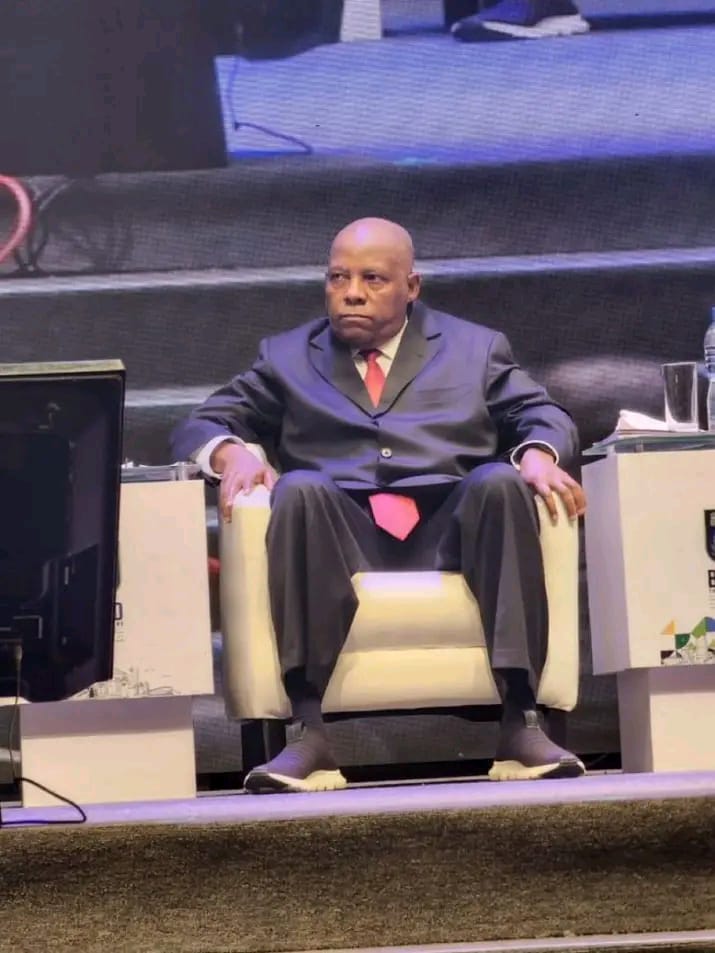
I deliberately wore sneakers to NBA Conference – Senator Kashim Shettima

By Ahmad Deedat Zakari.

Senator Kashim Shettima, the Vice Presidential Candidate of the All Progressives Congress, APC, said he deliberately wore sneakers to the conference of the Nigerian Bar Association (NBA).

In a video which has now gone viral, Shettima stated the reason for his sense of fashion.

He disclosed that he dressed in that manner to ridicule the association for their planned mischief against his party’s Presidential Candidate, Bola Ahmad Tinubu.

Shettima’s outfits to the NBA Conference held at EKO Hotels in Lagos has sparked different reactions across the country.

While some urged critics to ignore what they termed fashion blunder and focus on real matters, others berated him.

NiDCOM laments killing of students in Northern Cyprus, warns Nigerians

By Ahmad Deedat Zakari

The Nigerians in Diaspora Commission (NiDCOM ) has warned Nigerian students against travelling to Northern Cyprus for education.

NIDCOM’s Chairperson, Abike Dabiri-Erewa, said this at a ministerial briefing in Abuja on Thursday, August 25, 2022.

According to Dabiri-Erewa, Northern Cyprus is not recognised by the UN and a lot of Nigerian students have been murdered in the country.

“There have been a lot of problems in Northern Cyprus; we have youths come to tell us, please tell everybody to stop going to Northern Cyprus.

“We did that sometime ago and we were challenged at what rights we had to tell people not to go to Northern Cyprus.

“I say it again; if you have to go to Northern Cyprus, think twice about it; no fewer than 20 students have been killed over the years and nothing has happened to the assailants.

“Students who had gone there earlier came to tell us that they had to embark on an awareness campaign. Don’t go to these places; Northern Cyprus is recognised only by Turkey,’ she lamented.

Ponzi scheme: An ugly race for easy money (1)

By Bilyamin Abdulmumin

Needless to say, everyone wants money. Most of us have an insatiable love for them. There is this Hausa rhetoric:  if anyone says, “you have too much love for money, then the person saying that is playing with your intelligence”. In other words, the accuser is being unserious because what he said is a fact not only about you alone but everyone.

However, that is not the nitty-gritty of the matter because the like for money is one thing, and getting them is another. Getting the money is not as easy as pushing a standing pestle. Neither is it as easy as slapping a chick (in Dan Anace’s words)

To get the Phoenician’s invention, one has to invest a lot. It is a struggle for “survival of the fittest”. Those who bring or have the best ideas or strategy get them, thus putting us in constant skirmish and outweighing one another (capitalism in short).

Through their programs, some people have allegedly found a platform that can bring us this money almost effortlessly. In other words, the Ponzi scheme, alias pyramid, promises to free us from the bandage of suffering before getting the money.

To get to the utopia, according to these organizations, one will only invest a certain amount of money, and instantly a fixed profit is ensured (which one can claim after some time). The return of these investments is usually from 10 to 1000 per cent.

Initially, these Ponzi organizations’ operations were physical, with their offices and agents well known. One of such schemes that once cut across nook and cranny in Zamfara State was “oil and gas investment.”

The gale of the scheme in the state swept aside everyone on its path. It left neither business people, politicians, government workers, or even town heads. The “oil and gas” claimed an investment with a 100 per cent return in two weeks. For instance, an investment of 10,000 would qualify one to cash out 20,000 in two weeks. This is the type of eldorado business everyone can envisage, making it difficult to resist.

With the global transition from a physical to an online platform, the Ponzi schemes have followed suit. They would unleash their various applications where subscribers follow laid-down rules. Although different from the physical schemes, the concept remains the same: invest a certain amount of money and recoup mouth-watering profit (at 100 % assurance).

MMM was one online Ponzi that traversed the length and breadth of Nigeria, thanks to the subscribers’ testimonies like that of the oil and gas scheme. MMM promised and initially delivered 30 per cent profit to subscribers at every kobo invested within two weeks. This online investment was even riskier because the subscribers were dealing with faceless agents. When the MMM finally crashed, the bang of the burst was heard everywhere across the globe.

How the MMM founder from the far East of the globe, Russia, was able to convince Nigerians (some of whom are learned) to use not only their savings but other people’s money (staff salary, school registration fees, or money entrusted to them) was a mystery

The basic modus operandi of any pyramid scheme is the same: one particular schemer (the Ponzi initiator) would convince one to two people. Next, these two people convince four, four convince eight, and it keeps cascading like a symbolic pyramid hence the name pyramid scheme. Note the new subscribers in the pyramid pay the older ones; those at the top, especially the schemer who is at the top, bag the most money out of the scheme to the detriment of those at the bottom. For the scheme to remain healthy in operation, the new subscribers must always be able to pay the older ones; otherwise, the scheme becomes stuck in the mud.

Some of the Ponzi schemes recently to have met the waterloo are ISME and OSTIME. And according to “nogofalmaga”, an NGO specialist in dealing with Ponzi schemes, some other currently active schemes are only a matter of when not if they flow suit. These are SunPower, Tesla-recharger, Bitmaincenter sabrinascala, stormgain, among others.

In order not to take too much space, I reserved for the next article the discussion of some funny traits of Ponzi schemes

The elixir for easy money doesn’t exist. The Ponzi scheme can only provide for a few while robbing many others. If it is too good to be true, don’t trust it.

Bilyamin Abdulmumin wrote via bilal4riid13@gmail.com.

Raising the alarm on Nigeria’s rising Yellow fever epidemic

By Dr Naima Idris

Over one hundred and sixty (160) million people – more than half of the country’s current estimated population – are at risk of yellow fever in Nigeria, reports by the World Health Organisation (WHO) Africa Region have recently highlighted. Lately, the yellow fever virus has become of serious global health concern more because the wakes of its historic outbreaks are trailed by devastating outcomes. 

The WHO says the virus is spreading rapidly across Africa, warning that the rising trend could cause an epidemic in Nigeria, mainly because of its large population. Consequently, it issued an advisory for travellers to and out of Nigeria to consult their healthcare provider on precautionary measures required against the virus if need be. 

The Yellow Fever virus is endemic in tropical areas of Africa and Central and South America. The disease is a potentially fatal disease, as half of its patients in the toxic phase die within 7 to 10 days. 

The demography of Nigeria is one of the most important and common reasons why the fever could spike in the country. According to the region’s WHO, Nigeria is one of the countries most vulnerable to the yellow fever virus and has a history of poor health infrastructure. Additionally, the Nigerian population is largely uninformed about health and hygiene precautions, which makes them particularly susceptible to the virus.

According to the Nigeria Centre for Disease Control (NCDC), the yellow fever epidemic in Nigeria could spike in the coming weeks. This becomes worrisome due to the fact that there is no treatment for the virus; the good news is, for most people, a single dose of yellow fever vaccine gives long-term protection. 

Travellers going to areas with an outbreak are usually encouraged to consider taking a booster dose of the vaccine. This recommendation is critical to those who have been vaccinated ten years ago or more from the period of the first shot. In some countries, a booster dose of the vaccine is a requirement for entry. 

For health-conscious minds who understand the magnitude of such alarm, panicking is a reflex possibility; however, protection and precaution – especially for travellers – have proved time and again to be effective weapons in curbing epidemics. To effectively achieve this, the WHO fact sheet outlines these measures to include avoidance of close contact with people who are sick or even appear so, staying away from mosquito-infested areas, using mosquito repellent to ward them off, lodging in hotels that have been well-screened and consulting a healthcare professional about specific needs.

While precaution and protection remain key, we must be well acquainted with its symptoms, including fever, chills, headache, muscle pain and back pain. Other symptoms are nausea, vomiting, fatigue, weakness and rash. 

Most people with the initial symptoms improve within one week, while others will develop a more severe form of the disease which includes symptoms such as high fever, yellow skin (jaundice), bleeding (mouth, nose, eyes, stomach), abdominal ache and organ failure (liver and kidneys).

Though vaccines work and are the only treatment available, certain people should not be vaccinated because complications (side effect) could arise due to underlying ailment and/or treatment they are undergoing. This includes organ transplant recipients, individuals diagnosed with a malignant tumour, those diagnosed with thymus disorder associated with abnormal immune function, and patients diagnosed with primary immunodeficiency. 

Other categories include individuals who use immunosuppressive and immunomodulatory therapies and those who are allergic to a vaccine or something in the vaccine (like eggs). Allergic reaction symptoms include difficulty breathing, swelling of the face and throat, and hives. If any of these symptoms is experienced after receiving the vaccine, medical attention should be sought immediately.

All diseases require a medium to spread, be it air, water, insects, etc. For example, the yellow fever virus being a viral disease is spread through the bite of an infected Aedes aegyti mosquito which serves as the vector of the deadly disease. Worthy of note is that direct spread from one person to another does not occur. 

It is therefore expedient for individuals and businesses in Nigeria to be aware of the yellow fever virus and take the necessary measures to avoid being infected. By following the guidelines of health professionals and organisations, protecting oneself and those around from this dangerous disease is achievable.

Dr Naima Idris, a Medical Doctor and Initiator of “Girls Talk Series,” writes from Kano and can be reached via (naimageidam@gmail.com).

Drama as Maqari hammers ASUU, says varsity dons plagiarise for promotion

By Sabi’u Muhammad

One of the imams of the National Mosque, Abuja, Professor Ibrahim Maqari, has criticised and rubbished the conduct and nature of work of Nigerian university lecturers, members of the Academic Staff Union of Universities (ASUU).

Commenting on the issue of the ongoing ASUU strike, the controversial cleric queried the work of the university lecturers arguing that it does not yield any fruitful results.

In a 2-minute video clip in Hausa that went viral on social media, Maqari boasts, “No one would claim I don’t know university system. If anyone says so, it’s up to him.

“However, I had some knowledge of this position. This position presents several opportunities for disagreements and miscommunication. This work, as we’re calling it, is. In the name of work, what are we doing in the universities? The studies are where? There is no action taken.

“They steal and lie about everything. Each of them plagiarises the work of others. It’s all falsehoods, I assure you (wallahi).”

The retired academic stresses that most of his colleagues only feign carrying out research, but they don’t actually do it. He also laments that they only make an effort to have their papers published just to be promoted.

“It might be claimed, for example, that you are supervising or conducting research. That is false! except for a tiny minority, nothing is being done. They may be acting” (the research). But 80% of them aren’t doing it, which proves that they aren’t doing anything.

“When you see someone performing research, he’s pursuing promotion; therefore, he’d gather the works of his students or joint papers and enhance them to publish as his work merely to be promoted.

“His pen stopped after he was promoted! Did you get the point? How many people, after receiving a professorship, write 100 pages? Visit the universities to confirm! It would surprise you. I’m positive they’re 2/10. After that, 8/10 of researchers leave the field because their primary goal was to advance their careers.

“Like lecturing, it’s tough to find somebody who can complete 10 credit units weekly for a 6-hour course. It’s not much more than that, but I’ve forgotten. We’re down to 4 or 2 credit units, just like you. I took only 4 credit units over around three years.

“Before class, there is no preparation work to be done. It is entirely false. It’s been a 20-year-old handout. There is no investigation. The handout has been ingrained in each student’s memory.

“He has been teaching the same thing for nearly three years, and he is still teaching it now,” he said.

Unlike students and ASUU, what will the Nigerian government lose?

By Abba Muhammad Tawfiq

Instead of a strike, I suggest the Academic Staff Union of Universities (ASUU) should honestly scheme other ways to fight back against the unfair treatment of its members.

Fighting the government with a strike is like a futile attempt to break a mighty rock with an egg. As a group of intellectuals, the only key to the locks of unceasing demands of ASUU is to think out of the box and remain level-headed. But instead of thinking logically to arrive at a substantial outcome that can help ease our education and its entire elites,  the thick curtain of fury guiding the sole objectives of ASUU always obstruct the proper view of the political gladiators!

Like other governments, blessed and lucky is ASUU indeed to have its veteran members in the APC government, ranging from the vice president and the chief of staff to the president to other key figures nesting in the national and presidential offices. With them, I believe that ASUU has the ball rolling in their court. But, of course, nothing can hinder the prosperity of their goal-oriented behaviours.

The strike and on takes us nowhere but to a town of academic Sodom where we, the students, live in the terror of academic denial and our lecturers in the brutality of salary denial! In addition, ASUU’s constant fighting of a superior force like the stolid Nigerian government over its worthy right never had, in the past, and will never in the present, be a forthright approach for a substantial outcome.

Therefore, I wish ASUU  could politely liaise with our Professors at the tiptop of governmental offices to reach a peacefully assuring panacea that can save them and us from turmoil besieging us all together.

Abba Muhammad Tawfiq, a 500L Medical Rehabilitation student at the University of Maiduguri, wrote from Yola.

Dying Eedris Abdulkareem gets kidney from wife, Yetunde

By Ahmad Deedat Zakari

 Mrs Yetunde Abdulkareem, the wife of Nigerian singer and rapper Eedris Abdulkareem, has donated her kidney to the ailing husband. 

It was disclosed by the singer’s friend and colleague, Myke Pam, that Abdulkareem was diagnosed with kidney failure, and his wife came to his rescue as the donor. 

Also, Abdulkareem took to his verified Instagram account on Wednesday, August 24, 2022, to confirm the development and share the good news of a successful kidney transplant. 

In an emotional statement, Abdulkareem said he will always love and cherish his wife. He also extended his appreciation to God, his children, fans and extended family. 

He wrote: ” Thank you, God.

I am specifically giving Thanks and Praise to the Almighty God for my successful kidney transplant surgery over the weekend…..may HIS Holy Name be Glorified forever and forever. Words cannot express my love, devotion, and commitment to my adorable, loving, supportive, and compassionate wife, Yetunde, with whom God Has made my life complete….baby. I will always Love, cherish and adore you forever. My awesome, lovely children, God Has harkened to your fervent prayers….daddy and mummy will be coming home hale and hearty soon.

To my extended family, recording company Lakreem Entertainment, my crew, friends, fans, and well-wishers, I say God Has done it for us again, and I will be seeing you guys soon. I am dropping this first note in appreciation of God’s Love and Infinite Blessings for pulling my wife and me through all this, I will do an extensive shout-out as the time goes on. Thank you! Thank you!! Thank you!!!”.

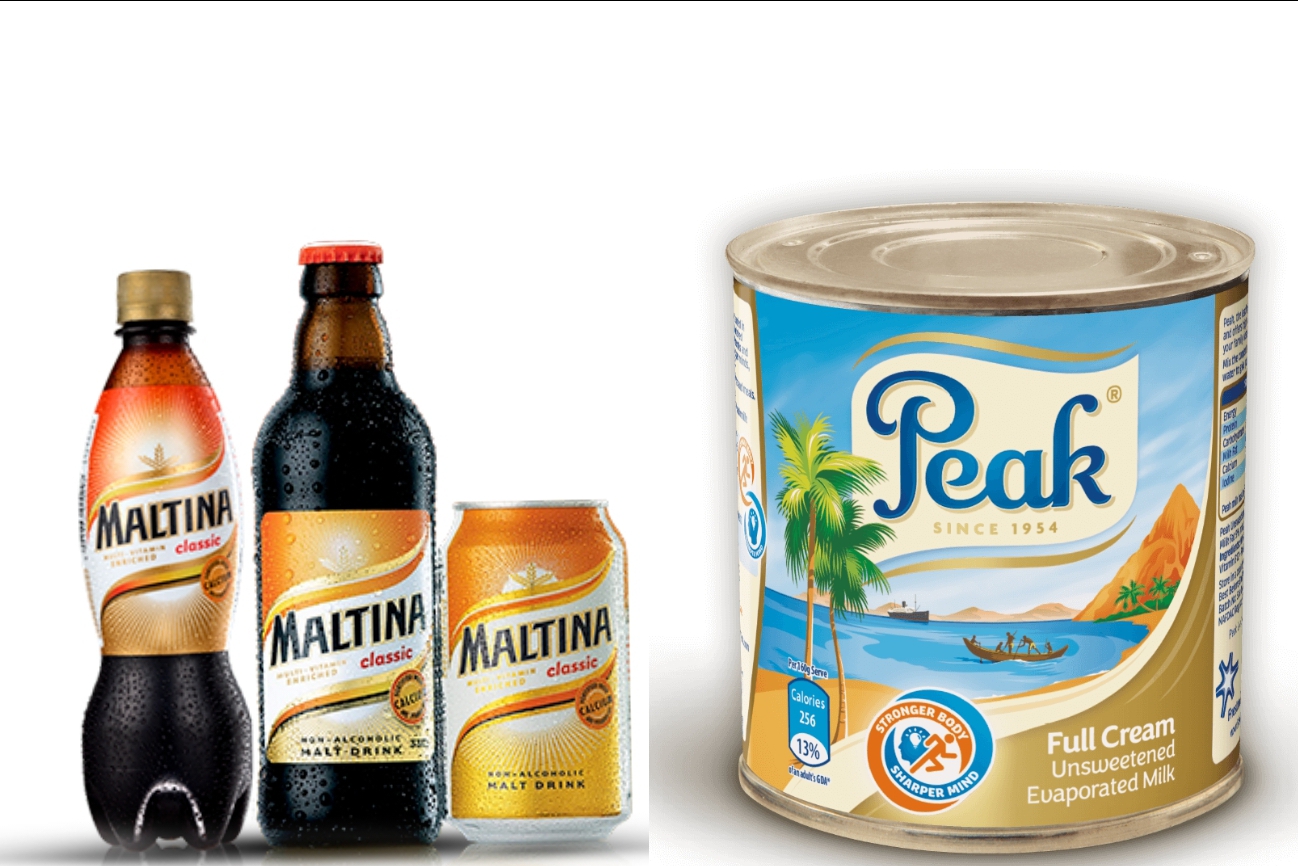
Myth: Maltina, milk and blood replenishment

By Lawal Dahiru Mamman

Different food items offer an array of nutrients from the six classes of food. The only fact is that a particular food item may be dominant in a nutrient rendering all others negligible. For example, rice is mostly known to contain carbohydrate (sugar or energy), but in reality, contains some levels of protein, fats and even some B vitamins found in brown rice.

That being said, an old tradition still with high relevance in this contemporary time is a myth – a concoction of malt drink and milk is a good blood-booster.

When recuperating from illness, people are advised to take a mixture of malt and milk because it replenishes dead blood cells that fight the foreign microorganism during the illness.

The blood contains plasma – for transport of digested food, platelets – prevent and stop bleeding, red blood cells – transport oxygen to other body parts from the lungs and white blood cells – fight diseases and other infections. For the synthesis of blood by the body, the most important nutrient is ‘Iron’. Therefore, for any food material to be considered a blood booster, it must contain a substantial amount of iron – a mechanism left for experts to discuss.

The nutritional content of both malt and milk is labelled on the products. Malt contains carbohydrates, protein, vitamins and water, while milk contains fats, carbohydrates, cholesterol, vitamins, calcium, phosphorus and magnesium. The noteworthy thing is that neither commodity has iron – a major mineral that must be contained in any food before it can be classified as a blood booster. With this, it can be deduced that there is no scientific evidence to prove this old assumption right.

Individually, malt grain contains fibre, potassium, folate, and vitamin B6, which together lower cholesterol and decrease the risk of cardiac disease. Its dietary fibre helps reduce insulin activity, increases cholesterol absorption from the gut, and encourages cholesterol breakdown. Milk is a significant source of protein, vitamin D, vitamin A, calcium, and other essential nutrients.

Many experts associate dairy diets with a lower risk of cardiovascular disease, type 2 diabetes, and high blood pressure. In addition, the nutrient profile of milk supports bone health.

Though the concoction is sumptuous and appealing to the palates, it has no base in the scientific realm regarding boosting blood.

Lawal Dahiru Mamman, a corps member, writes from Abuja and can be reached via dahirulawal90@gmail.com.