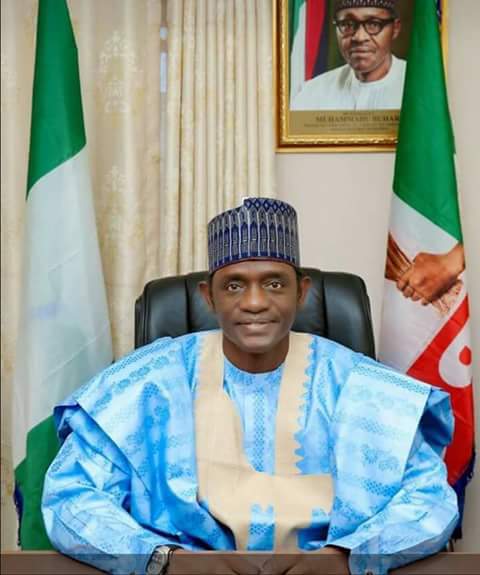
Dear Buni,
We need to talk; governance is beyond speeches. It requires actions, commitment and foresight. There is no place in history for those that failed to deliver the mandate given to them in any democratic polity. The world’s political leaders continue to champion the ideal democracy, tell voters you know the best, use your voice to bring change and take ownership of your destiny in knowing the details and aspects of governance. This gives prudent leaders the zeal and passion for taking responsibility, for leading by example. To incorporate new ideas and creativities, which provide an avenue for feedback and to believe in criticisms. These are the attributes that make them stand out amidst many challenges.
However, if we are to measure the growth and progress of our society, the indices we can use is education because acquiring quality and functional education is the concern of every community. That is why scholars in the field of public policy emphasize that, when it comes to educational policy, the stakeholders and actors are paramount to the policy’s success. They need to be integrated, involved, and allowed to participate freely without hindrance from the policy formulation and implementation stage. All their ideas and contribution need to be examined, analyzed and incorporated into the policy. They need to feel important in every step of the policy process. This will give them ample opportunity to take ownership and responsibility for its success and bring about a higher level of commitment in implementing the objective of the policy.
You declared a ‘state of emergency on basic and secondary education’ on your assumption of office. We all cheered and understood something needed to be done to save the sorry state of education. We believe in your powerful speeches on the first-ever ‘Educational Summit’ held in Yobe state. You declared that “I know there are a lot of complaints about some teachers, who are not qualified to teach, and complaints about some teachers who are not able to speak or write well in [the] English Language. This has to change”. We all hailed again, thinking the messiah and symbol of hope had arrived.
From your oratory speeches, we develop confidence that today’s governance transcends what had happened in the previous administrations. We all got a sigh of relief and hoped new ideas and philosophies would guide your administration. The people of outstanding calibre would be called to serve the state, people with foresight and reason.
The problems facing the Basic and Secondary Education policy are many. The broad objective of the policy was in papers, and in practice, it did not demonstrate what it entails. The problem emanated from the formation of the team or committee saddled with the responsibility to craft the policy and to non-involvement and proper participation of actual stakeholders: Teachers, Headmasters/Headmistress, Education Secretaries, etc. Supervisors, Zonal Inspectorates, former and serving Principals and parents of the pupils/students. These are the most important actors and stakeholders alongside the legislative and civil society organizations (CSOs).
This action makes the policy a product of educational elitism or an avenue of wasting state resources. It did not reflect the wishes and aspirations of the general populace. It did not cover every stakeholder because most of the committee members are teaching in higher institutions of learning. They don’t have actual expertise in what it takes to make primary and secondary education functional. The committee lacks the wisdom or vision to go beyond their thinking to involve the real stakeholders in generating the policy ideas.
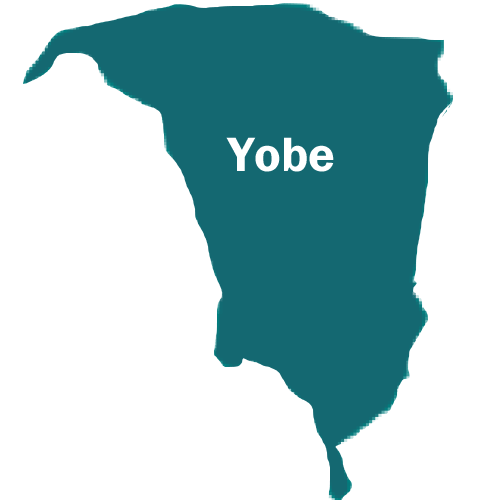
Since the signing of the committee’s report on January 16, 2020, by you, and declared that “all hands must be on deck to actualize the goals of the policy”, eleven months later, on December 16, 2020, Daily Trust released a survey of the number of out-of-school children in Nigeria by Nigerian Education Data Survey (NEDS). Yobe state has 57 per cent of school children in the country, and this figure corresponds with the technical committee’s report that 40% of Yobe children are out of school.
What have you done to improve the students’ enrollment and retention in the state, enhance teachers’ capacity, and employ new ones to fill the gap? The emergency is not about pronouncing a word; it requires action, and, in this part, you failed to lead and hold the oath of office you took to manage the affairs of state that you’re ready to make education functional and accessible. Leadership is all about making an impact in people lives you promise to govern.
I was surprised by the emergency in education, particularly the deduction of teachers’ salaries in August and September. Everybody knew there was uncertainty in revenue generated and allocated to the state, but this would not be an excuse. You need to understand, the critical stakeholders in achieving the goals of your policy are teachers. How can you declare an emergency on a sector hoping to improve it but end up eating their hard-earned cake?
You need to double teachers’ salaries and allowances, provide proper capacity building training, provide accommodation, and motivate them to work hard. This singular action smeared the image of your administration. Unless you reverse this policy of salaries deduction and apologize to them for the hardship and problem your administration causes them, you’re heading in the wrong direction.
Moreover, as we all know, the significant source of revenue to finance all the intended projects are Federal Allocation. Due to uncertainties in the global oil market, the government should review the policy and allow all relevant stakeholders to review and execute the policy. The government should cut the cost of governance, reduce unnecessary expenses, and accommodate all the projects you intend to achieve in realizing functional education in the state.
In all the projects done in some schools across the state, the major funders of these projects are donor agencies and development partners in collaboration with the State Emergency Management Agency (SEMA) and North East Development Commission. However, what is the role of other institutions, especially the State Universal Basic Education Board (SUBEB) and Ministry of Basic and Secondary Education, in complementing the efforts of these Donor agencies in making and realizing the objective of the policy? Unfortunately, we do not see their visibility, even the recruitment of SUBEB, for almost a year, there is no result.
Given the background above, we need to sit down and talk about governance. History is there to those who leave a golden legacy or otherwise ensure your government adopts a participatory approach to policymaking involving all stakeholders. The policy should be the product of citizenry wishes and aspirations by allowing them to participate in policy design and implementation, enhance teachers’ and administrators’ capacity with the sole aims of improving their productivity and increasing their salaries and allowances.
Funding is key to achieving the policy’s objectives; 26% of budgetary should be allocated to education and ensure proper utilization. In addition, you need to create a Basic Education Trust Fund (BETF), be managed by accomplished education administrators, and provide robust and proper collaboration and partnership with Donor Agencies and Development partners. What we want from you is action and taking responsibility to show you can do it.
Umar Yahaya Dan-Inu wrote from Hausari Ward, Nguru. He can be contacted via umarnguru2015@gmail.com.