World Health Organisation (WHO)

Perinatal oral health: A neglected aspect of maternal and child well-being

By Oladoja M.O

Across all health-related policies, discussions, and publications, maternal and child care undoubtedly ranks among the top three priorities of our national healthcare system. Without mincing words, it constitutes a core aspect of public health that rightly deserves every ounce of attention it receives. One might ask, why is this so? 

A report by the World Health Organisation (WHO) underscores the alarming statistics, revealing that, in 2020, a maternity-related death occurred nearly every two minutes. This equates to approximately 800 daily maternal deaths from preventable causes across various regions of the world. 

Similarly, UNICEF, in one of its latest reports, noted that while Nigeria constitutes only 2.4% of the world’s population, it accounts for a staggering 10% of global maternal deaths. Recent figures indicate a maternal mortality rate of 576 per 100,000 live births, ranking as the fourth highest globally. Furthermore, an estimated 262,000 neonatal deaths occur annually at birth, the second-highest national total in the world.

Beyond these mortality figures, numerous other health complications afflict this demographic, often with far-reaching, detrimental consequences. Some of these complications include hypertension, gestational diabetes, infections, preeclampsia, preterm labour, depression and anxiety, pregnancy loss or miscarriage, and stillbirth. These conditions may jeopardise the health of the mother, fetus, or both, and can be life-threatening if not properly managed. With such distressing statistics, it is impossible not to prioritise this critical issue.

Recognising the gravity of the situation, the government has implemented several initiatives to address maternal and child health concerns. Notable programs include the Midwife Service Scheme, which aimed to enhance the healthcare workforce by deploying midwives to provide maternal health services in rural areas, and the Saving One Million Lives Program for Results, a performance-based funding initiative aimed at improving maternal and child health outcomes at the state level.

Additionally, the Maternal Mortality Reduction Innovation Initiative (MAMII) prioritises life-saving interventions for women and newborns, strengthening healthcare services in the 172 most affected local government areas through supply- and demand-side strategies.

However, despite these concerted efforts and the significant attention accorded to maternal and child healthcare, a critical yet insidious aspect of this discourse remains grossly overlooked—oral health. Among the myriad etiological factors contributing to maternal and child health complications, the intersection of oral health and overall maternal well-being is frequently ignored. 

A 2024 study highlighted that a mother’s oral health status, knowledge, literacy, attitudes, behaviours, and socioeconomic status are pivotal determinants of childhood caries. Another recent study underscored the detrimental impact of poor oral health during pregnancy, linking it to adverse outcomes such as preterm birth, low birth weight, preeclampsia, gingival ulcerations, pregnancy granulomas, gingivitis, and pregnancy tumours (epulis gravidarum). 

According to a CDC physician, improving pregnant women’s oral health is one of the most effective strategies for preventing early childhood caries. She further emphasised that oral health is an essential component of prenatal care, as poor maternal oral health can significantly compromise both maternal and neonatal health, setting the foundation for lifelong health challenges. Additionally, periodontitis has been strongly associated with adverse pregnancy outcomes, including preterm birth and low birth weight.

Given these profound implications, one would expect a holistic approach to maternal healthcare—one that integrates oral health awareness and services into prenatal care. Unfortunately, this is far from reality. A 2024 scoping review revealed that dental service utilisation among pregnant women in Nigeria is alarmingly low, with visits largely driven by curative rather than preventive needs.

Despite the serious risks associated with poor oral health during pregnancy, oral health education remains conspicuously absent from antenatal awareness curricula, and primary healthcare centres lack dedicated oral health officers.

Thus, this serves as a call for urgent action and heightened awareness. The advocacy for integrating oral health education into antenatal classes must persist, as maternal knowledge of oral healthcare is often inadequate. 

Pregnancy is a critical period that necessitates heightened attention to oral health, and dental clinic visits should be regarded as an indispensable component of prenatal care. Most importantly, the government must prioritise the strategic deployment of public oral health officers to ensure that this vulnerable demographic’s unique oral healthcare needs are adequately addressed.

Oladoja M.O writes from Abuja and can be reached at: mayokunmark@gmail.com

United States’ withdrawal from WHO and Africa’s looming health crisis

By Lawal Dahiru Mamman

Some Nigerians with the wrong intention to mock believe that sick individuals, particularly those living with Human Immunodeficiency Virus (HIV) in Africa, especially Nigeria, are now an “endangered species” due to the United States’ withdrawal from the World Health Organization (WHO).

On January 20, 2025, Donald Trump was sworn in as the 47th President of the United States, marking his return to the White House after defeating the Democratic candidate in a fierce election battle. As the world looked on to see how he would start fulfilling his promise to make “America great again,” he wasted no time signing executive orders that sent shockwaves around the globe.

One of his most controversial directives came just days into his presidency: the announcement of the U.S. withdrawal from the WHO, an organization of which it had been a founding member since 1948. This move was not entirely unexpected, as Trump had previously attempted to exit the WHO in 2020 before his decision was overturned by President Joe Biden in 2021.

To the delight of his supporters and the disappointment of his critics, Trump successfully achieved the withdrawal in early 2025. In February, he made further decisions, including cutting funding to certain organizations such as the United States Agency for International Development (USAID).

WHO leadership bemoaned the decision for obvious reasons. According to financing data, the U.S. contributed an estimated $988 million between January and November 2024, marking approximately 14% of WHO’s $6.9 billion budget. The organization further noted that U.S. funding provides the backbone for many large-scale emergency operations to combat diseases globally.

Citing an example, the WHO stated, “U.S. funding covers 95% of the WHO’s tuberculosis program in Europe, along with 60% of the agency’s TB efforts in Africa, the Western Pacific, and headquarters in Geneva.”

The African Union (AU) also expressed deep concern over the development as events continued to unfold. In a statement, AU Commission Chairperson Moussa Faki Mahamat emphasized the crucial role the U.S. has played in shaping global health standards over the past seven decades. He noted that the U.S. was a key supporter in establishing the Africa Centers for Disease Control and Prevention (Africa CDC), which works closely with WHO to tackle global health challenges, including those on the African continent.

This concern, coupled with comments such as those in the opening paragraph of this piece, should not be taken at face value or dismissed as mere press statements. It warrants careful consideration. Although the latter’s comment may be seen as a reaction to unfolding events or an attempt to mock Nigeria and Africa jokingly, more is at stake if the lives of millions of Africans solely depend on that funding.

Dead Aid: Why Aid Is Not Working and How There Is a Better Way for Africa, a 2009 book written by Zambian economist Dambisa Moyo, comes to mind. It earnestly challenged the traditional approach to foreign aid in Africa.

Moyo argues that foreign aid has failed to lift Africa out of poverty and has instead fostered a culture of dependency, corruption, and stagnation. She claims that aid has weakened Africa’s incentive to develop its own economic and political systems. Consequently, it has hindered the growth of Africa’s health sector.

It is a universal truth that no nation can survive in isolation; however, countries should be able to provide for their basic survival needs. The concern raised by the AU may validate Moyo’s hypothesis, as Africa remains dependent on aid from foreign entities like the WHO, despite having a continent-wide centre for disease control.

In 2001, African leaders signed the Abuja Declaration, promising to increase budgetary allocation for health, eradicate HIV/AIDS, and strengthen the health sector through improved infrastructure, human resources, and access to essential medicines.

Two decades later, we are lamenting a single nation’s withdrawal from the WHO because we have failed to uphold the promises we made to ourselves. What will happen if other “powerful” countries choose to leave? Will our already poor health metrics deteriorate? This should serve as a wake-up call.

All hope is not lost, as some progress has been made. In Nigeria, there was a breakthrough in November 2024. Doctors at Lagos University Teaching Hospital (LUTH), in collaboration with the Sickle Cell Foundation, successfully carried out a bone marrow transplant on two patients. This procedure once thought impossible in Nigeria, was described as “a significant step forward in the treatment of sickle cell disease—the first of its kind in West Africa.”

Also, in February 2025, Usmanu Danfodiyo University Teaching Hospital (UDUTH) joined the ranks of medical facilities that have successfully performed kidney transplants.

Nigeria can build upon and enhance these developments, attracting patients from other regions for treatment. This influx will generate revenue and may elevate us to a point where we no longer depend on funding from external organizations.

Nigeria and other African nations can leverage their existing resources to generate revenue while investing further in research to discover cures or treatments for diseases for which we have traditionally relied on palliatives.

Lawal Dahiru Mamman writes from Abuja and can be reached at dahirulawal90@gmail.com.

A call for change: The untold story of Nigeria’s boat accidents

By Ibrahim Aliyu Gurin 

Boat accidents in Nigeria are tragically frequent, especially in regions with limited transportation options. In states like Niger, Kebbi, and Adamawa, where rural communities depend on boats for daily travel, the risks are high. Overloading, poor safety measures, and weak enforcement of regulations are the leading causes, leaving many families devastated.

On one fateful day, farmers, eager to beat an approaching storm, crowded into a boat to head home. Among them were women and children, holding on to hope as the sky darkened. But their fears came true. Halfway through the journey, strong winds capsized the overloaded boat, and chaos broke out. Screams echoed as men, women, and children fought to stay afloat. Twenty people went missing, lost to the river’s depths.

In a desperate attempt, a mother tried to save her infant by holding the child above water. She drowned, but a diver managed to rescue the baby—a small miracle amidst the tragedy. Others were less fortunate. Adamu Mai-nama lost his wife, two children, sister, and in-laws. “They’re all gone,” he mourned, his voice heavy with grief.

This heartbreaking scene repeats itself across Nigeria every year. Boats, essential for transport in areas with limited roads, become death traps due to overloading, faulty maintenance, and weak safety enforcement. According to data provided by the International Centre for Investigative Reporting (ICIR), between January 2018 and October 2023, Nigeria recorded 1,204 deaths from boat accidents, averaging about 17 fatalities per month. These incidents occurred in 25 states, with Niger State having the highest number of deaths at 275.

Overloading remains a critical issue as boat operators prioritise profit over safety. Many vessels are dangerously overcrowded, and passengers, lacking alternatives, are forced to risk their lives. In countries like Bangladesh, strict enforcement of passenger limits has reduced boat accidents. Nigeria could benefit from similar regulations, cracking down on operators who ignore safety rules.

Compounding the problem is the poor condition of many boats. They are often old, poorly maintained, and lack essential safety equipment like life jackets. Passengers board these vessels with little choice but to rely on luck. Rising water levels and stronger storms, driven by climate change, further heighten the danger. 

According to the Marine Crafts Builders Association of Nigeria, over the past decade, Nigeria has seen approximately 3,130 boat accidents, leading to over 3,133 deaths. Regular inspections and better boat maintenance are urgently needed.

The dangers of drowning also extend beyond boat accidents. The World Health Organization reported that drowning deaths in Nigeria reached 6,584 in 2020, accounting for 0.44% of total deaths, with a drowning mortality rate of 2.17 per 100,000 people. This staggering number highlights the broader issue of water safety and the need for comprehensive measures to protect lives.

When accidents happen, the country’s rescue efforts are often too slow to be effective—poor funding and inadequate equipment delay response times, costing lives. Investing in better rescue units, equipment, and training responders is essential. However, prevention through stronger safety measures is the most effective solution.

Public awareness campaigns are also crucial. Many passengers don’t realise the dangers of overcrowded boats or the importance of life jackets. Localised safety education, led by community leaders, can make a significant difference.

Countries like Indonesia and Bangladesh have shown that strict regulations and public education can reduce boat mishaps. Nigeria can make its waterways safer by modernising boats, enforcing safety standards, and raising awareness. Unfortunately, the lack of enforcement in remote areas undermines these efforts. While states like Lagos have made progress, others, such as Niger, Kebbi, and Adamawa, need to implement stronger oversight and inspections.

The tragedies we see on Nigeria’s waterways are preventable. They result from neglect of safety regulations, boat maintenance, and human life care. We must act now to prevent more families from suffering: enforce safety rules, improve boat conditions, strengthen rescue operations, and educate the public.

The mishaps on Nigeria’s waterways don’t have to keep happening—they can be stopped. Every life lost shows the price we pay for ignoring safety. We know what needs to be done, but we keep doing nothing. How many more children need to lose their parents? How many more families must suffer before we take action?

The next boat accident could happen anytime. Will we wait for more lives to be lost, or will we make the changes needed to save them? The choice is ours, and lives depend on it.

Ibrahim Aliyu Gurin writes from Bayero University, Kano, via ibrahimaliyu5023@gmail.com.

Tragedy: Children starve to death in Gaza hospitals

By Uzair Adam Imam

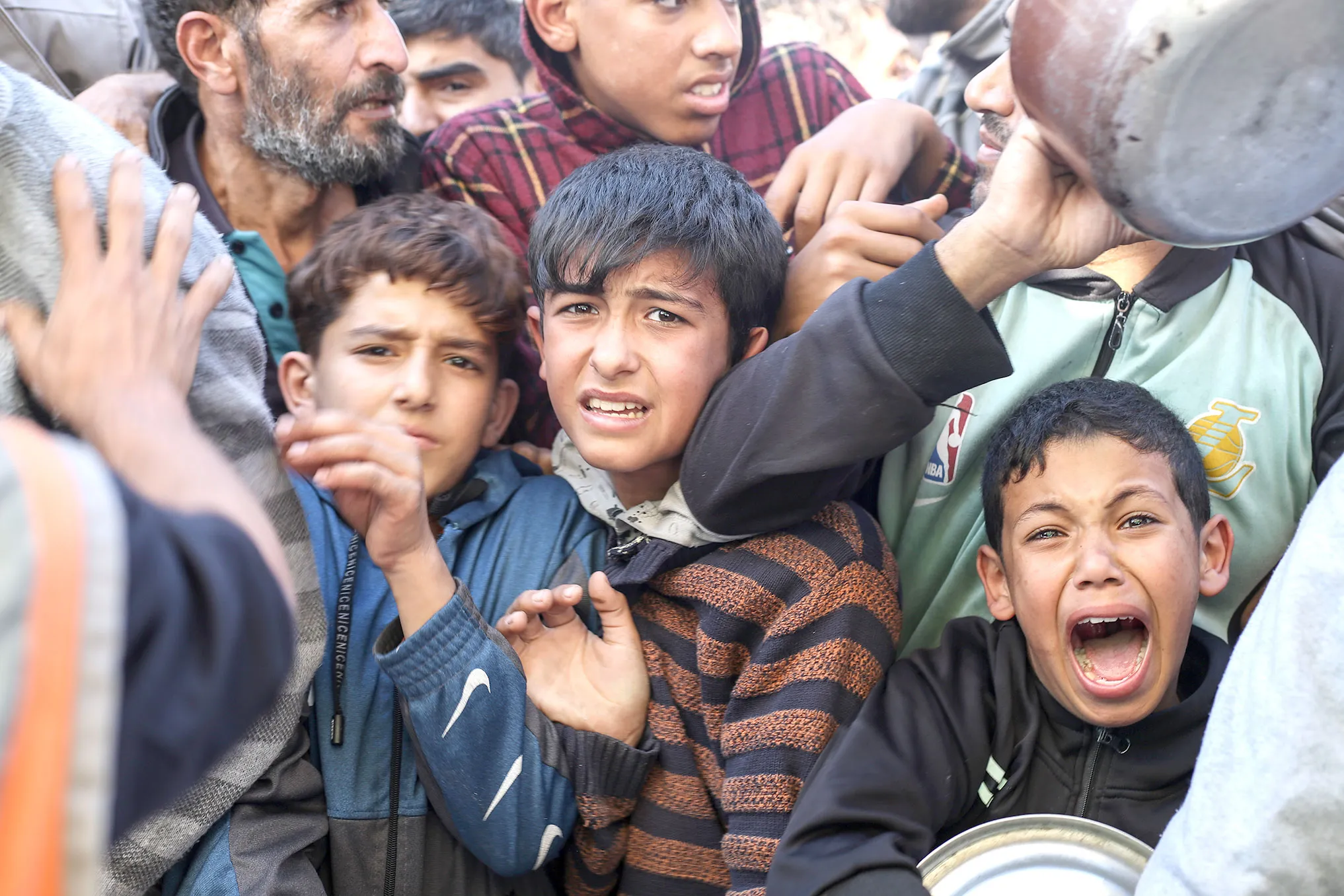
According to reports from Turkish TRT World, a recent aid mission to two hospitals in northern Gaza by the World Health Organization (WHO) has uncovered horrifying scenes of children dying from starvation. 

Dire shortages of food, fuel, and medicines exacerbate the situation.

WHO Chief Tedros Adhanom Ghebreyesus described the findings as “grim,” particularly highlighting the dire conditions at Al Awda Hospital, where one of the buildings has been destroyed. 

The Kamal Adwan Hospital, the only paediatrics facility in northern Gaza, struggles to cope with the overwhelming number of patients. Tedros revealed that the lack of food has tragically led to the deaths of 10 children.

Meanwhile, the Geneva-based organization Euro-Med Human Rights Monitor has released a statement presenting disturbing evidence of Israeli tanks deliberately running over Palestinians. 

Describing these actions as part of Israel’s genocide against Palestinians in Gaza, Euro-Med reported several cases of Israeli forces intentionally running over Palestinian civilians, including incidents on February 29, January 23, December 2023, and February 20.

The organization has called for an independent international investigation committee to address Israel’s ongoing military actions in the Gaza Strip.

The deadly offensive initiated by Israel following a cross-border incursion by Hamas on October 7, 2023, has resulted in significant casualties. 

As the Israeli bombardment continues into its 150th day, TRT casualty counts estimate that at least 30,534 Palestinians, mostly children and women, have been killed, with 71,980 others wounded due to mass destruction and shortages of essentials.

NHIA guideline and Pate’s move to boost population health

By Lawal Dahiru Mamman

It is not uncommon to see destitute in motor parks, religious centres, T-junctions and other places that pull crowds clutching a doctor’s prescription, soliciting public support to purchase drugs.

Others plead not to be offered money but instead be accompanied by any good samaritan to the nearest pharmaceutical outlet to purchase the medication on their behalf. This is to free them from the accusation of preying on public emotion to beg for money without any justifiable reason.

These are indications that a number of Nigerians cannot afford drugs to treat themselves owing to the fact that healthcare is predominantly financed by households, without government support. According to pundits, this, among other factors, has been instrumental in pushing many citizens into poverty.

In 2021, the World Health Organization (WHO) said, “Up to 90 per cent of all households incurring impoverishing out-of-pocket health spending are already at or below the poverty line – underscoring the need to exempt poor people from out-of-pocket health spending, backing such measures with health financing policies that enable good intentions to be realised in practice.

“Besides the prioritising of services for poor and vulnerable populations, supported through targeted public spending and policies that protect individuals from financial hardship, it will also be crucial to improve the collection, timeliness and disaggregation of data on access, service coverage, out-of-pocket health spending and total expenditure.

“Only when countries have an accurate picture of the way that their health system is performing can they effectively target action to improve the way it meets the needs of all people.”

WHO revealed during the 6th Annual Conference of the Association of Nigeria Health Journalists (ANHEJ) last year in Akwanga, Nasarawa State, that “With healthcare out-of-pocket expenditure at 70.5 per cent of the Current Health Expenditure (CHE) in 2019, general government health expenditure as a percentage of the GDP was 0.6 per cent while government expenditure per capita was $14.6 compared with WHO’s $86 benchmark for universal health coverage (UHC).”

Nigeria currently bears the highest burden of tuberculosis and paediatric HIV while accounting for 50 per cent of neglected tropical diseases (NTD) in Africa, contributing 27 per cent of global malaria cases and 24 per cent of global deaths with Non-communicable Diseases (NCDs) accounting for 29 per cent of all deaths in Nigeria with premature mortality from the four main NCDs (Hypertension, Diabetes, Cancers, Malnutrition) accounting for 22 per cent of all deaths.

On account of the high disease burden, high out-of-pocket health expenditure and low enrollment into the NHIS, now National Health Insurance Authority (NHIA), the Federal Ministry of Health and Social Welfare has unveiled operational guidelines for the NHIA to ensure financial access to quality healthcare in line with Sustainable Development Goals, (SDGs), consequently putting the country on track of attaining Universal Health Coverage (UHC).

The Ministry said, “High out-of-pocket payment for health care services is not good enough, and it is not sustainable. Only 9 per cent of Nigerians have insurance coverage, and 90 per cent don’t.

“Ill health is pushing many Nigerians into poverty. We must, therefore, change the trajectory of healthcare delivery in Nigeria.

“Many people have wondered why the President added social welfare to the Ministry of Health. The answer is health insurance. Health insurance is the key to the Renewed Hope Agenda, and it is the reason the President added social welfare to the Ministry. This is because the President is aware that we need social protection for our people.”

The guideline, which harmonised crucial provisions of the old operational guidelines with the new Act, provided a legal basis for mandatory participation by all Nigerians, the Vulnerable Group Fund (VGF) for citizens who are able to service their insurance after keying-in and empowered the NHIA to promote, regulate and integrate health insurance schemes in the country among other provisions of the Act so as to contribute to poverty reduction as well as socioeconomic development.

The review expanded the operational guidelines from four to five. The first section, Governance and Stewardship, provides, which was not part of the previous guideline, a broad overview of the roles and responsibilities of the NHIA and stakeholders within the insurance ecosystem.

The second section, schemes and programs, identified contributory, non-contributory and supplementary/complementary schemes to ensure the capturing of public and private sector employees, a vulnerable group including those not captured in the National Social Register (NSR) by pooling resources from government, private sector, philanthropist and even international organisations.

Standards and accreditation, which is the third section, will focus on bringing health workers, health facilities and equipment, and patients under one roof for the meticulous running of the NHIA.

The fourth section of the operational guidelines, data management, allows the NHIA to provide and maintain information for the integration of data health schemes in Nigeria. Such data will allow collaboration data sharing between facilities, medical audits, and research and aid seamless decision-making for the authority.

Offences, penalties and legal proceedings, which is the last of the guidelines, ensures stakeholders’ compliance with the provision of the NHIA and provide a legal instrument for the investigation of grievances and disputes between stakeholder in accordance with protocols of the NHIA.

Implementation of this effort by the Health Ministry will make Nigerians worry less about the financial consequences of seeking medical care, providing avenues for early detection and treatment of diseases, which in turn will guarantee a healthy citizenry and increase population health outcomes for national growth and sustainable development.

Lawal Dahiru Mamman writes from Abuja and can be reached via dahirulawal90@gmail.com.

Nigeria in global malnutrition crisis’ web: A sad commentary

By Lawal Dahiru Mamman 

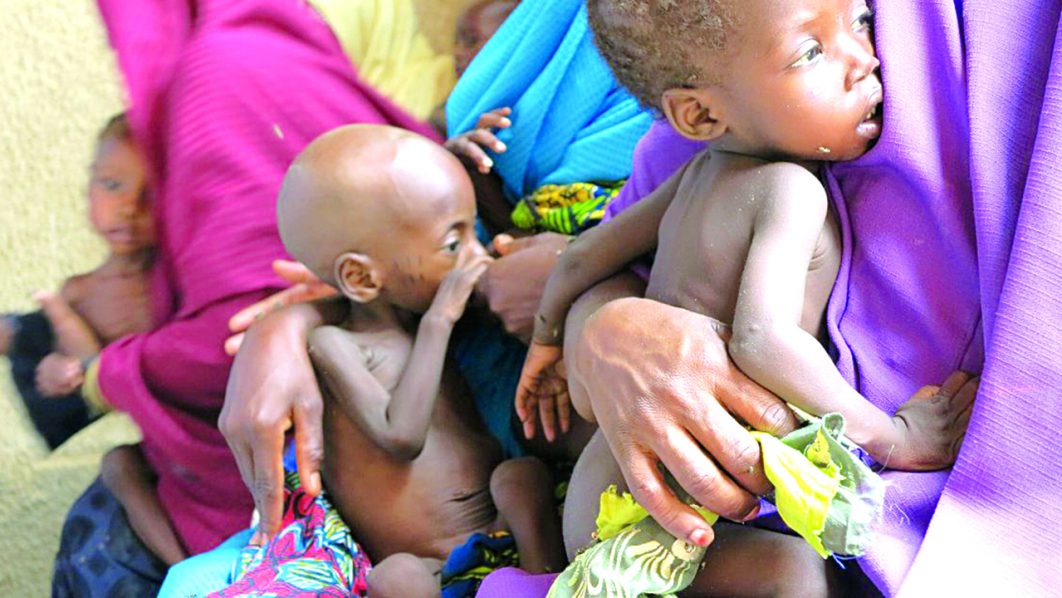
Malnutrition, generally, is when humans or any other living organisms get little or insufficient food nutrients, resulting in health problems. Nigeria is one of the 12 world countries recently declared as the epicentre of the global nutrition crisis. 

The other 11, mostly African countries, include Burkina Faso, Chad, Ethiopia, Kenya, Mali, Niger, Somalia, South Sudan, Sudan, Afghanistan, and Yemen.

COVID-19, war in Ukraine and conflicts in some of these countries are factors that have exacerbated the situation. Barely seven years ago, the number of under-nourished people in sub-Saharan Africa rose from 181 million in 2010 to almost 222 million in 2016. This figure increased to 264.2 million according to a study titled, “Malnutrition: An underlying health condition faced in sub-Saharan Africa: Challenges and recommendations,” published in a medical journal, Annals of Medicine and Surgery, in October 2022.

Recently, Anne Patterson, the Director, United States Agency for International Development (USAID) Mission, at the Trade Fair for Ready-to-Use Therapeutic Foods and Other Life-Saving Nutrition Commodities in Abuja, disclosed that Nigeria is ranked as the country with the second-highest malnutrition rate in the world.

This is according to the recent Food Consumption and Micronutrients Survey, she said.

In reality, Africa, with its abundant water body, aquatic life and favourable climate (which supports the growth of various food crops, including fruits and vegetables), has all that is necessary to produce the macro and micronutrients required to nourish the body for optimal growth and health.

For Nigeria, in particular, which has agriculture written all over its national symbol (as the green on our National Flag signifies agriculture, and the black shield on the coat of arms symbolises fertile soil), the country should not be mal- or undernourished, even ranking second globally.

There are also about 200 species of fish, thanks to the large water body nature has blessed our country with. This, along with other aquatic lives, can be harnessed for healthy foods. There are livestock of various types, giving quality nutrients, too.

A lot is invested by the government in building more resilient health systems medical technologies, training of medical practitioners, and treating illnesses. It is time the same energy and resources are invested in nutrition.

For example, during this year’s World Malaria Day, Nigeria still routinely spent an estimated sum of N2.04 trillion on malaria annually.

Breaking this figure further, the Chairman of the Pharmaceutical Society of Nigeria (PSN) said, “The estimated cost for an individual to treat uncomplicated malaria in Nigeria ranges from approximately N700 to N3000, depending on the type of treatment, and the healthcare facility visited.

“While treating complicated malaria could be significantly higher, ranging from N20,000 to N60,000, or more”. 

On the cost to the Nigerian government, the consultant pharmacist said: “This cost includes expenditures on healthcare facilities, medication, and personnel.”

Tackling the menace of investing heavily in treating illnesses and sicknesses affecting citizens would be to invest in its prevention. And that entails boosting the masses’ nutritional health by ensuring the availability of good and nutritious meals. 

This will help in fortifying the immune system of Nigerians and combating all forms of malnutrition troubling citizens, especially Nigerian children from less privileged backgrounds. 

Being a nation that also engages in massive agricultural cultivation of food and tearing of assorted livestock, the last thing citizens should have as a companion is hunger. Therefore, the federal government and other concerned authorities should worry about the global survey that ranked us as one of the world nations battling with the malnutrition crisis. It is a sad commentary.

Lawal Dahiru Mamman writes from Abuja and can be reached via dahirulawal90@gmail.com.

Unmasking the N1.5bn cancer fund people don’t know about

By Lawal Dahiru Mamman,

In a newspaper interview, she narrated how the excruciating pain and cost of cancer treatment drove her to sell her valuables. Rosemary Nnamdi said it’s a miracle that she is still alive today. Nnamdi, 33, was diagnosed with the most common form of cancer, breast cancer, in 2019.

The young lady somehow and eventually took a leap of faith and, according to the report, had a single mastectomy – a surgical procedure that involves removing the entire breast. The process was supposed to be complemented by radiotherapy and chemotherapy, which involved killing cells with radiation from elements like uranium and anti-cancer drugs. This she could not afford.

“I started soliciting funds to cover chemotherapy and radiotherapy sessions, but it was never enough. I sold every single property, but it could not cover the sessions recommended by the doctor,” she said.

A revelation in an interview by Dr Adamu Umar, President of the Nigerian Cancer Society (NCS), came to mind after reading the heart-rending report on Rosemary Nnamdi.

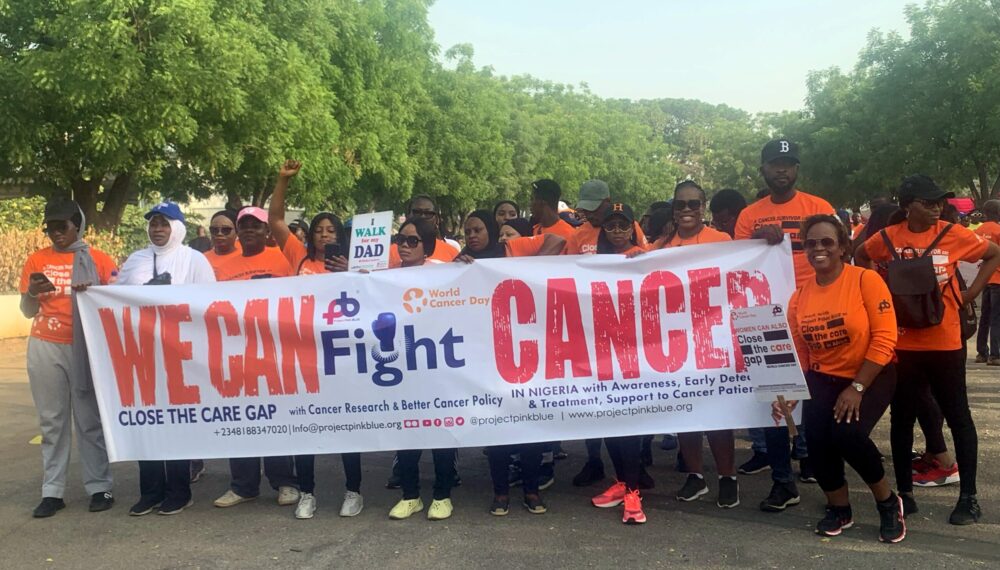
During the interview, Dr Umar lamented that over N1.5bn earmarked for cancer treatment in Nigeria has not been accessed by people with the disease. He disclosed that many cancer patients are unaware of the intervention fund known as Cancer Health Fund (CHF), resulting in the inaccessibility of a larger part of the money.

He identified the lack of data to ascertain the actual number of cancer patients in the country as one of the reasons for frustrating the intervention programme.

His revelation was stunning because the World Health Organisation (WHO) estimates that 10 million people die of cancer (a disease in which cells of the body grow uncontrollably at a spot and spread to other parts) annually worldwide and that 70 per cent of these deaths occur in low-to-middle income countries including Nigeria.

In Africa, Mr Walter Mulombo, WHO country representative to Nigeria, said, “Every year, Africa records around 1.1 million new cases of cancer resulting in up to 700,00 deaths.” According to Globocan statistics, in 2020 alone, a staggering 78 899 cancer deaths were recorded in Nigeria.

Since it costs an arm and leg to treat cancer, the ‘Cancer Health Fund’ was separated from the budget to tackle different types of cancer in the country. Should cancer patients in Nigeria not know about this?

Regrettably, lack of awareness and inaccessible location has contributed to the low participation of cancer patients in accessing the fund set aside to manage their affliction.

The Nigerian CHF is a social service that provides funding and health care services to indigent cancer patients. Before this, the National Cancer Control Programme (NCCP) was established in 2006 as a fallout from the 58th World Health Assembly Resolution on cancer prevention and control adopted in May 2005. The programme was established to address the escalating cancer incidence in Nigeria.

But the CHF programme is an initiative of the Federal Ministry of Health that commenced in 2021 with six pilot hospitals. Ahmadu Bello University teaching hospital (ABUTH), National Hospital Abuja (NHA), University of Benin Teaching Hospital, Benin (UBTH), Federal Teaching Hospital Gombe (FTH), University of Nigeria Teaching Hospital (UNTH), University College Hospital (UCH).

It involves partners such as the American Cancer Society, ROCHE, Pfizer, MYLAN, Clinton Health Access Initiative, World Wide Commercial Ventures (WWCV), BICON and EMGE resources, which is mandated to implement the CHF initiative on behalf of the Federation Government.

Since many cancer patients seem to be oblivious to this vital function, there is a need for the National Orientation Agency (NOA) to carry out sensitisation programmes across many towns and villages in the country. The knowledge will then be a driving force for patients to seek treatment.

In addition, the media and non-governmental organisations can also be involved in such campaigns while the government strives to expand beyond the six pilot hospitals. 

By empowering people with the Cancer Health Fund information, we can help save thousands of lives from a killer disease, as we do not all have to be doctors to guarantee the most fundamental human right – the right to live.

Lawal Dahiru Mamman writes from Abuja and can be reached via dahirulawal90@gmail.com.

International Epilepsy Day 2023: Call for continuous sensitisation 

By Lawal Dahiru Mamman

Epilepsy is a non-communicable condition that affects the brain. The condition causes recurrent seizures, which are brisked episodes of involuntary movement that may involve a segment or whole parts of the body accompanied by unconsciousness and loss of control of bowel or bladder function. 

The prevalence of epilepsy is particularly high in Latin America and in several African countries, notably Liberia, Nigeria, and the United Republic of Tanzania. Parasitic infections, particularly neurocysticercosis, are important etiological-causative factors for epilepsy in many of these countries.

The importance of epilepsy made the World Health Organisation (WHO) and its partners christen the 2nd Monday of February annually “International Epilepsy Day”. This serves as an opportunity to raise awareness of epilepsy, what it is, how it can be treated, and what is needed to bring treatment to all people who need it. This declaration became paramount, especially as 25% of the recorded cases are potentially preventable. 

International Epilepsy Day 2023 (February 13th) appears to have slipped through the cracks of health professionals, media outlets and other bodies usually taking the pain to sensitise the populace about the disease and other medical conditions in the country. This could result from the Diphtheria outbreak and proliferation of notorious Lassa fever, meningitis and cholera.

Nonetheless, Epilepsy remains one of the most common non-communicable neurological diseases globally, with written records dating back to 4000BCE and fifty million (50,000,000) people suffering from the same worldwide, according to the World Health Organisation (WHO), and of this value, 80% live in low and middle-income countries probably attributable to endemic conditions like malaria, road traffic accidents, birth-related injuries, neurocysticercosis – pork tapeworm infection (A tapeworm infection that affects the brain, muscle and other tissues) and poor medical infrastructure.

A large number of patients (70%) could live seizure-free if properly diagnosed and treated even so, the sad reality is that 70-75% of people suffering from epilepsy in low-income countries do not have access to the treatment required.

For centuries, fear, misunderstanding, discrimination and social stigma have trailed and is still trialling epilepsy therefore, an event like ‘International Epilepsy Day’ should be used for sensitisation on preventive measures while authorities make an effort to provide facility and medications needed to control the condition since there has been no known cure.

Lawal Dahiru Mamman writes from Abuja and can be reached via dahirulawal90@gmail.com.

Virginity test is illegal, barbaric—Expert

By Muhammadu Sabiu 

Virginity testing is forbidden, Dr Oluwajimi Sodipo, a consultant family physician at the teaching hospital of Lagos State University, said in Ilorin on Wednesday.

He revealed to the News Agency of Nigeria that the WHO had ruled the practice to be unlawful while he was attending a session for primary healthcare professionals.

Aside from the WHO announcement, he said, the practice was antiquated.

The most common reasons for conducting the virginity test are requests from parents or suitors to see whether the girl is eligible for marriage or to determine her suitability for a job.

According to the WHO, a virginity test is a gynaecological exam done with the intent of determining if a woman or girl has had vaginal contact.

He added that the practice was frequently agonizing, embarrassing, and distressing, adding that the idea of a virginity test was false because a woman’s lack of a hymen did not necessarily indicate that she was promiscuous.

Suic*de: Measuring our well-being with pseudo scales 

By Lawal Dahiru Mamman

An attempt to kill oneself in response to a tragic or stressful situation is termed ‘attempted suicide’, while success in such an attempt is referred to as ‘suicide.’ This profoundly affects families, especially when such an attempt is successful, and when one survives, they battle other mental disorders.

For suicide not to be seen only as a storm in a teacup, the International Association for Suicide Prevention, in conjunction with the World Health Organisation in 2003, slated the 10th of September to annually commemorate what it termed ‘World Suicide Day’. Issues surrounding suicide are discussed with the hope of ending the horrendous act on the day.

This year’s event got me reminiscing on an incident in my neighbourhood three years ago where a nine-year-old girl in Primary 4 sent herself to the grave by hanging. What would have prompted her? This question continues to resonate in the minds of those unfortunate to see her hanging lifeless. 

Seven hundred thousand people commit suicide yearly, according to the world health organisation (WHO), with 70% occurring in low and middle-income countries. WHO’s country representative to Nigeria, Dr Walter Mulombo, said: “for every suicide, twenty (20) other people are making an attempt and many more have the thought to commit same.”

Ingestion of pesticides, hanging and firearms are said to be the most common method of committing suicide globally. In high-income countries, suicide has been associated with mental disorders like depression and alcohol use disorder. In contrast, in low-income countries, life problems like financial crises, relationship break-ups, chronic pain and illness take credit – these are primarily associated with adults.

On the other hand, children may become suicidal due to poor performance in school, coupled with pressure at home to do better, bullying, losing friends, etc.

Thanks to civilisation and technological advancement, people have become more and more isolated. At the same time, others try to emulate the more often pseudo lives of others they see on TV or social media. Mr A wants his child to be as bright as the child of Mr B; Mrs X wants her husband to provide the luxury Mr Y is providing for his family; Mr M wants his wife to be as dazzling as the wife Mr N, the list goes on. All these think this way while still battling financial crises and others. 

While the authority is setting up mental healthcare centres, and organisations are trying to do the same at workplaces, families need to start being the haven they should be for their members. Parents should understand that failure for children is just okay when they have given their best while helping them be the best version of themselves.

Generally speaking, marriages, relationships, education, intelligence, social status, and all that encompasses life should not be measured using the yardstick we see in the media. As the saying goes, not all that glitters is gold.

Nigeria is a place where religion is held in high esteem. Therefore, religious leaders could take it upon themselves during sermons to discourage suicide. The haves should remain humble and thankful for their possessions, while the have-nots should not despair for whatever position they find themselves in; others aspire to get there.

Dale Carnegie, an American writer, stated, “It is not what you have, who you are, where you are or what you are doing that makes you happy or unhappy. It is what you think about it.” Understanding this will go a long way in curtailing suicide.

When all hands come on deck, we would be “Creating Hope Through Action.”

Lawal Dahiru Mamman, a corp member, writes from Abuja and can be reached via dahirulawal90@gmail.com.