USA

Tinubu, Trump hold talks, vow to ease diplomatic tensions

By Abdullahi Mukhtar Algasgaini

President Bola Ahmed Tinubu announced today that he has held a constructive phone conversation with the United States President Donald Trump, aiming to de-escalate recent diplomatic tensions between the two nations.

In a national address following the call, President Tinubu stated that both leaders agreed on the priorities of “peace over conflict, hope over fear, and unity over division.”

He acknowledged the “genuine” concerns that led to the tensions and confirmed that both sides would take necessary time to address them.

The President sought to reassure Nigerians, pledging that his administration, in collaboration with the United States, would leverage existing security cooperation to prevent any recurrence of incidents that threaten individuals based on faith, origin, or other constitutional rights.

“Under my leadership, the Government of Nigeria… will leverage existing security cooperation and mutual interests to prevent any recurrence,” Tinubu stated.

He promised a decisive shift from the “unfulfilled promises of the past,” assuring citizens that they would “witness tangible actions and results in the coming days.”

The address emphasized the government’s commitment to the security and dignity of every citizen, urging Nigerians to continue their lawful activities with confidence.

Tinubu also reaffirmed the enduring diplomatic relationship between Nigeria and the United States alongside President Trump.

He concluded by calling on citizens to uphold the national motto: “Unity and Faith, Peace and Progress.”

US Congress introduces bill to ban Miyetti Allah, MACBAN with visa, asset sanctions

By Anas Abbas

A bill introduced into the United States Congress proposes visa restrictions and asset freezes on individuals associated with the Miyetti Allah Kautal Hore and the Miyetti Allah Cattle Breeders Association of Nigeria (MACBAN).

The legislation, presented by U.S. Representative Christopher Smith, names the groups among “entities responsible for or complicit in severe violations of religious freedom,” under the framework of the International Religious Freedom Act (IRFA).

In the bill, the “Fulani-ethnic militias” operating in Nigeria’s Benue and Plateau states are explicitly designated as Entities of Particular Concern (EPCs), a classification previously applied to organisations such as Boko Haram, ISIS‑West Africa, the Taliban and the Houthis.

Under the terms of the bill, if passed, U.S. authorities would be empowered to bar visas and freeze assets of individuals linked to the listed organisations.

The move comes amid mounting concern in Washington over reported attacks on Christian communities in Nigeria. Representative Smith applauded the U.S. government’s re-designation of Nigeria as a “Country of Particular Concern” (CPC) for religious freedom violations.

The Nigerian federal government has rejected these claims, pointing to constitutional guarantees for freedom of worship.

Nevertheless, U.S. officials appear to be advancing this legislative effort following agitation from American lawmakers and evangelical groups.

This development signals an escalation of U.S. pressure on Nigeria over human rights and religious-freedom concerns, raising the stakes for Nigeria’s domestic and international stance on such issues.

Despite widespread Muslim casualties, Trump designates Nigeria as ‘country of particular concern’ over alleged Christian killings

By Sabiu Abdullahi

The President of the United States, Donald Trump, has designated Nigeria as a “country of particular concern” following allegations of widespread killings of Christians across the nation.

Trump made the announcement in a post shared on his Truth Social platform on Friday, which was later reposted on the White House’s X account.

This is coming at a time when the larger percentage of the victims the killings in Nigeria are Muslims.

According to the Family Research Council, such a designation is usually made by the US government—particularly by the Secretary of State—under American laws that identify countries violating human rights or engaging in actions that contradict US interests.

In his post, Trump wrote, “Christianity is facing an existential threat in Nigeria. Thousands of Christians are being killed. Radical Islamists are responsible for this mass slaughter. I am hereby making Nigeria a ‘country of particular concern.’

”He added, “But that is the least of it. When Christians, or any such group, are slaughtered like is happening in Nigeria (3,100 versus 4,476 Worldwide), something must be done! “I am asking Congressman Riley Moore, together with Chairman Tom Cole and the House Appropriations Committee, to immediately look into this matter and report back to me.”

Trump further declared that the United States would not remain passive in the face of such violence, saying, “The United States cannot stand by while such atrocities are happening in Nigeria and numerous other countries. We stand ready, willing, and able to save our Great Christian population around the World!”

FG Reacts

Reacting to the allegations, the Minister of Information and National Orientation, Mohammed Idris, dismissed the claims as “misleading and unreflective” of Nigeria’s complex security situation.

Speaking on CNN, Idris said some US lawmakers were relying on inaccurate and misleading data to accuse Nigeria of Christian genocide.

His media aide, Rabiu Ibrahim, released a statement reaffirming that the Nigerian government remained committed to religious freedom, human rights, and the rule of law.

Idris said, “Some of the claims made by officials of the United States are based on faulty data and the assumption that victims of violence are largely Christians. Yes, there are Christians being attacked, but these criminals do not target one religion; they attack both Christians and Muslims, especially in the northern part of the country.”

The minister also cautioned that spreading such narratives could embolden criminal groups that seek to ignite religious tension and animosity among Nigerians.

Palestinian refugee turned Nobel Laureate: Omar Yaghi wins 2025 Nobel Prize in Chemistry

By Muhammad Abubakar

Omar Yaghi, a Palestinian-born scientist whose journey began in a refugee family in Jordan, has been awarded the 2025 Nobel Prize in Chemistry.

The Royal Swedish Academy of Sciences announced the honour earlier today, recognising his pioneering work in designing and developing new classes of materials that have revolutionised the field of chemistry.

Speaking to reporters while in transit between flights, Yaghi reflected on his humble beginnings: “My parents could barely read or write. It’s been quite a journey. Science allows you to do it.”

Born to Palestinian refugees who fled to Jordan, Yaghi’s journey to scientific excellence was far from straightforward. As a young student, he was drawn to the beauty of chemistry, a fascination that eventually led him to develop metal-organic frameworks (MOFs), materials now vital in energy storage, clean water production, and environmental sustainability.

Yaghi described his motivation as both artistic and intellectual: “I set out to build beautiful things and solve intellectual problems.”

For many across the Arab world, especially Palestinians, Yaghi’s achievement serves as an inspiring reminder that brilliance can arise from the most difficult beginnings.

CAN rejects claims of Christian genocide in Nigeria

By Muhammad Abubakar

The Christian Association of Nigeria (CAN) has denied claims of a Christian genocide in Nigeria, calling such reports misleading and lacking a consistent pattern, as reported by The Guardian (Nigeria).

The claims gained attention after U.S. comedian Bill Maher and Senator Ted Cruz accused Islamist groups and Nigerian officials of persecuting Christians. Cruz even proposed sanctions through the Nigeria Religious Freedom Accountability Act. 

At the same time, U.S. lawmaker Riley Moore urged the U.S. government to halt arms sales and label Nigeria a “Country of Particular Concern.”

In response, Nigeria’s Presidency denied any religious war, stressing that the violence affects all citizens regardless of faith.

CAN’s Director of National Issues and Social Welfare, Abimbola Ayuba, acknowledged widespread killings but said they were not targeted solely at Christians. He noted that both Christians and Muslims have fallen victim to terrorist attacks, adding that bullets “don’t look for a Christian or spare a Muslim.”

Ayuba cautioned against foreign interference and urged Nigerians to work collectively to end the insurgency through local institutions rather than seeking sympathy abroad.

Charlie Kirk fatally shot dead during campus event

By Anas Abbas

Conservative activist Charlie Kirk, co-founder of Turning Point USA, was shot and killed while speaking at Utah Valley University (UVU) in Orem, Utah, on Wednesday.

The shooting occurred during a “Prove Me Wrong” session, part of his “American Comeback Tour,”.

Eyewitnesses say the bullet struck Kirk in the neck as he addressed a student’s question, abruptly cutting short the debate and sending the crowd into chaos.

Video footage captures the moment, showing Kirk recoiling and collapsing, with attendees scattering in panic.

Authorities confirmed that the shot originated from the Losee Center, a campus building approximately 200 yards from the speaker’s platform.

Initial reports of a suspect in custody were later retracted, and the shooter remains at large.

President Donald Trump, unable to attend in person, took to Truth Social to confirm Kirk’s death, describing him as “legendary” and unmatched in his understanding of American youth.

He offered condolences to Kirk’s wife, Erika, and their family, and ordered American flags nationwide to be flown at half-mast.

Political figures across the spectrum condemned the violence.

Utah Governor Spencer Cox vowed accountability, while Republican and Democratic leaders alike decried the act and extended solidarity to Kirk’s family.

Kirk, 31, rose to prominence through Turning Point USA, a youth-focused conservative organization he helped establish in 2012.

He built a commanding media presence through his podcast and campus events, becoming a central figure in modern student political activism.

Sanders ‘strongly’ condemns Trump’s attack on Iran, describes campaign as ‘grossly unconstitutional’

By Sabiu Abdullahi

United States Senator Bernie Sanders has issued a strong rebuke of President Donald Trump’s recent decision to carry out air strikes on Iran’s nuclear facilities, describing the action as “grossly unconstitutional.”

Speaking at a public event shortly after the president announced the strikes via social media, Sanders firmly asserted that such a move bypassed legal processes.

“The only entity that can take this country to war is the US Congress. The president does not have the right,” he stated.

The strikes, which were launched without prior congressional authorization, have sparked a wave of criticism from lawmakers, foreign policy analysts, and rights advocates.

Many have expressed concern that the unilateral decision could escalate tensions and destabilize the already fragile Middle East region.

The operation has drawn praise from Israeli officials, but some analysts argue that the applause masks a deeper concern about the potential fallout.

Critics say the attack increases the risk of a broader conflict and undermines diplomatic efforts to address Iran’s nuclear programme through negotiation.

President Trump has defended the decision as a necessary step to deter Iran’s alleged nuclear ambitions, but calls for a more measured and constitutionally grounded approach continue to grow louder within the US political landscape.

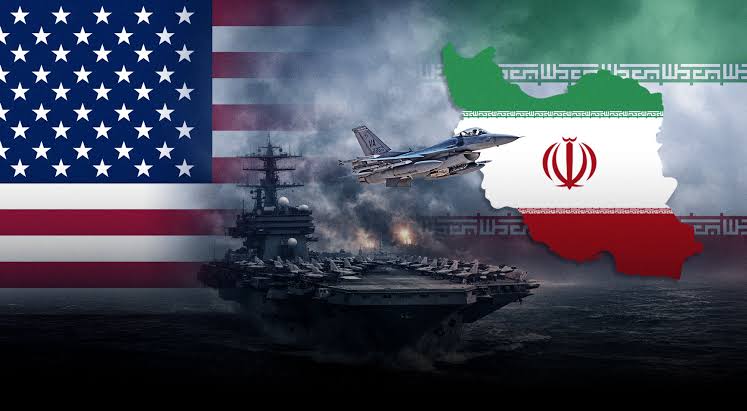
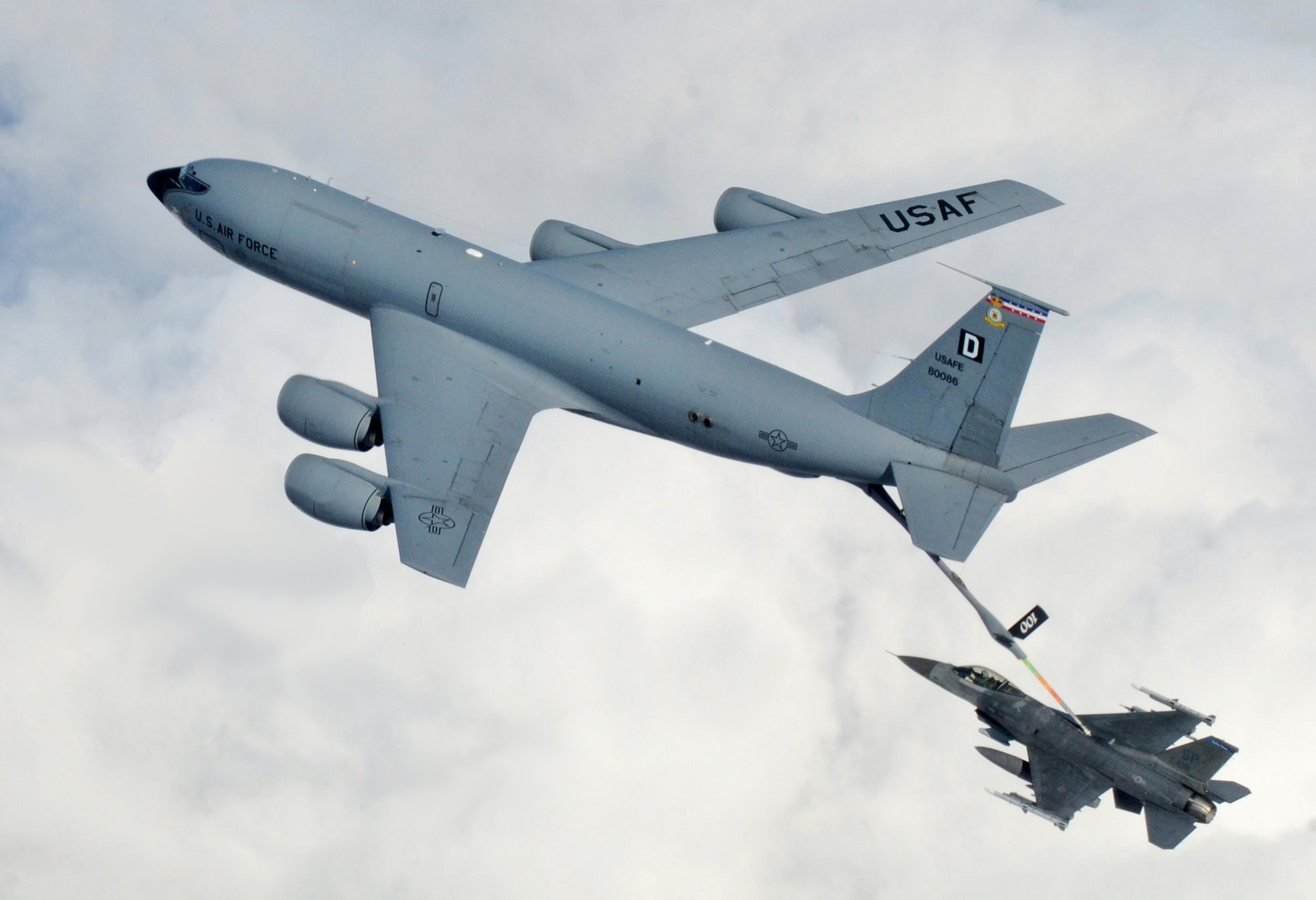
US launches massive strike on Iran’s nuclear facility, sparking fears of regional war

By Uzair Adam

Flights across the Middle East have been disrupted, both incoming and outgoing, as regional tensions escalate and governments cite increased security concerns.

Air traffic was significantly affected as military activity intensified, following a dramatic overnight strike by the United States on Iran’s Fordow nuclear facility—a site long regarded as one of the most secure in the country.

While the U.S. Pentagon and the White House have withheld specific operational details, military leaders are expected to hold a press briefing later today.

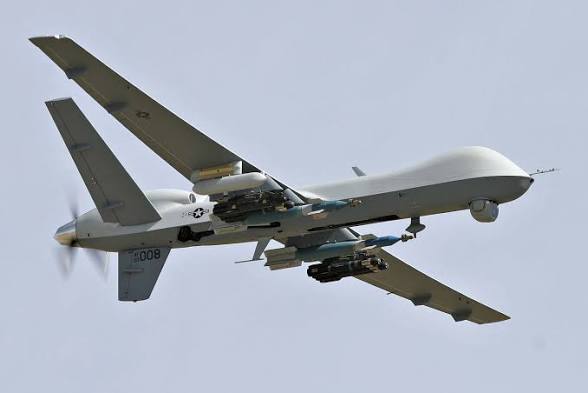
Sources familiar with the assault, speaking anonymously, confirmed that U.S. B-2 stealth bombers deployed GBU-57 Massive Ordnance Penetrators—deep-earth bombs capable of burrowing 200 feet underground—on the Fordow enrichment site.

The bomb was used in combat for the first time in this mission.

In addition, U.S. Navy submarines reportedly launched around 30 Tomahawk cruise missiles, targeting critical infrastructure believed to support Iran’s nuclear program.

Despite its reputation as nearly impenetrable due to its mountainous location, the Fordow facility appears to have been successfully breached.

The coordinated operation came after a prolonged period of diplomatic stalemate, with President Trump citing failed negotiations as justification for the strike.

While U.S. intelligence assessments continue to assert that Iran is not currently pursuing a nuclear weapon, Trump—echoing Israeli concerns—argued that Iran retained the capability to quickly develop one, making inaction too risky.

His decision followed mounting pressure from Israeli officials and Republican lawmakers who urged a decisive military move amid reports that Israel had already damaged Iran’s air defenses, paving the way for U.S. bombers.

Israeli strikes in recent days reportedly targeted missile launchers and air-defense systems, weakening Iran’s retaliatory capabilities.

Observers note a reduction in the frequency and scale of Iran’s missile attacks, possibly due to depleted resources or strategic recalibration.

In a speech days before the American attack, Iran’s Supreme Leader Ayatollah Ali Khamenei warned that any strike on Iran would bring “irreparable damage” to the attackers.

On Saturday, reports indicated he named three potential successors in case of assassination—conspicuously omitting his son, Mojtaba Khamenei.

Iran’s Foreign Ministry had earlier warned that any American intervention would trigger a full-scale regional war.

That outcome now appears increasingly plausible.Iranian-backed Houthi rebels in Yemen have already threatened to resume attacks on American vessels in the Red Sea, ending a temporary pause agreed upon in May.

“If the U.S. joins Israel militarily, we will return to targeting American interests,” a Houthi spokesman said Friday.

U.N. Secretary-General António Guterres has voiced grave concern over the situation, warning that the conflict risks spiraling out of control, with potentially catastrophic consequences for civilians and global stability.

Trump’s direct military engagement marks a significant shift, seven years after he withdrew from the 2015 nuclear deal brokered under the Obama administration. Despite early promises to strike a new agreement, diplomatic progress remained elusive.

Now, the Trump administration has abandoned any remaining diplomatic overtures, opting instead for a strategy of force—demanding Iran dismantle its nuclear ambitions or face continued military pressure.

It is a high-stakes move that could either change the strategic landscape of the Middle East—or drag it further into chaos.

Mass protests erupt across US against Trump’s leadership style, military parade

By Sabiu Abdullahi

Tens of thousands of Americans marched in cities across the United States in coordinated protests against what organisers described as President Donald Trump’s growing authoritarian tendencies, his immigration policies, and what they labeled a government that favors the wealthy.

Demonstrations were reported in all 50 states, with protest leaders calling the action the biggest national mobilisation since Trump returned to power in January.

Participants carried placards bearing messages such as “No Kings,” “No crown for the clown,” and “The Trump fascist regime must go now!”

These slogans reflected widespread anger over what they see as Trump’s erosion of democratic norms.

The protests stood in stark contrast to a $45 million military parade that took place in Washington, held in honour of the US Army’s founding and coinciding with Trump’s 79th birthday.

Critics condemned the show of force as unnecessary and called it a waste of public funds.

The deployment of National Guard units and Marines in cities like Los Angeles, despite objections from local leaders, drew further backlash.

“I’m here today to tell the world we don’t have kings in America. In America, the law is king,” said Ilene Ryan, who joined the protest in Boston.

In New York City, large crowds defied heavy rain to march down Fifth Avenue. Drums and chants of “Hey hey, ho ho, Donald Trump has got to go!” echoed throughout the streets.

Well-known actors Susan Sarandon and Mark Ruffalo were seen among those taking part.Meanwhile, in Los Angeles, demonstrators filled the city’s central areas chanting “No faux-king way” and “Impeach Trump.”

A giant balloon caricature of Trump wearing a diaper floated above the crowds while federal troops watched from a distance.

For many protesters, the issue was personal. Iris Rodriguez, 44, whose family entered the US without legal documentation, expressed her concerns.

“If this was my mom, if this were the ’80s, this would be happening to her,” she said. “I was scared, but I refuse to be too scared to come.”

While most of the demonstrations were peaceful, authorities in Culpeper, Virginia reported that a man intentionally drove his vehicle into a dispersing group of protesters. No injuries were reported.

In Los Angeles, law enforcement used tear gas and mounted police to clear demonstrators gathered near the federal building, which has become a focal point of recent protests against immigration enforcement.

Organisers say they plan to continue staging similar protests nationwide in the weeks ahead, vowing to sustain public pressure and defend civil liberties.

Trump reveals Elon Musk’s role as his enforcer-in-chief

By Sabiu Abdullahi

The President of the United States, Donald Trump, has unveiled the role of billionaire entrepreneur Elon Musk in his administration, referring to him as his enforcer-in-chief.

Trump explained that Musk, along with his Department of Government Efficiency (DOGE) team, is tasked with ensuring the implementation of executive orders issued by the presidency.

During a joint interview with Fox News, the U.S. president notes that it would be beneficial to execute his directives promptly.

According to Trump: “You write an executive order and you think it’s done, you send it out, it doesn’t get done. It doesn’t get implemented.

“And some guy that maybe didn’t want to do it, all of a sudden, he’s signing it.”

Throughout the interview, both Trump and Musk expressed mutual admiration while dismissing concerns that the president might be exceeding his executive authority.

Over the past three weeks, Trump has signed numerous executive orders, with several facing legal challenges over potential constitutional violations.

“One of the biggest functions of the DOGE team is just making sure that the presidential executive orders are actually carried out,” Musk told Fox News.