University Education

Senator Barau to offer 300 master’s degree scholarships in Nigerian universities

By Sulaiman Abdullahi

To expand educational access for young Nigerians, Deputy Senate President Senator Barau I. Jibrin has launched a domestic scholarship program funding 300 Master’s degree students at leading Nigerian universities.

This initiative comes just a week after the Barau I Jibrin Foundation (BIJF) facilitated the departure of 70 students for postgraduate studies in India. The beneficiaries, drawn from the three senatorial districts of Kano State, left via Malam Aminu Kano International Airport on December 29, 2024.

Through the BIJF, applications have now been opened for the “Postgraduate Domestic Scholarships for the 2025/2026 Academic Session,” targeting outstanding graduates from Kano State.

Speaking on the program, Maikudi Lawan, PhD, Secretary of the BIJF Postgraduate Scholarship Committee, emphasized the foundation’s commitment to fostering academic growth and human capital development in fields critical to Nigeria’s future.

“This initiative offers a unique platform for academic excellence, research, and innovation in fields such as Artificial Intelligence, Robotics, Cyber Security, Data Science, Mineral Exploration, Climate Change Management, and many others,” Dr. Lawan said.

Six prestigious universities have been selected for the program: Bayero University Kano, Ahmadu Bello University Zaria, University of Ibadan, University of Lagos, Obafemi Awolowo University Ile-Ife, and the University of Nigeria Nsukka.

Ismail Mudashir, Special Adviser on Media and Publicity to Senator Barau, described the scholarship as part of the senator’s broader vision for human capital development in Kano State and beyond.

“Senator Barau is passionate about empowering the next generation of leaders through education. This program underscores his unwavering commitment to academic excellence and national development,” Mudashir said.

The announcement has been met with widespread commendation, with many viewing the initiative as a game-changer for graduates in Kano State seeking advanced education opportunities.

Interested applicants are encouraged to visit the foundation’s portal for more information and to submit their applications promptly.

Namadi’s SSA was wrong: A clarification concerning students’ allowances

By Isma’il Alkasim

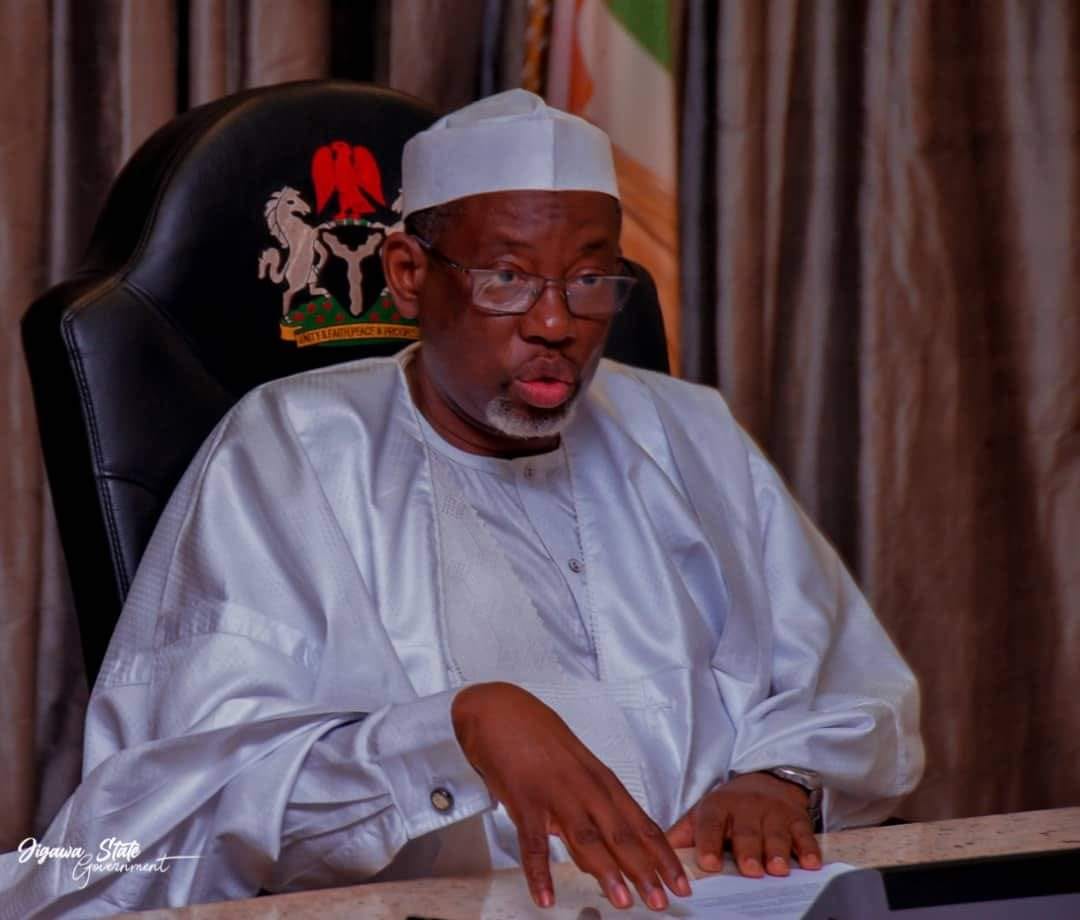
Since the Jigawa State government announced a 100% increase in scholarship allowances for state students, it has served as a beacon of hope and high expectations. This timely intervention comes amid the economic hardship caused by the removal of fuel subsidies and the subsequent increase in registration fees at tertiary institutions. 

The government emphasised that Governor Umar A. Namadi understands the challenges students face. To support their education, the state’s scholarship board was instructed to disburse scholarship payments before the start of each academic session. This directive has undoubtedly restored hope and brought joy to the students.

The State Executive Council approved a series of memos and tags to supplement the payment, but only to a few institutions. Although the state government boasts of having paid all students, over eighty percent of institutions have not received any payment from the board. We have repeatedly read that the government approved a substantial sum for the payment, but to no avail. This has engendered mistrust and left a deep scar in our memory, raising concerns that heartless and corrupt opportunists may have stolen the funds.

Moreover, in an interview with Radio Jigawa, the Senior Special Assistant on Students Matters to the Executive Governor of Jigawa State claimed that the government had given scholarship allowances to all Jigawa State students. This claim either demonstrates his inability to represent his office truthfully or suggests his complicity in misappropriating public funds intended for student support. 

Furthermore, to strike a balance and provide an honest treatment of this issue, we attempted to reach Ambassador Muhammad Salisu Seeker, the SSA, to clarify his ill-founded assertion. However, despite our numerous text messages, he arrogantly refused to answer our calls. He did not even have the courtesy to respond. This arrogance is unbecoming of a public servant who represents the government in students’ eyes. 

As a concerned student, I find the SSA’s claim offensive and insulting. To date, Ahmadu Bello University, Zaria students have not received any payment from the Jigawa State Scholarship Board. The Senior Special Assistant has abused the trust bestowed on him by the Governor, demonstrating sheer incompetence and a monumental failure in public service.

Finally, as a concerned citizen of Jigawa State, I call upon Governor Umar A. Namadi to investigate this matter thoroughly and ensure that anyone found guilty faces the full force of the law. I also urge him to address the misconduct of his Senior Special Assistant on Students Affairs, Amb Muhammad Salisu (Seeker), who has demonstrated a pattern of abusing his office through gross incompetence.

Isma’il Alkasim is a student at Ahmadu Bello University in Zaria. He writes from Garki Jigawa State and can be reached at kogasgarki@gmail.com.

Will renaming the University of Abuja to Yakubu Gowon University ease congestion for FCT residents?

By Adamu Abdullahi 

As Nigeria’s capital city, FCT Abuja needs a university other than the University of Abuja, established in 1988, to cater to the increasing number of people seeking university education within the territory and in Nigeria at large.

Establishing the Federal Capital Territory University of Science and Technology, Abaji would provide the legal framework to close the knowledge gap in science and technology.

FCT is the fastest-growing city in Africa, with only one federal university and no single polytechnic. The FCT find it challenging to study, yet the federal government has only a name to change in the federal capital instead of commissioning the one that the weed snake has taken over. 

What reduction of congestion will change the educational sector of FCT? Will the rename accommodate our prospective admissions seeker seeking to study for their ambitious course? Has the renamed university had all the courses that will interact with the international community to study in Nigeria?

Universities can be viewed as brands, much like corporations. Just as corporate brands maintain their identities over time, educational institutions rely on stable branding for recognition and credibility. 

A troubling precedent is set when university names are changed impulsively—particularly to honour politicians. This practice undermines the integrity of these institutions and can create significant confusion, particularly in the global context.

For instance, renaming the University of Abuja to Yakubu Gowon University raises several important concerns. Many foreign employers and academic institutions may now struggle to recognise the new name, which could impact their perceptions of the institution’s legitimacy and reputation.

The sudden name change may also confuse prospective employers, who might not be familiar with the new name but have been aware of the previous branding.

Moreover, graduates of these renamed institutions face a unique dilemma. They are handed Certificates that no longer align with the name they are familiar with from their years of study. This disconnect between the institution they attended and the name that appears on their degrees can lead to questions about the validity of their education and qualifications. 

It can also complicate further academic pursuits and job applications, as they may confront scepticism from potential employers or institutions unaware of the name change.

In essence, this practice of renaming universities to immortalise political figures can have far-reaching consequences. It disrupts the continuity and coherence of an educational brand built over the years, potentially diminishing the value of the degrees it confers and creating unnecessary barriers for its graduates in the competitive global job market.

Adamu Abdullahi wrote via nasabooyoyo@gmail.com.

Today’s students’ union and future Nigerian politics

By Nasiru Tijjani

Human society is intricate, comprising individuals from diverse backgrounds and social classes who interact. For society to thrive, it is essential to maintain peace, order, transparency, unity, teamwork, discipline, accountability, sanity, tranquillity, and justice.

However, when corruption, injustice, and criminal activities become rampant, society is bound to collapse. Good leadership, followership, a sense of togetherness, and patriotism are crucial to addressing these issues. 

Established in 1956, the National Association of Nigerian Students (NANS) has played a significant role in Nigerian politics. It advocates for students’ rights and participates in protests for educational growth.

To ensure a brighter future for Nigerian politics, it is essential to revive the spirit of patriotism and collective responsibility among students, leaders, and citizens. We can build a more prosperous and equitable society by promoting transparency, accountability, and justice.

Frequent student demonstrations and unrest have plagued Nigerian universities and other tertiary institutions for years. These protests have often turned violent, destroying public property and resulting in arrests, injuries, expulsions, suspensions, and even the loss of lives. Despite these efforts, students usually return to the same conditions that sparked the protests, with their demands left unaddressed.

Students must form associations and unite under a common banner to address these issues effectively. By doing so, they can discover their strengths and attributes and develop resilience and assertiveness. A well-organized student union allows students to express their opinions, take independent positions, and ask questions on critical issues.

As Jega (2003) aptly noted, students’ unions play a vital role in helping students develop essential organisational skills and strength of character. These skills prepare students for greater responsibilities in their future endeavours.

In its heyday, students’ unionism in Nigeria commanded respect and inspired awe in governments, students, and institution administrators alike. These unions were built on strong ideologies, fostering a culture of intellectual debates and resistance against oppressive government policies and institutional administrators. They fearlessly expressed dissenting views to authorities when necessary, enjoying broad support from the student community.

The primary objective of these unions was to promote and defend the welfare needs of their members. To achieve this, they engaged in constructive dialogue with governments on policy matters and with institutional authorities to secure essential services. These efforts aimed to create a conducive environment for teaching and learning, ultimately enhancing the academic experience.

A Students’ Union is an organised association of students within an educational institution governed by established rules and regulations that guide its operations. According to Isah (1991), the primary objective of a Students’ Union is to promote and defend the collective interests of its members, aligning with the broader societal context.

This underscores the intrinsic connection between education, students, and society. Students can be viewed as raw materials, shaped and refined by institutions of learning. Through this process, they transform, ultimately emerging as finished products, equipped to contribute positively to society.

Students’ union and the future of Nigerian politics

The state of students’ unions in Nigeria is alarming. The desire for leadership positions is no longer driven by a passion for public service but rather by personal gains and fame. This trend is worrying, as it suggests that Nigeria’s future leaders are more interested in self-aggrandisement than in serving the people.

The situation is further compounded by the fact that some student leaders have become professional beggars, presenting awards to undeserving individuals based on their financial contributions rather than merit. The embezzlement of funds generated from such programs is also common.

This decay in students’ unionism poses a significant threat to Nigeria’s future, as many of these leaders will eventually become politicians. If they already exhibit corrupt tendencies, these habits will likely continue in their future careers, perpetuating a cycle of corruption and poor governance ¹.

To break this cycle, students’ unions must return to their core values of promoting the welfare of their members and advocating for positive change. Student leaders must be selfless, transparent, and accountable, demonstrating the moral values and character essential for effective leadership.

The future of Nigerian politics hinges on the quality of leaders from students’ unions. If these leaders prioritize personal interests over service, the country will struggle. Revitalizing students’ unions for their original purpose offers hope for a brighter Nigeria.

Nasiru Tijjani writes from Gwaram Tsohuwa, Jigawa state and can be contacted via tijjaninasiru@gmail.com.

JAMB begins process to accredit CBT centres for 2025 UTME

By Uzair Adam 

The Joint Admissions and Matriculation Board (JAMB) has initiated the accreditation of Computer-Based Test (CBT) centres in preparation for the 2025 Unified Tertiary Matriculation Examination (UTME). 

JAMB’s Public Communication Adviser, Dr Fabian Benjamin, announced the commencement of the accreditation exercise in a statement on Sunday, emphasizing its importance in ensuring a smooth examination process.

The statement urged new CBT centres interested in participating in the 2025 UTME to review the requirements provided on JAMB’s official website. 

According to the statement, prospective centres must be able to familiarize themselves with the outlined standards by visiting the JAMB portal and submitting a formal notification of interest to the Registrar through the respective Zonal Director or State Coordinator.

Established centres that were accredited for the 2024 UTME and operated without issues are required to register their interest via the Centre Management System (CMS) Portal. 

For new centres, JAMB’s Zonal and State Offices will assist in creating accounts on the CMS Portal to facilitate their registration. 

“All centres must complete the mandatory Autobot/Autotest on a date to be announced as part of their preparation for the physical accreditation visit by the Board’s team,” the statement noted.

Dr Benjamin highlighted that only centres that successfully pass the Autobot/Autotest and meet JAMB’s stipulated standards would proceed to the next stage of the accreditation process. 

The physical accreditation exercise is set to commence in December 2024, with notifications sent only to qualifying centres.

JAMB reiterated that centres failing to meet the required standards during the Autobot/Autotest will not be considered for inclusion in the 2025 UTME registration and examination.

ASUU accuses World Bank, IMF of undermining Nigeria’s education

By Anas Abbas

The Academic Staff Union of Universities (ASUU) has accused the World Bank and the International Monetary Fund (IMF) of actively undermining Nigeria’s public education system.

This allegation comes amidst the union’s frustration over the ongoing delays in renegotiating its 2009 agreement with the federal government, despite several Memoranda of Understanding (MoUs) and Memoranda of Action (MoAs), ASUU President.

 Prof. Emmanuel Osodeke expressed disappointment that the agreement has yet to be finalized.

During the ASUU Heroes Day 2024-2025 ceremony held in Abuja, Prof. Osodeke raised concerns about various issues, including the mandatory Integrated Personnel and Payroll Information System (IPPIS) and the suspension of salaries for ASUU members for three and a half months.

In a positive development, ASUU announced that it had awarded selected members PhD grants worth N500,000 each after thoroughly evaluating proposals. 

Prof. Osodeke praised the members for their unwavering commitment to defending Nigeria’s public university system and extended his support to ASUU members facing challenges at Kogi State University, Lagos State University, Ebonyi State University, and Chukwuemeka Odumegwu Ojukwu University.

The Heroes Day event recognizes past and present members for their dedication to enhancing public education. Prof. Osodeke paid tribute to the late Prof. Festus Iyayi, a former ASUU president, and others who have made significant contributions to the union’s objectives.

Hardship: Nigerian university students bear the burden

By Zainab Haruna Shittu

The economic downturn in Nigeria has reached alarming proportions, leaving no one unscathed. The youth, particularly university students, face unprecedented hardships. Financial constraints, food insecurity, and limited access to resources have become the norm for many Nigerian university students.

Research has shown that economic hardship profoundly impacts students’ academic performance and mental health. A National Bureau of Statistics (NBS) study reveals that poverty and hunger are major factors contributing to students’ poor academic performance. Similarly, a report by the United Nations Children’s Fund (UNICEF) highlights the devastating effects of food insecurity on students’ mental health.

For many students, the struggle is personal. “Academic pressure mounts, but hunger weighs heavier. I’m constantly worried about where my next meal will come from,” confesses a 21-year-old student who wished to remain anonymous.

Another student echoes this sentiment. “I struggle to focus in class because I’m constantly worried about where my next meal will come from. My parents’ hard work doesn’t pay enough to sustain us, leaving me hungry and stressed. The toll on my mental health is overwhelming,” shares a 20-year-old university student.

To mitigate the effects of economic hardship on university students, policymakers and stakeholders must prioritise education and food security. This requires collaborative efforts, including government support for education and food programs, increased scholarships and financial aid, improved access to mental health resources, and community-based initiatives for food security.

Nigeria’s economic woes have far-reaching consequences, affecting various sectors, including education. University students deserve support and resources to thrive. It is imperative that we prioritise their well-being and future.

Zainab Haruna Shittu wrote from Bayero University, Kano, via harunazainabshittu7567@gmail.com

How UDUS graduate began her journey to First Class in her penultimate year

By Wonderful Adegoke

Despite the growing consensus that achieving a first-class degree is increasingly difficult, Helen Ambi has proven that with perseverance and diligence, it’s attainable at any level.

Hailing from Sanga Local Government Area of Kaduna State, Helen Ambi developed an interest in Medical Laboratory Science after researching and reading about its versatility in the health sector. Thus, she applied to Usmanu Danfodiyo University (UDUS) to pursue her newfound passion.

“Initially, I never knew a course like Medical Laboratory Science existed,” she revealed. However, I chose it after researching and reading about its prospects and versatility in the health sector. I applied and was admitted on my first attempt. This convinced and made me glad that I chose this path.”

Like the thousands of students with varying dreams admitted every year, Helen Ambi’s journey to graduate with a first-class degree began, ultimately leading to her remarkable achievement.

The journey in UDUS

The glamour of being confined within the four walls of academia began gradually while Helen steadily pursued her dream of becoming a first-class degree holder. Alas, it began to dawn on her that she’d dreamt too far—hope faltering like the fading of a newly painted mural.

“Not that I didn’t aspire to graduate with a first-class,” she said. “I did. But when I saw my 100-level results, although they weren’t bad, I expected to start with a first-class because it’s often said that the journey begins as a ‘fresher.’

“I have always heard that if you want to graduate with a first-class, then you have to get it from 100-level because as you progress, your CGPA will ‘drop.’ Hearing that made me give up on bagging a first-class degree.”

The 4.3 grade points she obtained in the 100 level left her stressed, worn out, and frustrated and prompted her to re-strategize. “My friend Simnom helped me develop a new reading habit: night reading, which I would say helped me understand what time of the day was most suitable for my assimilation.

“I can’t express how I felt, but I know I was excited because the green lights were beginning to turn up,” she said, in appraisal of how her new strategy boosted her records to 4.47 in the 200-level and 4.46 in the 300-level.

The game changer

The School of Medical Laboratory Science (SMLS) has the best faculty in UDUS. The 400 level is known to be the toughest due to the bulkiness of the courses offered. Helen’s first-class journey began in her penultimate year.

“My 400-level was the game changer for me. I know it’s known as the most hectic and challenging level and probably the most difficult, but that’s where my story began. I achieved a grade point of 4.50 in my 400-level and 4.53 in my final year.”

In acknowledgement of the encouragement received from one of her lecturers, whom she simply identified as ‘Dr Festus,’ she said, “I became more determined to give my best to achieving a first-class degree.”

“I began having discussions with a few friends to learn new things because no one’s an island of knowledge. When our 400-level results were released, I discovered that it had greatly helped me.”

“Don’t Give Up” – Helen advises students

As a lover of research and volunteering activities, Helen intends to impact society by conducting research to tackle sickle cell disease. She has advised students to hold on to their dreams.

“Regardless of what people say or think, don’t give up on your dreams. Give your best to everything you do, including your academics. Having a good relationship with your colleagues is important because you can never know everything, and we learn from each other.”

My university or yours? My take on the worn debate

By Mutalib Jibril

A few days back, I stumbled upon a post about two graduates from a particular university in Nigeria who went for a job interview. On getting to the venue, they started interrogating some workers in the organisation about the qualifications of the interviewer.

Unfortunately, the interviewer overheard their conversations and prepared to daze them with some basic questions in English, which he noticed most graduates usually struggle with. In no time, the interview commenced. It was a written test. They were handed their questions, and then they answered the questions.

Behold! They could not reach the cutoff mark, and they failed the questions. This is just one funny instance out of a thousand and one of how students often think their university is the best or better than others.

I agree that some universities are better than others in infrastructure, research innovations, and achievements. This is why we do have a university ranking annually.

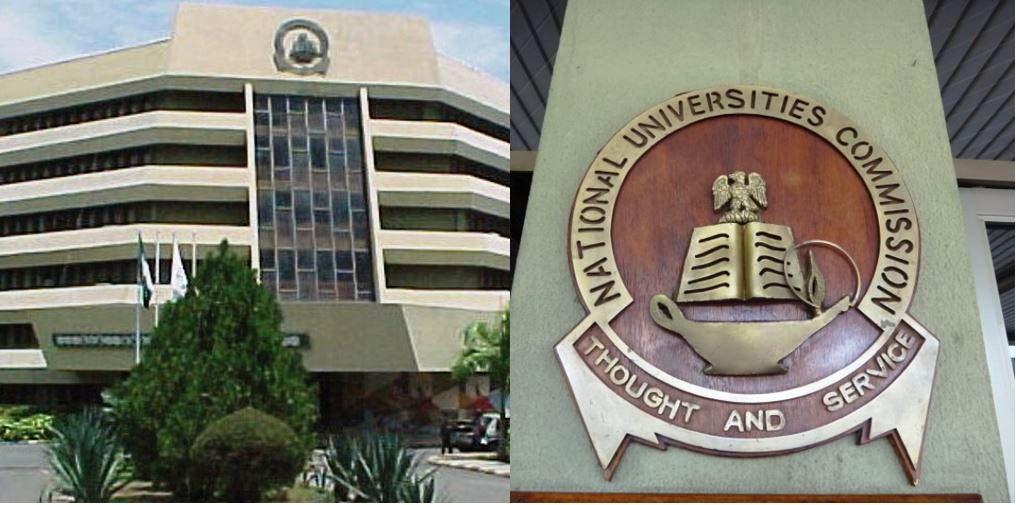
However, I can categorically state that all universities have met the benchmark; better still, they have fulfilled all the criteria set by the Nigerian Universities Commission (NUC).

Any university that does not meet the set criteria for a particular course—let’s say Radiography, for instance, wouldn’t be accredited. Therefore, any institution running that course has met the requirements and been subsequently accredited by NUC.

Therefore, most students are oblivious that what makes an individual student stand out from their peers from other institutions is mainly tied down to individual sacrifices and effort.

This is not to say that the university doesn’t have a role in making students exceptional. No! Even if you attend the best university in Nigeria, the onus still lies on you to make yourself stand out. The school cannot teach you everything.

However, no matter the university you find yourself in, develop yourself and stand out.

It doesn’t matter if your university has the lowest ranking in the country; I know that no university would be accredited without meeting the requirements. Some standards must be met.

What matters is what you can do to ensure you are prepared for life after university and stand out.

Many people graduated from the least-ranking universities in Nigeria but are doing exceptionally well academically in Nigeria and abroad.

I have never heard of a scenario where a third-class graduate from a top-rated university is selected for a job over a first-class graduate from the lowest-rated university—I’m not talking about connections here. I am talking about employment based on merit.

It’s high time we stopped making unnecessary comparisons about universities. Let’s channel that energy toward making our self-development.

Mutalib Jibril wrote via mutalibdantanisabi300@gmail.com.

The diminishing value of formal qualifications in Nigeria’s labour market

By Isah Kamisu Madachi

The ubiquitous use of social media and other online platforms, marking the advent of the digital era facilitated by technological advancements, has revolutionised the Nigerian economy and labour market. The longstanding tradition of obtaining certificates and waiting for office work is declining, leading to a paradigm shift in the Nigerian certificate-based economy from valuing certificates to emphasising skills, akin to the trend in developed countries. It is silently moving from your paper to what you can offer. 

While I was not born in the 1970s and 80s, I believe it was difficult, if not impossible, to find someone with a certificate from a Nigerian institution engaged in skilled trades such as carpentry, tiling, wiring, and plumbing. During that period, when a certificate was earned, the expectation was to be employed by the government or a private organisation. However, the contemporary scenario is different, as it is common to find individuals with higher degree qualifications still actively engaged in such work. The emphasis on the value of practical skills is evident almost everywhere, including social media, classrooms, public lectures and capacity-building seminars.

Drawing from my sociology background, I am engaged in various activities such as YouTubing, blogging, essay writing, and video editing. A friend of mine, a law graduate, works with a radio station because of his oratory prowess. My mentor, who graduated years before I joined the university, now works with a leading newspaper in Nigeria because of his ability to write well. It is a common misconception among Nigerians to equate education or skill with certificates.

As a student, I have witnessed how things have changed. An internationally respected lecturer from my department who also worked in the same profession in the United States of America for many years remarked that nobody had ever inquired to see his certificate for the time he spent there. He only lists his certifications and compliments them with the knowledge and skills attached.

This shift from certificate-based to skill-based education is affecting the Nigerian education system because, despite the evolving changes in this endeavour, it seems to have found it difficult to adapt to the new reality. In schools, the focus is still highly on the certificates and theoretical aspects of the courses offered instead of skills. This continues to create discrepancies between what the job market needs and what schools produce.

Seeing overwhelming numbers of unemployed Nigerian graduates roaming the streets led frustrated Nigerian youth to conclude that school is a scam, chanting the famous “school na scam” phrase. This conclusion descended on even those who have yet to experience the reality of life after graduation. Gradually, it has become popular to the extent that overwhelming youth in Nigeria today choose to behave as if they just come to school to acquire the certificate but to learn nothing, despite the seemingly irrelevance of the certificate in the job market. 

To adapt to the changing global trend, Nigeria requires education reform to address the production of half-baked graduates, which is a consequence of the unfavourable learning conditions created by underfunding education. Many experts have raised alarms about the outdated nature of the Nigerian education curriculum, pointing out its mismatch with the needs of the Nigerian labour market. Effective reforms are necessary to address these issues.

Isah Kamisu Madachi, a fresh sociology graduate, writes from Katagum L.G.A, Bauchi State, and can be reached via isahkamisumadachi@gmail.com.