Terrorists

Troops Arrest Private Mohammed Yusuf Over Alleged Supply of Military Equipment to Terrorists

By Abdullahi Mukhtar Algasgaini

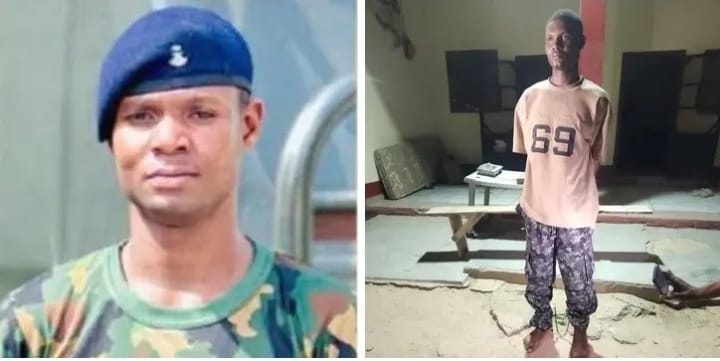
Troops of Operation HADIN KAI have arrested a soldier who was declared wanted by the Nigerian Army for allegedly supplying military equipment to terrorist groups.

Private Mohammed Yusuf, 23, who served at the Nigerian Army Ordnance Kits Factory in Lagos, was apprehended at approximately 6:30 p.m. on Saturday at Jidari Bus Stop in Maiduguri while reportedly attempting to flee to the Republic of Cameroon.

The suspect had been declared wanted by the military on July 23 over allegations of supplying military accoutrements to terrorist and criminal elements, according to a statement from the Joint Task Force.

Preliminary investigations revealed that Yusuf deserted his unit on July 7 and relocated to Maiduguri, where he went into hiding in the Gomari Costain area of Jere Local Government Area with assistance from an associate.

Military officials said the arrest was made possible through credible human intelligence and demonstrates the effectiveness of intelligence-driven operations.

The suspect is currently in custody at 7 Provost Group, where investigations are ongoing to determine the full scope of his activities and identify any accomplices.

“We reiterate that there is no safe haven for individuals who support terrorism or any form of criminality, irrespective of their status,” said Captain Mohammed Goni, Acting Military Information Officer for the Joint Task Force.

The military has urged members of the public to continue providing timely and credible information to security agencies to support efforts toward restoring lasting peace and security in the region.

UN Warns Terrorists in Nigeria Are Using Drones, Cryptocurrency

By Sabiu Abdullahi

The United Nations (UN) has raised concerns over the growing sophistication of terrorist groups operating in northern Nigeria, West Africa and the Sahel. The organisation said the groups now rely on drones, advanced communication technology and cryptocurrencies to strengthen their activities.

The warning came during a briefing to the UN Security Council by Leonardo Simão, the Special Representative of the UN Secretary-General for West Africa and the Sahel, who also heads the United Nations Office for West Africa and the Sahel (UNOWAS).

Simão presented the Secretary-General’s latest report on developments in the region. The report covered the period from November 29, 2025, to June 30, 2026. The briefing took place as the Security Council reviewed the political, security and humanitarian situation across West Africa and the Sahel. It also followed the council’s decision to extend the mandate of UNOWAS until January 31, 2029.

According to Simão, terrorist groups have continued to improve their methods, which has made them more difficult to defeat.

“Armed groups are increasingly using drones, sophisticated communications and cryptocurrencies while coordinating operations across borders,” he said.


He noted that the activities of the groups are now closely linked with transnational organised crime. He said their objective is to gain territorial and economic control while undermining public confidence in state institutions.

“The problem is acute, especially in the central Sahel and northern Nigeria,” he said.


“Their actions intersect with transnational organised crime, and are aimed at consolidating territorial and economic control, erosion of public confidence in state authority, with serious damage to social cohesion.”


Simão also stated that Nigeria, Niger and Burkina Faso continue to suffer terrorist attacks, kidnappings and heavy civilian casualties.

He disclosed that about 6.8 million people have been displaced across the region, while another 1.28 million people are now refugees or asylum seekers. He added that women, children and young people remain the most affected because insecurity and inadequate funding have restricted humanitarian operations.

Despite the security challenges, Simão acknowledged some positive developments. He cited the reopening of the Kamba border crossing between Nigeria and Niger. He also referred to progress by the Cameroon-Nigeria Mixed Commission in implementing the 2002 International Court of Justice (ICJ) ruling on the two countries’ land and maritime boundary.

“These are some examples of regional efforts towards dialogue,” he said.


The UN official stressed that military action alone would not end terrorism. He urged governments across the region to address poverty and other socio-economic conditions that fuel violent extremism.

“Fighting poverty and vulnerability must therefore remain a common objective in the broader fight against terrorism. Regional actors are working hard to find solutions,” he said.


Simão also revealed that the Economic Community of West African States (ECOWAS) has renewed efforts to operationalise its standby force, although funding constraints remain a major obstacle.

Senate Urges FG to Stop Reintegrating Repentant Terrorists

By Uzair Adam

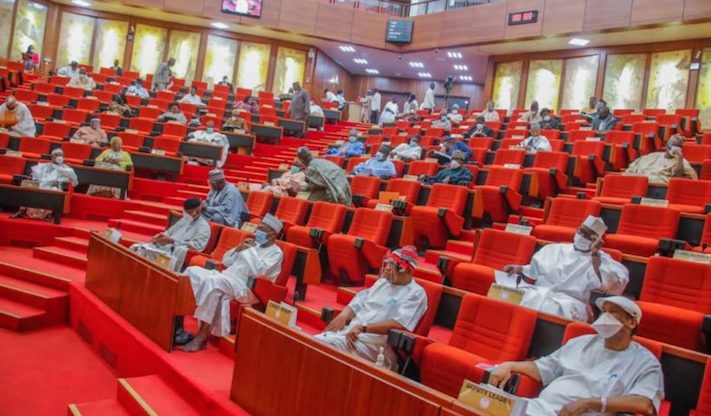
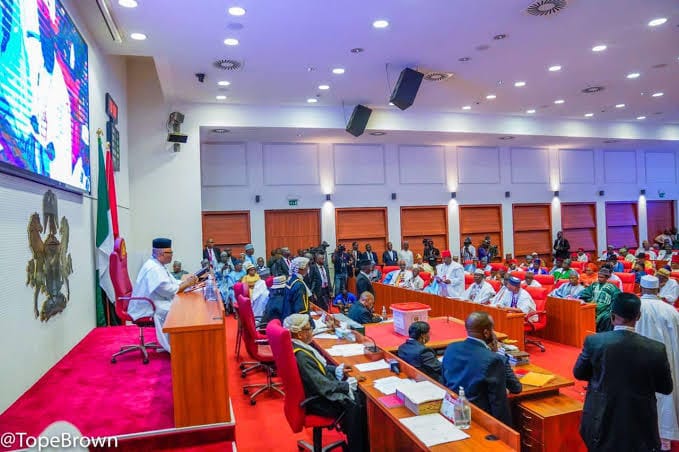
The Senate has called on the Federal Government to discontinue the rehabilitation and reintegration of repentant Boko Haram members and other violent criminals, arguing that the policy has failed to curb insecurity across the country.

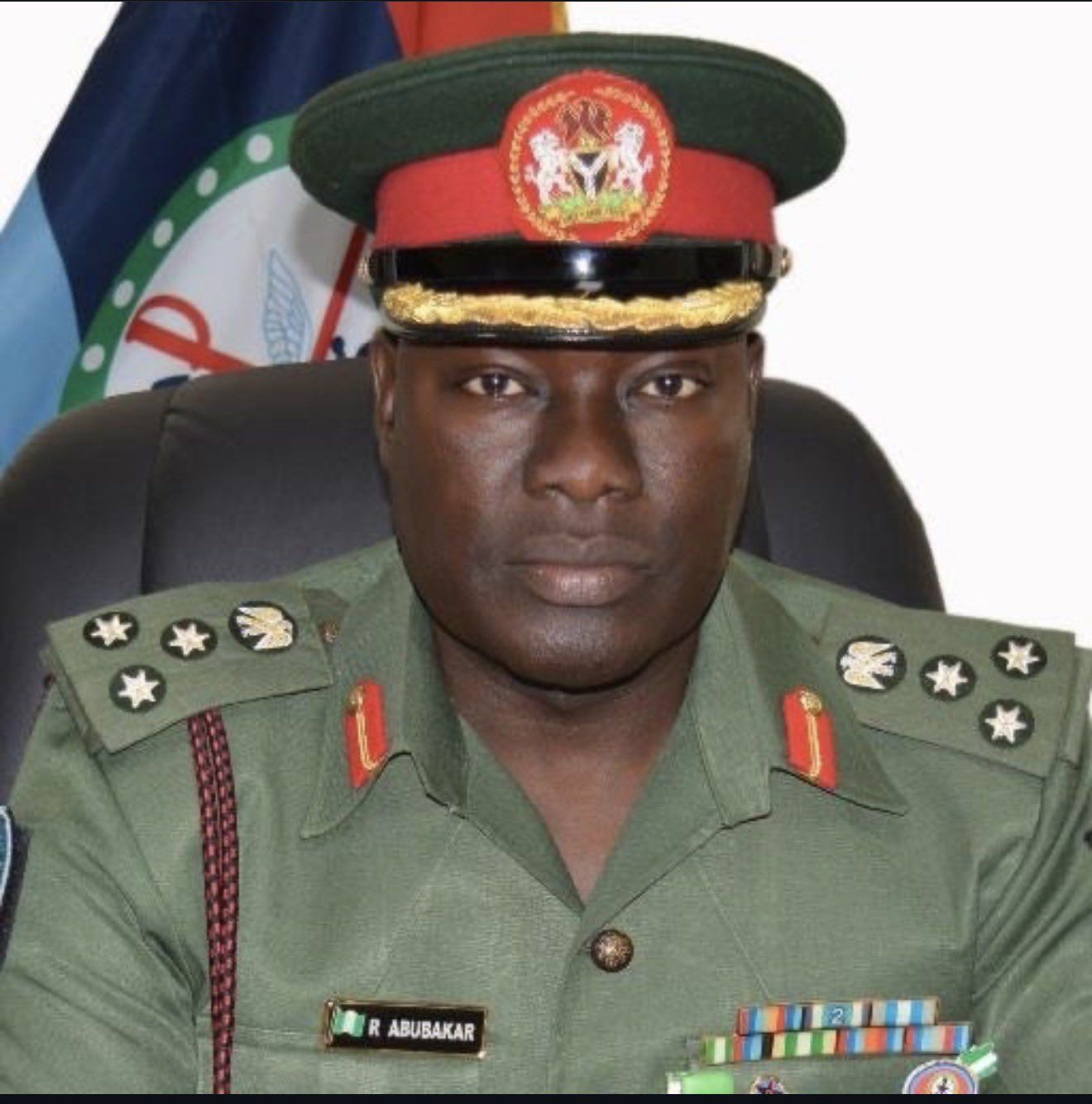
The resolution followed a motion on the rising cases of attacks, abductions and killings involving serving and retired military personnel, including the late former Director of Defence Information, retired Major General Rabe Abubakar.

The motion, sponsored by the Chairman of the Senate Committee on Army, Senator Abdulaziz Yar’Adua (APC, Katsina), received unanimous support during Tuesday’s plenary.

Lawmakers condemned the continued rehabilitation of former Boko Haram fighters, bandits, kidnappers and other criminal elements under the Federal Government’s deradicalisation programme. Several senators linked the persistent security crisis, particularly in northern Nigeria, to the release of individuals described as repentant criminals back into society.

The Senate expressed concern over what it described as the deteriorating security situation, warning that the growing attacks on serving and retired military officers represent a dangerous dimension to the country’s security challenges.

It cited the killing of retired Major General Richard Duru in Owerri after a reported ransom payment of $50,000, the murder of retired Brigadier General O.M. Harlord Udokwere in Abuja, the 56-day captivity of former NYSC Director-General, retired Brigadier General Maharazu Tsiga, and the death of retired Major Aja while in captivity in Kogi State.

According to the lawmakers, the attacks pose a significant threat to national security because many of the victims previously held sensitive operational, intelligence and command positions.

The Senate observed a minute of silence in honour of Major General Rabe Abubakar and other Nigerians killed by terrorism, insurgency, banditry, kidnapping and other violent crimes.

It also urged the Federal Government to ensure that perpetrators are arrested and prosecuted.

The Red Chamber further called on security and intelligence agencies to strengthen intelligence gathering, surveillance, threat assessment and early warning mechanisms, while urging the government to accelerate the deployment of modern security technology to combat terrorism, banditry and kidnapping.

The resolution comes despite the existence of Operation Safe Corridor, a Federal Government initiative launched in 2016 to deradicalise, rehabilitate and reintegrate former Boko Haram combatants who voluntarily surrendered.

While officials have credited the programme with encouraging thousands of insurgents to abandon violence, concerns have persisted over reports of some beneficiaries allegedly returning to criminal activities.

Reacting to the Senate’s position, security analyst and Associate Professor at the University of Namibia, Dr. Babayo Sule, described the resolution as unfortunate and potentially counterproductive.

He argued that the deradicalisation programme was introduced only after military operations failed to bring lasting peace, stressing that rehabilitation and reconciliation remain recognised components of counter-insurgency strategies worldwide.

Rather than scrapping the initiative, Sule urged lawmakers to investigate its shortcomings and strengthen its implementation. He also called for greater oversight of Operation Safe Corridor and similar reconciliation programmes in states affected by insurgency.

According to him, abandoning the programme without addressing the underlying challenges could further worsen insecurity, as the country currently lacks sufficient capacity to defeat insurgents solely through military means.
Senate Urges FG to Stop Reintegrating Repentant Terrorists

By Uzair Adam 

The Senate has called on the Federal Government to discontinue the rehabilitation and reintegration of repentant Boko Haram members and other violent criminals, arguing that the policy has failed to curb insecurity across the country.

The resolution followed a motion on the rising cases of attacks, abductions and killings involving serving and retired military personnel, including the late former Director of Defence Information, retired Major General Rabe Abubakar.

The motion, sponsored by the Chairman of the Senate Committee on Army, Senator Abdulaziz Yar’Adua (APC, Katsina), received unanimous support during Tuesday’s plenary.

Lawmakers condemned the continued rehabilitation of former Boko Haram fighters, bandits, kidnappers and other criminal elements under the Federal Government’s deradicalisation programme. Several senators linked the persistent security crisis, particularly in northern Nigeria, to the release of individuals described as repentant criminals back into society.

The Senate expressed concern over what it described as the deteriorating security situation, warning that the growing attacks on serving and retired military officers represent a dangerous dimension to the country’s security challenges.

It cited the killing of retired Major General Richard Duru in Owerri after a reported ransom payment of $50,000, the murder of retired Brigadier General O.M. Harlord Udokwere in Abuja, the 56-day captivity of former NYSC Director-General, retired Brigadier General Maharazu Tsiga, and the death of retired Major Aja while in captivity in Kogi State.

According to the lawmakers, the attacks pose a significant threat to national security because many of the victims previously held sensitive operational, intelligence and command positions.

The Senate observed a minute of silence in honour of Major General Rabe Abubakar and other Nigerians killed by terrorism, insurgency, banditry, kidnapping and other violent crimes. 

It also urged the Federal Government to ensure that perpetrators are arrested and prosecuted.

The Red Chamber further called on security and intelligence agencies to strengthen intelligence gathering, surveillance, threat assessment and early warning mechanisms, while urging the government to accelerate the deployment of modern security technology to combat terrorism, banditry and kidnapping.

The resolution comes despite the existence of Operation Safe Corridor, a Federal Government initiative launched in 2016 to deradicalise, rehabilitate and reintegrate former Boko Haram combatants who voluntarily surrendered. 

While officials have credited the programme with encouraging thousands of insurgents to abandon violence, concerns have persisted over reports of some beneficiaries allegedly returning to criminal activities.

Reacting to the Senate’s position, security analyst and Associate Professor at the University of Namibia, Dr. Babayo Sule, described the resolution as unfortunate and potentially counterproductive.

He argued that the deradicalisation programme was introduced only after military operations failed to bring lasting peace, stressing that rehabilitation and reconciliation remain recognised components of counter-insurgency strategies worldwide.

Rather than scrapping the initiative, Sule urged lawmakers to investigate its shortcomings and strengthen its implementation. He also called for greater oversight of Operation Safe Corridor and similar reconciliation programmes in states affected by insurgency.

According to him, abandoning the programme without addressing the underlying challenges could further worsen insecurity, as the country currently lacks sufficient capacity to defeat insurgents solely through military means.
Nigeria Is at War With Bandits

By Zayyad I. Muhammad

The loss of an Army General, whether retired or in active service, at the hands of ragtag bandits, insurgents or terrorists is heartbreaking and a major loss to the nation.

What Nigeria is witnessing today can no longer be described merely as insurgency or banditry. Nigeria is at war. Simple.

Over the years, the country has suffered painful losses of highly trained military officers in the fight against terrorism and armed criminal groups. These incidents clearly show the scale, sophistication, and dangerous evolution of insecurity across the country.

In November 2021, Brigadier General Dzarma Zirkusu was killed in an ambush while commanding the 28 Task Force Brigade in the Chibok area of Borno State.

In November 2025, Brigadier General Musa Uba was killed in an ISWAP ambush near Wajiroko along the Damboa–Wajiroko Road in Borno State.

On April 9, 2026, Brigadier General Oseni Omoh Braimah, a Brigade Commander, was killed during a coordinated Boko Haram/ISWAP assault that overran a military base in Benisheikh, Kaga Local Government Area of Borno State.

On June 13, 2026, the Katsina State Government announced the death of retired Major General Rabe Abubakar, a former Director of Defence Information, who died while in captivity after being abducted by bandits.

Similarly, in September 2018, retired Major General Idris Alkali was killed by a mob in Plateau State, another painful reminder that even retired senior military officers are not spared from the growing insecurity.

Reaching the rank of General in the Nigerian Army is an extremely competitive, merit-based process that often requires 25 to 35 years of dedicated service, sacrifice, discipline, and commitment to the nation.

These are not ordinary individuals. Generals and indeed all well-trained security personnel, whether active or retired, are strategic national assets. Their experience, intelligence, leadership, and institutional knowledge are invaluable to any country.

When a nation begins to lose such high ranking officers to terrorists and bandits, it is a clear indication that the threat has grown beyond ordinary criminality.

The time has come for Nigeria to fully confront this reality and respond with the seriousness, unity, and determination that war demands, despite the heavy consequences that often come with prolonged conflict and guerrilla warfare. The country’s survival, stability, and future depend on it.

Nigeria is at war with the bandits

Zayyad I. Muhammad writes from Abuja via zaymohd@yahoo.com.

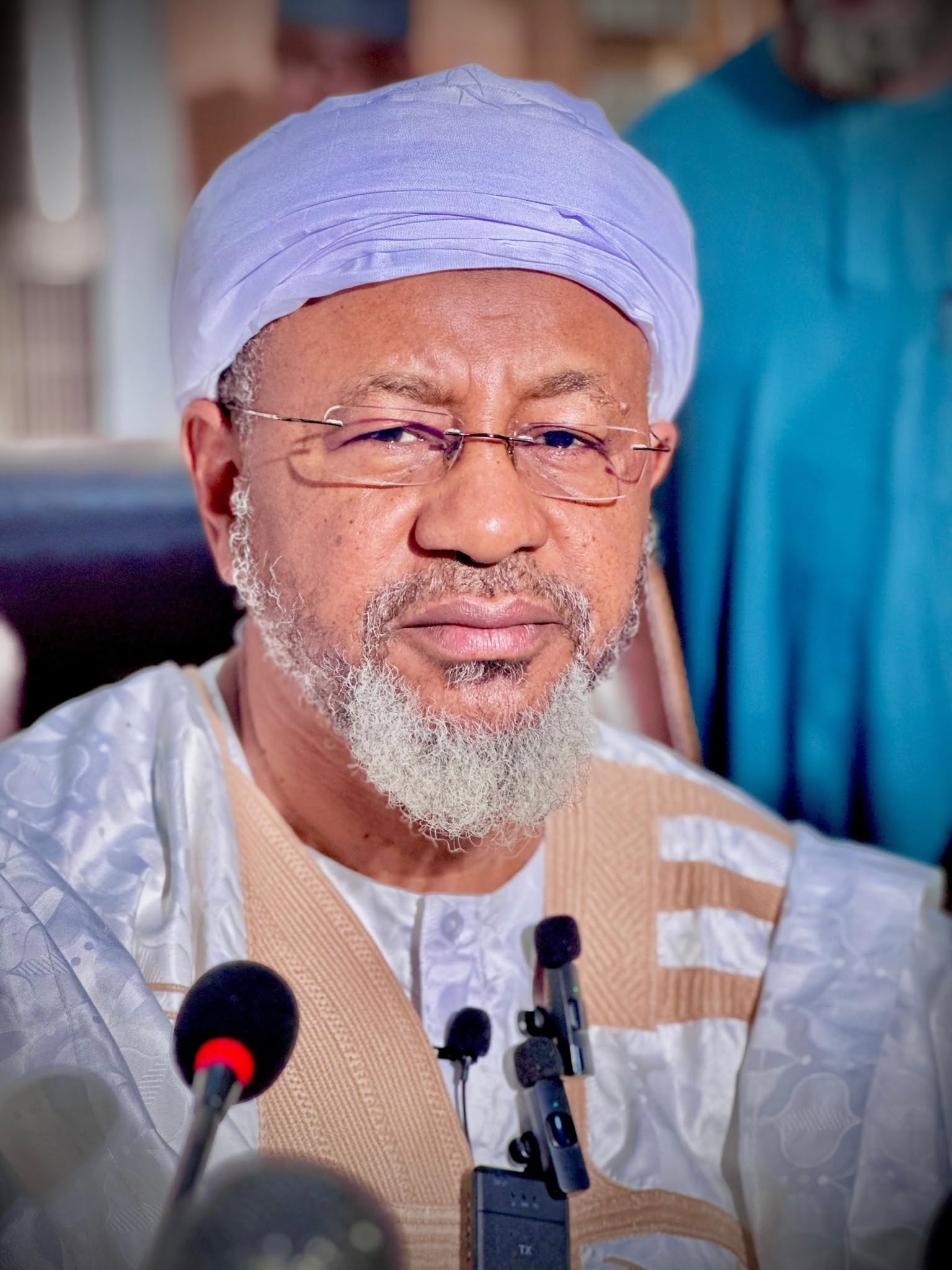
Nigeria: Supreme Council for Shariah Demands Decisive Action Over Rising Insecurity

By Hadiza Abdulkadir 

The Supreme Council for Shariah in Nigeria (SCSN) has called on the Federal Government to take urgent and decisive action to address the country’s worsening security crisis, warning that citizens are increasingly being left at the mercy of terrorists, bandits, and kidnappers.

In a statement issued on Saturday, the Council expressed outrage over the rising wave of killings, abductions, and violent attacks across the country, citing recent mass kidnappings in Borno, Oyo, Niger, and Zamfara states, as well as the abduction of a retired army general and his wife in Katsina State.

The Council said the growing insecurity has exposed the vulnerability of communities and highlighted what it described as the failure of government efforts to protect lives and property.

“Nigerians are tired of speeches, promises, condolences, committees, and official rhetoric not backed by action or results,” the statement said, adding that repeated assurances from authorities have done little to improve the situation on the ground. 

The SCSN also called for greater transparency and accountability in the management of funds allocated to the security sector, noting that trillions of naira have been spent on defence and security operations over the years despite the persistent deterioration in security.

While commending members of the armed forces and other security agencies for their sacrifices and commitment, the Council insisted that government leaders must be held accountable for delivering results.

It urged authorities to adopt more robust measures, including improved intelligence gathering, technology-driven security operations, stronger border controls, and enhanced community participation in tackling criminal networks.

“The nation demands action. The time for excuses has passed,” the Council said. “The time for demonstration of decisive and competent leadership is now.” 

The statement was signed by the Secretary General of the Council, Nafi’u Baba Ahmad, and issued on June 7, 2026. 

Troops Kill 3 Terrorists, Seize 175 Livestock, Arrest 6 Drug Suspects in Katsina


By Abdullahi Mukhtar Algasgaini

Military forces operating under Operation FANSAN YAMMA have recorded multiple successes across five local government areas in Katsina State, neutralizing three terrorists, recovering stolen livestock, and dismantling a drug ring, authorities said on Sunday.

According to a statement by Lieutenant Colonel Aliyu Danja, Media Information Officer for the Joint Task Force (North West), troops of the 171 Battalion laid an ambush along the Matazu–Dutsin-Ma axis on Saturday, May 9, 2026, following intelligence that terrorists were fleeing recent military operations in Dikawa.

During the ensuing firefight, troops killed three terrorists and recovered two AK-47 rifles with loaded magazines, one motorcycle, three cutlasses, and assorted charms.

In a separate clearance operation across Matazu, Musawa, and Kankia LGAs, troops supported by the Katsina State Community Watch Corps cleared terrorist enclaves in Torcachi, Giginya, and Tashar Ganji villages. The terrorists abandoned their camps under sustained pressure, and troops recovered 175 rustled livestock. The animals are now in military custody awaiting handover to local authorities in Matazu LGA.

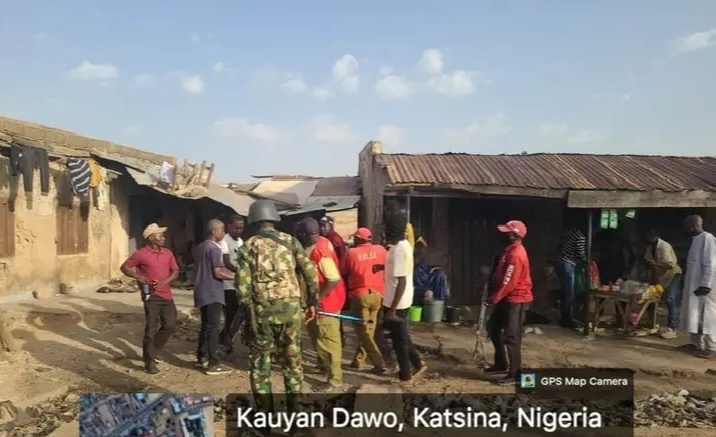
Additionally, troops from Forward Operating Base Malumfashi, working with operatives of the National Drug Law Enforcement Agency (NDLEA), raided Kauyan Dawo in Malumfashi LGA, arresting six suspected drug peddlers: Sani Rabiu (25), Umar Nasiru (22), Abulkubus Aminu (35), Abdullahi Halilu (27), Abubakar Rabiu (22), and Abubakar Dahiru (33).

Seized narcotics included 82.5 grams of suspected Cannabis Sativa, 15.7 grams of Exol-5, and 1.8 grams of D5. The suspects and drugs have been transferred to the NDLEA Malumfashi Area Command for prosecution.

The Theatre Command called on the public to continue providing timely and credible information to security agencies.

Troops Repel Terrorist Attack on Military Base in Borno, Soldiers Killed


By Abdullahi Mukhtar Algasgaini

Terrorists launched a coordinated attack on the headquarters of the 29 Task Force Brigade in Benisheikh, Borno State, in the early hours of Thursday, but were repelled by military troops, the Defence Headquarters has said.

The assault began at approximately 12:30 a.m. on 9 April 2026, when insurgents attempted to breach the defensive perimeter of the military installation, according to a statement from the DHQ.

Troops of Operation Hadin Kai, led by Brigade Commander Brigadier General Oseni Braimah, responded with superior firepower and forced the attackers to retreat in disarray.

“A few brave and gallant soldiers paid the supreme price” during the encounter, the military said, without disclosing the exact number of casualties.

The Chief of Defence Staff, General Olufemi Olatunbosun Oluyede, honoured the fallen soldiers, describing their courage as “a source of pride and inspiration” to the armed forces and the nation.

The military described the attack as a sign of desperation by terrorist elements who have suffered significant losses in recent operations.

Clearance and exploitation operations are ongoing in the area to track fleeing insurgents, the DHQ added.

The public was urged to disregard misinformation and unverified content on social media, and to allow the military to formally notify the families of the deceased before further details are released.

Nigerian Soldiers Foil Terrorist Attacks, Seize Logistics, Arrest Suspects In North East

By Sabiu Abdullahi

Troops of the Joint Task Force (North East) Operation HADIN KAI (OPHK) have successfully prevented multiple terrorist attacks and disrupted insurgents’ logistics networks across the North East between 28 and 30 March 2026.

This is contained in a Facebook statement signed by
Lieutenant Colonel Sani Uba, Media Information Officer at Headquarters Joint Task Force (North East) on 30 March 2026.

According to the statement, the soldiers stationed at Damboa stopped a planned Boko Haram/ISWAP attack after monitoring suspicious movements through surveillance systems.

The troops engaged the insurgents, forcing them to retreat in disarray. Follow-up operations confirmed that the attackers had withdrawn. Similarly, troops repelled assaults on farmers and communities in Gwoza and Askira Uba Local Government Areas of Borno State, pushing insurgents toward the Mandara Mountains and nearby areas.

The troops also discovered and safely detonated an Improvised Explosive Device (IED) along the Goniri–Ngamdu axis. “Recovered materials, including rail tracks used to canalise vehicles into a killing zone, highlight ongoing terrorist efforts to disrupt movement along critical routes,” the statement noted.

In operations targeting terrorist supply chains, two suspected Boko Haram collaborators were arrested in Molai while acting suspiciously in a defensive area.

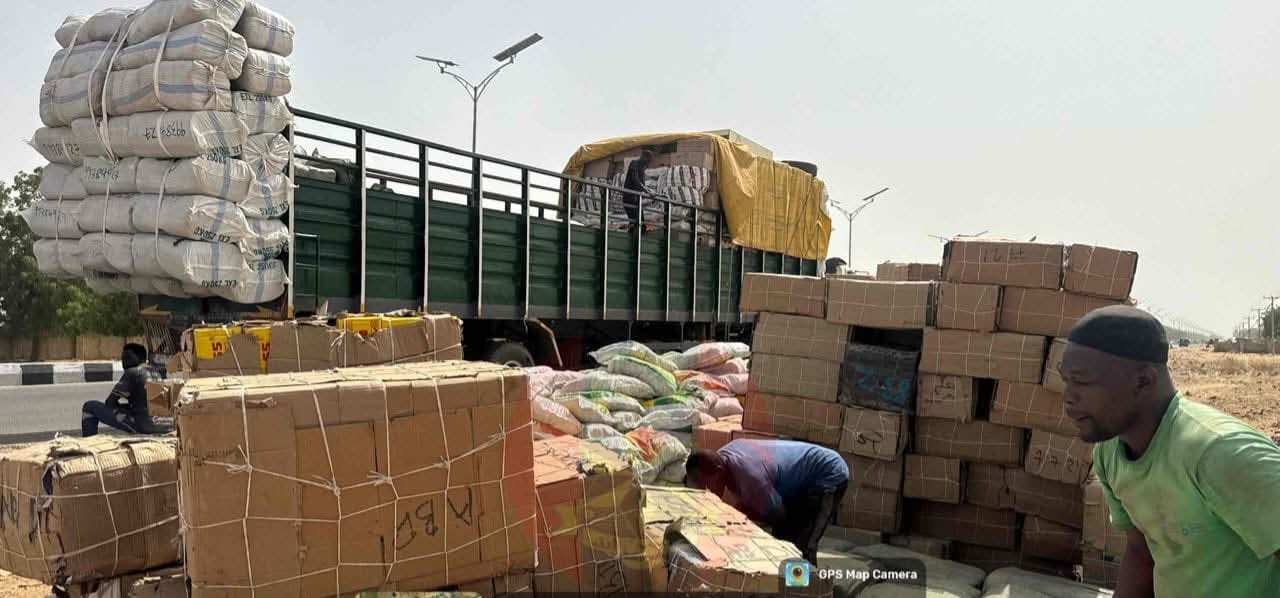
In Maiduguri, troops intercepted vehicles carrying large quantities of suspected terrorist logistics along the Maiduguri–Mafa road. The items, concealed in sacks and equivalent to two truckloads, included medical drugs, motorcycle tubes and tyres, mosquito nets, rolls of mats, air filter cylinders, and detergents.

Preliminary investigations revealed that the supplies were being transported without clearance toward Kusuri, a border community near Chad. The vehicles, drivers, and goods were handed over for further investigation.

Additionally, OPHK troops, working with Civilian Joint Task Force (CJTF) operatives, arrested Mohammed Adamu (26) at Muna Garage. “Items recovered from him include 25 litres of engine oil concealed in sacks, the sum of N624,900, a mobile phone, power bank, national identity card, and ATM cards. Preliminary findings indicate he had been supplying logistics, including motorcycle parts, to terrorists over an extended period,” the release said.

In Gubio, troops, intelligence operatives, and CJTF conducted targeted operations that resulted in the arrest of 13 suspected terrorist logistics suppliers and collaborators. Two additional suspects confessed to long-term involvement in supplying materials to insurgents.

Troops also apprehended Abubakar Ali, alias “Saina,” a suspected member of JAS/ISWAP, at Kilo Papa checkpoint while en route to Maiduguri. Interrogation suggested he was conducting a reconnaissance mission. He has been handed over to authorities for detailed investigation.

In other operations, a suspected kidnapper was arrested in Azir, Damboa Local Government Area. Clearance and cordon-and-search missions in Wulgo Junction, Gamboru Motor Park, and surrounding areas led to the recovery of 450 wraps of suspected marijuana and other illicit substances, while suspected drug peddlers fled on sighting troops.

The Military High Command commended the troops for their “resilience, vigilance, and professional conduct,” urging them to maintain the operational pace to deny terrorists freedom of action, which is critical for security and economic stability in the North East.

Despite Peace Deal, Terrorists Murder Islamic Teacher In Katsina Village

By Sabiu Abdullahi

An Islamic teacher, Malam Murtala Saidu, was killed when terrorists attacked Garin-Gozai village in Na’alma ward of Malumfashi Local Government Area, Katsina State.

It was reported that the attack occurred on Sunday evening, shortly before Maghrib prayers, as gunmen stormed the village and opened fire indiscriminately. Saidu was reportedly shot while trying to escape the scene.

Security and intelligence expert Bakatsine confirmed the attack in a security alert issued soon after the incident. He noted that the terrorists moved freely and extended their assault to nearby communities.

“This evening before Maghrib prayers, terrorists stormed Garin-gozai village in Na’alma ward, Malumfashi LGA of Katsina State, killing a local Islamic teacher, Malam Murtala Saidu, who was reportedly shot while attempting to flee. The attackers then moved toward Mai Jimina community in same LGA, firing shots before retreating,” Bakatsine said.

The attack has sparked fear among residents who had hoped that earlier peace agreements between authorities, community leaders, and armed groups would bring lasting calm to the area.

Bakatsine raised concerns about the credibility of the peace arrangement, saying the latest violence exposes serious gaps in its enforcement.

“This comes despite a prior peace agreement between local stakeholders and armed groups, raising urgent concerns about its effectiveness,” the alert stated.

He further questioned the commitment of the parties involved, asking, “If a peace deal was already in place, why are such attacks still occurring, and who is failing to uphold the agreement?”

The incident gives an alert about the ongoing security challenges in Katsina State, where communities continue to face repeated attacks despite dialogues and formal agreements aimed at curbing violence.