Tax

NRS unveils new logo, marks transition from FIRS

By Muhammad Abubakar

The Nigeria Revenue Service (NRS) has officially unveiled its new institutional logo, formally marking its transition from the Federal Inland Revenue Service (FIRS) to a newly established revenue authority.

The unveiling ceremony took place in Abuja on Wednesday and was announced in a statement by Dare Adekanmbi, special adviser to the chairman of the NRS.

Speaking at the event, Zacch Adedeji, executive chairman of the NRS, described the new brand identity as a major milestone in the ongoing reform of Nigeria’s revenue administration framework, reflecting a renewed mandate and institutional vision.

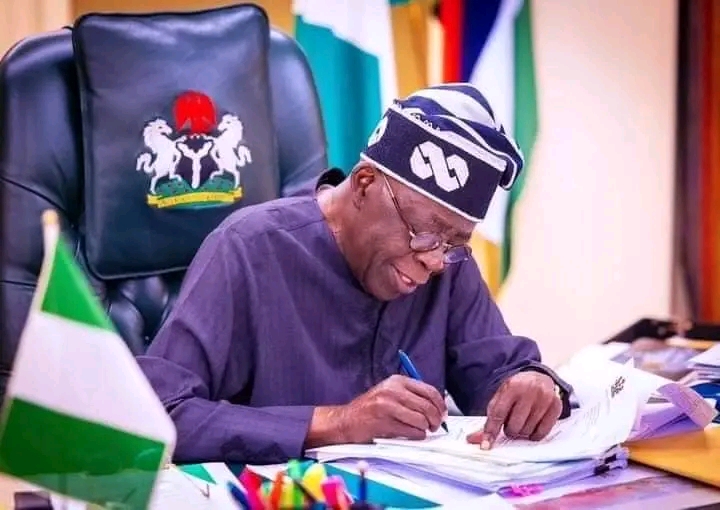
Adekanmbi noted that the service became operational after President Bola Tinubu signed the Nigeria Revenue Service Establishment Act 2025 in June, paving the way for the transition from FIRS to NRS.

The new logo, officials said, symbolises efficiency, accountability, and a modernised approach to revenue generation in Nigeria.

On the gazetted tax laws: What if Dasuki was indifferent?

By Isah Kamisu Madachi

For over a week now, flipping through the pages of Nigerian newspapers, social media, and other media platforms, the dominant issue trending nationwide has been the discovery of significant discrepancies between the gazetted version of the Tax Laws made available to the public and what was actually passed by the Nigerian legislature. Since this shocking discovery by a member of the House of Representatives, opinions from tax experts, public affairs analysts, activists, civil society organisations, opposition politicians, and professional bodies have been pouring in.

Many interesting events that could disrupt the pace of the debate have recently surfaced in the media. Yet the Tax Law discussion persists because public interest is deeply entrenched in the contested laws. However, while many view the issue from angles such as a breach of public trust, a violation of legislative privilege by the executive council, the passage of an ill-prepared law and so on, I see it from a different, narrower, and governance-centred perspective.

What brought this issue to public attention was an alarm raised by Hon. Abdulsammad Dasuki, a Member of the House of Representatives from Sokoto State, during a House plenary on 17 December 2025. He called the attention of the House to what he identified as discrepancies between the gazetted version of the Tax Laws he obtained from the Federal Ministry of Information and what was actually debated, agreed upon, and passed on the floor of both the House and the Senate. He requested that the Speaker ensure all relevant documents, including the harmonised versions, the Votes and Proceedings of both chambers, and the gazetted copies, are brought before the Committee of the Whole for scrutiny. The lawmaker expressed concern over what he described as a serious breach of his legislative privilege.

Beyond that, however, my concern is about how safe and protected Nigerians’ interests are in the hands of our lawmakers at the National Assembly. This ongoing discussion raises a critical question about representation in Nigeria. Does this mean that if Dasuki had also been indifferent and had not bothered to utilise the Freedom of Information Act 2011 to obtain the gazetted version of the laws from the Federal Ministry of Information, take time to study it, and make comparisons, there would have been no cause for alarm from any of Nigeria’s 360 House of Representatives members and 109 senators? Do lawmakers discard the confidence we reposed in them immediately after the election results are declared?

This debate serves a latent function of waking us up to the reality of the glaring disconnect between public interest and the interests of our representatives. The legislature in a democratic setting is a critical institution that goes beyond routine plenaries that are often uninteresting and sparsely attended by the lawmakers. It is meant to be a space for scrutiny, deliberation, and the protection of public interest, especially when complex laws with wide social consequences are involved. 

We saw Sen. Ali Ndume in a short video clip that recently swept the media, furiously saying during a verbal altercation with Sen. Adams Oshiomhole over ambassadorial screening that “the Senate is not a joke.” The Senate is, of course, not a joke, and neither should the entire National Assembly be. Ideally, it should not be a joke to the legislators themselves or to us. Therefore, we should not shy away from discussing how disinterested those entrusted with the task of representing us, and primarily protecting our interests, appear to be in our collective affairs.

It is not a coincidence that, even before the current debate over the tax reform law, it has continued to generate controversy since its inception. It also does not take quantum mechanics to understand that something is fundamentally wrong when almost nobody truly understands the law. Thanks to social media, I have come across numerous skits, write-ups, and commentaries attempting to explain it, but often followed by opposing responses saying that the authors either did not understand the law themselves or did not take sufficient time to study it.

The controversy around the gazetted Tax Reform Laws should not end with public outrage or media debates alone. It should prompt deeper reflection on how laws are made, scrutinised, and defended in Nigeria’s democracy. A system that relies on the alertness of a single lawmaker to prevent serious legislative discrepancies is neither resilient nor reliable. Representation cannot be occasional, and vigilance cannot be optional. 

Nigerians deserve a legislature that safeguards their interests, not one that notices breaches only when a few individuals choose to be different and look closely. If this ongoing debate does not lead to formidable internal checks and a renewed sense of responsibility among lawmakers, then the problem is far bigger than a flawed gazette. When legislative processes fail, it is ordinary Nigerians who bear the cost through policies they did not scrutinise and consequences they did not consent to.

Isah Kamisu Madachi is a public policy enthusiast and development practitioner. He writes from Abuja and can be reached via: isahkamisumadachi@gmail.com.

NIN to serve as tax ID for Nigerians from January 2026

By Muhammad Abubakar

The National Identification Number (NIN) issued by the National Identity Management Commission (NIMC) will automatically function as a Tax Identification Number (Tax ID) for Nigerians starting from January 2026, the Federal Inland Revenue Service (FIRS) has announced.

According to the FIRS, the policy is part of broader efforts to harmonise government databases, improve tax administration, and expand the country’s tax net. By linking tax records directly to the NIN, authorities aim to reduce duplication, enhance compliance, and make it easier for individuals and businesses to fulfil their tax obligations.

Officials said the integration would streamline identification across government services while strengthening transparency and efficiency in revenue collection.

Nigerians are therefore encouraged to ensure their NIN details are accurate and up to date ahead of the January 2026 implementation.

The move aligns with ongoing digital reforms by the Federal Government to modernise public administration and improve service delivery nationwide.

FG scraps 5% telecom tax on calls, data

By Muhammad Abubakar

The Federal Government has removed the 5% excise duty on telecommunications services in Nigeria.

The tax, introduced under the administration of former President Muhammadu Buhari, was to be applied on both voice and data services. It drew strong opposition from telecom operators and consumer groups.

Executive Vice Chairman of the Nigerian Communications Commission (NCC), Aminu Maida, said President Bola Ahmed Tinubu ordered its removal during discussions on the recently passed Finance Act.

The decision is expected to provide relief to over 171 million active telecom subscribers, who have also faced a 50 per cent tariff increase earlier this year.

Tinubu’s new tax reforms and the North

By Zayyad I. Muhammad

On Thursday, June 26, 2025, President Bola Tinubu signed into law four landmark tax bills that the National Assembly had recently passed.

Whether one agrees or disagrees with Tinubu’s style of governance, the new tax bills signal a new beginning for Nigerians, businesses, and governments, both at the subnational and federal levels.

Some key  highlights of the Reforms are:

Elimination of Duplication in Tax Collection: One major reform is the establishment of the new Nigeria Revenue Service (NRS), which will now collect revenues that were previously handled by numerous agencies, such as the Nigeria Customs Service, Nigerian Ports Authority (NPA), Nigerian Upstream Petroleum Regulatory Commission (NUPRC), NIMASA, and others.

Tax Exemption for Low-Income Earners: With the new provisions, individuals earning ₦800,000 or less per year are now fully exempt from income tax. This is a masterstroke, especially for many people in the North. It removes a huge burden and creates space for their small and medium-sized businesses to grow and flourish.

New Personal Income Tax Rate: 

Only those earning above ₦50 million annually will be required to pay the new 25% personal income tax rate. This is both fair and reasonable.

Another significant win for the North, which has the highest concentration of impoverished people in Nigeria, is the removal of VAT on essential goods and services, including school fees, medical services, food, pharmaceuticals, and electricity. This is a significant relief for the poor and small to medium-sized businesses.

The corporate tax rate will now be reduced from 30% to 25%, and small businesses will be fully exempt from paying income tax.

The controversial VAT issue has now been ‘fairly’ settled, and again, it’s a big win for the North, which had previously raised concerns. The new revenue-sharing formula is as follows:

Federal Government: 10%

States: 55%

Local Governments: 35%

Even more importantly, the VAT sharing formula has been revised in a way that favours the North. If northern states seize the opportunity to harness and develop their economies and markets, especially in agriculture, they will benefit significantly.

The new sharing criteria are:

50% of VAT is shared equally among all states

20% is based on population

30% is based on where goods/services are consumed

One of the most important features of these tax reforms is how they protect and uplift the poor and small businesses,especially in the North, where:

About 65% of Nigeria’s poorest people live

Over 52% of the country’s states are located

More than 60% of the population resides

Nearly 70% of Nigeria’s landmass is found

And almost 80% of agricultural production takes place

It’s time for northern states to tap into local knowledge and deploy homegrown experts to thoroughly study the four landmark tax laws in line with each state’s peculiarities and needs, yet with the whole North as the unifying objective.

If well studied and strategically implemented, Tinubu’s new tax reforms could be the silver bullet the North has been waiting for.

They offer fiscal justice, decentralisation of revenue, protection for the poor, incentives for businesses, and a practical opportunity to lift millions out of poverty.

However, as always, it will take visionary leadership, technical expertise, and political will to translate policy into meaningful impact. The opportunity is here. The North must not waste it.

Zayyad I. Muhammad writes from Abuja via zaymohd@yahoo.com.

Nigeria can’t progress with current tax systems—House Speaker Abbas

By Abdullahi Mukhtar Algasgaini

The Speaker of the House of Representatives, Rt. Hon. Abbas Tajudeen, has stated that Nigeria cannot achieve significant progress unless its tax systems are reformed.

Speaking on Thursday in Abuja during a courtesy visit by the leadership of the Chartered Institute of Taxation of Nigeria (CITN), the Speaker noted the country’s struggles with revenue generation, adding that Nigeria ranks among the lowest in Africa in terms of tax collection.

Abbas stated that for businesses to thrive and the country to develop, there was an urgent need to overhaul the current tax system.

He explained that the House had recently passed the second reading of four tax reform bills submitted by President Bola Ahmed Tinubu, which he described as a historic move.

Abbas assured the CITN delegation that all relevant stakeholders, including the institute, would be engaged during public hearings on the proposed legislation by the end of February.

“I am one of those who believe that this country can never move forward if our tax systems remain the way they are,” Abbas said, stressing the importance of reforming the system to generate sufficient revenue.

He further pointed out that Nigeria’s tax system has not been restructured to meet the country’s development needs, particularly in terms of sectoral growth.

The Speaker also noted that the CITN’s goals align with the House’s 10th Legislative Agenda, and pledged collaboration with the institute to move Nigeria forward.

Earlier, the President of CITN, Mr. Samuel Olushola Agbeluyi, FCTI, mentioned that the institute would be celebrating its 42nd anniversary in February.

He highlighted CITN’s extensive reach, with 48 district societies worldwide, including in the U.S. and the U.K. Agbeluyi also praised the institute’s contributions to tax reforms, including the introduction of the Finance Act under the leadership of former President Muhammadu Buhari.

He further addressed the need for a strong attitude towards taxation, citing how the Nigerian National Petroleum Company Limited (NNPCL) failed to remit adequate revenue to the Federation Account, leaving the Federal Inland Revenue Service (FIRS) to intervene.

In his closing remarks, Agbeluyi stated that the purpose of the visit was to strengthen the relationship between CITN and the House of Representatives, ensuring that both entities work together for the nation’s collective progress.

The CITN delegation included senior members such as Prof. Salihu Mukailu, Prof. Mohammed Okara Mainoma, and Dr. J.K. Naiyeju, a former president of the institute, along with several other council members and aides.

Ulama Forum rejects proposed tax reform bills 

By Uzair Adam 

The Ulama Forum in Nigeria has expressed strong opposition to the proposed Nigeria Tax Bill (NTB) 2024 and Nigeria Tax Administration Bill (NTAB) 2024, currently before the National Assembly. 

In a joint statement signed by its Convener, Aminu Inuwa Muhammad, and Secretary, Engr. Basheer Adamu Aliyu, on Monday, the forum raised concerns about the bill’s implications on equity, federalism, and economic fairness.  

The statement criticized the bills for transferring the largest share of Value Added Tax (VAT) revenue from consumption or generation areas to states hosting production entities’ headquarters. 

“VAT is a consumption tax. Transferring its revenue from the areas where it is generated to the locations of head offices undermines fiscal equalization, widens income disparity, and risks social disharmony,” the forum said.  

The forum also noted that the bills threaten the survival of critical agencies such as TETFUND, NITDA, and NASENI by proposing a gradual reduction in their funding through the Development Levy. 

“Phasing out these agencies will jeopardize infrastructure, research, and capacity-building efforts in our tertiary institutions, leaving students to bear exorbitant tuition fees under an ill-conceived student loan scheme,” the statement warned.  

The forum accused the government of rushing the bills without sufficient public scrutiny, alleging that they align with a long-term reform agenda by international financial institutions such as the World Bank and IMF. 

“There is room to suspect that these bills are part of the World Bank’s 10 to 15-year reform agenda, threatening our sovereign independence,” the forum alleged.  

To address these issues, the Ulama Forum urged the National Economic Council and State Governors to intervene and demand a thorough review. 

“The concerns of state governors and other stakeholders must be addressed to give these bills credibility and avoid perceptions of external imposition,” it added.  

The forum recommended that the bills be subjected to extensive public debate and expert analysis to ensure they align with Nigeria’s federal structure and national interest. 

It called on members of the National Assembly to act in the best interests of their constituencies and resist any pressure to pass the bills in their current form.  

“We urge public-spirited individuals and organizations to rise against this threat to fair and even development. The VAT-sharing formula and the proposed bills strike at the heart of federal constitutionalism,” the forum concluded.  

The Ulama Forum emphasized the need for justice and fairness, calling for the bill’s withdrawal to allow for broader discourse and a national consensus.

How Nigeria’s new tax reforms will transform local supply chains

By Salisu Uba, PhD, FCIPS

Nigeria has embarked on a significant fiscal reform with the introduction of the Deduction of Tax at Source (Withholding) Regulations 2024, effective from 1 July 2024. Signed into law by the Minister of Finance, these regulations dismantle a nearly five-decade-old withholding tax (WHT) regime, signalling a pivotal shift in the nation’s economic structure. For supply chain and business stakeholders, understanding and capitalising on these changes is crucial for fostering sustainable, value-added growth in an evolving market.

Streamlining Taxation to Boost Supply Chain Efficiency

The new WHT regulations offer significant rate reductions that directly benefit the supply chain ecosystem. Notably, the WHT rate for payments to Nigerian companies for professional, management, technical, and consultancy services has been halved from 10% to 5%. This reduction eases financial pressures and improves liquidity, enabling businesses to reinvest savings into key areas such as logistics, technology, and workforce development. With enhanced cash flow, supply chains become more agile, swiftly responding to market demands while reducing operational bottlenecks.

Additionally, the WHT rate for payments related to other services and the supply of goods or materials to Nigerian residents has decreased from 5% to 2%. In the supply chain sector, where margins are often tight, this reduction helps lower overheads. It allows companies to reallocate resources to optimise inventory management, strengthen supplier relationships, and invest in advanced supply chain capabilities. These savings can translate into more competitive consumer pricing, strengthening market positioning and driving business growth.

Fostering Sustainable Infrastructure Development

Infrastructure is vital to the smooth functioning of supply chains, and the new regulations demonstrate the government’s commitment to supporting this critical area. The WHT rate on payments to Nigerian residents for constructing roads, bridges, buildings, and power plants has been slightly reduced from 2.5% to 2%. While modest, this adjustment reflects a broader strategy to enhance Nigeria’s infrastructure. Improved infrastructure facilitates more reliable and efficient logistics, reducing transit times and minimising disruptions, which bolsters supply chains’ overall resilience.

Empowering Small and Medium Enterprises (SMEs)

Small and medium enterprises (SMEs) are the backbone of Nigeria’s supply chain, serving as key suppliers and service providers. The new regulations offer exemptions for companies and unincorporated bodies with a turnover of 25 million Naira or less on transactions up to 2 million Naira, provided the supplier has a Tax Identification Number (TIN). This exemption reduces the administrative burden on SMEs, encouraging formalisation and integration into the broader supply chain framework and tax system. These reforms promote diversity and resilience by supporting SMEs, ensuring smaller players thrive alongside more giant corporations and contributing to a more robust, dynamic supply chain ecosystem.

Enhancing Compliance and Transparency

The extension of WHT liability to payment agents and the requirement to issue receipts for withholding tax deductions are vital steps towards greater transparency and accountability within the supply chain. These measures ensure tax obligations are met promptly and accurately, reducing the risk of disputes and fostering trust among business partners. For procurement professionals, enhanced compliance simplifies auditing and mitigates the risk of financial discrepancies, enabling more efficient and reliable supply chain management. Transparent tax practices also enhance Nigeria’s business ethics and foreign investment.

Strategic Adaptation: Navigating the Transition

Adapting to the new WHT regime requires careful planning and proactive engagement. Supply chain experts should thoroughly reassess existing contracts to ensure they align with the revised tax obligations. This may involve renegotiating terms with suppliers and partners to accommodate the new WHT rates and compliance requirements. Working closely with tax advisors and leveraging expert guidance can help businesses navigate the reforms’ legal, tax, and financial implications, minimising disruptions and capitalising on the benefits of the new regulations. Proactive adaptation will turn potential challenges into greater efficiency and competitive advantage opportunities.

Sustainable Value Creation in the Supply Chain

The overarching objective of Nigeria’s WHT reforms is to create a fairer and more efficient tax environment that supports sustainable business growth. For the supply chain sector, reduced tax burdens enhance operational efficiency, while support for SMEs and infrastructure development lays the foundation for long-term resilience and innovation. Businesses can invest in sustainable practices such as green logistics solutions and supply chain transparency initiatives by lowering costs and improving cash flow. These investments contribute to environmental sustainability, build competitive advantage, and create added value for stakeholders. I also encourage the government to look into its supply chain to increase transparency, promote equal opportunities, prioritise local procurement of all goods and services, and digitally transform the function across MDAs.

Conclusion

Nigeria’s Deduction of Tax at Source (Withholding) Regulations 2024 represents a transformative step in modernising the country’s tax framework. The implications for supply chains are profound, offering opportunities to enhance efficiency, support small businesses, and invest in sustainable growth. By strategically adapting to these changes, companies can transition smoothly, leveraging the new tax environment to build more resilient, value-driven supply chains. 

As Nigeria continues to refine its economic policies, the supply chain sector stands to benefit from a more equitable and supportive fiscal landscape, driving sustainable growth and long-term prosperity. The Federal Government and the Presidential Fiscal Policy and Tax Reforms Committee, led by Taiwo Oyedele, deserve commendation for their forward-thinking approach. These reforms alleviate immediate financial pressures on businesses and pave the way for a more dynamic, resilient, and value-added supply chain ecosystem in Nigeria.

Salisu Uba, PhD, FCIPSis a Fellow of the Chartered Institute of Procurement and Supply Chain UK and Founder of NatQuest – a supply chain technology company based in the UK.

Nigeria Customs Service, Joint Tax Board sign MoU to foster collaboration 

By Sabiu Abdullahi 

The Nigeria Customs Service (NCS) and the Joint Tax Board (JTB) have inked a memorandum of understanding (MOU).

The MOU, signed on March 18, 2024, at the NCS headquarters in Abuja, marks a great step towards fostering a more robust economic landscape in Nigeria. 

The signing ceremony, which followed a productive meeting held on January 16, 2024, saw the participation of key stakeholders, including the Comptroller-General of Customs, CGC Bashir Adewale Adeniyi MFR, and the Secretary of the Joint Tax Board, Olusegun Adesokan.

Both parties expressed their commitment to collaborative efforts aimed at enhancing tax management and facilitating economic growth. During the event, CGC Bashir Adewale Adeniyi MFR underscored the significance of the collective endeavour, emphasising the tireless efforts invested in finalising the MOU.

He highlighted the MOU’s role in laying a solid foundation for future initiatives and integrating fiscal policies to streamline data facilitation processes. 

The MOU signifies a landmark achievement in strengthening strategic collaboration between the NCS and the JTB.

It is poised to pave the way for enhanced coordination and synergy in driving economic development initiatives across the nation. 

In his remarks, Olusegun Adesokan, the Executive Secretary of the Joint Tax Board, commended the foresight of the parties involved in reaching this milestone.

He lauded the dedication and vision demonstrated by the teams, noting that the successful signing of the MOU is a testament to their commitment to advancing Nigeria’s economic interests. 

The MOU between the Nigeria Customs Service and the Joint Tax Board reflects a shared commitment to fostering sustainable economic growth and ensuring effective tax management practices.

As both entities embark on this collaborative journey, the prospects for a more vibrant and prosperous economy for Nigeria appear brighter than ever before. 

This partnership heralds a new era of cooperation and synergy in tackling the challenges and opportunities inherent in the nation’s fiscal landscape, setting the stage for transformative outcomes and lasting impact on Nigeria’s economic trajectory.

Governor Fintiri and the complex cattle tax increment

By Zayyad I. Muhammad

Taxes and royalties collection is a fundamental avenue for a government to generate revenues to fund infrastructure and human capital development.

Adamawa State needs other sources of revenue apart from the free petro-dollar from the centre. The state is poor, with a fragile economy, including thousands of unemployed youths and people engaged in unproductive jobs.

The World Bank says – most developing countries with fragile economies “often face the steepest challenges in collecting taxes.”

There is a correlation between the timing of introducing new taxes, peoples’ economic strength and politics. No government can survive local politics if it introduces new taxes at the wrong time- especially when it faces a re-election bid. Governor Ahmadu Umaru Fintiri is seeking re-election in the 2023 governorship election.

Governor Ahmadu Umaru Fintiri’s introduction of a new cattle tax regime appears ill-timed, unplanned, and poorly communicated to the concerned people. So many explanations from the Governor’s aides, yet no one understands them because the basics in tax administration were left out – new tax collection should be optimized, but with minimal burden on the taxpayers, it should be fair & equitable, and at the appropriate time.

The Adamawa state government said that the ‘Adamawa State Agribusiness Support Programme (ADAS)’ is designed to take full advantage of the agricultural opportunities within the state and will focus on three areas of the Crop Value chain, Livestock and Aquaculture. The government further said – the Agric bond will draw twenty-five billion Naira annually, which will be used to offset many of the state’s liabilities and loans, and open a window for generating huge revenue as well as galvanizing the market in the Agric business, especially the livestock subsector” including the upgrade of cattle markets in Mubi, Ganye, Song, Gombi, Ngurore, Tungo, Malabu, and Wuro Bokki.

The Fintiri government failed to do its homework in two areas – balancing the economic needs and political necessity. The cattle tax is as historic as northern Nigeria. The five thousand Naira (N5,000) imposed on every cattle is exorbitant and unaffordable according to many people in the business

On the other hand, there are thorny politics associated with the cattle tax’, and the people related to the business are complex and critical in the socio-political settings of northern Nigeria, thus before tinkering with the tax, there is a significant requirement for discussion, engagements, and understandings. The livestock business is a vital sector, so to speak!  as a result of poor timing and lack of discussion with stakeholders on the new increase in the cattle tax, the Mubi cattle market, one of the biggest in the north, didn’t operate last week. The security agents sealed the market on Tuesday, September 13, 2022.

Well, the Governor has found himself in a catch-22 situation because the upward review on tax for cattle and grains was one of the conditions the government must fulfil in accessing the capital market’s 100 billion naira agribusiness bond. Governor Fintiri has already collected 25 billion Naira from the 100 billion. And the investors are the ones to be collecting the taxes

Governor Fintiri is a history, policy, and strategy student, but often some of his decisions lack political strategy. He doesn’t have good political advisers or seeks any advice most of the time.

Zayyad I. Muhammad writes from Abuja, 08036070980, zaymohd@yahoo.com.