Saudi Arabia

Saudi Arabia bans political, sectarian activities at Hajj sites

By Uzair Adam S

audi Arabia’s Ministry of Interior has declared a comprehensive ban on taking photographs, recording videos, and displaying political or sectarian expressions at all key Hajj sites.

According to a statement released by the ministry, pilgrims are forbidden from engaging in such activities within Masjid al-Haram in Makkah, Masjid an-Nabawi in Madinah, and at significant Hajj locations such as Mina, Arafat, and Muzdalifah.

Authorities noted that these actions could disrupt the spiritual sanctity of the pilgrimage and potentially sow division among pilgrims gathered from around the world.

The ministry stressed that Hajj is a time for worship, humility, and unity, and any acts that contradict these principles will not be allowed.

Pilgrims are urged to respect these directives and work closely with officials to ensure that Hajj 2025 unfolds in a peaceful, organized, and spiritually fulfilling manner.

“Security personnel will be stationed throughout the pilgrimage to monitor and enforce these regulations,” the statement added.

From us, by us, for us: How homegrown Waqf initiatives can shift our gaze from international donors

By Abdullahi Abubakar Lamido, PhD

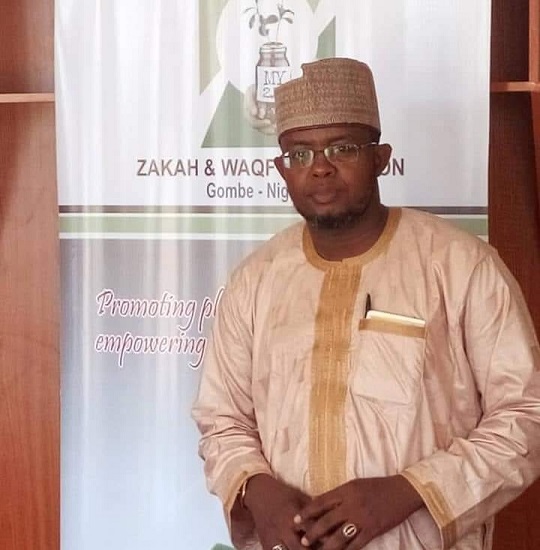
It was a warm afternoon in my office at the Zakah and Waqf Foundation in Gombe, and I had cleared my schedule for what was described as a “very important meeting.” A group of nine young professionals—doctors, nurses, and medical administrators—filed in with purposeful expressions. These were respected Muslim health workers in our community, competent and resourceful in their own rights, leading their Muslim body. 

They sat down, exchanged pleasantries, and after a few minutes, one of them cleared his throat and spoke. “We were hoping you could help us reach Qatar Charity. We want to build a mosque in our hospital.”

I paused. My mind raced not with criticism but with confusion. These were not poor villagers. These were professionals, all salaried, some likely earning above average. I asked gently, “How much will the mosque cost?”

“About ten million naira.”

“And how many Muslim staff do you have?”

“Roughly 500,” they responded.

I picked up a pen and scribbled something. “That’s twenty thousand naira each,” I said. “Divided over four months, that’s 5,000 naira per month.”

There was a short silence. “You don’t need Qatar Charity,” I told them. “You need yourselves; you need Gombe Charity.”

From my limited understanding, I explained that most international charities, like Qatar Charity, raise funds from within their own people first. They identify a problem in a country, develop a proposal, return to their citizens and say: “Donate to build a mosque in Nigeria.” If they can do that for us, why can’t we do it for ourselves? I then told them to put my name as the first donor of the twenty thousand naira to kickstart the project. 

That brief meeting offered a glimpse into a deeper issue—our chronic psychological dependence on external aid, even when we can act. The problem isn’t always material poverty; often, it’s a lack of belief in our collective strength—a poverty of the mind and will.

The Turkey Phenomenon: A Lesson Misunderstood

Take, for example, the popular trend in some Northern Nigerian states where applications pour into Turkish and other organisations for Qurbani (Udhiya) distributions. Turkish charities, may Allah reward them, buy cows and distribute meat during Eid.

But here’s a crucial question: Is this a model to emulate or one to reconsider? If every year, our people look outward to receive—and never inward to learn how to organise, fund, and distribute—we risk cultivating a culture of constant reception without reciprocity.

Islam is not a religion of passivity. It teaches us to act before asking, to solve before seeking, and to build with what is already in our hands. Prophet Muhammad (peace be upon him) taught us that the upper hand is better than the lower one—the hand that gives is superior to the hand that receives.

The Al-Basar Example: From Vision to Visionary Impact

Now, let’s discuss a model worth following—Al-Basar International Foundation.

Al Basar International Foundation is a non-profit international NGO. Founded in 1989 by a group of concerned professionals. Al-Basar is a shining example of what happens when people come together to solve a problem themselves. Their focus? Combating preventable blindness across the Muslim world. No dependency. No grand donor campaigns. Just strategic self-mobilisation as well as waqf and collaborative mindset. 

It works in Yemen, Bangladesh, Sudan, Nigeria, Pakistan, etc. In Nigeria, for instance, a 2019 campaign funded by King Salman Humanitarian Aid and Relief Centre in collaboration with Al Basar International Foundation saw medical volunteers from Saudi Arabia meet 8,000 eye patients and perform 800 eye surgeries to remove cataract and glaucoma in Ibadan, Nigeria, as well as in Lafia in Nasarawa State. 

The foundation manages the Makkah Eye Specialist Hospital in Kano state, Nigeria, where 4,000 free eye surgeries were carried out in 2021. The hospital treats eye conditions, including diabetic retinopathy. In 2022, Al Basar International Foundation, in collaboration with the King Salman Relief Center, sponsored 400 free cataract surgeries for residents of Kano, which took place at Makkah Eye Specialist Hospital. 

Over the years, Al Basar has conducted over 2,000 outreach programs worldwide, performed over 700,000 cataract surgeries, and dispensed nearly 2 million glasses. With 28 hospitals across six countries, the foundation has recorded 26 million outpatient visits. It also invests in education by establishing colleges to train eye care professionals, impacting Africa and Asia. Their school screening program has reached over 1 million children, providing immediate interventions and ensuring a comprehensive approach to their eye health.

Now ask yourself: is Al-Basar a government-funded operation? No. Did it start with foreign aid? No. It was “from them, by them, for them.” And now it is for us, too—because they nurtured it to the point where it could grow beyond them.

We should not only admire such models. We should replicate them.

Historical Echoes: Islamic Proofs of Self-Driven Solutions

Uthman ibn Affan (RA) and the Well of Rumah

When water scarcity plagued Medina, and a private owner monopolised a well, the Prophet (SAW) called for someone to purchase it for the Muslims. Uthman (RA) stepped up, bought the well, and made it a public waqf. He didn’t write to Yemen. He didn’t petition the Romans. He simply used what Allah had given him to solve a problem for Allah’s sake.

So, What Can We Do? A Homegrown Waqf Blueprint

If we genuinely want to stop relying on donors and start building resilient communities, here are practical steps:

Think Within, Act Within: Begin every solution by asking what the community already has—not what it lacks. Do you have professionals? Land? Skills? Social networks? Then, start from there.

Group Economic Self-Waqfing: Encourage professional groups (doctors, teachers, engineers, traders, lawyers) to dedicate a portion of monthly income to a fund. Even a modest 5,000 naira monthly from 100 people can generate sustainable capital. At Zakah and Waqf Foundation, we enjoy that from some professionals, and it works. 

Community Challenge Waqf: Identify a local challenge—maternal health, education for orphans, access to clean water—and collectively endow a waqf around it. Let the yield solve that problem perpetually.

Transparent Management Structures: Set up trustworthy waqf boards to manage resources. Trust fuels contribution. Accountability sustains it.

Celebrate Independence: Create cultural pride around self-funded projects. Showcase schools, hospitals, orphanages, and mosques built without a single foreign dime.

It is Time to Change the Script

Imagine if each LGA in Nigeria had one waqf-funded primary health centre, one vocational training centre, and one scholarship fund—all funded by local contributions from professionals, retirees, and small traders.

We would not be beggars. We would be builders.

It’s time to write a new story. One not of helplessness and application letters to foreign NGOs but of resolve, unity, and strategic giving. One of From Us, By Us, For Us—in the truest, most impactful sense.

When that story is told to future generations, they will say: There was a people who stopped waiting and started building.

Amir Lamido wrote from Gombe via lamidomabudi@gmail.com.

Saudi official denies reports of alcohol ban being lifted

By Muhammad Abubakar

In response to recent media reports suggesting a potential easing of Saudi Arabia’s longstanding alcohol prohibition, a senior Saudi official has categorically denied any plans to lift the ban.

Princess Haifa bint Mohammed Al Saud, the Assistant Minister of Tourism, addressed the issue during a panel session at the World Economic Forum in Davos. She emphasized that the Kingdom remains committed to its laws prohibiting alcohol consumption.

“The short answer is that we’re going to continue with our current laws,” she stated, highlighting that Saudi Arabia has successfully attracted tourists without altering its cultural and legal frameworks.

The clarification comes amid speculation fueled by the recent opening of a liquor store in Riyadh’s Diplomatic Quarter, exclusively serving non-Muslim diplomats. While this move marks a controlled exception, it does not indicate a broader policy shift regarding alcohol availability in the country.

Furthermore, Saudi officials have reiterated that the alcohol ban will remain during major upcoming events, including the 2034 FIFA World Cup. Prince Khalid bin Bandar Al Saud, the Saudi ambassador to the UK, confirmed that alcohol will not be available to fans during the tournament, aligning with the Kingdom’s cultural and religious values.

As Saudi Arabia continues its Vision 2030 initiative to diversify the economy and promote tourism, officials stress that modernization efforts will proceed without compromising core cultural principles.

Nigerians stranded in Saudi Arabia: Reps urge government to take action

By Anas Abbas

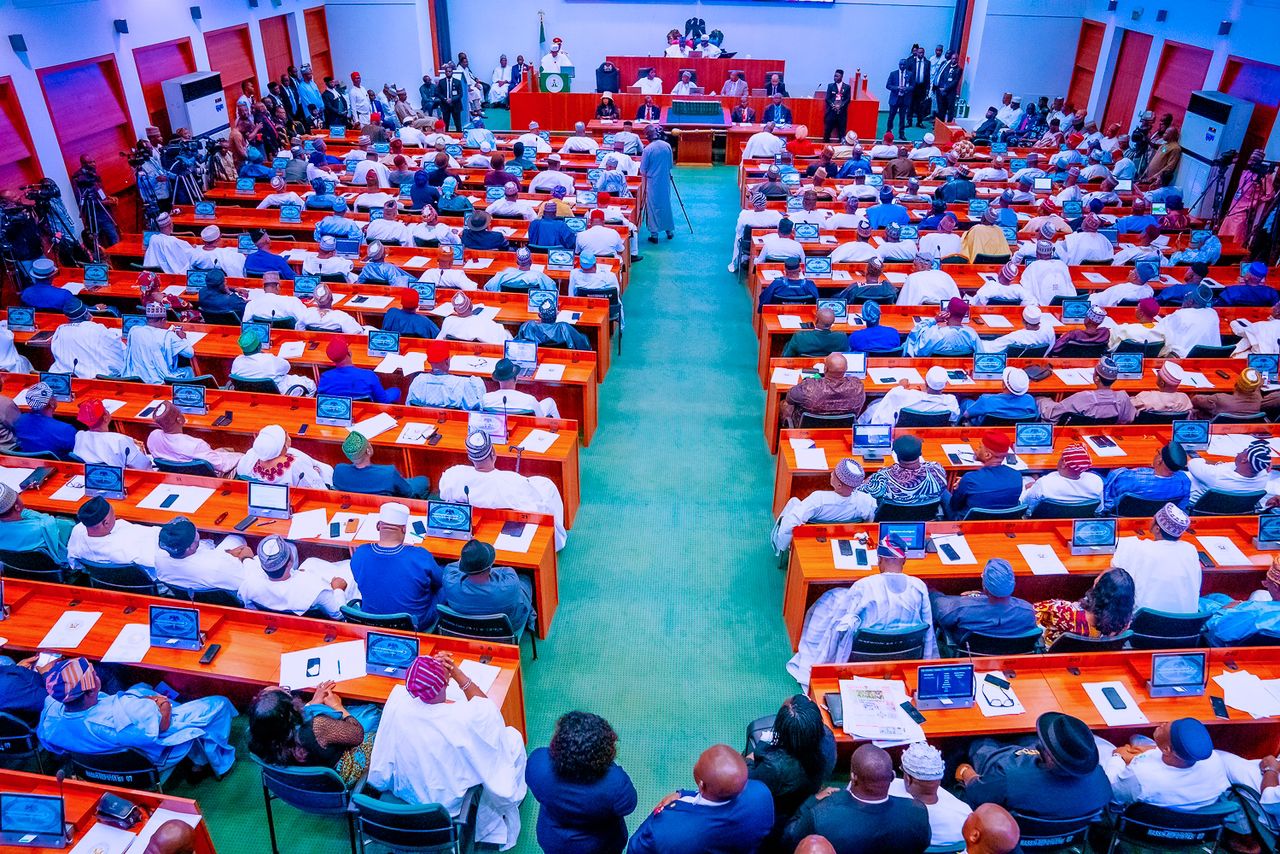
In a significant move, the House of Representatives has urged the federal government to take action to assist Nigerians residing in Saudi Arabia who have been adversely impacted by recent labour and immigration reforms implemented by Saudi authorities.

This call for intervention came during a plenary session on Wednesday, following a motion presented by Rep. Muhammad Bello Shehu (NNPP, Kano). 

Rep. Shehu highlighted that the Saudi government introduced substantial reforms in August 2024, which have had a profound effect on labour laws, impacting numerous Nigerians who have lived in the country for years and often support large families.

The reforms include changes to the definitions of “Assignment” and “Resignation,” the discontinuation of work permit renewals for domestic workers, and various regularisation processes. As a result, many Nigerians have lost their jobs, while others are burdened with exorbitant fees for renewing their documents and work permits.

“Some domestic workers, including drivers, have been laid off and are unable to afford the renewal fees. Many find themselves unable to leave the country due to outstanding overstays,” Rep. Shehu explained.

He also noted that the Urban Renewal aspect of the reforms has further complicated matters, as affordable rental properties have been demolished to make way for urban development, exacerbating the hardships faced by these individuals and forcing their children out of school.

The lawmaker also criticised, particularly the Ministry of Foreign Affairs, for not sufficiently engaging with Saudi authorities to secure an amnesty window for affected citizens or propose viable solutions for their evacuation and return to Nigeria.

In light of these challenges, Rep. Shehu urged Saudi officials to consider granting amnesty to Nigerians who wish to return home. 

Following the motion’s adoption, the House directed its committees on Foreign Affairs, Interior, Diaspora, and Muslim Pilgrimage to collaborate with the Executive Arm. They are tasked with negotiating an amnesty option for those willing to return and ensuring their safe evacuation, with a report due back to the House within six weeks.

NDLEA intercepts cocaine concealed in religious books bound for Saudi Arabia

By Hadiza Abdulkadir

Operatives of the National Drug Law Enforcement Agency (NDLEA) have intercepted a consignment of cocaine ingeniously hidden inside 20 sets of religious books intended for export to Saudi Arabia.

The discovery was made on Tuesday, April 15, at a courier company in Lagos by the Directorate of Operations and General Investigation (DOGI) officers. During a routine search of outbound cargo, the officers uncovered 20 parcels of cocaine, weighing a total of 500 grams, carefully buried within the pages of the books.

The NDLEA described the concealment method as a “desperate and deceptive tactic,” aimed at evading detection. The books were among items listed for shipment to Saudi Arabia, raising concerns over the potential abuse of religious materials to traffic illicit substances.

This interception is part of a broader crackdown by the agency, which has recorded several major seizures across the country in recent days. However, the religious bookcase has drawn particular attention due to its audacious nature and the sensitive destination.

NDLEA Chairman, Brig. Gen. Mohamed Buba Marwa (Rtd) commended the Lagos command for its vigilance and professionalism. He emphasised the agency’s resolve to disrupt drug trafficking networks using any means, no matter how disguised.

Investigations into the identity of those behind the shipment are ongoing.

Saudi Arabia introduces AI-powered platform to teach Surah Al-Fatihah

By Hadiza Abdulkadir

The Presidency for Religious Affairs at the Grand Mosque and the Prophet’s Mosque has launched a groundbreaking digital enrichment project using artificial intelligence (AI) to teach and correct the recitation of Surah Al-Fatihah.

The initiative, inaugurated on Saturday, is part of broader efforts to enhance the experience of pilgrims and visitors at the Two Holy Mosques. 

It offers an advanced educational platform that allows users to enhance their recitation through AI-driven analysis, listen to model recitations from imams of the mosque, and explore translations of the surah in various languages.

According to the Presidency, this represents the pilot phase of the project, which is expected to expand in the future. The platform employs advanced algorithms to evaluate recitation in real-time, connecting traditional learning methods with modern technology.

As part of Saudi Arabia’s digital transformation strategy in religious education, the initiative aims to offer a seamless and enriching learning experience for visitors from around the world.

NAHCON, Flynas sign agreement for 2025 hajj airlift

By Uzair Adam

A Saudi-designated Nigerian Hajj air carrier, Flynas, has formalized an agreement with the Nigerian government for the airlift of pilgrims for the 2025 Hajj operations.

The National Hajj Commission of Nigeria (NAHCON) has announced that the transportation of Nigerian pilgrims to Saudi Arabia will commence on May 5, 2025.

The agreement was signed on Monday at NAHCON’s headquarters in Abuja by the Chief Commercial Officer of Flynas, Mr. Khaled Alhejairi, and the commission’s Chairman and CEO, Professor Abdullahi Saleh Usman.

Present at the signing were Flynas’s Director for Business Development, Mr. Yasser Ajlan, Manager of Business Development, Mr. Hani Isma’il, and the Managing Director of First Planet Travels and General Sales Agent (GSA) of Flynas in Nigeria, Alhaji Umar Kaila.

Mr. Alhejairi reaffirmed the airline’s commitment to maintaining high service standards for Nigerian pilgrims, stating that Flynas has consistently fulfilled its obligations since joining the Nigerian Hajj operations in 2014.

“We want to assure NAHCON that Flynas will continue to provide comfortable and seamless travel experiences for our esteemed customers in Nigeria during the Hajj operation,” he said.

In January, NAHCON approved four airlines—Flynas, Air Peace, Max Air, and Umza Aviation Services Limited—for the 2025 Hajj operations. Among them, Flynas, the most experienced, has successfully transported Nigerian pilgrims for the past decade.

For the 2025 Hajj, Nigeria has a projected quota of 71,274 pilgrims, with NAHCON preliminarily allocating 22,894 pilgrims to Flynas, 9,145 to Air Peace, 23,342 to Max Air, and 15,893 to Umza Air.

Flynas, which operates in Nigeria under the Bilateral Air Services Agreement (BASA) between Nigeria and Saudi Arabia, has played a key role in stabilizing airlift operations for Nigerian pilgrims while expanding the capacity of its workforce.

Ramadan crescent sighted in Saudi Arabia

By Uzair Adam

The crescent moon marking the beginning of Ramadan has been sighted in Saudi Arabia, the moon sighting committee announced on Friday evening.

The Daily Reality reports that with this confirmation, the holy month will commence on Saturday, March 1.

Observatories across the Kingdom, including those in Sudair and Tumair, confirmed the sighting of the moon.

This follows an earlier call by the Supreme Court on Thursday, urging Muslims to look for the crescent on Friday evening.

The court advised anyone who sights the moon, whether with the naked eye or binoculars, to report their observation to the nearest court or contact a local center for guidance on submitting their testimony.

Saudi Arabia’s moon sighting committee routinely monitors the skies ahead of Ramadan’s expected start date and encourages other Muslims to participate in the sighting process.

Nigeria, Saudi Arabia partner to strengthen $7.7 trillion Halal economy

By Muhammad Sulaiman

Nigeria and Saudi Arabia have signed a strategic agreement to enhance their participation in the global halal economy, valued at $7.7 trillion. The deal focuses on boosting halal trade, investment, and certification, fostering economic cooperation between the two nations.

Signed during high-level meetings, the agreement positions Nigeria as a key player in halal industries, including food, finance, pharmaceuticals, and cosmetics.

Saudi Arabia, a dominant force in the sector, will provide expertise and market access to support Nigeria’s expansion.

Officials believe the partnership will create jobs, enhance exports, and attract foreign investment, positioning Nigeria as a leading halal market in Africa.

Trump proposes U.S. Gaza takeover, sparks outrage

By Muhsin Ibrahim

In a recent press conference, U.S. President Donald Trump unveiled a controversial plan for the United States to assume control over the Gaza Strip.

The proposal includes relocating Gaza’s roughly two million Palestinian residents to neighbouring countries such as Egypt and Jordan to transform the territory into a thriving economic hub, potentially named the “Riviera of the Middle East.”

Trump emphasised the economic potential of the initiative, arguing that U.S. oversight would bring stability and prosperity to the region. He also suggested the possible deployment of American forces to maintain order during the transition.

The plan has been widely condemned. Middle Eastern nations, including Saudi Arabia, have rejected it, warning of its implications for international law and regional security. 

Human rights organisations have also strongly criticised the initiative, calling it a form of ethnic cleansing that could worsen Gaza’s humanitarian crisis.

Israeli Prime Minister Benjamin Netanyahu, who was present at the press conference, expressed support for the plan, saying it aligns with Israel’s security interests. However, international opposition and legal challenges may hinder the proposal’s feasibility.

As the debate over Trump’s plan intensifies, world leaders and analysts continue to scrutinise its potential consequences for regional stability and the rights of the Palestinian people.