Ramadan

Tinubu appeals for forgiveness as Ramadan begins, urges unity, prayers for Nigeria

By Sabiu Abdullahi

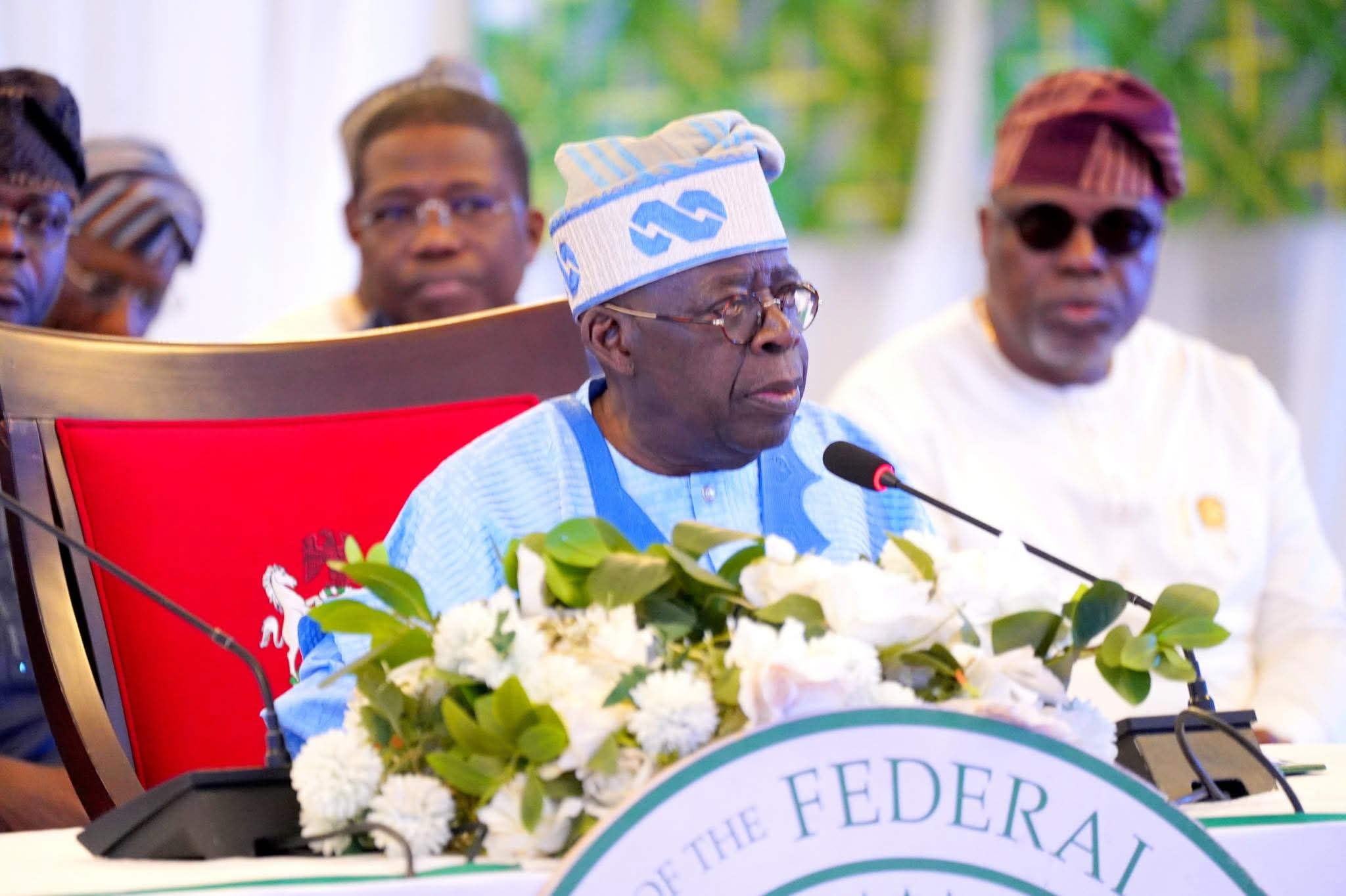
President Bola Tinubu has called on Nigerians to forgive him for any wrong he may have done to them, as Muslims commence the holy month of Ramadan. He also urged citizens to embrace peace, unity, and moral rebirth during the sacred period.

The president made the appeal on Wednesday at the opening session of this year’s Tafsir held at the State House mosque in Abuja.

In his remarks, Tinubu drew attention to the simultaneous observance of Ramadan and the Christian Lenten season. He described the overlap as a reflection of shared spiritual values among Nigerians of different faiths.

“Ramadan coincides with Lent, reminding us of our common commitment to sacrifice, discipline, prayer, and self-denial,” he said.

He stressed that the lessons of Ramadan should shape human conduct and relationships. According to him, the period should promote compassion, love, and forgiveness among citizens.

“We start this Ramadan with all the teaching that it brings to us all. But the main principle is to do good to people, to share love and faith, and to forgive sins. I say, if I have sinned, forgive me as Nigerians.”

Tinubu further noted that fasting should not be limited to abstaining from food and drink. He explained that it should reflect kindness, good deeds, forgiveness, and love for humanity.

The president also appealed to Nigerians, regardless of religious background, to offer prayers for national peace. He asked citizens to support government efforts aimed at tackling terrorism, banditry, and other security challenges facing the country.

Speaking at the event, Abdulwahid Suleiman, the Chief Imam of the State House mosque, expressed gratitude to Allah for granting Muslims the opportunity to witness another Ramadan.

He commended Tinubu’s leadership and offered prayers for divine guidance, sound health, and strength for the president and members of his administration. He also prayed for peace, stability, and prosperity across Nigeria.

2026: Sultan declares Wednesday first day of Ramadan

By Abdullahi Mukhtar Algasgaini

The Sultan of Sokoto, Alhaji Muhammad Sa’ad Abubakar, has declared Wednesday, 18th February, 2026 as the first day of Ramadan 1447AH following the confirmed sighting of the new moon.

The announcement was contained in a press release signed by Prof. Sambo Wali Junaidu, Wazirin Sokoto and Chairman of the Sultanate Council Advisory Committee on Religious Affairs.

According to the statement, reports from various National Moon Sighting Committees across the country confirmed the sighting of the new moon on Tuesday, 17th February, which marked the 29th day of Sha’aban 1447AH.

Accepting the reports, the Sultan, who is also the President General of the Nigerian Supreme Council for Islamic Affairs (NSCIA), officially declared Wednesday as the first day of the holy month.

The Sultan congratulated the Muslim Ummah in Nigeria and prayed for Allah’s guidance and blessings throughout the period. He urged all Muslims to use the season to pray for peace, progress, and development of the nation.

He wished all Muslims a happy and blessed Ramadan Kareem, praying that Allah (SWT) accepts all religious deeds.

Saudi Arabia confirms Ramadan crescent, first fast holds February 18


By Sabiu Abdullahi

Saudi Arabia’s Supreme Court has announced the sighting of the crescent that signals the start of Ramadan for the year 1447 AH.

The confirmation came on Tuesday evening, 29 Sha’ban 1447 AH, corresponding to February 17, 2026. With this development, Wednesday, February 18, 2026, has been fixed as the first day of fasting in the Kingdom.

Following the declaration, Muslims across Saudi Arabia will observe the first Taraweeh prayers on Tuesday night shortly after the Isha prayer. The special prayers will take place in mosques nationwide, including the Grand Mosque in Makkah and the Prophet’s Mosque in Madinah.

The court’s announcement emerged despite earlier projections by major astronomical institutions such as the International Astronomy Center (IAC), which had argued that sighting the moon that evening would be impossible across the Arab and Islamic world. The body explained that the crescent would set before sunset or only minutes after, making it difficult to observe either with the naked eye or telescopes.

Saudi authorities, however, acted in line with the Kingdom’s established practice, which gives precedence to verified physical sighting once credible witnesses present testimony. Reports submitted to the moon-sighting committee were reviewed and authenticated before the ruling was issued.

Based on the confirmed commencement date, Eid al-Fitr, which marks the end of Ramadan, is projected to fall on either Thursday, March 19, or Friday, March 20, 2026. The exact date will depend on the sighting of the Shawwal crescent.

Muslims in Saudi Arabia and several countries that follow the Kingdom’s moon-sighting decision will now begin the sacred month devoted to fasting, prayer, and spiritual devotion. Ramadan this year falls within the winter period, with fasting expected to last about 13 hours daily.

A few days before Ramadan, Sokoto residents brace for economic hardships

By Balkisu Aminu Aliyu

Ramadan is the ninth month of the Islamic Calendar, a sacred month during which the Quran was revealed, a time of spiritual reflection, purification, and heightened devotion.

A month of abundant blessings, forgiveness, and a strengthening of faith. Across the Muslim world, Ramadan is marked by fasting from dawn to sunset, intensified prayers, and acts of charity. It is a pillar of Islam that teaches patience, gratitude, and empathy. 

It is a time to purify the heart, practice self-discipline and strengthen one’s relationship with the Almighty. However, conversation is less about spiritual abundance and more about stark scarcity and low income.

2026 Ramadan is one of the upcoming Ramadans, while the prices of some essential commodities are falling in some parts of the country; however, many less privileged people are struggling to manage Ramadan due to low income.

“Some people can no longer take full responsibility for their families,” confides a 45-year-old woman in Gidan Sanda area of Sokoto, who asked to remain anonymous, her voice tinged with worry. “Most husbands are struggling financially because of the high level of poverty. This could stop them from providing enough food, especially during sahur and iftar.”

Her lament echoes in the words of Abu Musa, a motorcycle rider whose concern stretches beyond the fast itself to the Eid al-Fitr celebration that follows. “I don’t think I can feed my children properly, even though food prices have dropped from last year. I have no resources to meet their needs. How can I buy them new clothes for Eid?” he asks, his question hanging heavily in the air.

For families like his, Ramadan’s twin pressures, sufficient nourishment for fasting and the social expectations of Eid, feel like an immense weight.

The crisis is both urban and rural. Aliyu Kabir, a young man from the area, expressed, “People all over the town and villages are battling extreme poverty.”

This deprivation carries a deep social sting. Community reports suggest that countless parents cannot afford proper clothing for their children. In a season of communal gatherings and celebration, this need can lead to shame and embarrassment for young ones, who may mistakenly feel neglected by their parents, not understanding that poverty itself is the barrier.

At his roadside mechanic workshop along Abdullahi Fodiyo road, Malam Husaini watches the traffic of life go by, his hope pinned on a simple prayer. “It’s tradition for food prices to shoot up during Ramadan,” he observes, “We are praying to Allah to ease the condition for us.” His fear is common: that any market gains will be erased by the annual Ramadan price surge, pushing basic staples out of reach.

Amid this apprehension, the timeless teachings of Islam offer both a critique and a solution. A Hadith narrated by Abu Huraira is profoundly relevant: the Prophet Muhammad (SAW) said, “Whoever feeds a fasting person will have a reward like that of the person who observed the fast, without decreasing the reward of the latter.”

This principle transforms Ramadan from a private act of worship into a powerful societal covenant. It is a sacred month in which the fortunate’s empathy must translate into sustenance for the struggling. Assisting the needy is not just charity; it is a spiritual investment, a purification of wealth, and a direct conduit to divine mercy.

Therefore, as the 2026 Ramadan approaches, the call from Sokoto’s backstreets is clear. It is a call for the wealthy, business owners, and those in positions of power, including government and political office holders, to remember the core communal spirit of this holy time. To do more. To support the vulnerable not as an afterthought, but as a central, highly recommended act of faith.

For in the end, the true test of this Ramadan may not only be in the stomachs that remain empty but in the hands that remain closed. The blessings of the month are abundant, but they are meant to be shared, ensuring that every believer, rich or poor, can turn their heart toward the divine without the crushing distraction of hunger or shame.

Why Nigeria needs a national heat management plan

By Isah Kamisu Madachi

During the 2025 Ramadan fasting period, schools were shut in some states across northern Nigeria. The decision sparked public outrage, with many Nigerians questioning it. The unanimous reason given by authorities was that the heat had become unbearable in the affected states, necessitating the closure of schools. For many people, that was a reasonable excuse, but beneath it, to a keen observer, lay a policy failure that deserved more attention than it received. Northern Nigeria, particularly the North East and North West, sits within a semi-arid belt bordering the Sahara Desert. It has always been hotter than other parts of the country.

What that school closure quietly revealed was the absence of a national or state heat management policy. Nigeria, of course, has policies for floods, droughts, the energy transition, disaster response, climate and health adaptation. However, heat is largely unmanaged. There is no clear policy framework on how schools, workers, farmers, or low-income households should cope with rising temperatures. As a result, heat is not treated as a public policy emergency.

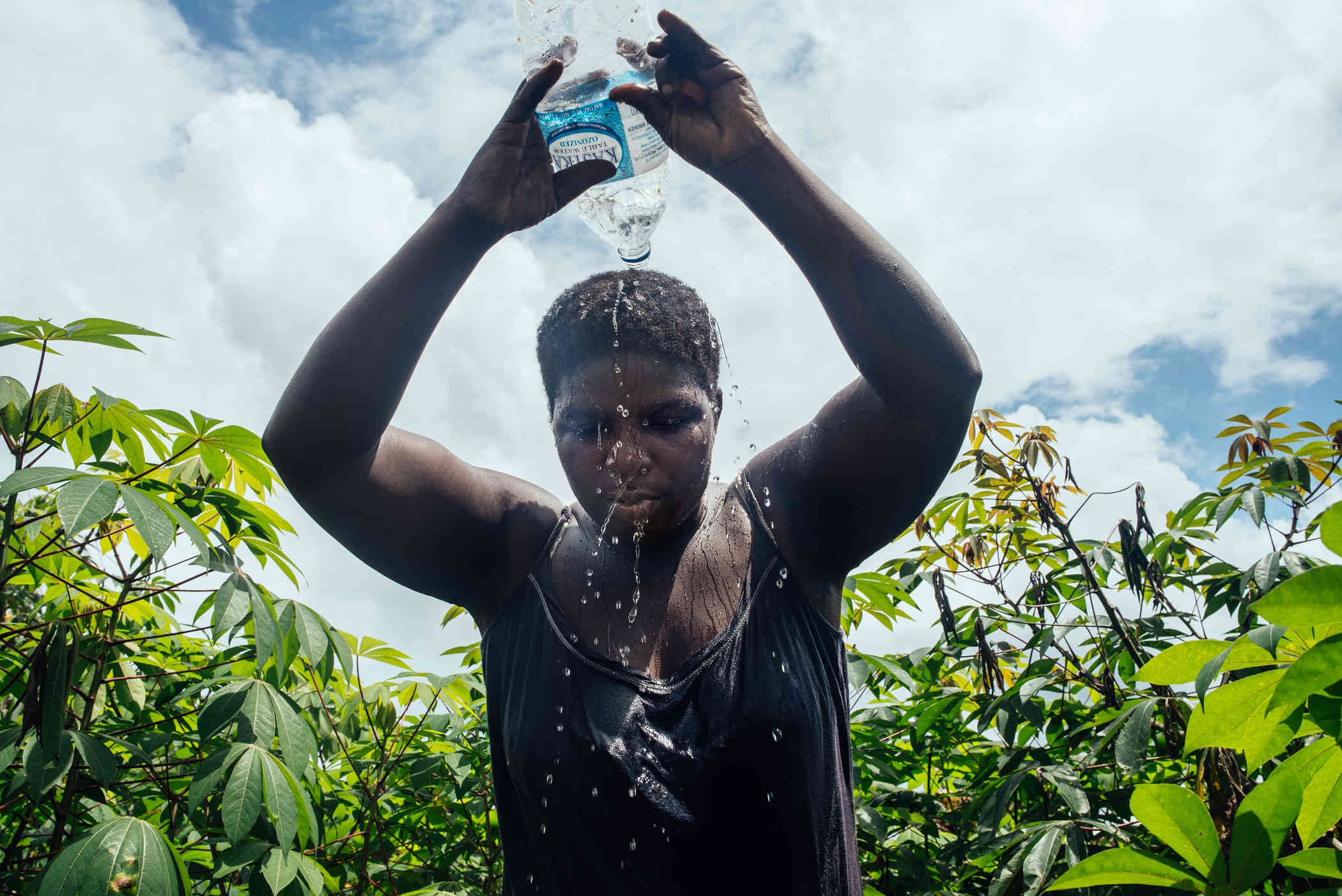
This is not an attempt to relitigate the school’s closure. Rather, it is an effort to call attention to how rising heat is silently pushing Nigerians deeper into poverty, food insecurity, and worsened health conditions. Heat stress is now not just an environmental concern but a development issue that largely affects productivity, education, health, and household income. Unlike floods, heat is not dramatic; it is as deadly as, or even worse than, floods. It creeps into everyday life, drains energy, reduces earning hours, and increases health risks. 

Evidence globally has established a strong link between extreme heat and poverty, particularly in low-income societies. 

For many outdoor workers, earning a livelihood has become increasingly difficult. In some places, work cannot continue after noon due to extreme heat. Those who push through do so at the expense of their health, suffering dehydration, headaches, and heat exhaustion. The result is lost income and rising healthcare costs, which also consume the little savings they manage to earn under the heat.

The education sector also tells a worrying story. Recently, during a visit to the primary school I attended in Bauchi State, I saw how teachers and pupils were struggling under the suffocating heat. The teacher was drenched in sweat. The pupils were distracted, trying to hand-fan themselves with notebooks. Learning was taking place in form, but not in substance. 

If Nigeria is serious about improving educational outcomes, then heat-resilient classrooms should be available to them. Policies must begin to prioritise basic cooling solutions, such as renewable-powered fans and ventilation systems in public schools.

Another backbone of livelihoods—agriculture—is also under serious threat. Rising temperatures stress crops, exacerbate pest and disease problems, shorten growing seasons, and reduce yields. For smallholder farmers, this condition results in lower incomes and food insecurity. Strengthening climate adaptation plans for agriculture is therefore necessary, particularly in areas most vulnerable to heat and erratic rainfall.

Reducing carbon emissions is central to addressing climate change, and Nigeria has a role to play. Governments, industries, energy companies, and individuals all share responsibility. Lifestyle changes, such as reducing reliance on biomass and fossil fuels when cleaner alternatives are available, matter. Access to solar-powered equipment and off-grid electricity can also significantly reduce emissions and improve living conditions.

However, lifestyle change alone is not the solution. Without coordinated policies that expand access to affordable renewable energy, low-income households will continue to rely on unsustainable energy sources. Heat, energy poverty, and health outcomes are connected, but our existing policies often treat them in isolation.

This is where government responsibility sets in. At the federal and local levels, there must be deliberate investment in renewable energy solutions that directly improve people’s daily lives. Solar mini-grids, clean cooking technologies, and low-cost cooling appliances should be treated as public health and poverty alleviation priorities. If heat can shut down schools, reduce productivity, and worsen health outcomes, then it, by all standards, deserves a higher place in Nigeria’s policy agenda.

Nigeria cannot afford to continue reacting to climate impacts only after damage has been done. Rising heat is shaping how we work, learn, farm, and earn. Ignoring it does not make it disappear. It only deepens inequality and exposes the most vulnerable to greater harm. A country serious about development must begin to treat heat as the policy challenge that it truly is.

Isah Kamisu Madachi is a public policy enthusiast and development practitioner. He writes from Abuja and can be reached via isahkamisumadachi@gmail.com.

SSG Adubiaro urges Muslims to continue charitable acts beyond Ramadan

By Muhammad Abubakar

The Secretary to  Ekiti State Government, Prof. Habibat Adubiaro, has called on Muslim faithful to sustain the spirit of giving and compassion beyond the holy month of Ramadan.

Speaking on Sunday during the Sallah prayer at the Central Mosque Eid Praying Ground in Odo Ado, Ado-Ekiti, Prof. Adubiaro emphasized that acts of kindness and generosity should not be limited to the fasting period alone.

She urged Muslims to make charity a continuous practice, extending support to the less privileged throughout the year. 

According to her, the essence of Ramadan encompasses self-discipline, piety, generosity, and values that should be upheld even after the fasting season concludes.

“Our obligations to humanity do not stop after Ramadan. Giving to the needy should not be seasonal but a lifelong commitment. Let us continue to support one another and uplift the less privileged in our communities,” she stated.

Prof. Adubiaro also commended the Muslim community for their dedication to prayers, fasting, and charitable acts during Ramadan. She urged them to uphold the principles of peace, love, and unity, which are essential to Islam.

The annual fasting prayers at the Central Mosque Eid Ground attracted a large gathering of Muslim faithful, clerics, and community leaders who came together to seek divine blessings and guidance. The event featured fervent prayers for the state and the nation as a whole.

Sustain Ramadan virtues, support less privileged – Governor Yusuf

By Uzair Adam 

The Governor of Kano State, Alhaji Abba Kabir Yusuf, has extended warm Eid-el-Fitr greetings to Muslims in Kano and beyond, urging them to uphold the virtues of patience, compassion, and unity cultivated during Ramadan.  

In a statement issued by his spokesperson, Sunusi Bature Dawakin Tofa, on Sunday, the governor emphasized the need to sustain the spirit of sacrifice and selflessness, encouraging citizens to support the less privileged and promote harmony in their communities.  

Governor Yusuf reaffirmed his administration’s commitment to improving living conditions by ensuring economic growth, social welfare, and infrastructural development. 

He also stressed the importance of peaceful coexistence among different ethnic and religious groups, describing unity as Kano’s greatest strength.  

Addressing the recent killing of Kano indigenes in Edo State, the governor expressed deep sorrow over the tragedy and vowed that his government would not rest until the perpetrators were identified and brought to justice.  

He urged citizens to use the festive period to strengthen family bonds, promote reconciliation, and foster peace. 

He also called on them to emulate the exemplary character of Prophet Muhammad (Peace Be Upon Him) by upholding justice, honesty, and compassion in all dealings.

Information and Media Studies students host Iftar to promote unity

By Isma’il Gambo Muhammad (IGMB)

Students from the Information and Media Studies department organized a one-day Iftar gathering at the Faculty of Communication, Bayero University, Kano, to promote unity among themselves, their teachers, and the broader university community.

The event took place one day after the last exam of the second semester, aimed at fostering cordial and lasting academic relationships within IMS as one family while celebrating the month of Ramadan, seen as a time of kindness and all forms of goodness and mercy.

The occasion has graciously received the honor of inviting five competent and indigenous lecturers from the department, including the Head of the Department (HOD), Prof. Nura Ibrahim; Level Three Coordinator, Dr. Muhammad Ɗanja;Faculty Examination Officer, Dr. Aliyu Isa Agaye; Level Four Coordinator (IMS), Dr. Saminu Umar; and above all, Dr. Ibrahim Muhammad from the University of Abuja.

Many representatives from various university departments attended, including the Faculty of Computing, Software Engineering, Cyber Security, and some SUG officials from the BUK chapter.

Students voluntarily offered various contributions, including comfort foods, delicious dishes, meats, fruits, and a wide selection of drinks, ensuring that each attendee was sufficiently served.

In his opening remarks, Dr. Muhammad Ɗanja warmly welcomed everyone to the grand occasion. 

In his comments, Prof. Nura Ibrahim stated that IMS is more than just a studentship; it is a family. He mentioned, “As long as all the IMS levels come together to observe the IFTAR next year, I will certainly invite the Vice Chancellor (VC) to the occasion.”

However, in their keynote speeches, all the invited lecturers expressed their heartfelt happiness and gratitude to all the attendees, and they mentioned their ongoing commitment to supporting such a significant gesture in the future.

The lecturers encouraged and inspired the students to apply their acquired knowledge and skills in real-life situations. They concluded by drawing the attention of potential Level Four (SIWES) students to maximize their efforts, broaden their horizons, and seize opportunities for skill acquisition at their respective organizations where they are posted for service. They prayed for the ongoing progress of the Department and its students.

Ultimately, in his closing remarks, Coordinator Muazu Salihu expressed a heartfelt thank you to all the lecturers and fellow students for honoring the invitation and wished everyone a safe journey back to their respective destinations.

Local chicken farmers express worries about low sales ahead of Sallah festival

By Anas Abbas

As the joyful Sallah festival approaches, local chicken, broiler chicken, and a unique breed known as “merger” producers are expressing concerns over a significant drop in patronage, which raises worries about the future of their businesses.

Traditionally, this festive season witnesses a surge in demand for chicken as families prepare to celebrate with delicious meals. However, this year, many farmers are facing an unprecedented challenge, including the high cost of chicken feed, losses of the chickens due to hot weather conditions, and low patronage.

In an interview with The Daily Reality, Mallam Shuaibu Ismail, a seasoned chicken seller and rearer, expressed his disappointment. “In previous years, we would have sold out most of our stock by now,” he said. “This time, however, the orders have been minimal, and it’s worrying. We rely on this season to sustain our families and businesses throughout the year.”

“Due to economic hardship, people are not supporting the local chicken businesses, and the chickens have been affected by an unexpected disease,” he added.

Jamila Sulaiman, a broiler rearer, expressed, “Sallah is usually a time of joy for us. We prepare for months in advance, but this year, many customers seem hesitant to buy. We hope that as the festival gets closer, people will start to purchase more, as the chickens are dying because of the sunny weather. Yesterday morning, I found three dead,” she stated.

“If people don’t buy, we will be at great risk as the price of broiler feed approaches 26000, compared to last year N8000,” she added.

The reasons for the low patronage are varied. Some producers attribute it to the rising cost of living and inflation, which have made it difficult for families to budget for festive meals. Others believe that changing consumer preferences and increased competition from larger poultry suppliers may also be contributing factors.

Despite these challenges, local rearers remain hopeful that demand will increase as Sallah approaches. “We are optimistic that people will remember the significance of Sallah meat for their families,” said Isuhu Wada.

“Purchasing the chicken benefits us and also boosts our economy, as we will spend the money on something else.”

As the festival approaches, local chicken farmers are urging consumers to support their businesses and keep the spirit of Sallah alive through communal meals and community support.

Lamine Yamal becomes first Spain player to fast during Ramadan

By Muhammad Sulaiman

Spanish football prodigy Lamine Yamal is set to make history as the first player in the Spain national team to observe fasting during Ramadan while on international duty.

According to reports, the 16-year-old winger has chosen to fast as a mark of respect for his family’s Muslim traditions.

Despite his young age, Yamal has already made headlines as one of the most promising talents in European football, and his commitment to both his faith and his career has drawn admiration from fans.

The Barcelona star’s decision highlights the growing diversity within Spanish football, as well as the increasing visibility of Muslim athletes who balance professional sports with religious observances.

Spain’s coaching staff is expected to accommodate Yamal’s needs during the fasting period, as has been the case with Muslim players in other top European teams.

Ramadan, the holiest month in Islam, involves fasting from dawn to sunset, posing a unique challenge for athletes. However, many Muslim footballers have successfully managed their performance during the holy month.

Yamal’s choice to fast reflects not only his personal devotion but also the broader cultural representation within Spain’s national squad.