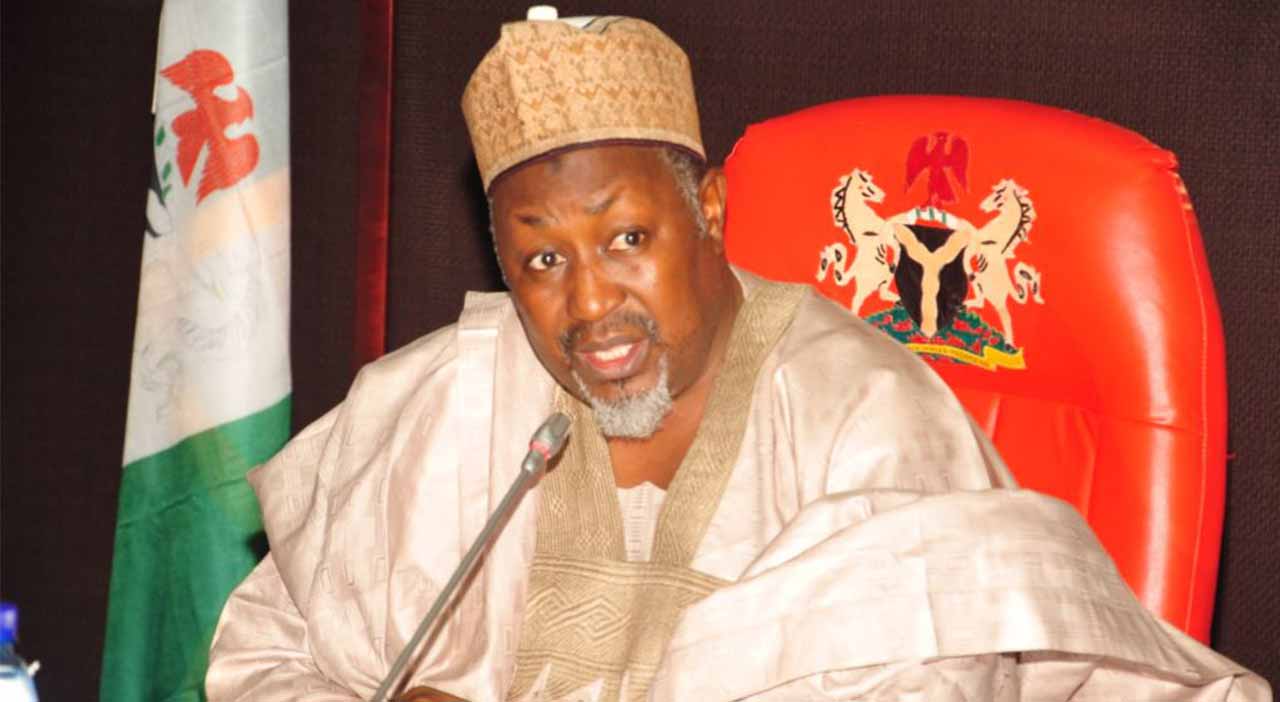
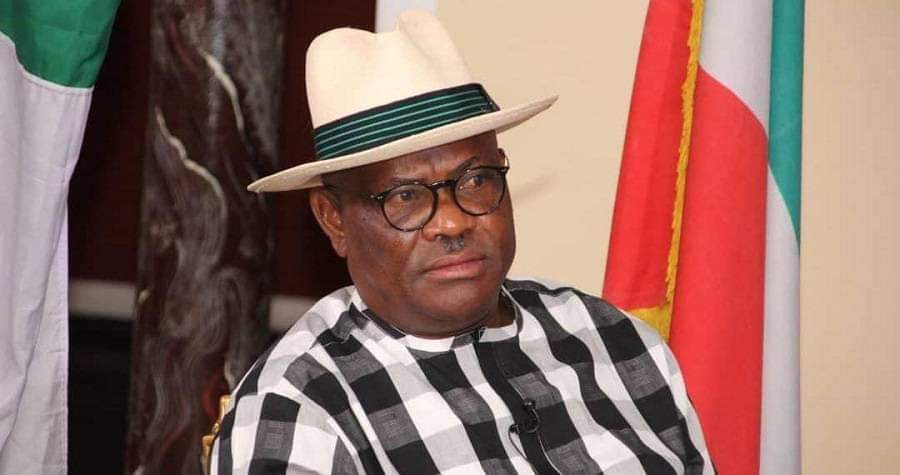
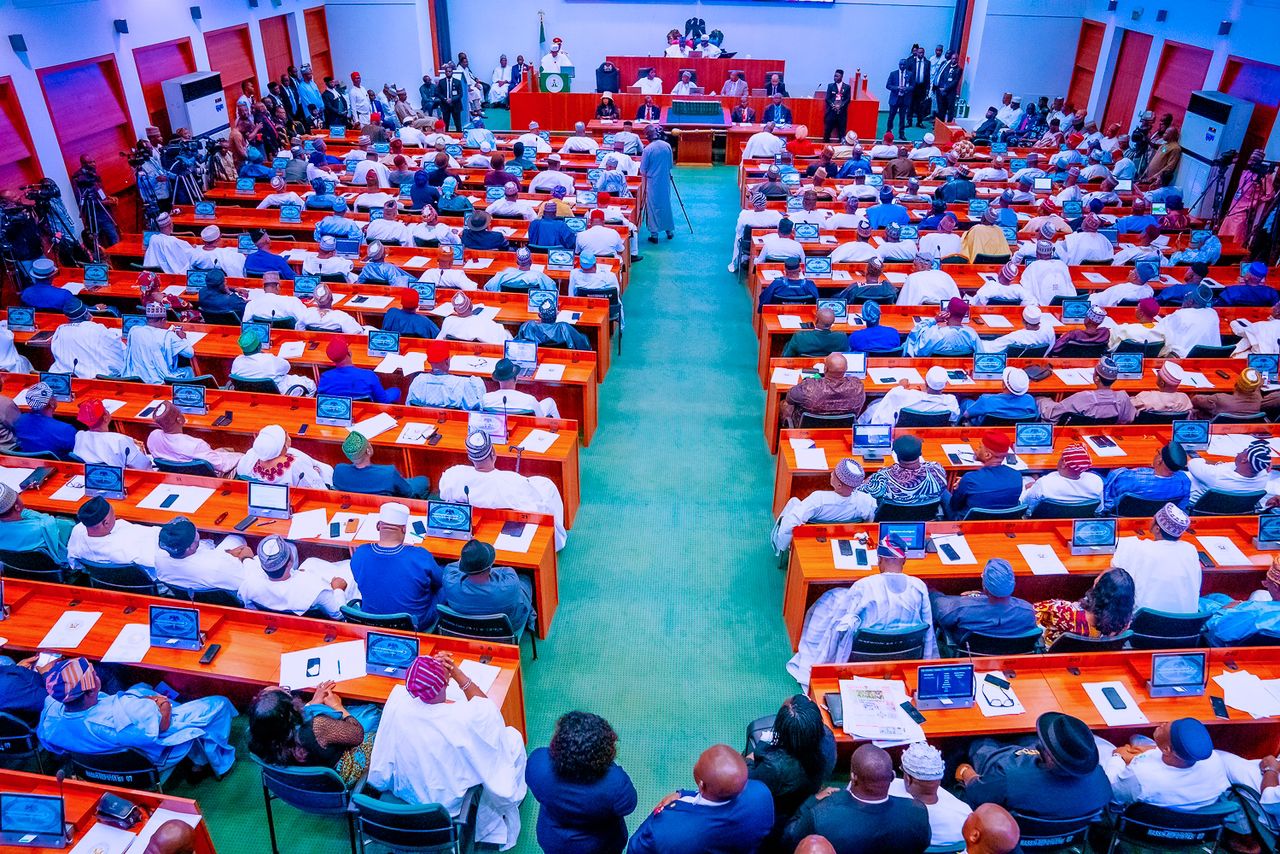
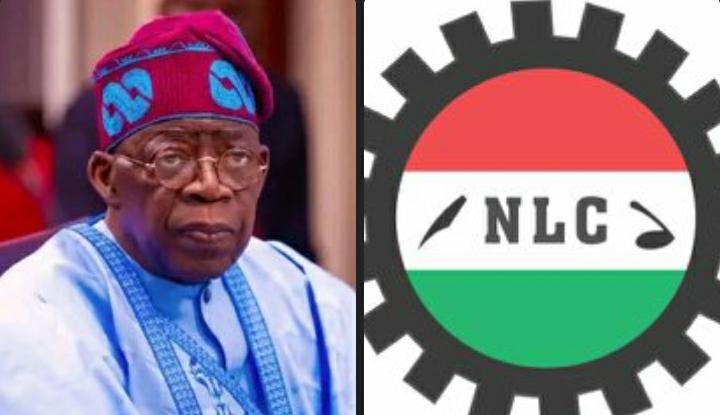
President Bola Ahmed Tinubu

Nigerian Senate receives second list of ministerial nominees for confirmation

By Muhammadu Sabiu 

In a recent development, President Asiwaju Bola Tinubu has forwarded a second list of 19 ministerial nominees to the Nigerian Senate for confirmation. 

The list, presented by Femi Gbajamiabila, Chief of Staff and former Speaker of the House of Representatives, includes notable candidates such as Adegboyega Oyetola, Bosun Tijani, Bello Mattawale, and Dr. Isiak Salako. 

The chamber’s protocols were momentarily put on hold at 3:15 p.m. to accommodate the Chief of Staff’s entrance into the revered Red Chamber. 

Among the other nominees are Sen. Sabi Abdullahi, Dr. Mariam Shetti, Prince Shuaibu Abubakar Audu, and Uba Maigari Ahmadu. 

This comes after the Senate’s reception of the first list earlier this week, which included prominent figures like former Kaduna State governor, Malam Nasiru Ahmad El-Rufai, former Rivers Governor, Nyeson Wike, and health specialist Prof. Ali Pate, among others.

Badaru: APC’s silent achiever

By Ghali Tade

The Former Governor of Jigawa state, Mallam Muhammad Badaru Abubakar, is a distinguished politician in Nigeria’s political space. He is an accountant who applies the knowledge and training of his field of study to politics, which earned him respect that could not be bought. Mallam Badaru, Mai Nasara, as he was addressed by our fathers or Baba Mai Calculator as he is called in Jigawa state, is a personality who understands the need to be God-fearing, honest, transparent, accountable, focused, determined, dedicated, and committed.

How he managed to be what he is today may be surprising to those who do not know him, but we see it as a reflection of the Hausa sayings, “Kyan ɗa ya gaji mahaifinsa & barewa ba ta gudu ɗanta ya yi rarrafe“. I loosely mean he inherited most if not all of his qualities from his parent, a renowned Islamic scholar in his time. These backgrounds have made him see himself as a public servant, not a ruler. A governor who led Jigawa state to a new world with a heart full of passion, compassion, and patriotism.

When I learned that Mai Calculator was leaving office as our governor this year, I worried about who would be like or better than him. Luckily enough, Baba Badaru has handed over power to another copy of Badaru with a workaholic Deputy Governor, Engineer Aminu Usman Gumel.

The present governor of Jigawa state, Mallam Umar Namadi, who served as finance commissioner and deputy governor to Baba Badaru’s administration, is an engine that played a vital role in ensuring that their campaign promises were fulfilled and Badaru succeeded in all sectors. Both Mallam Badaru and Mallam Namadi shared certain things in common. Apart from being the sons of renowned Islamic scholars in the state, they are chartered accountants who performed excellently. They are problem solvers and people concerned about the populace and the best way to sustain the reputation of their families.

Mallam Namadi’s loyalty and zeal to stand firm on justice, fairness, and truthfulness earned him respect and made him the choice of Mallam Badaru and the good people of Jigawa state. The bond between the two state leaders is unbreakable, considering the cement of truth used in building it. I think this is why Mai Calculator’s men are in the new administration serving as commissioners and other roles.

The political twin brothers achieved more than expected of them when they were governor and deputy of Jigawa state. I could vividly recall that in the speech he delivered at a farewell reception in his honour held at Banquet Hall Government House Dutse on Sunday, the 28 May 2023, His Excellency, the Former Governor, Muhammad Badaru Abubakar listed numerous achievements of theirs in different sectors.

Despite inheriting Jigawa State with contractual liabilities of 114 billion naira and all the economic hardships while in power, Mai Calculator left the state with only 711 million naira in debt to pay. Unlike other governors who abandoned the projects of their predecessors, Baba Badaru distinguished himself by completing all inherited projects and focusing on transparency and accountability programmes to ensure the safety of investments.

Recall that ICAN had awarded Jigawa State as the best in Nigeria in Public resources accountability in 2021 and 2022 and the same in Budget transparency. In health, 18 more general hospitals were built to address the needs of the citizens in healthcare services. When he came on board, there were only 12, but he amplified them to 30. Also, three specialist hospitals and one orthopaedic hospital were established. Still on health, the people’s governor provided one comprehensive Health centre in every electoral ward of the state.

The number of hospitals on 24 hrs services increased, addressing the infant mortality rate.

In infrastructure, all the ongoing 700 kilometres of rural roads inherited were completed. Five thousand two hundred seventy-eight hand pumps have been repaired in water resources, 7792 solar water schemes were constructed, and 3500 PHC latrines were built, making Jigawa  State open defecation free. These efforts earned Jigawa number four in safe drinking water in Nigeria and number one in the entire Northern region.

On the other hand, Baba Mai Calculator’s administration witnessed massive federal government projects in the state. Beginning with the power sector, first time in 20 years, the Gagarawa power station project was completed and commissioned under the administration of Former President Muhammadu Buhari. Buhari also awarded four substations in Gwaram, Kazaure, Babura, and Birnin Kudu.

It could be recalled that 164,000 families enjoyed #5,000 monthly stipends from the federal government. This is in addition to feeding a million pupils, which created jobs for 9,200 vendors. My state benefited from Trader Monie, GEEP, Npower, Anchor Borrowers, and other human capital development projects.

On FG’s road projects, the Dutse to Kano, Kano – Danbatta – Kazaure – Gwiwa – Daura – Katsina to Niger Republic roads are practical and visible development. Another road that I will never forget is Kwanar Dimawa- Kanya Babba- Ɓaɓura-Baban mutum road.

I vividly remember Former President Muhammadu Buhari was in Jigawa in 2018 to flag off Hadejia Valley Irrigation Scheme. Joyfully, he returned to the state to commission the same project after completing its rehabilitation and expansion. The project, an irrigational land of 5,700 hectares, currently provides jobs, food, and economic diversification.

Let me openly state that these are just a few blessings Jigawa state got from Baba Mai Calculator and Baba Buhari’s administrations.

What are Badaru’s contributions to APC and the emergence of President Tinubu?

Alhaji Muhammad Badaru Abubakar was the first governor to win from an opposition despite the PDP having control of Jigawa and Nigeria in 2015. His emergence as Jigawa’s governor laid a solid foundation for APC, attracting thousands of loyalists of other parties to APC.

As an APC Leader in governors’ primaries and general elections in some states like  Ondo, Ekiti, Imo, and Bayelsa, Baba Badaru performed wonderfully well. This has made APC stronger in these states; many votes were pulled from them in the last three elections.

Under his watch as Northern Nigeria’s coordinator for Tinubu’s campaign organisation, higher votes were got from his zone -North West with over two million and six hundred thousand in presidential elections. The dedication and determination of Mai Calculator and other APC stalwarts gave President Tinubu more votes from the north-west than the south-west.

Baba Badaru has dedicated his time, energy, and resources to fighting all the propaganda by negative minds on President Bola Ahmed Tinubu. As someone who comes from the same discipline as the President, Badaru is well-informed about the leadership qualities of Jagaban. These qualities were unknown by some people in the North. Hence enemies tried to paint him black but to no avail.

There was a time when the Former Jigawa State Governor, Muhammad Badaru Abubakar, refuted insinuations that the APC Presidential candidate, Ahmad Bola Tinubu, would be a Southern President if he won the election. He assured the presidential candidate’s antecedents indicate he is not a betrayer.

Abubakar, who spoke in Kano during an APC Presidential Candidate meeting with the Muslim Ullamas from Northwestern Nigeria, said all Bola antecedents vindicate him as a non-ethnic and religious bigot”. He even added that everything Bola Tinubu has done in his presidential aspiration, he has done it with the full participation of Badaru, Ganduje, and Nuhu Ribadu, people who are known for their nationalistic outlook.

He stressed that every stakeholder in the Nigerian project chose Bola Tinubu. Talking about his mental health and his fitness, our recent visits to Mecca on Ummara, where Tinubu walked miles without joining a car and his performance of Rituals of Tawaf and Saai shows that he is not only healthy but mentally alert on issues”, Mai Calculator explained.

In summary, Mallam Muhammad Badaru Abubakar is a blessing to Jigawa state, APC, and Nigeria at large. Jigawa is lucky to have an accountant as a President of the Federal Republic of Nigeria, an accountant as a Governor, and an accountant hoping to be a minister representing the state at the Federal Executive Council. 

Badaru is indeed an APC’s Silent Achiever!

Ghali Tade writes from Ɓaɓura, Jigawa state. He can be reached via tadebusinessr@gmail.com.
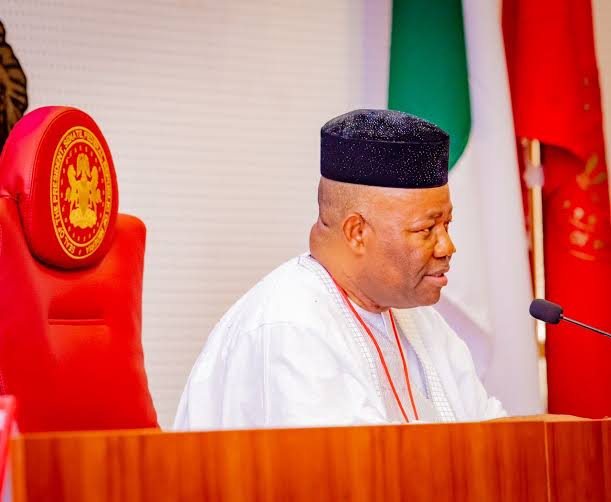
Wike confirmed as minister

By Muhammadu Sabiu 

The Nigerian Senate on Monday confirmed the immediate ex-governor of Rivers State, Nyesom Wike, as a minister. 

Wike, after reeling out his Curriculum Vitae and achievements, noted that his passion for Nigeria propelled him to accept the ministerial offer. 

He was quoted as saying, “I accepted the offer to serve as a minister because of my passion to serve Nigeria.” 

During the screening, the lawmaker representing River State, represented by Senator Barinada Mpigi (PDP, Rivers Southeast), said that he was the best in the state. 

He said, “His Excellency former Governor Nyesom Wike is our best in Rivers State. He is our leader and role model. 

As of the time of filing this report, there was no information about the ministry Mr. Wike is expected to lead.

On Tinubu’s “Renewed Hope” and the challenges faced in Nigeria

By Muhammad Sagir Bauchi

John Maynard Keynes was an economist who lived in the 1930s. He developed macroeconomic ideas parallel to the classical school of economics that believe in absolute economic freedom, which needs no government intervention to stabilise an economy when it’s disequilibrium.

The classical school ideas were centred around economic growth and freedom. During the 1930s great depression, many Western policymakers were proponents of classical schools. They believed that the economic downturn would be corrected by less government intervention (deregulation) in the economy and by encouraging businesses and investors to take advantage of the lower input and prices to pursue their businesses-interest.

In that regard, it would return output and prices to equilibrium. But to Keynes, the economic meltdown proved the classical notion flawed and needs rejigged. As there was low output corresponded with a high rate of unemployment and price instability. These inspired Keynes to think differently, which led him to develop the macroeconomic ideas that, according to him, represent the reality of economic downturn.

Keynes advocates for government intervention during an economic meltdown through spending, which will create jobs to stimulate more demand in the face of the economic slump, restoring the economy to equilibrium and not allowing businesses and investors to determine the fate of the economy. Although this theory is practicalised and in constant play in a capitalist model of the economy, it has the major implication of pushing the government to excessive borrowing to spend, making it a constant state of indebtedness without an end in sight. These formed the basis of Keynes’s famous quote, “In the long run, we are all dead”.

In Nigeria, the previous administration of President Muhammadu Buhari succeeded in administering poor economic policies, which plunged the economy into a slumpy state. Despite his huge spending, his utopian economic policies yielded close to zero positive results. Likewise, his border closure policy enriched a few local intensive rice farmers and deprived millions of their cross-border businesses. Even as the local farmers could not bridge the demand gap in rice production, he blocked major rice importers from bridging the gap.

No thanks to his performance in transportation and insecurity, where major roads in some parts of the country were constructed/renovated, while other populated regions were neglected, railways began to function. On the security side, fewer successes were recorded in the fight against secessionists, banditry and kidnappings, thus leaving some regions at the mercy of bandits, kidnappers and IPOB terrorists. Although, a remarkable success was recorded in the fight against Boko Haram terrorists.

Inflation, insecurity, communal clashes, unemployment, epileptic labour strike and high cost of living became the hallmark of the last administration, borne out of poor economic policies.

Tinubu, Renewed Hope and New Nigeria

In his effort to correct the economic sufferings caused by the wayward policies of the previous administration, President Bola Ahmed Tinubu is trying to implement economic policies that have long-term impacts. This has started with subsidy removal on some essential goods and services, more government spending, the introduction of students loan, unification of exchange rates, suspension of taxes on some commodities and services,  and others. These and many more policies are classical economic policies that have long-run positive impacts on the economy. In the long run, the downturn would be corrected, and the hardworking would have something to take home.

During his inauguration, President Bola Ahmed Tinubu announced the removal of subsidies on petroleum products. Without a doubt, the subsidy is a heavy burden to Nigeria’s economy, which few exploit to their advantage. Due to the problematic nature of the subsidy scheme, almost all the previous democratic presidents had promised to remove it at a time, for the same reasons that it has become a burden to the state, it is riddled with corruption, and only a few are enjoying it at the expense of the state, leaving the majority with negative consequences.

The country is entangled in a constant state of borrowing to finance the subsidy payment, which hinders it from funds to finance major infrastructural projects, social welfare programs and reforming the security sector to a variant capable of meeting these modern-day challenges. Therefore, if the subsidy scheme is abolished, funds will be available to finance all the critical sectors. If it can be done honestly and transparently, it is a legitimate cause worthy of support and sacrifice, but corruption in all levers of governance is what makes one sceptical of the government’s commitment to transparency and accountability in governance and its sincerity in abolishing the subsidy.

However, looking at the current state of the nation’s economy, petroleum subsidy is the only guaranteed general state welfare that will be enjoyed by all and has a general impact on the whole population. It directly links to transportation, manufacturing, energy, school fees, foodstuff prices, services and many more necessities. Any slight impact on the prices of petroleum products leads to inflation, a hike in transport fees, job cuts and high unemployment prospects.

Subsidy Against Subsidy Removal:

According to reports, the government has proposed a monthly N8000 allowance to be shared with 12 million households in the country for six months. Additionally, One Hundred Billion is marked for road construction, several billion for the judiciary, Seventy Billion for the national legislative welfare, and Eighteen Billion for agriculture. These are proposed as remedies to cushion the effect of petroleum products subsidy removal for the time being. No doubt, there are clear misplacements of priorities in this proposal.

If the policymakers are honest to cushion the effect of the subsidy removal, the agricultural sector is the most critical sector that needs urgent intervention to create windows that would encourage farmers to access soft loans, low-cost hybrid seeds, subsidised chemicals and fertilisers, and other farming implements. This would allow them the plant with ease; as such, the multiplier effects would be: the availability of food products in the market and the moderate prices of food items due to the subsidised mechanisms that farmers enjoyed. This would have a real positive impact on the common man’s life. But giving out Eight Thousand Naira to 12 million families could only cushion the immediate impact, exposing them to more suffering and an uncertain long-term future.

Now, let us examine the palliative distribution formula according to regions as reported; if numbers are anything to go by in governance, the majority must have his way, while the minority can have a say. If this is true, one will find it difficult to understand the rationale behind giving out 57% of N500bn to the South West Region of 47 Million people at the expense of the North West, a region with a stunning population of over 49 Million which was given only 4% out of that total amount. If population matters in the distribution of wealth, then there is an undeniable discrepancy here.

What is more alarming and unbalanced is how the Northeast region is almost left out of this allocation, even with its unprecedented challenges in social, political and economic destruction by Boko Haram insurgency, high poverty index and outrageous numbers of out-of-school children, it was reported that only 1% of that N500Billion is allocated to the region. This region comprises six states, with a population of 26 million and millions of internally displaced persons (IDPs) from within and neighbouring regions.

Frankly, I don’t want to believe that this administration has started on the wrong footing, with a preference for nepotism and sectionalism in the administration of appointments and lopsided distribution of the country’s wealth in this critical economic period. I hope President Tinubu will work hard to change this narrative and give hope to a renewed Nigeria.

This is a clear indication that some parts of the country will continue to be preferred over others by the present administration, even that fortnight, it was the primary beneficiary of the immediate administration of a Northerner, a president who mysteriously supervised the underdevelopment of his region to developed other regions economic future.

Muhammad Sagir Bauchi wrote via ibrahimsagir1227@gmail.com.

Official: President Tinubu releases ministerial list

By Abdurrahman Muhammad

President Tinubu has submitted a list of 28 individuals to the Senate for screening and confirmation as ministerial nominees. These are:

ABUBAKAR MOMOH

YUSUF MAITAMA

Umar Dangiwa

Hannatu MUSAWA

UCHE NNAJI

BETA EDU

DORIS ANIETE UZOAKA

DAVID UMAHI

EZENWO WIKE

MOHAMMED BADARU ABUBAKAR

NASIL EL RUFAI

EKPERIKPE EKPO

NKIRU ONYEJEOCHA

OLUBUNMI TUNJI OJO

STELLA OKOTETE UJU

KENNEDY OHANEYE

BELLO MOHAMMED GORONYO

DELE ALAKE

LATEEF FAGBEMI

MOHAMMED IDRIS

OLAWALE EDUN

WAHEED ADEBAYO ADELABU

IMAAN SULEIMAN IBRAHIM

PROF ALI PATE

JOSEPH OTSEN

SEN. ABUBAKAR KYARI

SEN JOHN ENO

SEN SANI ABUBAKAR

The list was submitted Thursday afternoon by Femi GBajabiamila, the Chief of Staff, to President Bola Tinubu.

FG begs NLC to shelve planned strike over fuel subsidy

By Uzair Adam Imam

The Federal Government has appealed to the Nigerian Labour Congress (NLC) to shelve its planned strike over fuel subsidy removal.

The FG said it was doing everything possible to address issues raised by the congress, which threatened to embark on a nationwide strike in August.

The Daily Reality reports that the Congress Spokesperson, Ben Upah, made this disclosure on Wednesday, adding that they give seven days to the federal government to address the demand.

Speaking after the Steering Committee meeting on Palliatives, Olu Verheijen, the leader of the government team and Special Adviser to the President on Energy, pleaded with labour to give the federal government more time to look into its grievances rather than embark on industrial action.

She explained that the government was yet to roll out palliatives because it didn’t want to make mistakes, adding that the meeting with organised labour was productive and would continue tomorrow.

Asked about the agenda of the meeting, she said: “It involves labour and some parts of government; it’s a steering committee. it’s a wide group of people, a wide group of stakeholders representing the interests of Nigerians. And we’ve agreed to continue to make progress.

“It was a very productive meeting, the focus was really around how we fast-track a lot of the interventions that will bring relief, particularly around CNG, mass transportation, cleaner energy, transportation, and reduce the impact of the cost of transportation, the increased cost of transportation. So we’ve made good progress. And we’re going to continue to do so and so that we can start rolling out these opportunities and these relief measures as quickly as possible.”

Asked if Labour will not embark on strike as threatened, she said: “The labour unions will speak to that. But we are making progress; we’re trying to address the issues that will prevent a strike. So that is essentially why I feel we made very good progress today and will continue to do so.”

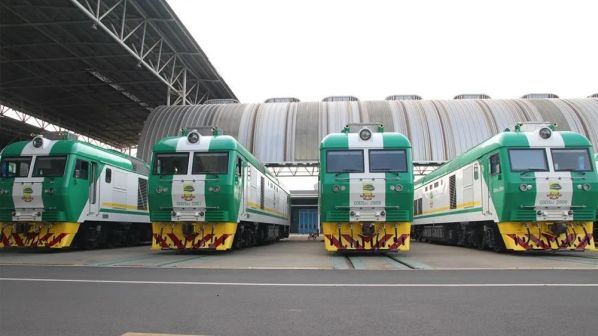
Railway: A panacea for subsidy removal in Nigeria

By Tajuddeen Ahmad Tijjani

President Asiwaju Bola Ahmed Tinubu announced the end of subsidy in Nigeria in his inauguration speech on May 29, 2023, at Eagle Square, emphasising that there is no provision for it in the 2023 appropriation. However, these have no doubt brought untold hardship to average Nigerians. Though experts agree that these, among others, are the sacrifices we must make for the country to move forward, I agree with the belief that subsidies can no longer justify their ever-increasing costs in the wake of drying resources.

Thus, the sum of N500 billion has been extracted from the supplementary budget of N819 billion for the provision of palliative care by the President. Even though it raised much concern among Nigerians, looking at how unpatriotic elements within misused or abused all palliative ranging from covid-19 etc., by the previous administration, sadly, no one was punished for the infraction.

Rail transportation is a viable option that, if considered, will often be a potential solution for reducing the untold hardship presently experienced by the populace. However, it has the potential to be more cost-effective and sustainable, considering current circumstances. It would indeed give more life to our road pavement; most trucks that too often damage our roads would be off the road.

Indeed, one of the main advantages of rail transportation is its ability to transport large numbers of passengers or goods in a single trip. Yet it also has a higher capacity compared to other modes of transportation. This efficiency can no doubt help reduce the present unfortunate hardship. It’s, however, among the intentions of the President to channel the resources to infrastructure in the country. Again, the cost of commodities will drastically reduce, especially in transporting perishable from one location to another. 

The majority, or perhaps 90 per cent, of Nigerians, can’t even talk about saving when we’re all struggling desperately to survive in the face of merciless inflation that is, sadly, rapidly worsening every day. Inflation too often wipes off the little we earn to keep the wolf from the door. To me, hardship encourages corruption in all aspects. Perhaps the government is not aware of this precarious situation. Or maybe it looks the other way around. Indeed, this is not what we bargain with the government by entrusting it with our votes. 

Therefore, I call on the government to do the needful in short-term and long-term solutions. At the same time, the short term should be mass subsidising urban and rural transportation by both the three tiers of government. 

Tajuddeen Ahmad Tijjani writes from Galadima Mahmoud Street, Kasuwar-Kaji Azare, Bauchi State.

Embattled Emefiele arrives court for trial

By Ahmad Deedat Zakari

The suspended governor of the Central Bank of Nigeria, Godwin Emefiele, has arrived at the Federal High Court sitting in Lagos for trial. 

The former apex bank boss arrived at the court premises around 9:20 am for trial on the allegations of unlawful possession of firearms. 

He is to stand trial on two counts charge of possessing a single-barrel shotgun (JOJEFF MAGNUM 8371) without a license.

Trouble began for Emefiele on June 9th, when he was suspended by President Bola Ahmad Tinubu to allow investigations into his activities as governor of the apex bank. 

Emefiele was arrested upon his suspension and has been in the custody of the Nigerian secret police since June.

Embracing a hybrid mode of working in Nigeria amidst fuel subsidy removal

By Salisu Uba, PhD FCIPS

Nigeria has witnessed yet another transition in government after eight years of the previous administration. In his inaugural address, the newly sworn-in President, Bola Ahmed Tinubu, announced a ground-breaking policy decision to alleviate strain on the government’s finances. He declared the end of the long-standing subsidy on petroleum products, proclaiming, “Fuel subsidy is gone.” While addressing economic challenges, this decision will increase petrol prices and potentially impact other price points. The removal of the subsidy marks a crucial shift. It paves the way for the integration of hybrid and remote working, which holds the potential to positively impact Nigeria’s workforce, productivity, and work-life balance, among other aspects.

Removing the subsidy and transportation and commuting challenges can transform the work landscape in several significant ways. These changes can create opportunities for increased flexibility, renewable energy investment, on-demand workspaces, startups with affordable internet connectivity solutions, and the decentralisation of government ministries and departments away from the centralised Abuja city.

Flexible working, hybrid working, and remote working have emerged as popular modern work arrangements in recent years. Flexible working allows employees to exert some degree of control over their working hours, location, and work structure. It provides the flexibility needed to accommodate individual preferences and needs. Hybrid working combines elements of both office-based work and remote work, enabling employees to split their time between the physical office and remote locations. On the other hand, remote working involves working outside the traditional office environment, often from home or any other external location.

The genesis of these work arrangements can be attributed to various factors. Technological advancements, particularly the widespread availability of high-speed internet, have revolutionised how employees stay connected and collaborate remotely. This technological progress has facilitated the seamless integration of remote work into everyday business operations. The growing demand for work-life balance, increased autonomy, and the pursuit of enhanced productivity and job satisfaction have contributed to the rise of flexible, hybrid, and remote working.

The fundamental distinction between these modern work arrangements and traditional working lies in the level of flexibility and location independence they provide. Traditional working typically adheres to fixed working hours and mandates physical presence in the office for the majority of the workweek. In contrast, flexible, hybrid, and remote working empowers employees with the freedom to choose when and where they work, enabling them to manage both personal and professional responsibilities effectively. 

Since the onset of COVID-19, numerous companies and governments worldwide have embraced hybrid working. With the rising cost of petrol due to the subsidy removal, companies may find increased incentives to adopt more flexible work arrangements. Hybrid and remote working options enable employees to reduce their reliance on commuting, resulting in cost savings and a superior work-life balance. This shift towards flexible work arrangements can potentially increase employee productivity and job satisfaction.

The lack of infrastructure to support remote and hybrid working may raise concerns. However, this challenge should foster innovative thinking and serve as a catalyst for increased investment in renewable energy sources. Nigeria, endowed with abundant renewable energy potential, particularly solar and wind, can leverage this opportunity to diversify its energy mix. By promoting renewable energy infrastructure and technologies, Nigeria can create new job opportunities, reduce dependency on imported fossil fuels, and contribute to global sustainability efforts.

The infrastructure challenges associated with commuting and transportation to offices necessitate the growth of on-demand workspace providers and startups offering innovative solutions. These providers can establish affordable and convenient coworking spaces and shared offices in strategically decentralised locations, catering to the needs of professionals and government workers seeking alternatives to traditional office setups. This trend can encourage entrepreneurship, collaboration, and the development of vibrant startup ecosystems across Nigeria.

Access to reliable and affordable internet connectivity becomes crucial for the changing work landscape. The government and private sector should prioritise investments in broadband infrastructure to ensure widespread access to high-speed internet in urban and rural areas. Affordable internet connectivity can empower remote workers, entrepreneurs, and startups to thrive, promoting digital inclusion and fostering economic growth.

To streamline government operations and mitigate transportation challenges, decentralisation of offices is necessary. Removing the subsidy can serve as a catalyst for decentralising government ministries and departments away from Abuja City. This effort can involve establishing regional offices and administrative centres in different parts of the country, leading to increased accessibility to government services, better coordination with local communities, and the equitable distribution of resources and opportunities.

The future of work in Nigeria presents a ripe opportunity for shaping and thinking differently. The concept of hybrid and remote working has gained significant traction, and with the removal of the subsidy, the traditional work landscape should undergo a paradigm shift. Organisations must reconsider their operational strategies, leading to the rise of hybrid and remote working models. This transformative shift can potentially reshape the Nigerian work culture and enhance overall productivity.

Hybrid and remote working offer numerous benefits to Nigerian employees, such as eliminating the need for daily commuting, saving valuable time, and reducing the stress associated with traffic congestion. Additionally, working from home provides a more relaxed environment, allowing employees to customise their workspace and tailor it to their specific needs. This flexibility enhances work-life balance, fosters a sense of autonomy, and can even improve job satisfaction.

Contrary to conventional beliefs, hybrid and remote working can significantly boost productivity. Employees working remotely often experience fewer interruptions, resulting in increased focus and efficiency. Furthermore, the absence of a rigid office environment allows individuals to structure their day according to their natural productivity cycles, leading to better time management and enhanced output.

Forward-thinking Nigerian employers should embrace hybrid and remote working to remain competitive and attract top talent. By offering flexible work arrangements, companies can tap into a wider pool of candidates from different geographic regions. This allows for diversity in skillsets, perspectives, and experiences, ultimately fostering innovation and driving business growth.

While hybrid and remote working present numerous advantages, they also come with unique challenges that must be addressed. Reliable internet connectivity is crucial for effective remote work, and the government should invest in infrastructure development to ensure widespread access to high-speed internet across the country. Employers must also establish clear communication channels and implement robust remote work policies to maintain collaboration and cohesion among team members.

The removal of the subsidy and the adoption of hybrid and remote working have the potential to stimulate Nigeria’s economy. By reducing transportation costs, employees can allocate their savings towards other essential expenditures, thereby increasing consumer spending. This shift can open doors to new employment opportunities and increase workforce participation, benefiting both individuals and the economy as a whole.

The integration of hybrid and remote working into Nigeria’s workforce is an exciting prospect for the future. As technology continues to advance and businesses adapt, the concept of traditional office-based work may become less dominant. The government, private sector, and individuals must collaborate to create a supportive ecosystem that fosters innovation, provides training in remote work skills, and ensures equitable access to opportunities.

In conclusion, the removal of the subsidy in Nigeria must catalyse the adoption of hybrid and remote working, which offers numerous benefits for employees, employers, and the economy. By embracing this new working model, Nigeria can unlock the potential for enhanced productivity, improved work-life balance, and increased economic growth. Stakeholders must work together to address challenges and create an enabling environment that promotes the successful integration of hybrid and remote working into the fabric of Nigerian society.

Dr Salisu Uba, PhD FCIPS, writes from the United Kingdom.

Contact information LinkedIn https://www.linkedin.com/in/salisuuba/

₦‎8000 palliatives: Tinubu should not repeat Buhari’s mistakes

By Kasim Isa Muhammad

I was quite gobsmacked when I came across the news that President Bola Ahmed Tinubu plans to compassionately alleviate the burden of subsidy removal on 12 million impoverished households by providing them with a meagre sum of N8000 for a period of six months. Initially, I had to rub my eyes in scepticism, questioning the authenticity of what I had just read. However, to my surprise, it appears that numerous media outlets have indeed reported this astonishing news.

Struggling to recover from what I scanned earlier, I stumbled upon a startling piece of news that left me exceedingly in complete disbelief. The gravity of the situation rendered me speechless for several minutes as I pondered the implications for the future of our country. Now, dear reader, I sense your anticipation to learn what I read. Brace yourself, for I came across an incredibly disturbing article in The Sun newspaper last Saturday.

In the midst of the unprecedented sufferings experienced by our nation, it was reported that the Senate and House of Representatives are planning to allocate a staggering N40 billion for the purchase of vehicles intended solely for the lawmakers inhabiting the Red and Green Chambers of the National Assembly.

The report further disclosed that a mind-boggling number of vehicles would be procured: precisely 107 units of the 2023 model of the Toyota Landcruiser for the Senate and an astounding 358 units of the 2023 model of the Toyota Prado for the House of Representatives.

Of course, this disclosure left me contemplating the priorities of our elected representatives and the ostensibly vast disconnect between their actions and the dire needs of our nation. As our country wrestles with countless challenges and its citizens endure untold encumbrances, it is disheartening to witness such extravagant expenditures.

The immense amount of funds allotted for luxury vehicles raises valid concerns in my mind about the judicious utilization of our collective wealth and the overall commitment of our lawmakers to serve the people’s best interests.

It is at moments like these that one cannot help but question the future trajectory of our country. The glaring contrast between the exorbitant spending on lavish vehicles and the pressing issues that demand urgent attention sends a disconcerting message about the priorities of our leaders. As a concerned citizen, I cannot help but wonder if there are better ways to allocate these funds and address the genuine needs and aspirations of our nation.

However, let me not dwell excessively on the shenanigans of our lawmakers, for Nigeria is a country that never ceases to stun with its myriad shocks and surprises.

My dear reader, allow me to transport you back to the discussion surrounding Tinubu’s poverty alleviation scheme. It is frankly baffling to comprehend how a mere 8K could possibly ameliorate the devastating impact of fuel subsidy removal in a country where people are already burdened with exorbitant prices for essential food commodities.

The current petrol pump price alone stands at nothing less than N500, and the cost of education in our public universities has experienced a drastic surge. In light of these distressing circumstances, one cannot help but reflect upon the efficacy of allocating a slavish sum of 8K to 12 million poor Nigerians over a period of six months.

Perhaps it is necessary to remind our leaders, as it seems they may have forgotten, that according to the National Bureau of Statistics (NBS), an overwhelming 84 million Nigerians are currently trapped in the clutches of extreme poverty, surviving on less than $1.9 per day. Instead of actively seeking lasting solutions to the multitude of challenges that plague us, it appears that Tinubu’s administration is perilously poised to repeat the mistakes of previous administrations.

We are all aware that the last government under former President Muhammadu Buhari implemented innumerable poverty mitigation programs, such as N-power, Survival Funds, and the National Youth Investment Fund (NYIF). However, it is worth questioning whether these initiatives have really succeeded in alleviating the pervasive poverty that plagues our country.

Similarly, the Nigerian Economic Summit Group (NESG) has also projected a distressing tide in unemployment, estimating it to reach a startling breathtaking 37 per cent this year. Is the N500 Billion not truly sufficient to empower our youth with viable and veritable skills?

Regrettably, it seems that our leaders have lost their ability to listen and empathize with the very people who entrusted them with power. Instead of prioritizing the well-being of those who elected them into office, they have chosen to inflict unnecessary hardships, seemingly oblivious to the devastating impact of their policies.

To illustrate, allow me, my admirable readers, to outline what N500 Billion can potentially achieve for our country.

First and foremost, education must be prioritized as it is essential for any nation’s progress. In Nigeria, the situation regarding education is particularly concerning.

According to a UNESCO report in 2023, approximately 20 million Nigerians, which accounts for 20 per cent of the country’s population, are not enrolled in school. This figure exceeds the total population of several African countries. In my opinion, by utilizing N500 Billion to build and renovate schools in both rural and urban areas, we can significantly reduce the number of out-of-school children in the country.

Furthermore, agriculture, being a vital sector of our economy, faces insurmountable challenges. By allocating a substantial portion of these funds to the agricultural sector, we can provide our farmers with adequate and affordable fertilizers, thereby enhancing the agricultural industry.

To incredibly uplift Nigeria, it is vital to focus on promoting rural infrastructure. By wisely directing the funds towards initiatives such as improving rural roads, ensuring a reliable electricity supply, and establishing cold storage facilities, we can also address issues of poor management, facilitate transportation of agricultural produce, and foster overall economic development in rural areas.

Additionally, our public universities are currently battling with insufficient funding, making education increasingly unaffordable for children from economically disadvantaged backgrounds. Will N500 Billion be sufficient to revamp many of these universities and address the pressing needs of students?

Finally, I would like to take this opportunity to address our esteemed President, Bola Ahmed Tinubu. Nigerians have high expectations of you, Mr President, as we believe you possess valuable insights into the economy. We eagerly anticipate your visionary ideas and urge you to wear your thinking cap. It may be early to pass judgment, but please do not disappoint us.

Kasim Isa Muhammad is an investigative journalist who contributes as a full-time journalist at both Neptune Prime and The Citizen Reports newspapers.