President Bola Ahmed Tinubu

Kwankwaso’s move to APC: a Trojan horse that could destroy Tinubu’s 2027 dreams

By Abdurrahman Musa

As political fireworks ignite across Nigeria ahead of the 2027 general elections, one looming move threatens to shake the very foundations of the ruling All Progressives Congress (APC): the speculated defection of Senator Rabiu Musa Kwankwaso—former Kano State Governor and NNPP national leader.

To some within the APC ranks, welcoming Kwankwaso appears to be a masterstroke, but others are warning because, his entry could ignite a political inferno that burns the APC’s fragile peace in Kano, upends Tinubu’s re-election ambitions, and hands the opposition [which he might later join] a golden ticket to power.

Here is why:

Kano could explode as a factional earthquake looms

It is a known fact that Kwankwaso is no ordinary politician. He is a master strategist who always thinks for himself and what would favour him. Therefore, for him to join the APC, people should know that he will not just come with followers—he commands a powerful political cult – the fiery Kwankwasiyya movement that stands in direct confrontation with the Ganduje-led APC structure in Kano. Welcoming him is like inviting a hurricane into a house of cards. The party risks a full-blown internal war, splintering into rival factions, parallel commands, and electoral sabotage that could spell doom in 2027. APC’s strength in the North’s largest voting bloc may shatter into chaos.

Collapsing NNPP could be the PDP’s resurrection.

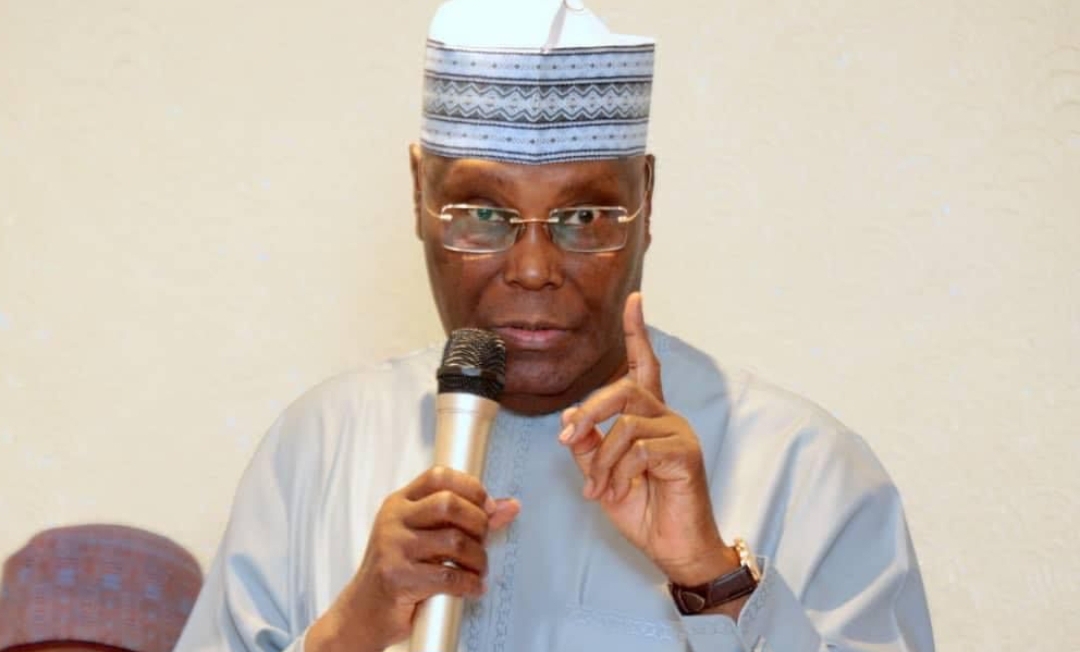
They said politics is a game of chess. When you think in a rush and make a wrong move, you woefully lose the game. Here’s the twist: dissolving the NNPP doesn’t automatically benefit the APC. In fact, it might just revive the PDP from the political coma. Kwankwaso’s defection could enrage his loyal base, pushing them straight into the waiting arms of Alhaji Atiku Abubakar and the PDP.

Mr President, do you remember 2023? The fragmented opposition in the North gifted Tinubu an edge. Destroy that balance and the pendulum swings possibly against you. Therefore, a fractured NNPP doesn’t guarantee APC victory—it may instead restore Atiku’s Northern stronghold.

A clash of presidential titans between President Tinubu vs. Senator Kwankwaso

Let us be honest—Kwankwaso isn’t joining to play a backup singer. His presidential ambition is loud, clear, and relentless. He might demand a Tinubu-Kwankwaso 2027 ticket or insist on a powerful stake in the party. If denied, he could turn against the APC from within—just like in 2019, when he was accused of deliberately undermining Atiku’s campaign in Kano while funneling resources into his gubernatorial candidate. If welcomed, Kwankwaso could shake the APC from the inside. If sidelined, he could sabotage it. History could repeat itself – this time inside the APC.

Kano youths might revolt against you

History has shown that youths are the vanguard of Kano politics. They are the ones that win you election. Currently, the streets of Kano pulse with the energy of Kwankwasiyya youth. Integrating them into the APC is not a handshake—it’s a negotiation with a volatile base. Mismanage it, and the backlash could be swift: boycotts, protests, or backing a rival candidate. The APC risks alienating the very people who once delivered it millions of votes. One misstep, the youth quake could be catastrophic.

Ganduje is the pillar—don’t shake it

In my own opinion, instead of importing instability, the APC should solidify Ganduje’s party leadership and Kano political camp. It guarantees a winning formula. Furthermore, consolidate strategic allies like Senator Barau Jibrin from Kano North and Senator Kawu Sumaila from Kano South, this offers a more convincing future and gradually win over NNPP supporters. With this, APC can present a united, formidable front—without the drama.

The ball is in your court, Mr President

Mr President, the choice is yours—so are the consequences This is no time for political gambling. The illusion of short-term gains from the Kwankwaso’s defection may cost you the presidency itself. The NNPP’s demise must not become PDP’s rebirth. The APC must learn from the PDP’s collapse—a tale of chaotic mergers and unchecked egos, in which Kwankwaso played a starring role. The hunger for Kwankwaso’s two million Kano votes is strong—but deceptive. It’s a honey trap. What looks like a prize could become a poison pill that wrecks the APC from within and opens the floodgates for a PDP resurgence.

Mr President, it’s your turn: “Emilokan“. But only if you don’t blow it. Listen to Kano. Consult the real stakeholders. Do not gamble away your second chance on a political wild card with a history of wrecking alliances from within. This is not just a political move—it’s a potential crisis in the making. Mr President don’t repeat PDP’s mistake. The voice of reason is calling. Will you listen?

Abdurrahman Musa writes from Kano. He’s a political analyst and APC stakeholder.

Scorecard: What ONSA, DSS, EFCC, others won, lost in 2024

By Haroon Aremu Abiodun

Despite the turbulence of 2024, Nigeria’s intelligence and anti-graft agencies recorded significant achievements. The Department of State Services (DSS), National Intelligence Agency (NIA), Office of the National Security Adviser (ONSA), and anti-corruption bodies like the Economic and Financial Crimes Commission (EFCC) and the Independent Corrupt Practices Commission (ICPC) made notable strides in combating corruption, safeguarding national security, and upholding the rule of law.

However, Emergency Digest reports that pressing challenges persist within these institutions, threatening sustained progress and credibility. This report delves into landmark achievements, systemic lapses, and broader implications for national security, highlighting the contributions of the NSA and other agencies such as the ICPC, DSS, and NIA.

EFCC: Wins Amid Controversies

Under Olukoyede’s leadership, the EFCC made impressive progress in tackling financial crimes. Notable accomplishments include a groundbreaking operation that led to the arrest of 792 individuals involved in cryptocurrency and romance scams in Lagos and the recovery of N230 billion and $105 million within a year. A major victory was the forfeiture of a sprawling Abuja estate valued at billions, reflecting the agency’s commitment to asset recovery.

Nevertheless, high-profile cases, like the delayed arrest of former Kogi State Governor Yahaya Bello and allegations of dropped charges against crossdresser Bobrisky in exchange for bribes, raised concerns about the EFCC’s integrity. Critics have also highlighted the agency’s inaction on prosecuting high-profile figures such as Humanitarian Affairs Minister Betta Edu, despite substantial evidence of corruption.

ICPC: Quiet but Impactful

The ICPC maintained a low profile but achieved commendable results, recovering N52 billion and $966,900 in misappropriated funds in a year. The commission exposed corruption in government contracts, cracked down on job racketeering, and raised concerns about misused funds in constituency projects.

Despite these successes, the ICPC struggles with transparency challenges, understaffing, and limited resources. Addressing these gaps is essential to sustain its fight against systemic corruption.

DSS: Vigilance Amid Criticism

The DSS maintained its critical role, thwarting terrorism plots, dismantling organised crime networks, and protecting vital national assets. However, the agency was criticized for alleged overreach, unlawful detentions, and a lack of transparency.

In a notable clash with the Socio-Economic Rights and Accountability Project (SERAP), the DSS faced backlash for questioning the group’s leaders after they criticized Nigeria’s human rights record. Similarly, unresolved issues surrounding Nnamdi Kanu’s case have cast a shadow over the DSS’s otherwise commendable efforts.

NIA: Expanding Reach, Addressing Gaps

The NIA expanded its global intelligence capabilities, collaborating on transnational crime and cyber threats. However, internal mismanagement and opacity remain significant concerns. With Mohammed Mohammed’s appointment as Director-General, there is hope for renewed efficiency and accountability.

ONSA: Orchestrating National Security

Under Malam Nuhu Ribadu’s leadership, the NSA made strides in combating terrorism and reuniting kidnapping victims with their families. However, controversial policies like the Cyber Security Levy faced opposition from stakeholders, highlighting the need for transparent communication.

To enhance its impact, the NSA must foster better relationships with the media and citizens, ensuring timely and accurate dissemination of information without compromising sensitive intelligence.

Recommendations for Progress

1. Strengthen Institutional Frameworks: Leverage technology and intelligence to prevent crime and enhance efficiency.

2. Enhance Public-Agency Relations: Foster trust through targeted awareness campaigns and transparent communication strategies.

3. Improve Leadership Accountability: Ensure transparent appointments and performance evaluations for agency heads.

4. Foster International Cooperation: Strengthen ties with global intelligence and financial institutions.

5. Address Root Causes: Combat unemployment and poverty to reduce criminal recruitment.

The collective efforts of Nigeria’s intelligence and anti-graft agencies in 2024 have established a solid foundation for a corruption-free society. From the EFCC’s groundbreaking operations to the ICPC’s meticulous investigations, these achievements underscore the potential for lasting change.

Nevertheless, tackling ongoing challenges, including transparency, resource limitations, and inter-agency coordination is essential. A collaborative approach—reinforcing institutions, enhancing public trust, and promoting integrity—will secure a more stable and prosperous Nigeria.

Haroon Aremu Abiodun is a Public Affairs Analyst, Advocate for National Development and Fellow of PRNigeria. He can be reached at exponentumera@gmail.com.

Tinubu defies critics, declares tax reforms unstoppable

By Uzair Adam

President Bola Ahmed Tinubu has reiterated his administration’s unwavering commitment to implementing tax reforms, emphasizing their importance for Nigeria’s economic transformation.

The Daily Reality reports that the president made this assertion during his first presidential media chat on Monday night in Lagos State.

The proposed reforms, encapsulated in several bills before the National Assembly, include the Nigeria Tax Bill, Nigeria Tax Administration Bill, Nigeria Revenue Service Establishment Bill, and the Joint Revenue Board Establishment Bill.

Despite facing backlash, particularly from Northern leaders, and prompting calls for further consultation, Tinubu defended the reforms as being pro-poor and aimed at restructuring outdated colonial tax structures.

“Tax reform is here to stay,” Tinubu stated, adding, “In today’s economy, we cannot continue to rely on outdated systems.

“The essence of these reforms is to eliminate colonial-based assumptions in our tax environment. The vulnerable will not be subjected to taxation.”

Addressing concerns about the controversial Value-Added Tax sharing model, the President expressed his willingness to engage in negotiations but insisted that the reforms would proceed.

“Tax matters are subjects of debate, reviews, and negotiations until consensus is reached,” he said.

Tinubu also remarked that good leadership requires decisive actions at critical moments.

“The hallmark of a good leader is the ability to do what you have to do when it needs to be done. That is my philosophy,” he added.

The proposed tax reforms aim to create a fairer tax system, though Tinubu acknowledged that they might not be universally accepted.

Tinubu: No regrets over fuel subsidy removal—it was a must-do reform

By Uzair Adam

President Bola Ahmed Tinubu has reaffirmed the necessity of his administration’s decision to remove the fuel subsidy, describing it as an unavoidable step to secure Nigeria’s economic stability.

During his first presidential media chat on Monday night, Tinubu maintained, “I have no regrets whatever removing subsidies. It was necessary.”

The President explained that the subsidy system was unsustainable and akin to jeopardizing the nation’s future for immediate gratification.

“We were not investing; we were just deceiving ourselves. The reform was necessary. We cannot have expenditures we don’t have revenue for,” he stated, urging Nigerians to embrace fiscal discipline and prudent financial management.

“Cut your coat according to your size,” Tinubu advised, adding that the removal was imperative to ensure a sustainable future for upcoming generations.

He acknowledged the challenges posed by the reform, including resistance from smugglers, and emphasized the need for stringent enforcement and structural adjustments.

“I can see smugglers fighting back,” Tinubu remarked, vowing to address these challenges through necessary reforms and strong measures.

The President also extended his condolences to the families of victims of recent stampede incidents at a charity event, calling for improved organization and contingency planning to avoid similar tragedies.

“It is sad that people are not respected or are abused in situations like this. If you don’t have enough to give, don’t publicise it,” he said, urging event organisers to prioritise safety and crowd control.

Tinubu reiterated his administration’s commitment to making difficult but essential decisions, asserting, “No matter how you phase it, you still have to meet the bill.”

OPEC celebrates 64 years of success, hails Nigeria’s key role

By Uzair Adam

The Organization of Petroleum Exporting Countries (OPEC) has extended its deepest gratitude to the Federal Government of Nigeria as it celebrates its 64th anniversary.

Speaking on the occasion, the OPEC Secretary-General Haitham Al Ghais acknowledged the significant role Nigeria has played in the organization since its membership began in 1971.

He commended Nigeria for its unwavering support in maintaining a stable and balanced global oil market.

Reflecting on the historic meeting in Baghdad 64 years ago, Al Ghais emphasized the foundational agreement signed by the five original members: Iran, Iraq, Kuwait, Saudi Arabia, and Venezuela.

He stated that, “This event marked the inception of OPEC and a new era of international energy collaboration.”

Al Ghais recognized the leadership of Nigerian officials, including President Bola Ahmed Tinubu, Minister of State for Petroleum Resources Heineken Lokpobiri, Ambassador Gabriel Tanimu Aduda, and National Representative Mele Kyari.

He also highlighted the contributions of all OPEC member countries, past and present, including heads of state, ministers, governors, and the dedicated staff at the Secretariat.

As September 14, designated as OPEC Day, is observed, Al Ghais called for reflection on OPEC’s journey and anticipation of its future prospects.

He expressed confidence that the organization’s most significant achievements are yet to come and encouraged continued participation in shaping its future.

The message concluded with a heartfelt wish for a happy OPEC Day to all members and partners.

Reconcile with our neighbors dear President Tinubu

By Nuraddeen Danjuma Maiwada

Mr. President sir, I hope this finds you in good health and high spirits. I am writing to bring to your attention the special relationship that exists between the people of Northern Nigeria and the Republics of Niger, Mali and Burkina faso, our beloved neighbors.

In Northern Nigeria, especially in towns and cities close to Niger Republic’s borders, Nigeriens are not just our neighbors, but also our relatives. The bond we share transcends borders, as we are interconnected through history, language, and culture. It is impossible to deny the fact that our roots run deep in both lands.

Our kingdoms, trade, religion, culture were the same untill colonialism and much beyond. The Frontline regions of Niger Republic namely Dosso, Tahoua, Maradi, Zinder and Diffa share common ancestry and culture with Nigeria’s Kebbi, Sokoto, Zamfara, Katsina, Jigawa, Yobe and Borno States. Emir of Maradi is still called Sarkin Katsinan Maraɗi

Despite the existence of artificial boundaries that separate us on maps, we are essentially the same people. Our shared histories and intertwined cultures make it evident that Niger, Mali and Burkina faso Republics hold a special place in our hearts. This kinship between our nations is based on a strong foundation of mutual respect, understanding, and cooperation.

In light of this, I implore you, dear President Tinubu, to adopt a peaceful approach instead of confrontation when it comes to dealing with neighbors. This approach recognizes the deep ties we share and seeks to strengthen the bonds between our nations rather than tear them apart.

By choosing dialogue and peaceful negotiations, we can establish a prosperous future for both our nations. Joint efforts in areas such as trade, education, healthcare, and security will not only benefit us but also foster a stronger sense of unity and collaboration among our people.

It is essential to remember that our shared interests and aspirations far outweigh any differences that may arise. By fostering peaceful relations, we can unlock tremendous potential for development, progress, and stability in the region.

As leaders, it is our duty to foster an environment that encourages harmony and collaboration. Let us set an example for the rest of the world by showcasing how two nations, intertwined by history and shared values, can resolve any differences through peaceful means.

I remain hopeful that under your leadership, our nations will continue to strengthen the bonds of brotherhood and cooperation. Together, we can build a future where all countries in ECOWAS and Nigeria thrive side by side, united in peace and prosperity.

Nuraddeen Danjuma Maiwada
Bayero University Kano
25.02.2024

Is there a silver bullet solution to Nigeria’s problems?

By Mukhtar Sani Yusuf

Nigeria grapples with a multitude of complex challenges that defy easy solutions. While there is no single panacea, I firmly believe that by addressing two crucial elements, the nation can transcend its current predicaments and ascend to greater heights.

The pivotal factors that can propel Nigeria toward progress are effective leadership and a collective shift in the attitudes of its citizens. It is imperative that we harmonize these two aspects to achieve the transformative outcomes we aspire to see.

One prevalent tendency is to attribute Nigeria’s woes solely to its leaders, given their authority and access to resources for nation-building, economic development, law enforcement, and governance. Regrettably, instances abound where leaders have misappropriated resources or allowed wrongdoers to evade accountability, further exacerbating our challenges.

However, it is imperative to recognize that even with competent leaders at the helm, the onus lies on us to cultivate a positive mindset that complements leadership efforts in nation building. While poor governance accounts for a significant portion of our struggles, the remaining share of responsibility rests on our collective attitudes toward various facets of society.

Consider this: whether you are a laborer, teacher, banker, or any other professional, are you genuinely fulfilling the expectations set by your employers or clients?

Acknowledging our fallibility as humans, it is crucial to introspect and ascertain whether the majority of our actions align with ethical standards. If not, we must acknowledge our role in perpetuating challenges and recognize that transformative change begins with personal responsibility.

When juxtaposed with developed nations, the disparity is not due to any inherent superiority but rather the dedication of their citizens to national progress. Rome was not built in a day; it required a relentless commitment and a patriotic work ethic from its inhabitants. Similarly, Nigeria holds immense potential, with its vast population and abundant resources, waiting to be harnessed for prosperity.

To witness the transformation we yearn for, each of us must instigate a change in attitude within our spheres of influence. We must combat corruption, reject impunity, uphold honesty, punctuality, and dedication in our endeavors, make informed electoral choices, and embody patriotism that prioritizes the national interest. Without these shifts in mindset, the utopia we envision for Nigeria remains elusive.

In essence, the solution to Nigeria’s challenges lies not in a singular solution but in the collective evolution of our attitudes. The nation’s reservoir of human capital and natural resources presents boundless opportunities for progress, awaiting judicious utilization.

May Nigeria and its people be blessed on this journey towards a brighter tomorrow, amin.

Mukhtar Sani Yusuf wrote from Kano.

Food Inflation: Prof. Mansur Sokoto examines recent government actions

By Ibrahiym A. El-Caleel

Muhammad Mansur Ibrahim Sokoto mni, a professor at Usmanu Danfodiyo University Sokoto (UDUS) and the Chief Imam of Abu Hurairah Mosque, has commented on recent initiatives by the Kano State Public Complaints and Anti-Corruption Commission (PCACC) and the Federal Competition & Consumer Protection Commission (FCCPC) aimed at addressing the escalating inflation nationwide. His remarks follow President Bola Tinubu’s commendation of PCACC’s efforts in scrutinizing the alleged hoarding of goods by businesspeople.

The President, who spoke through his Special Adviser on Information & Strategy, Bayo Onanuga, lauded the Kano government and urged other state governors to follow suit. Earlier on Friday, FCCPC also reportedly sealed Sahad Stores, a popular Abuja shopping mall, over “misleading pricing practices and lack of transparency”, later reopening it after reaching a mutual understanding with the store.

The actions of PCACC and FCCPC have triggered discussions on social media as Nigerians grapple with rising commodity prices. Under Barrister Muhuyi Magaji Rimingado’s leadership, Kano State PCACC has reportedly sealed over a dozen warehouses, accusing businessmen of hoarding grains and essential commodities.

A widely circulated video showed a warehouse owner explaining that the stored grains were intended for supply to NGOs like the United Nations and ECOWAS, engaged in aiding internally displaced persons (IDPs) in North-Eastern states.

Professor Mansur Sokoto mni weighed into the conversation in two separate posts on his Facebook profile, initially posing five critical questions:

  1. “Is the ongoing food inflation solely attributable to businessmen storing grains in warehouses?
  2. Without warehouses for grains, where will imported commodities be stored before distribution for purchase?
  3. Does the surge in prices affect only food, or are other commodities like steel, wood, gold, petrol, and clothing also impacted?
  4. Have commodity prices simply risen, or is the devaluation of the Naira a contributing factor? If Naira devaluation is the cause, who is responsible?
  5. Are the commodities stored in these warehouses completely unavailable in the market, indicating hoarding?

The Islamic scholar emphasized that leaders should be aware of the actual sources of the prevailing hardship and avoid actions that exacerbate challenges. Responding to a commenter’s question on Islam’s stance on hoarding, Professor Sokoto clarified the following six points on what is permissible (halal) and forbidden (haram):

1. It is permissible for an individual to cultivate food crops in any quantity, whether for personal consumption or for storage, with the intention of selling at a later time, provided that he/she has fulfilled the obligatory almsgiving, known as “Zakah”.

2. It is permissible for an individual in need of food to purchase, consume, and store it to prevent potential future cost increases.

3. It is permissible for a businessman to store food crops that he has ordered, intending to sell them later, periodically, according to market demand.

4. It is permissible for a businessman to purchase a food crop during its season, anticipating future value increases, with the intention of selling it for profit. This is permissible according to a valid opinion.

5. It is both permissible and even encouraged for financially capable individuals to buy what they and their families will consume- including items they will give as charity- for a long time, especially when food prices are rising without clear signs of decline. This perspective aligns with the viewpoint of Shaikh Ibn Uthaimeen.

6. What is NOT permissible is for businessmen to acquire food during periods of high prices and hoard it with the intention of causing hardship to the public. Similarly, it is forbidden for businessmen to accumulate and store food during scarcity periods, withholding it from the market until demand peaks. At this point, they sell it at exorbitant prices. In such instances, government authorities are authorized to compel the businessman to sell the stored food at the standard market price without imposing a loss on the sale.

Having outlined these positions, Professor Sokoto critiqued the recent actions of breaking into warehouses, deeming them inappropriate. He questioned whether the businessmen violated Nigerian laws, emphasizing that their practice is not against Islamic injunctions as they maintain inventory for trade and strategic partnerships.

He implored the government to investigate the actual causes of hardships, citing fuel subsidy removal, Naira floating, border closure, and taxation as contributors. Professor Sokoto cautioned against temporary solutions, advocating for sustainable measures and discouraging the use of the National Strategic Grain Reserve to artificially lower food prices. He drew lessons from past strategies and urged the government to avoid short-term approaches.

Atiku calls out Tinubu over hardships in Nigeria

By Muhammad Abdurrahman

Former Vice President, Alhaji Atiku Abubakar, tackles President Bola Ahmed Tinubu over the hardships caused by the latter’s policies since assuming office as President in May 2023.

In a post on his verified social media handles, Atiku calls out Tinubu, calling the steps taken by his administration to contain the crises of currency fluctuation and poverty many people face in Nigeria “failures.”

The statement reads:

At a meeting called at his instance on Thursday to address the Foreign Exchange crisis and the problem of economic downturn, among others, Bola Tinubu failed, yet again, to showcase any concrete policy steps that his administration is taking to contain the crises of currency fluctuation and poverty that face the country.

Rather, he told the country and experts who have been offering ideas on how to resolve the crisis that he and his team should not be distracted and allowed time to continue cooking their cocktail that has brought untold hardship to the people of Nigeria.

I don’t agree with that.

The wrong policies of the Tinubu administration continue to cause untold pain and distress on the economy and the rest of us cannot keep quiet when, clearly, the government has demonstrated sufficient poverty of ideas to redeem the situation.

If the government will not hold on to their usual hubris, there are ways that the country can walk out of the current crisis.

After a careful assessment of the state of our economy at the twilights of the last administration, I knew full well that the economy of the country was heading for the ditch and came up with a number of policy prescriptions that would rescue the country from getting into the mess that we are currently in.

Those ideas, encapsulated in my policy document titled: My Covenant With Nigerians made the following prescriptions:

1. I had signed on to a commitment to reform the operation of the foreign exchange market. Specifically, there was a commitment to eliminate multiple exchange rate windows. The system only served to enrich opportunists, rent-seekers, middlemen, arbitrageurs, and fraudsters.

2. A fixed exchange rate system would be out of the question. First, it would not be in line with our philosophy of running an open, private sector friendly economy. Secondly, operating a successful fixed-exchange rate system would require sufficient FX reserves to defend the domestic currency at all times. But as is well known, Nigeria’s major challenge is the persistent FX illiquidity occasioned by limited foreign exchange inflows to the country. Without sufficient FX reserves, confidence in the Nigerian economy will remain low, and Naira will remain under pressure. The economy will have no firepower to support its currency. Besides, a fixed-exchange rate system is akin to running a subsidy regime!

3. On the other hand, given Nigeria’s underlying economic conditions, adopting a floating exchange rate system would be an overkill. We would have encouraged the Central Bank of Nigeria to adopt a gradualist approach to FX management. A managed-floating system would have been a preferred option. In simple terms, in such a system, the Naira may fluctuate daily, but the CBN will step in to control and stabilize its value. Such control will be exercised judiciously and responsibly, especially to curve speculative activities.

4. Why control, you may ask.

(i). Nigeria has insufficient, unstable, and precarious foreign reserves to support a free-floating rate regime. Nigeria’s reserves did not have enough foreign exchange that can be sold freely at fair market prices during crises.

(ii). Nigeria is not earning enough US$ from its sales of crude oil because its production of oil has been declining. And,

(iii). Nigeria is not attracting foreign investment in appreciable quantities.

These are enough reasons for Nigeria to seek to have a greater control of the market, at least in the short to medium term when convergence is expected to be achieved.

Tinubu’s new policy FX management policy was hurriedly put together without proper plans and consultations with stakeholders. The government failed to anticipate or downplayed the potential and real negative consequences of its actions.

The Government did not allow the CBN the independence to design and implement a sound FX Management Policy that would have dealt with such issues as increasing liquidity, curtailing/regulating demand, dealing with FX backlogs and rate convergence.

I firmly believe that if and when the Government is ready to open itself to sound counsels, as well as control internal bleedings occasioned by corruption and poorly negotiated foreign loans, the Nigerian economy would begin to find a footing again. – AA

Escalating drug prices in Nigeria: Post-subsidy removal

By Abdullahi D. Hassan

Nigeria is described as the most populous black nation in the world, with over 200 million inhabitants, Africa’s biggest economy, and endowed with variant mineral deposits to improve the living standards of its citizens. Yet, the country is bedevilled by gross corruption. Poor governance, ethnic tension, and abject poverty threaten integrity and sovereignty.

Even though, in the past, Nigeria witnessed serial military rulers, The nation transitioned to democracy in 1999. Since then, Nigeria’s leadership has emerged; leaders have been elected from different platforms and regions. Thus, the problems lingered; most elections were marred by irregularities, political interference, and power tussles from one inch to the next.

The political parties adopt the concept of rotating power between the north and south to accommodate the plural ethno-religious groups in the country. After the two tenures of Muhammadu Buhari. Bola Tinubu was nominated by the All Progressive Congress (APC). Amidst serials of allegations labelled against him by the opposition to hinder his andidacy, The bulk of Nigerians were enthusiastic about the level of experiences and transformation built in Lagos from 1999 to 2032.

On May 29, a new Nigeria’s president, Bola, was sworn in. In his inauguration speech, he made a striking remark on Nigeria, mentioning, ‘Subsidy has gone, the controversial fuel subsidy scheme. Four decades of financial assistance were institutionalised in the 1970s by the government to minimise the excessive cost of fuel (Premium Motor Spirit) to consumers and affordability to average citizens. Within a week’s time, the prices of basic household items, transport fares, and electricity began to rise at a high pace. Thus, fuel subsidy is the direct government intervention for the common man that benefits directly, without an odd process. Subsequently, the price increment affects the pharmaceutical industry acutely.

In recent months, patients from economically deprived backgrounds with terminal illnesses and diseases have been on recommended drugs and life-support medications. They are exposed to the brunt of fuel subsidy removal principles. Patients with asthma, diabetes, cancer, hypertension, and sickle cell diseases find it hard to afford medications at exorbitant prices. Due to financial hardship, inflation, and 1000 per cent hikes in drug prices.

GlaxoSmithKline (GSK), a British pharmaceutical and biotechnological company, withdraws from Nigeria. After 51 years of operation, The pharmaceutical firm is known for producing effective drugs, anti-biotics, anti-asthma, anti-malaria, allergy relief, painkillers, pain cream, and nasal decongestion. According to the report by the International Centre for Investigative Reporting (ICIR), GlaxoSmithKline Consumer Nigeria faced a setback in sales of N7.75 billion ($9.83 million) from N14.8 billion last year. GlaxoSmithKline’s existence leads to a drug hike, patients being unable to have medication and an increase in fake drugs. Similarly, GSK faces challenges from the high cost of importation of active pharmaceutical ingredients (APIs), a lack of steady power supply, and the depreciation of the naira against the US dollar.

According to the National Bureau of Statistics (NBS), the value of pharmaceutical products imported into Nigeria rose by 68 per cent to N81.8 billion ($99.1 million) between July and September 2023. The reports revealed that most of the drugs were imported from China, India, the United States, France, and Germany.

From the price survey across the country, the drugs were selling: asthma inhalers from N4,000 ($4.86) to N12,000 ($14.57), hypertension drugs from N10,000 ($12.14) to N20,000 ($24.28), augmentin tablets from N6, 000 ($7.28) to N24, 000 ($29.14), and Glucophage from N3, 800 ($4.61) to N6, 200 ($7.53). The prices vary between cities and regions.

David Uja, 63, a retired army officer frail from prostate cancer, undergoes chemotherapy for two sessions. Each cost him $100. She said, “For almost two months. All the prescribed drugs I used have already expired. The little pension received from the government is not enough to buy medicines at a high price. The economy is bad for us; people battle deadly sickness.”

“After I complained to my doctor, who relocated to the UK, Thanks to him, he sent me an Orgovyx tablet via courier, an expensive drug over $400, said Mr David.

Dataphyte reports that in 2021, only three per cent of the Nigerian population will have health insurance. Despite the guidelines of the National Health Insurance Scheme (NHIS), it is mandatory for Nigeria to benefit from the insurance. Public servants have smooth access to it. An employer will contribute 10% of the monthly basic salary, while the employee contributes 5%. The insurance covers the contributor, spouse, and four biological children less than 18 years old. The current monthly minimum wage is $44.45. Technical non-government workers are denied access to health facilities and medication.

In October, the Central Bank of Nigeria lifted the ban on 43 items after 8 years to allow access to foreign exchange and import-listed goods in the country. Never, pharmaceuticals and medical essentials are excluded from the list.

Interestingly, oil is the mainstay of Nigeria’s economy. Even so, the country has remained poor, with its citizens living below the poverty line of $1 per day. Nigeria has been nearly six months without a fuel subsidy. The majority of Nigerians are unable to afford standard health service delivery. These led to fast and quick deaths among the vulnerable. Others reside in rural areas that lack the means to buy drugs at a high rate. Alternative to traditional medicines.

Therefore, deciding on traditional medicine, given its low cost of purchase, Such medicine lacks a scientific approach, and most traditional doctors determine the nature of an ailment by mere observation. Outwardly of any examination and sometimes depend on spiritual healings in order to detect the course of sickness. These have made life more difficult in a nation with a life expectancy of 53.87 years.

Abdullahi D. Hassan is a freelance journalist and writer from Abuja, Nigeria. His journalistic and literary pieces were published in Daily Trust, The Guardian, Triumph, Politics Today, The Daily Reality, and Kalahari Review.