A fuss by the masses and the propagandists’ defensive brouhaha
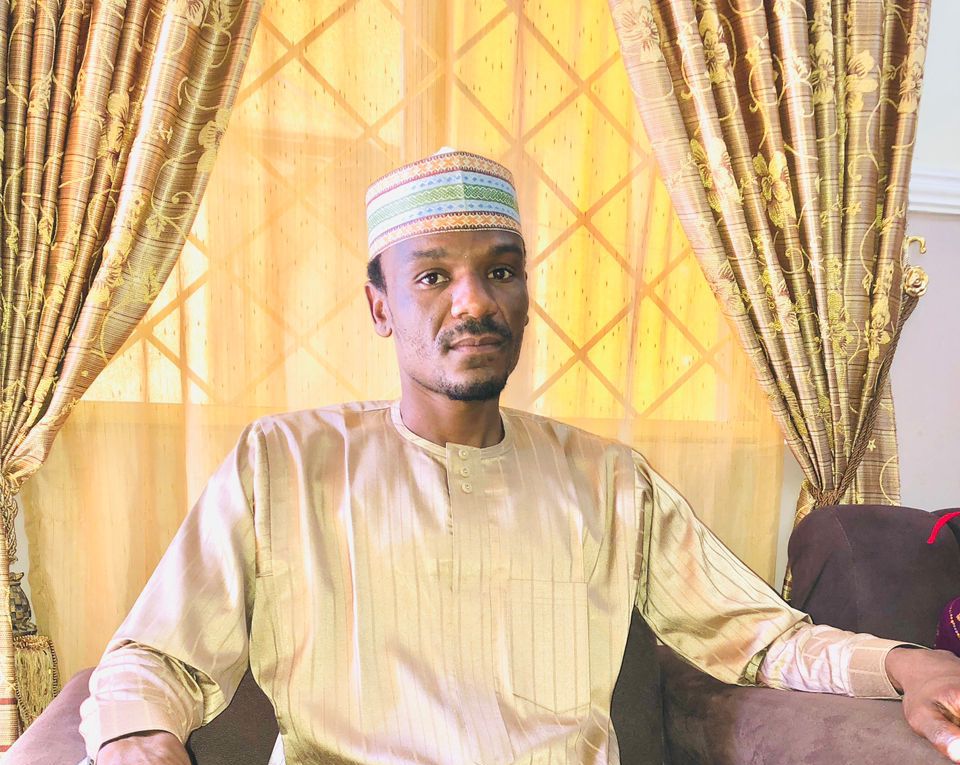
By Abdullahi Yusuf
Nigerians’ incessant stir on social media about Nigeria’s economy and the current president’s leadership style has become common business across all the platforms available to citizens. On the other hand, there is a group of netizens employed by the government to serve as a shield from the masses’ uproar about the government’s incapacity. They vehemently respond to critics directly aimed at their paymasters.
Such people exist at all levels of government, and they are taken care of by the appointed social media aides of any administration.
My state, the liberal state or centre of learning, is currently in a situation that has turned into a noisy and confusing commotion, drawing significant attention from people everywhere. According to the masses, the state is striding in the opposite direction, unlike before, when it became a beacon of development that other states looked up to. The only development people are observing is exaggerated projects on social media.
The PR Boys, as they are called on X (formerly Twitter), or Data Boys, as they are called on Facebook, are recruited to counter any narrative against the administration. They properly utilise the “Agenda Setting Theory” concept by repeatedly posting about a single project over time to create an imaginary delusion that the administration is doing better. As directed by their paymasters, they are doing quite an impressive job.
The sad reality is that people doing such jobs are mostly educated young people who are unemployed or underemployed. If you are to have an honest conversation with them, they will lament that they are doing it for what they are being paid or because of the hollow promises made by their masters. When informed people try to talk sense into them, which they usually consider an attack directed at their masters, the masters give them morale by reminding them that they also began like them and now are in higher positions in the government. They keep enslaving their minds with promises, whereas only a few of them can be uplifted.
There was a concern regarding the state of the general hospital in Rigasa regarding human resources. The hospital, which caters for the health needs of over a million residents living in the community, is not equipped with the facilities, equipment, and staff needed by any standard health facility. Instead of these gullible propagandists considering it a call to action, as it affects them directly or indirectly, they began to call the agitators unpleasant names, all in the name of impressing their paymasters. The concern was directed to the state health ministry and addressed to the Commissioner.
The ministry’s response on their page reiterated the governor’s effort to renovate the state’s existing health facilities. The said project was part of the Immunisation Plus and Malaria Progress by Accelerating Coverage and Transforming Services (IMPACT), which the World Bank is funding (I stand to be corrected). The project was started in 2020 and is set to end in 2030. We don’t need to mention the administration that began hosting the project in the state.
Ideally, during campaigns, everybody has their preferred candidate against their opponents. Waging support for your candidate and calling on others to support them is a right that no one should be denied. But for developmental purposes, after elections, it should be the elected leaders against the masses, not in a violent or degrading manner, but in keeping the leaders on their toes and reminding them of their primary responsibilities. These propagandists are making it look like anyone criticising the government is an enemy of the ruling class.
When concerned citizens bring up facts about the government’s inaction and lack of tangible evidence to counter them, they immediately stoop to emotional blackmail. Using words like “hypocrisy” or telling the world they are proud of being political puppets just annoys or silences those calling their paymasters to order. Many of them cannot stand an evidence-based argument due to insufficient facts. They receive orders from their superiors in their various groups to counter anything they consider mischievous about their masters online. They will flood your timeline or comment section with the duplicate content they copied from their groups as directed by their leaders.
I tweeted on X, “There is one state in Nigeria where you can only find out what the governor is doing on social media. But in reality, nothing has been on the ground since the last administration. Guess the state!” The tweet was viewed by over 12 thousand people within 10 hours and engaged by hundreds. To my greatest surprise, people kept mentioning my state in the comments and quotes. This is evidence that all the Data Boys and PR guys are doing is nothing short of mere propaganda.
Ultimately, I want to call on these propagandists to know that those they criticise for calling out the government are closer to them than those in the government. And the damage you’re covering for the ruling class will affect not only those criticising the government, but you may be the first to receive the consequences. Those sending you to criticise the former administration—most of them were part of it. They wined and dined with the then-ruling class, cleaned their mouths, and now eat with the current administration while spitting on the faces of their former masters.
May we be guided.
Abdullahi Yusuf writes from Rigasa, Kaduna. He can be reached via abdoolphd@gmail.com.