Nigerian Youths

Chasing wealth the proper way: A message to the youth

By Muhammad Umar Shehu


There is this thing that has been baffling me for so long. How on earth can someone knowingly take what does not belong to them and claim to be the rightful owner? Be it a car, a motorcycle, money, or anything valuable, how can a person live with that and still have peace of mind? Just wondering. The rising number of fraudsters, armed robbers, and criminals is sending a red alarm through our society. We need to think about this. 

Where is our sense? How can you feel human after intentionally making someone else suffer by stealing or using power to take what is not yours? Even if you escape in this fleeting world, do you ever think about the hereafter? Honestly, I do not think anyone with a conscience can still feel truly human after that.

In today’s fast-paced society, the pursuit of wealth has become more intense than ever. Young people are under growing pressure to succeed quickly and visibly. Social media has made it worse, constantly showing luxury lifestyles, expensive cars, designer clothes, and dream vacations. Everywhere you look, someone is showing off something new, and this has created a culture where being rich is seen as the only proof of success. With this kind of pressure, it is not surprising that many are tempted to look for shortcuts to riches.

Some youth turn to legal avenues such as starting businesses, learning digital skills, or investing in trades. These are commendable paths that require time, discipline, and consistency. However, others begin to lean toward illegal or dishonest means. Internet fraud, online scams, money rituals, and other shady activities have unfortunately become attractive options for those who want to make it overnight. These choices are dangerous and often come with serious consequences that people do not thoroughly think through until it is too late.

The reality is that there is always a price to pay for fast money, especially when it comes through illegal means. Aside from the risk of arrest, prosecution, and jail time, there is also the emotional burden and shame that follow. Getting caught in criminal activity can destroy your future. It closes doors to real opportunities, stains your reputation, and breaks the trust your family and community have in you. Even if the law does not catch you, people talk. Your name becomes a warning, not an example.

Beyond legal consequences, there is also a personal cost. Living in constant fear of getting caught or exposed takes a toll on your mental health. Many people who appear to be living large are battling anxiety and guilt behind closed doors. They cannot sleep peacefully, they do not feel safe, and deep down, they know that what they are enjoying is temporary. What is the point of having money if you have to keep looking over your shoulder?

It is also important to understand that real wealth takes time to build. There is nothing wrong with starting small. Many successful people started with little, but they stayed consistent. Whether you are learning a skill, starting a side hustle, or working your way through school or a job, what matters is growth. Progress may be slow, but it is real, and over time, it adds up. That kind of wealth gives you confidence and freedom because it was earned the right way.

Young people need to hear this often. There is no shame in taking your time. Not everyone will blow in their twenties, and that is okay. Social media has created false timelines that make people feel like failures if they have not made it early. But life is not a race. Focus on building yourself. Learn, grow, stay curious, and surround yourself with people who push you to do better the right way. Your future should not be built on lies or shortcuts. Let it be built on purpose and with effort.

In the end, it is not just about making money. It is about who you become in the process. Money comes and goes, but your values, your peace of mind, and your name should remain intact. Do not trade your future for temporary pleasure. Stay focused, stay clean, and remember that true success is not just about how much you have but how you earned it.

Muhammad Umar Shehu wrote from Gombe and can be reached via umarmuhammadshehu2@gmail.com

Human minds, Nigerian youth and why self-awareness matters

By Arita Oluoma Alih

Anthony de Mello’s book The Prayer of the Frog explores human nature. An excerpt states, “Human beings react, not to reality, but to ideas in their heads.” The writer illustrates this concept with a metaphorical story about a pestilence travelling rapidly to a particular city. 

The pestilence met someone on the way who asked why he was speeding. He replied, “I am going to kill 1,000 lives.” On his way home, he met the same person, who said, “You killed 50,000 lives, not 1,000.” He replied, “I killed 1,000 lives; the rest died of fear.”

This phenomenon expounds how the human mind works. The additional 49,000 died solely due to fear and the thought of being killed, demonstrating the powerful impact of perception on reality. The human mind can be potent and perilous, as people’s thoughts and fears can shape their experiences and outcomes.

As simple as the words ‘self-awareness’ may sound, they hold significance. Just like people will say some statements do not hold water, these have a lot of water. Many folks do not understand what it means to be self-aware. 

Self-awareness shields you from manipulation in today’s complex world. It keeps you alive and conscious, helps maintain spiritual balance, gives you a sense of identity, and enables you to reflect on your personality, allowing you to stand firm in the face of adversity.

While I was reflecting on my personality, including my purpose and fears about not achieving certain things before reaching a certain age and how it may affect my mental health, self-awareness of these concerns led me to plan countermeasures if I don’t achieve them as envisioned.

Before proceeding, self-awareness needs to be understood: what is the self, what is awareness, and what does the compound term self-awareness entail? The self refers to a person’s entirety, encompassing their sense of identity, being, character traits, and individuality, distinguishing them from others. 

On the other hand, awareness is an individual’s capacity for reasoning and knowledge about things, including how to navigate potentially distressing situations; it’s essentially consciousness of mind. Self-awareness is the development of a conscious mind that observes, perceives thoughts, and reflects on its own personality.

I am an advocate of self-awareness because it helps shape lives. It enables one to stand firm on one’s goodwill. It helps self-discovery and ultimately prevents manipulation into doing something against one’s conscience and purpose.

Although an important life tool, many youth do not understand self-awareness and its significance. In a society where immorality is becoming the norm, do youths know how not to allow themselves to be convinced that such acts and other social vices are not the norm in a society that craves growth?

To thrive, we must answer these questions as youth in a Nigeria with over 200 million people, where the national grid is constantly collapsing, where the ASUU is always on strike over wages, where the farmers-herders clash is unending, and where politicians are continually toiling with the masses’ intelligence.  

In all these, self-awareness comes into play through self-interrogation. For example, will I allow myself to be used as a thug for politicians because of some necessities? Your answers and actions reflect your level of consciousness. When ASUU is on strike, you ask yourself, “What do I do with my time?” and so on. 

The power of observation, a component of self-awareness, is often underrated. Pay attention to your surroundings and the people you interact with. Notice their level of self-awareness, openness to learning, and mindset. Surround yourself with positivity, as those lacking these traits often spread negativity, which is not good for either growth or development.

This also takes us back to a story from Anthony de Mello’s The Prayer of the Frog, in which a Viennese surgeon taught his students that a surgeon needs two gifts: freedom from nausea and the power of observation. He demonstrated this by dipping one finger into a foul-smelling fluid and licking another, testing his students’ observation skills. While they passed the first test by showing no nausea, they failed the second by not noticing the surgeon’s trick. This underscores the veracity of observation.

Thus, navigating the murky waters of life, especially for Nigeria’s youthful population, requires one to train their mind and be self-aware because self-awareness begets self-consciousness and self-observation.

Arita Oluoma Alih writes from Abuja and can be reached at aritaarit118@gmail.com.

Tinubu’s youth conference and the echoes of the past

By Lawal Dahiru Mamman

For 13 years, the Zambian national side had acted as a formidable barrier between Nigeria and footballing success, much like an inspirational goalkeeper. But on a fateful day, approximately 80,000 Nigerian supporters made the pilgrimage to the National Stadium, Surulere, in Lagos, to witness a potentially historic occasion.

That day provided the ultimate platform for the challenge, where Nigeria successfully broke the Zambian jinx for over a decade. This is a summary of a piece titled “The Match that Broke the Myth,” written by Uzor Maxim Uzoatu in the 1980s.

Nigeria has participated in international conferences and organized similar events at national and subnational levels. Specifically, national conferences often provide comprehensive reports for implementation after extensive deliberations from stakeholders nationwide.

But much like the imaginary soccer team above, which endured losses for 13 years, outputs from our symposia appear to be hexed. Reports are submitted, but implementation remains shelved due to forces akin to the Zambian inspirational goalkeeper.

For enlightenment, two precedents come to mind. Since 1999, President Muhammadu Buhari is notably the only president who has not convened a national conference. The late President Umaru Musa Yar’Adua is an exception, owing to his brief tenure and subsequent nine-month battle with ill health, which ultimately led to his passing.

In February 2005, President Olusegun Obasanjo convened the “National Political Reform Conference.” The gathering was an avenue to reassess, refocus, redefine, and redesign Nigeria’s political landscape to strengthen the bonds of unity.

Accordingly, it sought to enhance democratic consolidation processes, strengthen structures to solidify values that promote democracy and good governance, and open boundless opportunities for all Nigerians to be and feel part of the evolving political process and socio-economic development.

The committee was encouraged to conduct comparative studies, considering Nigeria’s unique realities, specificities, and historical context, to ensure a comprehensive understanding of the issues at hand during that era.

Four hundred and two delegates attended the conference, held between February and July 2005. Copies of the report from that conference were submitted, but nothing substantial happened afterward.

President Goodluck Jonathan convened another conference in 2014. The panel, chaired by retired Chief Justice Idris Kutigi, was assigned to advise the government on the framework for a national dialogue. To accomplish this, they consulted widely with Nigerians, ensuring that diverse perspectives were represented.

The conference, attended by approximately 500 delegates from across Nigeria, proposed substantial reforms. These included scrapping the current system of 774 local authorities to reduce corruption and save costs, creating 18 new states, revising revenue allocation, decreasing the federal government’s share of national income while increasing those of the states, and modifying the presidential system to include parliamentary elements.

Other key recommendations included power sharing and rotation, specifically advocating for the rotation of the presidency and the circulation of governorship among three senatorial districts in each state. These proposals aimed to promote greater representation, equity, and national unity. However, after passing over 600 resolutions and producing a 10,335-page report submitted to the presidency, the recommendations were never implemented.

On October 1, 2024, President Bola Tinubu, adhering to the tradition of past leaders, addressed the nation. At the time of his national broadcast, the country was uncertain whether the sequel to August’s #EndBadGovernance protest, Fearless in October, would take place.

Among numerous announcements, the president declared a National Youth Conference to assemble youths from across Nigeria for meaningful conversations that drive nation-building. Whether this particular aspect of his speech helped shelve the proposed protest remains uncertain.

What is the model for selecting delegates? What topics will be discussed during the proposed 30-day conference? While every youth awaits a response, it is important to note that numerous issues impact the youth, who constitute over 60% of the federation’s population.

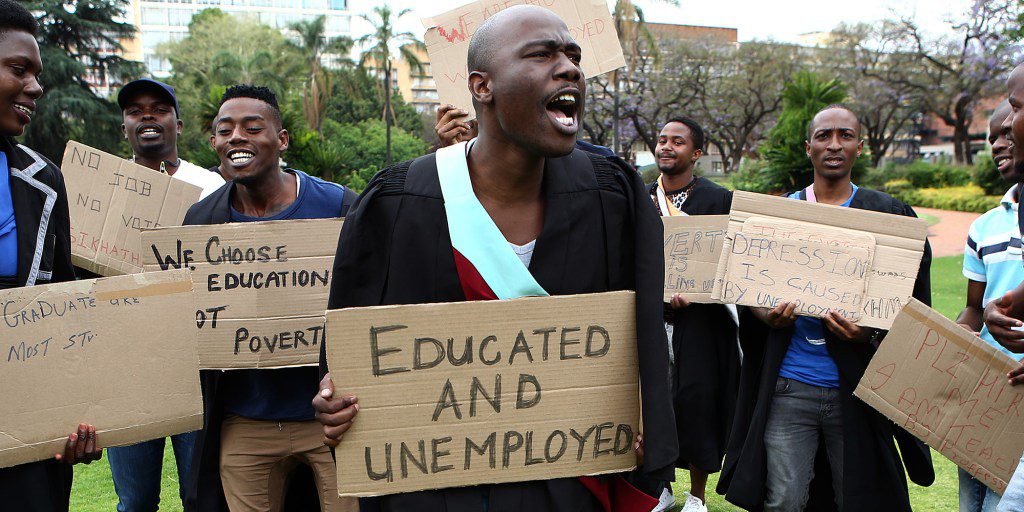
In economic terms, recent statistics indicate that over 40% of Nigerian youths are unemployed, leaving millions of young people feeling disillusioned and despondent. This figure may actually be higher, given the ongoing challenges the nation faces in data collection and storage. Will this pressing issue be addressed at the conference?

According to the National Bureau of Statistics (NBS), an astounding 63% of the population—approximately 133 million individuals, nearly six out of ten Nigerians—live in multidimensional poverty, with the majority being youths. Will poverty be included on the conference’s agenda?

Limited access to quality education, caused by inadequate infrastructure, scarce resources, and a lack of strong support systems, leaves the dreams of many unfulfilled. According to the United Nations Educational, Scientific and Cultural Organization (UNESCO), the student loan scheme through the Nigerian Education Loan Fund (NELFUND) does not assist the 20.2 million uneducated young Nigerians. Will this become a subject of debate?

The National Drug Law Enforcement Agency (NDLEA) reported in 2023 that approximately 14.3 million Nigerians are involved in drug abuse, with young people predominantly affected. Regrettably, one in four women also participates in this harmful practice. Given its consequences, including widespread unproductivity and elevated crime rates, this critical issue merits discussion at the conference.

Despite youth affirmative action policies aimed at ensuring 30% representation in the public sector—including federal and state executive councils, boards of parastatals and agencies, and local government councils—and 35% representation in political party leadership positions, electoral bodies, and legislative assemblies for individuals between 18 and 35 years, there remains a significant issue of gross misrepresentation and inadequate youth participation in governance and decision-making.

Numerous other issues also impact Nigerian youth, such as migration for better opportunities, cultural constraints, child marriage and early pregnancy, cybercrime, youth radicalization, the role of young Nigerians in science, technology, engineering, and mathematics (STEM), and the erosion of cultural identity and values. These topics deserve thoughtful discussion.

As of the time the president promised to work toward modalities for this conference and the selection of delegates in “close consultation with our young people through their representatives,” skepticism looms large.

At the State House in Abuja earlier this month, the president inaugurated the planning committee of the National Youth Conference, tasking the youths—whom he described as the “heartbeat of the nation”—to seize the opportunity to redefine their future. Nigerians keenly await the modalities that the committee will set.

Our hopes lie in the words of Eric Teniola, a seasoned columnist, who said after the 2014 National Conference: “A conference will not solve all our problems, but it will give us a platform to exchange ideas and maybe iron out our differences. A conference may halt our present drift to anarchy.”

Therefore, we hope that this National Youth Conference, proposed by the president and his team, will be ‘The Conference that Breaks the Myth’ of unyielding conferences in Nigeria.

Lawal Dahiru Mamman writes from Abuja and can be contacted at dahirulawal90@gmail.com.

From despair to hope: How Kashifu Inuwa transformed my life

By Umar Jahun

As a young graduate emerging from university, I found myself adrift in a sea of uncertainty. Despite my academic achievements, the harsh realities of the job market left me feeling despondent and questioning my future. 

I grew up in a community where there is a glaring gap between the older and younger generations. Despite having somany individuals in positions of power and influence, they lack the willingness to mentor and guide the younger ones. This absence of mentorship has had far-reaching consequences, contributing to the high rate of unemployment among young people in our community.

Although I thought that the presence of numerous individuals from our town in high-ranking positions, both within and outside the state, should theoretically provide us with a wealth of opportunities, the reality is that many of these individuals seem disconnected, leaving us to navigate the challenges of career development and personal growth on our own.

Many young people in our community are struggling to find jobs, despite possessing the necessary qualifications and skills. This leaves them stuck in a cycle of unemployment, uncertainty, and self-doubt.

It was during this tumultuous period that I crossed paths with Kashifu Inuwa Abdullahi, a man whose intervention altered the course of my life. My encounter with him was serendipitous yet transformative.

Kashifu Inuwa Abdullahi, a prominent Nigerian technocrat, currently holds the position of Director-General of the National Information Technology Development Agency (NITDA). With over twenty years of experience in both the public and private sectors, Kashifu has played a key role in advancing Nigeria’s digital transformation.

But then, when DG Kashif Inuwa entered my life, everything changed. His kindness, guidance, and unwavering support not only secured me a job in one of Nigeria’s top agencies, but also instilled in me a sense of purpose and direction.

DG Kashifu’s impact on my life cannot be overstated. At a time when I had lost hope, he saw potential in me that I didn’t even recognize in myself. He took me under his wing and connected me with opportunities I wouldn’t have had access to otherwise. His influence helped shape me into the person I am today.

The job he secured for me was more than just a source of financial stability; it was a springboard for personal growth and development, exposing me to new challenges, skills, and experiences that have been invaluable in shaping my career. 

What I admire most about Kashif Inuwa is his selflessness and generosity. He didn’t have to help me, but he chose to. He invested time, effort, and resources in me. This kindness has left an indelible mark on my life. He is more than just a benefactor; he is a role model, a mentor, and a constant source of inspiration.

Reflecting on DG Kashifu’s transformative impact on my life, I am filled with gratitude and a deep sense of responsibility. I owe him a debt of gratitude that I can never fully repay.

His influence on me has been nothing short of profound. He gave me purpose, direction, and a chance to succeed. I will forever be grateful for his kindness, guidance, and support. Kashifu is a shining example of the impact one person can have on another’s life.

His selflessness, kindness, and dedication have inspired countless people. Unfortunately, individuals like him are rare, and I often think, “I truly wish we had more like him, or someone like him, in our midsts.”

This is not just a fleeting thought; it is a heartfelt desire that stems from the realization that exceptional individuals have the power to transform communities. When someone with a strong sense of social responsibility and a willingness to serve others is present, it can have a ripple effect, inspiring others to follow in their footsteps.

May Allah’s blessings be upon Kashifu Inuwa. I extend my heartfelt wishes for his continued success, growth, and prosperity.

Umar writes from Jigawa State via daddyjahun@gmail.com.

Ahmad Uthman Muhammad: The epitome of purposeful leadership

By Lukman Dahiru 

Ahmad Uthman Muhammad is a beacon of hope and environmental stewardship in Nigeria. He is particularly noted for his tireless efforts in combating climate change. As the founder of the Purelife Foundation, he has spearheaded numerous tree-planting initiatives that have significantly contributed to reforestation and environmental conservation efforts across the region. His dedication to this cause has not only earned him respect but also the prestigious traditional title of ‘Inuwar Kasar Hausa’ in Daura, Katsina State, a recognition of his commitment to the land and its people.

From a young age, Ahmad has exhibited a rare blend of passion, vision, and action, equipping him excellently for any role in politics. In addition to his environmental efforts, his philanthropy has impacted numerous lives, highlighting his commitment to social welfare. His work with the Purelife Foundation has demonstrated his ability to mobilise communities for a greater cause, uniting individuals from diverse backgrounds to strive towards the common objective of a greener, more sustainable future. 

Ahmad’s venture into politics would mean introducing fresh, dynamic leadership to Adamawa’s political sphere. His understanding of environmental issues is not merely academic but practical, having implemented successful projects that could be scaled up for broader impact. His approach to politics would likely focus on sustainable development, ensuring that economic growth does not come at the expense of the environment. 

Imagine the potential benefits if Ahmad Uthman Muhammad became a federal legislator: his advocacy for policies promoting ecological balance, initiatives for green jobs, and legislation supporting renewable energy projects could have a profound impact nationwide. Moreover, his philanthropy extends his influence into areas like education, health, and social services, where his charitable initiatives could inspire policy changes that address poverty and support the underprivileged. 

Ahmad’s youthful dynamism would likely bring fresh perspectives to education, health, and infrastructure, fostering policies encouraging youth empowerment and innovation. His understanding of community needs, evidenced by his work with the Purelife Foundation, suggests he could push for legislation that enhances social services, supports local economies, and ensures more equitable resource distribution across the country. 

Ahmad’s connection with the community, evidenced by his traditional title, suggests a deep understanding of local culture and needs. This understanding would ensure that his representation would be effective and empathetic. His bid for the House of Representatives is not about personal ambition but about extending his environmental advocacy and philanthropy into the legislative arena, where they can have a wider impact. 

In conclusion, Ahmad Uthman Muhammad embodies a new wave of leadership—one that prioritises the health of the planet alongside the prosperity of its people. His background, achievements, and vision position him as a promising candidate who could effect significant positive change. His philanthropy emphasises his commitment to not only environmental but also social issues, establishing him as a holistic leader for the future.

Lukman Dahiru wrote from Yola, Nigeria, via ldahyru@gmail.com.

Unemployment: Nigerians shock firm with flurry of applications, force closure of vacancies

By Ishaka Mohamed

Edge Research Services Ltd has stopped accepting job applications just within 24 hours after advertising vacancies for data collectors across Nigeria.

The firm had called for applications on Thursday, January 2, 2025, and set January 20 as the deadline. However, an update by its LinkedIn handle in the early hours of January 4 declared the window closed after receiving over 2,000 applications.

Part of the statement reads: “WOW! We’re overwhelmed with gratitude! A huge thank you to everyone who commented, shared, and applied! We received over 2,000 applications in just 24 hours!”

After expressing gratitude and surprise, the firm stated its resolve to review only the applications received. “Due to this incredible response, we’re closing the job advert earlier than planned. Our recruitment team will now focus on reviewing applications and selecting the best fit…”

Edge Research Services Ltd, headquartered in Lagos and with a field office in Kano, Nigeria, is a data collection, research, and evaluation firm that offers qualitative and quantitative research services in sub-Saharan Africa.

It’s noteworthy that this is not the first time Nigerians’ interest in jobs has shocked an employer. A recent example was when the Nigerian National Petroleum Company Limited (NNPC Ltd) application portal glitched just a few hours after calling for applications. “Due to unprecedented traffic to the NNPC Ltd. career page from applicants applying for vacancies, the site is currently experiencing slow load times,” the company said in a statement.

A memo to the founders of the Youth Movement in Nigeria

Ismail Hashim Abubakar

In a previous article published by The Daily Reality on October 06 (Why All Patriotic Must Support The Youth Movement), I stress the significance of supporting the emerging youth movement as a necessary political option left for Nigerians. I strongly recommend that Nigerian citizens should, in their entirety, support and align themselves with the struggle. This is becoming necessary as the masses are increasingly getting disappointed with the present administration’s policies headed by President Bola Ahmed Tinubu, but also sceptical of the democratic culture practised in Nigeria since the return of civilian politics in 1999.

In the present essay, I specifically address the youth movement’s founders and offer some points I hope they may consider valuable and worthy of reflection.

I begin by calling on the movement to intensify its efforts to sell out this ideology through massive advocacy, comprehensive sensitization, and awareness campaigns that go beyond social media and cyberspace and extend to what will be akin to door-to-door community tours embarked upon by field staff of polio immunization and vaccination programs.

Interestingly, the founders of this struggle have made it clear right from the onset that once one is a Nigerian and is mainly concerned with the plight of his fellow compatriots, they are automatically a member of the movement, and it is left for him to see in what ways or capacities could they contribute in the struggle. This means that with the exception of some politicians, especially the ruling class at various state and national levels and possibly their blind cronies and biased allies from all sectors and constituencies, all Nigerians are now or should be, by default, adherents and promoters of this movement.

Moreover, in the process of mass mobilization, it seems that people are to be made fully aware that this movement is purely a self-rescuing mission and a liberation effort. It is not a venture that one can invest financially in the typical fashion of Nigerian politics, aiming to reap personal benefits after an election victory. It is neither a soft machine nor a cheap ride on whose back one can mount and easily grab power. It promotes selfishness and displays arrogant romance with authority and privileges invested in public office holders. It is instead a clarion call for those who are willing to put a stop to a dangerous political trend which, if allowed to go unmitigated, will deprive the posterity – the future citizens of this nation – of the residual right to live, breathe and move about freely in their land.

It remains a question, I am sure, with youth leaders to deliberate on whether the struggle will adopt one of the existing political parties or push to create a new, special party, with mainstream party structures from grassroots to higher levels, which will identify with the cause of youth as movers and engines that steer and spearhead the liberation struggle. One of the possible effective platforms to gauge the movement’s strength may be adopting an existing party or forming a new party that will field candidates to contest in the 2027 general elections.

However, I also have a firmer belief that this movement should not just be well-conceived and rapidly embraced by the masses but only have a brief influence that will wane and fizzle out quickly. This is very possible when things are hastily done, especially if the ideology of the struggle is not yet fully understood and inculcated in the minds of the majority of Nigerians. I am sure the brains behind this nascent movement are aware of the inevitable possibility of corrupt politicians hijacking the likely fruit-yielding struggle or covertly infiltrating it to impede and sabotage its progress. I am also conscious that pioneers of this struggle are erecting insurmountable forts that will resist all forms of internal and external intimidations and temptations.

Meanwhile, I strongly recommend that while the leadership of this struggle continues to enlighten Nigerians and encourage them to embrace its ideologies and identify with and support its cause, the forthcoming 2027 elections may be utilized as an experimental ground to test the public understanding and acceptance of its mission, but which should be done on a purely nonpartisan basis. By this, I mean that the movement shall publicize its aims, objectives, principles, and priorities and open its doors to every politician willing to contest for an elective post.

The politician must be ready to comply with all the movement’s missions and can ultimately work towards ensuring that it realizes its vision of creating an egalitarian society in which a poor man will have a say in how he is governed and his social, educational, and economic rights, which guarantee his healthy and meaningful survival, are protected.

Any politician who is set to promote these values and can sincerely commit himself to these ideals and sacrifice the last drop of blood in him is eligible and can present himself to the movement for support. A contract agreement of a promissory note shall be written and documented by the movement on behalf of Nigeria’s populace, which employs such politicians through an electoral process. The agreement must explicitly state that if the politician breaches any terms after being elected, he may be liable for prosecution, besides public wrath that drastically affects his future political ambitions.

The movement has to work assiduously to screen willing contestants without any prejudice to the party on whose platforms they contest. After that, it will make the public fully aware of the agreement it entered with contestants and the detailed clauses and terms contained in the contract, including penalties in case elected officials fail to uphold and keep their campaign promises. 

In this way, the movement will be able to, through the successful candidates whose election it actively supports, infiltrate state and national assemblies, thereby producing determinate, resolute, patriotic, populist and incorruptible legislators who have no business in their legislative chambers than to uphold the rule of law and ensure that executive councils implement policies and execute programs and projects that positively serve Nigerians. This means that a massive reform and nonviolent political revolution can be prosecuted mildly as the youth movement succeeds in hijacking and dominating the second arm of government, thus reviving the constitutional roles and responsibilities legislative assemblies are expected to discharge rather than becoming appendages of the executives. If this mission triumphs, it will expose the opportunist camp among politicians who will hopefully be rendered a minority and target of the electoral wrath of Nigerian citizens.

If the mission of the youth movement is fully understood and wholly embraced by the majority of Nigerians, particularly if it becomes the only most guaranteed and safest winning platform during elections but also an unprecedented movement that liberates ordinary Nigerians, its ideals and objectives will permeate the ranks of the executive and be easily upheld by various types of people in every sector including royal and traditional societies, technocrats, civil servants, members of the academia, legal industry, private and group entities.

Ironically, this may be the trial stage in the display of commitment and maintenance of integrity and principles needed. Scaling through this situation will be a grand marker of a democratic triumph that will go down in history as one of the greatest and most progressively fruitful political revolutions to have been demonstrated by the “Giant of Africa” throughout the region’s postcolonial period. 

A sizable number of Nigerians among ordinary citizens, religious scholars, politicians, academics and intellectuals, journalists, community leaders, public office holders, businessmen, retired military officers, human rights activists, private organizations and all kinds of people within the civil society who are equally worried over Nigeria’s situation and are especially concerned with the plight of the masses and will be much willing to bring their wealth of experience and expertise to promote the cause of this struggle. I do not doubt that the founders of this movement are aware of them, and I am optimistic that the youth movement will carry them along without regard for their age or social status.

Ismail writes from the Advancing Education and Research Center (Rabat) and is reachable via ismailiiit18@gmail.com.

In defence of the NYSC SAED program

By Ammar Muhammad Rajab

On November 1st, 2023, following mobilisation by Ahmadu Bello University, Zaria, I enrolled with the NYSC at one of the accredited centres in Zaria. I was deployed to Wailo Camp in the Ganjuwa Local Government Area of Bauchi State shortly after.

I departed Zaria on November 2, 2023, via a commercial bus. Following a six-hour journey, I arrived in Bauchi and spent the night there. On the afternoon of the 3rd of November, a Friday, I boarded another commercial car for a 60-kilometer journey to the camp where I had been deployed.

Immediately upon my arrival at Wailo camp, I underwent registration with the NYSC officials. Subsequently, I received the necessary items and materials for my three-week stay at the camp. The orientation period blended joy, intensity, lasting memories, education, and valuable information. I vividly recall the rigorous drilling, the monotonous parades, and the enlightening lectures delivered by various professional bodies, including but not limited to the DSS, Army, Police, NHIA, WEMA Bank, Fire Service, NIM, NSE, OIC Foundation, NAFDAC, FRSC, NDLEA, NDE, NGOs, SDGs, NOA, USAID, and YOMA, among others.

The army and Man O’ War were highly professional in their approaches. Despite the unfamiliar circumstances we found ourselves in, I enjoyed the teachings and orientation provided at the camp.

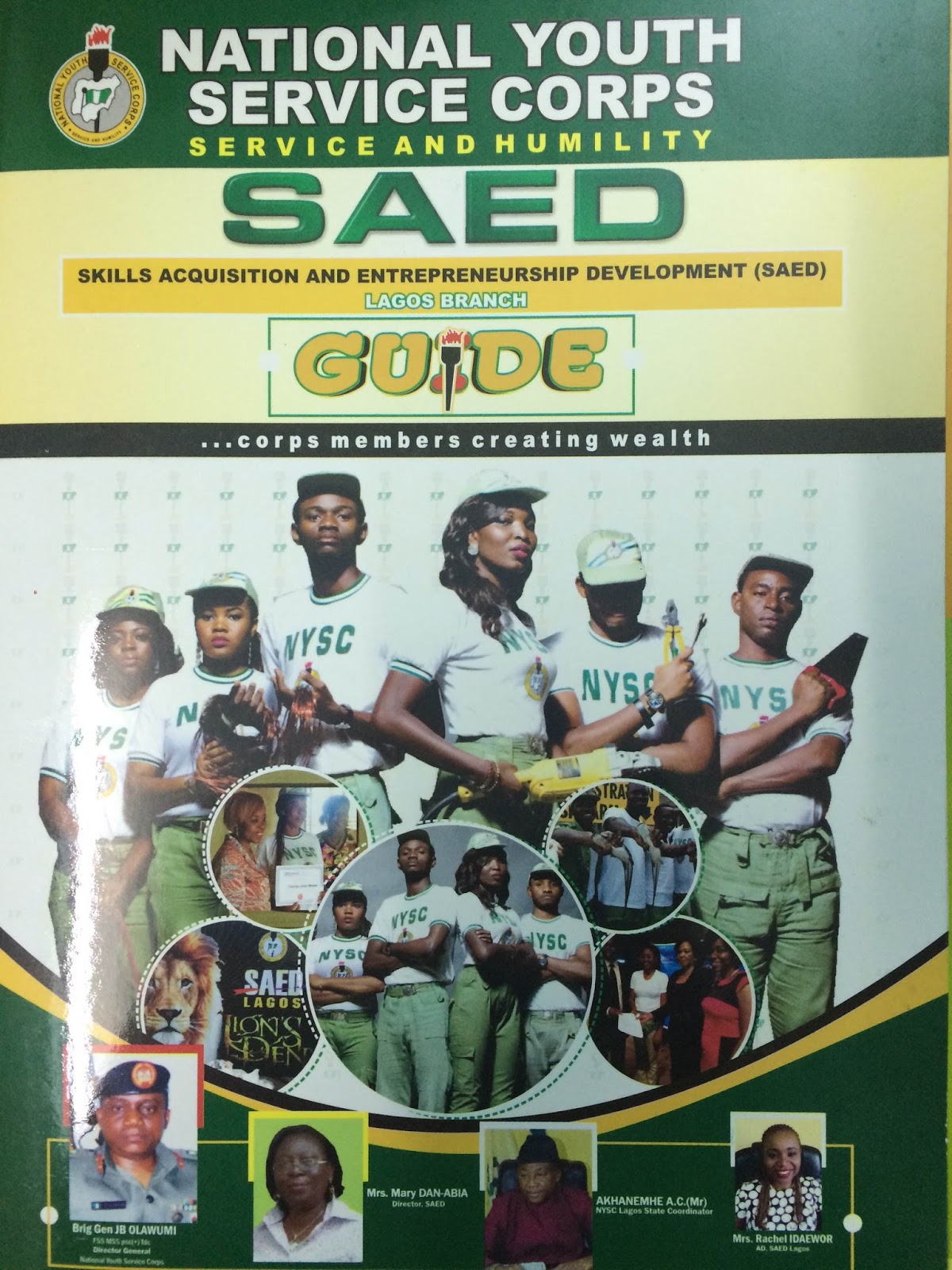
Skills Acquisition and Entrepreneurship Development (SAED), an acronym for a NYSC program established in 2012, was designed to tackle the pervasive issue of unemployment, a significant challenge confronting Nigerian youths and graduates today. This issue has become a national concern as some of our most educated and dynamic individuals are not actively contributing to economic and social development.

The SAED program was charged with raising corps members’ awareness of the realities of the Nigerian job market. Offering foundational entrepreneurship training and practical skills aimed to empower them to consider the possibilities of self-employment or initiating their businesses.

Many corps members harbour disdain for the program, often attributing it to the lengthy duration of both the lectures and practical sessions. During our orientation camp, the program ran daily from 9:00 a.m. to 2:00 p.m., spanning 5 hours. In the classroom, it was common to observe corps members dozing off, engrossed in their smartphones, displaying signs of fatigue, or engaging in other unserious behaviour.

To me, that period was the highlight of the orientation camp. I gained invaluable knowledge, particularly during the lecture delivered by an official from the National Directorate of Employment following the distribution of the guidebook titled “Starting My Own Small Business: Participant’s Workbook.” This lecture was a pivotal and transformative moment for anyone responsible and attentive.

 We were imparted with comprehensive insights into the intricacies of establishing a formal business in Nigeria and the diverse opportunities available across various sectors. We also learned how one could secure grants or loans from government agencies tasked with that responsibility or from commercial banks to facilitate business expansion.

Many individuals who had successfully leveraged these opportunities were invited to deliver practical lectures, and they did so with professionalism and expertise. Their first-hand experiences served as invaluable lessons for us, providing practical insights and guidance on effectively navigating the entrepreneurial landscape.

I listened attentively, maintained focus, and diligently documented all the necessary information provided during the SAED program. Hajia Jummai Idris Reme, the Head of the SAED program in the camp, often reiterated to us that “the SAED program is a corps members’ pathway to wealth creation,” and I wholeheartedly agreed with her sentiment. With commitment and dedication, one could create wealth using the knowledge acquired during the SAED program.

Before attending the camp, I already had a business idea and was working diligently towards realising it. However, attending the SAED classes further ignited and encouraged my efforts. As a result, I recently took the step to register my business with the Corporate Affairs Commission, spurred on by the confidence and insights gained from the SAED program.

In Wailo Camp, I initially participated in the ICT class under the SAED program, but I eventually discontinued my involvement due to some reservations. Subsequently, I joined the educational class, which I found very engaging. However, the class experienced low participation rates. Although we initially started with around twenty-plus participants, we concluded the class with fewer than ten individuals.

Despite the low turnout, I thoroughly enjoyed the educational class. We were exposed to numerous informative, educative, and innovative ideas about education, which enriched my understanding and perspective on the subject.

Most of the participants in the educational class were educators, except myself and one other individual. During this class, I learned about the legal processes involved in opening a private school. I am grateful to Aishatu Yusuf Saje, the head of the educational class, for imparting such valuable knowledge.

Isa Mohammed Inuwa and I were privileged to represent the educational class on Friday, November 17th, 2023, during the camp’s inter-platoon skills acquisition competition exhibition. Following my presentation, Mrs. Rifkatu Daniel Yakubu, the Bauchi State Coordinator, offered valuable advice. She emphasised the importance of establishing a standard school to contribute to our country’s education development. Mrs Yakubu highlighted the prevalence of substandard schools and stressed the significance of ensuring quality education. Her advice resonated deeply with us and reminded us of our responsibility to shape the educational landscape.

With the assistance of the SAED program, four corps members were able to secure a total of 2.3 million Naira in grants. Among the 90 corps members who submitted their business plans, seven were selected to present their proposals to WEMA Bank officials, fellow corps members, and other NYSC officials. Ultimately, four corps members emerged as grant recipients, with amounts awarded: 800,000 Naira, 700,000 Naira, 600,000 Naira, and 200,000 Naira, respectively. This achievement highlights the effectiveness of the SAED program in fostering entrepreneurship and facilitating financial empowerment among corps members.

The prevalent laziness among many youths today contributes negatively to their disdain for the SAED program. Several corps members have expressed that they consider it the most “boring” aspect of the orientation camp. However, the parade is the most tedious part of the camp. This is because I lack any passion for becoming an army or paramilitary officer, which diminishes my enthusiasm for the parade activities.

The blame should not be placed on the NYSC SAED program itself. Instead, the laziness and lack of foresight among many of our youth and graduates hinder their appreciation of this valuable opportunity. The SAED program serves as a platform to showcase talents and acquire knowledge that can be instrumental in thriving during and after the NYSC program. We need to seize this opportunity and make the most of it, as it may only come once in a lifetime.

Ammar Muhammad Rajab is a journalist who writes from Kano and can be reached at ammarmuhammad1993@gmail.com.

Is schooling a waste of time?

By Ubaydullah Abdulmalik

When an average youth from a developing country is fooled into believing that schooling is a scam because degrees do not guarantee employment, there is little that can be done to help such a person. There is hardly a day that I scroll through social media pages without stumbling over multiple posts that discredit the relevance of schooling and tertiary education. This argument continues to generate debates on whether it is worth it to go to school and acquire degrees, in a society where degree holders and degreeless people “hustle” equally for survival.

So is schooling a scam? Well, I will start with a quote from Michelle Obama, she said and I quote; “The ability to read, write and analyze; the confidence to stand up and demand justice and equality; the qualifications and connections to get your foot in the door and take your seat at the table – all of that start with education.” – Michelle Obama

It is gradually becoming a prevalent notion within our society that degrees and advanced formal education have limited relevance in the 21st century, and this is only because they don’t guarantee jobs to those who pursue or acquire them. No one says a college degree is the only path to success in life, but honestly, how could schooling be considered a waste of time?

Primarily, based on the misconception that people go to school and graduate to get employed, this reprehensible fallacy is gaining more ground in the midst of our youths and students. Phrases like “school na scam,” “who degree epp,” and “this useless course” among others, are trademarks of this idea. it is an undeniable fact that unemployment is at an all-time high state and that in today’s society, degrees and other qualifications may not guarantee employment, let alone job security for individuals, but this does not render degrees useless or schooling a waste of time. Because many do not understand the real essence of education, they stand to benefit the least from it – a lot go through schools only to leave a little different than they arrived.

Time has changed and even though college degrees largely guaranteed an employment in the past, that doesn’t hold anymore today. With the rapid rise of technological innovations, artificial intelligence and automation, concerns about unemployment continue to grow globally.

In my own opinion, this only reflects the dynamic and ever-evolving nature of societies and human interactions. The nature and standard of education in the past befitted the market requirements, socio-economic realities and technological advancement of those people, then.

Education has constantly evolved with societies and human behavior, and as such, we must continuously align the standards of our educational system with the dynamic needs and challenges of the present era. But this is difficult to fathom for some people. Instead of asking why a degree or some other form of formal education may not easily guarantee or get one a job in today’s society, a lot are trying to dismiss the relevance of tertiary education as a whole. This is completely wrong.

This is one out of many disheartening posts and conversations that happen daily on social media. The gullible among youths and students are glaringly made to believe this, because of obvious reasons, that education no longer holds much relevance in today’s society. And it is a very big fat lie! I don’t subscribe to the conspiracy theories questioning the motives behind our contemporary educational system. I do believe, however, that certain errors need to be corrected in our educational system, especially our mindset, regarding the purpose of education.

There’s this general misconception or conditioning that we all grow up with; since childhood, we are made to believe that we go through school and obtain education (the 6-3-3-4 system) to ultimately seek a job, a notion that is wrong in its entirety. When people grow up to learn the hard truths, some misunderstand it all and they begin to question the relevance of education.

A change in mindset and orientation would solve it all. The upcoming generation must come to understand that the end goal of education is not solely employment. Of course employment is a major factor after acquiring education; and gainful employment is expected of anyone with “sound education”, however, employment is never the primary purpose of education.

Education is meant to train individuals and to equip them with the requisite skills needed to thrive in any environment and live a meaningful life. Education is meant to broaden horizons, sparking innovations and producing problem-solvers that would champion the emancipation and advancement of societies. 

As Kofi Annan puts it: “Knowledge is power. Information is liberating. Education is the premise of progress, in every society, in every family.” Education has always been and will always remain the golden key to success. It depends however on one’s perception of what education is. 

Most often, we only think of the superficial value of things and never care to reflect deeply on the real essence of education. 1000 years ago, no one went to school to get degrees and universities as we know them today, did not exist. Even so, the people of those ages had their forms of education and learning systems, be they formal or informal. Similarly, universities as we know them today, may not exist in the next two or three centuries, but the essence of education will persist in accordance with the context of that era. This is because education is boundless and timeless.

Ubaydullah Abdulmalik is an undergraduate student from Bayero University, Kano. He is a passionate advocate for quality education and digital literacy in today’s society. He can be reached via; ubaydulmalik530@gmail.com

Negative influence of TikTok trends on Nigerian youths

By Manasseh Mercy

Social media integrates digital media platforms, including combinations of electronic text, graphics, moving pictures and sounds in a structured computerized environment that allows users to interact with the data for appropriate purposes or otherwise. The digital environment can include the Internet, telecommunications and interactive digital television. The Web is now part of the overall business of communication, sales and services. It changes business practices across the globe.

Its technical limitations affect the amount of material and the speed of access. The network depends mainly on the connections of the telephone line, so the more they are good on a territory, the more the service will be reliable. As a result, messages can reach audiences and target groups in real-time and generate changes and trends.

Nowadays, younger generations grow up having good contact with different social networks, easily acquire digital culture and live in a digital world where only adults are naturalized citizens. Trends can bring awareness to other organizations and not just for selling products. 

In 2014, the ice bucket challenge was a popular trend that spread across Instagram’s platform. The trend was created to help bring awareness and donations to Lou Gehrig’s Disease, also known as ALS, which stands for Amyotrophic Lateral Sclerosis. Pete Frates, a former baseball player for Boston College, helped promote the nonprofit organization ALS Association because of his diagnosis of the disease. Both celebrities and regular social media account holders made videos of pouring ice water on themselves while tagging at least three friends to post themselves participating.

This trend was an example of one of the many situations that brought light to very serious topics. The millions of people posting about the ice bucket challenge resulted in the organization raising millions of money. That year, an estimated $115 million was raised for the cause in just a few months. The Ice Bucket Challenge was created to raise money for research purposes in hopes of finding a cure for ALS disease.

The Ice Bucket Challenge is just one of the many trends that took over social media platforms. Many nonprofit organizations have been going viral over the years, bringing awareness to millions of people. Situations like these can come out of pure luck to get everyone on the Internet to discuss a topic. Getting people to talk about specific issues brings attention to a cause that can get people to donate money. It’s not only companies and organizations that get attention online but also individuals as well.

TikTok is a social media platform for creating, sharing and discovering short videos. Young people use the App to express themselves through singing, dancing, comedy and lip-syncing. It allows users to create videos and share them across a community. It is one of the most popular social media platforms in the 21st century. 

In Today’s generation, popular trends on social media have a significant influence on younger generations. Trends can consist of different things such as makeup, clothes, music, toys, and interests. TikTok trends are viral short videos that use popular features, songs, sound effects and hashtags. 

Some current TikTok Trends (November 2023) include Bird’s-eye View — November 17, 2023. In this trend, you grab your friends or coworkers, tape your phone to the ceiling, and record yourselves dancing and being silly. Another was (Added November 20, 2023) Smug Corgi/Confused Dog Meme Trend. Example: Posting a video with the CapCut template from the example with a funny text overlay describing a situation where you (the corgi) would be smugly doing something while the other person (represented by the other dog) is super baffled, often about spend a lot of money on something like Christmas decorations.

What are the potential risks? Users may be exposed to foul language and sexual content. Users can comment on other videos, which leaves the potential for online bullying or negative comments. The App promotes positive comments and encourages users to ‘say something nice’. However, if you encounter an inappropriate comment, you can report it as abuse. 

Stalking, identity theft, personal attacks and misuse of information are some of the threats social media users face. Most of the time, the users themselves are to blame as they share content that should not be in the eye of the public. 

These dangerous trends are not only harmful to the individuals who participate in them, but they also hurt society as a whole. When young people engage in these trends, they send their peers messages that it is acceptable to engage in risky and inappropriate behaviours. This can lead to a culture of recklessness and disregard for personal safety and etiquette.

It is essential for parents and educators to be aware of these dangerous trends and to talk to young people about the potential consequences of participating in them. It is also essential for social media platforms like TikTok to take responsibility for the content shared on their platform and to take steps to remove the dangerous content.

In conclusion, TikTok trends influence the social behaviour of Nigerian youths in one way or another. Nigerian youths engage in time-consuming and energy-draining trends, and sometimes, they cost money because they want to be famous and act like their peers. The Nigerian government should closely monitor and adequately regulate TikTok trends so as not to destroy Nigerian youths’ moral and social behaviour.

Mercy Manasseh is a student of Mass Communication from the University of Maiduguri and can be reached via mercymanasseh951@gmail.com.