Nigeria Police Force

Borno: Police investigate commissioner’s mysterious death 

By Abdullahi Khairalla

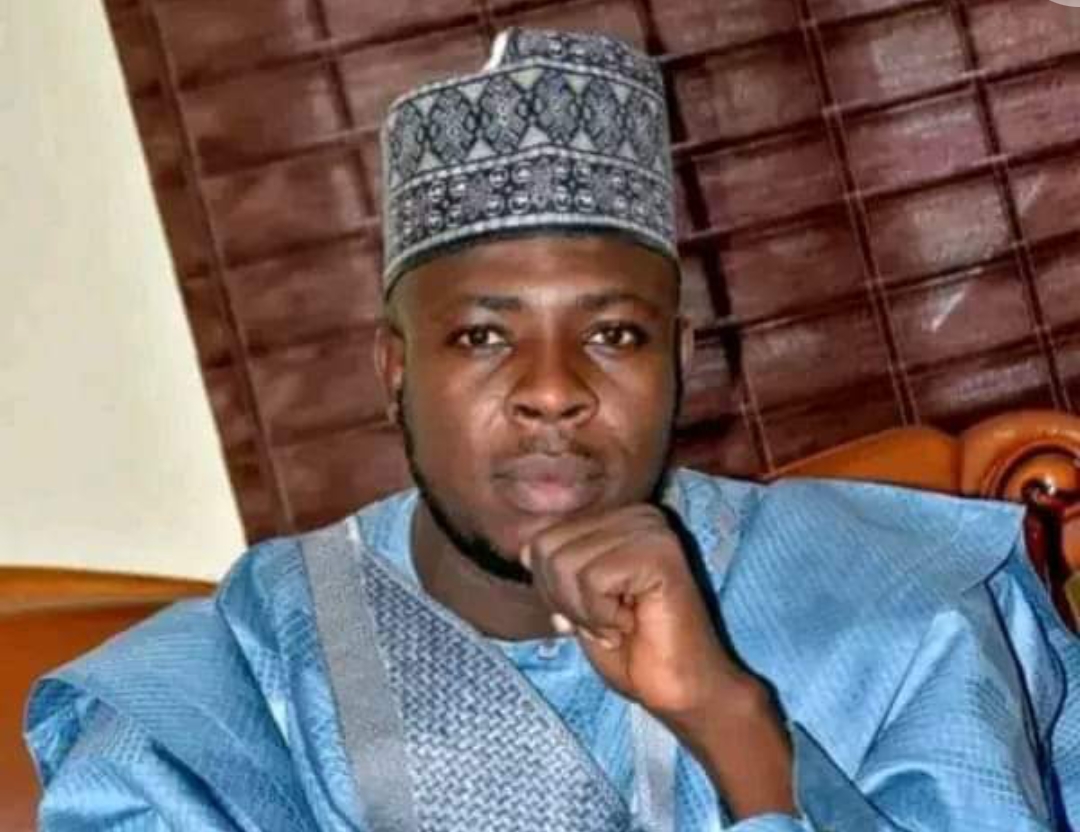
The Borno State police command has commenced an urgent investigation into the death of the state’s commissioner for Reconstruction, Rehabilitation and Resettlement (RRR), Engr Ibrahim Idriss Garba, Governor Babagana Umara Zulum’s spokesman, Malam Isa Gusau, has confirmed.  

The state commissioner of police was at the house where Engr Ibrahim died in Maiduguri on Saturday.

Governor Babagana Umara Zulum received the news with intense shock and profound grief. The Governor mourns alongside the late commissioner’s family, other loved ones, friends, associates, and state executive council members. 

Late Engr Ibrahim Idriss Garba was the Governor’s Special Adviser on Special Projects before he was elevated and appointed commissioner of RRR at the commencement of Zulum’s ongoing second term. 

It is rumoured in some quarters that the deceased was poisoned, which led to his untimely death.

Elder brother buried younger brother for stealing in Lokoja

By Ahmad Deedat Zakari

An 11-year-old boy, Friday Oshodi, was buried alive at Apamisede community in Lokoja, Kogi State, by his elder brother, Goodness Oshodi, for allegedly stealing N1000.

Goodness Oshodi buried his younger brother on Tuesday afternoon at the community, located after the army barracks in Lokoja.

According to a witness, the elder brother dug a hole and pushed the boy into it, covering him with sand up to his head.

A passerby was said to have spotted the boy in his predicament and raised the alarm, which attracted other people to the scene.

The witness said the boy was rescued on the verge of unconsciousness.

The Daily Reality gathered that the police were involved in the matter, and Goodness Oshodi is now in the custody of the police.

While he buried his younger brother alive, the suspect said his brother stole N1000, and his mother instructed him to punish him.

“He stole money. I don’t know the exact amount. It was said to be N1000. My mother told me to punish him for the act,” he said.

The Kogi State Police Command’s Police Public Relations Officer (PPRO), SP William Aya, confirmed the incident, saying the suspect had been arrested and was undergoing interrogation.

He said it was alleged that the boy stole compulsively, which had even made him run away from home for almost two months recently.

Mohbad: Police declare Primeboy wanted, offer ₦1m for helpful info 

By Abdurrahman Muhammad

Following his failure to honour the police invitation successfully sent to him since the commencement of investigation into the circumstances leading to the death of Mr Ilerioluwa Aloba, aka Mohbad, the Lagos State Police Command, via its PRO, SP Benjamin Hundeyin, now declares wanted Owodunni Ibrahim aka Primeboy.

Ibrahim is approximately 1.64-m tall, dark-complexioned, with tribal marks and Yoruba by tribe. His last known address is 3rd Power, Oke Eletu, Ikorodu.

If seen, contact the nearest police station or call 0803 688 5727. The Commissioner of Police, Lagos State Command, CP Idowu Owohunwa, hereby offers a handsome reward of N1,000,000 (One Million Naira Only) to anyone with useful information leading to his arrest.

Outrage as DPO allegedly kills young man in Bauchi State

By Sabiu Abdullahi

A suspect, identified as Abiduna Amin, lost his life while in police custody at the Dutsen Tanshi police division.

The tragedy on Tuesday has ignited a firestorm of concern regarding human rights abuses within the police force. It has sparked a social media movement rallying under the hashtag #JusticeForAbidin.

Abiduna Amin, a resident of Karofi Bauchi and an animal dealer by occupation, became the focal point of a police interrogation.

According to sources, he was being questioned on suspicion of having purchased a stolen goat or ram. However, what began as a routine inquiry escalated dramatically when it was alleged that police officers subjected Abiduna Amin to severe physical violence, resulting in his untimely death while in police custody.

The news of Amin’s tragic demise spread like wildfire across social media platforms, with the hashtag #JusticeForAbidin quickly gaining immense traction on Facebook.

A groundswell of concerned citizens, activists, and human rights advocates have voiced outrage over the incident, pledging not to let this case fade into obscurity. The campaigners demand accountability and justice for the deceased, urging a thorough investigation into the circumstances surrounding his death.

Recognising the gravity of the situation, the Bauchi State Commissioner of Police took decisive action by summoning the Dutsen Tanshi Police Divisional Officer for a comprehensive inquiry into the incident.

However, at this juncture, police authorities have yet to release an official statement addressing the matter or providing specifics regarding the steps taken to address the officers involved.

Policing: Safeguarding communities from internal threats

By Ammar Yakubu Sani

The role of police officers in maintaining law and order in a society cannot be overstated. They serve as essential guardians, working selflessly to protect citizens and ensure their safety. Recently, the police officers in Katagum Zone and its environs have displayed exemplary dedication and resourcefulness in tackling various internal security challenges, with commendable successes for their efforts.

One of the significant security concerns in the area has been the menace of motorcycle snatchers. These criminals, often operating with impunity, create fear and unrest within communities. However, the diligent work of the police has resulted in a significant reduction in motorcycle snatching incidents. Through strategic patrols, investigations, and targeted interventions, police officers have demonstrated their unwavering commitment to eradicating this criminal activity, giving residents a renewed sense of safety and security.

House robbery and murder strike the hearts of individuals and families. The police have been instrumental in curbing such incidents by implementing proactive measures and enhancing community engagement. Their rigorous investigative work and swift response to distress calls have brought perpetrators to justice and deterred potential criminals. The tireless dedication of police officers has undoubtedly contributed to a decrease in the occurrence of such alarming crimes.

Under the leadership of a newly posted Commissioner of Police, Auwal Musa Muhammad, a remarkable operation was undertaken against a notorious gang of kidnappers in the Ningi Local Government Area. This operation was a resounding success, resulting in apprehending the criminals and dismantling their hideouts. The Commissioner’s astute guidance, accompanied by the unwavering commitment and bravery of the police officers, demonstrated the effectiveness of well-coordinated efforts in combating heinous crimes and preserving the peace.

Equally notable is the recent elimination of kidnappers around Jama’are and Itas Gadau Local Government Areas of Katagum Zone. Through meticulous intelligence gathering, strategic planning, and relentless pursuit, the police managed to root out this criminal network. Their determined efforts have provided a glimmer of hope and relief to the residents of the area, reinforcing their faith in law enforcement and the potential for a safer environment.

These successes affirm the assertions made by Dr. Babangida Ruma regarding the restoration and maintenance of internal security under the authority of the police force. The achievements of the police officers in Bauchi State and its environs demonstrate their capability to tackle security challenges when provided with the necessary support and empowerment. The dedication, discipline, and professionalism displayed by these officers serve as an inspiration and testament to law enforcement’s critical role in safeguarding communities.

Efforts must be made to sustain this momentum by further empowering the police force. Adequate resources, modern technology, and regular training must be provided to effectively enhance their capacity to combat evolving threats. Moreover, fostering a strong partnership between the police and local communities is crucial to creating an environment where citizens actively collaborate with law enforcement agencies, resulting in more timely and accurate information sharing.

Citizens, community leaders, and policymakers need to recognise the remarkable achievements of the police force and support their endeavours to maintain law and order. By doing so, we can work collectively towards a society that thrives on security, justice, and harmony. The progress made by the police officers in Bauchi and the wider area serves as a beacon of hope, inspiring us to invest in strengthening our internal security mechanisms and forging an even safer nation.

Ammar Yakubu Sani wrote from Wambai Salihu Street, Dabar Makaho Azare, Bauchi State. He can be contacted via ammaryakubusani@gmail.com

Police brutality and the violation of laws: The tragic incident in Dabar Makaho, Azare, Bauchi

By Yakubu Ammar Sani

On the unfortunate evening of August 24, 2023, around 8:30 p.m., a horrifying incident of police brutality unfolded in the peaceful neighborhood of Dabar Makaho, around Famfon Shanu, Azare Bauchi State of Nigeria. This incident serves as a shocking reminder of the abuse of power and the devastating consequences it can have on innocent lives. 

It all began when a group of police officers, whose duty is to protect and serve the community, unlawfully used excessive force on an accused person. The officers, instead of conducting a proper arrest, resorted to violence, misusing their firearms, and hitting the accused with sticks. 

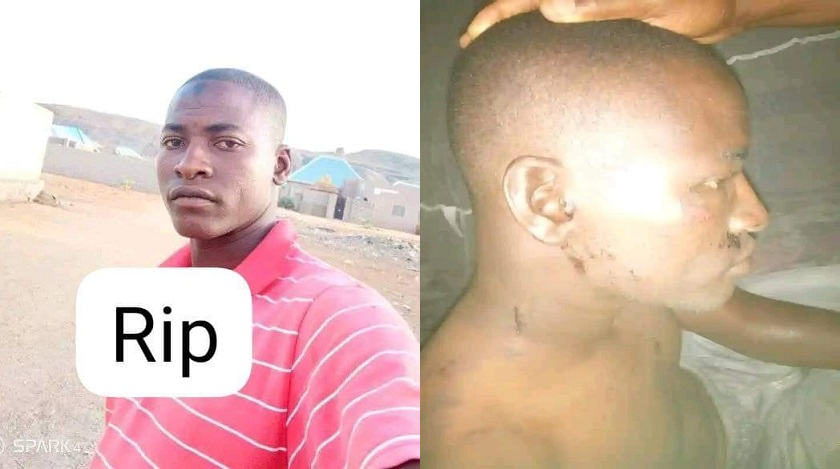
Tragically, in the midst of this brutal act, an innocent young boy passing by became an unintended victim. The excessive force used by the police officers resulted in the boy suffering a severe eye injury, nearly causing the loss of his eye. This incident has undoubtedly left a traumatizing impact on the young boy’s life. 

What is even more distressing is the apathy shown by the police officers involved. Instead of rushing the injured boy to the hospital for urgent medical attention, they callously neglected his wellbeing. This blatant disregard for human life is deeply concerning and raises serious questions about the values and principles these officers are supposed to uphold. 

In a further display of aggression, when a concerned Good Samaritan attempted to intervene and bring attention to the officers’ wrongdoing and the critical condition of the young boy, they responded with further violence. It is shocking to witness those entrusted with maintaining law and order resorting to further brutality and attempting to silence those who speak out against injustice.

The victim, Usman Sa’idu, who is 13 years old.

The incident that occurred on August 24, 2023, is not an isolated event. Instances of police brutality have become all too common, leaving a trail of suffering and shattered lives in their wake. These incidents highlight the urgent need for robust reforms within law enforcement agencies. Comprehensive training programs focused on human rights, ethics, and de-escalation techniques must be developed and implemented to ensure that officers understand the importance of safeguarding the public and upholding the law. 

Equally important is the establishment of effective mechanisms for reporting and addressing cases of police misconduct. It is essential for individuals who witness or experience such brutality to feel safe and confident in reporting these acts, knowing that appropriate action will be taken. Proper investigation and accountability measures must be in place to hold those responsible accountable for their actions. 

As a society, we cannot stand idle and allow the abuse of power to continue. It is the collective responsibility of citizens, policymakers, and law enforcement agencies to work together to address these grave issues. This means fostering a culture of respect, transparency, and accountability within our police forces. Only then can we begin to rebuild trust between law enforcement and the communities they serve. 

Furthermore, it is the duty of the government to prioritize the safety and well-being of its citizens by enacting legislation that protects individuals from the atrocities of police brutality. This legislation should provide clear guidelines on the appropriate use of force, ensure effective oversight mechanisms, and ensure that justice is served for victims of police misconduct. 

The incident that took place on August 24, 2023, serves as a painful reminder of the urgent need for reform. It is a call to action for all stakeholders to work towards a future where every individual, regardless of age, gender, or social status, can feel safe and protected by those sworn to uphold the law. 

Let us unite as a community to demand accountability, transparency, and justice for the victims of police brutality. Only then can we create a society where every person can live without fear of harm and where those in positions of authority carry out their duties with integrity and respect for human life.

Yakubu Ammar Sani wrote from Azare, Bauchi State and can be reached via -ammaryakubusani@gmail.com.

Does bail mean acquittal? 

By Abba Kyari Mohammed

In the Nigerian legal system, terms such as bail, discharge, conviction, acquittal etc., have always confused the non-lawyers, leading them to take erroneous stands over some issues. Anytime there is a high-profile trial before our courts and bail is granted to the accused person, Nigerians will curse the entire justice system describing it as weak, ineffective and a system that rigs itself to favour the rich – all because the courts exercise powers vested in them in a constitutional way to preserve the rule of law. 

I, therefore, find it pertinent to clarify some of these terms so Nigerians will stop bashing the judiciary and can redirect their anger to the right quarters while recognising their rights in the event they come in contact with the justice system, which for all intent and purposes is there to dispense justice in the best possible way. 

Let’s start with Bail, which is what always sparks the uproar in Nigeria, especially on social media, where you expect people to have become conversant with this term yet have somehow been misconstrued to mean absolute discharge and even exculpation from the charges for which the person on bail is being tried. 

Bail simply means a temporary or conditional release of a person arrested, charged or convicted of a crime. It’s granted by the police pending the investigation of a matter before it, by the court when the case is pending determination, and by the court pending an appeal when a person must have been convicted (Which is rare and only under compelling circumstances).

When bail is granted, it doesn’t mean the person is exonerated of the charges; it only means that he is released on the condition that he attends his trial until the end. In the end, the court may find him guilty, then sentence him(punish) or not guilty, and discharge and acquit him(release and exonerate) of the charges. 

Why grant bail? 

Some may ask why grant bail to people who have done despicable things. Why not convict them outright since all the facts are as clear as crystal, such as having video evidence, a confession etc? There are so many whys on our minds; perhaps, this may explain. 

To start with, under Nigerian Law, there is the Presumption of Innocence under section 36(6) of the Constitution of the Federal Republic of Nigeria 1999 as amended. It means every person charged with a criminal offence shall be presumed innocent until proven guilty by a court. To prove a case before the court in Nigeria, there are procedures and requirements laid down by the law which must be complied with. It’s not enough for the media or anyone to believe the accused person is guilty or the amount of evidence people think there is. This means that the presumption of innocence can only be rebutted when a person is convicted for the offence charged by the court. 

Premised on the above, persons charged with an offence (since they are innocent) are entitled to the right to personal liberty generously guaranteed by section 35 of the Constitution and cannot be derogated except in the circumstances justified by the Constitution or other extant laws. This means bail is a constitutional right enjoyed by persons accused of committing crimes, just like all of us do.

The courts, therefore, grant bail not because they are paid off or have regard for the criminals because of their status or offices but because it’s their constitutional right which cannot be trampled upon unless it is legally justifiable. However, bail is only granted upon an application made to the Police or the Court by the accused or his surety(s). It means you must ask the court to release you and explain why it should release you. Some may wonder why many low-profile criminals rot in a dungeon while others are released even though the crimes differ in gravity. The simple explanation is that “They don’t ask”. 

Then discharge. It is similar to discharging a person from the hospital but not entirely the same. Suppose a man has cancer and he was taken to a hospital for treatment, but the family does not have enough money to proceed with the surgery prescribed by doctors; the man is discharged, perhaps, to be brought later when the money is realised or may not be brought depending on the circumstances.

To discharge an accused person by the court doesn’t mean the court finds him innocent, but it means the court is letting him go because there is not enough evidence on the part of the prosecution to ground his trial or the prosecution withdraws the case etc. In these circumstances, the person can be rearrested and brought to court when the prosecution gathers enough evidence, just like in the case of the cancer patient when the family raised enough funds.  

Acquittal means that the court has found the accused person innocent of all the charges preferred against him after carefully looking at the facts and evidence presented by the prosecution. In a criminal trial, the case is said to have been unsuccessful and failed because the prosecution is unable to prove his case beyond all reasonable doubts.  Once the accused is acquitted, the doctrine of autre fois acquits is activated under Section 36 (9) of the Constitution of the Federal Republic of Nigeria [as amended] 1999, which means the person cannot be arrested or tried again for the same offence. It is similar to removing the cancer in the patient. Once it is removed, he is free from it. 

The Take-home therefore are:

Bail is a temporary and conditional release of an accused person pending when his trial is concluded. The accused goes home and always comes to court during his trial. In the end, the court may jail him or set him free. 

Discharge is the release of the accused person by the court but not a declaration of innocence. The person can be rearrested and brought to court again. 

Acquittal is the complete and total exoneration of the accused from the charges after the conclusion of a trial and the evaluation of evidence. 

Abba Kyari Mohammed can be reached via abbakyari2013@yahoo.com. 
Police arrest man over attempt to use son for money ritual in Lagos

By Uzair Adam Imam

The Nigeria Police Force (NPF) in Lagos State have arrested a fifty-one year-old man, Mr. Poni Bada, for attempting to use his son for ritual.

The man recounted how he lured his 9-year-old child and took him before a habalist to be sacrificed for money rituals because of the rising inflation which resulted to a bitting economic hardship in the country.

The man said he had ten children from three wives but he can not feed himself, let alone feeding them.

He stated that looking at the way things kept changing from bad to worse, he decided to use the 9-year-old kid, Agbe, who is his last child for a money ritual so that he could train the other children and have better living conditions.

However, the child was rescued when a team of policemen from the Zone 2 Command, Onikan Lagos, who acted on intelligence, stormed the herbalist’s shrine and arrested the man and other suspects.

Explaining how he came up with the idea of using his son for money rituals, the father of the boy, Bada, said: “I have 10 children from three wives.

“The situation of things kept going from bad to worse. I could not feed my children. I then decided to use my last child, Agbe, for a money ritual, so that I could train the other children and have better living conditions.

“In May 2023, I left my home town in Jakotome, Benin Republic for Nigeria, to visit my brother, Benjamin Balobi, at Ilaro, Ogun State, who earlier told me he was doing well as a farmer and that the owner of a farmland was looking for labourers.

“That was how I brought Agbe to Nigeria to work. But the thought of using him for a money ritual came up when I realized that the money paid as salary to my son was very poor.

“I told Balobi to help me get a herbalist that would help me with the money rituals; he said he knew no one but promised to help me find a herbalist who might have information on it.

“He informed Ige Koshelu (one of the suspects) who found someone that promised to take us to the herbalist’s place in Sango.

“But we were taken to another herbalist’s place in Owode, where we were arrested,” he stated.

Police arrest suspects in Abuja Bolt driver’s murder

By Muhammadu Sabiu 

Police in the Federal Capital Territory have Apprehended three suspects over the murder of a bolt driver, Obasi Okeke, in Abuja. 

According to the FCT Commissioner of Police, Haruna Garba, who was parading the suspects in Abuja, the victim was found on June 5 at Ngugu, near Area 11 Garki, Abuja, lying in a pool of blood with a cut throat. 

Obasieyene Inemesit Inem, Aaron Anthony, and Alasan Ayomide Olusegun, all Bingham University students who have been suspended from the university, were arrested after a rigorous investigation to identify the perpetrators of the crime. 

The Commissioner said it was found during the inquiry that the deceased was a bolt driver who had been hired by one of the suspects to drive them to the Guzape Area of Abuja, where they had gone to purchase Indian hemp. 

He said, “Back from Guzape, to their takeoff point, they discovered they had no money to pay for their trip. They decided to play a fast one by showing the deceased a fake debit alert on their phone, but the deceased insisted that he has not received any alert. 

“In the ensuing argument one of the suspect brought out a knife slit the deceased throat and fled from the scene. The three (3) suspects have since confessed to the crime and will be charge to court soon.”

Daughter arrested for beating mother in Anambra

By Ahmad Deedat Zakari

The Nigeria Police Force (NPF), has arrested an Anambra lady maltreating her aged mother in a viral video.

The lady identified as Ukamaka Udeugbo, was captured in a video thrashing her naked aged mother repeatedly and throwing buckets of water on her while she wriggled in pain on the ground.

The NPF Spokeperson in Anambra State, Ikenga Tochukwu, confirmed the arrest of the lady to newsmen on Sunday.

Tochukwu disclosed that the suspect kicked and flogged her 75-year-old mother.

He said: “The suspect who flogged the naked aged woman repeatedly and threw buckets of water on her while lying on the floor has been arrested and detained for prosecution.”

He further disclosed in the statement that the arrest of the woman was at the behest of the state Commissioner of Police, Aderemi Adeoye, who has also directed the transfer of the case to the State CID in the public interest.

Additionally, he said the Police Commissioner, has authorized that the aged woman be handed to the Commissioner for Women Affairs for adequate care by the Anambra State government.

He said the suspect would be arraigned in court at the end of the investigation.

As at the time of filling this report, the motive of the woman assaulting her aged mother is not yet known. However, a villager who spoke on ground of anonymity told the Daily Reality that the woman is accusing her aged mother of witchcraft.