Niger Republic

Why Nigeria should prioritise peace

By Maryann Sholanke

Recently, the world has witnessed escalating tensions and conflicts between nations, often resulting in devastating consequences for humanity. As a prominent African nation, Nigeria must demonstrate its commitment to regional stability by actively resisting any inclination towards attacking its neighbouring country, Niger.

Humanitarian Consequences and Shared Ties

First and foremost, attacking the Niger Republic would undoubtedly lead to severe humanitarian consequences. Both countries share cultural, historical, and ethnic ties, with many Nigerians and Nigeriens having close family and social connections. Any military aggression from Nigeria would inevitably cause human suffering, displacement, and loss of life among innocent civilians on both sides of the border. Nigeria should be cautious not to inflict harm on its own citizens’ family members and friends in Niger.

Diplomacy and Cooperation

Furthermore, Nigeria should recognise that diplomatic engagement and cooperation with neighbouring countries foster peace and development. By upholding peaceful relations, Nigeria can establish harmonious partnerships that benefit its citizens through regional trade, economic growth, shared security initiatives, and cultural exchange. A peaceful and stable Niger enhances regional stability and contributes positively to Nigeria’s development and progress.

Regional Stability and Solidarity

Moreover, attacking Niger risks exacerbating existing regional tensions and instability. The West African region has long grappled with challenges such as terrorism, insurgency, and organised crime. Sustaining peace and security requires collaborative efforts among regional actors rather than exacerbating conflicts that may create fertile ground for extremists and criminal networks to thrive. Nigeria should maintain regional solidarity, actively engaging in forums such as the Economic Community of West African States (ECOWAS) or the African Union (AU) to find common solutions to shared challenges.

International Reputation

In addition, Nigeria must promote and preserve its reputation as a responsible and respected international actor. Nigeria has historically been a key contributor to peacekeeping missions and conflict resolutions on the African continent. Its involvement in various regional initiatives, such as the fight against Boko Haram, highlights its commitment to regional peace and stability. By abstaining from military aggression towards Niger, Nigeria will reinforce its image as a nation dedicated to peaceful coexistence and diplomatic resolutions.

Long-Term Implications

Lastly, Nigeria must consider the long-term implications of attacking Niger. Regional conflicts often harm the stability and development of the nations involved, leading to weakened economies, strained resources, and prolonged instability. Rather than investing in warfare, Nigeria should allocate its resources towards education, healthcare, infrastructure, and poverty alleviation to empower its citizens and strengthen its national development.

In Conclusion

In conclusion, Nigeria should resist any inclination towards attacking Niger, as it is imperative to prioritise peace, regional stability, and human welfare. By engaging in peaceful resolutions, diplomatic negotiations, and collaborative efforts with its neighbours, Nigeria can set an example for other nations and contribute positively to the long-lasting development, prosperity, and peace of the West African region.

Maryann Sholanke is an Entrepreneur, child advocate and media personnel, and she writes from Abuja. She can be reached via marycool72@gmail.com.

FG ‘impressed’ with speed of $2 billion rail project from Kano to Niger Republic

By Uzair Adam Imam 

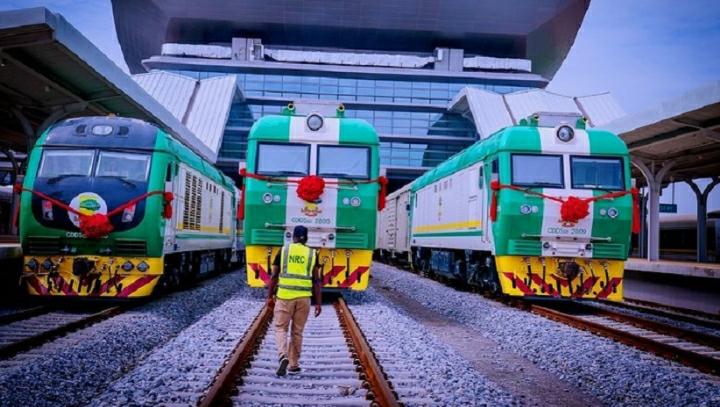
The Federal Government of Nigeria has commended the level of ongoing construction of the Kano-Maradi, Niger Republic, standard gauge rail project. 

The Minister of Transport, Sen. Ahmed Alkali, expressed this satisfaction shortly after inspecting the project on Friday. 

Alkali spoke to newsmen at Dadin Kowa in Kazaure Local Government Area of Jigawa, adding that he was satisfied with the level of work done so far. 

He said, “We are fully committed in ensuring timely completion of the ongoing Kano – Jigawa – Maradi rail line project, aimed at boosting the economy of the Nigeria and Niger republic. 

“We are working hard to fix this country; so in terms of reviewing the financial aspect we must make sacrifice, including the contractor,” he said. 

He also noted that with the speed at which the project is going, hopefully the contactors will meet the target of timely completion by 2025. 

“The $2 billion project awarded by former President Muhammadu Buhari is expected to be completed at the set agreed project target year of 2025. 

“The earth work of the project has reached 80 per cent stage, while real rail line work would soon commence after the earth works.

 “I am very impressed with what we have seen; we came all the way from Dawanau where the project started so that we have first hand information of the level of the execution of the project and the contractors are in compliance with the level of specifications of the job,” he stated.

Nigerien coup amidst ECOWAS diplomatic impotence

By Muhammad Muzdaleefa

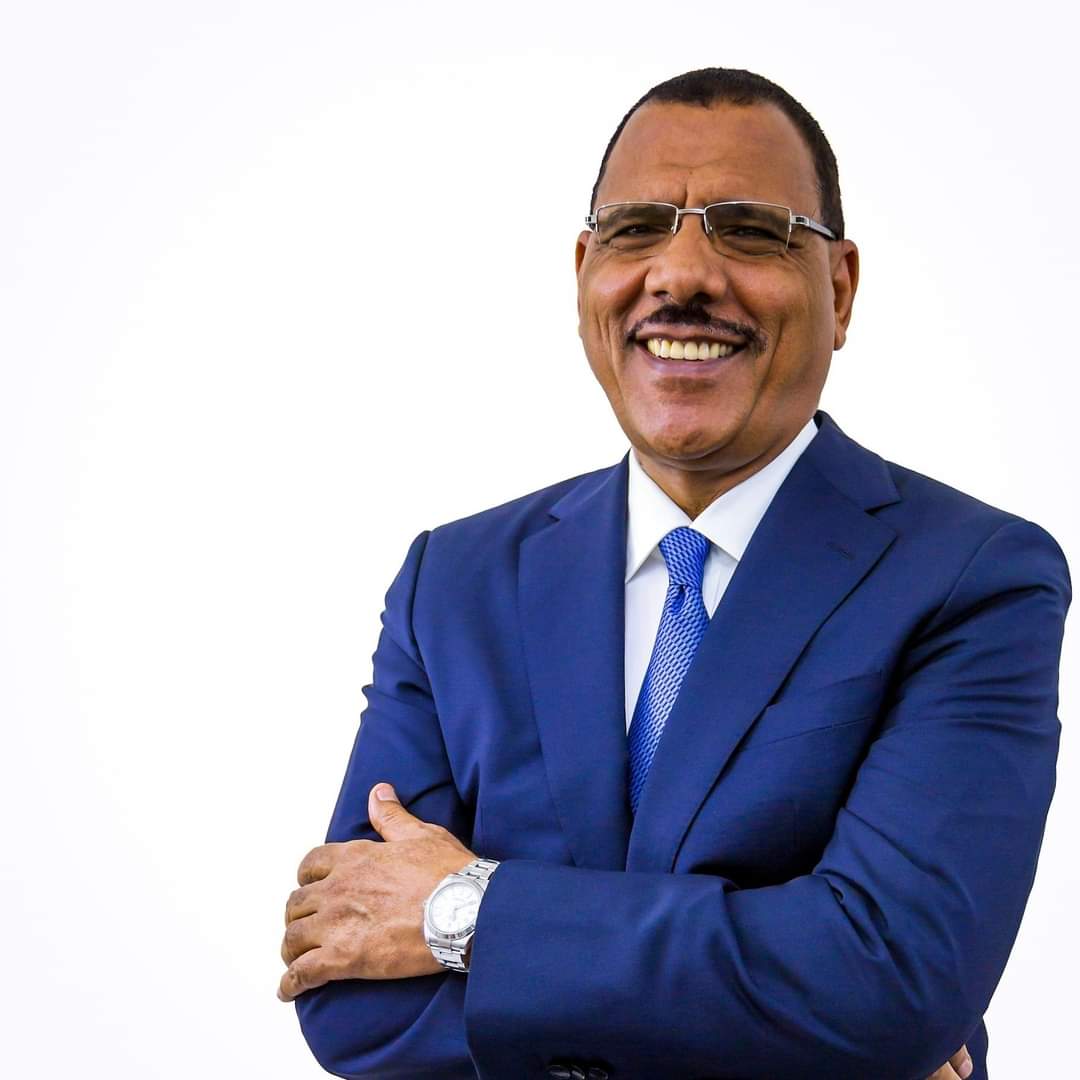
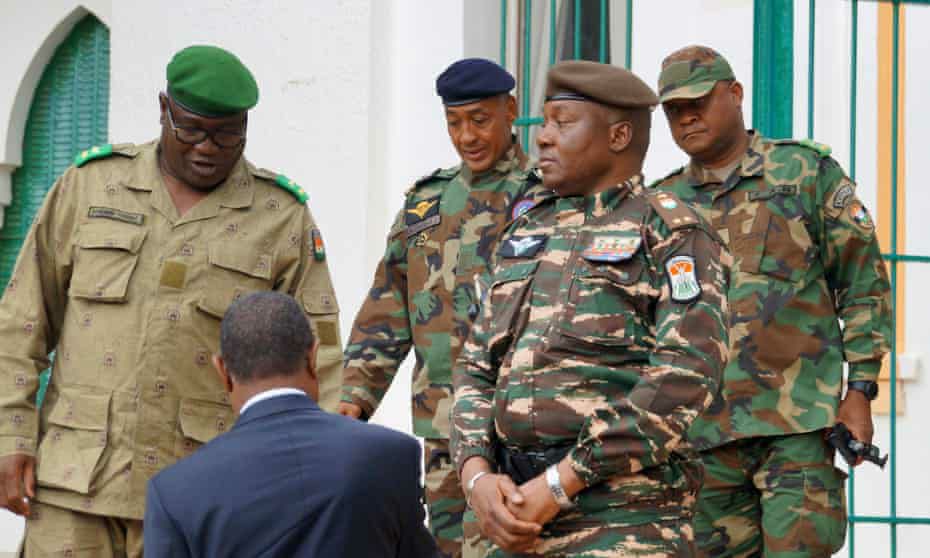
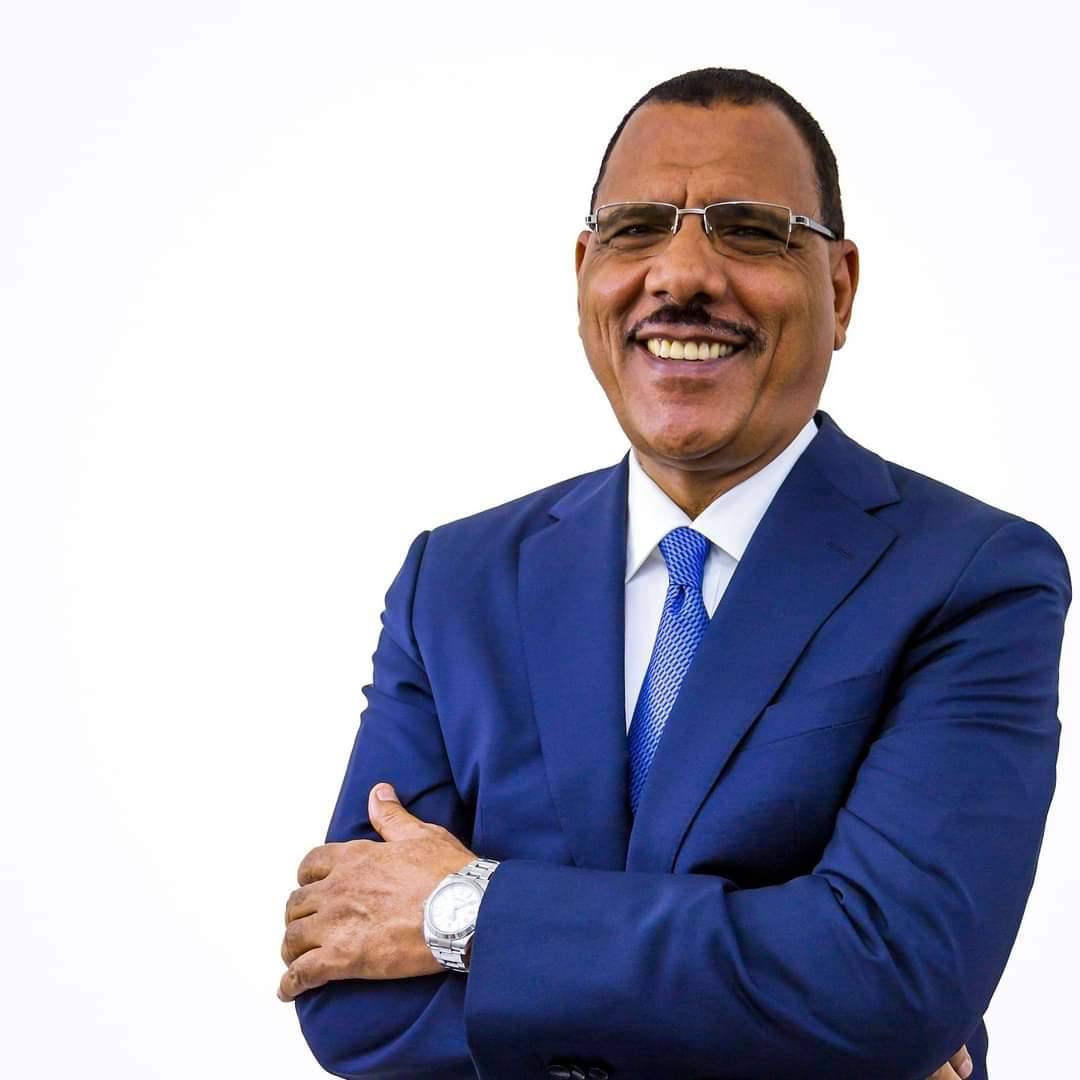
The resurgence of military coups is thwarting Africa’s democratic journey. The recent coup d’état in Niger, which saw the ousting of President Mohamed Bazoum by the military, has not only shaken the stability of the country but has also laid bare the divisions and weaknesses within the Economic Community of West African States (ECOWAS). It has also exposed a wide cleavage between citizens of member countries and their governments on ECOWAS policy on Niger. 

As far as one can read the mood without the aid of a proper poll, support for military action against Niger would probably be less than 10 per cent across the region. In Niger, news footage suggests that the public is more solidly against ECOWAS military intervention. Somewhat or otherwise, the mainstream media and social media comments show deep scepticism about ECOWAS’ direction and intentions. Many, if not most, commentators believe that the West, especially France and the US, are behind the ECOWAS drive towards a military solution in Niger.

This has led to resentment, especially in the Francophone countries, where the citizens point out that ECOWAS has been silent at draconian French exploitation of their resources continuing long after independence.

One of the glaring weaknesses exhibited by ECOWAS in response to the Niger coup is its lack of unity and consistency among member states.

While some countries strongly condemned the coup and called for a swift return to civilian rule, others remained relatively silent, seemingly hesitant to take a decisive stance. This lack of a united front weakens the regional body’s influence and diminishes its ability to address such crises effectively.

Another aspect that has been brought to the forefront is ECOWAS’s flawed diplomatic approach. Despite constituting a mediation committee to engage with the coup leaders and negotiate a resolution, ECOWAS failed to halt the coup or achieve a viable solution. The committee’s lack of leverage and the limited consequences the perpetrator’s face have raised questions about the efficacy of diplomatic efforts and the regional body’s influence over military leaders.

ECOWAS has often resorted to imposing economic sanctions to exert pressure and resolve political crises. However, the effectiveness of such measures in addressing coups has been questionable. The reliance on economic sanctions has a limited impact, particularly in countries with weak economies and high poverty levels like Niger. 

The recent example of Mali, where sanctions failed to bring about meaningful change after a military coup, highlights the need a more comprehensive and proactive approach by ECOWAS. The situation has become even grimmer, with Russia increasingly stepping in to provide short-term assistance to cushion the effects of the sanctions against coup countries, which appear to have exchanged the influence of France with that of Russia.

What is worse is the fact that the Niger crisis has also highlighted ECOWAS’s inability to identify and address underlying issues that lead to political instability. This failure to take pre-emptive measures further exposes weaknesses within the organisation. Since ECOWAS gave an ultimatum to Niger, citizens in ECOWAS countries have voiced their disapproval against any military action, mainly because ECOWAS lacks the moral authority to send troops into Niger.

Many commentators have pointed out failure within member countries as a significant contributing factor undermining ECOWAS’s intentions. Some West African governments are dynasties, flawed elections taint others, while some have repressed their countries’ media and opposition parties. 

What principles does an ECOWAS military intervention in Niger seek to establish, and are they all practised in the countries that will impose them by force of arms in Niger? If democracy is essential to ECOWAS, it has to ensure that the complete panoply of democratic principles is firmly in place in all member countries. It cannot pick and choose. Therefore, to safeguard democracy, ECOWAS should invest more proactively in conflict prevention mechanisms, addressing socio-economic disparities, and promoting good governance across member states. 

Timely intervention in electoral processes, strengthening democratic institutions, and promoting dialogue are crucial steps towards avoiding crises before they occur. In addition, ECOWAS must develop a robust apparatus to communicate with citizens across the entire subcontinent and carry out programmes that promote dialogue between citizens and between citizens and governments. 

Does public opposition to military action signal a higher tolerance for military coups in West Africa? That is a difficult question, but there is no doubt that people have generally become disenchanted with the Western democratic model, given that poverty and lack of opportunity continue to be entrenched. At the same time, politicians are seen as opportunists who are in it for themselves. However, none of this can be interpreted to mean that people in West Africa prefer military regimes.

Significantly, however, the coup in Niger has exposed the leadership vacuum within ECOWAS. While the organisation has made progress in promoting regional integration and economic development, its political leadership role has been less pronounced. ECOWAS needs robust leadership capable of decisive action in times of crisis, backed by a clear framework and mechanisms that discourage power grabs and protect democratic systems.

The coup in Niger has exposed the weaknesses, divisions, and inconsistencies within ECOWAS. The regional body’s lack of unity, ineffective diplomacy, reliance on economic sanctions, inadequate pre-emptive measures, and leadership vacuum have hindered its ability to respond effectively to political instability. The regional body’s response to the coup has showcased its challenges in effectively addressing political crises, highlighting the need for a more cohesive and proactive approach to preserving democracy in the region.

To strengthen ECOWAS and protect democracy in the region, there is an urgent need for member states to forge a unified front, strengthen conflict prevention mechanisms, explore diplomatic alternatives, and foster strong leadership committed to preserving democratic values. Without addressing these fundamental issues, the fragile democratic gains achieved in West Africa may remain at risk, allowing further regional divisions and challenges to promote peace and stability.

Muzdaleefa wrote from Kaduna via mohammedadamu736@gmail.com.

Bazoum, son in critical condition—ECOWAS official

By Muhammadu Sabiu

The former president of Niger, Mohamed Bazoum, and his son, who are being imprisoned by the leaders of the country’s coup, are reportedly living in abhorrent conditions.

This is according to the ECOWAS Commissioner for Political Affairs, Peace, and Security, Ambassador Abdel-Fatau Musah.

Musah’s remarks, which were aired on Channels Television’s Sunrise Daily on Friday, were in response to claims that the Nigerien putschists had threatened to kill Bazoum in the event that the Economic Community of West African States intervened militarily.

He said, “We are going there, if need be, to rescue President Bazoum who is living in very terrible conditions today. He is being denied medical attention, he’s being denied even access to his usual food.

“His son, who is also in detention, has lost so many kilos already. They are being held in these inhumane conditions and we cannot just sit back idle and depend on the goodwill of these people who are disrupting the democratic process in the country.

“Yesterday’s communique also made it very clear that this junta will pay dearly if anything happens to the safety, security, or the physical integrity of Bazoum, his family, or members of his government. That was clearly done.

“We are not going to hold back because they are holding the president hostage. If they dare, if they should harm in any way, then they are going to pay very dearly for that. So, this is a tactic.”

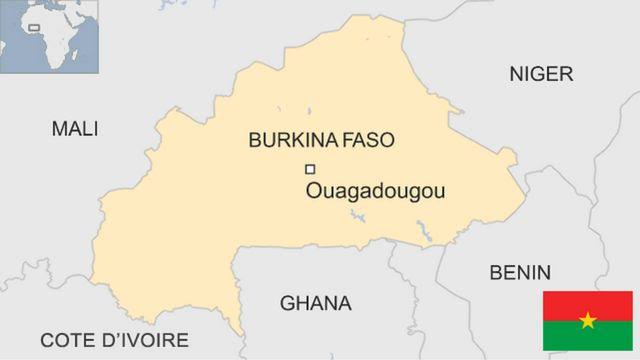
Burkina Faso jams popular radio station for airing “insulting content” against Niger junta

By Muhammadu Sabiu

One of Burkina Faso’s popular radio stations has been suspended by the junta-run administration for airing an interview that was deemed “insulting” to the new military rulers in Niger.

Thursday saw an instant suspension of Radio Omega “until further notice,” according to a statement from Communications Minister Rimtalba Jean Emmanuel Ouedraogo.

The action, according to him, was “in the higher interests of the nation.”

After the statement was released late on Thursday, the station, which is a part of the Omega media group and is owned by journalist and former foreign minister Alpha Barry, stopped transmitting.

The channel aired an interview with Ousmane Abdoul Moumouni, the spokesperson for a recently formed Nigerien organisation pushing for the reinstatement of President Mohamed Bazoum.

Recall that on July 26, the Presidential Guard deposed the nation’s elected president.

Military junta in Niger ignores ECOWAS, appoints new prime minister

By Uzair Adam Imam

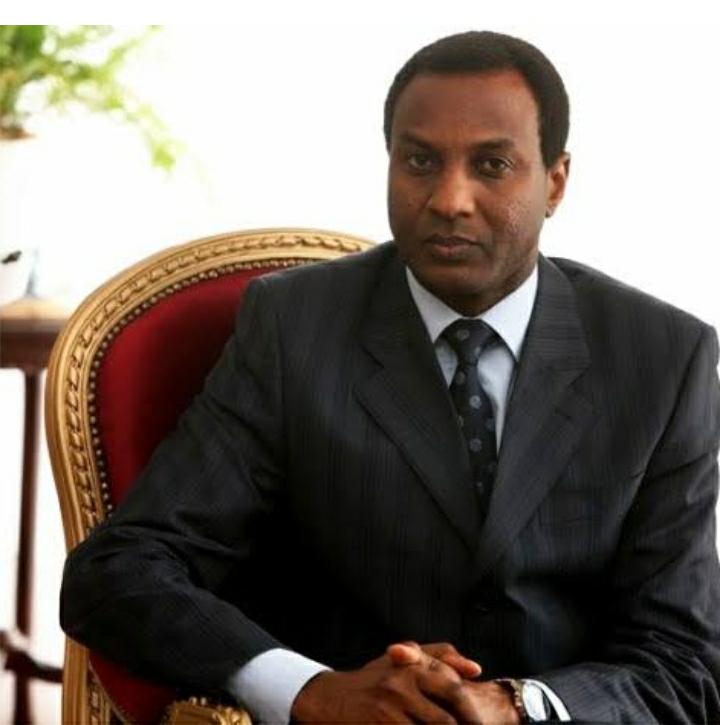
The Niger coupists have named former Economy Minister Ali Mahaman Lamine Zeine as the country’s new prime minister, nearly two weeks after they took power.

Zeine appointment was announced late Monday night by the military junta spokesman on television.

It was gathered that Zeine was the former Minister of Economy and Finance for several years in the cabinet of then-president Mamadou Tandja.

Our reporters gathered that Tundja had led the country from 1999 after its return to civilian and was ousted in 2010.

This is coming a few days after an ultimatum from the Economic Community of West African States to the coup plotters to reinstate Bazoum has expired.

However, the Daily Reality learned that the prime ministers of the ECOWAS member states will now meet in Nigeria’s capital, Abuja, on Thursday to discuss how to proceed.

Many Nigerians, especially the Northerners, are not in support of the ECOWAS measures that could possibly include force, as the ultimatum threatened.

Atiku warns against using military force to resolve Niger unrest

By Muhammadu Sabiu

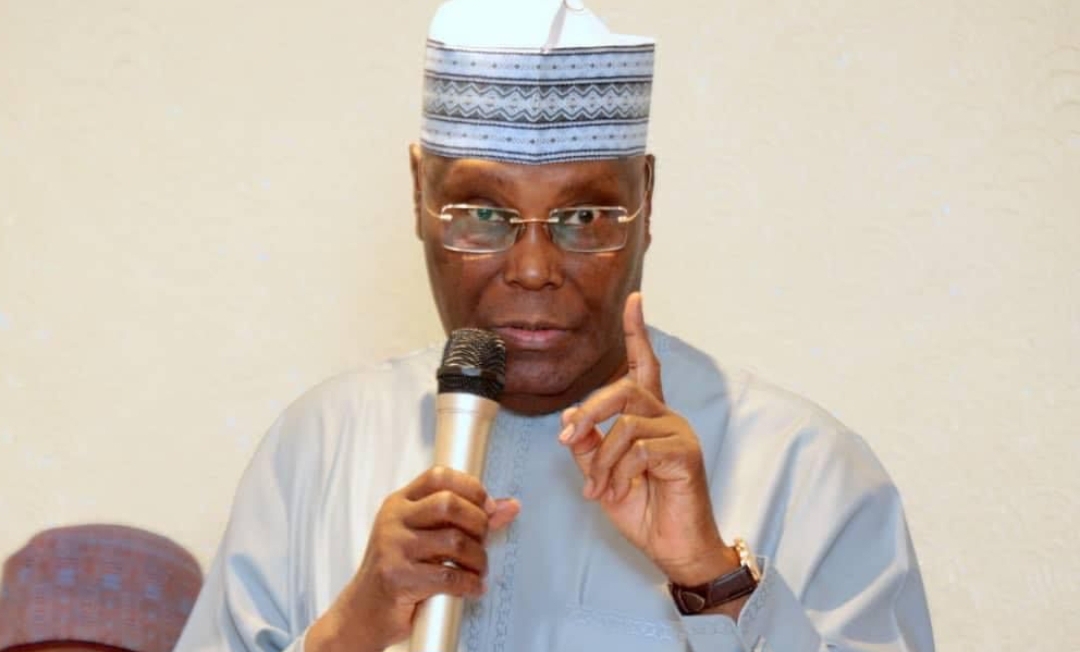
Atiku Abubakar, a former vice president of Nigeria, has cautioned the Economic Community of West Africa (ECOWAS) against using military hostilities to resolve the Niger Republic’s leadership obstacle.

Following coups in neighbouring Mali and Burkina Faso, President Mohamed Bazoum of the Niger Republic was deposed on July 26 by his own guard in the third putsch in the region in as many years.

After the coup in Niger, the regional economic bloc threatened military action.

Atiku criticised the strategy in a tweet on Thursday night, stating that deploying military techniques may make the situation worse.

He contends that the situation calls for diplomatic efforts, which implies that open lines of communication are essential.

Nigerians warned against travelling to Niger Republic amid imminent tension

By Muhammadu Sabiu

Nigerians have been advised against visiting the Niger Republic by Mustapha Sani, the NIS Comptroller in Charge of the Jibia Special Border Command, Katsina State.

This is because the Niger Republic is currently experiencing a crisis as a result of a coup d’état. Sanctions have been imposed on West Africa as a result of the event.

On Thursday, he addressed a joint celebration for the NIS’s Katsina State Command and the 60th anniversary of the service.

“Nigerians should stay at home and not attempt to go to the Niger Republic until the embargo is lifted. And we are determined to return any Nigerien we catch who is planning to come to this country,” he said.

He noted that the Service is deploying its officers to take care of the Katsina border to help curtail illegal movement from the Niger Republic.

“Despite the fact that we are divided by colonial masters, we share certain things in common like religion and culture, and that doesn’t guarantee them to enter Nigeria without valid documents,” he added.

“We have already put our officers on alert, and we have already deployed some to go and man the orthodox routes through which some of the foreigners use to enter into Nigeria and from what we have on the ground, we know it will be impossible for them to enter into Nigeria.”

ECOWAS picks Abdulsamami, Sultan Abubakar to go to Niger for mediation over recent coup

By Muhammadu Sabiu

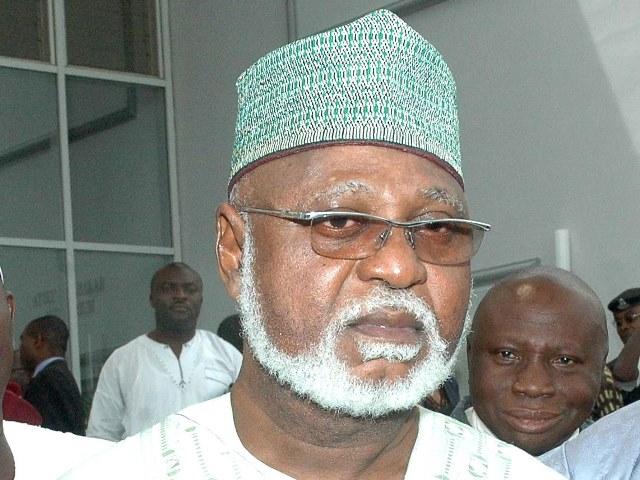
Abdulsalami Abubakar, a former military leader of Nigeria, has been picked by the Economic Community of West African States (ECOWAS) to lead a mission to Niger for mediation.

He will be accompanied by Muhammadu Abubakar, the Sultan of Sokoto, who commands great sway over the Muslim population both inside and outside of Nigeria.

Alieu Touray, the head of the ECOWAS Commission, is also a member of the group.

Patrice Talon, the president of Benin, and Mahamat Déby, the president of Chad, had previously been sent to Niger by the sub-regional bloc to meet with the coup plotters.

On Sunday, ECOWAS slapped sanctions on Niger, including a travel ban and a blockade, until President Mohamed Bazoum, who was overthrown by the military on July 26th, was reinstated.

Meanwhile, it summoned the sub-region’s defence commanders and threatened to deploy force.

A meeting of the defence chiefs reportedly took place in Abuja. Mali, Niger, Guinea, Guinea Bissau, Burkina Faso, and Guinea were not present, though.

The restrictions are already in place, as Nigeria started cutting power to Niger on Wednesday.

Niger Republic, Bazoum and France

By Muhammad Muhammad Salisu

In case you don’t know, the coup d’etat in the Niger Republic is not about the standard of living, as Nigerians are insinuating. It’s about France, Mali and the radical revolution in French West Africa.

French-speaking West African countries are beginning to divorce themselves from French neo-colonialism. The recent developments in Mali testify to this. The Russian mercenary Wagner Private Military Company’s persistent presence is a direct threat to French interests in West Africa and the US, EU and NATO, who are currently fighting Russia by proxy in Ukraine.

To the French and other Western powers, Russia is expanding its influence to Africa, which is a slap on their Caucasian faces. Moreover, Mali has now dropped the French language as its official language. France is not happy with this. To all these, even if President Mohamed Bazoum does not support the Malian radicals, France is afraid it may spread to Niger.

Another problem France is facing is Nigeria. Nigeria has always been a thorn in the flesh of France. France is not happy with Nigerian wealth and is openly jealous. It is not news that France supported the secessionists in the Nigerian civil war fought in the 1960s. And also, it is not news that the insecurity issues Nigeria is facing now, fingers are pointed at France as the prime culprit, at least from the illegal flow of weapons into Nigeria. Bazoum is lately trying to strengthen ties with Nigeria. This makes France more and more afraid.

History will never forget the fate of the late President of Niger, Ibrahim Baare Mainasara. His close ties with Nigeria under General Sani Abacha, who was also viewed in the West as an enemy, led to his overthrow and his subsequent tragic end.

This is the actual reason behind the coup d’etat in Niger. Niger has been an impoverished nation, and the West has no interest in the poverty-stricken populace there. All they are after is their political interests there. Some Nigerians are calling for similar development in Nigeria. It will not augur well should it happen. The West is more comfortable with the insecurity herein than a change in leadership.

Muhammad Muhammad Salisu can be contacted via muhdibnmuhd@gmail.com.