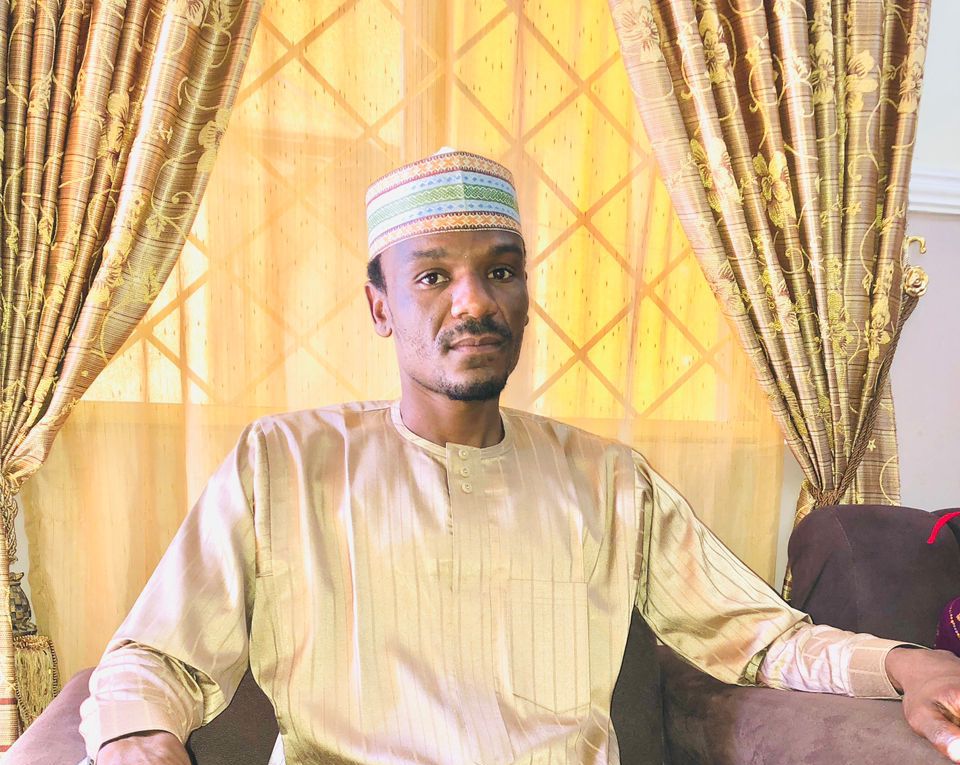
By Aliyu Dalhatu
Journalism and politics are two distinct ways of serving the public. Know the limitation of the former and stop publishing fiction for your own interest.
Magaji Danbatta wrote in his autobiography “Pull of Fate”: “I knew that to be a good journalist, a reporter or a columnist, one must have a good command of English language, rich in general knowledge and specialization in one or more subjects which could come with wide reading. One must also be a keen observer and a clean thinker and posses the ability to mix with people easily, feeling equally at home with low, the high and the mighty” (p. 116-117).
That is not all, he also added that there are plentiful stories to be told if you are willing to be an all round journalist, such as healthcare, sports, legal matters, trade, commerce, cultural performances, entertainment, among others.
Journalism, whether we see it as a profession or craft, it deserves to be treated with high sense of accuracy, fairness, integrity and ethical judgement. Not quite long ago, I had a discussion with a one veteran journalist on the disgusting nature of the visual misrepresentation of journalism profession by guerilla journalists. One thing for sure that contributed to this journalistic ill is the emergence of Internet vis-a-vis User-Generated Content (UCG).
Though, media houses can use these new media technologies in reporting, editing, publishing and disseminating news and information to their diverse audiences, however, on the other hand, these modern technologies are now seen as the global social forces that have intensified in breeding yellow journalists on social media to disseminate and fabricate lies, disinformation, hate speech, misinform and defame the character of important personalities: politicians, traditional leaders, religious symbols and other institutions with the sole aim of seeking attention, patronage and other ethno-religious agendas.
Just recently, I attended a One-Day public lecture series organized by the Department of Mass Communication, Kano state Polytechnic.
As one of the special guests, I have learned a lot about the practice journalism profession from the Associate Professor, Mainasara Yakubu Kurfi, the Head Department of Mass Communition (BUK) who presented a paper on “The 21st Century Mass Communication Student” and the one on “Crime and Judicial Reporting” presented by the Chairman, National Union of Journalists, NUJ Kano state chapter, Comrade Abbas Ibrahim and the last one by Badamasi Aliyu Abdullahi a Bookworm, who talked on “Reading: A Pathway to Entrepreneurial Journalism.”
Such opportunity had exposed me to know that for you to be a 21st century journalist or in other words “a jack of all trades”, you should remember that the world is no longer a “global village” as coined by Marshal McLuhan but now a “global room.”
Therefore, in journalism profession, “it is better to miss the story than to mess the story” as advised by Comrade Abbas Ibrahim. Furthermore, publishing fiction is not journalism, but an act of junk journalism.
Mal. Aliyu Dalhatu writes from Kano State.